


News
University of Tsukuba Hosted the "2025 Japan-ROK Exchange Program" Supported by the Japan Ministry of Foreign Affairs
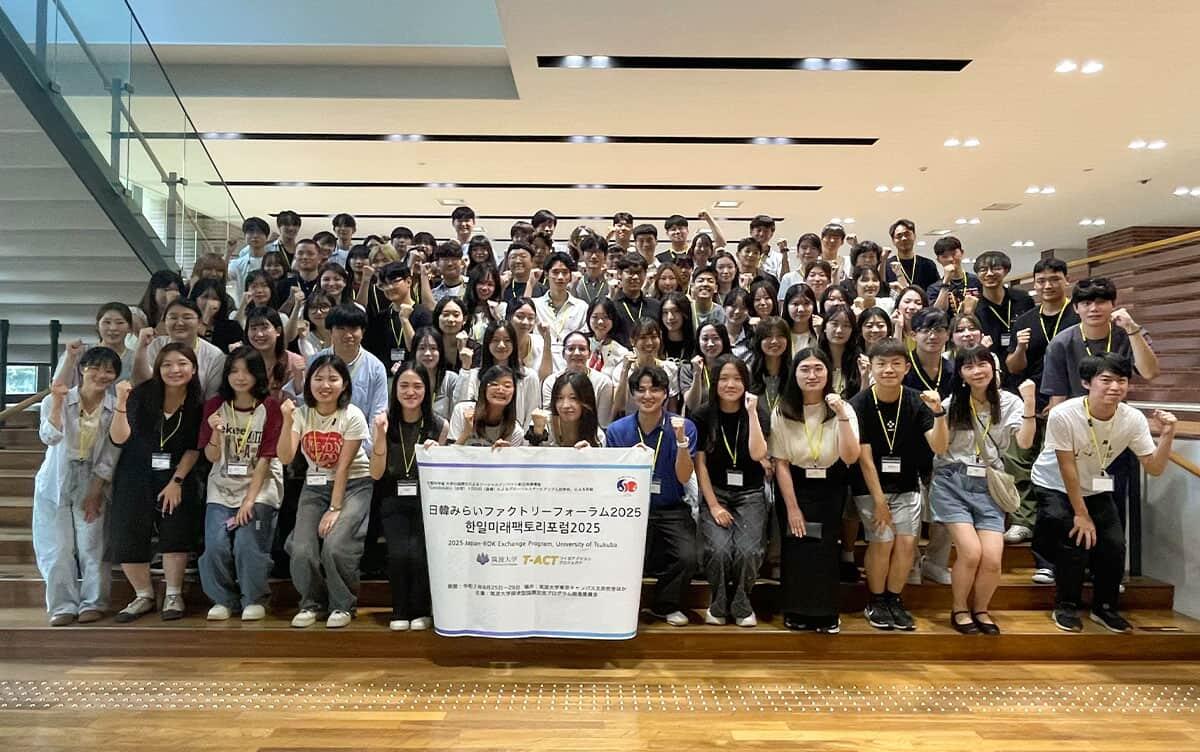
The University of Tsukuba (Director of the T-ACT Forum: Professor KARAKI Kiyoshi) held the "2025 Japan-ROK Exchange Program in Tokyo" as part of the Ministry of Education, Culture, Sports, Science and Technology (MEXT) project "Support Program for Creating Social Impact through the Internationalization of Universities," which was adopted by the university in November 2024. This is an Intercultural Collaborative Learning (ICL) program based on a Problem-Based Learning (PBL), in which students from Japan and Korea collaborate to develop social business concepts to address social issues faced by both countries. Launched in 2023 as a commemorative project for the 151st anniversary of the university's founding and the 50th anniversary of the establishment of the University of Tsukuba, this third iteration welcomed the Seoul National University (Director of the Institute for Japanese: Professor NAM Kijeong) as a cooperating institution.
The program consisted of an in-person training session held from August 25 to 29, 2025, at the University of Tsukuba Tokyo Campus and Tokyo Central Youth Hostel, as well as online pre- and post-program sessions. A total of 112 participants took part, including 44 students from Japan and 42 invited students from Korea, engaging in collaborative learning through multicultural co-learning.
The training program was structured around three perspectives: entrepreneurship education, intercultural communication, and interpersonal exchange through cultural experiences and tourism, to foster globally competent human resources and address social challenges. The program was led by Assistant Professor LEE Geonsil (T-ACT Forum) in collaboration with Assistant Professor SHIN Jeongeun (Faculty of Humanities and Social Sciences). Students were organized into mixed Japan-Korea teams and worked under the theme: "To design social business concepts that address issues common to Japan and Korea, or global challenges, by utilizing the knowledge and resources of both countries." In the pre-program sessions, participants engaged in introductory learning on intercultural communication theory and global issues. During the in-person training, students followed a PBL approach, working through a full process of problem setting, situational analysis, solution design, validation, and final presentation. In the post-program sessions, participants reflected on the overall experience and considered their future career development.
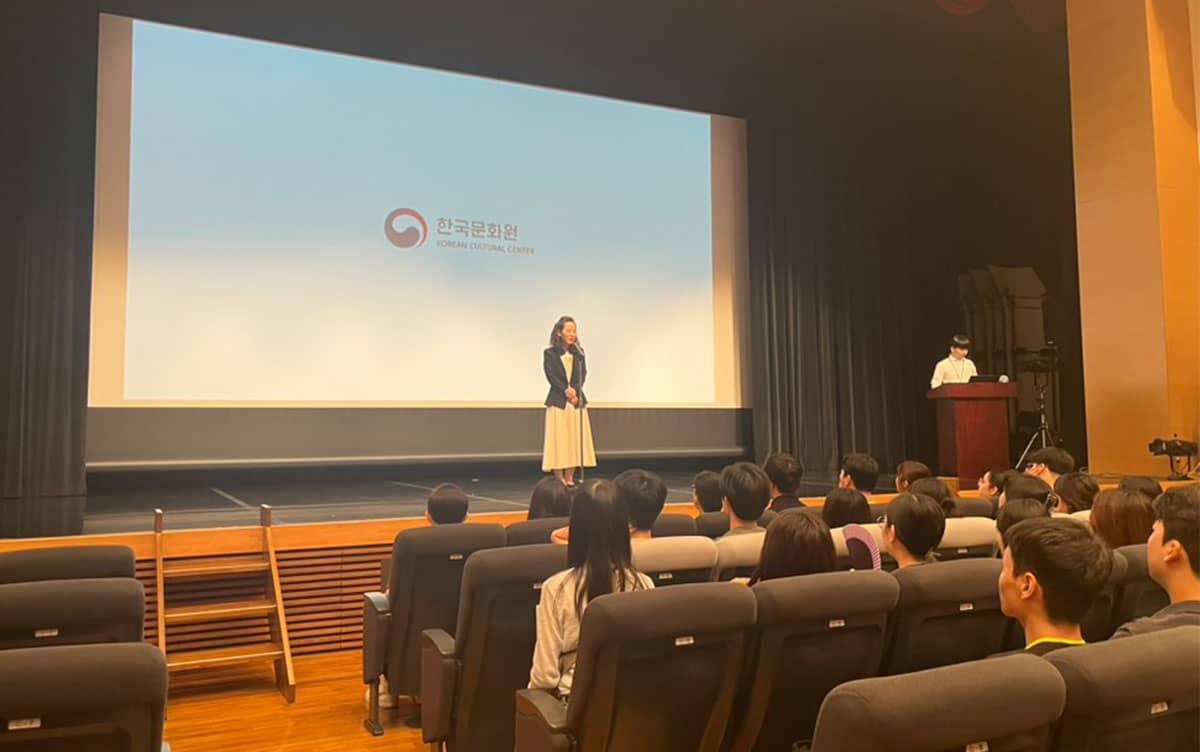
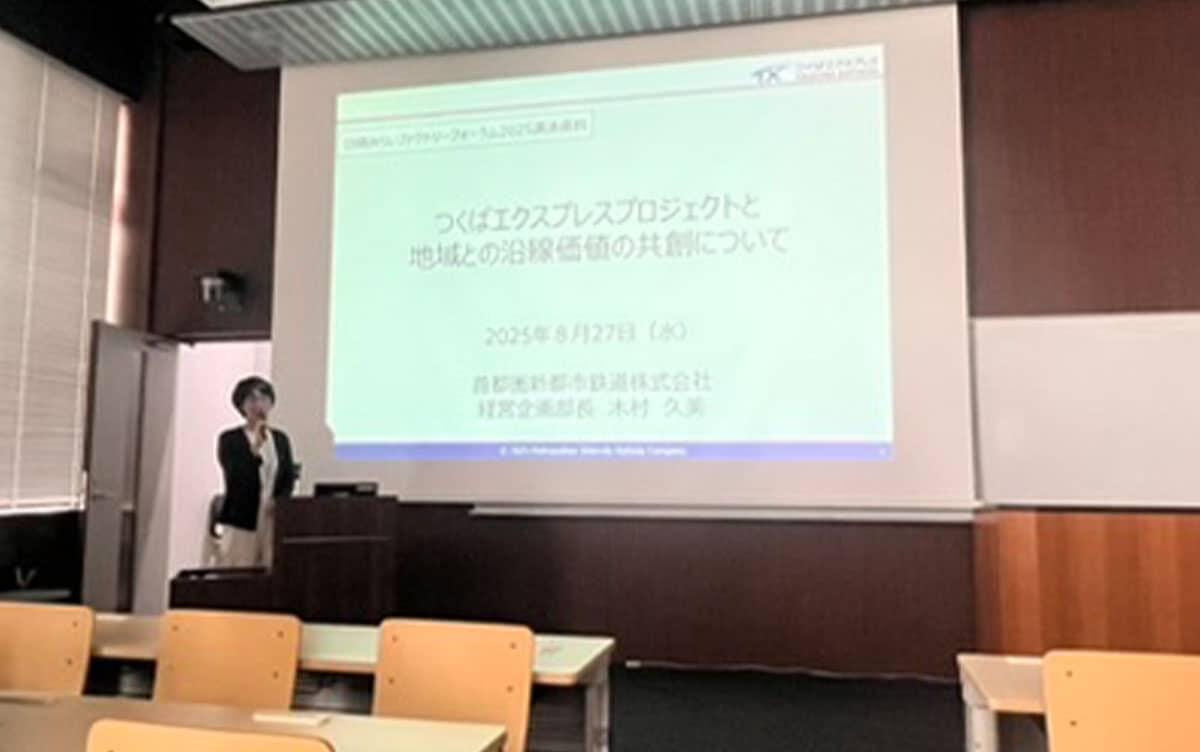
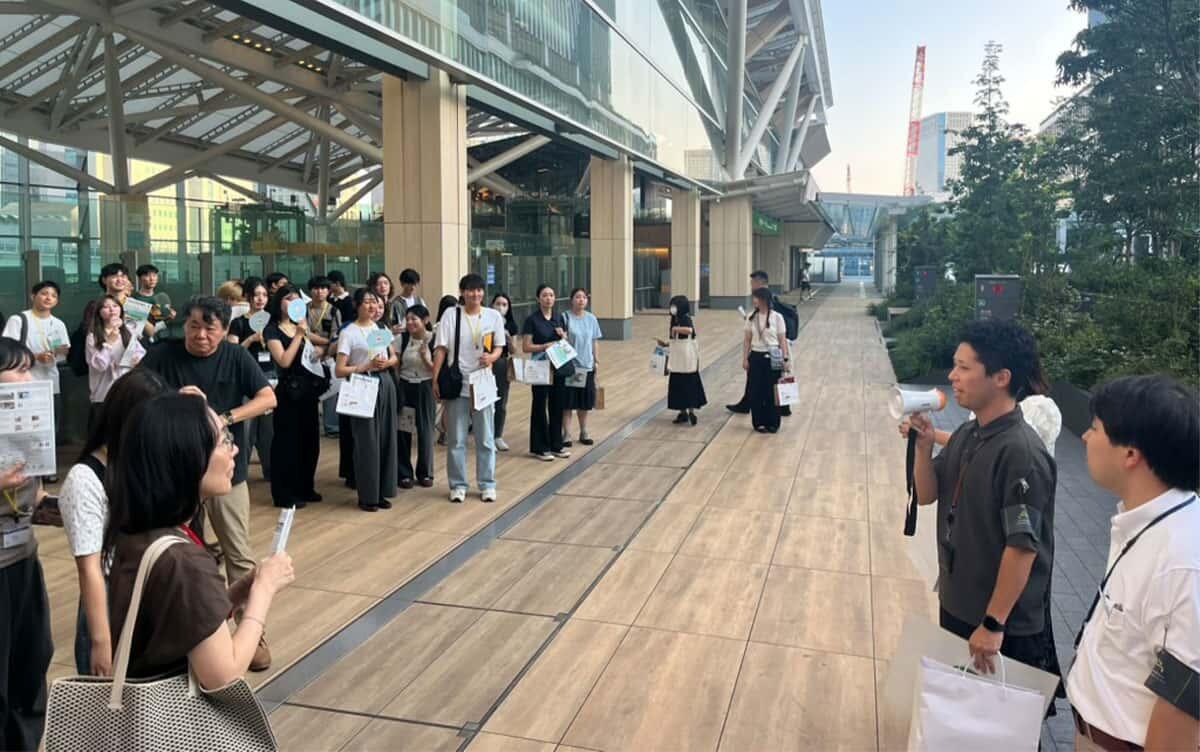
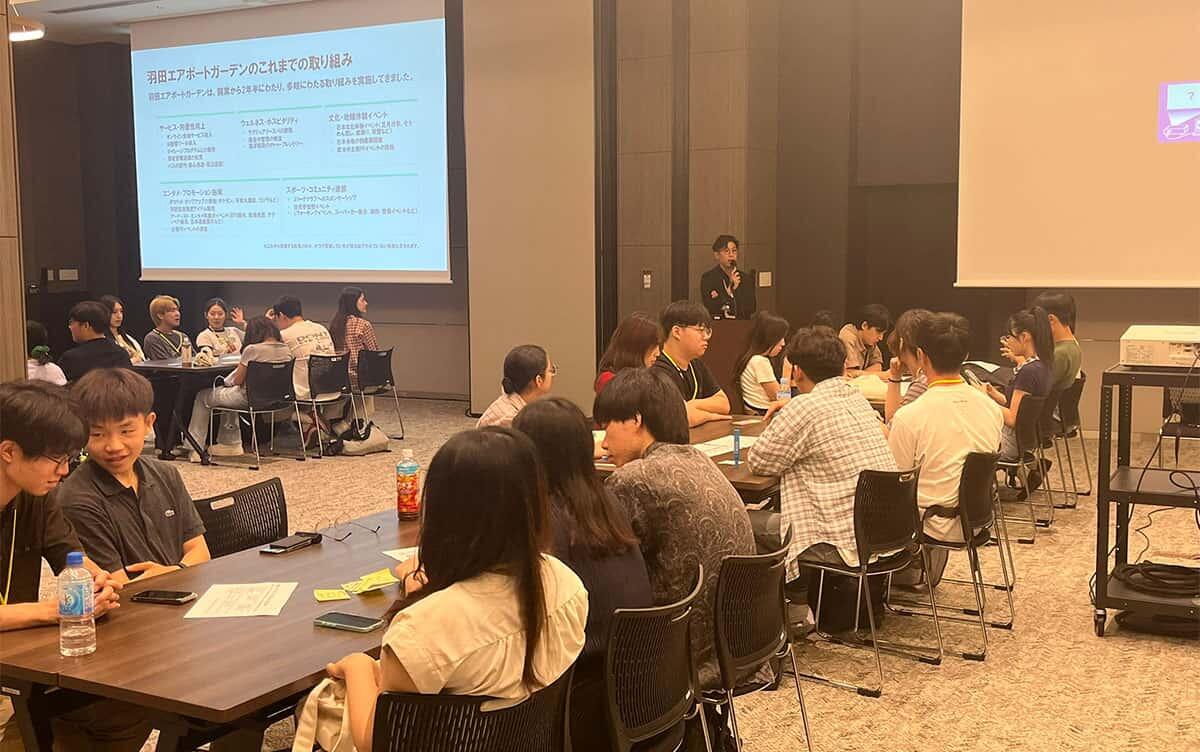
During the in-person training, students conducted fieldwork at Haneda Airport Garden in collaboration with the Sumitomo Realty & Development Group, visited TAKANAWA GATEWAY CITY in collaboration with the East Japan Railway Company (JR East), participated in a special lecture and co-creation workshop hosted by the Metropolitan Intercity Railway Company (Tsukuba Express), attended a special lecture by the Institute for Japanese Studies, Seoul National University, and paid a courtesy visit to the Korean Cultural Center in Tokyo, Embassy of the Republic of Korea in Japan. These activities provided opportunities to engage with real-world practices in solving social issues. In addition, students lived together in a camp-style setting for five days and four nights, engaging in intensive discussions. On the final day, each team presented its social business proposal, which was evaluated by a panel of industry, government, and academic representatives, including Professor Emeritus KAGA Nobuhiro, Chair of the Selection Committee.
This program has been planned and implemented by students over the past three years under the framework of the university's human development support initiative, the T-ACT (Tsukuba Action Project). In 2025, it was further selected as a university social contribution project.
Mr. HOZUMI Norihito, the project leader from the School of Social and International Studies (College of Social Science, Major in Political Science), who has been involved in the program over the past three years, stated:
"One of the greatest attractions of the University of Tsukuba is the ability to fully challenge what you want to pursue."
He also noted,
"We aim to further accelerate research on more effective ICL and contribute to society through both practice and research."
Furthermore, he expressed his commitment to
"developing foundational initiatives for implementing our ICL in Korea in collaboration with partner institutions,"
adding that
"by expanding this program in Korea, we hope to enhance understanding of Japan and increase interest in Japan."
Through participation in this program, students from diverse backgrounds in both countries collaborated, promoting deeper mutual understanding and the acquisition of multifaceted perspectives on social issues. The program is expected to enhance students' autonomy, collaborative skills, and international competencies. As part of ongoing network development following the program, an alumni organization was established in January 2025. Moving forward, efforts will be made to strengthen support systems for the social implementation of students' ideas, while expanding the program from the University of Tsukuba to regional cities in Korea, thereby contributing to the bidirectional development of Japan-Korea exchange.
This project is an official initiative supported by the Ministry of Foreign Affairs of Japan, a commemorative project for the 60th anniversary of the normalization of diplomatic relations between Japan and the ROK, and a "TEAM EXPO 2025" co-creation challenge of the Expo 2025 Osaka, Kansai, Japan. It is supported by a total of 22 organizations, including grants from the Japan-Korea Cultural Foundation, the Mitsubishi UFJ Foundation, and the Alumni Association of the University of Tsukuba.
Affiliations in the text are as of 2025.
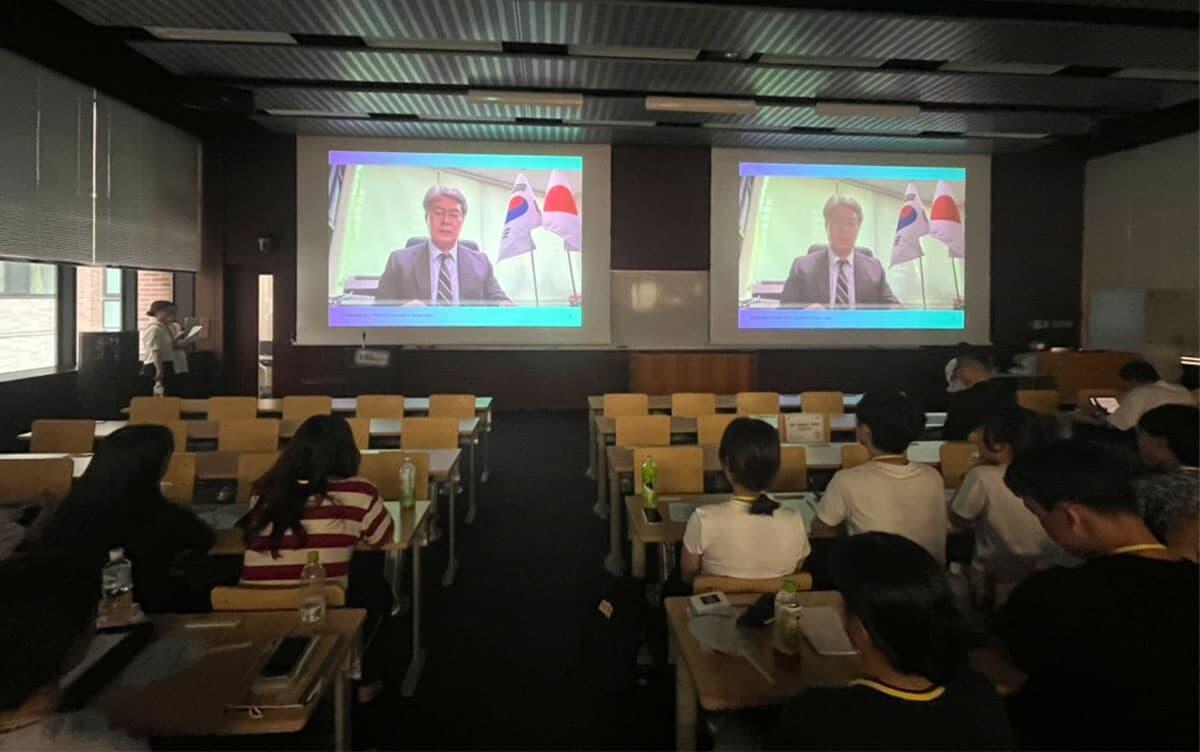
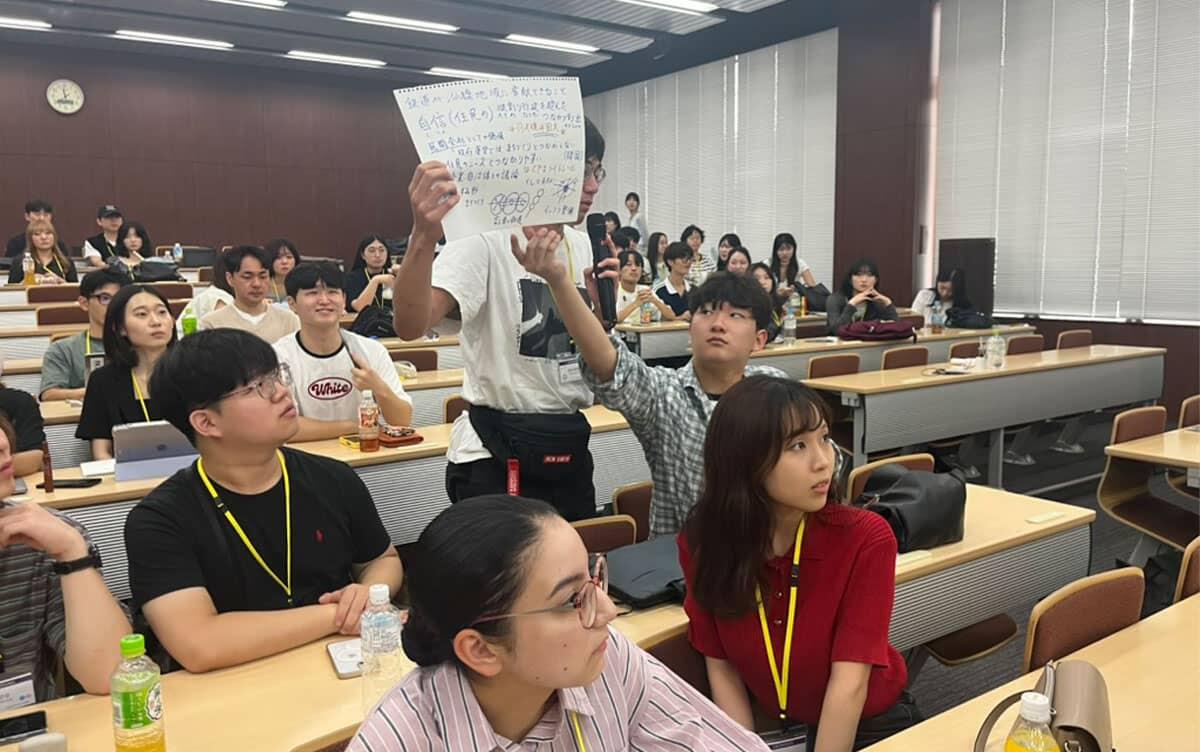
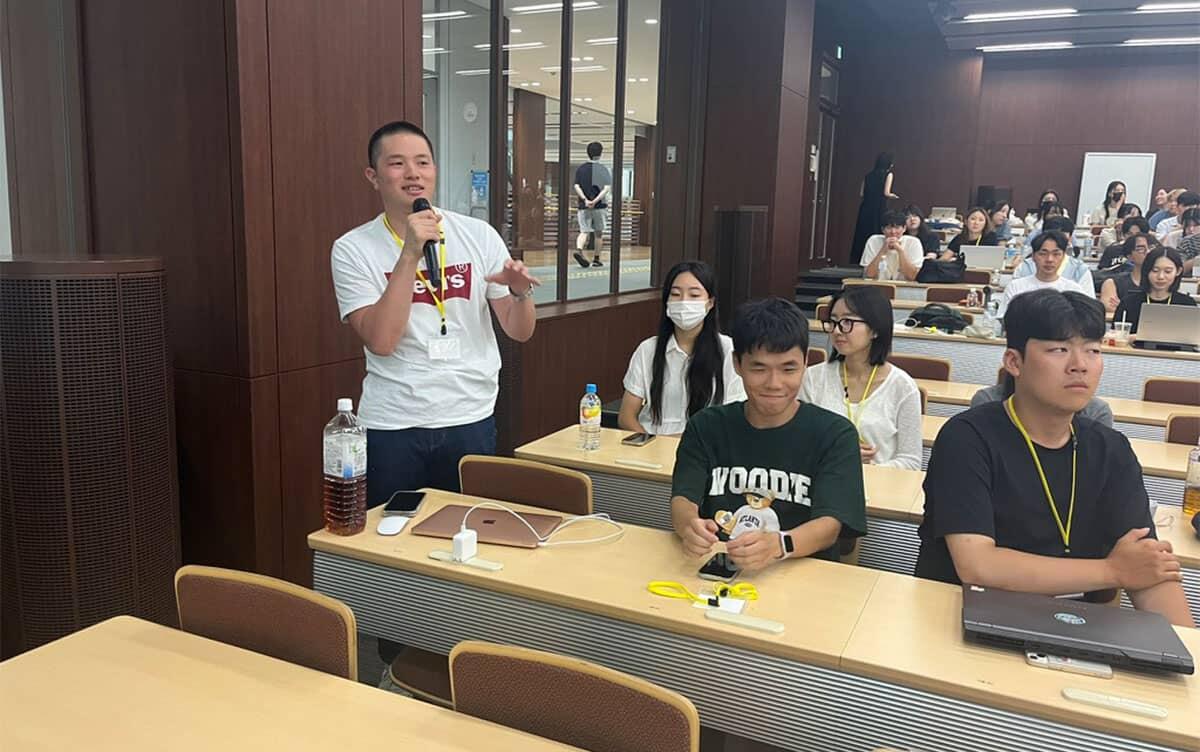
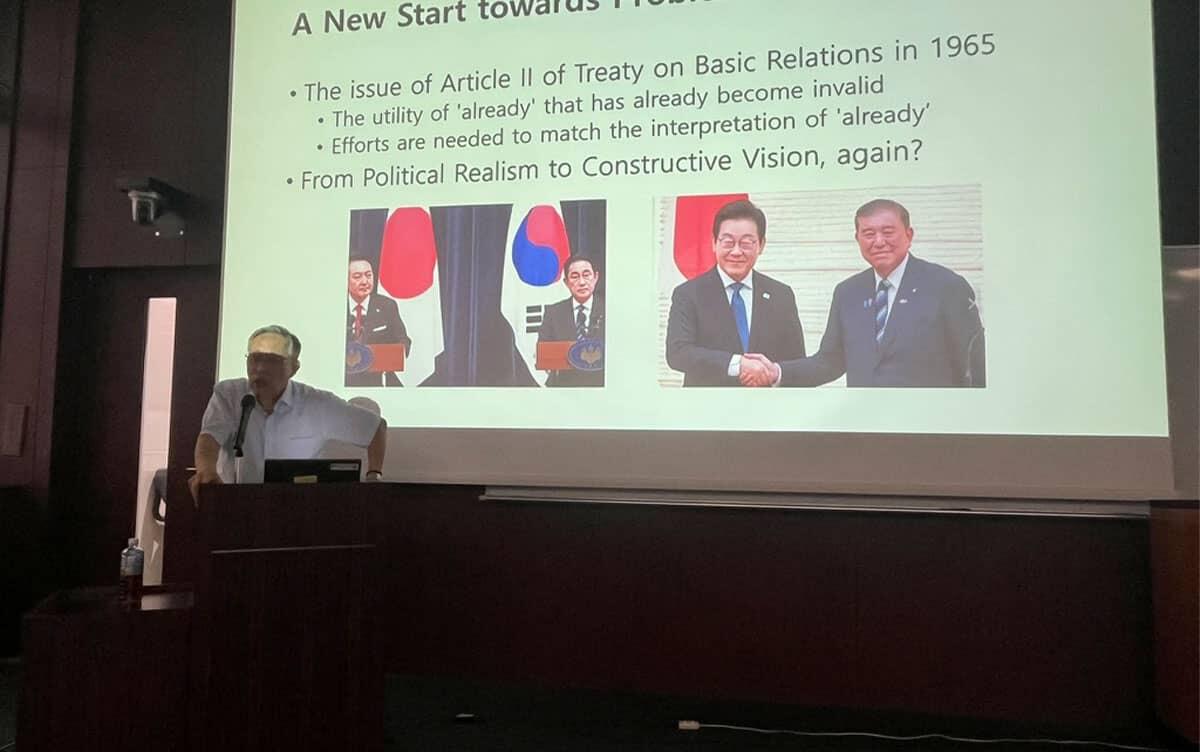
2025 Japan-ROK Exchange Program in Tokyo: Report on the In‑Person Training