


News
University of Tsukuba hosted the "2026 Japan-ROK Exchange Program in Tokyo" supported by the Japan Ministry of Foreign Affairs.
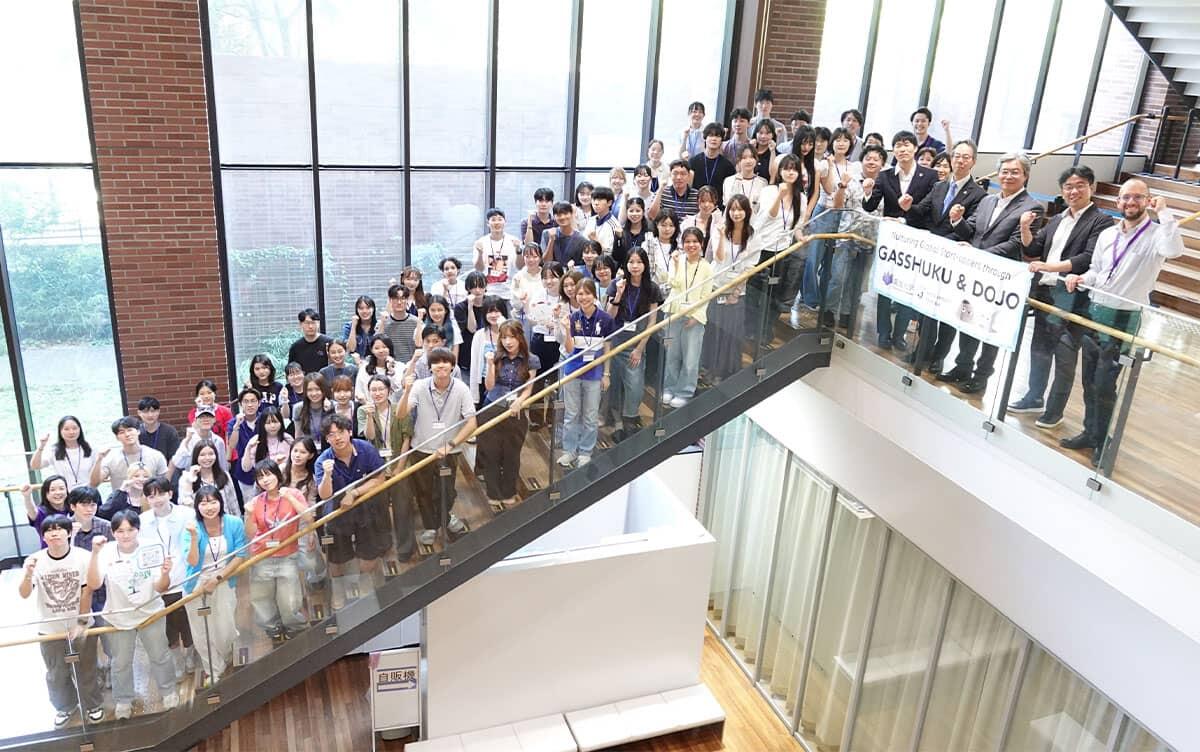
The University of Tsukuba held the "2026 Japan-Korea Exchange Program in Tokyo" (hereinafter, the "Forum") from August 24 to 28, 2026, as part of the Ministry of Education, Culture, Sports, Science and Technology (MEXT) "Multicultural Campus Project Toward Social Impact" under the University's initiative, "Nurturing Global Start-uppers through GASSHUKU and DOJO."
The program provides a practice-oriented multicultural co-learning environment in which students from Japan and the Republic of Korea address social challenges shared by the two countries. Through sustained dialogue with peers from different cultural, linguistic, and intellectual backgrounds, participants deepen mutual understanding and work together to develop solutions to common challenges.
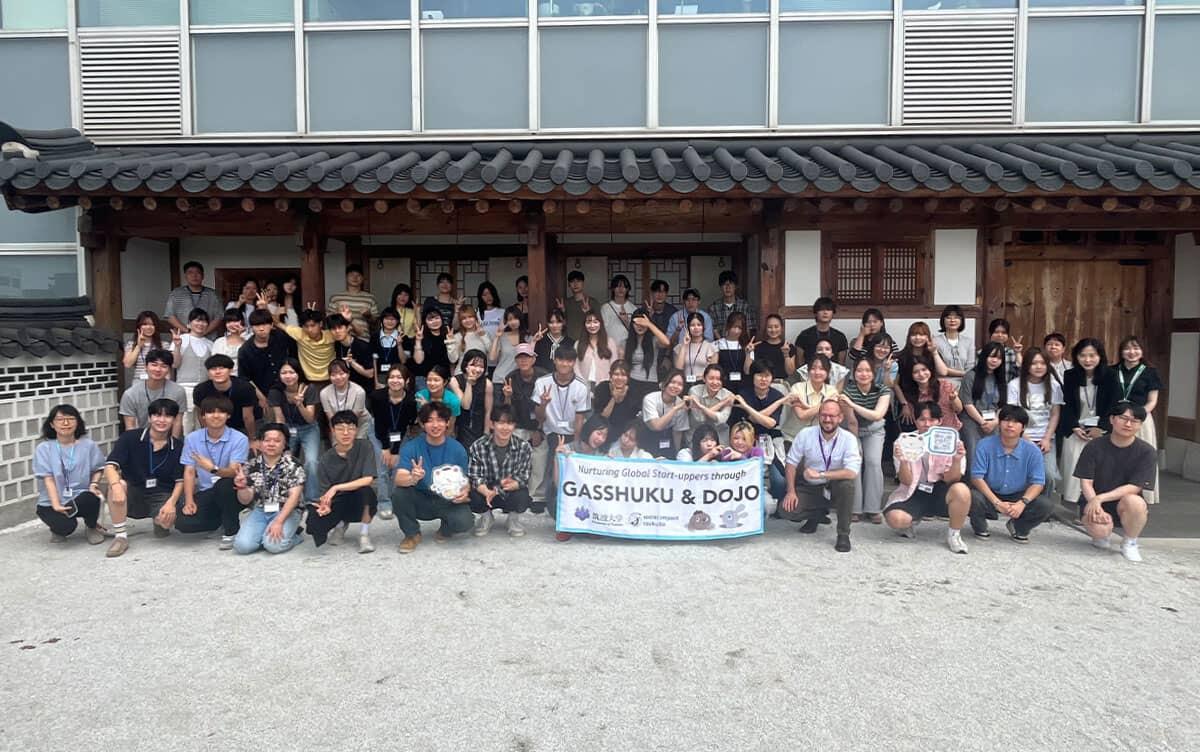
The sixth edition of the Forum was held under the theme, "Addressing the Challenges of a Declining Birthrate and Aging Society: Designing the Future through Our Ideas." A total of 69 students--35 from Japan and 34 invited from the Republic of Korea-- participated in the program at the University of Tsukuba Tokyo Campus. Participants also stayed together for four nights and five days at the Tokyo Ueno Youth Hostel, where they developed ideas for social businesses and policy proposals.
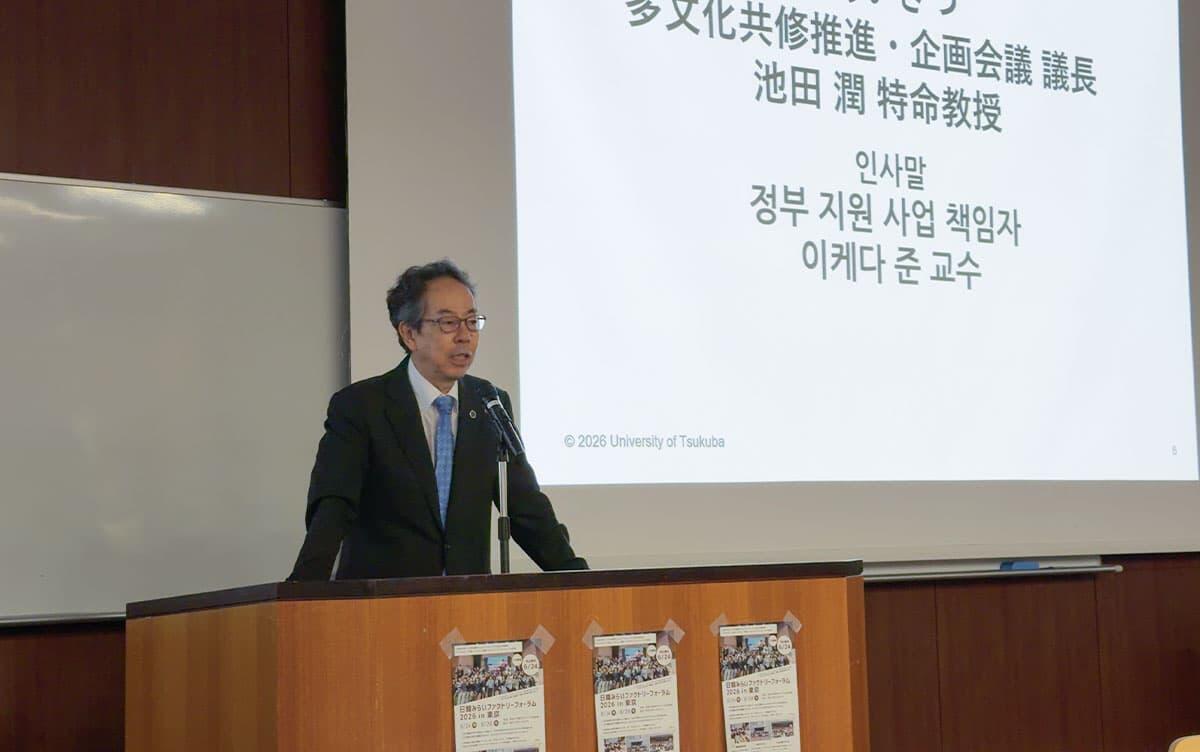
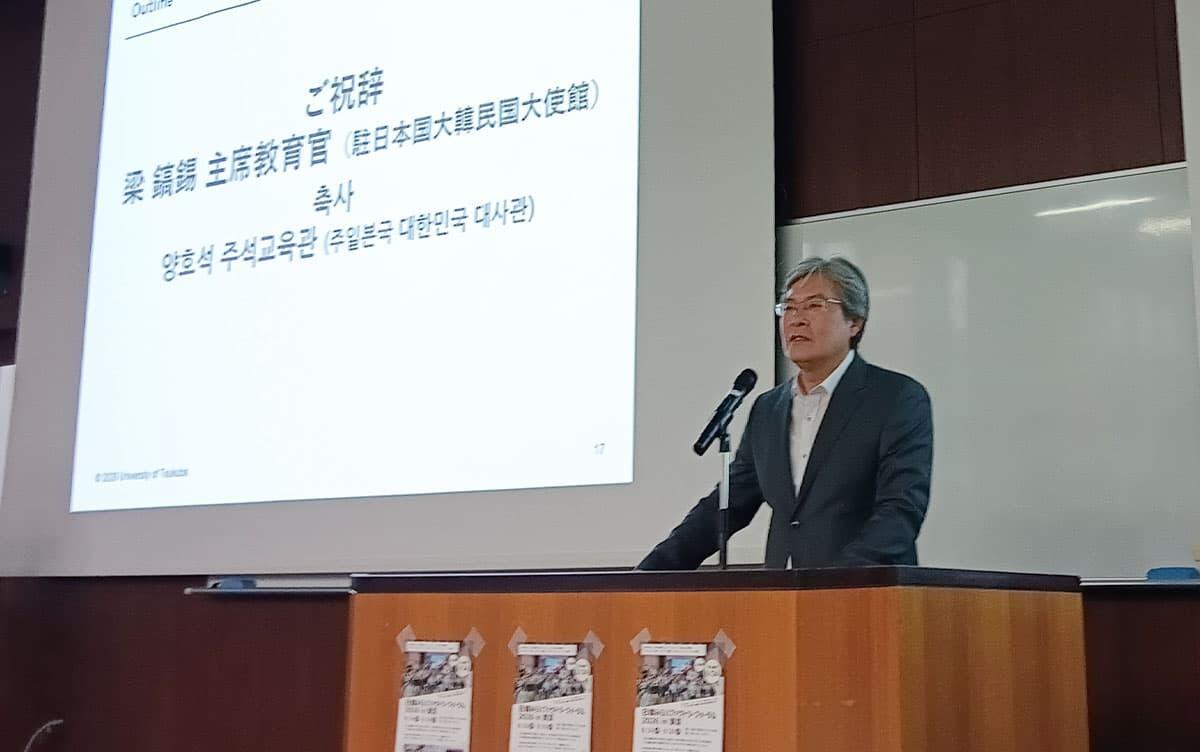
The Forum opened with remarks by Professor IKEDA Jun, Chair of the Multicultural Co-Learning Promotion and Planning Council. Counsellor YANG Ho-seok, Chief Education Officer of the Embassy of the Republic of Korea in Japan, also attended the opening ceremony and delivered congratulatory remarks, welcoming the University of Tsukuba's initiative in promoting youth and academic exchange between Japan and the Republic of Korea.
The program was designed around three key dimensions: entrepreneurship education, intercultural communication, and cultural exchange through intensive person-to-person interaction, including living and learning together. The academic program was led by Professor MENA Aaron (Division of Educational Promotion), and Lecture LEE Geonsil, Bureau of Human Empowerment. Students formed mixed Japan-Korea teams and worked collaboratively throughout the program.
During the pre-program training, students were introduced to theories of intercultural communication and global challenges. The face-to-face program employed Problem-Based Learning (PBL), through which participants engaged in the full process of identifying issues, analyzing current conditions, designing and testing solutions, and delivering final presentations. The post-program session provided participants with an opportunity to reflect on the overall experience and consider how their learning could inform their future career development.
As the declining birthrate and aging population are major social challenges shared by Japan and the Republic of Korea, the face-to-face program incorporated lectures and fieldwork in cooperation with partners from industry, government, and academia.
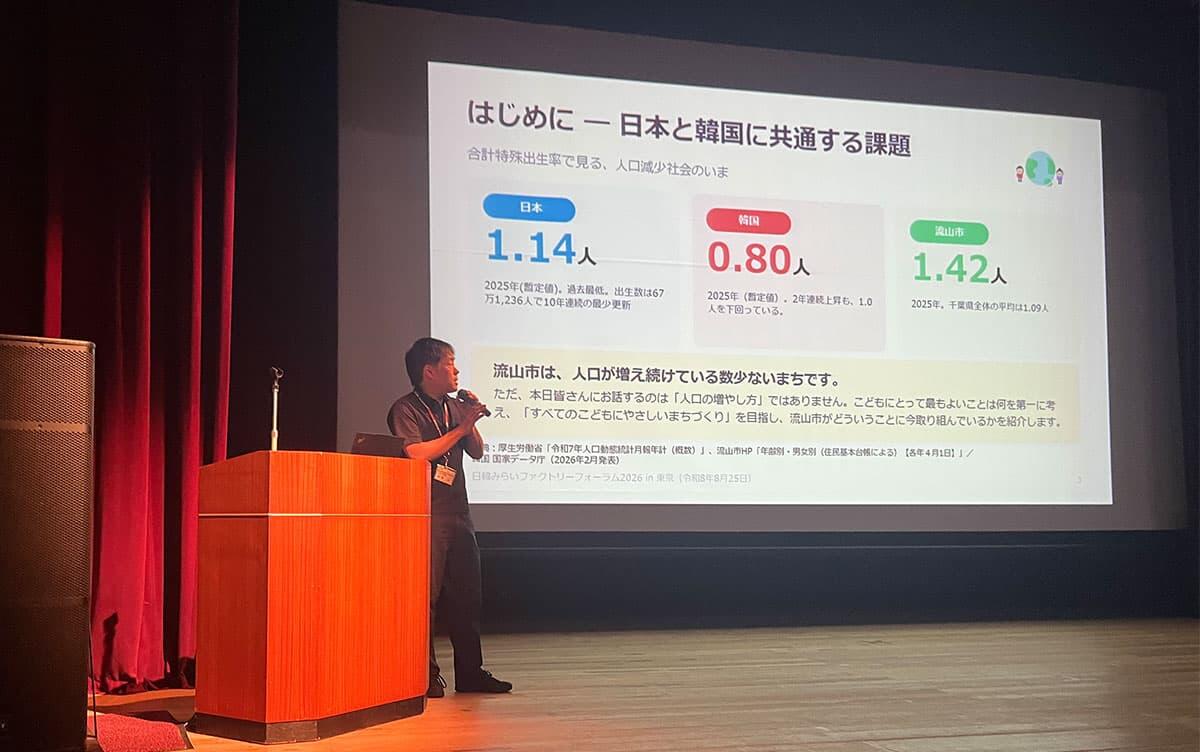
On August 25, participants visited Nagareyama City, Chiba Prefecture. Mr. WASHIO Kazuki, Head of the Child Policy Office of Nagareyama City, together with Ms. KATAOKA Mana, delivered a special lecture on the city's policies for children and child-rearing. Mr. ONUMA Shunichiro, General Manager of the Chiba Business Division of Toshin Development Co., Ltd., gave a special lecture on the development of Nagareyama Otakanomori S.C. and its contributions to community development and regional revitalization. Based on the lectures, students conducted fieldwork in and around the Nagareyama Otakanomori S.C. area.
On August 27, Ms. TAKAGI Mai, Assistant Counselor at the Children and Families Agency Government of Japan, delivered a special lecture entitled "Toward the Realization of a Children-Centered Society." The lecture was followed by an active question-and-answer session with participating students.
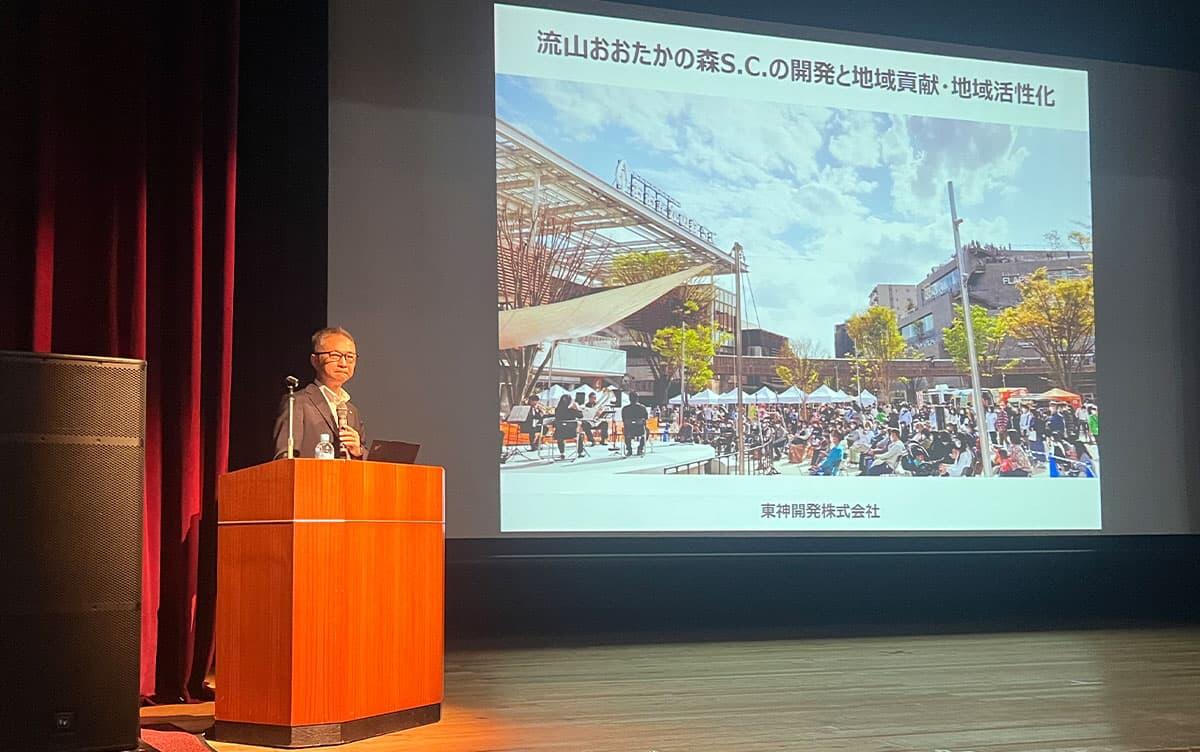
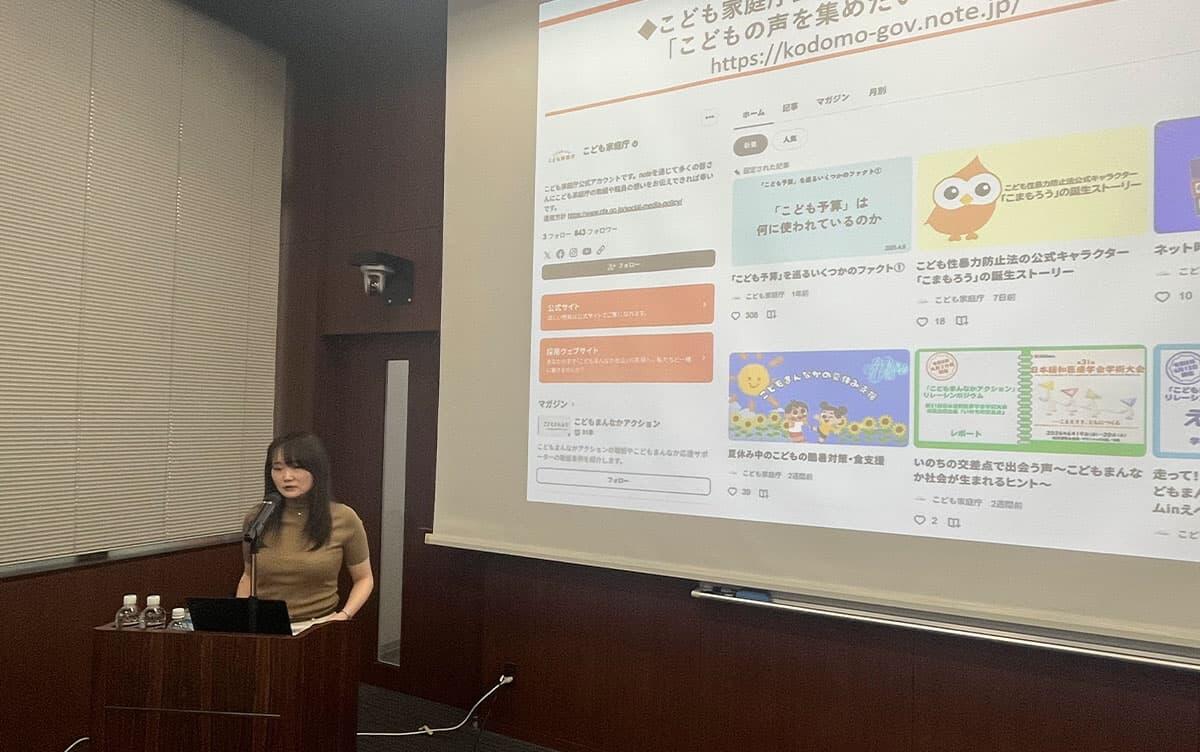
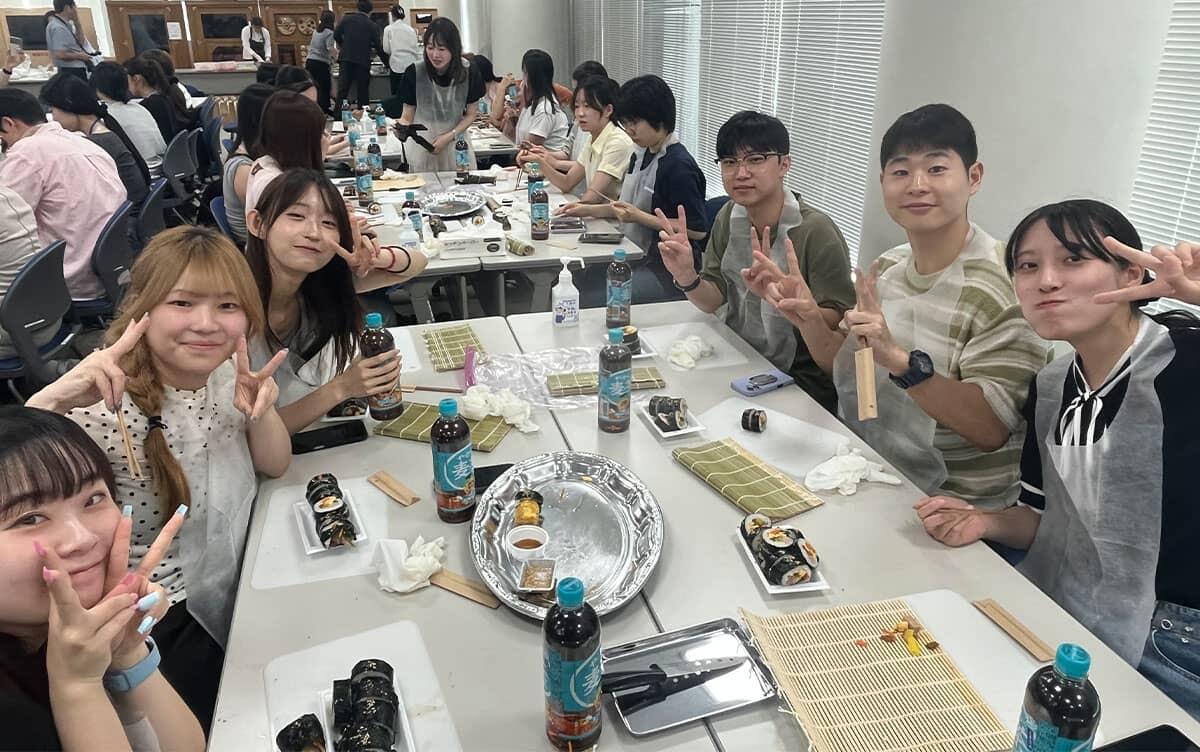
Cultural exchange was another central component of the Forum. On August 26, under the leadership of the Korean Cultural Center, Embassy of the Republic of Korea in Japan, a special cooperating organization of the Forum, participants took part in a special lecture and hands-on workshop on Gimbap, a traditional Korean dish. The program was supported by OTOGGI Corporation, a major Korean food company, with cooperation from Baewha Women's University.
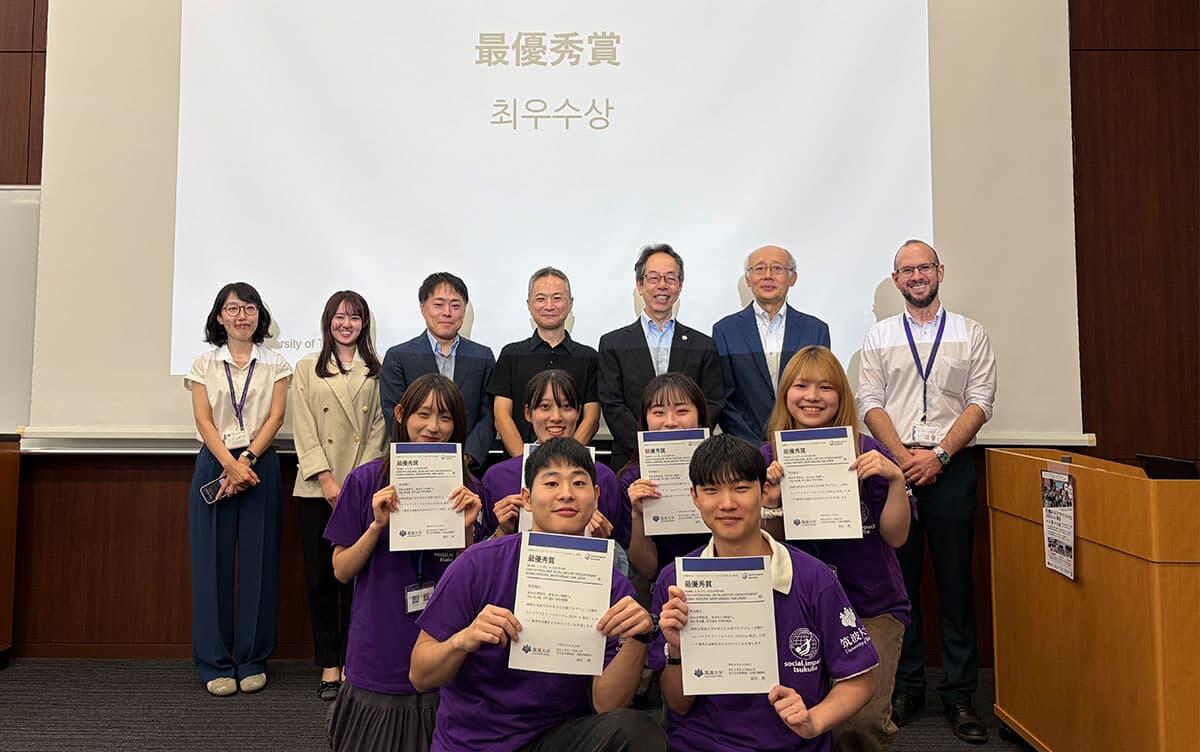
On the final day, each student team presented its proposed solution to the social issues explored during the program. The presentations were evaluated by a panel of representatives from industry, government, and academia, chaired by Professor Emeritus KAGA Nobuhiro. The team presenting the idea "From a School on Break to a Community That Never Takes a Break" was selected for the Grand Prize.
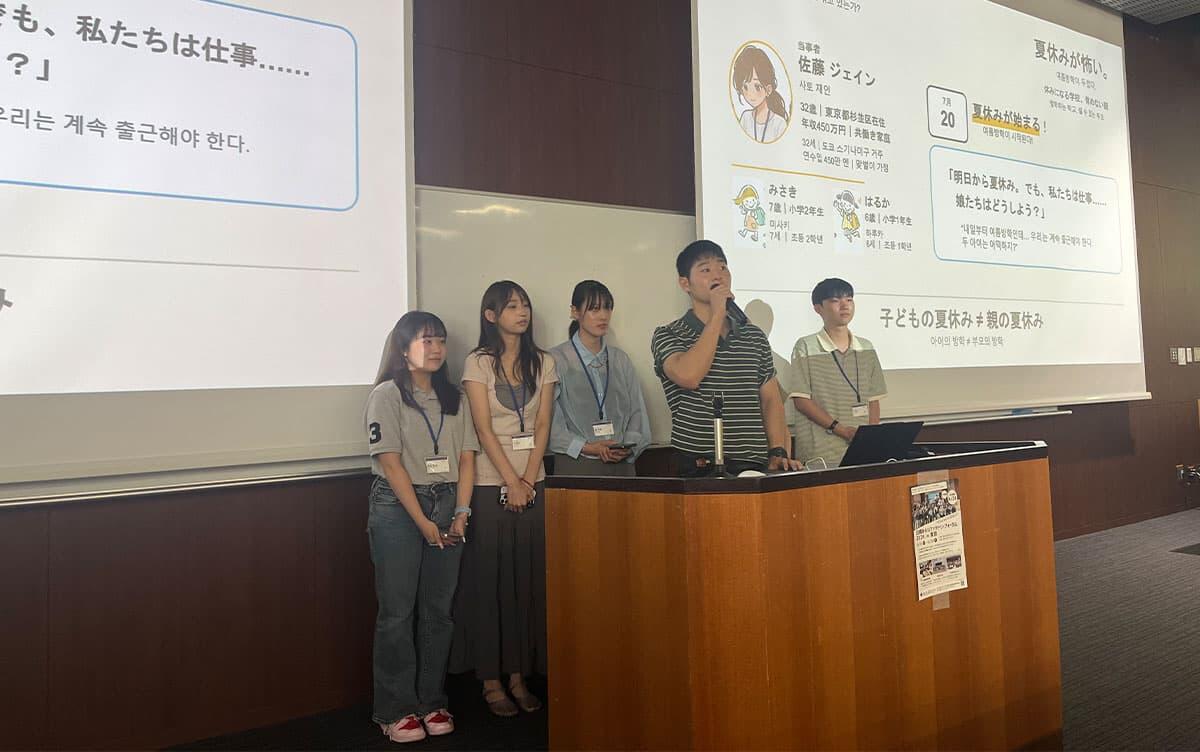
The Japan-ROK Exchange Program was originally conceived and developed by University of Tsukuba's students in 2023 under the framework of the University's human development support initiative, the Tsukuba Action Project (T-ACT). Beginning in 2026, the Forum has been operated by the Division of Educational Promotion, University of Tsukuba.
By bringing together students with diverse backgrounds from Japan and the Republic of Korea, the Forum is expected to deepen mutual understanding while enabling participants to acquire multiple perspectives on social challenges and further develop their initiative, collaborative abilities, and international outlook.
The Japan-ROK Exchange Program has also been held in the Republic of Korea since 2025. Looking toward the future, Mr. HOZUMI Norihito, Division of Educational Promotion, also College of Social Sentences stated:
"Our aim is to go beyond one-off exchanges and build a sustainable framework in which young people from Japan and Korea can continue learning from one another and working together. With the University of Tsukuba as a hub, we hope to further strengthen student mobility between Japan and Korea."
The Forum is supported by a total of 16 organizations, including the Ministry of Foreign Affairs of Japan, which provides official support, and the Mitsubishi UFJ Foundation, which provides financial assistance.
2026 Japan-ROK Exchange Program in Tokyo: Report on the In‑Person Training