


Research News
Single Provision of Non‑Alcoholic Beverages Reduces Short-Term Alcohol Consumption
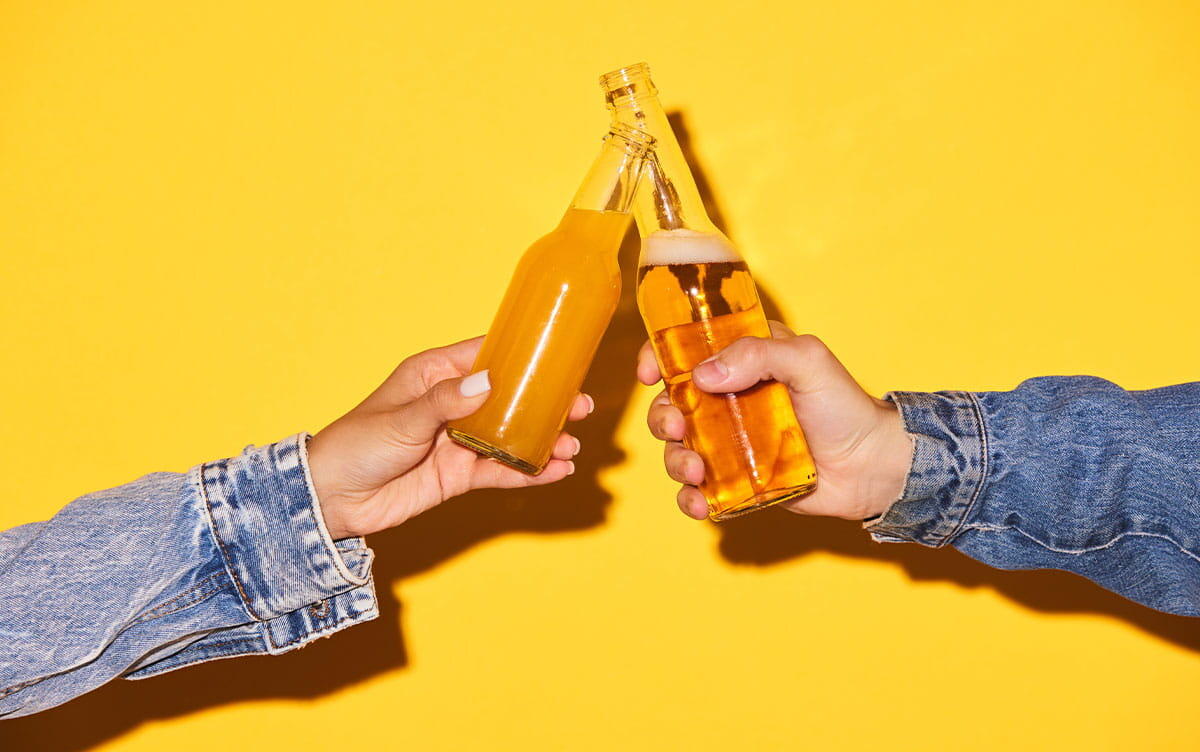
Providing non-alcoholic beverages has been identified as a potential strategy for reducing alcohol consumption. A study by University of Tsukuba confirmed that even a single provision of one case of non-alcoholic beverages can result in a short-term reduction in alcohol intake. This low-cost, easily implemented approach may support reduced alcohol intake in workplace settings.
Tsukuba, Japan—Excessive alcohol consumption is a global public health challenge included in the United Nations Sustainable Development Goals. Workplace interventions are particularly important because working-age adults tend to consume more alcohol, and excessive drinking is associated with decreased labor productivity. One proposed strategy is the use of non-alcoholic beverages, alcohol‑flavor beverages that contain no alcohol. Previous research by this team demonstrated that adults aged 20 years or older, excluding individuals with alcohol dependence, significantly reduced their alcohol consumption after receiving three separate provisions of non-alcoholic beverages (One case each; 24 cans of 350 mL each).
However, cost and logistical demands limit the feasibility of such programs. This study therefore examined whether a single provision of one case of non-alcoholic beverages could still reduce alcohol consumption. Reducing the quantity and frequency of provision may lower economic and operational burdens and improve the real-world feasibility.
A total of 24 adults aged 20 years or older, excluding individuals with alcohol dependence or related conditions, participated in the study and all received one case of non-alcoholic beverages. The results showed that alcohol consumption decreased while beverage consumption increased. Notably, no significant change was observed in total beverage volume consumed, suggesting a replacement effect in which non-alcoholic beverages substituted for alcoholic ones. However, non-alcoholic beverage consumption declined over time, and the reduction in alcohol intake was no longer significant by the fifth week after provision. Overall, these findings indicate that a single provision of non-alcoholic beverages is an effective short-term strategy for reducing alcohol consumption among heavy drinkers. Additional or repeated interventions are likely required to maintain long-term reductions in alcohol intake.
###
This study was conducted jointly with Asahi Breweries, Ltd., which provided funding.
Original Paper
- Title of original paper:
- A brief provision of non-alcoholic beverages reduces alcohol consumption: A pilot, single-arm study
- Journal:
- Heliyon
- DOI:
- 10.1016/j.heliyon.2026.e44519
Correspondence
Associate Professor YOSHIMOTO Hisashi
Institute of Medicine, University of Tsukuba / R&D Center for Lifestyle Innovation, University of Tsukuba
Specially Appointed Assistant Professor DOBASHI Shohei
Institute of Health and Sport Sciences, University of Tsukuba / R&D Center for Lifestyle Innovation, University of Tsukuba
Related Link
Institute of Health and Sport Sciences


