


Research News
How Game Publishers Set International Prices: A Study Reveals Four Pricing Approaches on Steam
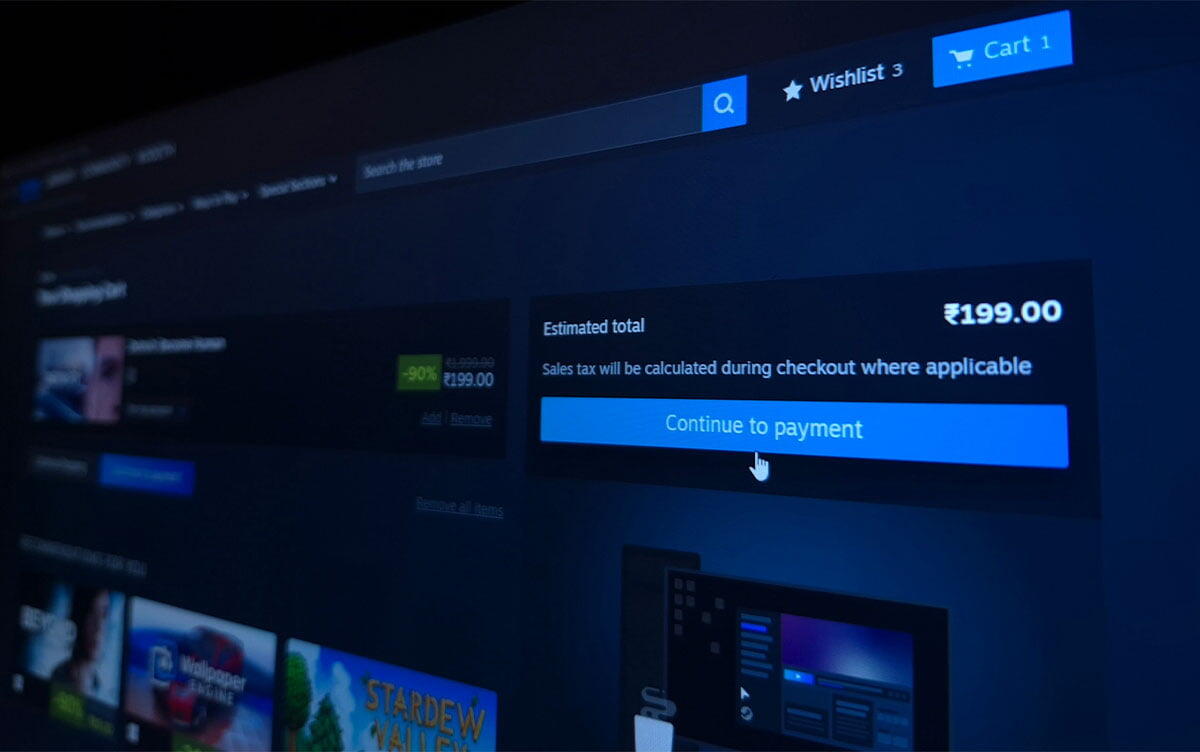
Companies selling products through digital platforms often set different prices for the same product across countries to reflect local purchasing power and market conditions. In this study, researchers at the University of Tsukuba analyzed pricing data from Steam, one of the world's largest PC game distribution platforms, and identified four distinct approaches that publishers use to set prices across international markets.
Tsukuba, Japan—Although digital platforms make it possible to sell the same product globally, prices often vary across countries because of differences in purchasing power, currencies, taxation, and other market conditions. At the same time, the transparency of online prices enables consumers to compare prices across regions easily. Companies therefore must balance local affordability with the need to avoid excessive international price differences.
In this study, the researchers analyzed pricing data collected from August to September 2023 for games sold on Steam across eight markets: Brazil, China, France, the United Kingdom, India, Japan, South Korea, and the United States. They compared actual list prices with Steam's recommended regional prices to examine how publishers set prices in different national markets.
The results showed that publishers' pricing strategies can be grouped into four categories. The first group largely follows Steam's recommended prices, while the second makes modest adjustments. The third charges higher-than-recommended prices in some emerging markets, whereas the fourth sets substantially different prices across countries and game titles. In particular, average prices in Brazil and India were approximately 128% and 130% of Steam's recommended prices, respectively, and both markets showed relatively high levels of price variation. Publishers affiliated with major global game companies were especially likely to belong to the fourth group, which had the greatest variation in prices across markets.
These findings suggest that international pricing on digital platforms is neither a simple choice between charging the same price worldwide and setting completely different prices for each market nor a standardized practice across firms. Instead, companies adopt multiple pricing approaches that draw on common benchmarks while adapting prices to local market conditions.
Original Paper
- Title of original paper:
- Strategic Patterns of Cross-Border Platform-Mediated Pricing: Evidence from Global Game Distribution
- Journal:
- Journal of International Marketing
- DOI:
- 10.1177/1069031X261480691
Correspondence
Associate Professor YOSHIDA Mitsuo
Institute of Business Sciences, University of Tsukuba
MURAKAMI Tomohiro
Doctoral Program in Business Administration, Degree Programs in Business Sciences, Graduate School of Business Sciences, Humanities and Social Sciences, University of Tsukuba
Related Link
Institute of Business Sciences
Degree Programs in Business Sciences


