


Research News
Long-Term Eye-Movement Training may Improve Visual Function in School-Age Children
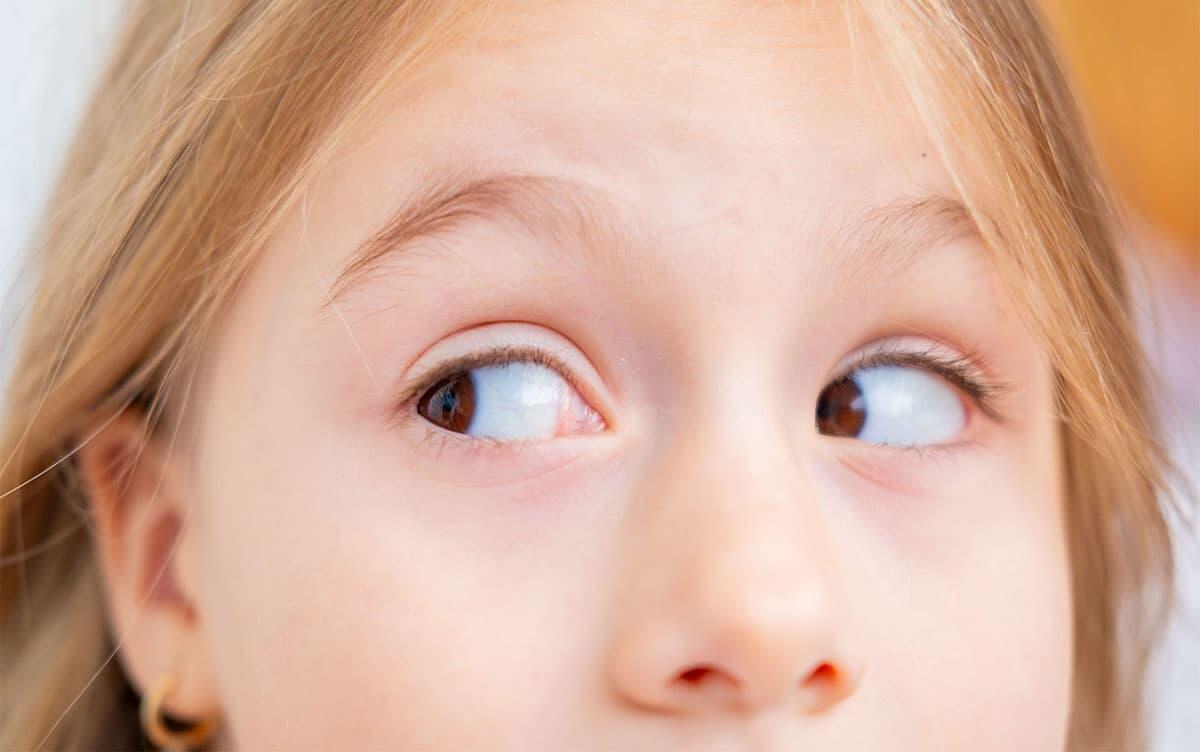 Image by Kittyfly/Shutterstock
In a study conducted by researchers at the University of Tsukuba, 28 elementary and middle school students living in Tsukuba City performed home-based eye-movement exercises while watching instructional videos over 24 weeks. The results showed improvements in eye-hand coordination and in the ability to accurately identify moving numbers. These findings suggest that sustained eye-movement training may improve children's visual skills.
Tsukuba, Japan—During childhood, balance control and visual skills develop as sensory and motor systems mature. Visual skills refer to the ability to process visual information efficiently and translate it into appropriate physical actions. Eye-movement training has been proposed as a way to support these functions through repeated, moderate stimulation of the eye-movement system. However, it remains unclear whether children can adhere to such training over an extended period and what functional benefits such training may provide. In particular, few studies have objectively monitored adherence to long-term, home-based eye-movement training programs in children.
In this study, 28 children living in Tsukuba City participated in a 24-week, home-based eye-movement training program while watching instructional videos. The program included rapid eye movements (saccades), smooth eye-tracking exercises (smooth pursuit), and combined head and eye movements based on the vestibulo-ocular reflex. The researchers also used the SUKUBARA remote monitoring system to track participants' adherence by recording video viewing time, thereby enabling an objective assessment of training frequency.
Participants completed the training an average of 4.6 times per week. The researchers observed improvements in eye-hand coordination and in the ability to identify horizontally moving digits. In particular, eye-hand coordination tended to improve to a greater extent among children who trained more frequently. However, no significant improvement was observed in the primary outcome measure, balance ability, as assessed using the Index of Postural Stability. Because the study did not include a control group, the effectiveness of the training program cannot be conclusively established. Nevertheless, the findings suggest that sustained, home-based eye-movement training may help improve certain aspects of children's visual function.
###
This research was supported by a management grant (1111200200) from the University of Tsukuba.
Original Paper
- Title of original paper:
- Effects of eye-movement training on balance and ocular motor function in community- dwelling Japanese school-aged children: A pilot study using a single-group intervention
- Journal:
- BMC Pediatrics
- DOI:
- 10.1186/s12887-026-07695-5
Correspondence
Professor SUZUKI Kenji
Specially Appointed Assistant Professor SUZUKI Yasuhiro
Institute of Systems and Information Engineering, University of Tsukuba
Related Link
Institute of Systems and Information Engineering


