


Research News
Mental Health Support for Parents after Pediatric Intensive Care may Modestly Reduce PTSD and Depressive Symptoms
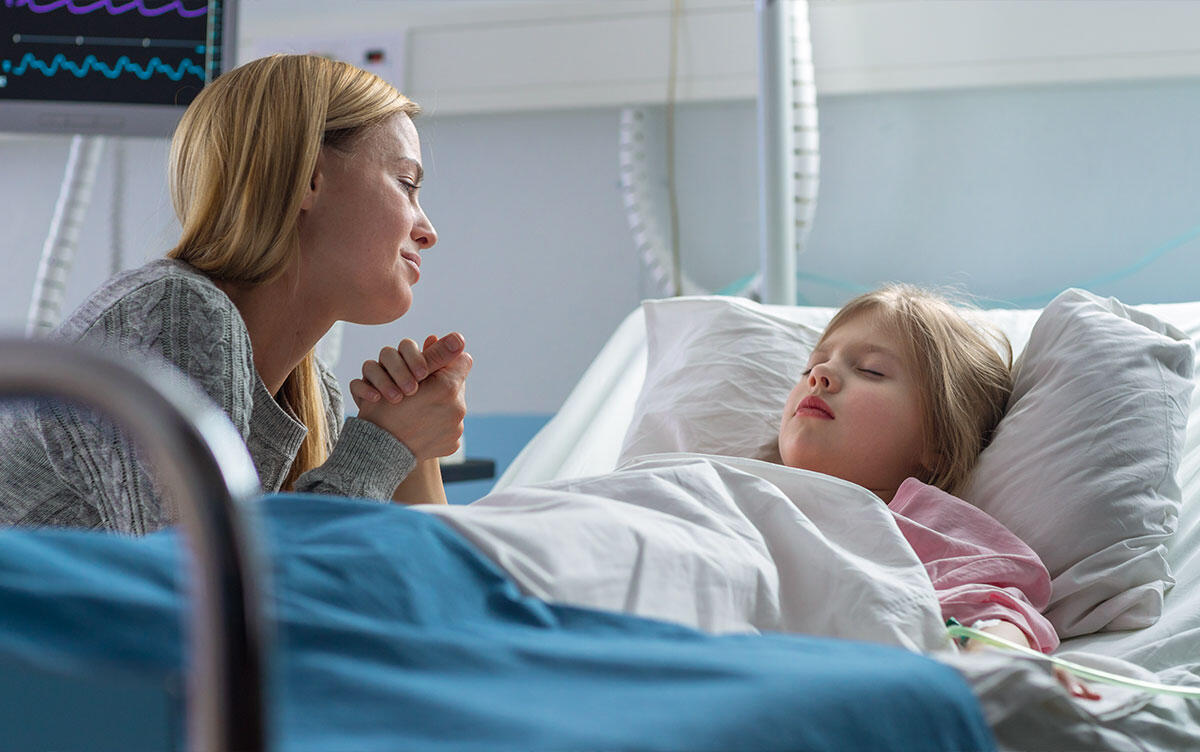 Image by Gorodenkoff/Shutterstock
Admission to a pediatric intensive care unit (PICU) can affect not only a child's mental health but also the psychological well-being of their parents. Researchers at University of Tsukuba, in collaboration with colleagues in Japan, the United Kingdom, China, and Australia, conducted a systematic review and meta-analysis of eight randomized controlled trials involving 470 parents and caregivers during the year following their children's discharge from the PICU. The findings suggest that psychosocial interventions may modestly reduce symptoms of post-traumatic stress disorder (PTSD) and depression, although no statistically significant effect was observed for anxiety symptoms.
Tsukuba, Japan—Admission to a pediatric intensive care unit (PICU) can have lasting psychological effects on both children receiving treatment and their parents. To investigate the effects of psychosocial interventions on parents' emotional health, researchers searched five major academic databases for studies published through January 2026 and analyzed eight randomized controlled trials evaluating psychosocial interventions in parents of children admitted to PICU. The interventions included visit to follow-up clinics, psychological screening with referral, telephone-based psychoeducation, palliative care consultations, and acceptance and commitment therapy delivered via videoconference. The results showed that these interventions were associated with small reductions in PTSD and depressive symptoms, with standardized mean differences of −0.30 and −0.13, respectively. However, no statistically significant effects were observed for anxiety symptoms. The findings should be interpreted with caution because the evidence was based on a limited number of relatively small studies. In addition, three of the eight trials were judged to be at high risk of bias, which may affect the reliability of the results. Despite these limitations, the findings highlight the potential value of providing psychological support to families of critically ill children. The researchers suggest a stepped approach to family care in which psychoeducation is offered broadly and psychological screening helps identify parents who may need to be referred to specialized mental health services. This approach may help ensure that parents experiencing psychological distress receive appropriate support. Further large-scale studies are needed to determine which types of psychosocial interventions are most effective, which parents are most likely to benefit, and when support should be provided.
###
This work was supported by the Japan Society for the Promotion of Science (JSPS) KAKENHI Grant Number 22K17480.
Original Paper
- Title of original paper:
- Effects of psychosocial interventions on emotional health outcomes in parents within one year after paediatric intensive care: A systematic review and meta-analysis
- Journal:
- Intensive & Critical Care Nursing
- DOI:
- 10.1016/j.iccn.2026.104580
Correspondence
Associate Professor MATSUISHI Yujiro
Institute of Medicine, University of Tsukuba
Lecturer HOSHINO Haruhiko
Department of Nursing, Faculty of Medical Technology, Teikyo University
Related Link

