


Research News
Pupil Size Reveals Differences Between Speaking Aloud and Inner Speech
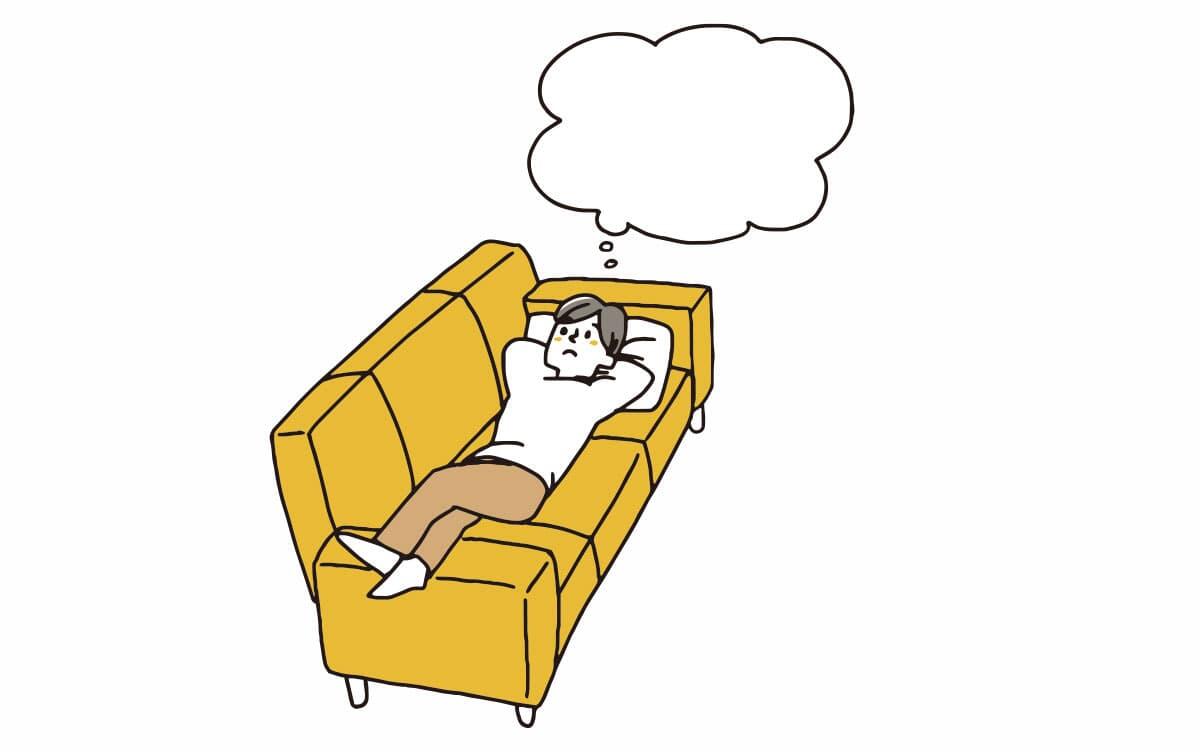 Image by hoshinosuu/Shutterstock
Researchers at University of Tsukuba and Ritsumeikan University compared pupil sizes while participants counted aloud ("overt speech") or silently in their heads ("inner speech"). Across three experiments, participants' pupils consistently dilated during overt speech, whereas pupil responses during inner speech varied with the task but remained smaller than those during overt speech. These findings suggest that inner speech is associated with lower arousal than overt speech.
Tsukuba, Japan—Even when we are silent, we often talk to ourselves in our heads, using words to guide our thoughts and actions. This "inner speech" is thought to be involved in thinking and self-control. Brain imaging studies have shown that inner speech activates some of the same language networks involved in speaking aloud ("overt speech"). However, it has remained unclear whether inner and overt speech are associated with similar levels of brain arousal.
To investigate this question, researchers focused on pupil size as a non-invasive measure of moment-to-moment changes in arousal. Healthy young adults performed a counting task under three conditions: rest (not counting or thinking about anything in particular), overt speech (counting aloud), and inner speech (counting silently in their heads). Pupil diameter was recorded during three experiments that used different counting methods: simple counting (1, 2, 3 ...), counting with number-noun phrases (one cat, two cats ...), and step counting (e.g., 1, 4, 7 ...), which requires greater cognitive effort. The results showed that the pupils dilated during overt speech across all three experiments. In contrast, pupil responses during inner speech depended on the task: pupils constricted during simple counting, showed no change during number-noun counting, and dilated during step counting. In all cases, the changes in pupil size were smaller than those observed during overt speech.
These findings suggest that inner speech is not merely a silent version of overt speech; rather, it is a form of language use associated with lower arousal. By examining pupil responses as an indicator of brain arousal during inner speech, this study offers a new perspective for understanding how language functions in the mind. Because inner speech cannot be directly observed, prior studies have largely relied on participants' descriptions of their own thoughts, which can be difficult to obtain from young children. As pupil measurement is non-invasive and does not require verbal responses, it could be used with infants and young children. This approach could therefore help researchers understand how inner speech develops in early childhood and how people use inner speech to calm or motivate themselves, such as when participating in sports.
###
R.K. was supported by JSPS KAKENHI (Grant Numbers: 23H04830, 24K20598, and 23KJ1169). Y.M. was supported by JSPS KAKENHI (Grant Numbers: 24K00486, 23H04832). R.W., N.Y., and R.K. were supported by a grant from the Advanced Research Initiative for Human High Performance (ARIHHP), University of Tsukuba. K.O., R.W., N.Y., and R.K. acknowledge the financial support from a crowdfunding project through the academic crowdfunding platform "academist" (Project No. 396).
Original Paper
- Title of original paper:
- Dissociable pupil-linked arousal during overt and inner speech
- Journal:
- iScience
- DOI:
- 10.1016/j.isci.2026.117825
Correspondence
Assistant Professor KUWAMIZU Ryuta
Advanced Research Initiative for Human High Performance (ARIHHP), Institute of Health and Sport Sciences, University of Tsukuba
Assistant Professor WATANABE Ryoichi
Research Organization of Open Innovation and Collaboration, Ritsumeikan University
Professor MORIGUCHI Yusuke
Graduate School of Letters, Kyoto University
Related Link
Institute of Health and Sport Sciences
Advanced Research Initiative for Human High Performance (ARIHHP)


