


Research News
Japanese Version of rPATD Validated to Assess Attitudes Toward Medication Reductions Among Patients and Caregivers
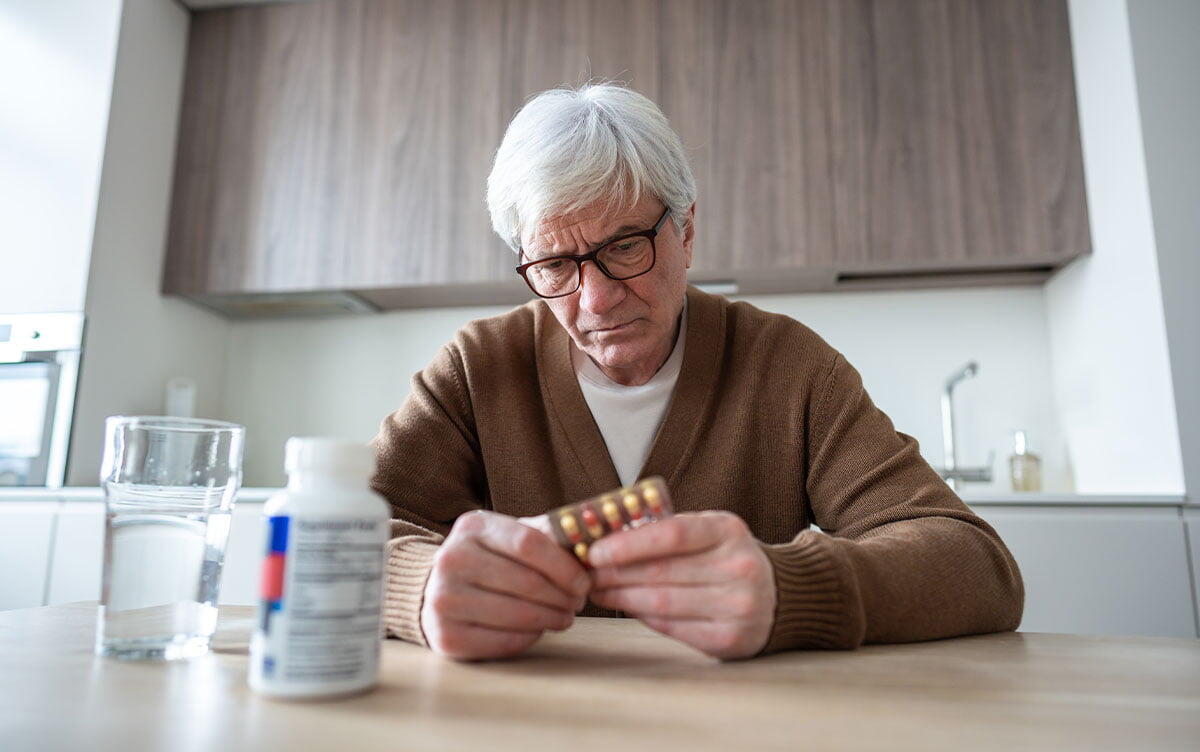 Image by DimaBerlin/Shutterstock
Polypharmacy—the concurrent use of multiple medications—is a global challenge, and the active participation of patients and their families in decisions about medication use is essential. In this study, researchers at University of Tsukuba, Hokkaido University of Science, and Keio University developed and validated a Japanese version of the revised Patients' Attitudes Towards Deprescribing (rPATD). It is an internationally recognized questionnaire designed to assess attitudes toward medication reductions among patients and their caregivers.
Tsukuba, Japan—Older adults have an increased risk of adverse drug reactions and medication errors due to the greater number of prescriptions they frequently require to address multiple chronic conditions. The issue of polypharmacy is particularly pressing in Japan, and the promotion of appropriate medication reduction is a national priority. However, when physicians determine that deprescribing is clinically feasible, its implementation requires the cooperation and consent of the patient and their family. Therefore, reliable tools are needed to help healthcare providers understand how patients and their caregivers feel about medication reductions, which can facilitate shared decision-making.
The rPATD questionnaire was originally developed by Dr. Emily Reeve and her colleagues at Monash University. It has been widely adopted in 24 countries and, as of November 2025, has been translated into 13 languages. However, to date, no Japanese version has been validated. In this study, the research team followed international guidelines to translate the rPATD into Japanese and evaluate its applicability to older adults and their caregivers in Japan. The findings showed that the Japanese version is a reliable, valid, and easily understood measure.
The rPATD can reveal patients' and caregivers' attitudes toward deprescribing and facilitate meaningful dialogue with physicians and other healthcare professionals. The Japanese rPATD could be incorporated into clinical practice during medication reviews in clinics and pharmacies. It can potentially support medication reduction strategies that are acceptable to patients and their caregivers. Ultimately, this tool is expected to promote safer, patient-centered pharmacotherapy in Japan.
###
This work was supported by grants from the Sugiura Memorial Foundation.
Original Paper
- Title of original paper:
- Translation, cross-cultural adaptation and validation of the revised Patients' Attitudes Towards Deprescribing (rPATD) questionnaire in Japanese
- Journal:
- Exploratory Research in Clinical and Social Pharmacy
- DOI:
- 10.1016/j.rcsop.2025.100685
Correspondence
Assistant Professor MASUMOTO Shoichi
Institute of Medicine, University of Tsukuba
Assistant Professor ISHII Mitsuaki
Department of Pharmacotherapy, Faculty of Pharmaceutical Sciences, Hokkaido University of Science
Professor OHTANI Hisakazu
Division of Clinical Pharmacy, Keio University Faculty of Pharmacy
Related Link
