


Research News
Sparkling Water Helps Keep Minds Sharp During Long Esports Sessions
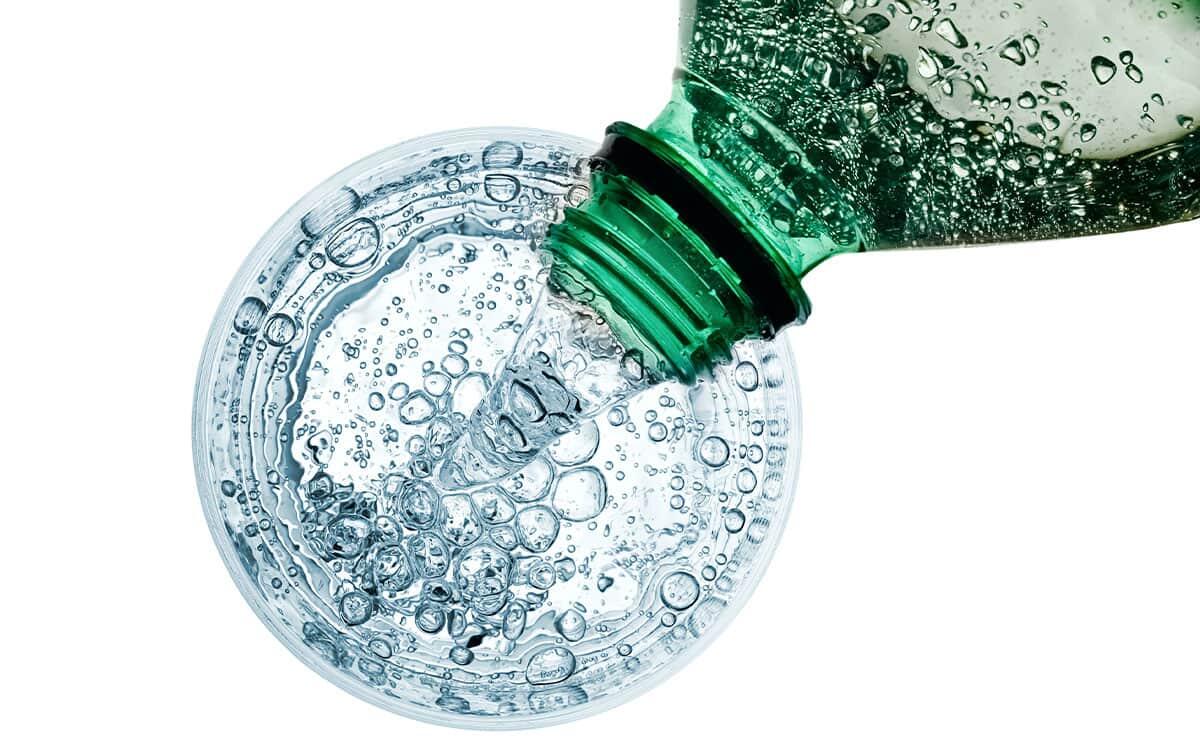 Image by Mariyana M/Shutterstock
A University of Tsukuba research team has found that drinking unsweetened, highly carbonated (sparkling) water during a three-hour esports session can help players maintain mental focus with less fatigue and greater game enjoyment than when drinking plain water. Sparkling water also helped curb cognitive fatigue, as evidenced by stronger executive function, reduced pupil constriction, and fewer in-game fouls. Notably, these benefits appeared without increases in heart rate, interstitial glucose levels, or salivary cortisol, highlighting sparkling water as a sugar- and caffeine-free option for reducing fatigue during long hours of digital gameplay.
Tsukuba, Japan—Extended esports play can lead to mental fatigue, resulting in slower and less precise decision-making (diminished executive control) and a variety of physiological responses indicative of impaired sensorimotor or cognitive function. In such cases, many players reach for caffeinated or sugary drinks, but overconsumption raises health concerns such as elevated risks of obesity and diabetes. Sparkling water offers a healthier alternative, as it contains no sugar or caffeine, yet produces a similar sensation in the throat that may engage brainstem-to-prefrontal pathways linked to executive control.
In a randomized crossover study, 14 young adults played virtual soccer for three hours on two separate occasions while drinking either sparkling water or plain water. Researchers continuously tracked pupil diameter and heart rate, assessed subjective fatigue and game enjoyment hourly, tested executive function using a flanker task (in which participants must decide if stimuli flanking a central stimulus are congruent or incongruent--such as arrows pointing in the same or opposite direction), and periodically measured interstitial glucose and salivary cortisol.
Compared with plain water, sparkling water dampened subjective fatigue, boosted enjoyment, improved executive function test performance, and reduced pupil constriction. Greater pupil constriction was also associated with slower flanker-task responses, supporting pupil diameter as an easily measurable sign of cognitive fatigue. In contrast, heart rate, interstitial glucose, and cortisol were comparable across conditions. Players drinking sparkling water also committed fewer fouls, while there were no significant changes in offensive or defensive performance metrics. These results support sparkling water consumption as an effective way to maintain mental focus during prolonged esports play without sugar or caffeine intake
###
This research was supported by a contract research grant by Asahi Soft Drinks Co., Ltd., Japan to T.M., the Top Runners in Strategy of Transborder Advanced Researches (TRiSTAR) program conducted as the Strategic Professional Development Program for Young Researchers by the MEXT to T.M., and Fusion Oriented Research for disruptive Science and Technology (FOREST) by Japan Science and Technology Agency (JST) to T.M. (JPMJFR205M).
Original Paper
- Title of original paper:
- Sparkling water consumption mitigates cognitive fatigue during prolonged esports play
- Journal:
- Computers in Human Behavior Reports
- DOI:
- 10.1016/j.chbr.2026.100943
Correspondence
Associate Professor MATSUI Takashi
Institute of Health and Sport Sciences, University of Tsukuba
TAKAHASHI Shion
Doctoral Program in Physical Education, Health and Sport Sciences, Degree Programs in Comprehensive Human Sciences, Graduate School of Comprehensive Human Sciences, University of Tsukuba
General Manager YASUMOTO Kenji
R&D Strategy Department, Research & Development Division, Asahi Soft Drinks Co., Ltd.
Related Link
Institute of Health and Sport Sciences


