


Research News
Smartphone Healthcare App Features Motivate Users to Increase Physical Activity
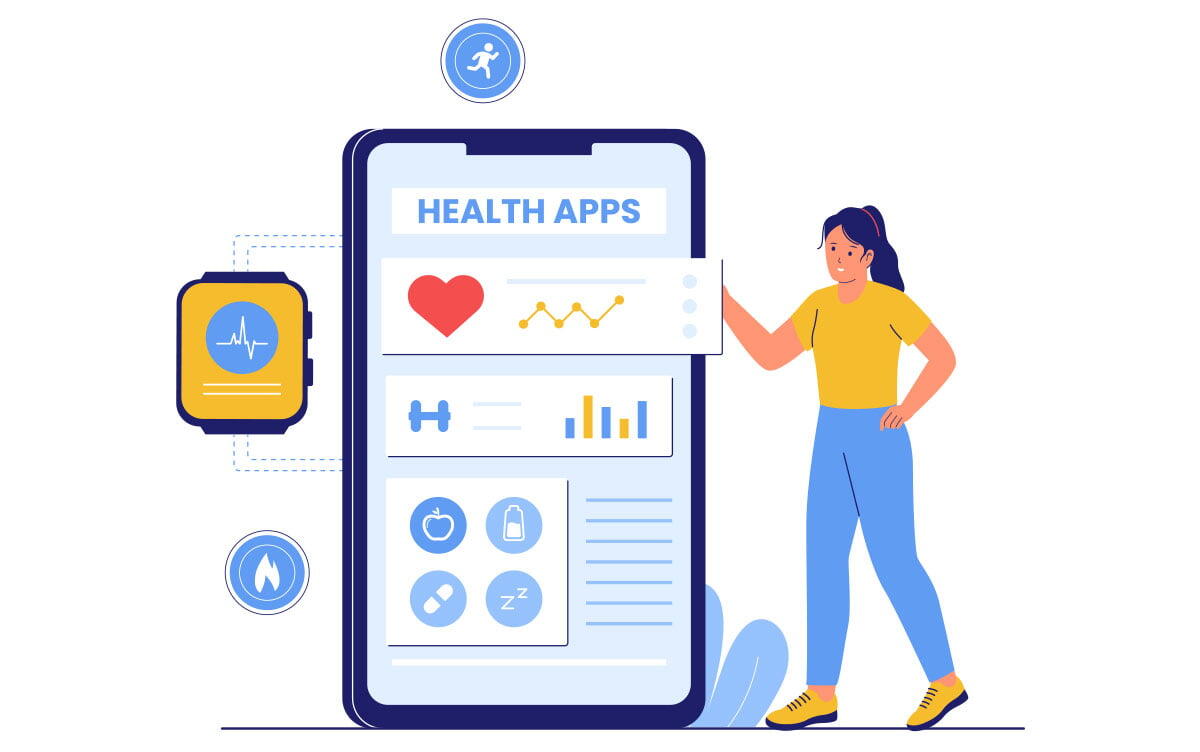 Image by HL12/Shutterstock
Researchers at University of Tsukuba conducted focus group interviews to identify which features of smartphone healthcare applications motivate users to increase their physical activity. The study found that social support from family members and peers, together with app-based functions such as goal setting, reminders, and performance feedback, served as strong motivators. In contrast, limited time availability and work-related fatigue were consistently reported as major barriers to physical activity.
Tsukuba, Japan—Smartphone healthcare applications are widely used to support weight management and broader lifestyle improvement. However, many existing apps primarily emphasize dietary tracking and feedback, while offering relatively few personalized features aimed specifically at promoting physical activity. This gap is notable given that regular physical activity is a cornerstone of long-term health maintenance.
To better understand how healthcare applications can more effectively encourage physical activity, the researchers conducted focus group interviews to explore users' perceptions, motivational factors, and perceived barriers related to being physically active.
A total of 11 participants (three men and eight women) took part in the interviews. Their responses were analyzed using thematic analysis in combination with the Social Ecological Model, a theoretical framework that examines individual, interpersonal, and environmental influences on behavior.
Participants reported a wide range of experiences, including limited awareness of daily physical activity ("I just learned about physical activity today, so I haven't really paid attention to my daily movements"), health-related triggers ("Health checkup results are a major trigger for me to start exercising"), and the motivational roles of social relationships ("Having family or friends to exercise with makes it easier to stay motivated"). At the same time, many participants identified work-related fatigue as a significant obstacle ("Fatigue after work is a major barrier").
Taken together, these findings suggest that healthcare applications could better promote physical activity by incorporating educational components, providing timely and motivating feedback, and offering exercise suggestions that are tailored to users' daily routines, physical condition, and work demands.
The researchers emphasize that effective personalization requires careful consideration of users' day-to-day contexts (e.g., offering indoor alternatives on rainy days; providing low-burden prompts to interrupt prolonged sitting in the workplace). By grounding app design in user-informed insights, future healthcare applications may be better positioned to support sustained increases in physical activity and overall health outcomes.
###
This study was based on a collaborative research agreement between the Institute of Health and Sport Sciences of the University of Tsukuba and Wellmira Inc.
Original Paper
- Title of original paper:
- Understanding User Perspectives to Inform Personalized Physical Activity Promotion in a Healthcare Application: A Qualitative Focus Group Interview Study
- Journal:
- JMIR Formative Research
- DOI:
- 10.2196/85390
Correspondence
Professor NAKATA Yoshio
Researcher Yutong Shi
Institute of Health and Sport Sciences, University of Tsukuba
YANAGISAWA Tomoko
Senior Leader, Solutions Division, Wellmira Inc.
Related Link
Institute of Health and Sport Sciences


