


Research News
Color Differences in Aspirated Fluids as a Simple Diagnostic Indicator of PEG Tube-Related Gastric Outlet Obstruction
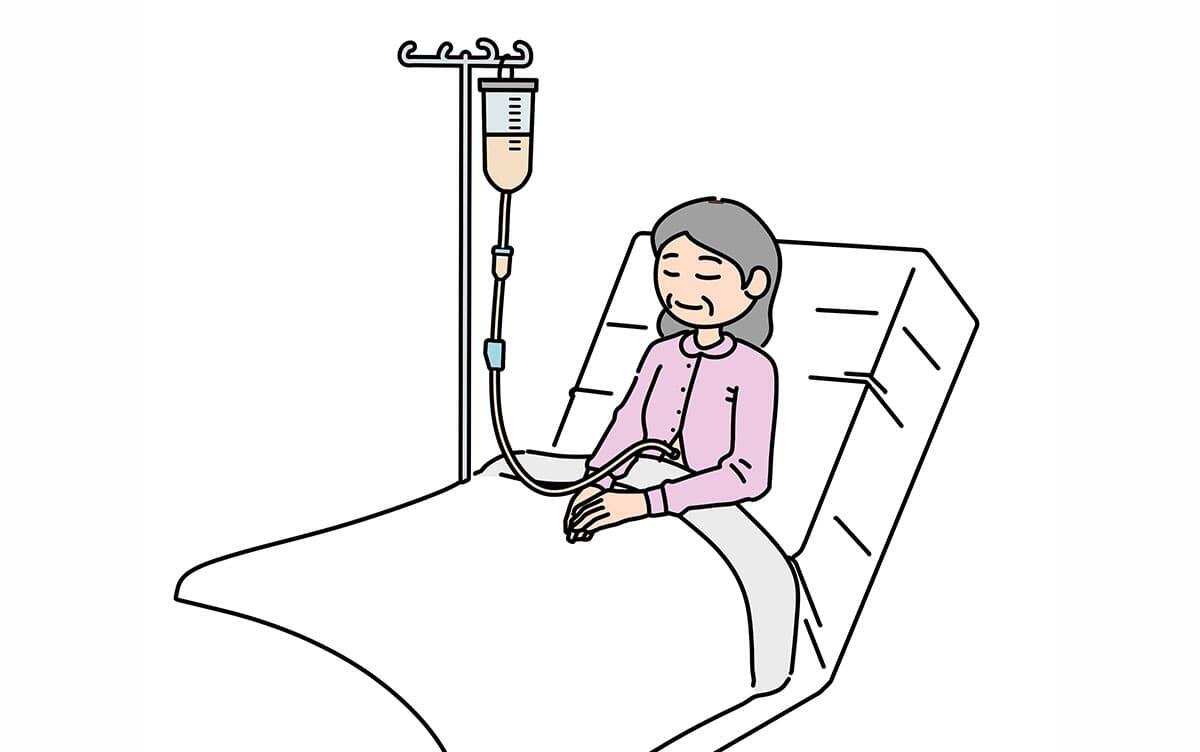 Image by sasaki reiya/Shutterstock
Gastric outlet obstruction is a potential complication of percutaneous endoscopic gastrostomy (PEG) when the tube becomes malpositioned within the gastrointestinal tract. Researchers at University of Tsukuba report that, in home healthcare settings, PEG tube malposition may be identified noninvasively—without the need for imaging—by comparing the color of fluid aspirated from the PEG tube with that of the patient's vomitus.
Tsukuba, Japan—PEG tubes are widely used across diverse clinical settings, including home healthcare. Although gastric outlet obstruction is relatively uncommon, it may occur when the tube migrates toward the pylorus or proximal duodenum. In home care environments, where access to diagnostic imaging may be limited, simple and accessible diagnostic indicators are particularly valuable.
In this study, the authors assessed the diagnostic relevance of differences in color between PEG tube aspirate and vomitus in a patient who developed gastric outlet obstruction during home-based PEG management. Aspiration from the PEG tube yielded bile-stained yellow-green fluid, whereas the vomitus was dark brown. This marked contrast raised suspicion of tube malposition.
Subsequent evaluation confirmed that the PEG tube tip had migrated into the duodenum. Following endoscopic repositioning, the patient's symptoms resolved promptly.
These findings suggest that careful visual comparison of aspirated fluid and vomitus may serve as a practical and noninvasive diagnostic clue for PEG tube-related gastric outlet obstruction, particularly in resource-limited home healthcare settings.
Original Paper
- Title of original paper:
- Gastric Outlet Obstruction Caused by PEG Tube Malposition: Contrasting Aspirates as a Diagnostic Clue
- Journal:
- Journal of General and Family Medicine
- DOI:
- 10.1002/jgf2.70112
Correspondence
Assistant Professor / Vice Director INABA Takashi
Institute of Medicine, University of Tsukuba / Kasama City Hospital
Related Link
