


Research News
Distant Climate Patterns Determine How Cold Japan's Winters Become
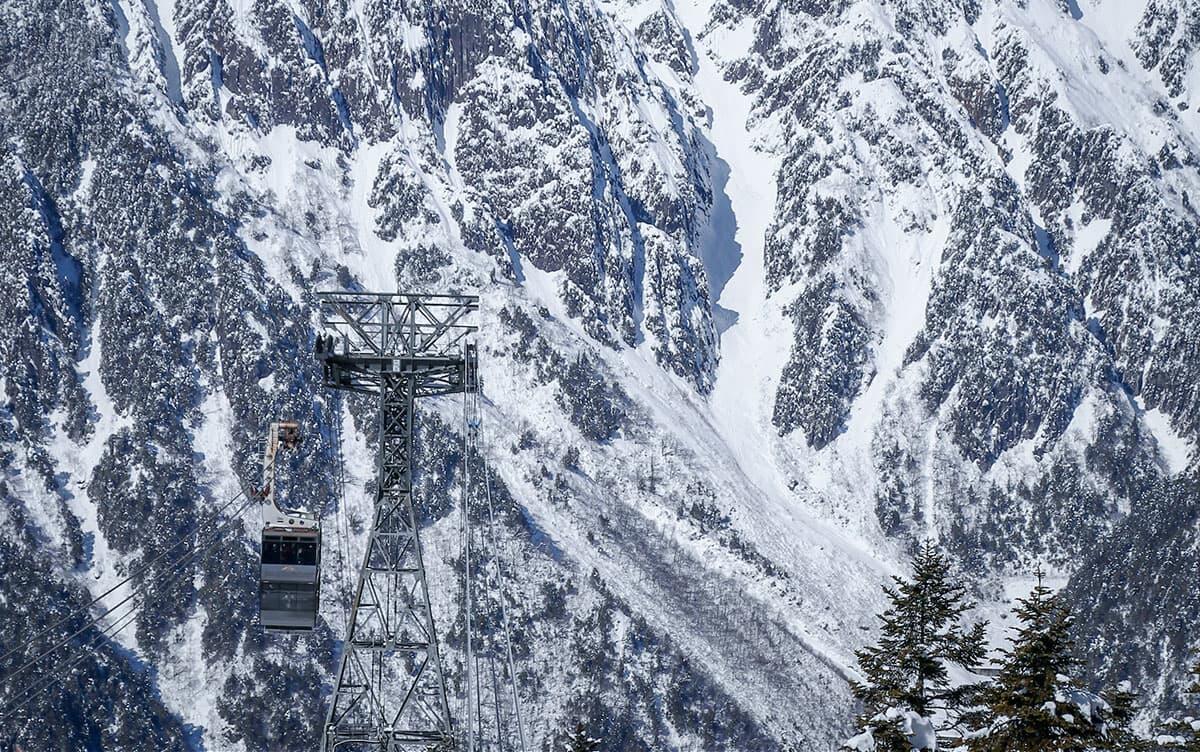
A research team led by University of Tsukuba has revealed that the severity of Japanese winters is strongly influenced by the combined behavior of two distant climate systems: atmospheric circulation over the North Atlantic-European region and convective activity in the tropical Indo-Pacific. When these systems align, they reinforce each other and intensify cold conditions in Japan; when they are misaligned, their influence weakens, leading to milder impacts.
Tsukuba, Japan—Researchers have uncovered a key mechanism behind Japan's extreme winter weather, revealing how distant climate patterns interact to intensify cold waves and heavy snowfall.
Extreme weather events—such as cold waves, heavy snowfall, and anomalously warm periods—are ubiquitous during Japanese winters. These events are closely associated with shifts in the subtropical jet stream, a fast-moving band of winds high in the atmosphere over the Eurasian continental area. While scientists have long known that weather patterns over the North Atlantic-European and tropical Indo-Pacific regions influence this jet stream, the way in which these two factors work together remained unclear.
In a new study, researchers demonstrate that the interaction between these distant climate systems plays a pivotal role. By analyzing 76 years of global atmospheric data and running advanced numerical simulations, the team found that when these two drivers align, they can substantially amplify disturbances in the jet stream.
Specifically, when atmospheric circulation linked to the North Atlantic Oscillation coincides with enhanced convective activity in the tropical Indo-Pacific, the resulting atmospheric wave train pattern amplifies and extends toward Japan. This results in colder and more severe winter conditions. Conversely, when these patterns oppose each other, the jet stream disturbances weaken, reducing their impact on Japan's weather.
The findings reveal that the combined influence of climate variability across the North Atlantic-European region and the tropical Indo-Pacific is a critical factor in determining winter severity in Japan. This enhanced understanding of the mechanisms underlying extreme weather and climate variability highlights the interconnected nature of the global climate system, with conditions thousands of kilometers away shaping local weather. The study also provides opportunities to improve seasonal weather forecasts, helping communities better prepare for extreme weather events.
###
This work was supported by the Japan Society for the Promotion of Science, Grant/Award Numbers: JP23K20542, JP24K00705, and JP24H02193
Original Paper
- Title of original paper:
- How interference between the North Atlantic Oscillation and the tropical Indo-Pacific convection modulates wave trains along the subtropical jet: Impacts on the Asian winter climate
- Journal:
- Quarterly Journal of the Royal Meteorological Society
- DOI:
- 10.1002/qj.70222
Correspondence
Professor UEDA Hiroaki
Institute of Life and Environmental Sciences, University of Tsukuba
Related Link
Institute of Life and Environmental Sciences
