


Research News
Risk of Herpes Zoster Among Breast Cancer Survivors in Japan: A Nationwide Claims Data Analysis
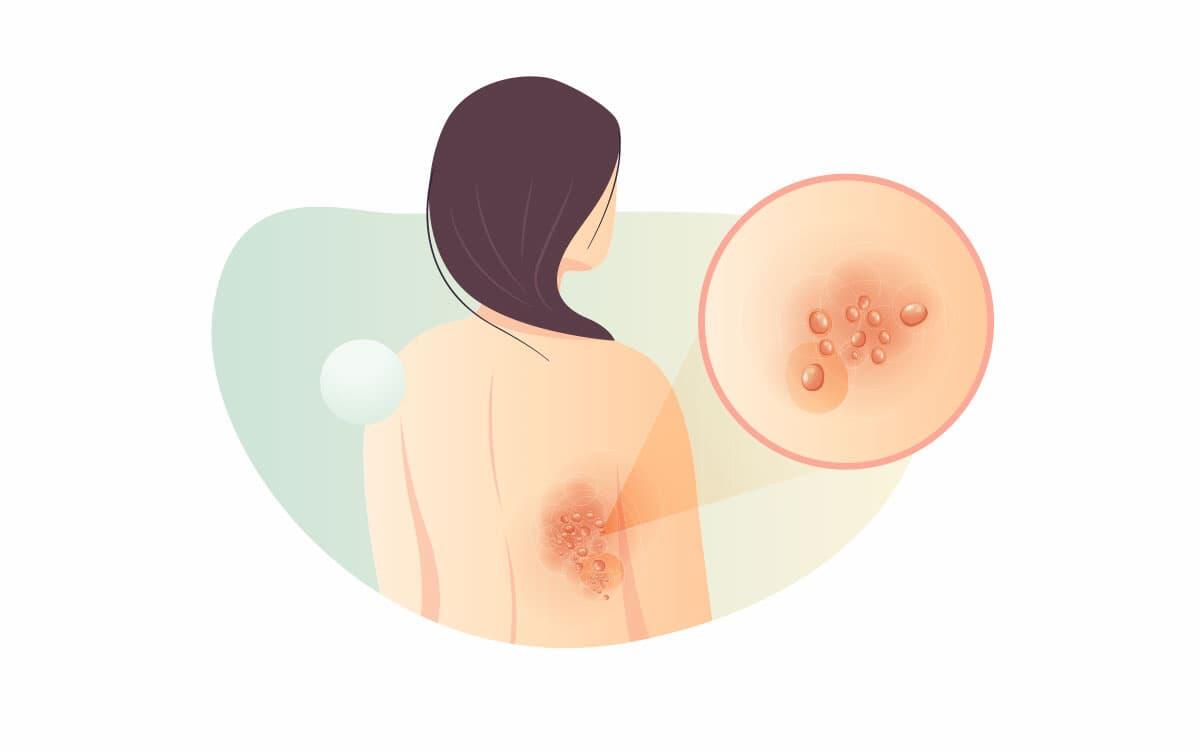 Image by DesignPrax/Shutterstock
The risk of herpes zoster among breast cancer survivors, who constitute the largest group of female cancer survivors in Japan, remains unclear. Researchers at the University of Tsukuba used a nationwide medical claims database to identify periods during which breast cancer survivors were at increased risk of herpes zoster compared with age-matched women from the general population and to identify treatment groups that were at the greatest risk.
Tsukuba, Japan—Breast cancer is the most frequently diagnosed cancer among Japanese women, with approximately one in nine women expected to develop the disease during their lifetime. Herpes zoster (shingles) is also common, affecting approximately one in three individuals. Although studies have suggested that breast cancer survivors have a higher risk of herpes zoster, the timing of this increased risk and the impact of different treatment modalities for breast cancer remain unclear.
To address these questions, researchers analyzed anonymized nationwide medical claims data collected by JMDC Co., Ltd. They compared the incidence of herpes zoster and postherpetic neuralgia, which is a persistent nerve pain that can occur after the herpes zoster rash resolves, in breast cancer survivors with that in age-matched women from the general population and evaluated how the risk varied over time following diagnosis and according to treatment response.
The analysis included 23,169 breast cancer survivors and 92,801 age-matched controls from the general population (median age, 49.4 years in both groups). During a follow-up period of up to 10 years, breast cancer survivors had a 1.57-fold higher risk of developing herpes zoster and a 1.70-fold higher risk of developing postherpetic neuralgia. The risk of herpes zoster was highest during the first year after breast cancer diagnosis, reaching as much as twice the risk observed in women without breast cancer. Although the excess risk declined over time, it remained elevated throughout the 10-year follow-up period. Among treatment groups, anthracycline-based chemotherapy was associated with an increased risk of herpes zoster.
As vaccination can reduce both the incidence of herpes zoster and the risk of complications such as postherpetic neuralgia, these findings underscore the importance of herpes zoster prevention in breast cancer survivorship care. Vaccination strategies warrant consideration based on factors such as age, treatment history, and immune status.
###
Competitive research funding was received for this work from the Pfizer Health Research Foundation of Japan (https://www.health-research.or.jp/), as well as a grant from the Ministry of Health, Labour, and Welfare, Japan (26AA2006).
Original Paper
- Title of original paper:
- Herpes zoster risk among female survivors of breast cancer in Japan
- Journal:
- Breast Cancer Research
- DOI:
- 10.1186/s13058-026-02345-1
Correspondence
Professor IWAGAMI Masao
Department of Digital Health/Department of Health Services Research, Institute of Medicine, University of Tsukuba