


Research News
Dual Mechanisms Control HRI, a Key Regulator of Protein Synthesis During Stress
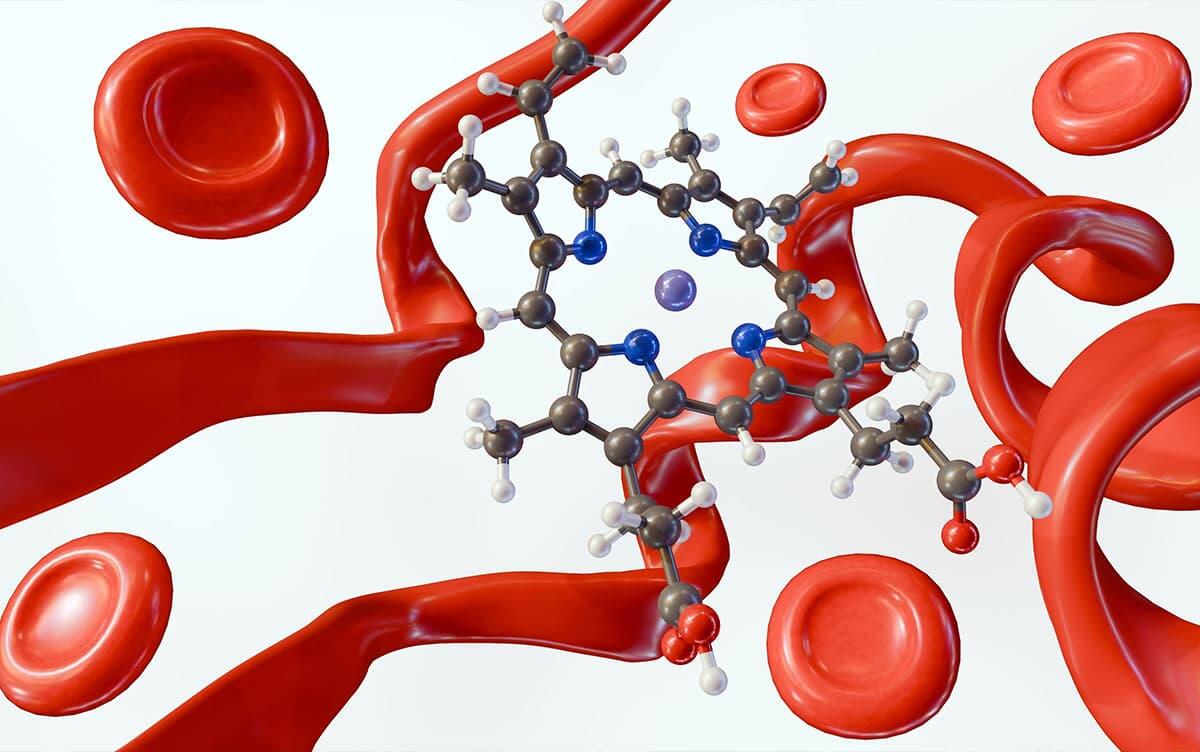 Image by Love Employee/Shutterstock
Researchers at University of Tsukuba have detected how the stress-responsive enzyme heme-regulated inhibitor (HRI) is switched on and off, providing new insights into how cells regulate protein synthesis in response to changes in intracellular heme levels. Their study demonstrates that two opposing mechanisms, activation by autophosphorylation and deactivation by heme, precisely regulate HRI activity.
Tsukuba, Japan—Cells tightly regulate protein synthesis to ensure that proteins are produced only when required. The disruption of this regulation can contribute to the development of various diseases. A protective pathway, the integrated stress response (ISR), globally suppresses protein synthesis during cellular stress. This pathway involves four kinases that phosphorylate the α subunit of eukaryotic translation initiation factor 2 (eIF2α), thereby slowing the production of proteins. Heme-regulated inhibitor (HRI) is an eIF2α kinase that functions as a sensor of intracellular heme, an iron-containing molecule that plays vital roles in several biological processes. HRI is activated through autophosphorylation and suppresses excess protein synthesis when cellular heme levels decline. Despite considerable attention on HRI as a potential therapeutic target for sickle cell disease (SCD), the molecular mechanisms underlying its activation and deactivation remain unclear.
The researchers in this study purified human HRI and a series of domain-deletion mutants and examined their functions using biochemical methods combined with AI-based protein structure prediction. They found that only autophosphorylated HRI can stably bind eIF2α. The phosphorylation of the two key residues, Thr488 and Thr493, promotes interactions with nearby positively charged amino acid residues, inducing structural changes in the activation loop that improve eIF2α recognition. The results suggest that a similar regulatory mechanism is shared by the other eIF2α kinases. In addition, the researchers discovered that heme selectively targets the dephosphorylated kinase domain of HRI, suppressing its kinase activity and autophosphorylation.
These findings demonstrate that two opposing mechanisms—activation through autophosphorylation and deactivation through heme binding—control HRI. The study provides vital insights into the molecular regulation of the ISR and may contribute to the development of novel therapeutic approaches targeting HRI for the treatment of SCD.
###
This work was partially supported by a Sasakawa Scientific Research Grant from The Japan Science Society (T.O.).
Original Paper
- Title of original paper:
- Regulatory mechanism of heme-regulated inhibitor through autophosphorylation-driven activation and heme-induced deactivation
- Journal:
- The Journal of Biochemistry
- DOI:
- 10.1093/jb/mvag046
Correspondence
Professor IWASAKI Kenji
Life Science Center for Survival Dynamics, Tsukuba Advanced Research Alliance (TARA), University of Tsukuba
Associate Professor OBAYASHI Eiji
Department of Biochemistry, Shimane University School of Medicine
Related Link
Life Science Center for Survival Dynamics, Tsukuba Advanced Research Alliance (TARA)

