


Voices of International Students
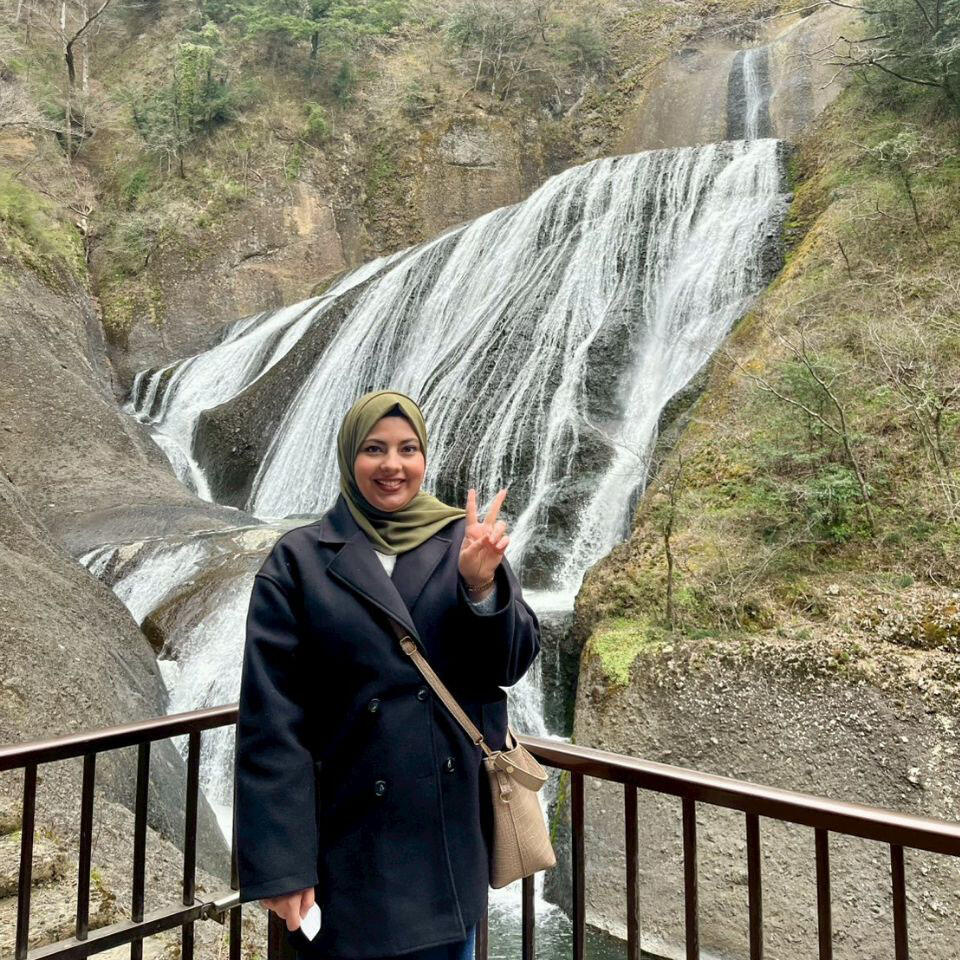
RIYAM MOTEA AL-RAABEA
Master’s Program in International and Advanced Japanese Studies, Degree Programs in Humanities and Social Sciences, Graduate School of Business Sciences, Humanities and Social Sciences
From Iraq
What sparked your interest in this university?
My interest in the University of Tsukuba was sparked by its strong academic reputation in linguistics and Japanese language education, especially its focus on sociolinguistics, pragmatics, and interdisciplinary research. I was particularly drawn to the university's emphasis on combining theory with real-world application, which aligns closely with my academic interests in language use, culture, and communication. Tsukuba's diverse international environment and its support for graduate research also played a significant role in my decision. Additionally, the opportunity to study under experienced professors and engage in research that connects language, society, and education deeply motivated me. The university's research-oriented atmosphere made it an ideal place for developing my academic skills and pursuing meaningful, socially grounded research.
What aspects of Japanese culture or customs surprised you? How did you adapt to them?
Several aspects of Japanese culture surprised me, especially the strong emphasis on consideration for others and unspoken social rules. Practices such as maintaining silence on public transportation, strict punctuality, and the careful use of polite language made me realize how deeply harmony and respect are valued in daily life. At first, these expectations felt challenging, particularly the indirect communication style and the importance of reading the atmosphere. I adapted by observing people closely, asking questions when appropriate, and reflecting on feedback from daily interactions. Over time, I became more mindful of my behavior, improved my use of polite expressions, and learned to adjust my communication style depending on the context. This adaptation process helped me better understand Japanese society and enhanced both my cultural awareness and language skills.
What do you enjoy about Tsukuba?
What I enjoy most about Tsukuba is the balance it offers between academic life and a calm living environment. The University of Tsukuba provides a research-focused atmosphere with well-equipped facilities, supportive professors, and a diverse international community that encourages intellectual exchange. At the same time, the Tsukuba region is peaceful, green, and well organized, making it an ideal place for focused study and daily life. I especially appreciate the accessibility of nature, such as Mount Tsukuba, as well as the convenience of transportation and daily services. This combination of strong academic resources and a comfortable living environment allows me to concentrate on my studies while maintaining a healthy and stable lifestyle.
What do you hope to achieve during your time here?
During my time here, I hope to deepen my academic expertise in Japanese language education and sociolinguistics while developing strong research and analytical skills. My primary goal is to produce high-quality research that can contribute meaningfully to the field and serve as a foundation for pursuing a PhD in the future. In addition to academics, I hope to participate in seminars, workshops, and academic communities that encourage interdisciplinary exchange and professional growth. I also aim to engage with the local and university communities by sharing my cultural and linguistic background, supporting intercultural understanding, and contributing to a positive learning environment. Through these experiences, I hope to grow as a researcher, educator, and global citizen.
What do you think makes the University of Tsukuba special?
I believe what makes the University of Tsukuba special is its strong emphasis on interdisciplinary research and its supportive environment for independent academic inquiry. The university encourages students to connect theory with practice, which is especially valuable in fields such as language education and sociolinguistics. Tsukuba's research-oriented culture, access to advanced facilities, and close interaction with faculty members create an atmosphere where students can actively develop their ideas. In addition, the university's diverse international community fosters cross-cultural dialogue and broad perspectives. The combination of academic rigor, openness to innovation, and a calm yet intellectually stimulating environment makes the University of Tsukuba a distinctive and inspiring place to study and conduct research.
-
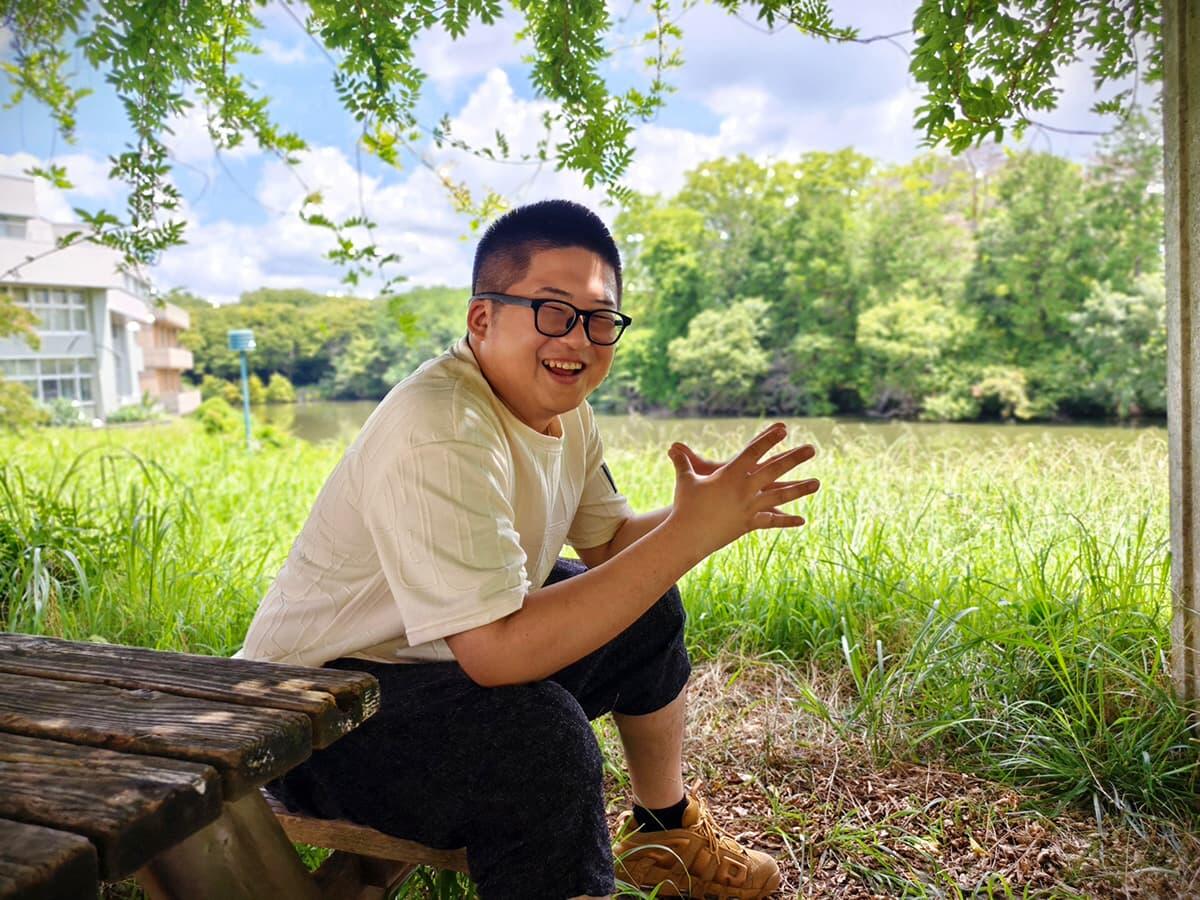
YI-FU LIU
From China
-
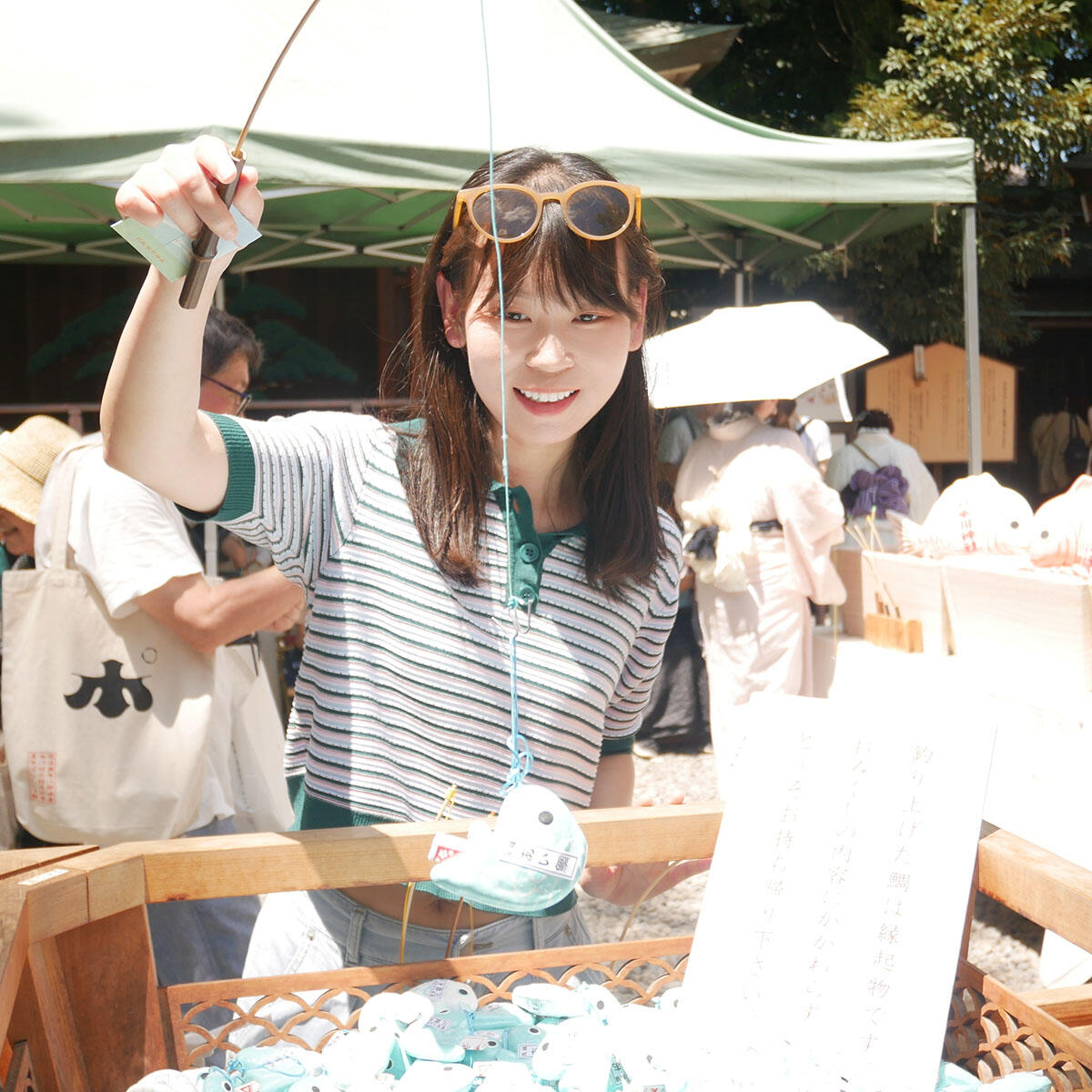
XINGYA YUAN
From China
-
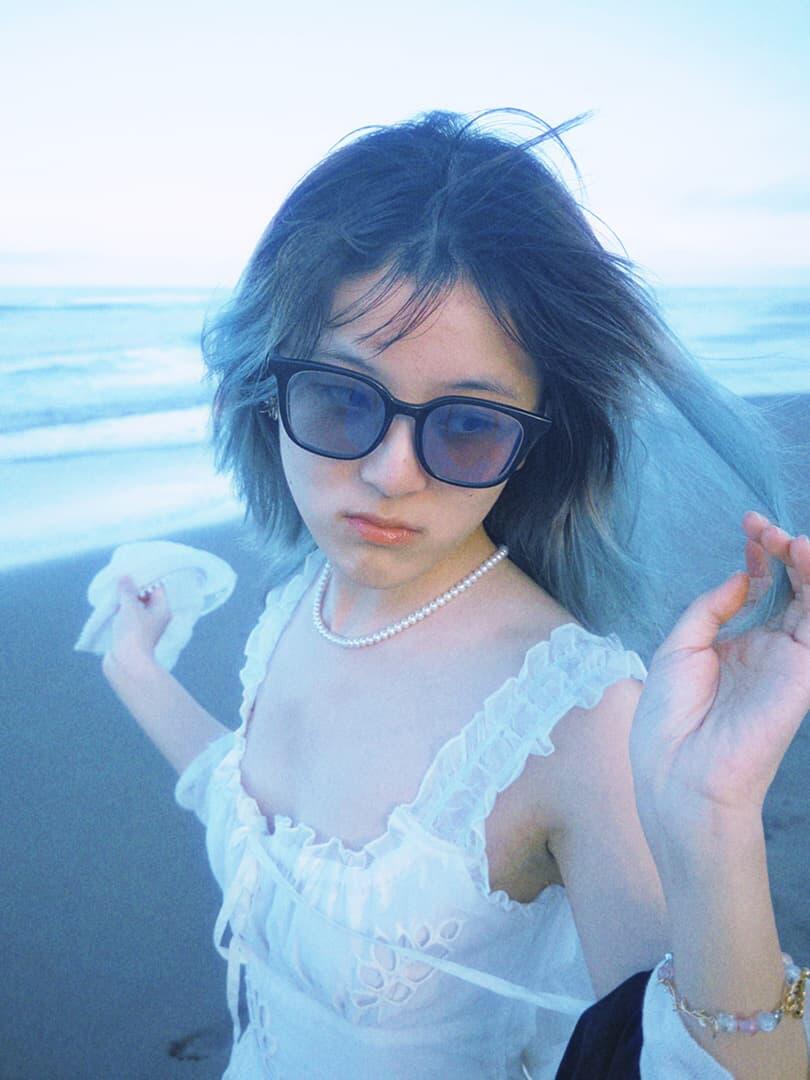
礼 (LI)
From China
-
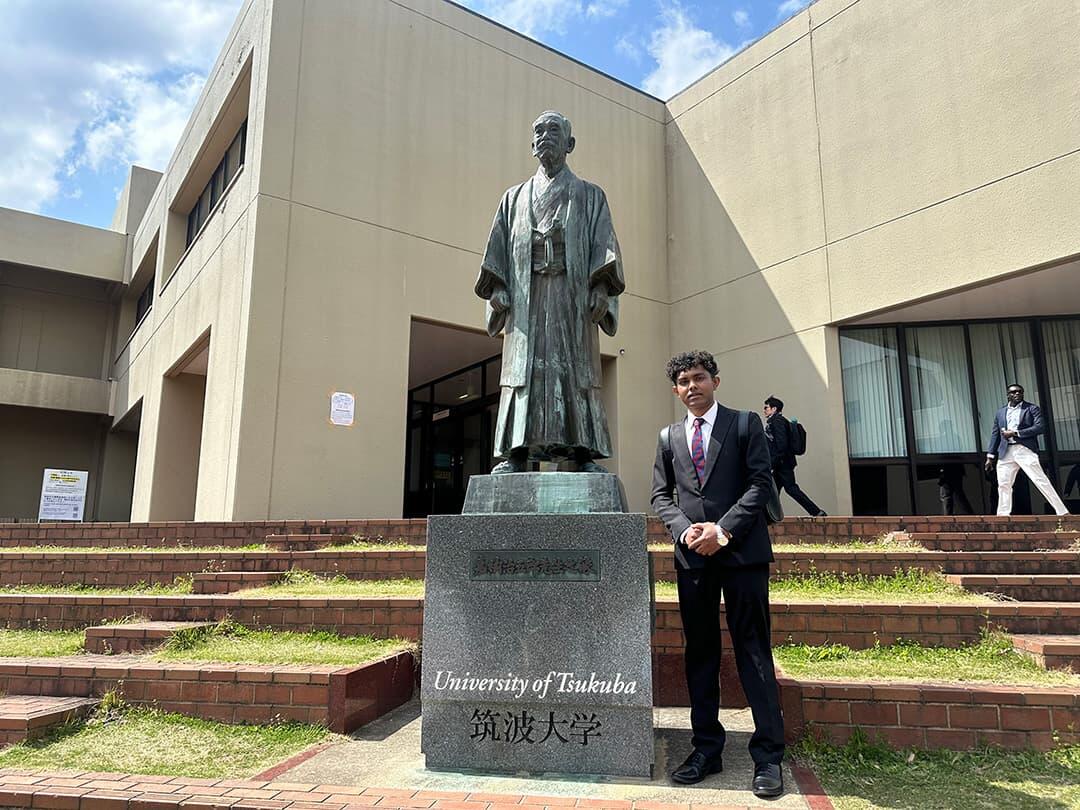
PULUSEN SATHYAJITH ARIYASINGHE
From Sri Lanka
-
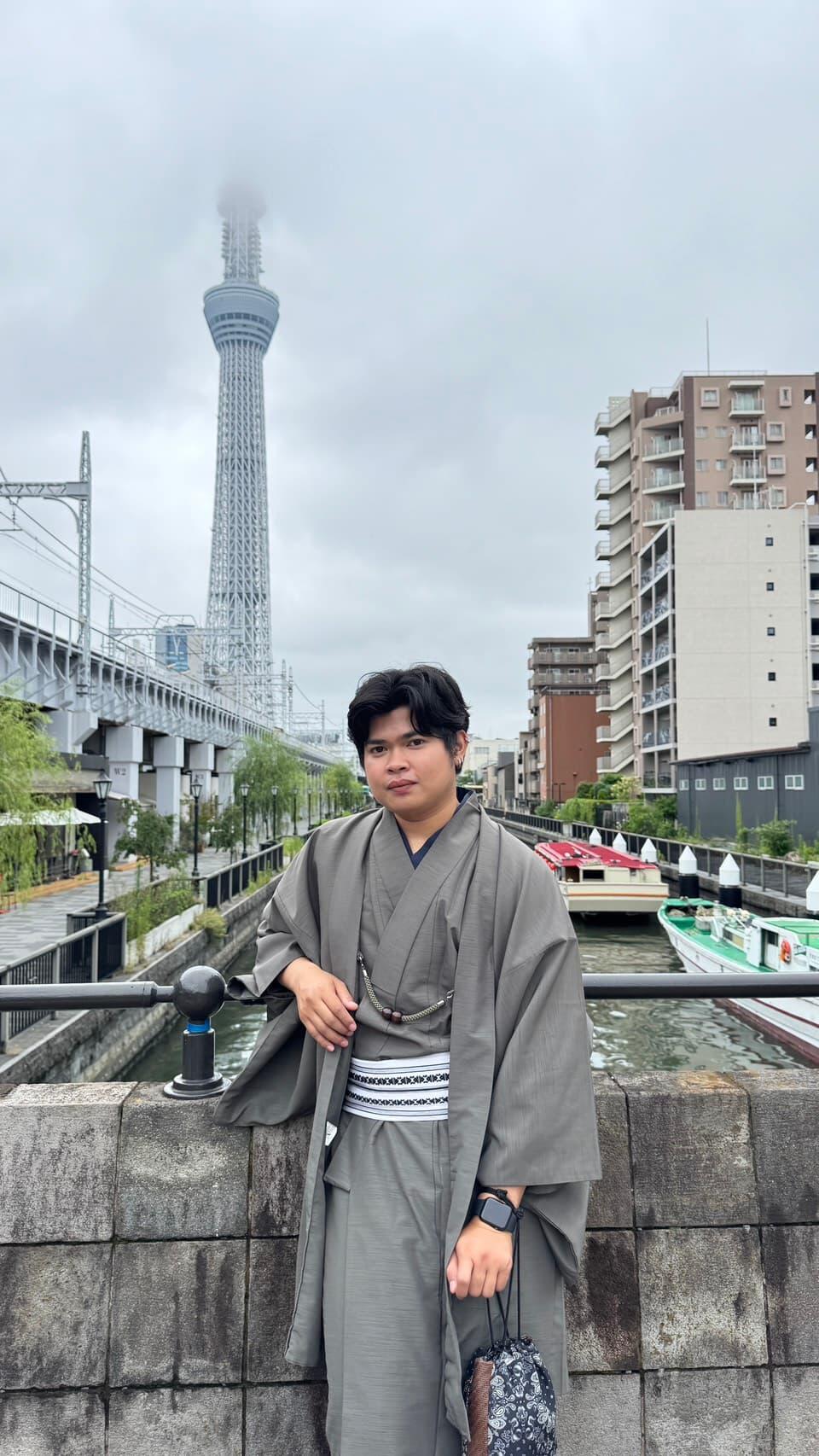
SAKNARIN NIN-INJAN
From Thailand
-
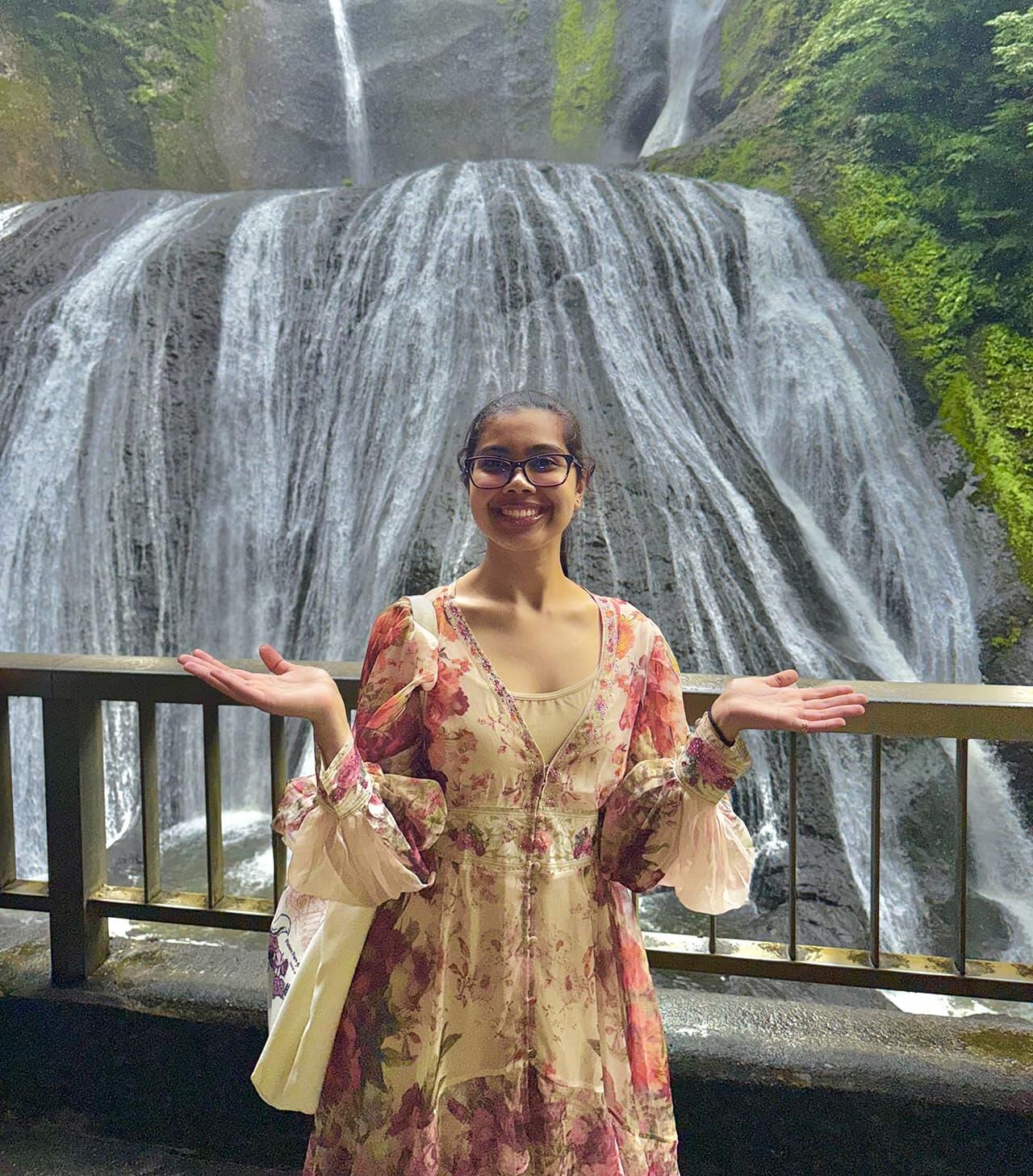
HIRUNI HUNUKUMBURA
From Sri Lanka
-
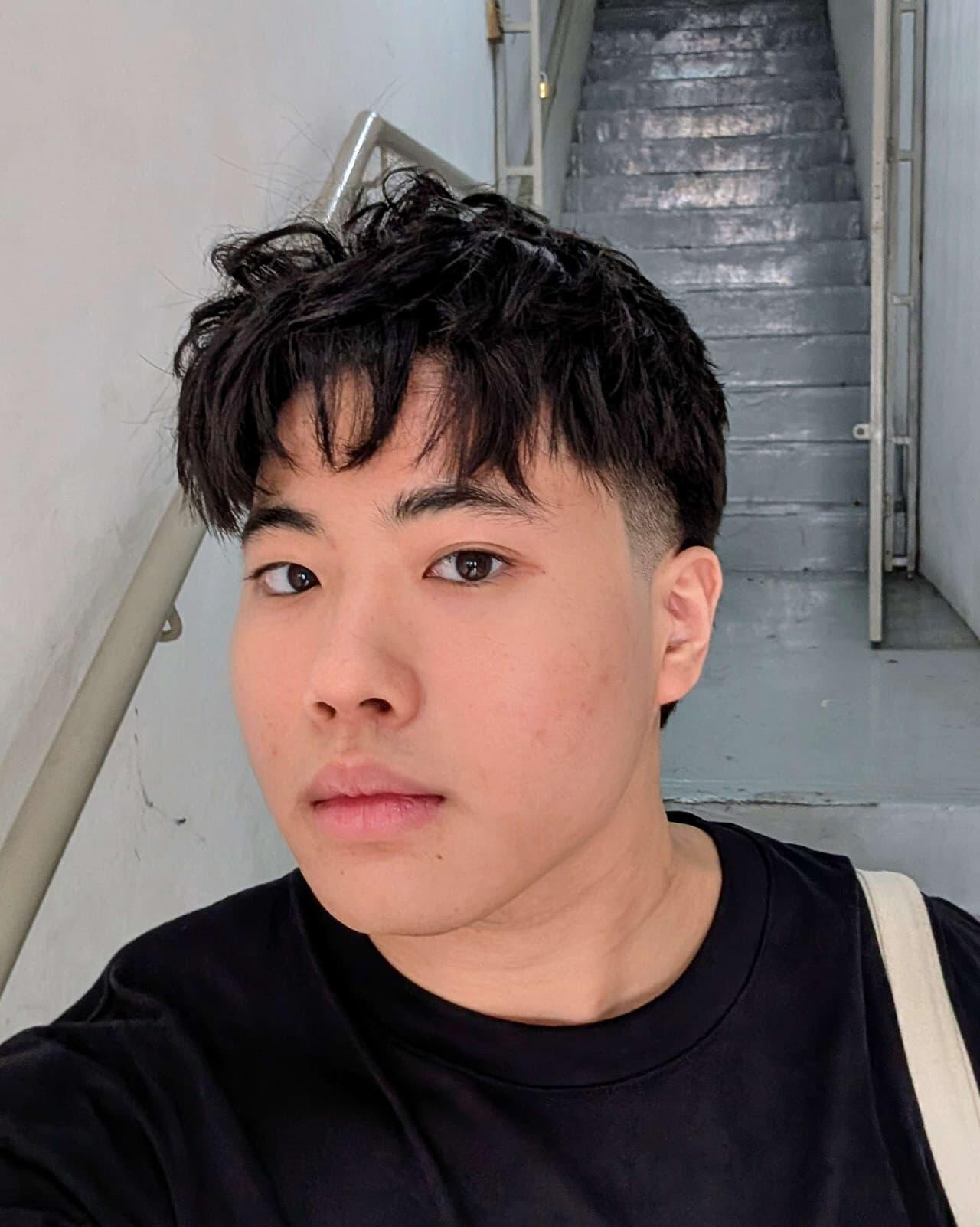
HAN CHON TEH
From Malaysia
-
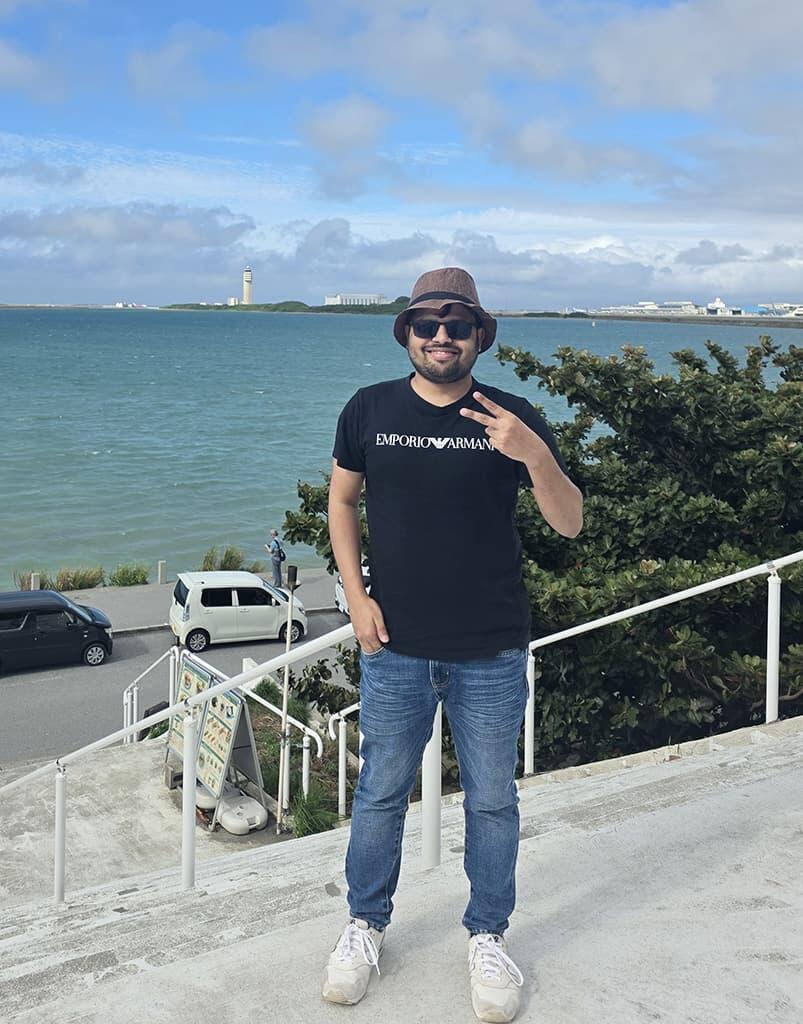
MD MEHEDI HASAN
From Bangladesh
-
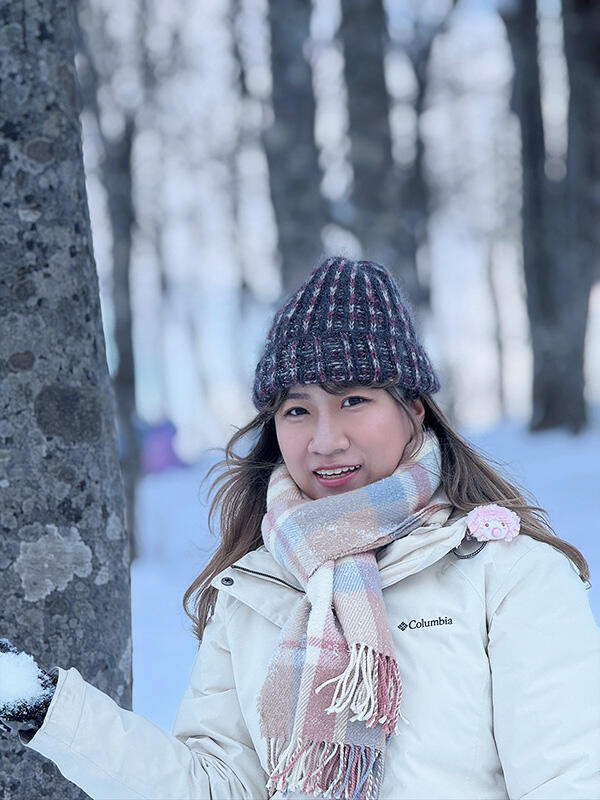
LI SZE CHING
From Hong Kong
-
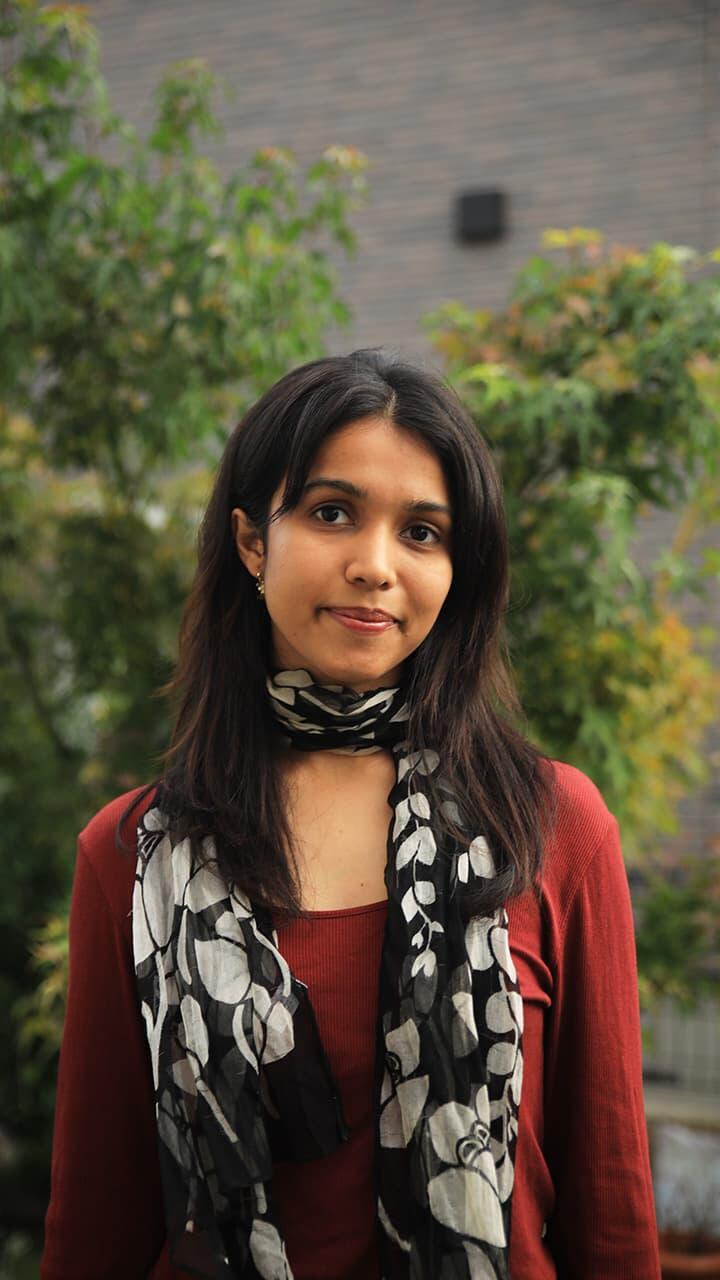
SIYA JITENDRA DESHPANDE
From India
-

RIBEIRO FALCÃO LORRANA
From Brazil
-
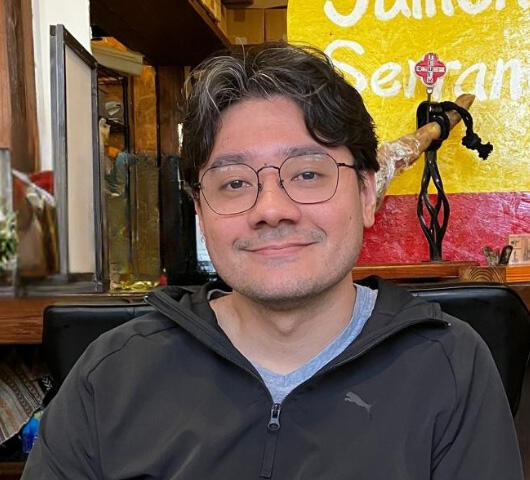
VICTOR MASSAKI NAKAGUCHI
From Brazil
-
RIYAM MOTEA AL-RAABEA
From Iraq
-
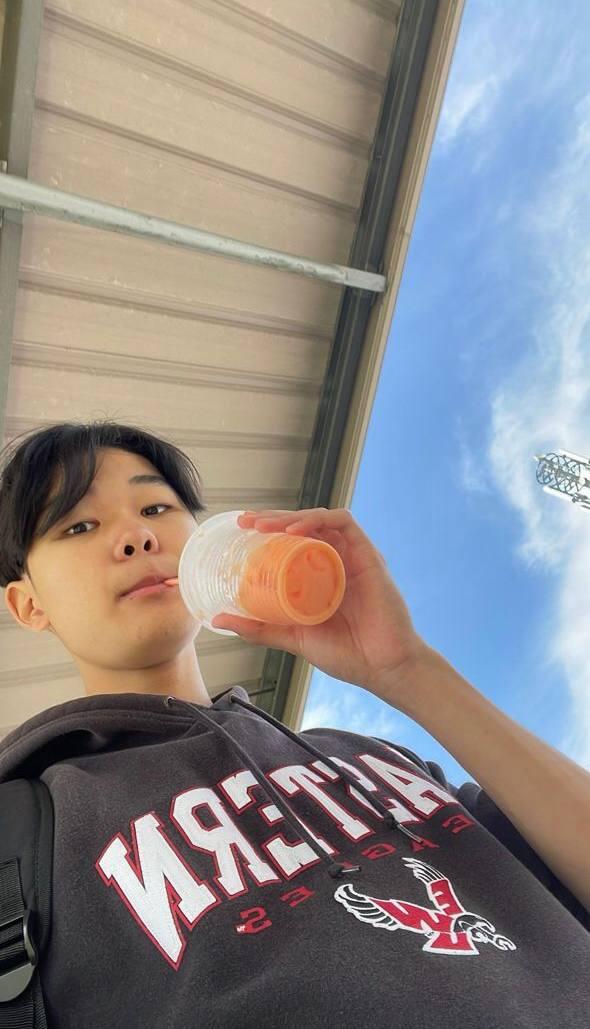
ASYRAF KAZUKI BIN ABDUL ZAKI
From Malaysia
-

CHUN PI HSIEH
From Taiwan
-
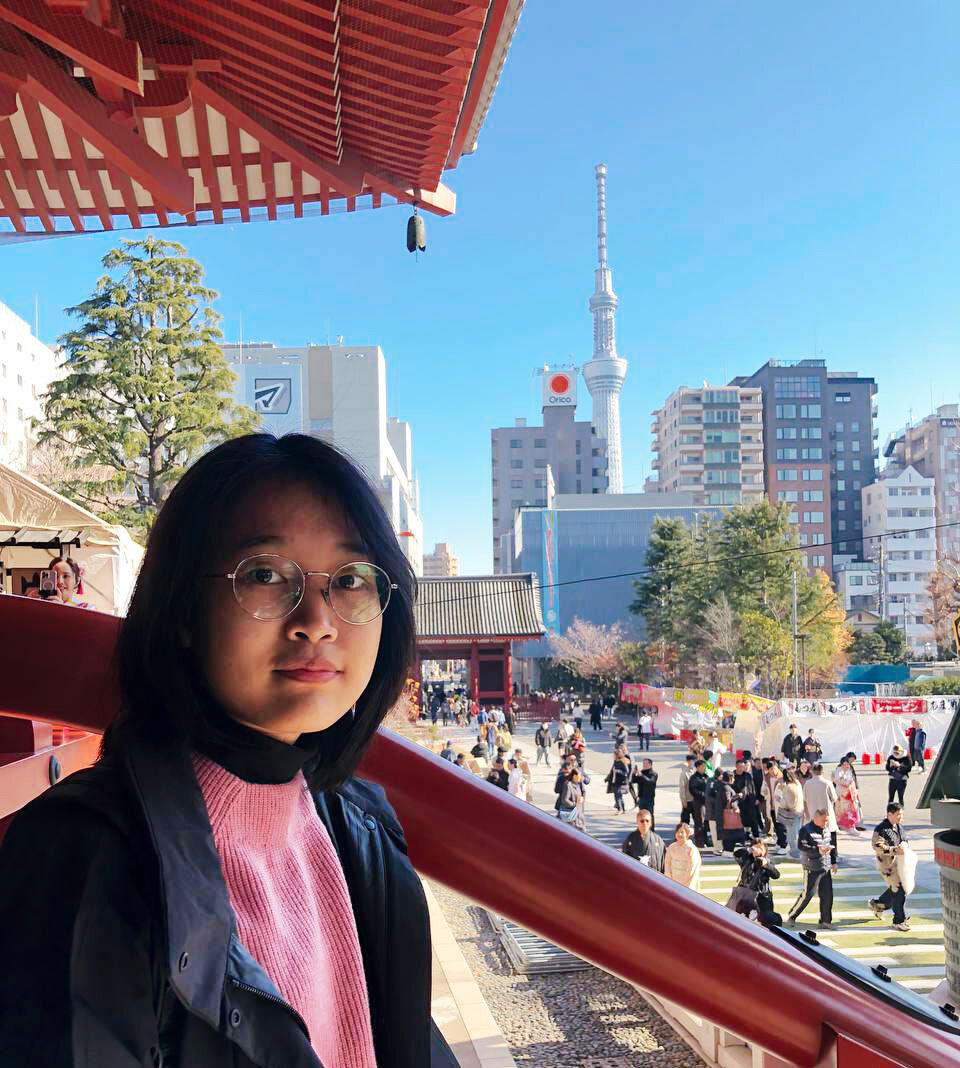
EI YADANAR MAUNG
From Myanmar
-

LIANG LIU
From China
-
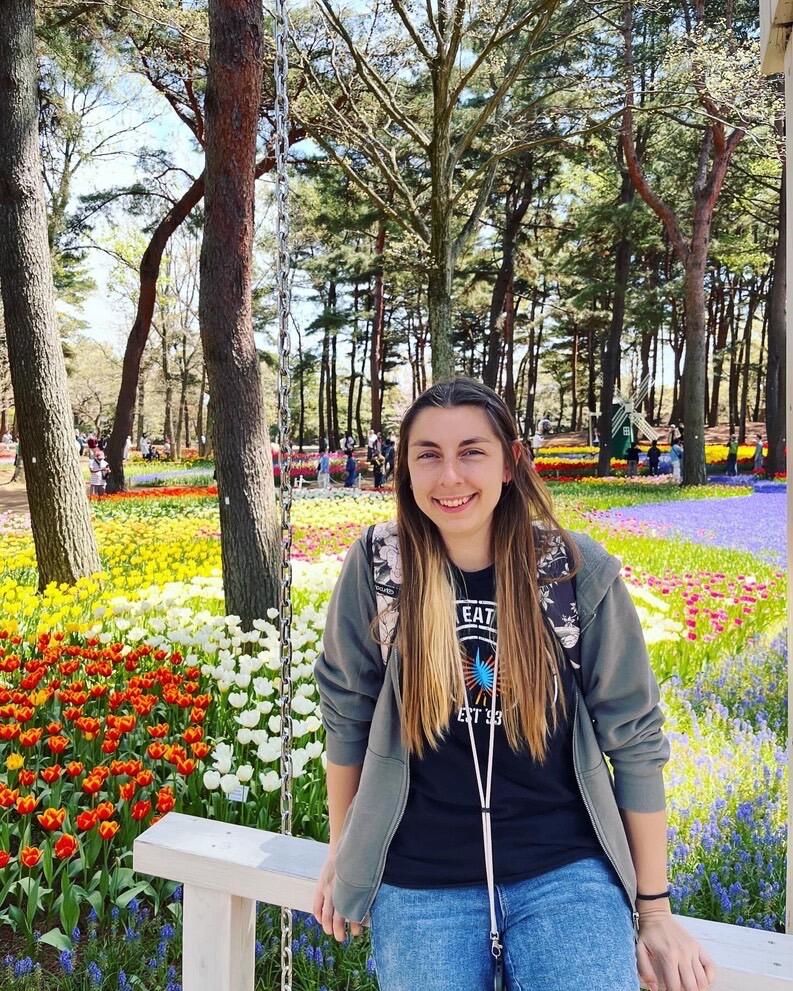
EMMA ROSE DANGERFIELD
From Australia
-
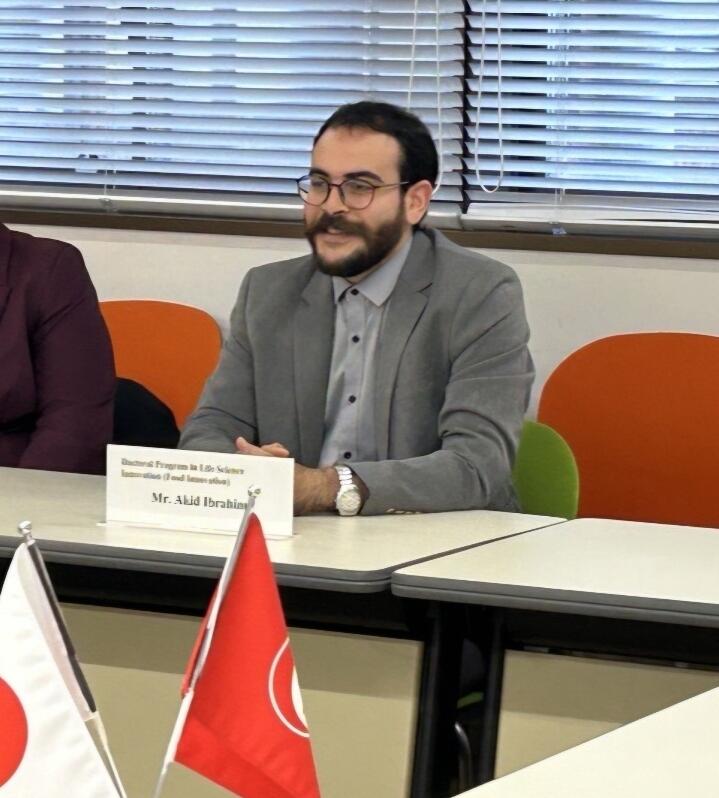
IBRAHIM AKID
From Tunisia
-
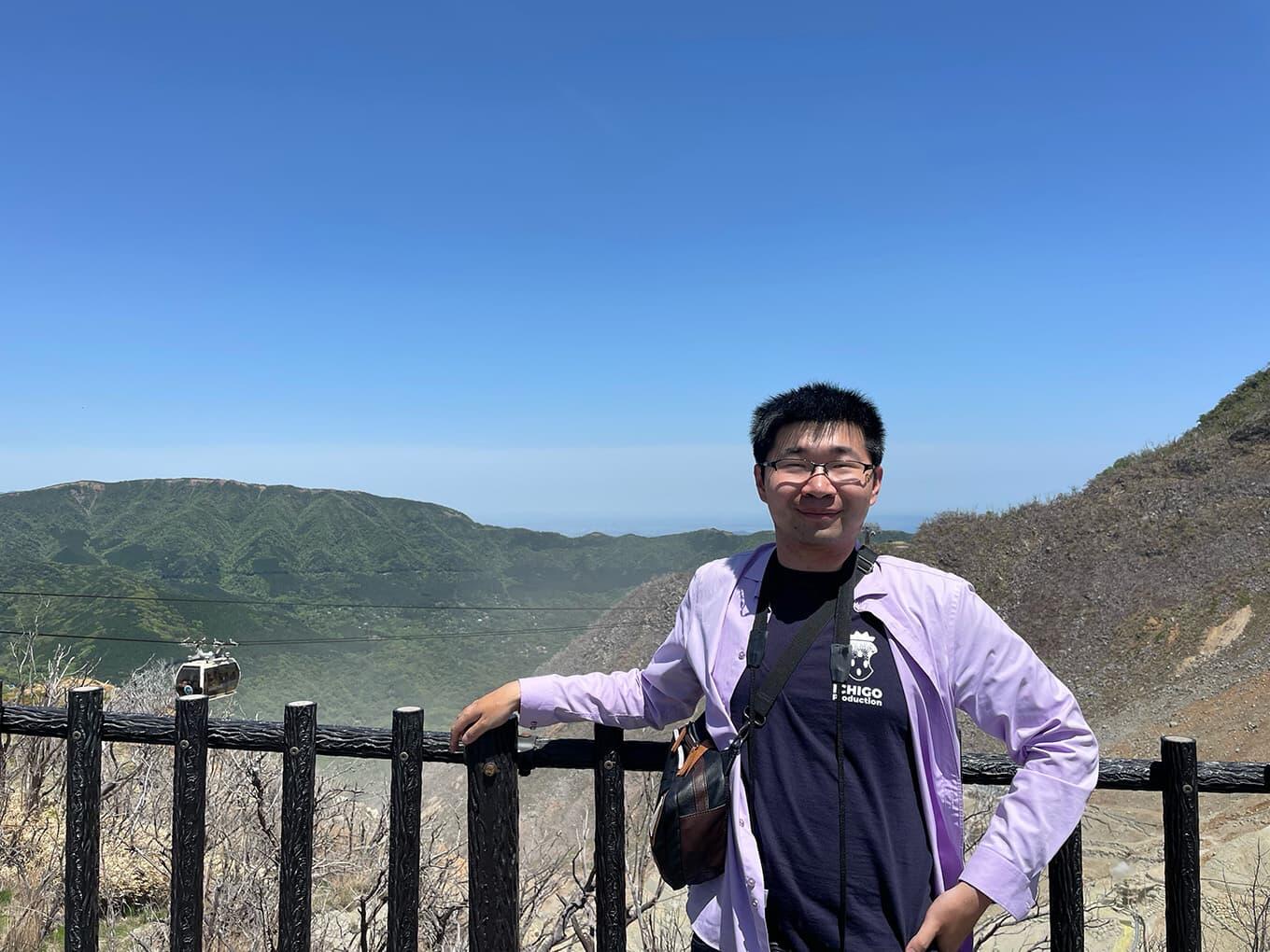
LEYUN HUANG
From China
-
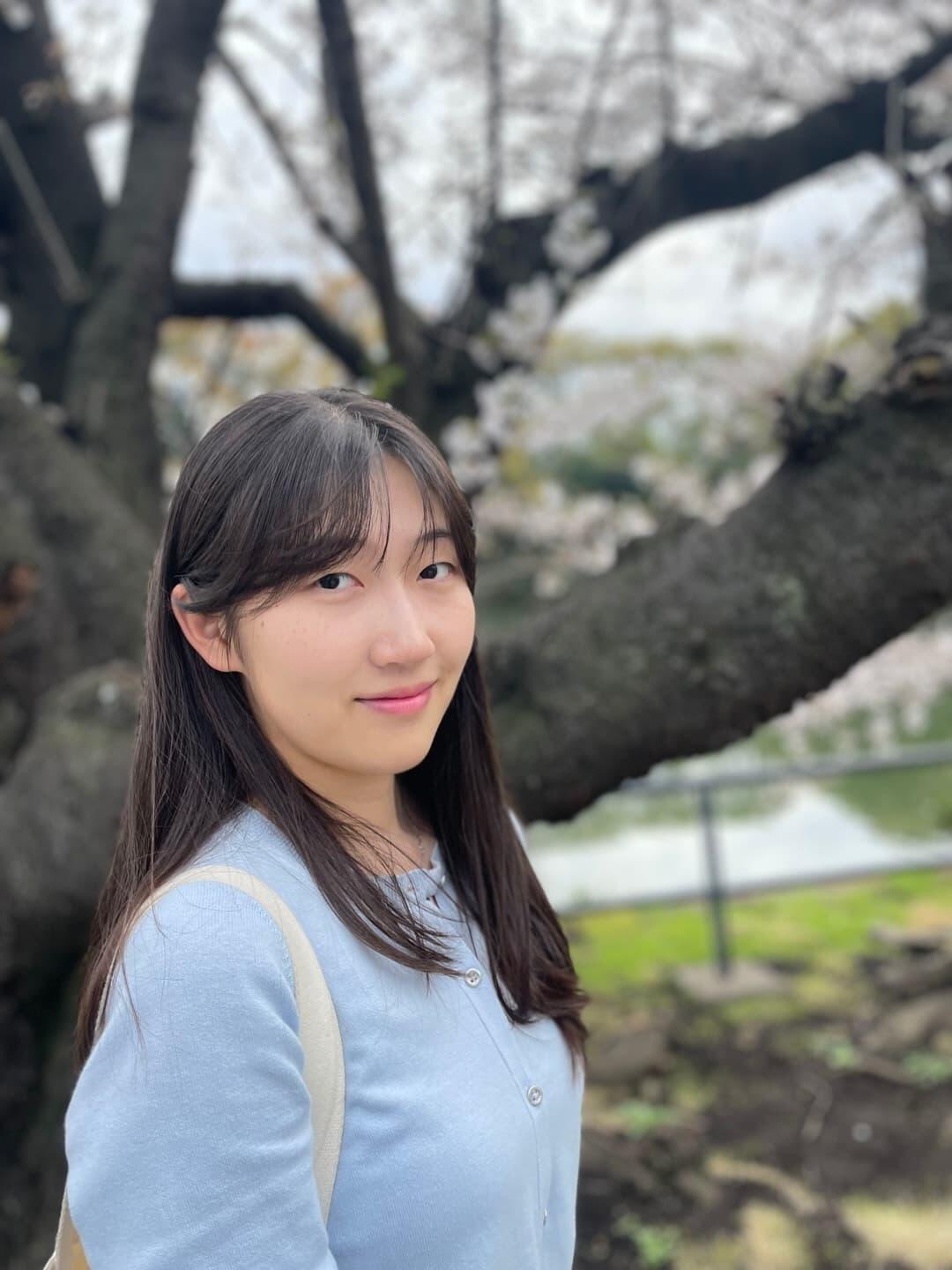
HYOWON LEE
From Korea
-
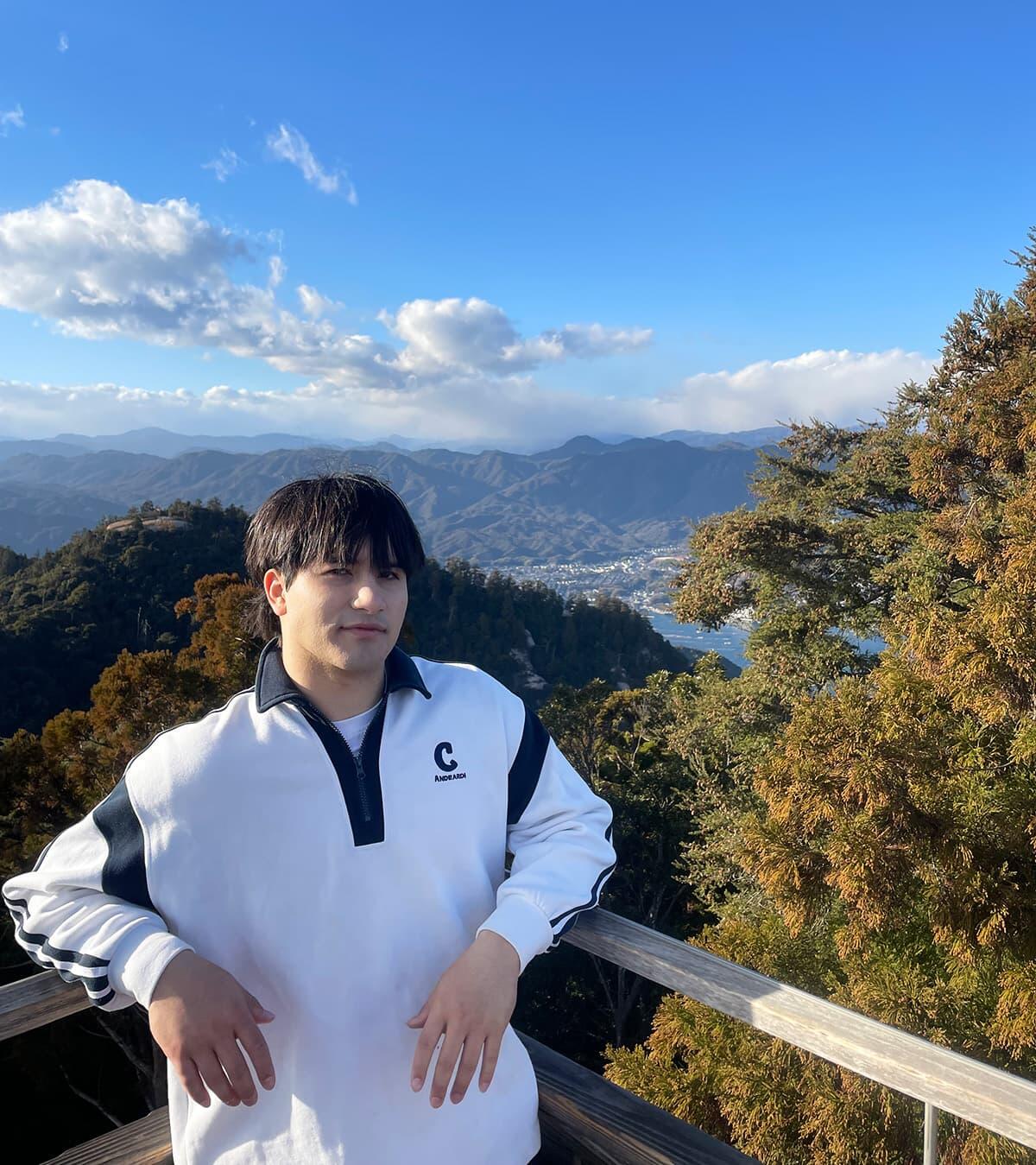
ZACHARY JAMES YOSHIOKA
From USA
-
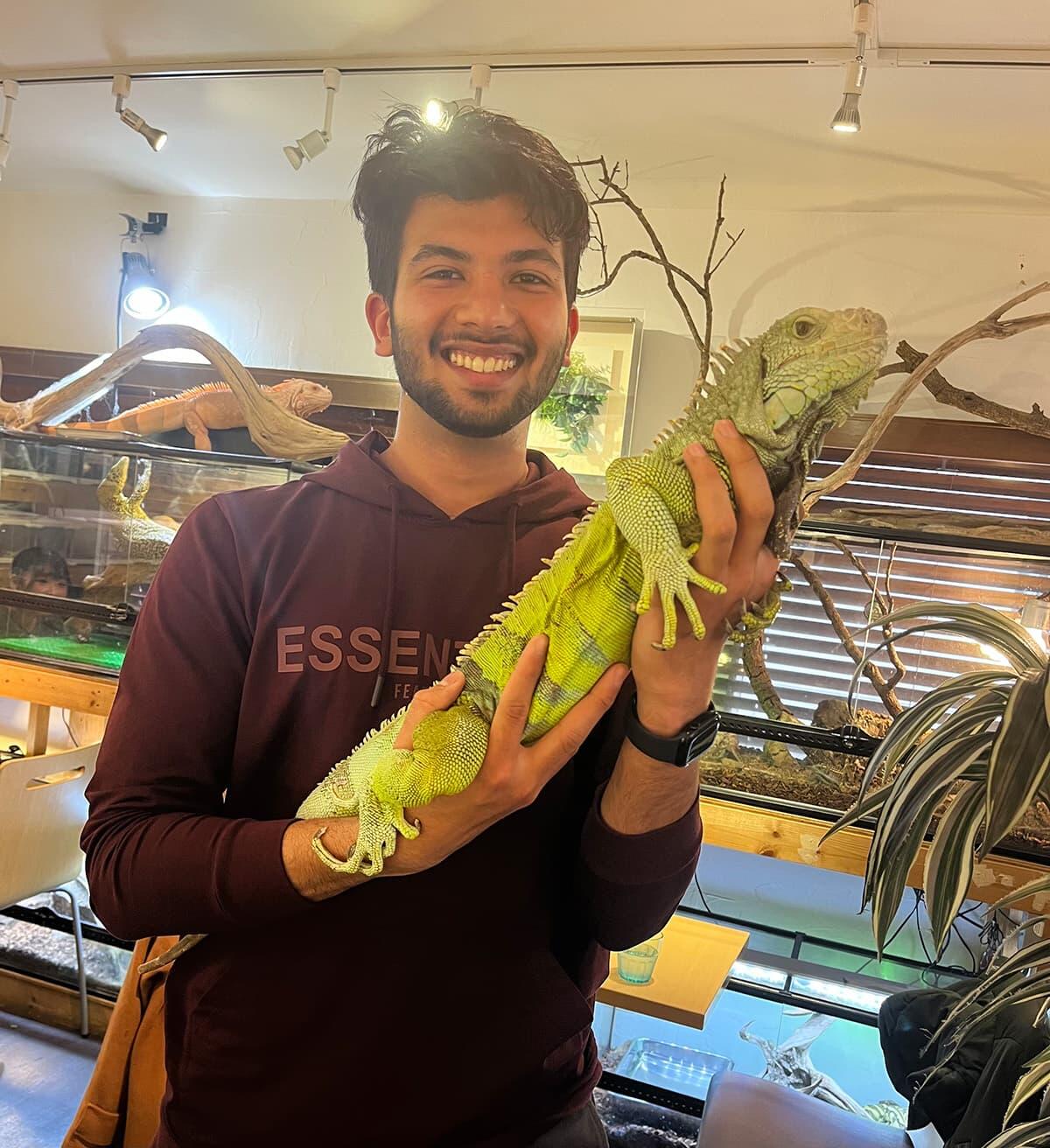
NIMISH SUDHIR GODSE
From India
-
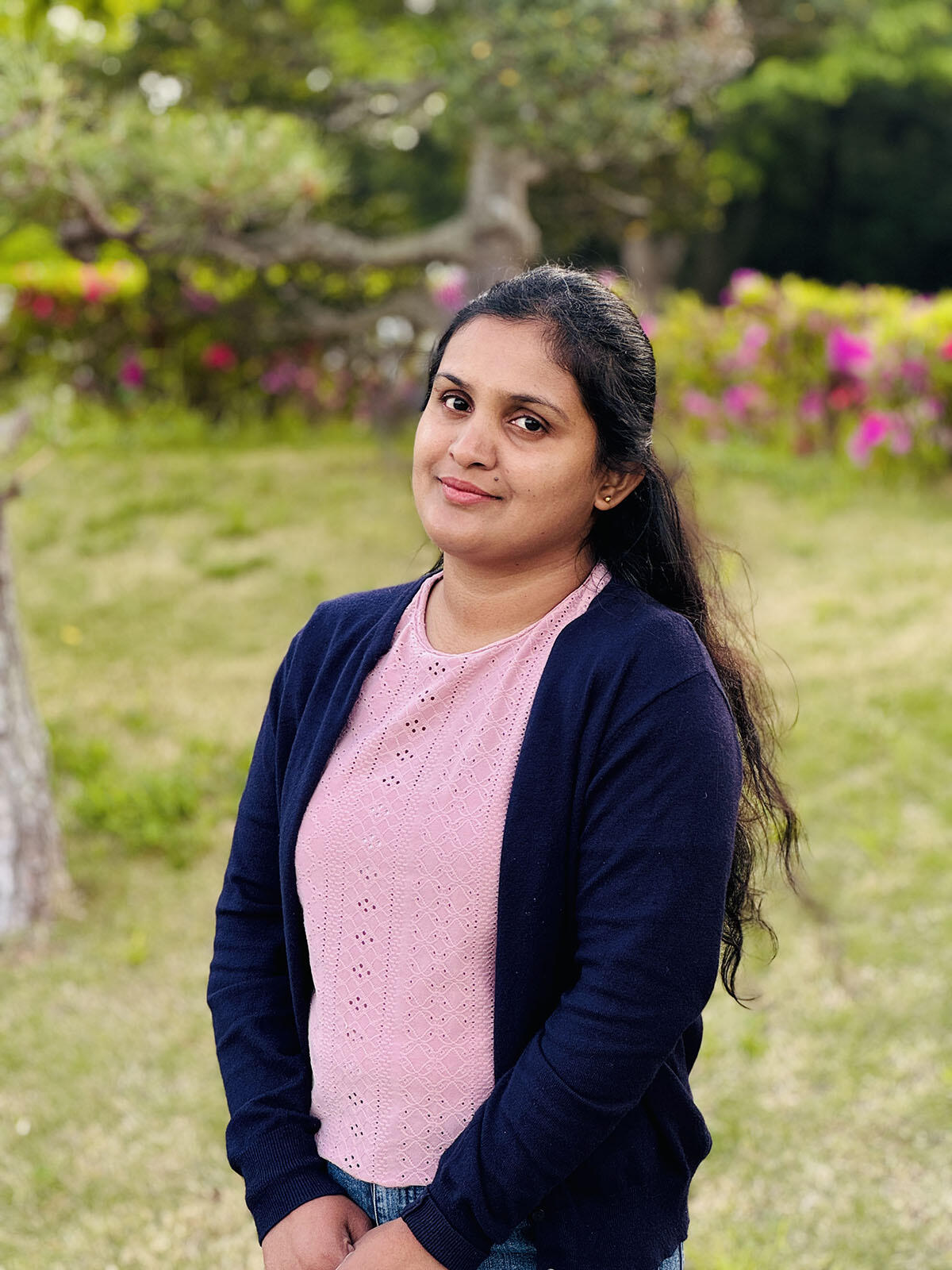
HASINI NIMANTHI KATIYAPE SAMARASEKARAGE
From Sri Lanka
-
MURAN XU
From China
-
YANG HU
From China
-
TE-YU HUANG
From Taiwan
-
SHAFIQULLAH YOUSAFZAI
From Afghanistan
-
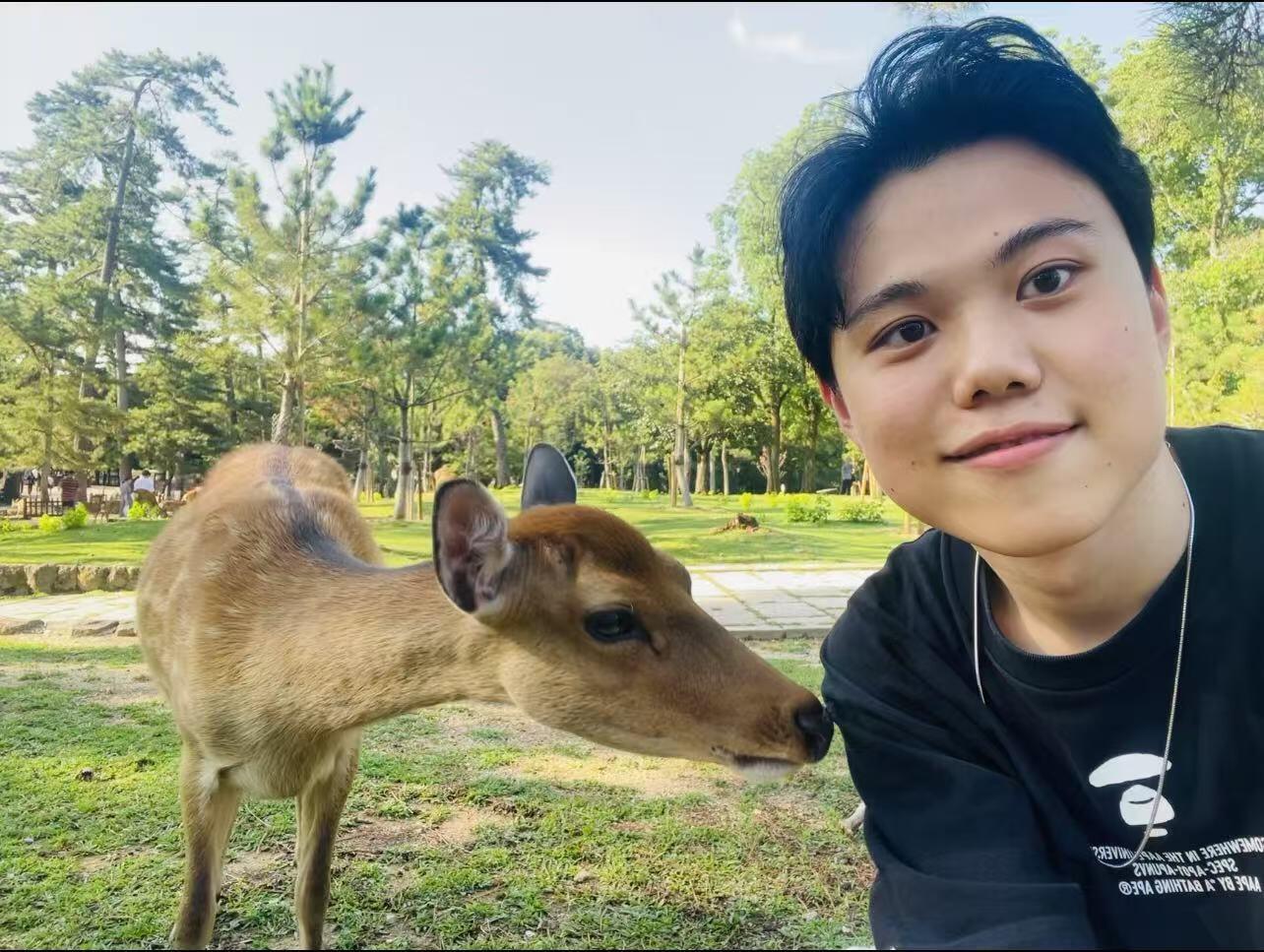
QI SHI
From China
-

MYLES
From USA
-
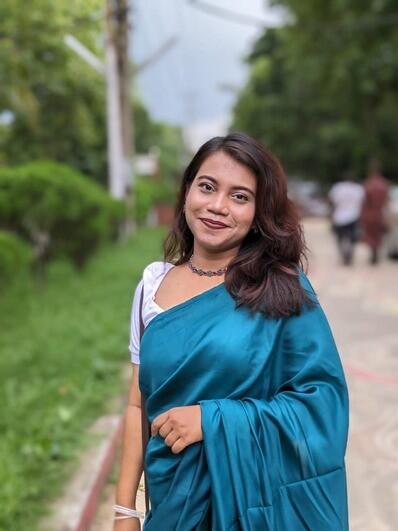
ISRAT JAHAN
From Bangladesh
-
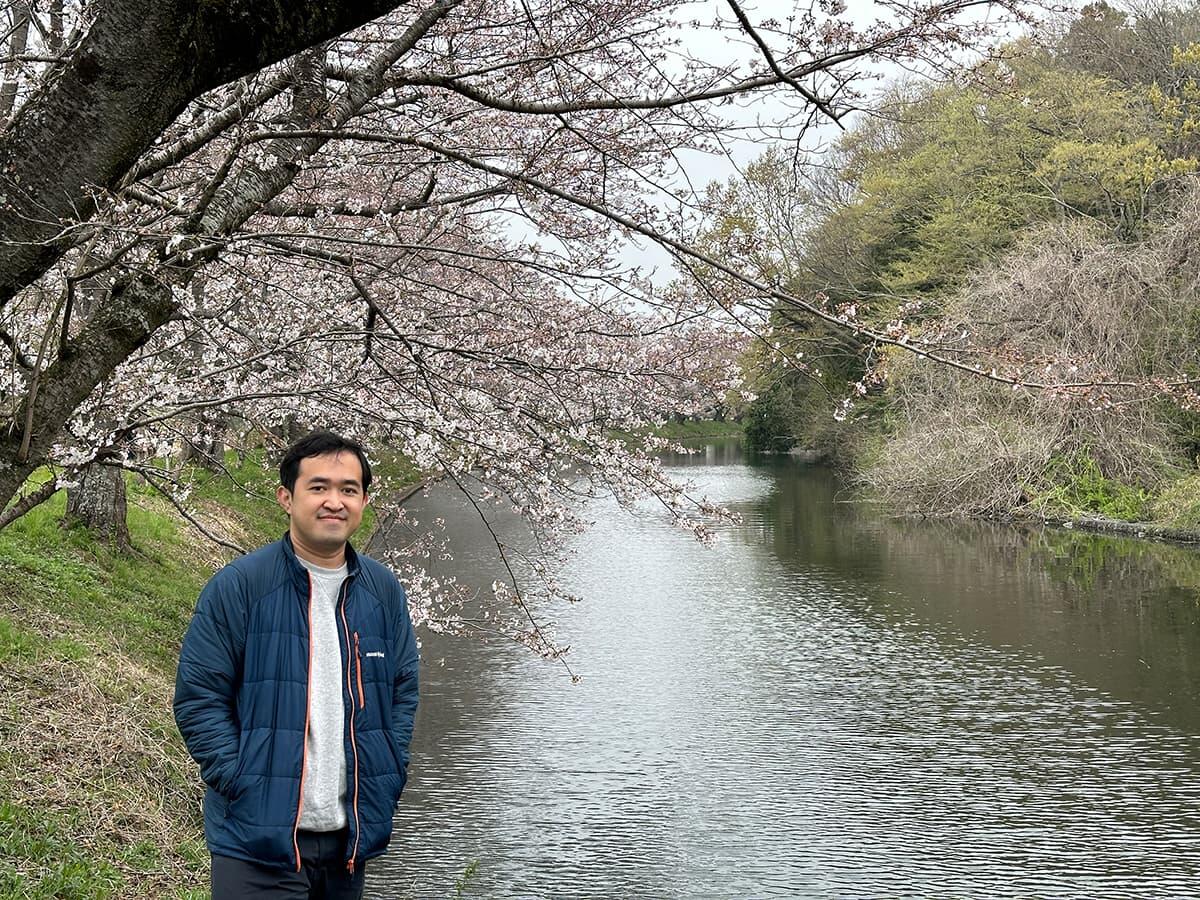
SOTHEARITH ENG
From Cambodia
-
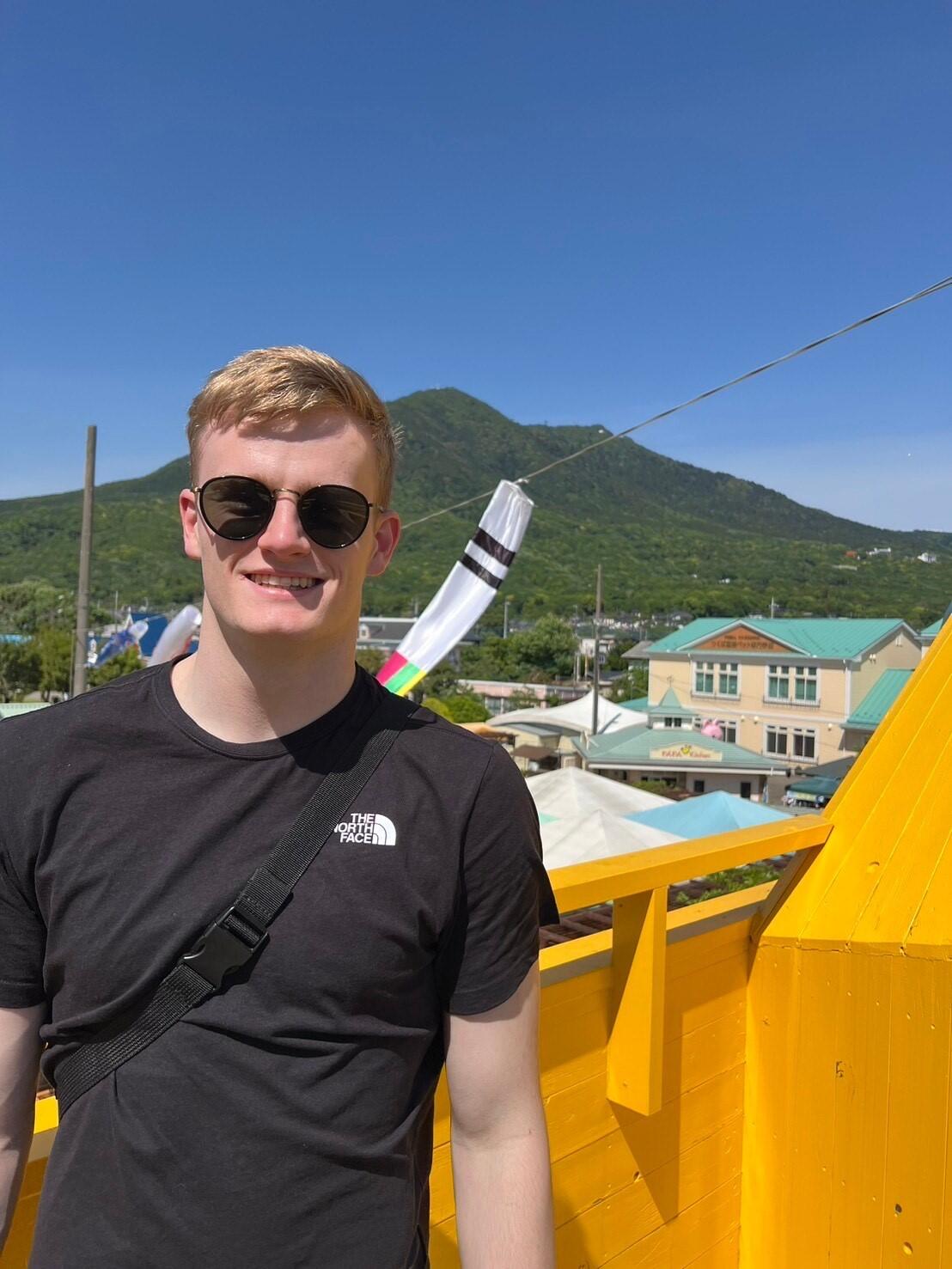
FELIX COOMBER
From UK
-
WAI PHYO THU
From Myanmar
-
SRINITHI ASHOK KRISHNASWAMY
From India
-
SACHI JOCHI
From Japan/India
-
PING HUAN WANG
From Taiwan
-
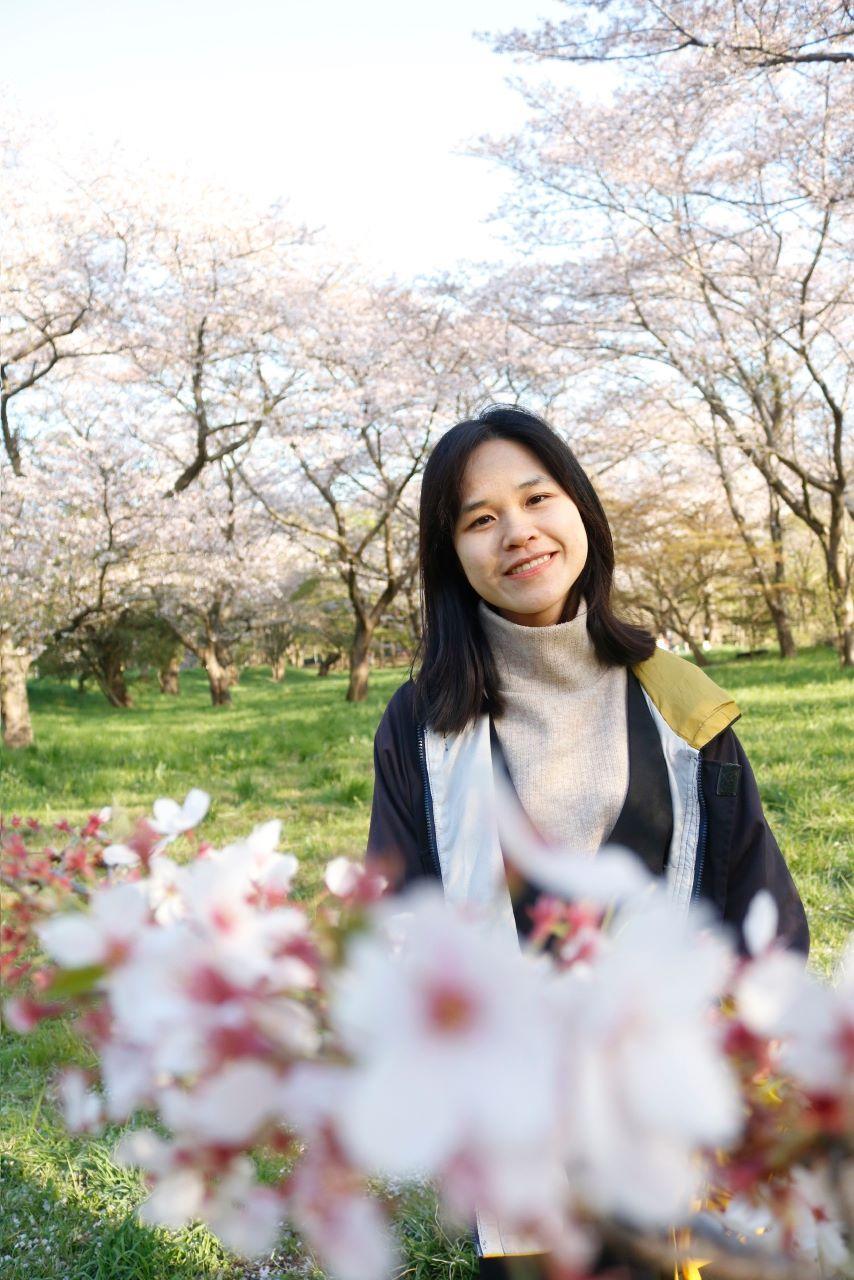
NGHI NGUYEN BAO
From Vietnam
-
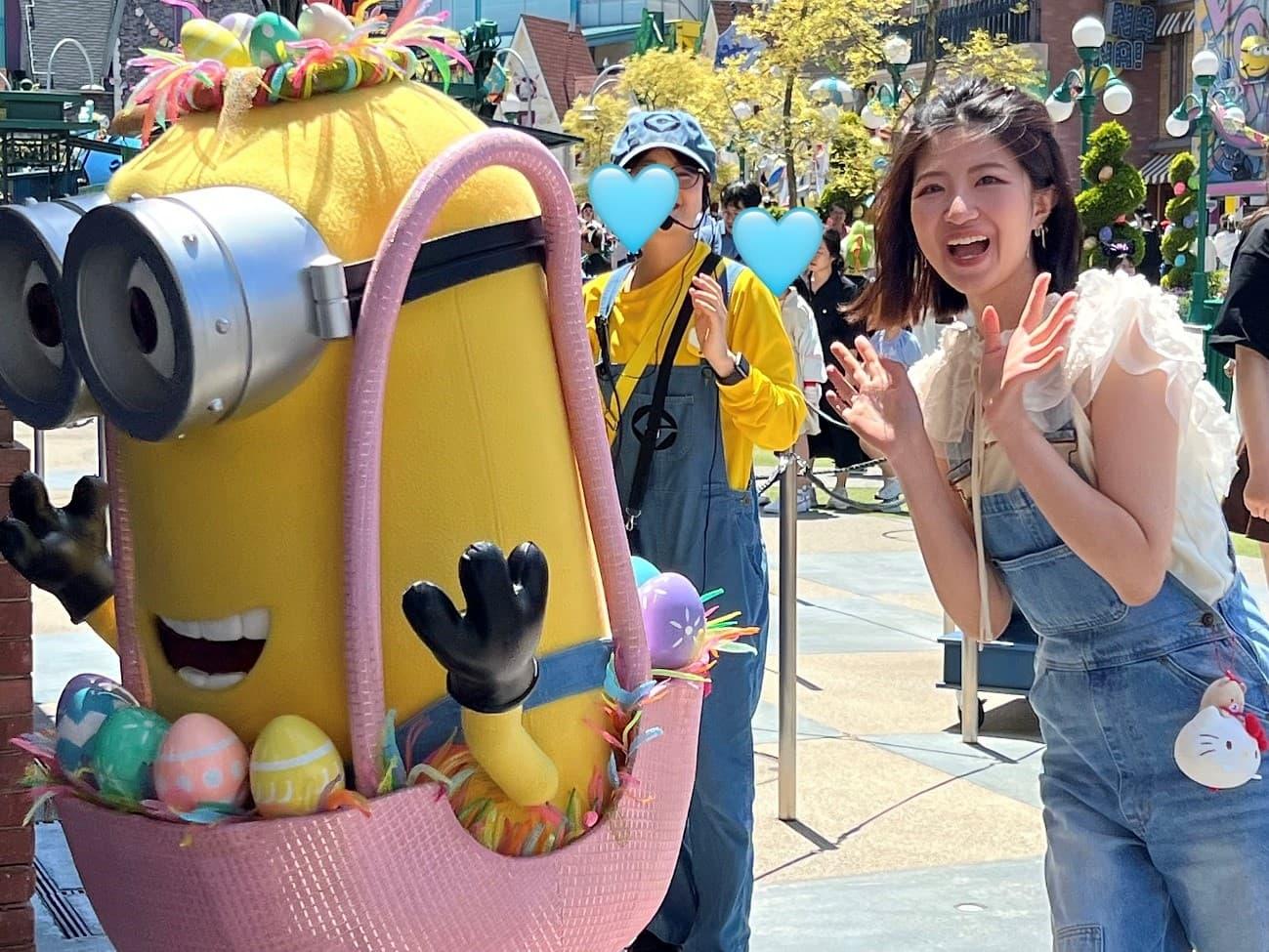
GUANGQI AN
From China
-
HELIO NONOSE
From Brazil
-
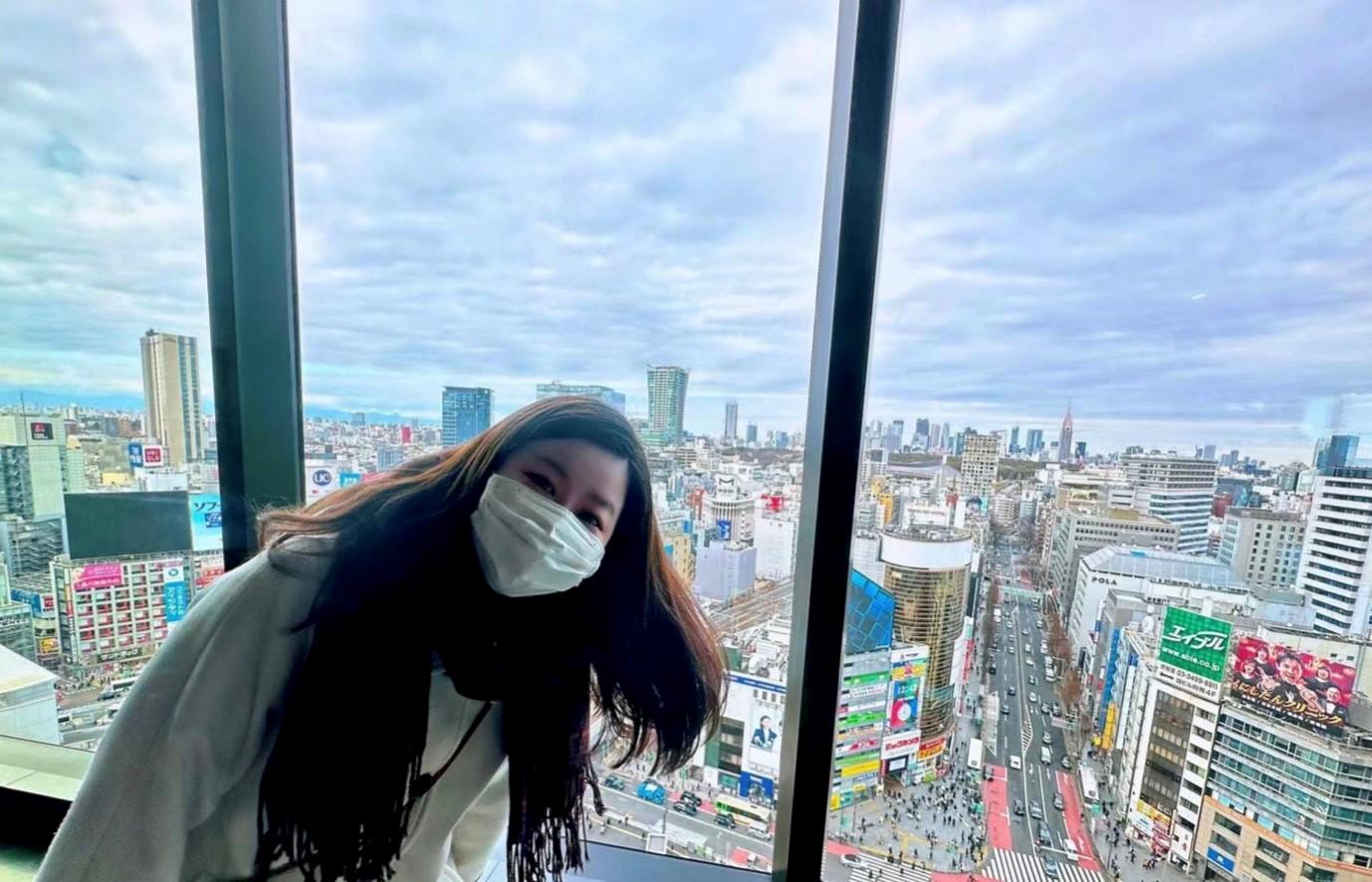
TAO LENG
From China
-
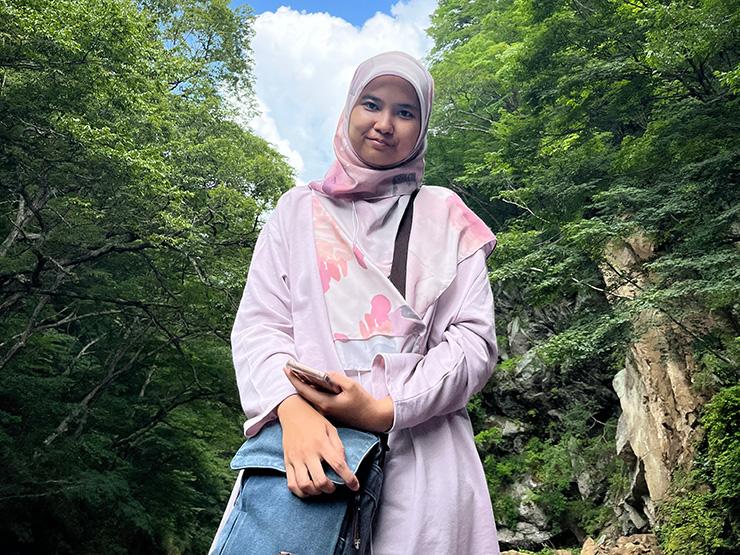
INSYIRAH
From Malaysia
-
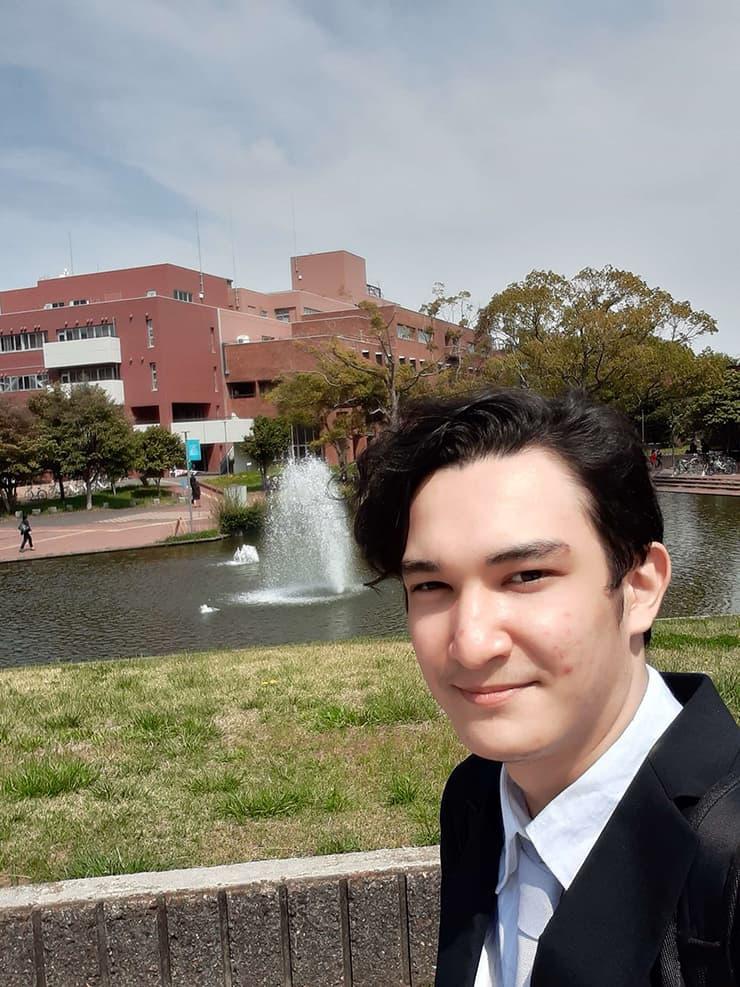
ARAMAKI, CAUE SINGO
From Brazil
-
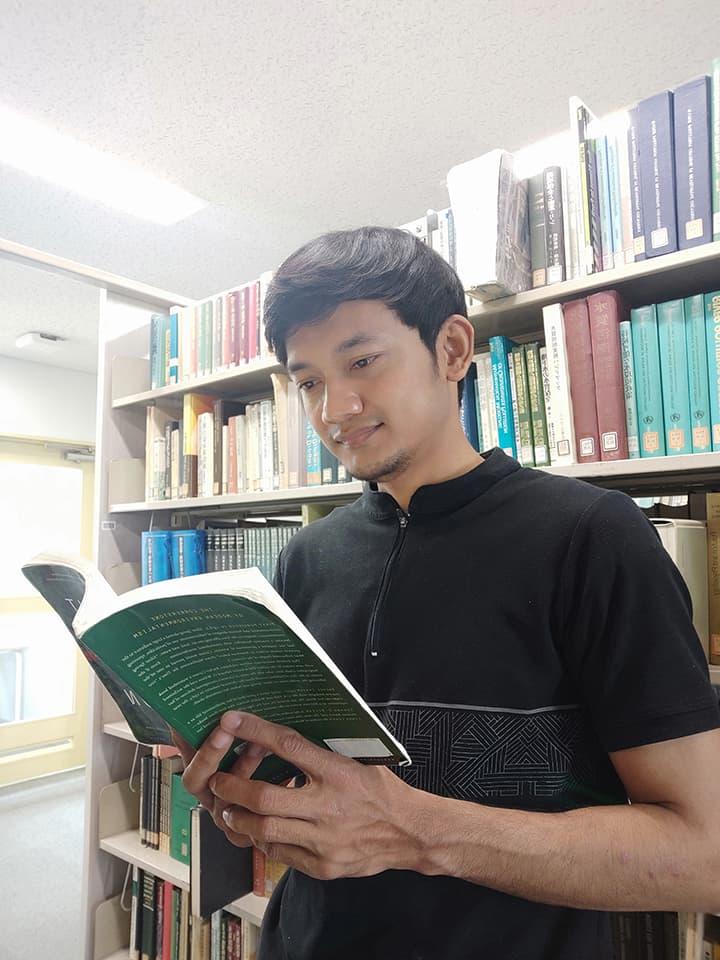
SUHARMAN
From Indonesia
-
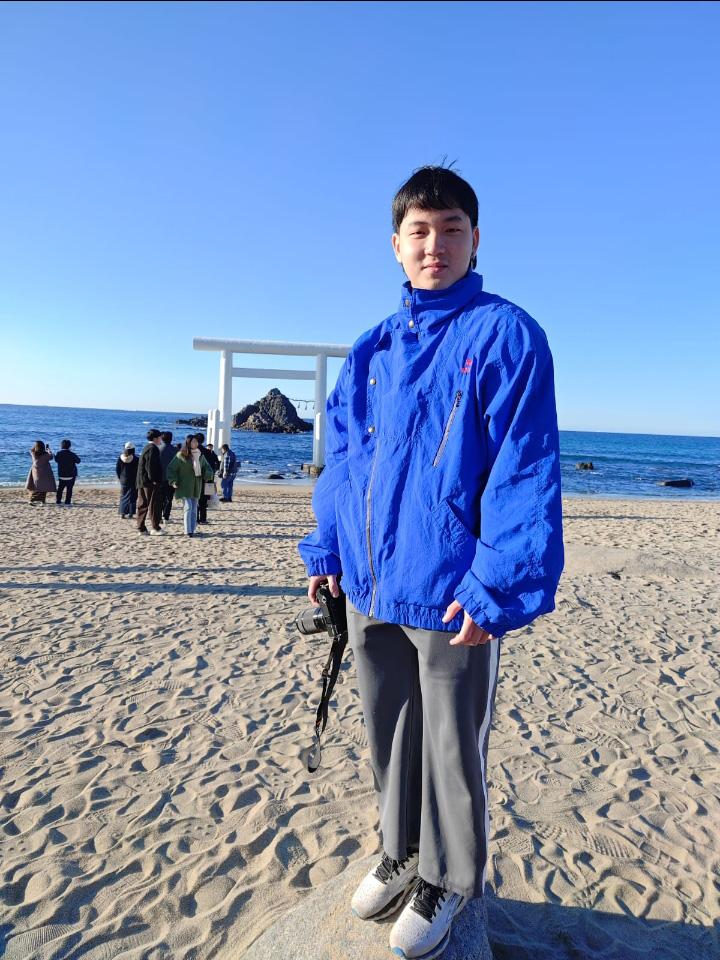
NG RAY SHAN
From Singapore
-
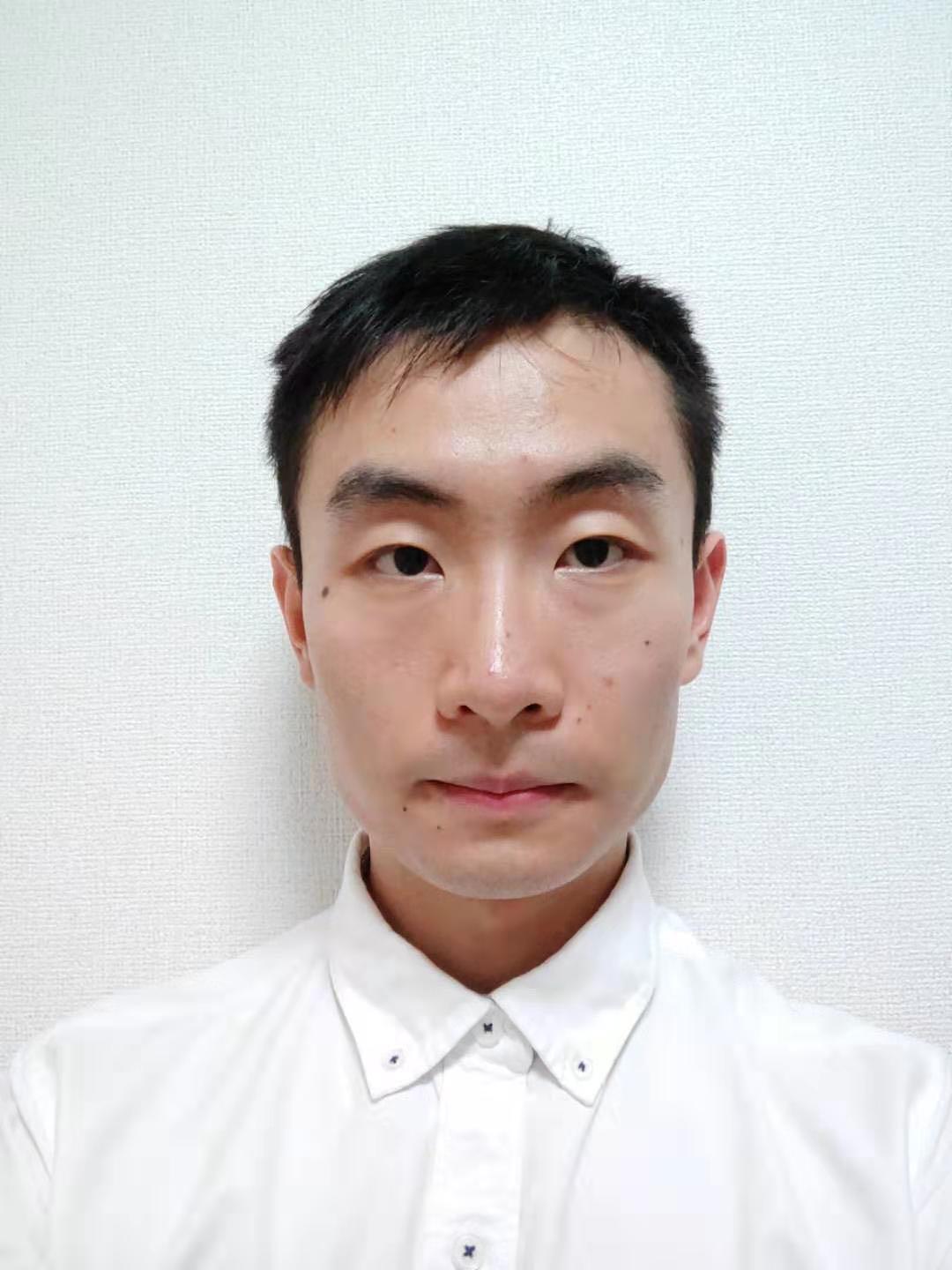
DU XIN
From China
-
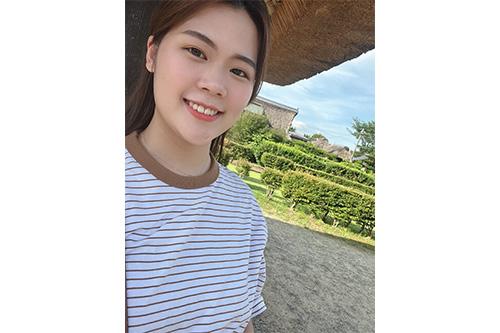
YINA SHIN
From Korea
-
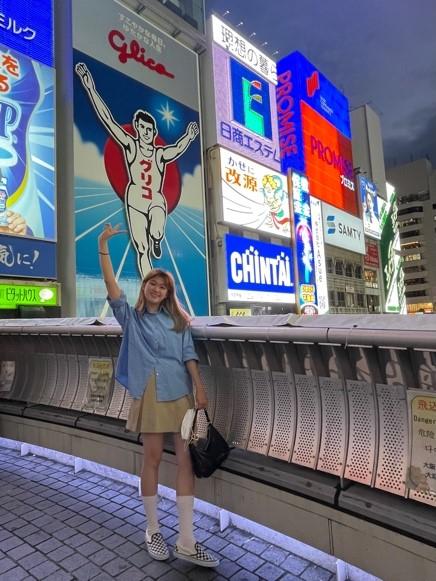
JOOEUN YOON
From Korea
-
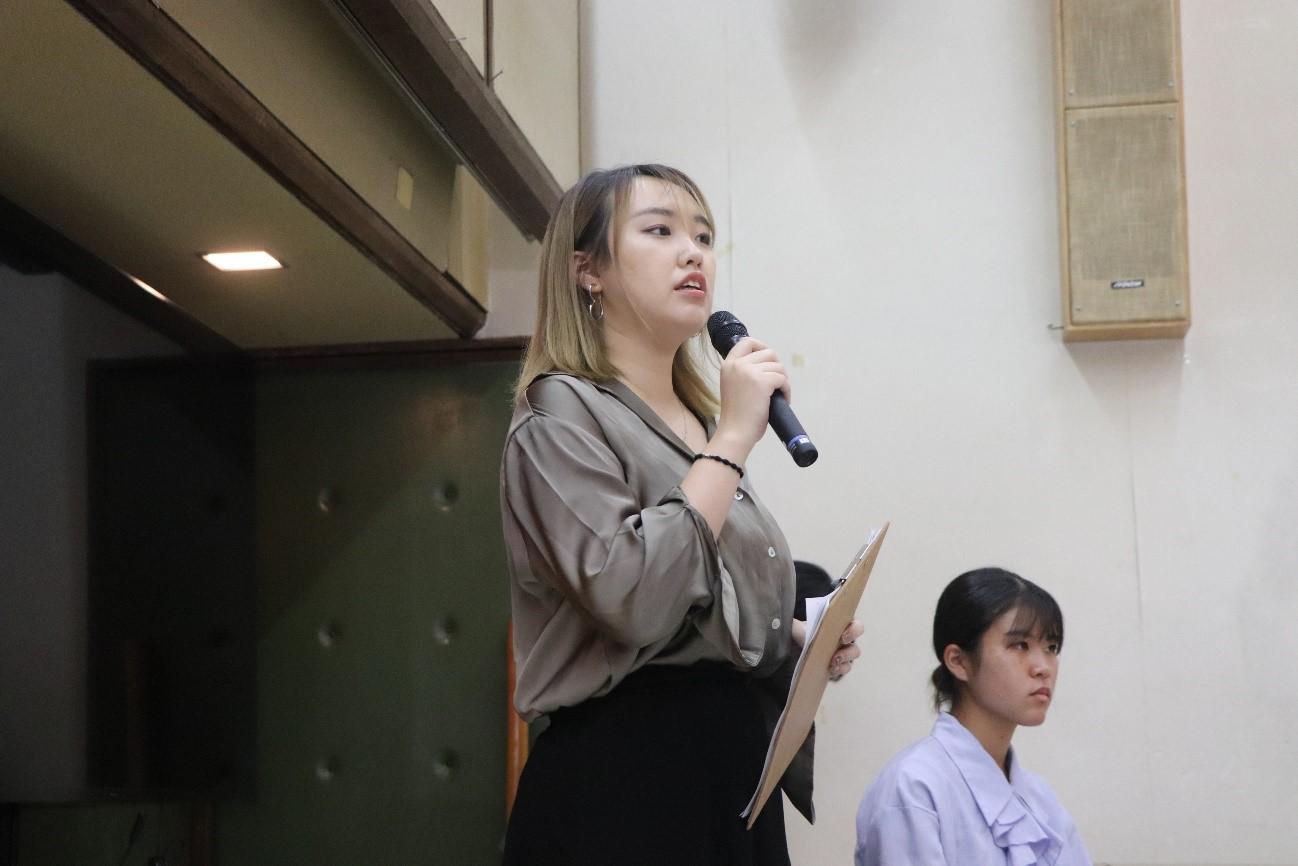
REN YIHAN
From China
-
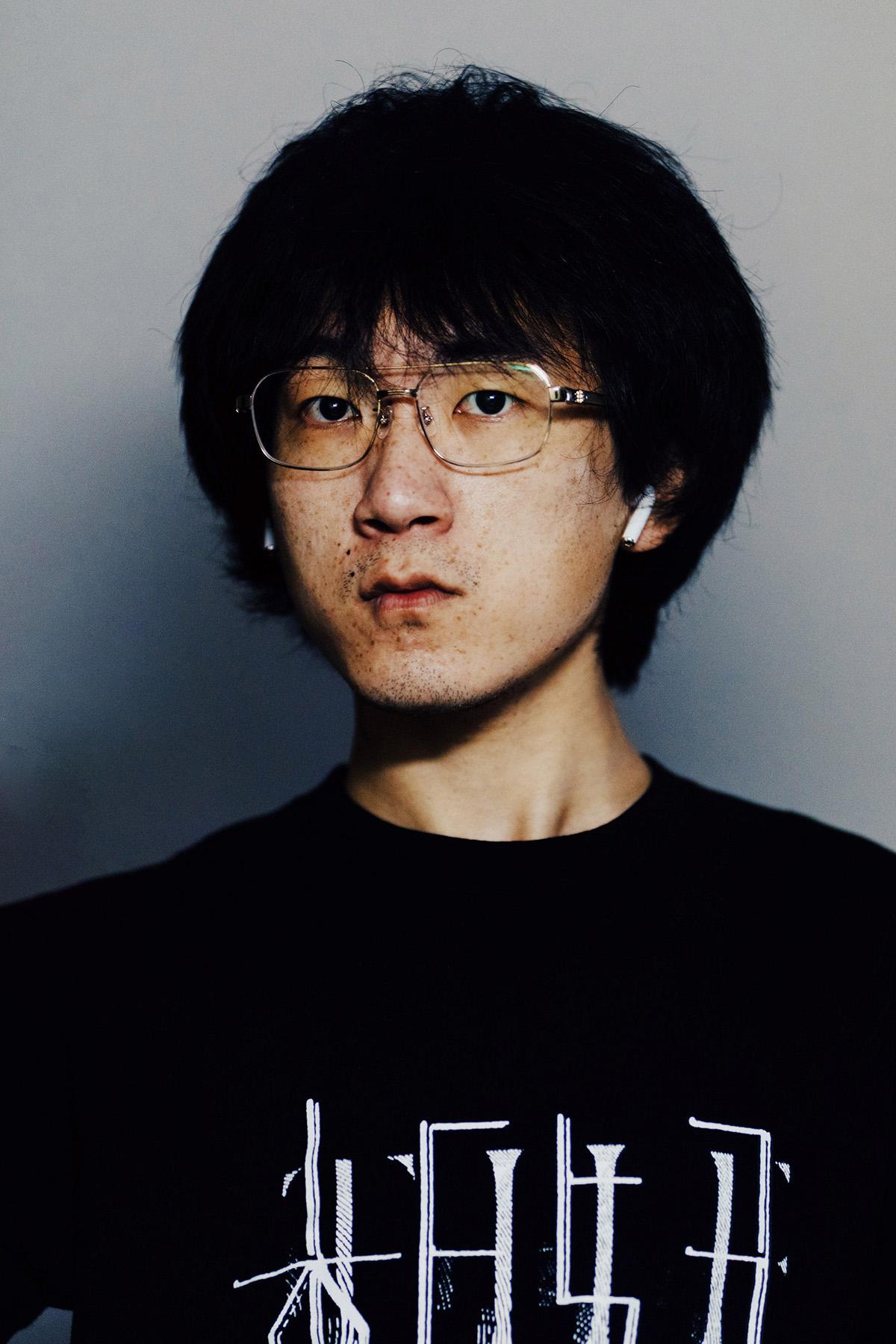
MENG LIYUAN
From China
-
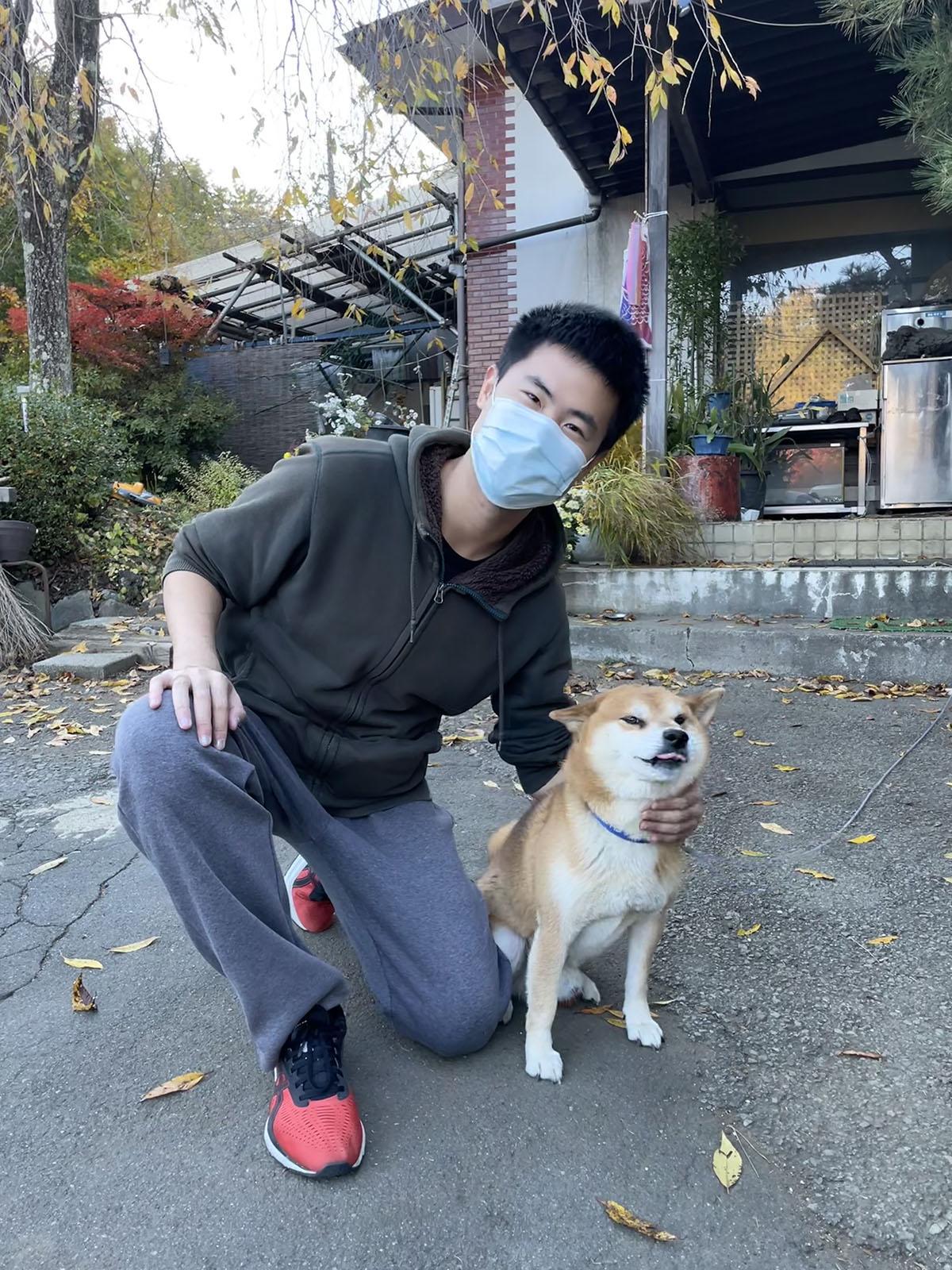
WU BOQIAN
From China
-
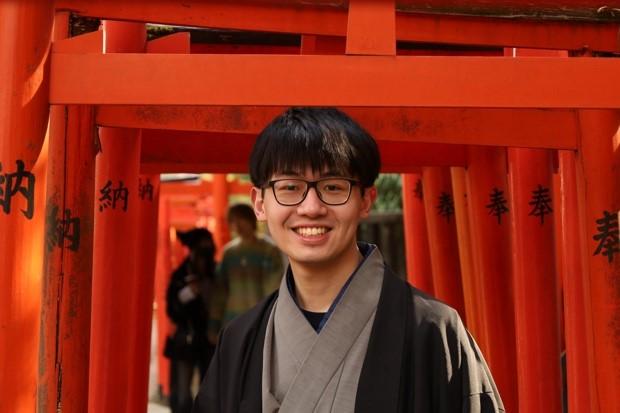
YU, CHENG-HAN
From Taiwan
-
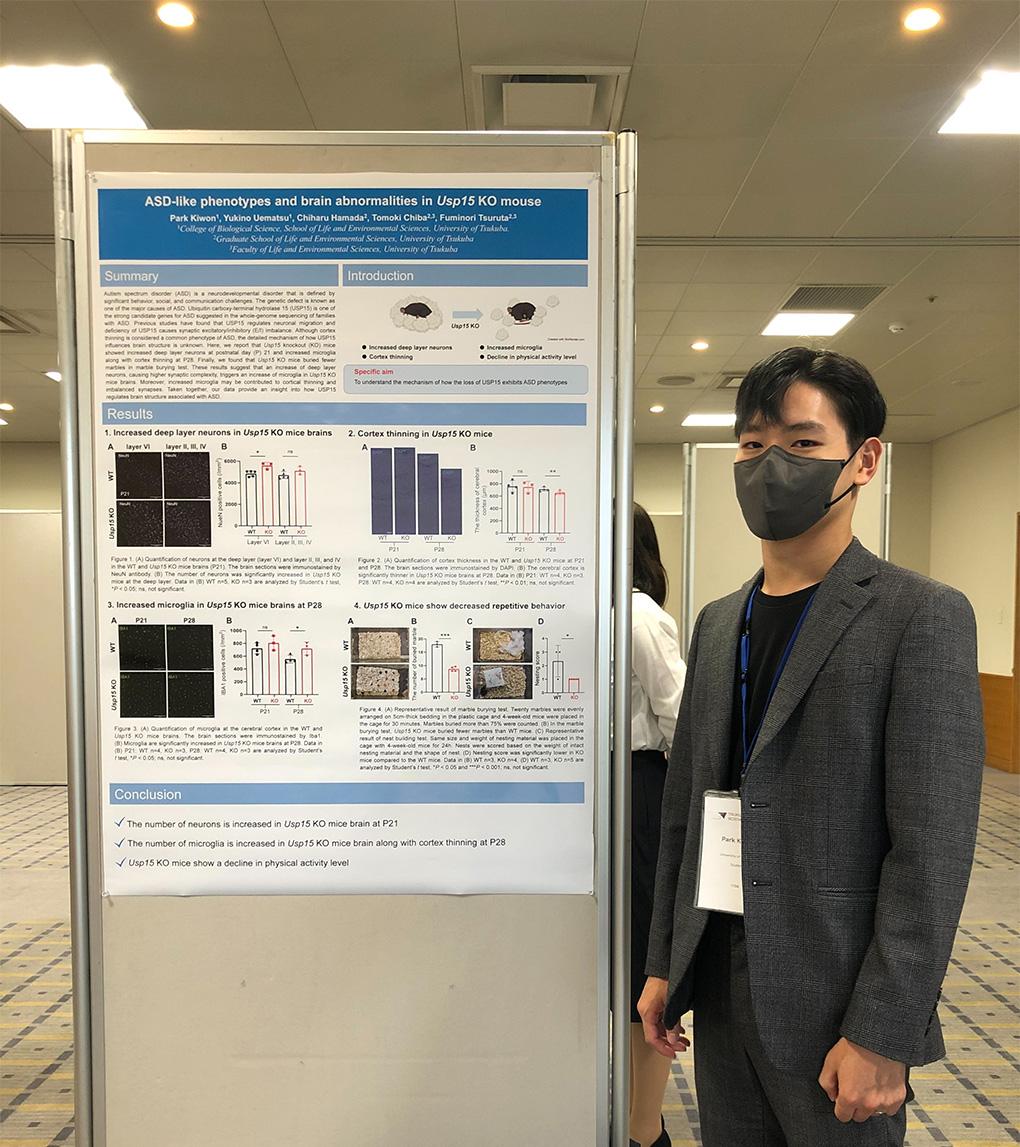
PARK KIWON
From Republic of Korea
-
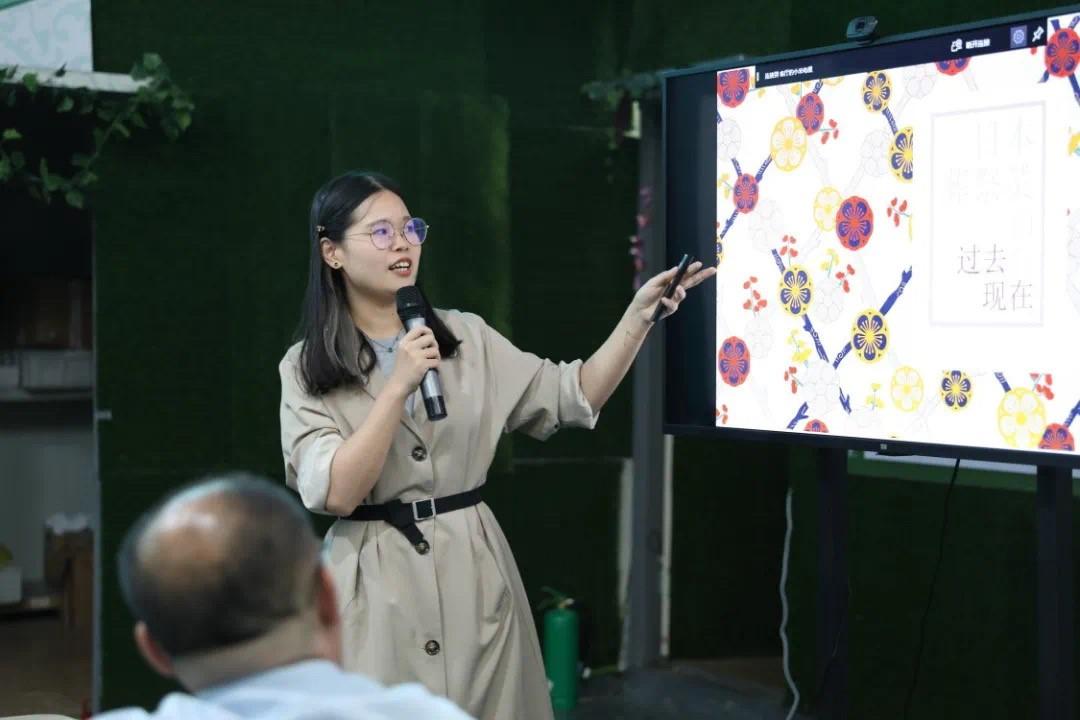
CHEN MIN
From China
-
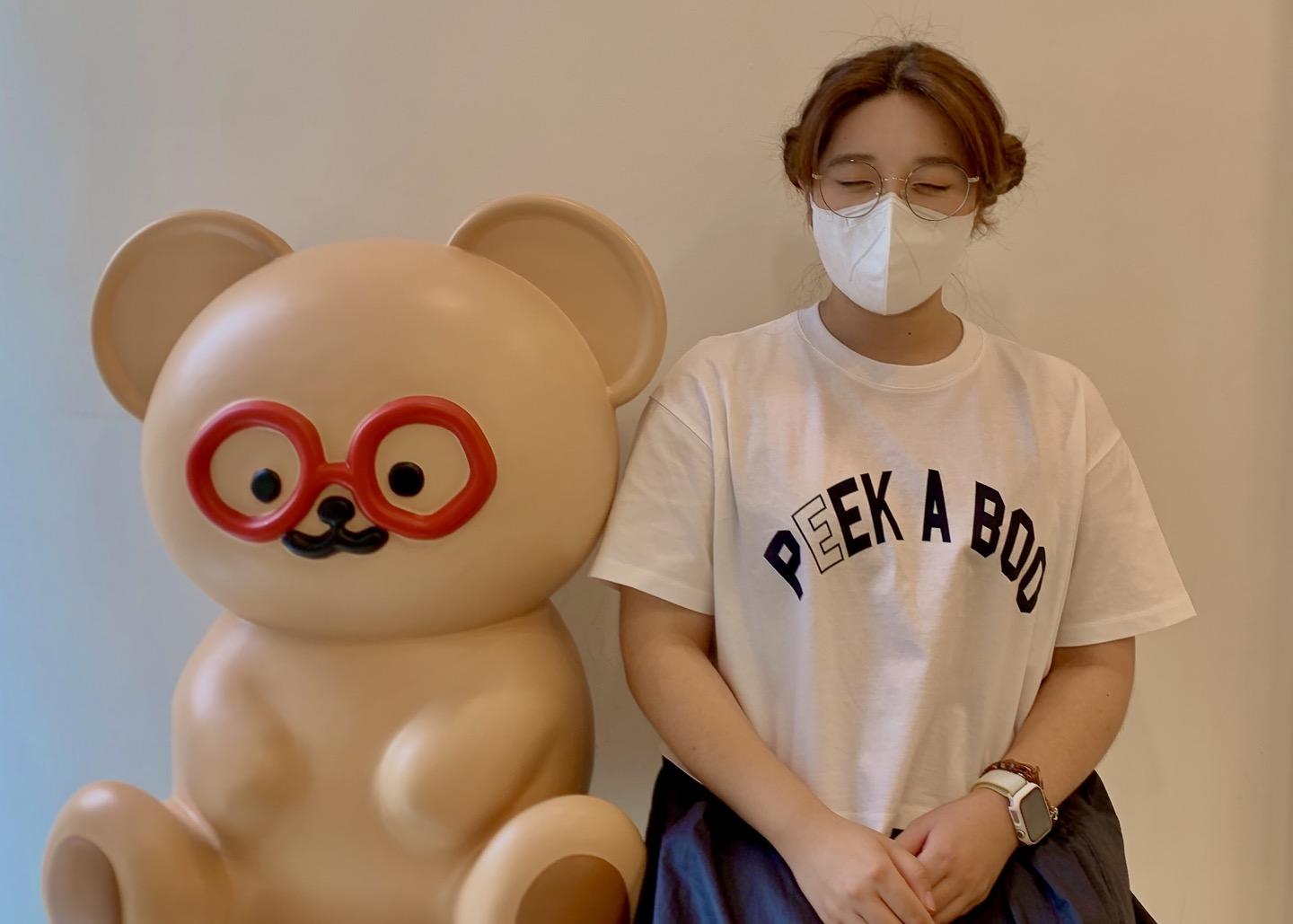
CHAEYEON LEE
From Republic of Korea
-
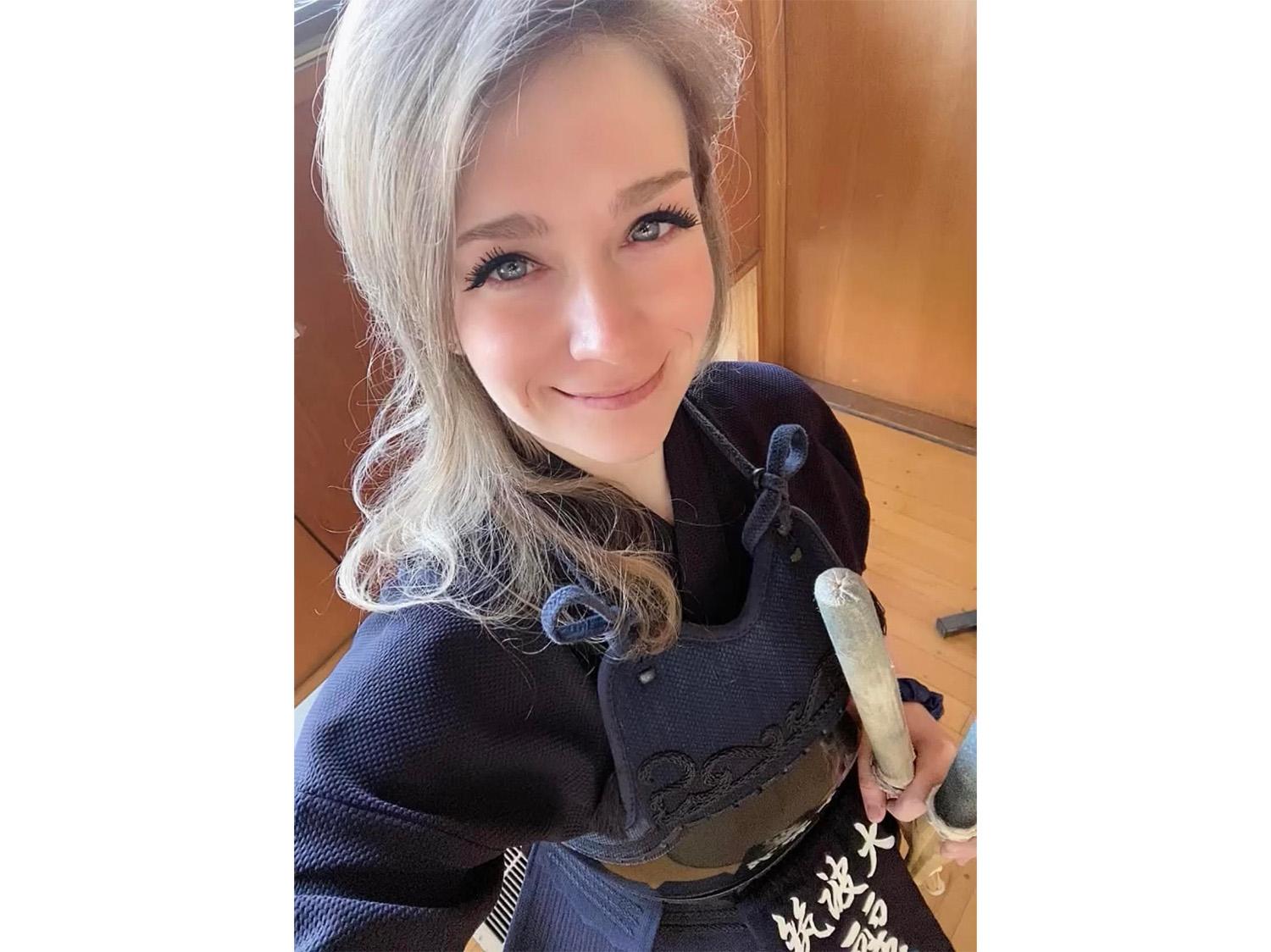
ELIZABETH BERGEN-BARTEL
From USA
-
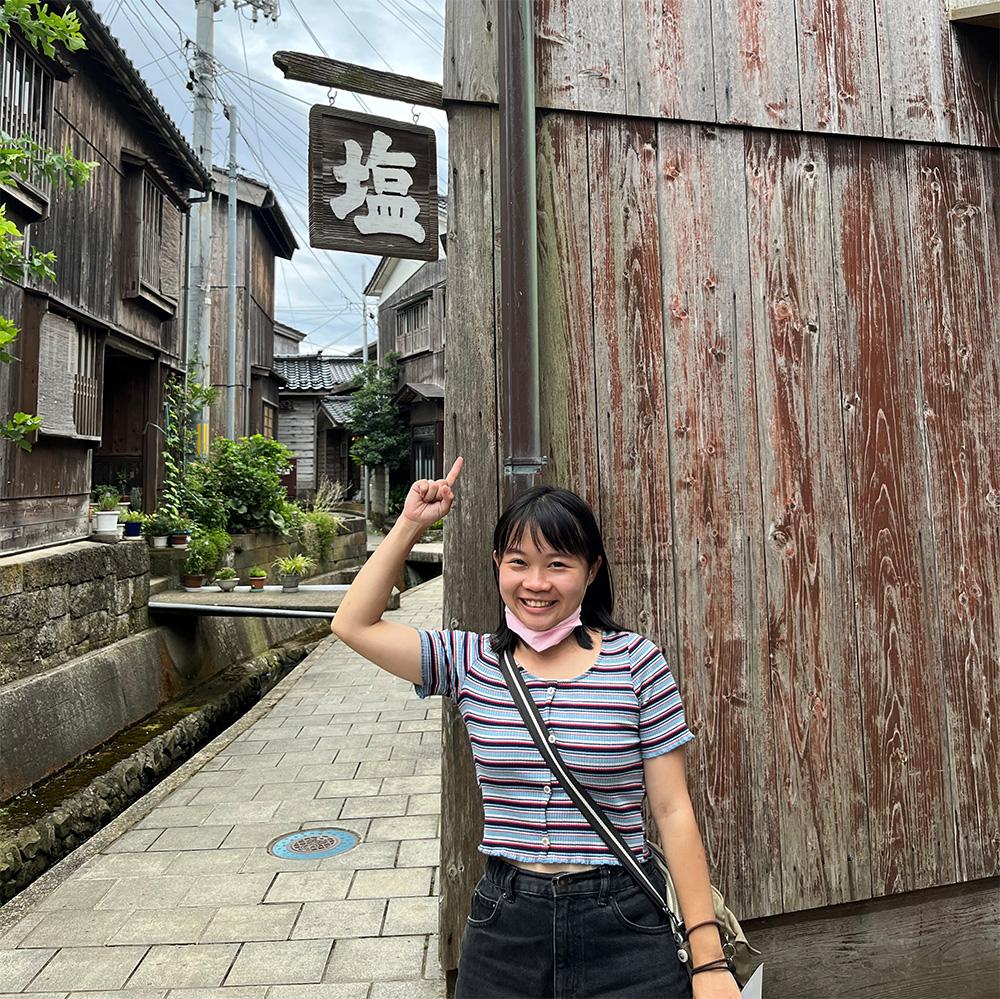
LIAO, HSIN-YEN
From Taiwan
-
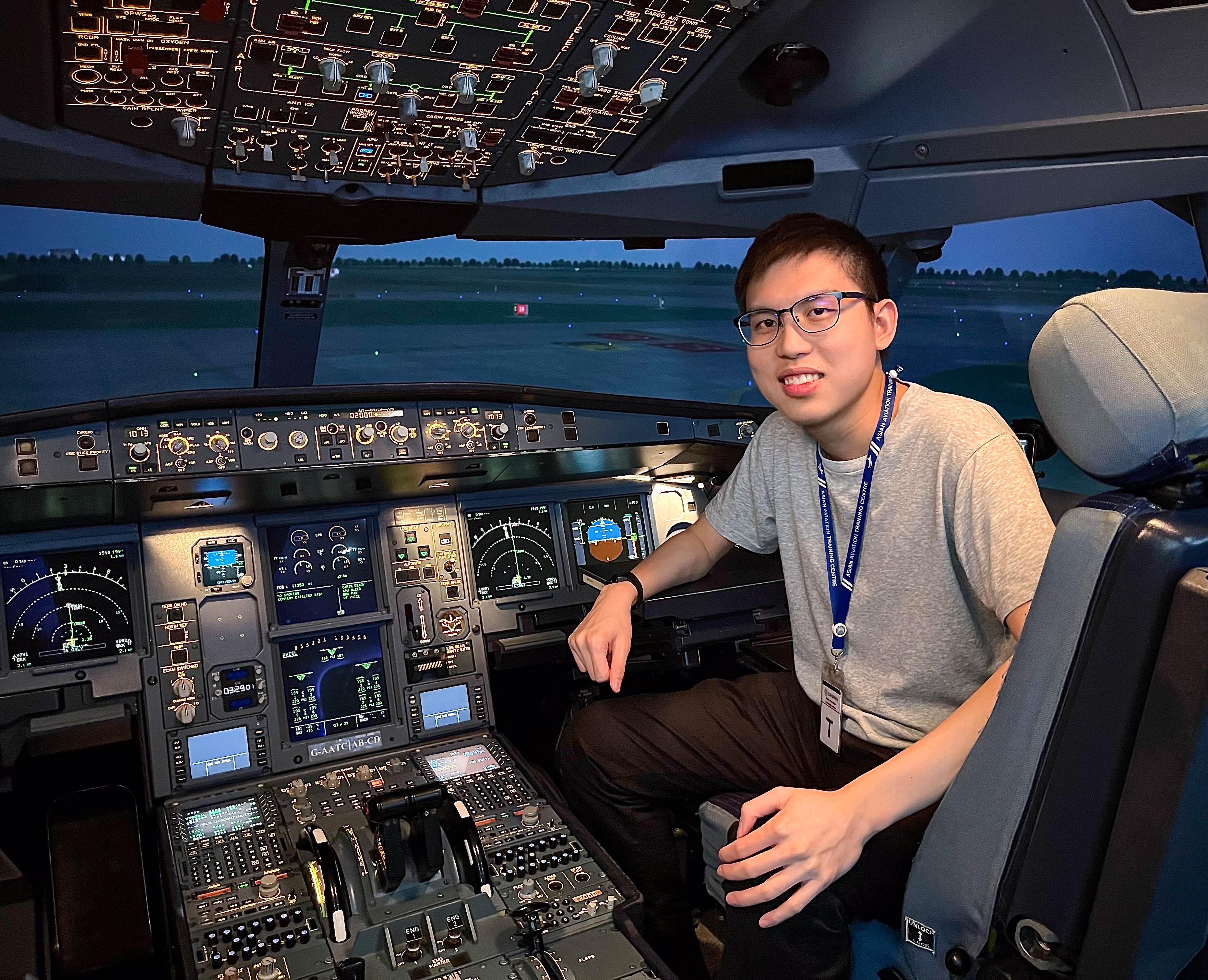
PAKORN WANGSUEKUL
From Thailand
-
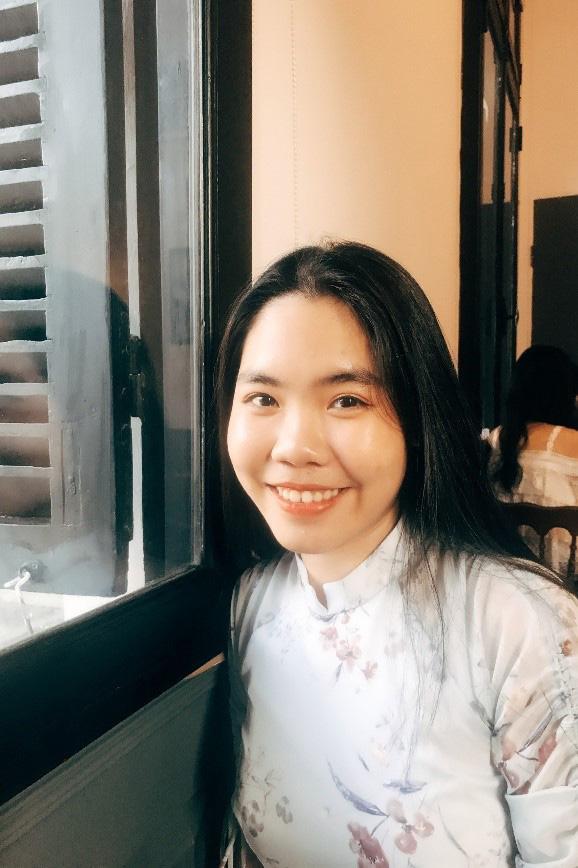
NGUYEN THUY ANH
From Vietnam
-

LAN CHI
From Vietnam
-
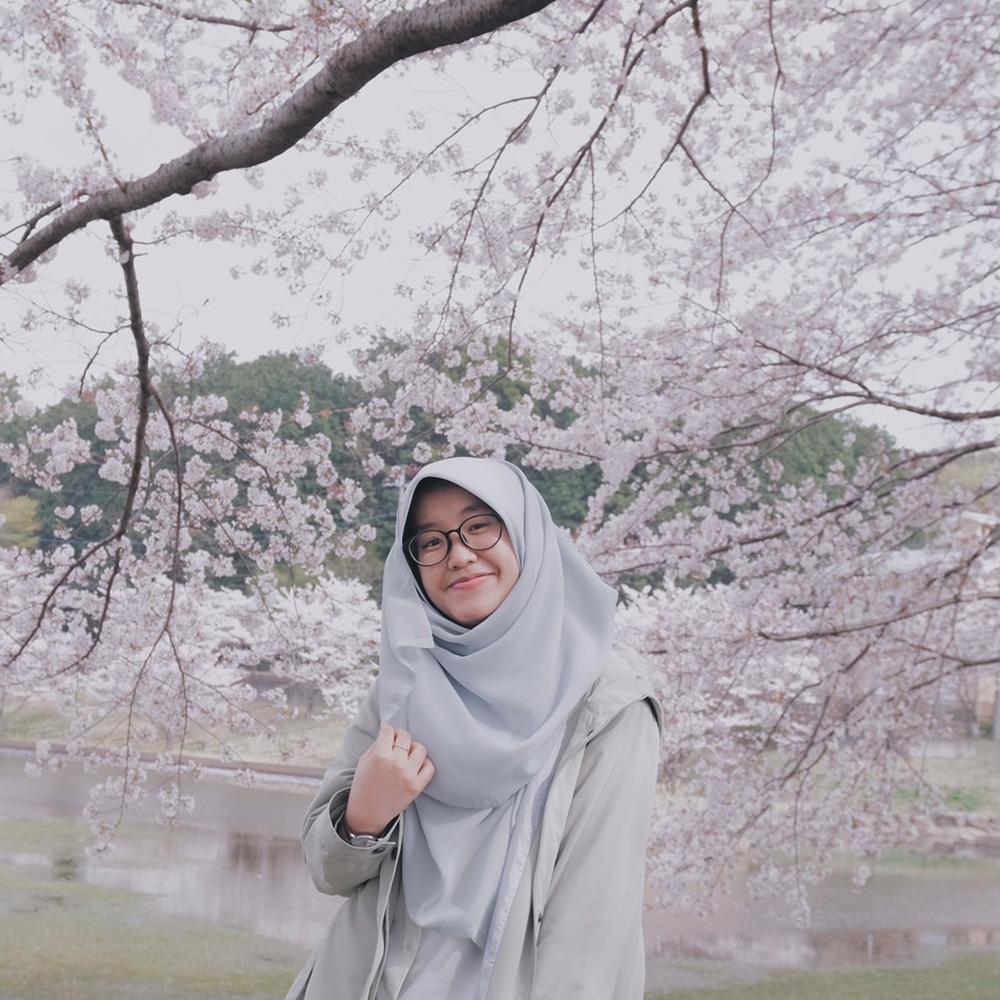
NADIA HASNA KARIMAH
From Indonesia
-
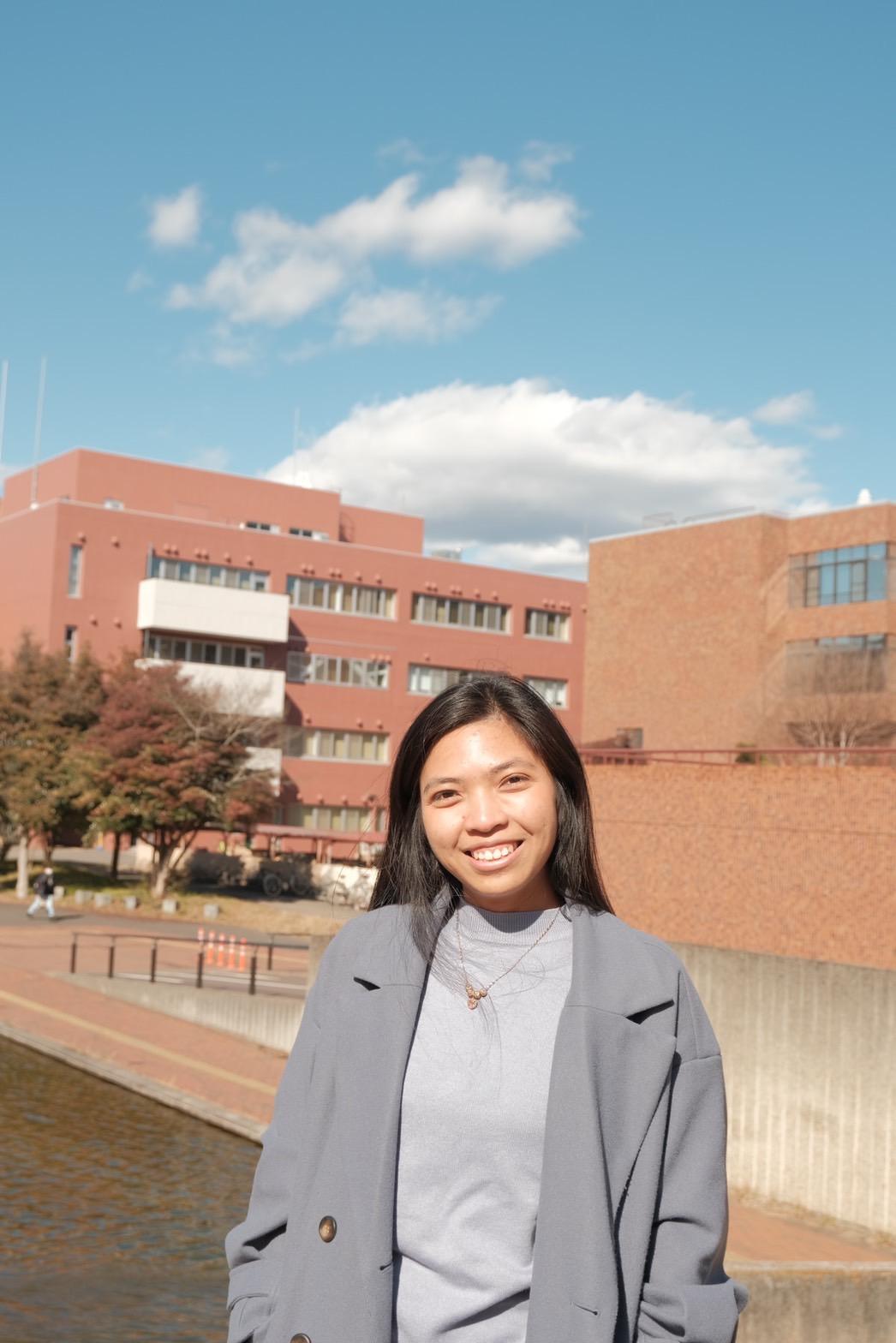
HNIN OO
From Myanmar
-
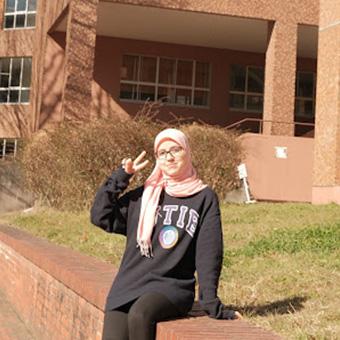
KAWTAR
From Morocco
-
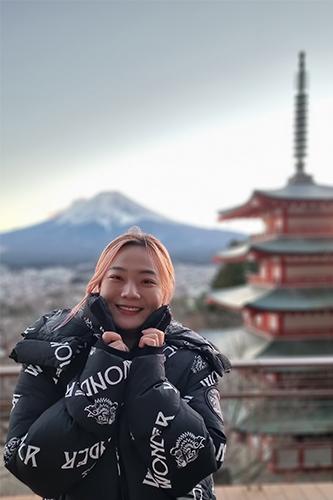
NA
From China
-
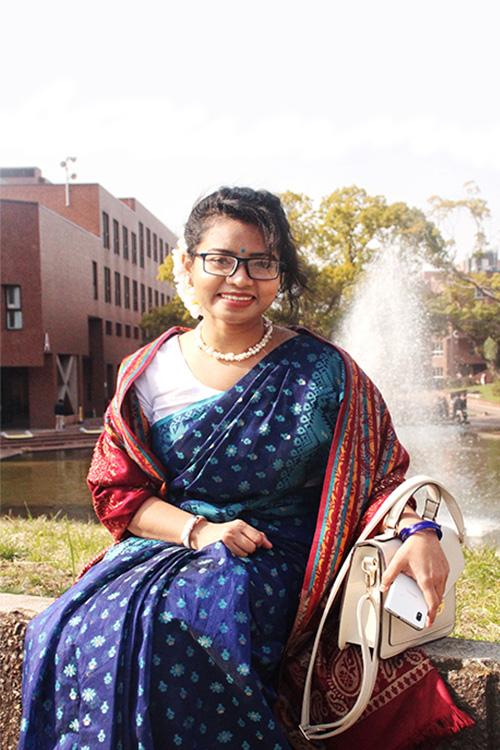
AFSARI
From Bangladesh
-
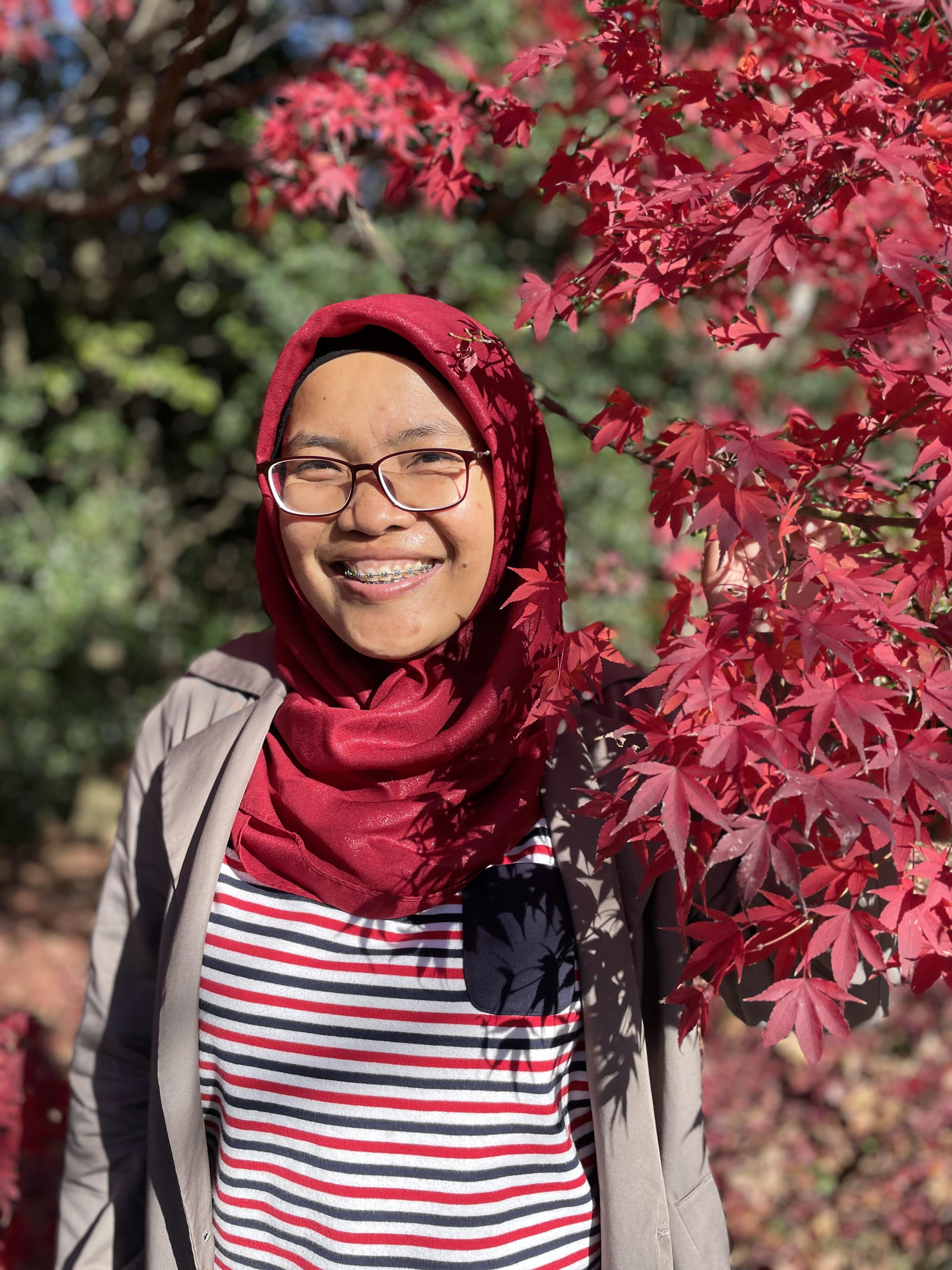
REZA
From Indonesia
-
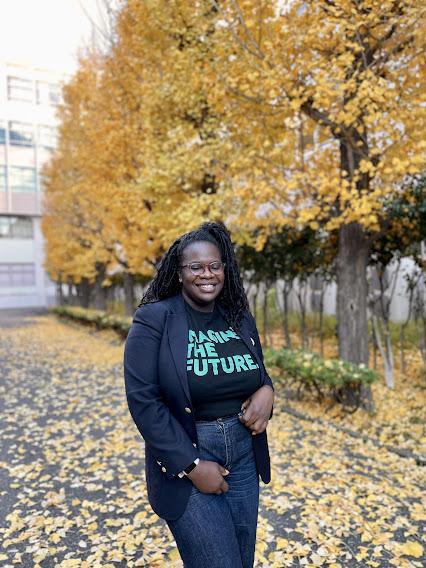
YOLANDA GRAÇA
From Angola
-
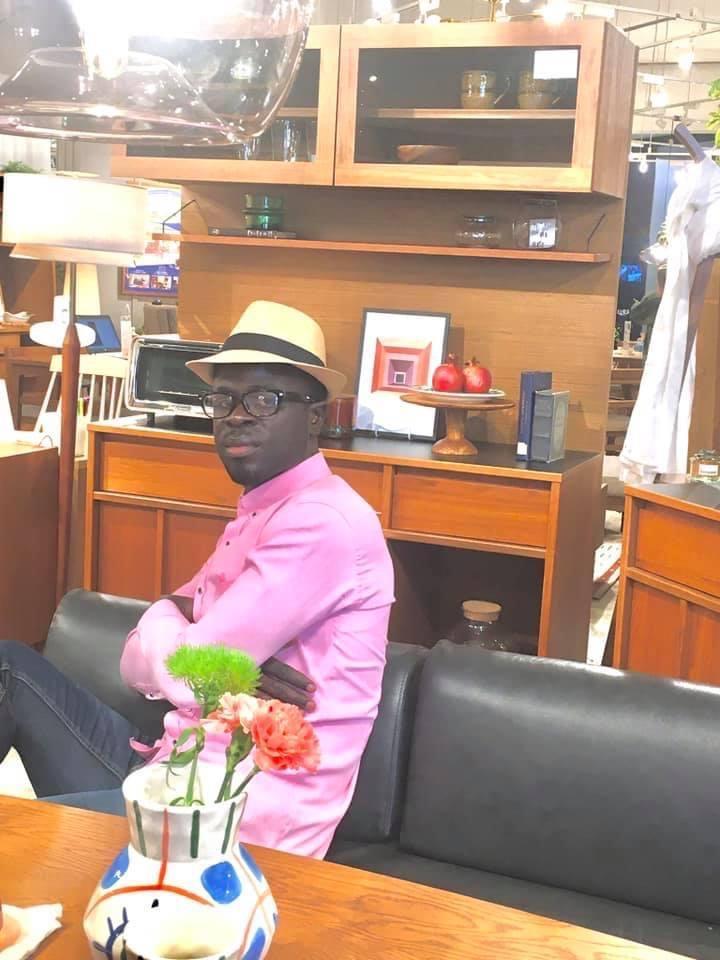
ADOM
From Ghana
-
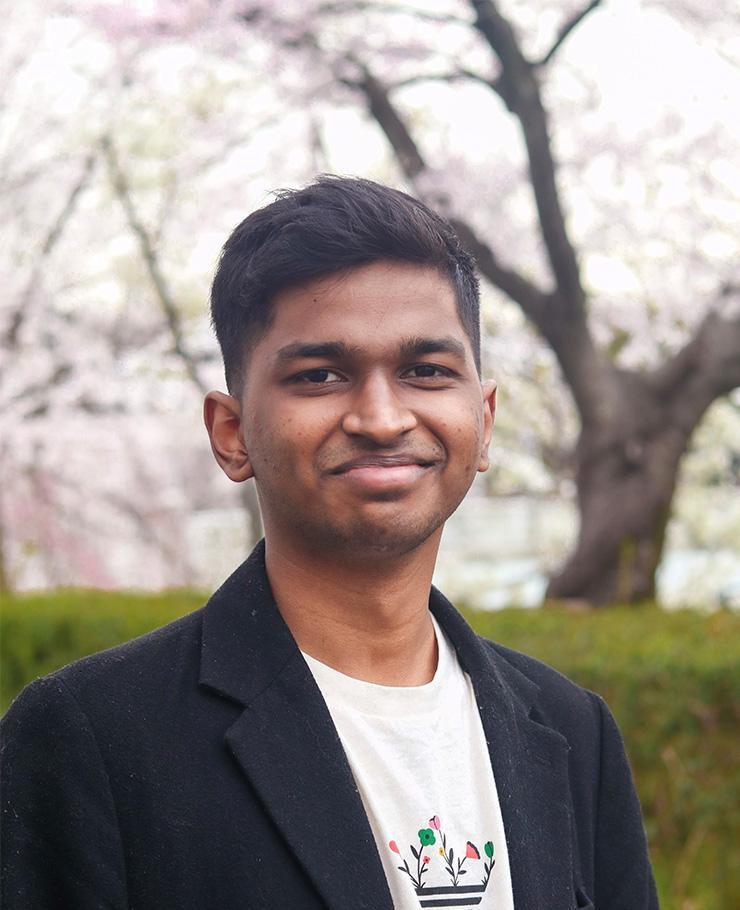
SUDHIR
From India
-
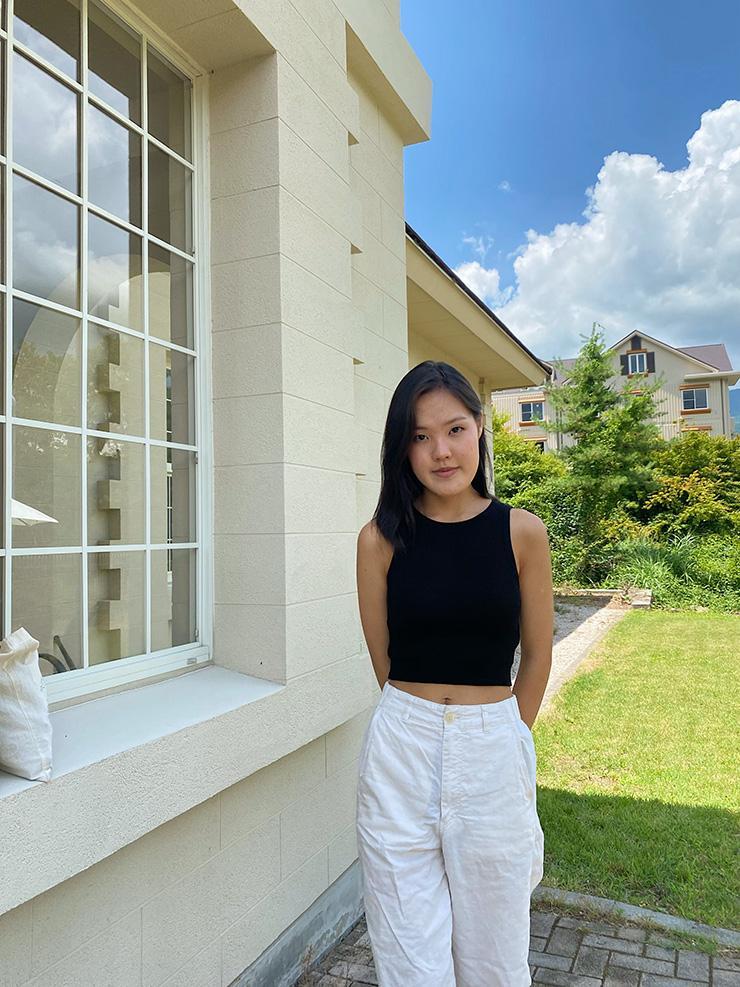
MIKI
From Mongolia/Japan
-
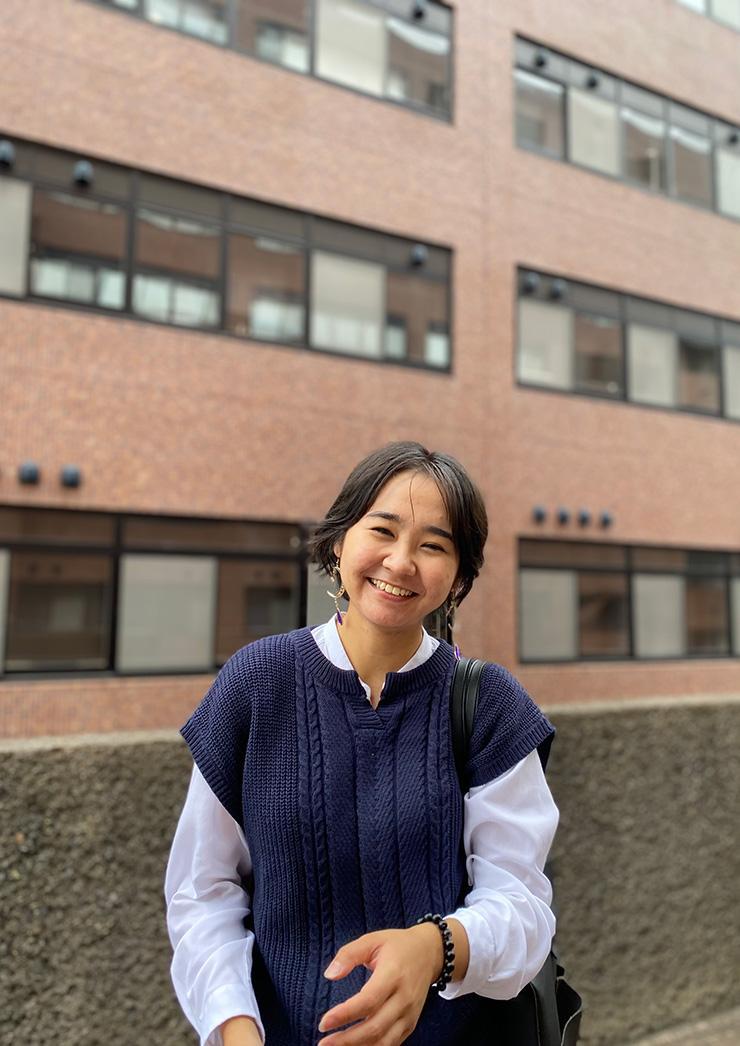
AISANA
From Kazakhstan
-
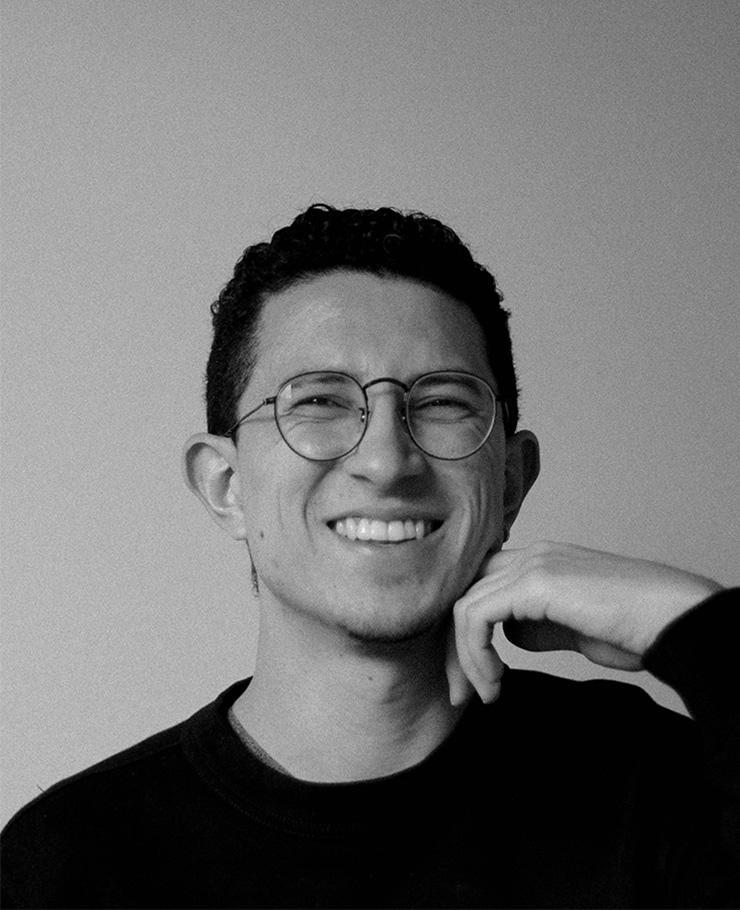
VITHOR SILVA
From Brazil
-
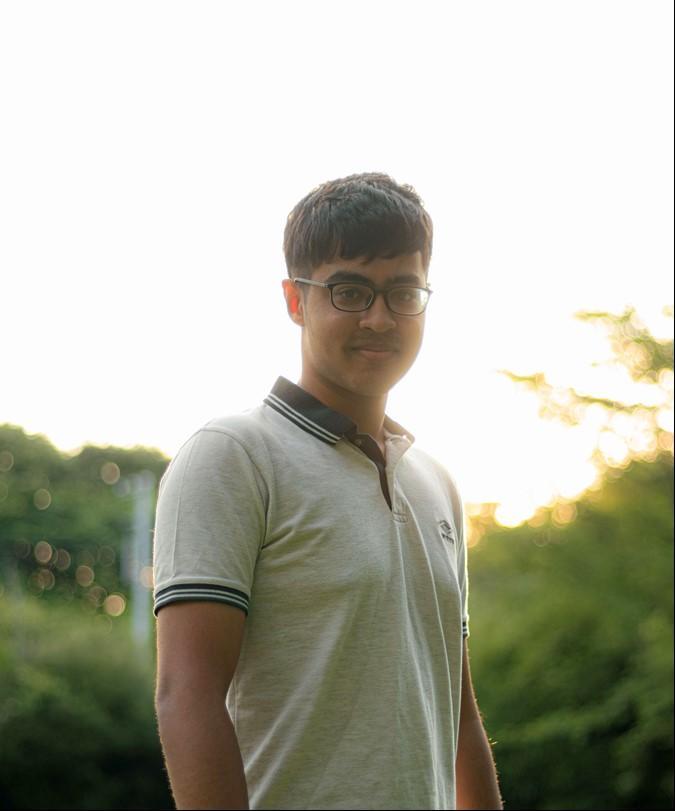
CHINMAY
From India
-
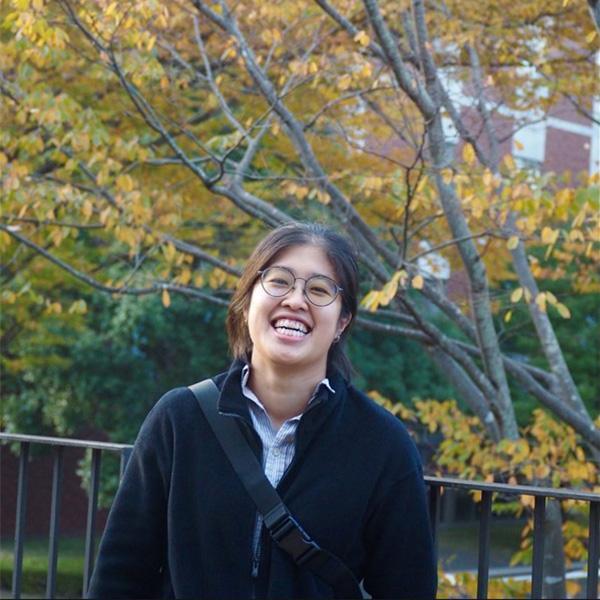
JEE
From Thailand
-
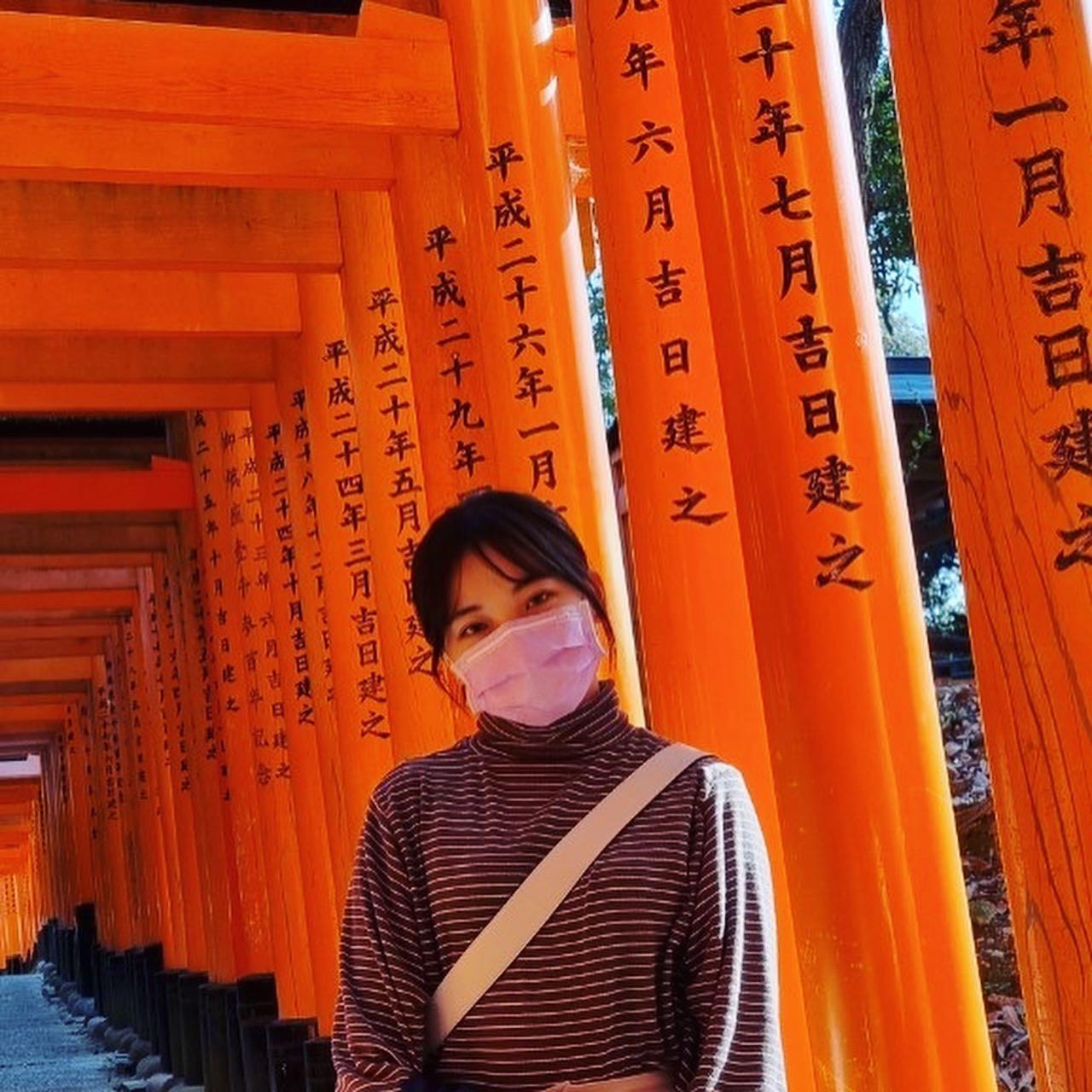
ISLA
From Taiwan
-
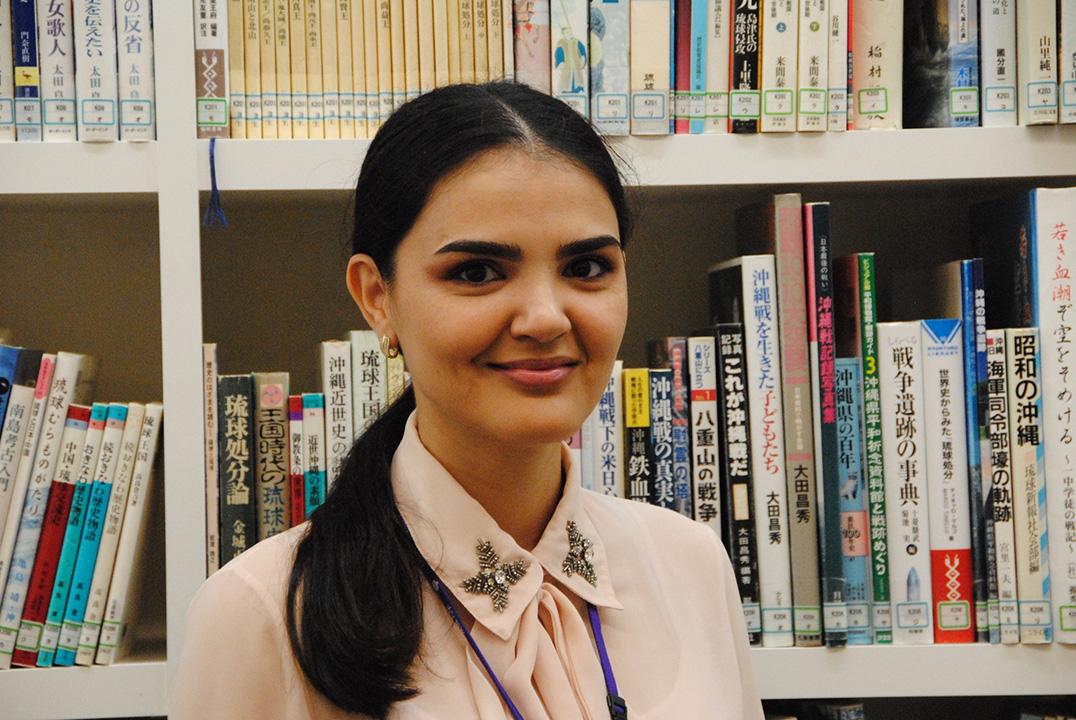
MIVE
From Turkmenistan
-
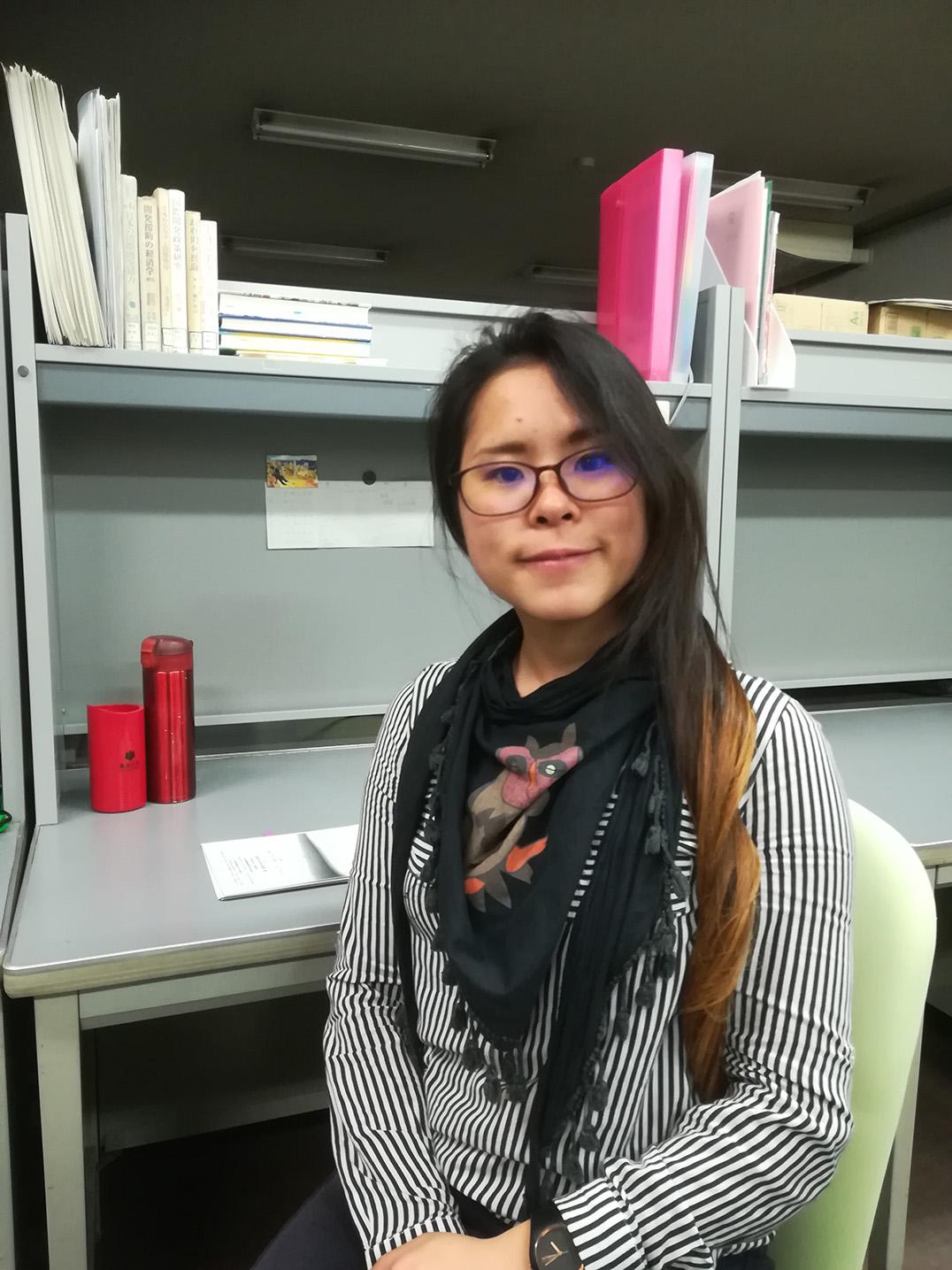
LAURA
From Argentina
-
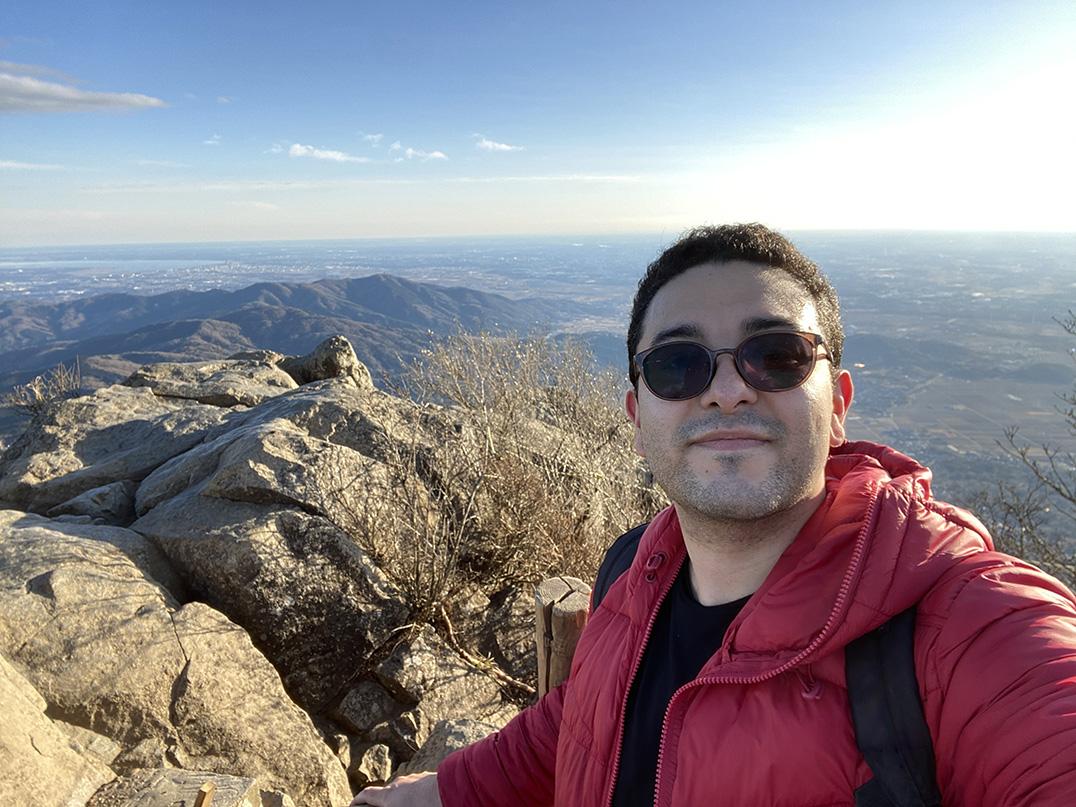
SERGIO
From Colombia
-
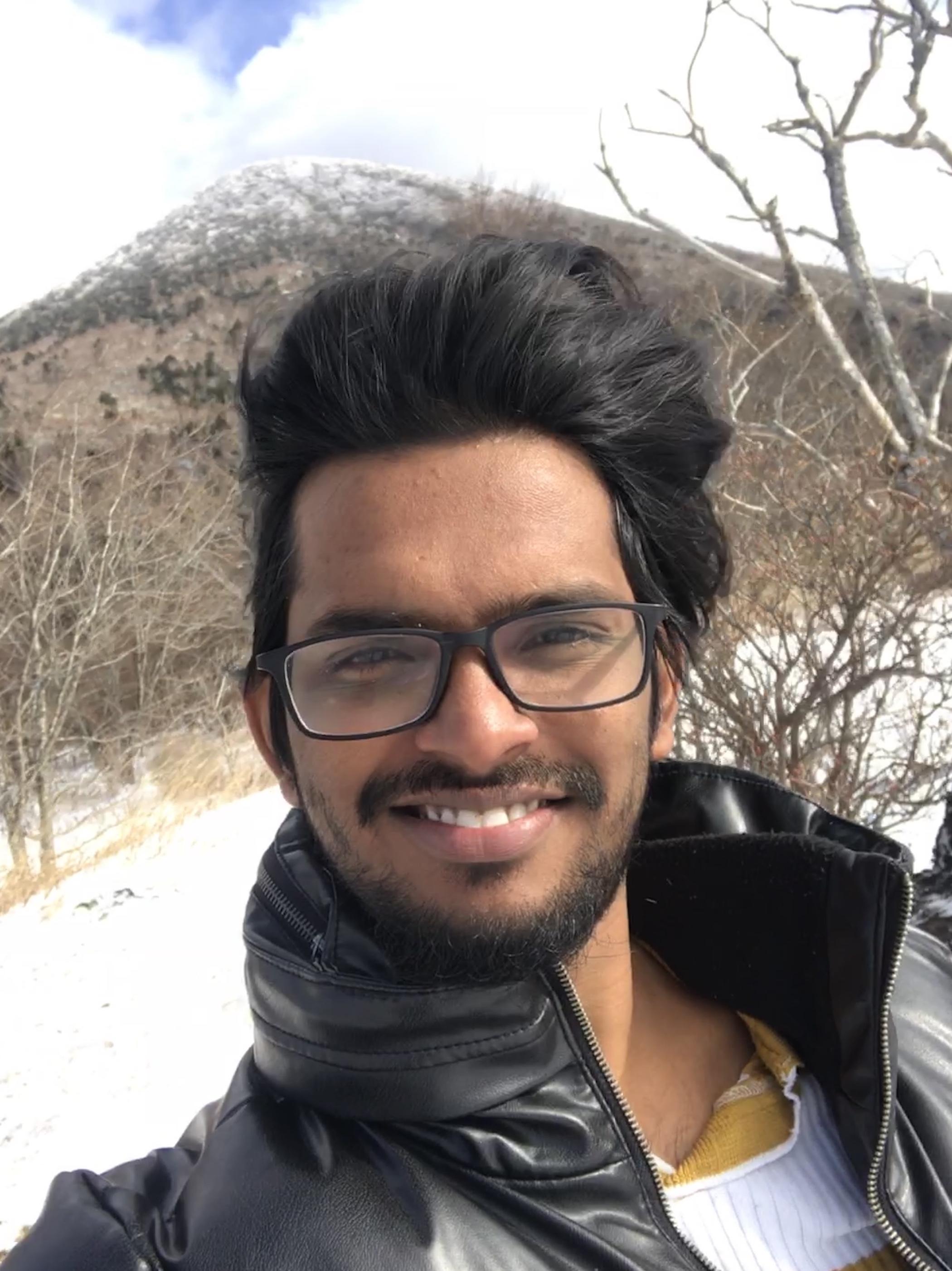
LENNY
From India
-
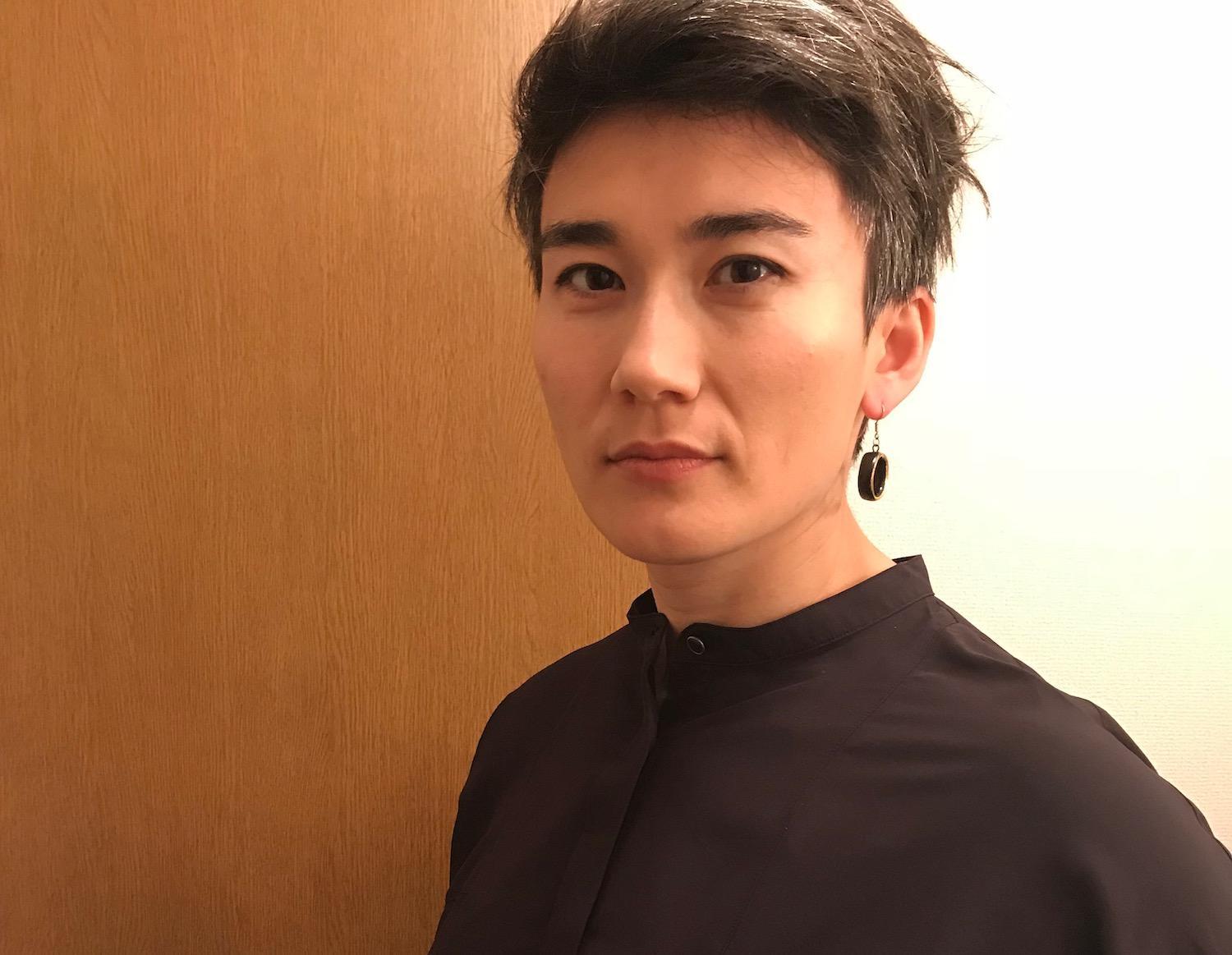
ZHANAR
From Kazakhstan
-
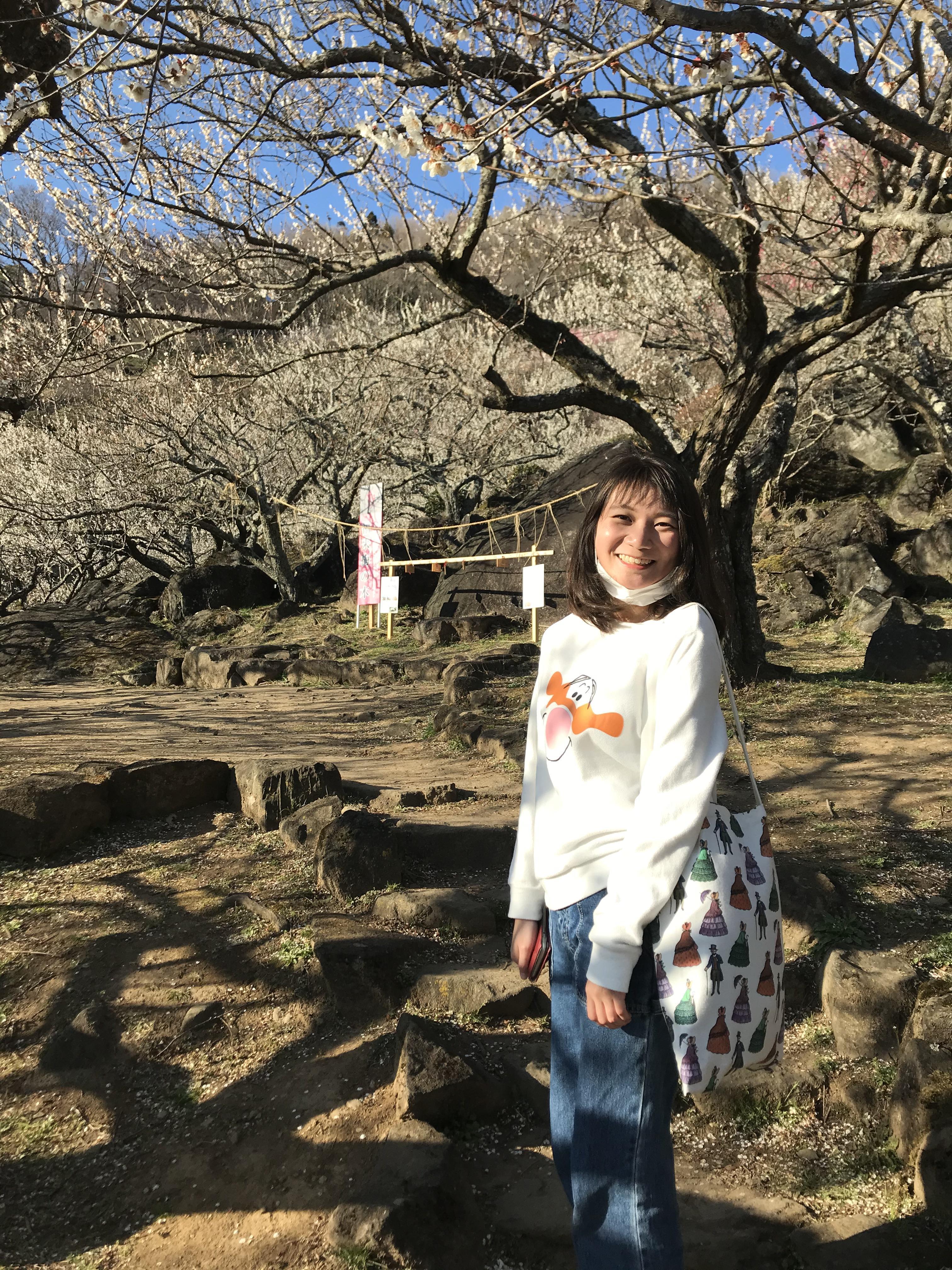
PENG
From Malaysia
-
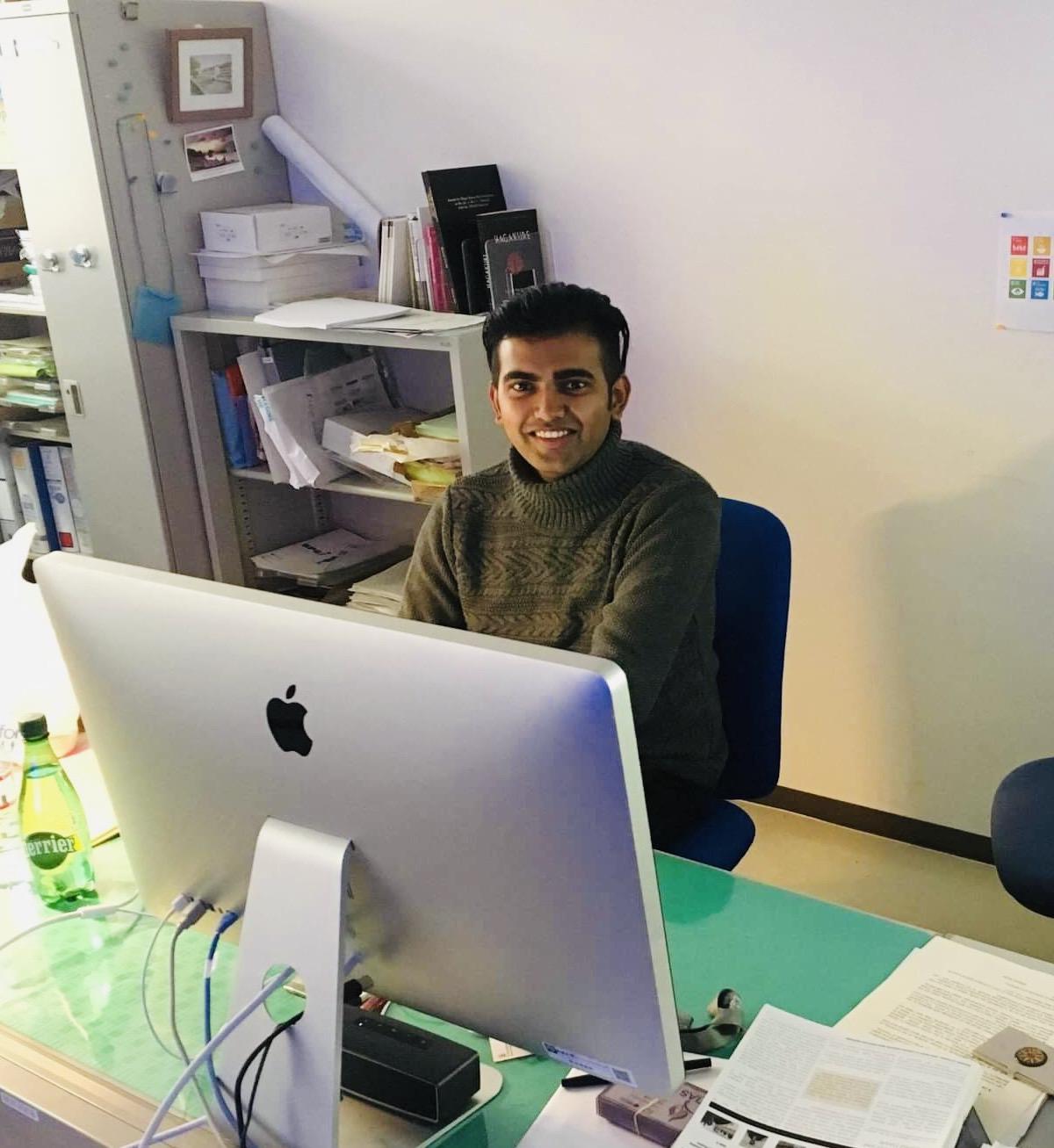
RAVI
From Nepal
-
SUNITA
From Nepal
-
ATOM
From Thailand