


Voices of International Students
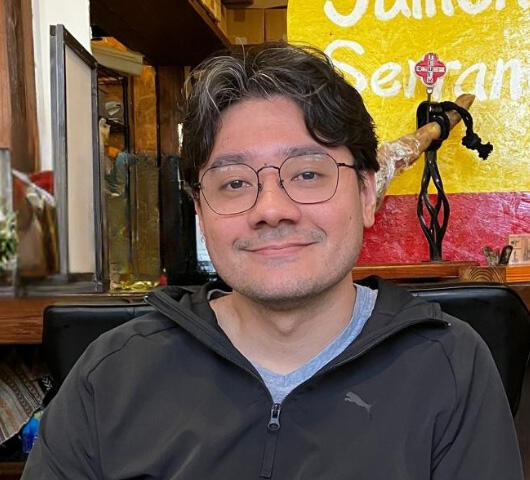
VICTOR MASSAKI NAKAGUCHI
Doctoral Program in Agricultural Sciences, Graduate School of Science and Technology
From Brazil
What sparked your interest in this university?
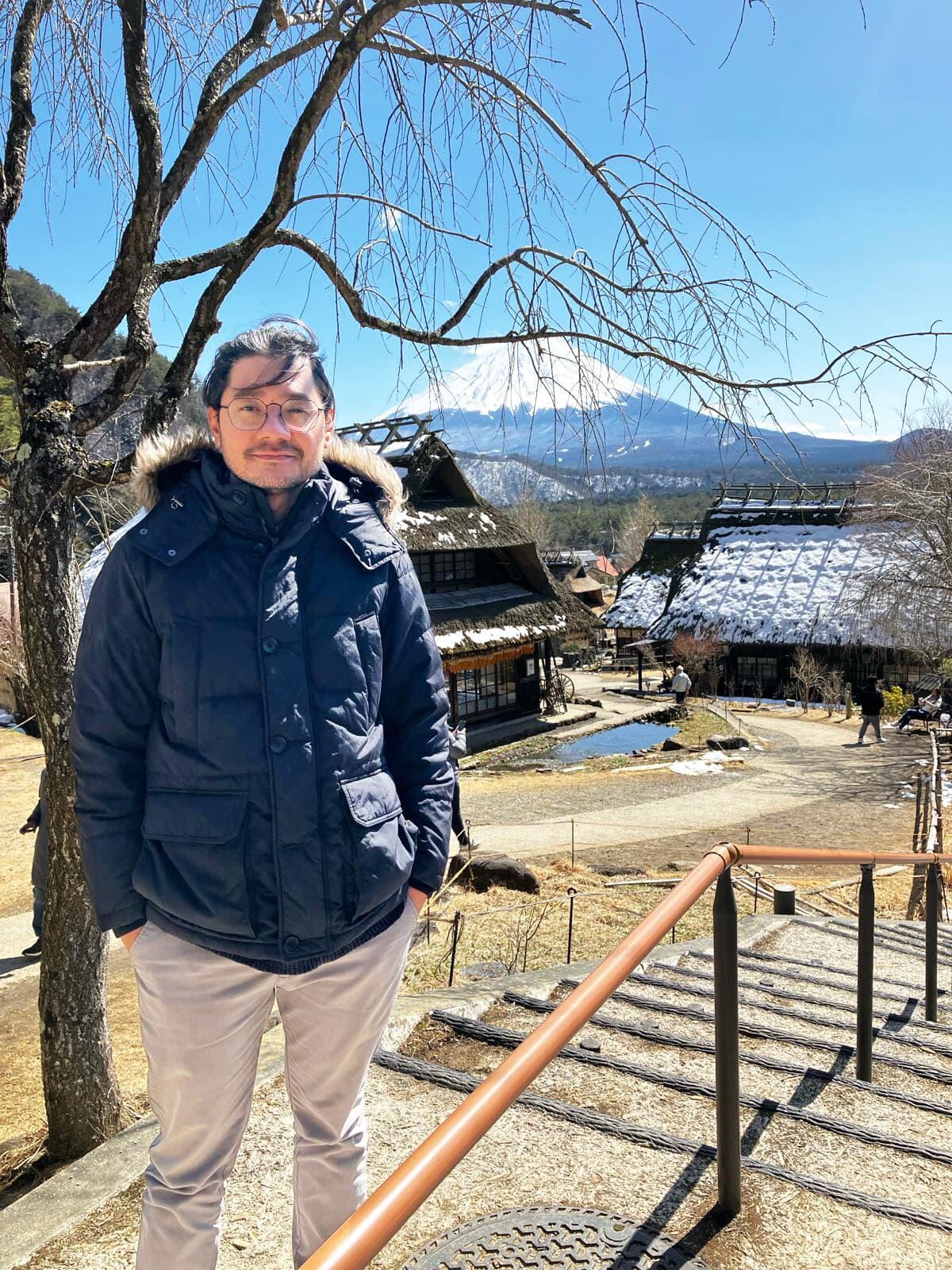
What initially drew me to the University of Tsukuba was its strong reputation as one of Japan's top public universities, known for world-class research and a global environment. I was also impressed by how many international faculty members work here, giving students the chance to learn from people with diverse backgrounds. As a descendant of Japanese immigrants who came to Brazil, I arrived in Japan through a JICA program aimed at developing Nikkei community leaders. Because Tsukuba is a partner university of the University of São Paulo, where I graduated, it naturally became my first and only choice. My former mentor also recommended my current supervisor, as they had worked together in the U.S., which made the decision even clearer.
What aspects of Japanese culture or customs surprised you? How did you adapt to them?
One thing that surprised me about Japan is how comfortably it lives between the past and the future. Sometimes you see cutting-edge technology, but at the same time, traditions and cultural practices are carefully preserved. This balance is fascinating to experience. Because my grandparents immigrated to Brazil from Nagasaki Prefecture in the 1960s, I grew up surrounded by Japanese food, culture, and values. That background made my adaptation much easier. Instead of struggling, I often find myself helping other international friends understand certain customs or daily habits. Living in multicultural environments has always been part of my life, so embracing these differences feels natural and even enjoyable.
What do you enjoy about Tsukuba?
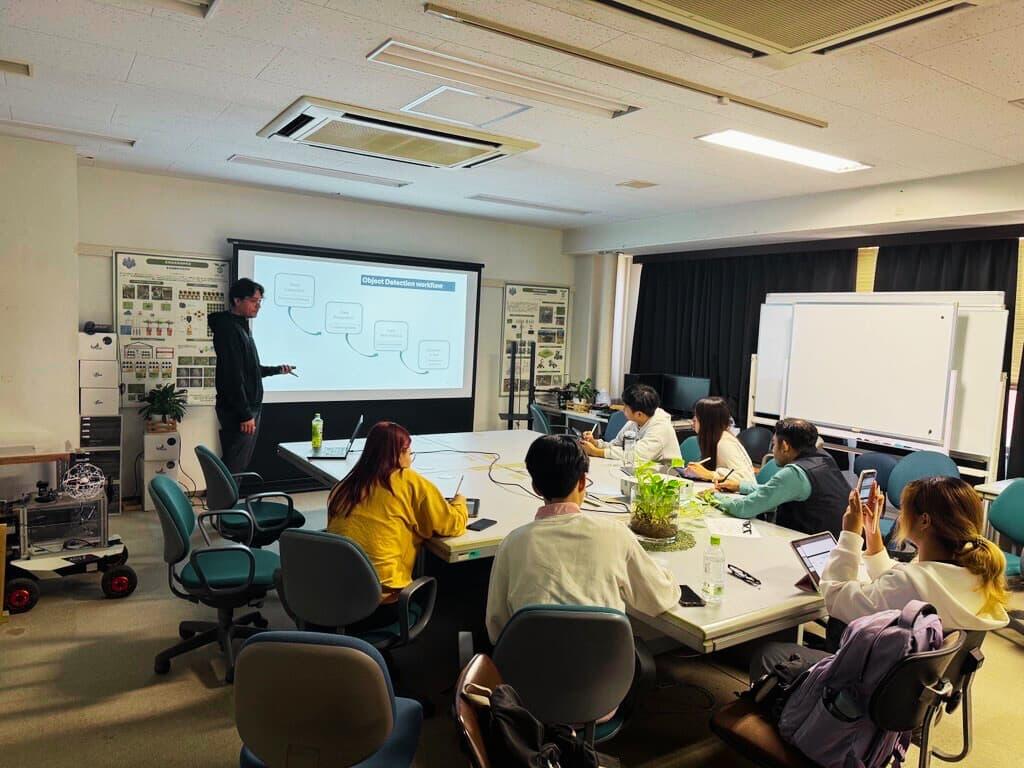
What I enjoy most about the University of Tsukuba is its welcoming international atmosphere. Staff and faculty genuinely try to support students, and even when language barriers appear, people always make an effort to communicate and help. It creates a very warm feeling of belonging. The city of Tsukuba itself also has a great balance—it's peaceful and not as hectic as larger cities, yet it has everything we need for a comfortable daily life. And when I do feel like experiencing the fast-paced excitement of a big metropolis, Tokyo is just a quick train ride away. This combination of calm living and easy access to urban energy makes the region especially appealing.What do you hope to achieve during your time here?
During my time at Tsukuba, I hope to focus on growing both academically and personally in a way that feels meaningful. My main goal is to complete my PhD research with solid, thoughtful results and, hopefully, publish work that genuinely contributes to my field. I also want to collaborate with people from different backgrounds and learn from their perspectives, since the international environment here makes that very easy. Outside academics, I hope to join activities that help me stay balanced, make good memories, and feel connected to the community. Overall, I simply want to look back and feel that I used my time here well—learning, sharing, and enjoying the experience.
What do you think makes the University of Tsukuba special?
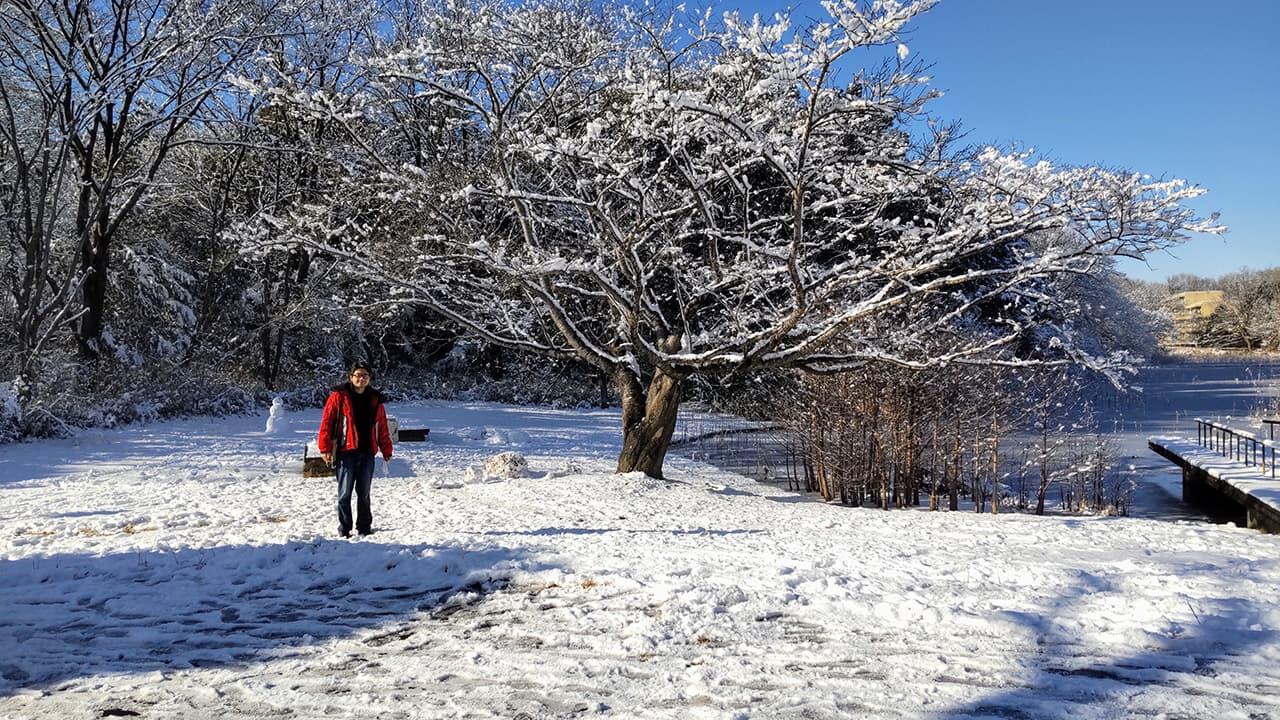
What makes the University of Tsukuba special to me is the freedom it gives researchers to explore ambitious ideas. That freedom has shaped my own path, especially as I work to become one of the leading reference in my field. The international atmosphere here has also pushed me to grow—talking with people from so many backgrounds constantly challenges my thinking and inspires new approaches. I've always felt supported, whether through research guidance, language-learning help, or staff who genuinely try to make students' lives easier. And with its calm environment yet easy access to Tokyo, Tsukuba is the perfect place to focus and create. It's a place that allowed me to dream big and actually move toward those goals.
-
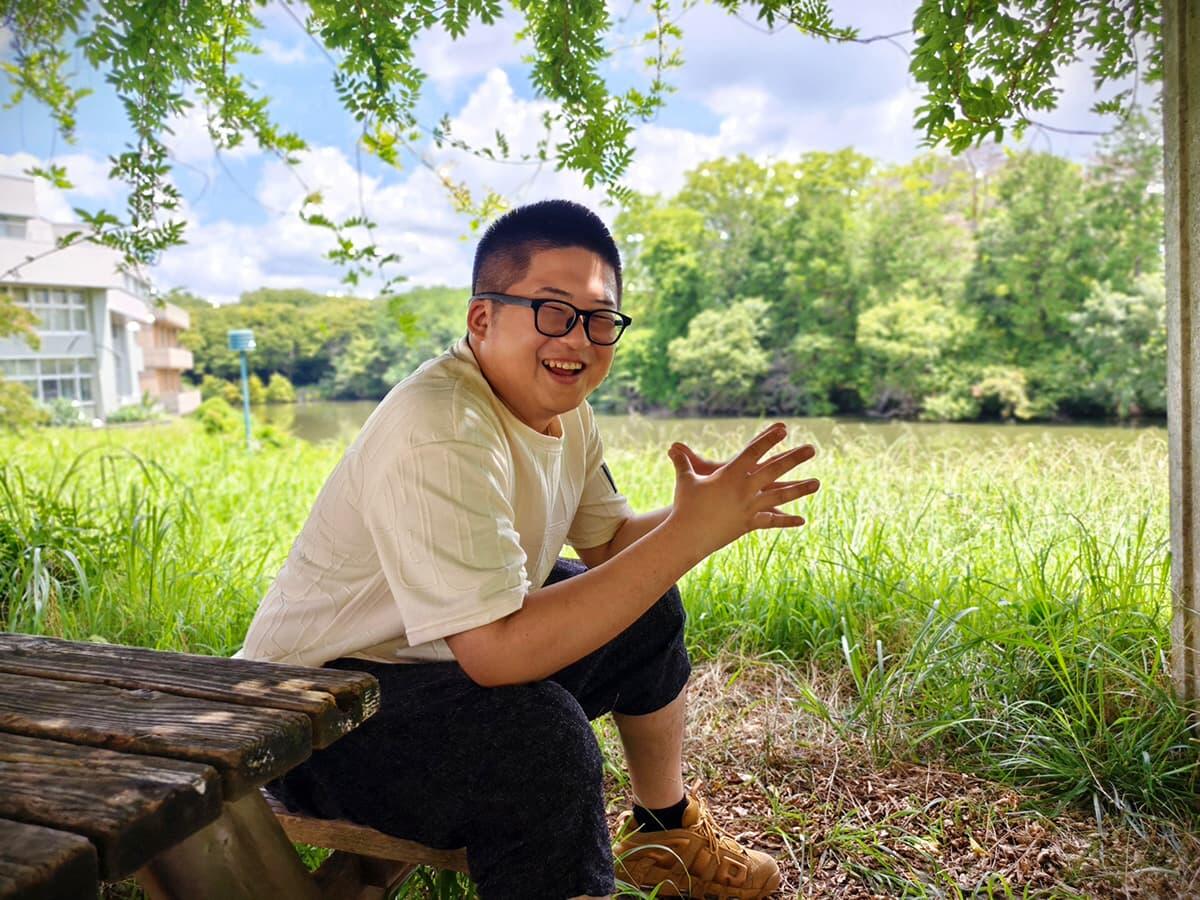
YI-FU LIU
From China
-
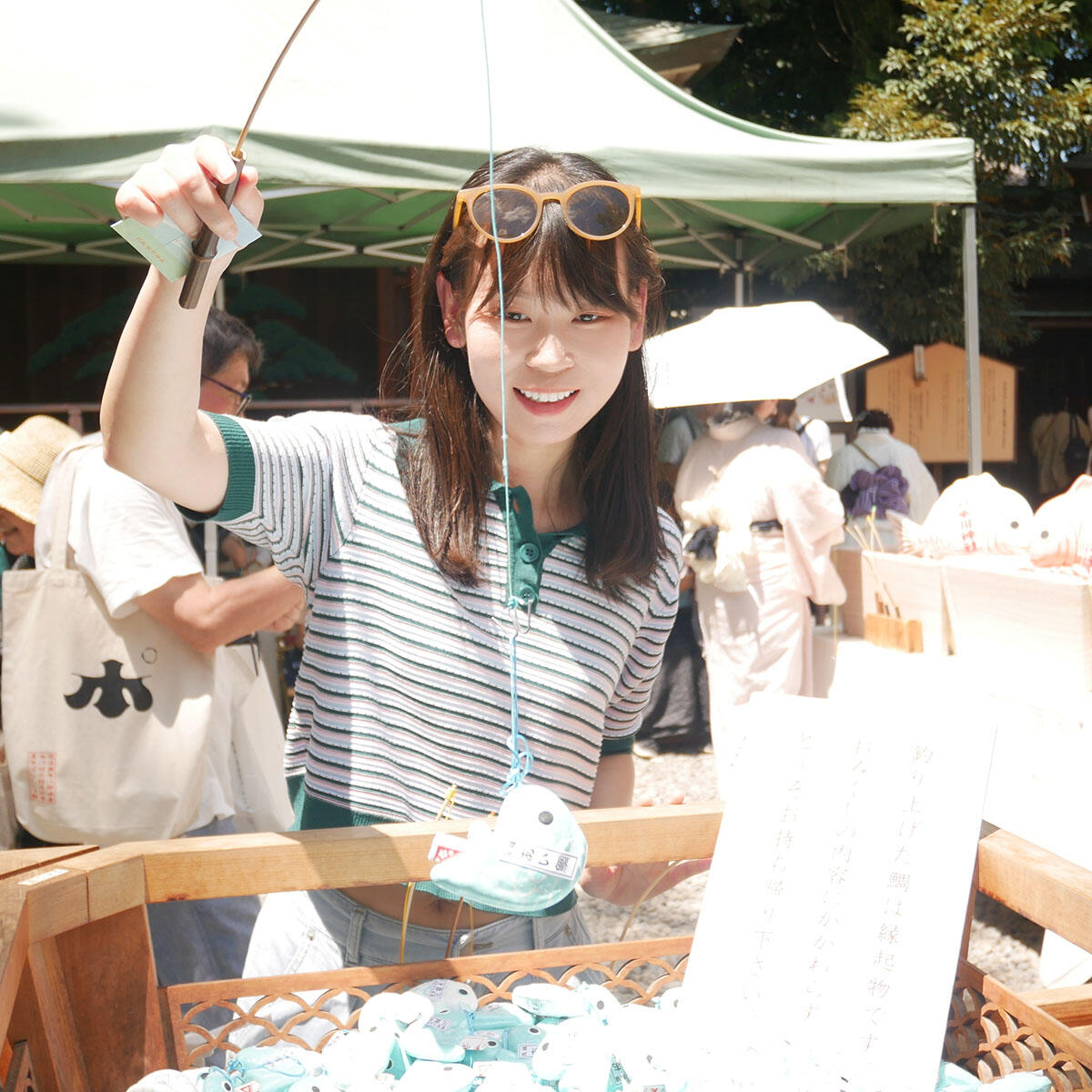
XINGYA YUAN
From China
-
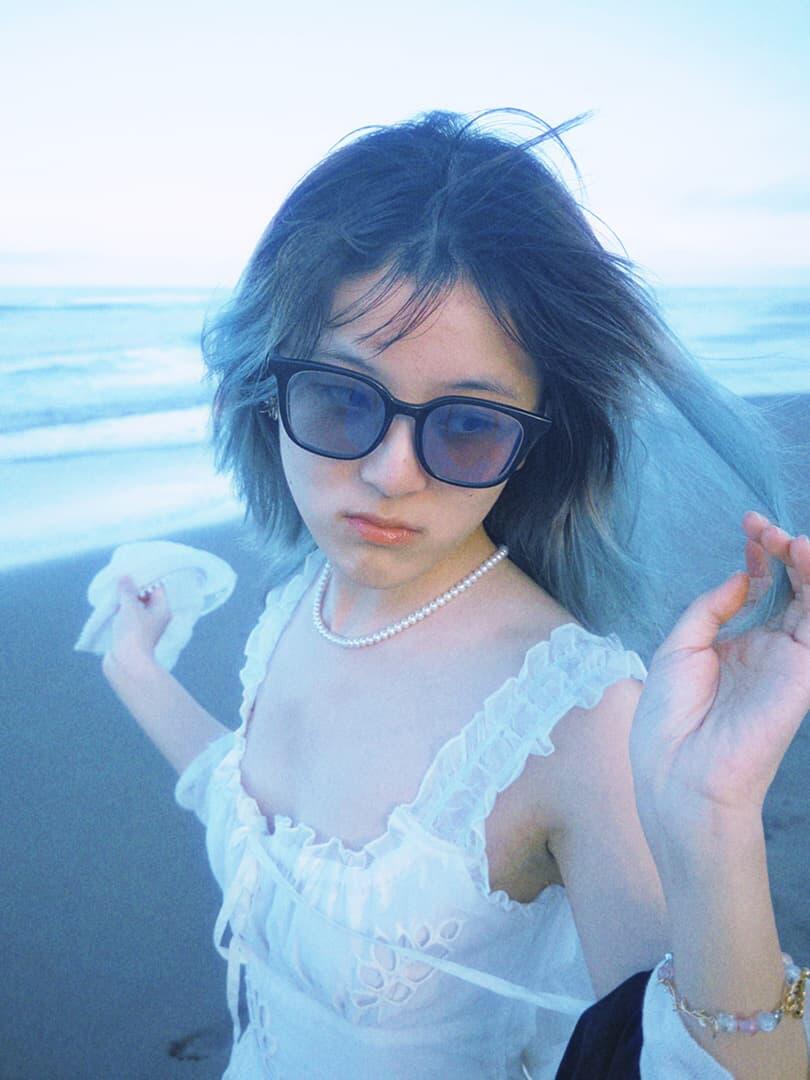
礼 (LI)
From China
-
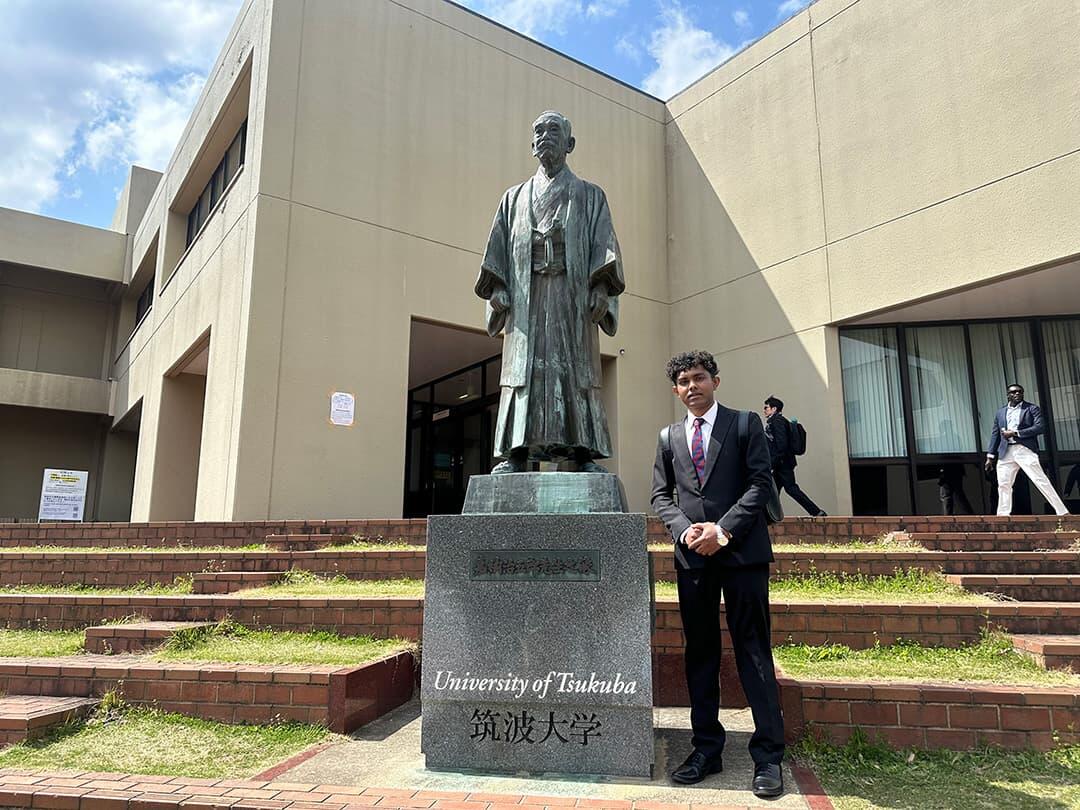
PULUSEN SATHYAJITH ARIYASINGHE
From Sri Lanka
-
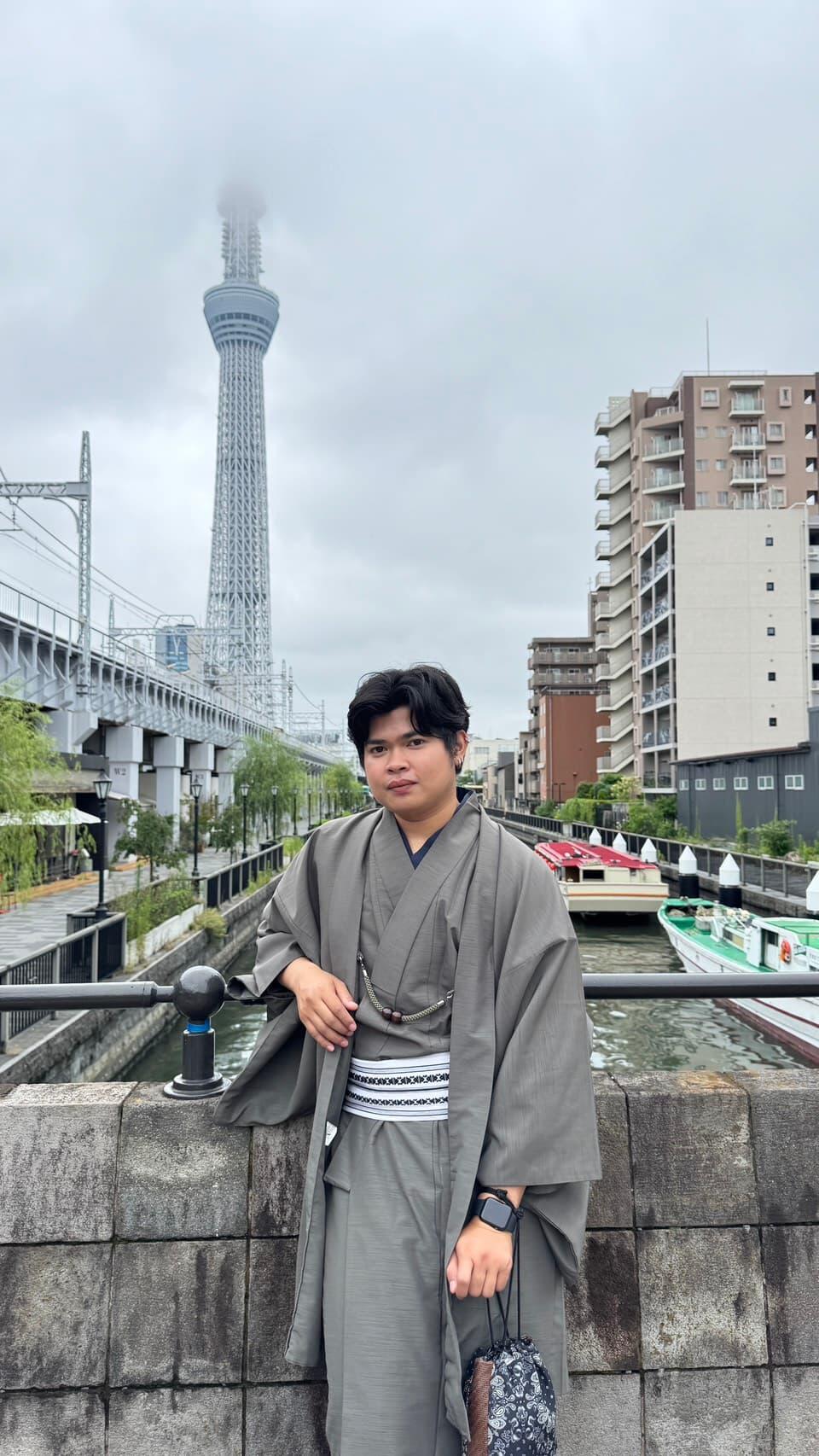
SAKNARIN NIN-INJAN
From Thailand
-
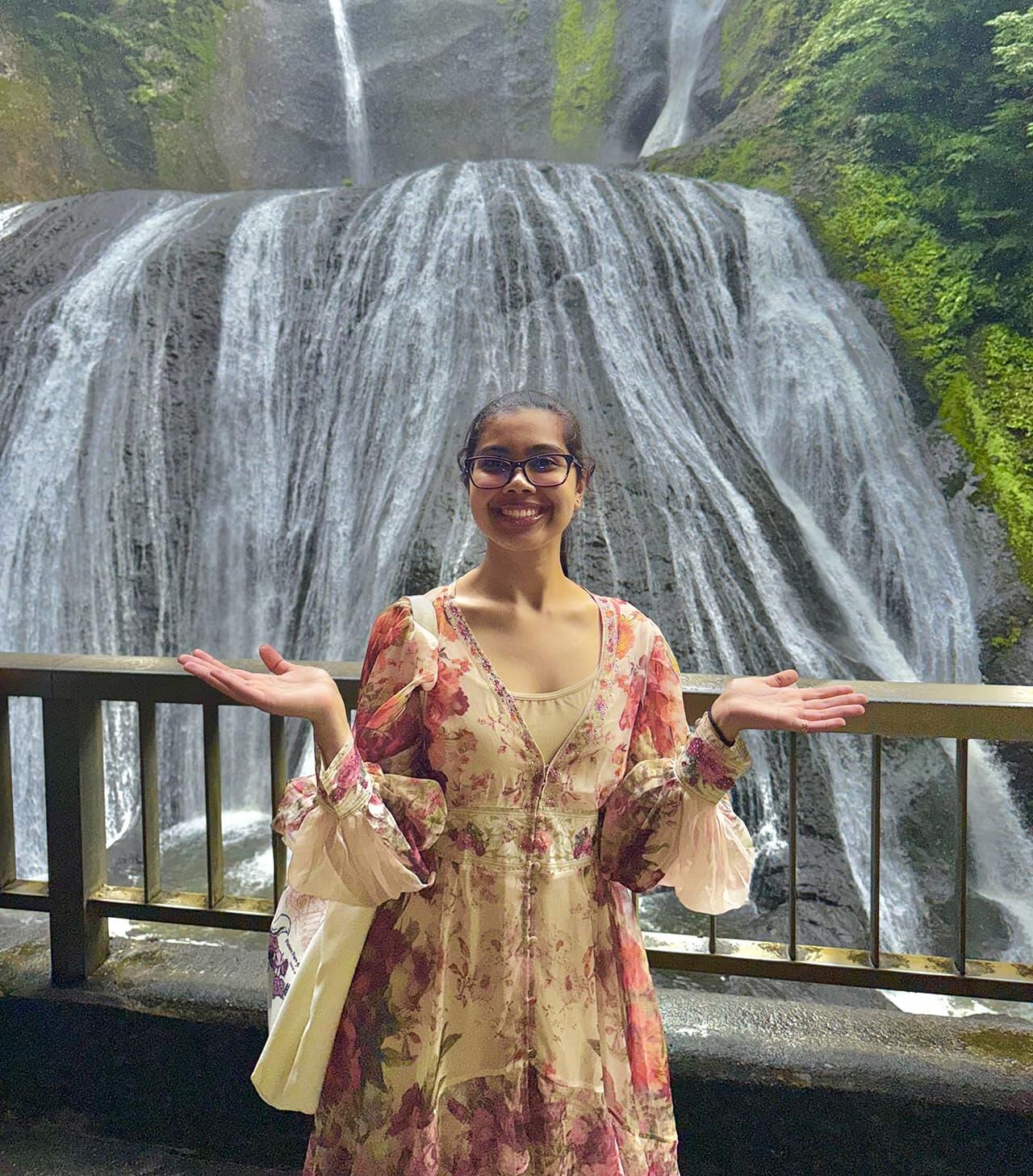
HIRUNI HUNUKUMBURA
From Sri Lanka
-
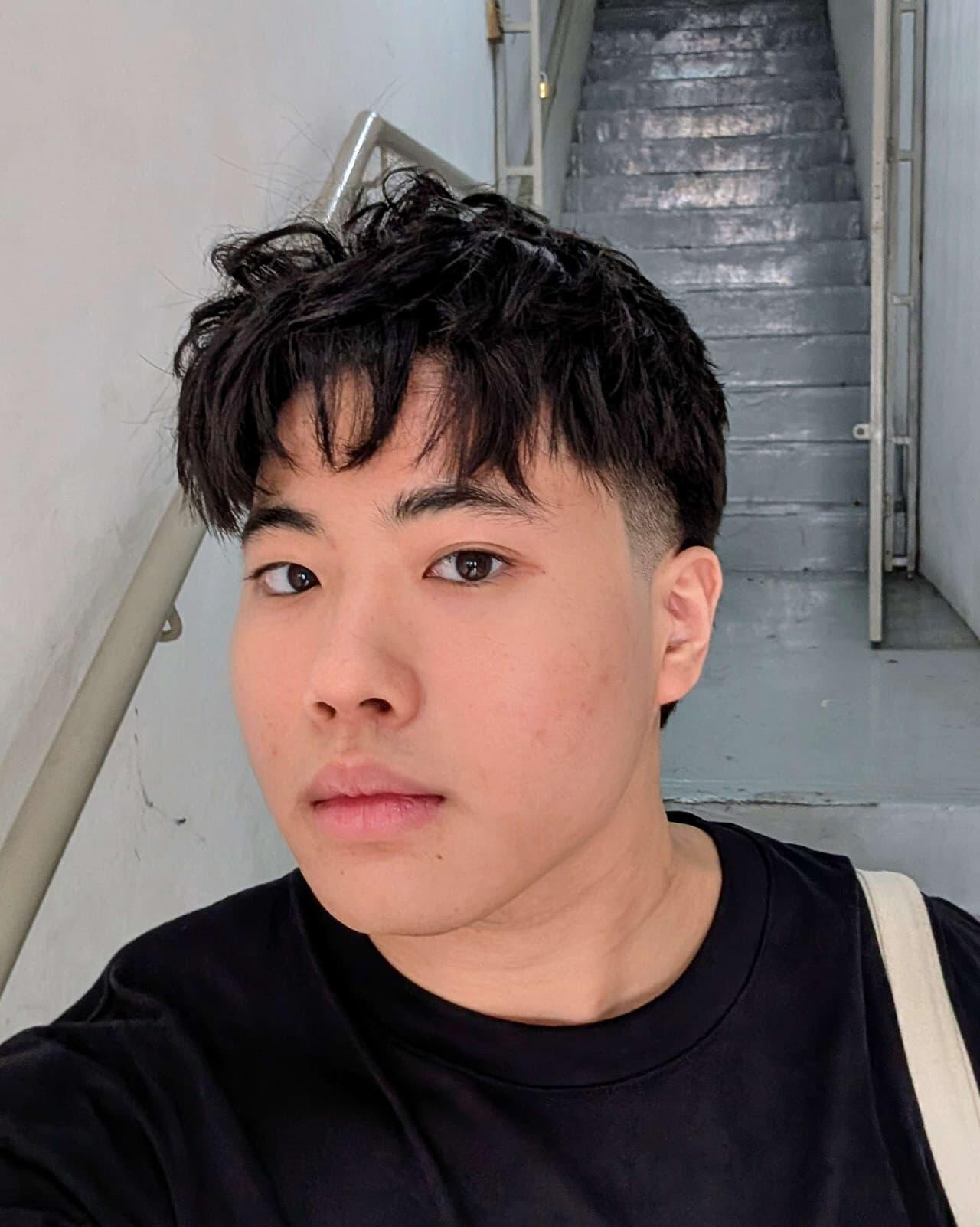
HAN CHON TEH
From Malaysia
-
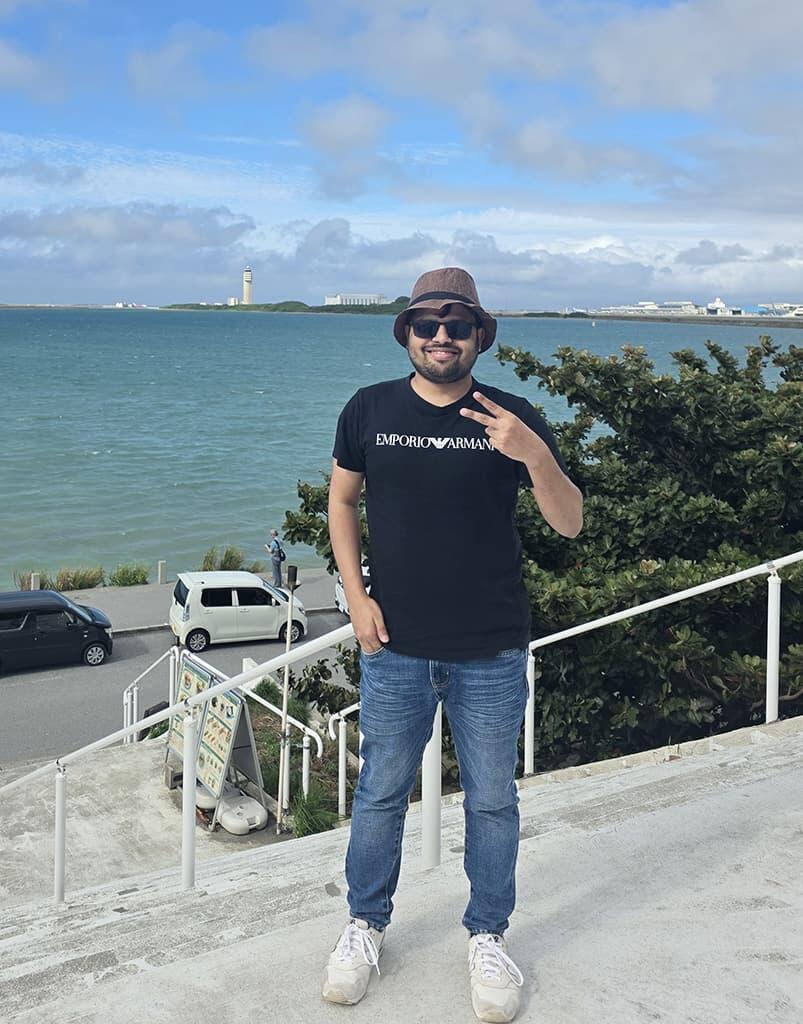
MD MEHEDI HASAN
From Bangladesh
-
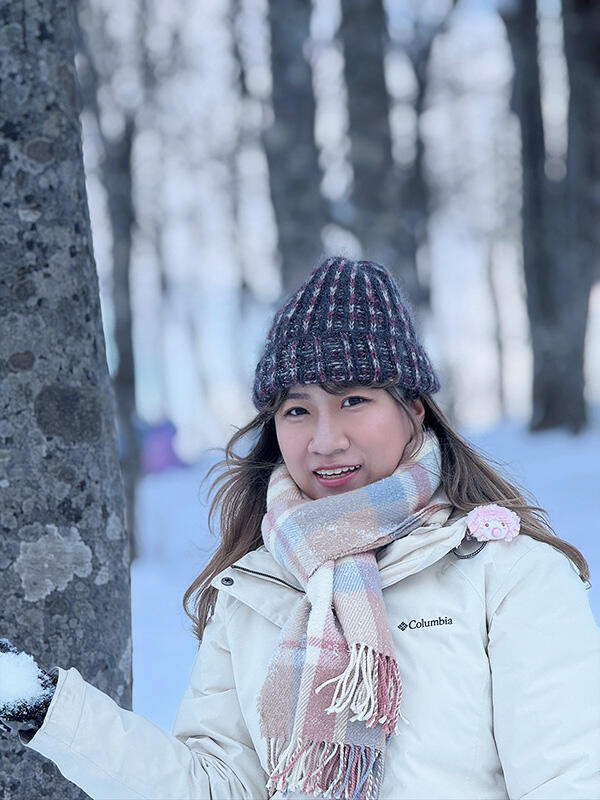
LI SZE CHING
From Hong Kong
-
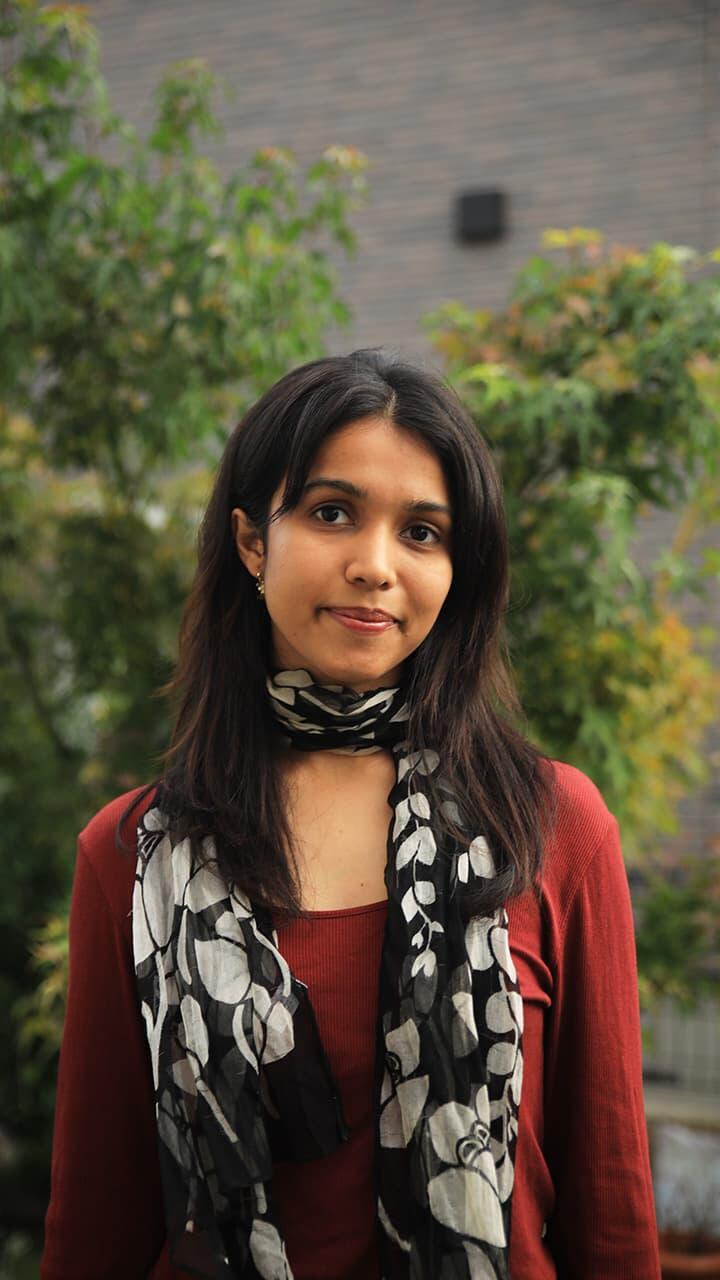
SIYA JITENDRA DESHPANDE
From India
-

RIBEIRO FALCÃO LORRANA
From Brazil
-
VICTOR MASSAKI NAKAGUCHI
From Brazil
-
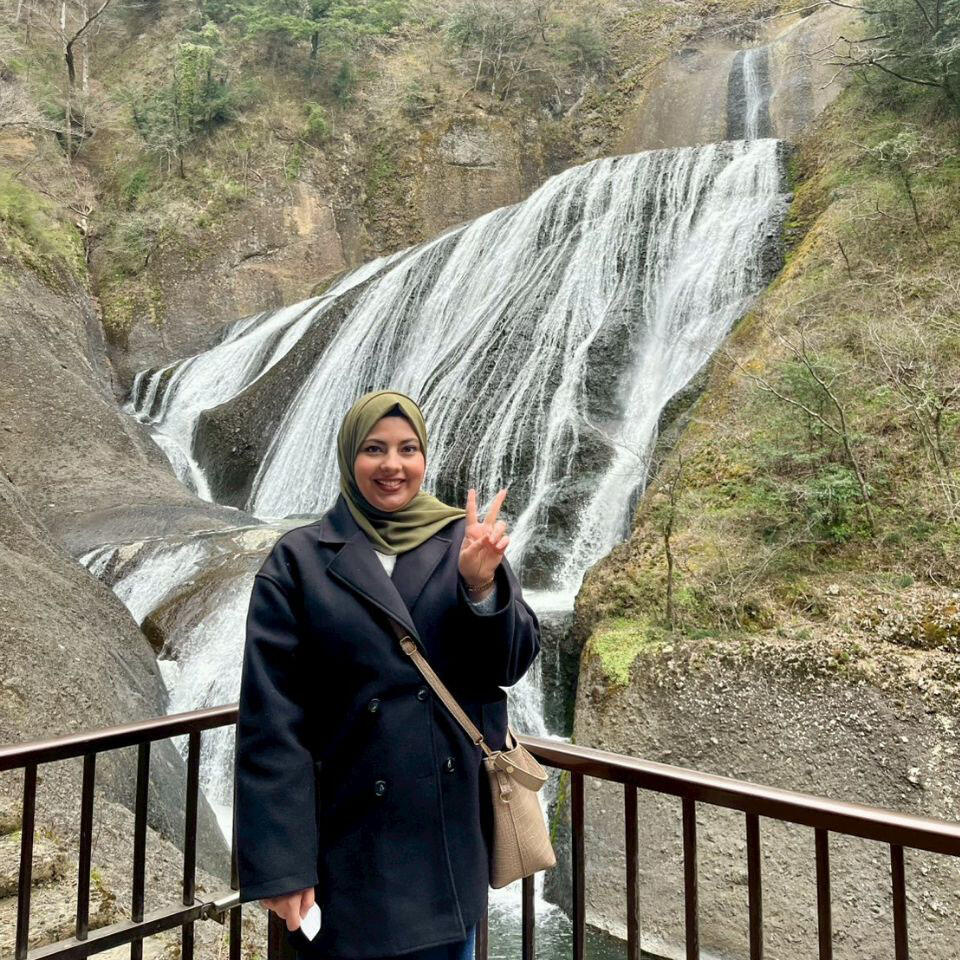
RIYAM MOTEA AL-RAABEA
From Iraq
-
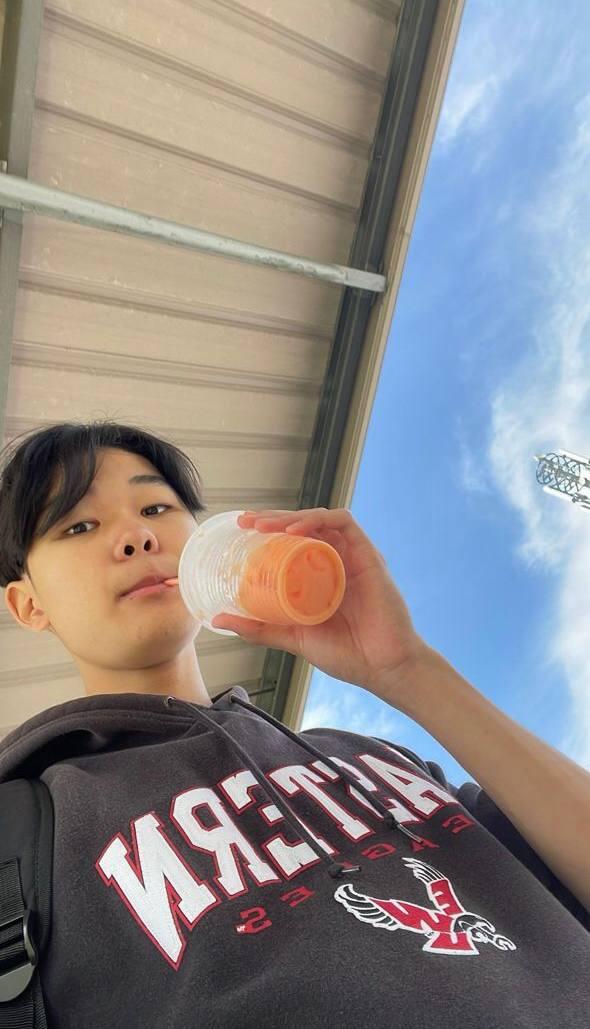
ASYRAF KAZUKI BIN ABDUL ZAKI
From Malaysia
-

CHUN PI HSIEH
From Taiwan
-
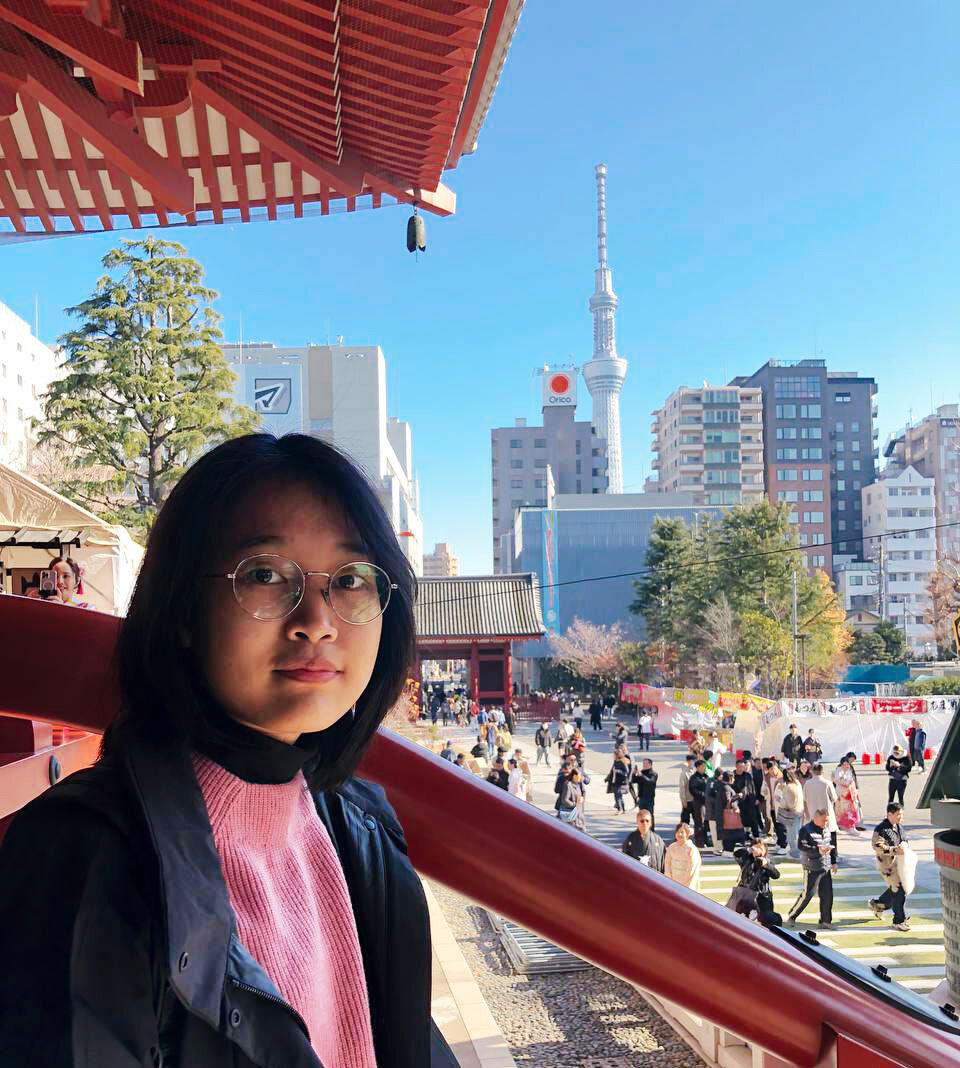
EI YADANAR MAUNG
From Myanmar
-

LIANG LIU
From China
-
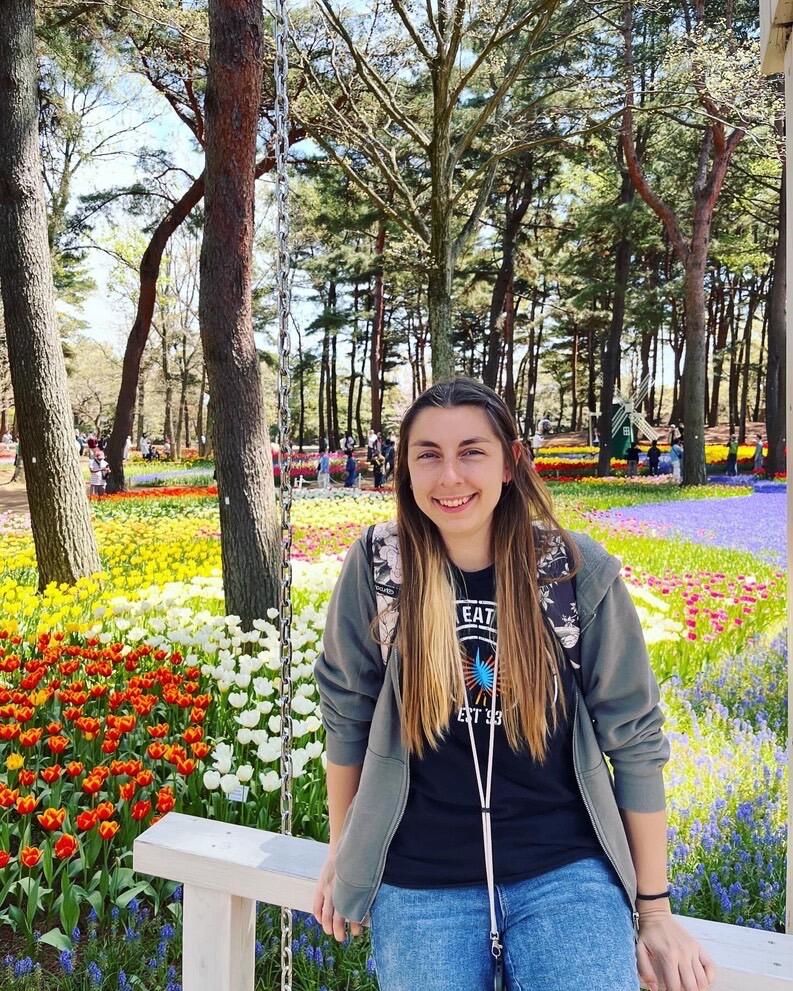
EMMA ROSE DANGERFIELD
From Australia
-
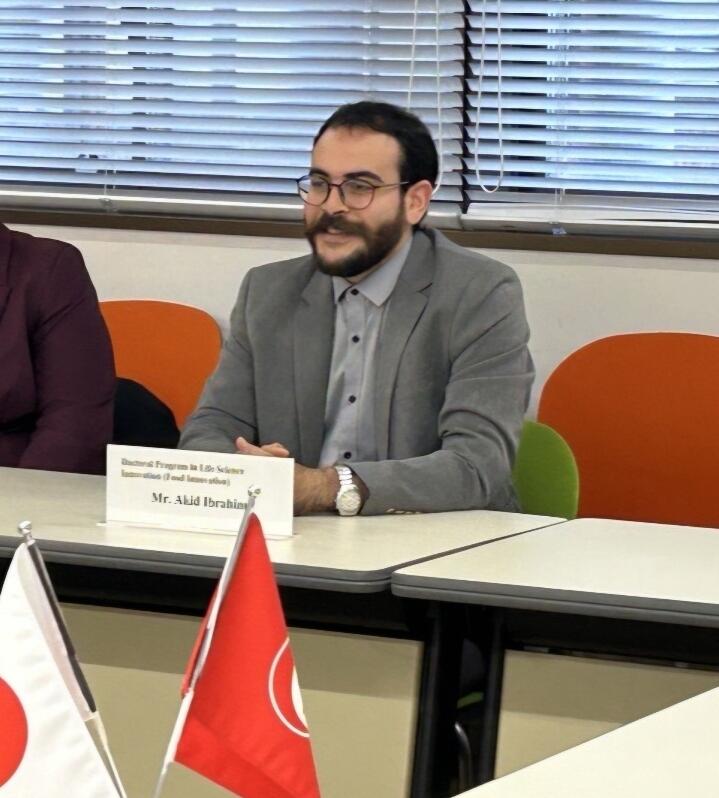
IBRAHIM AKID
From Tunisia
-
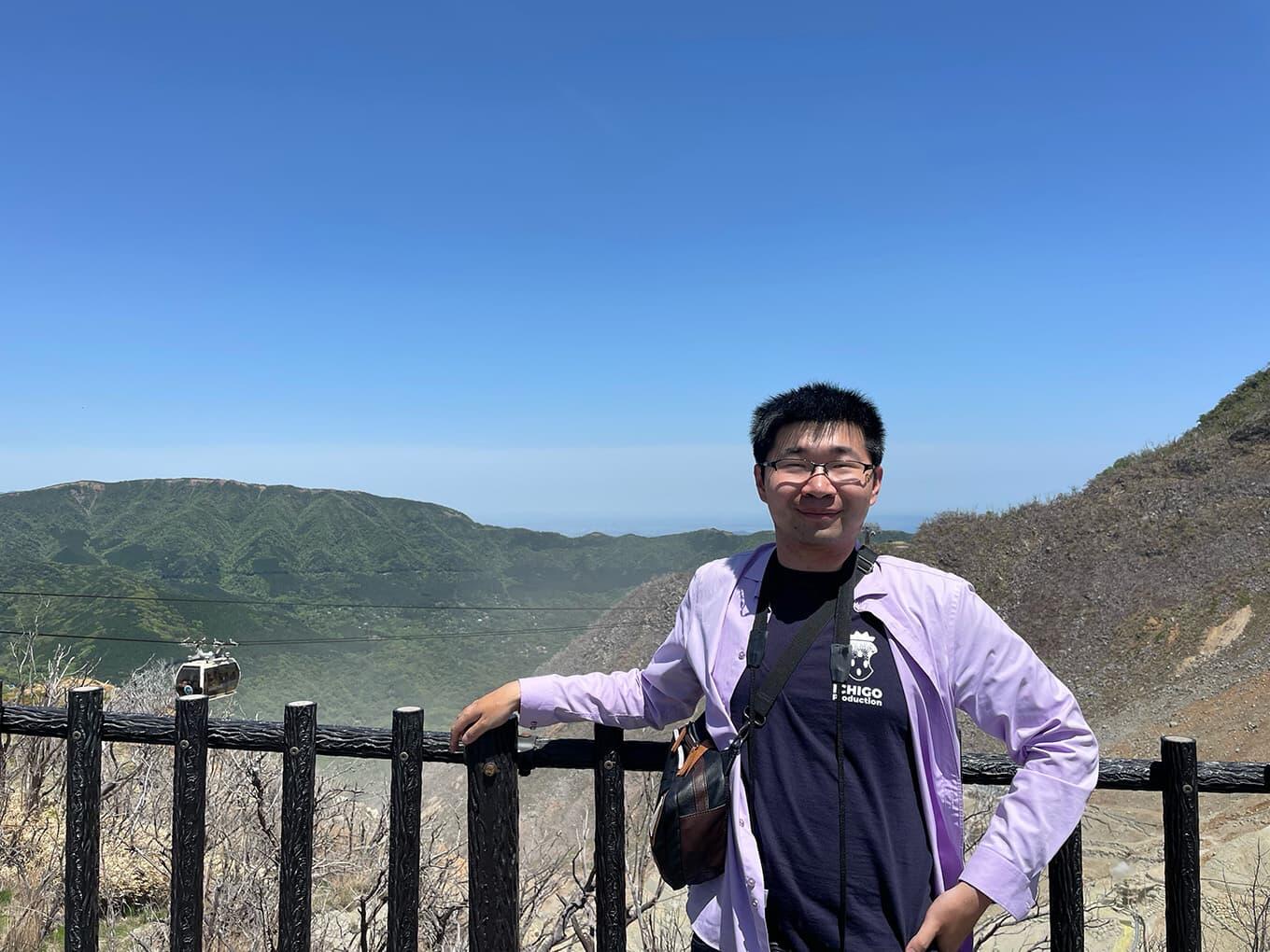
LEYUN HUANG
From China
-
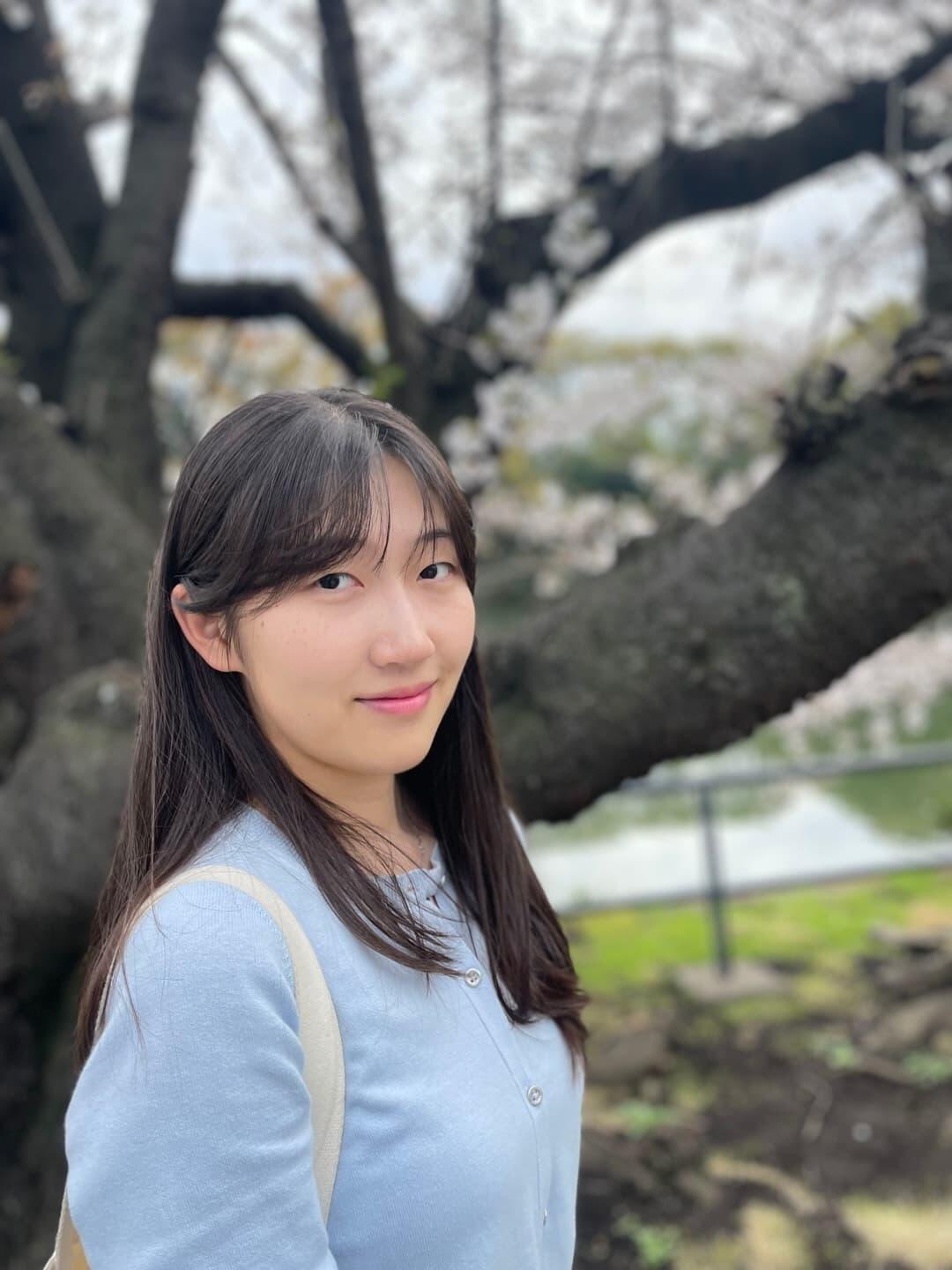
HYOWON LEE
From Korea
-
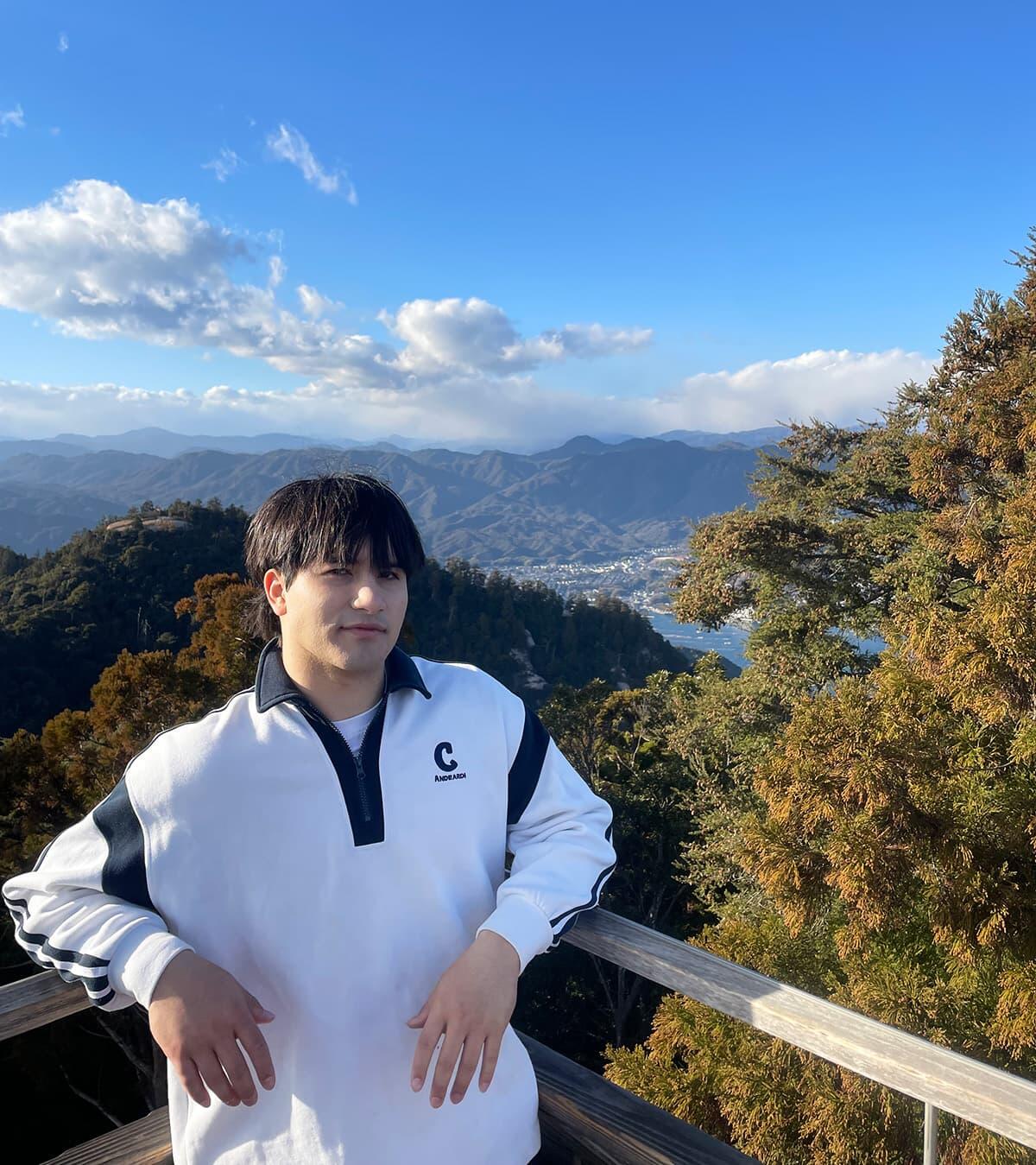
ZACHARY JAMES YOSHIOKA
From USA
-
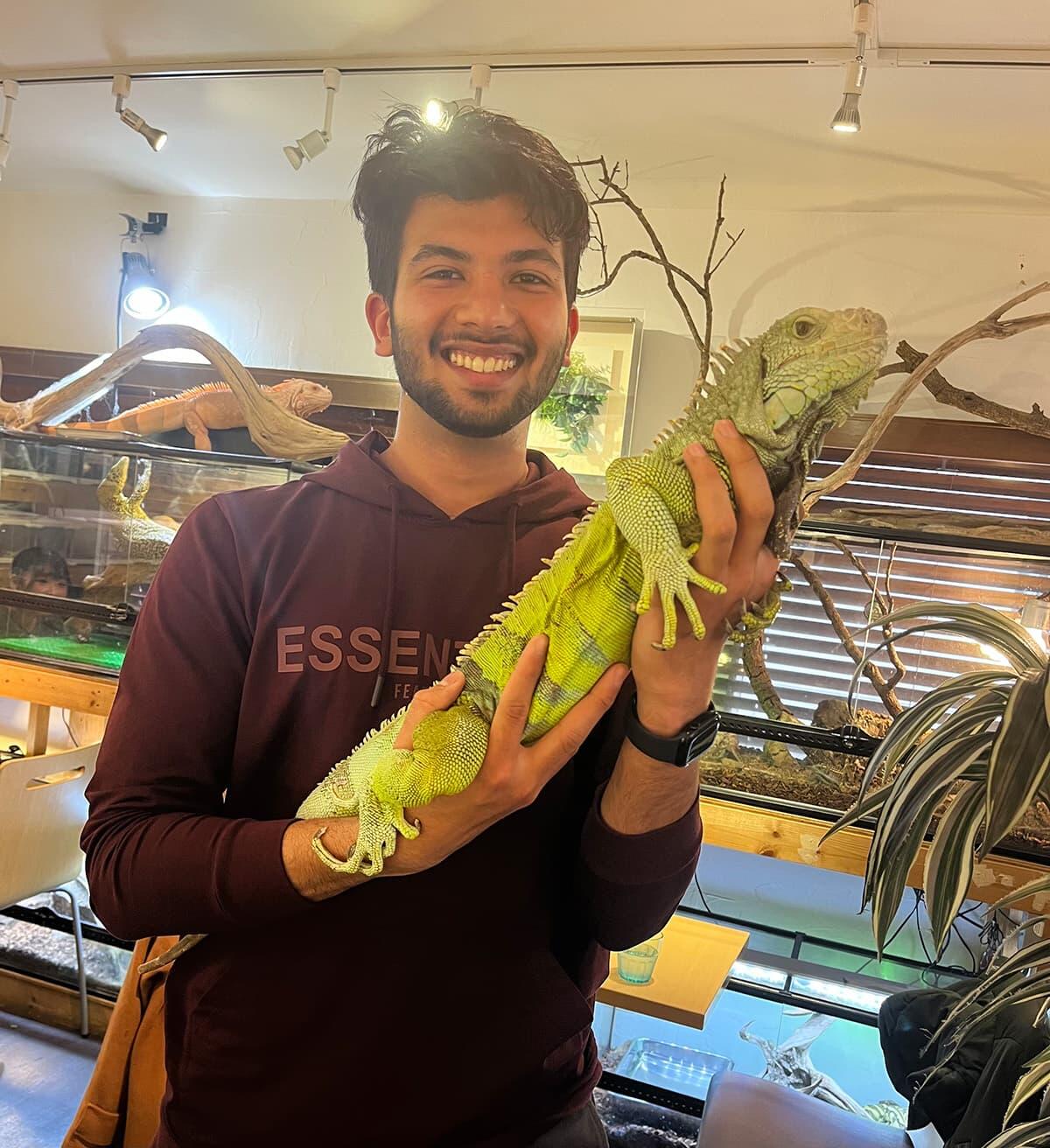
NIMISH SUDHIR GODSE
From India
-
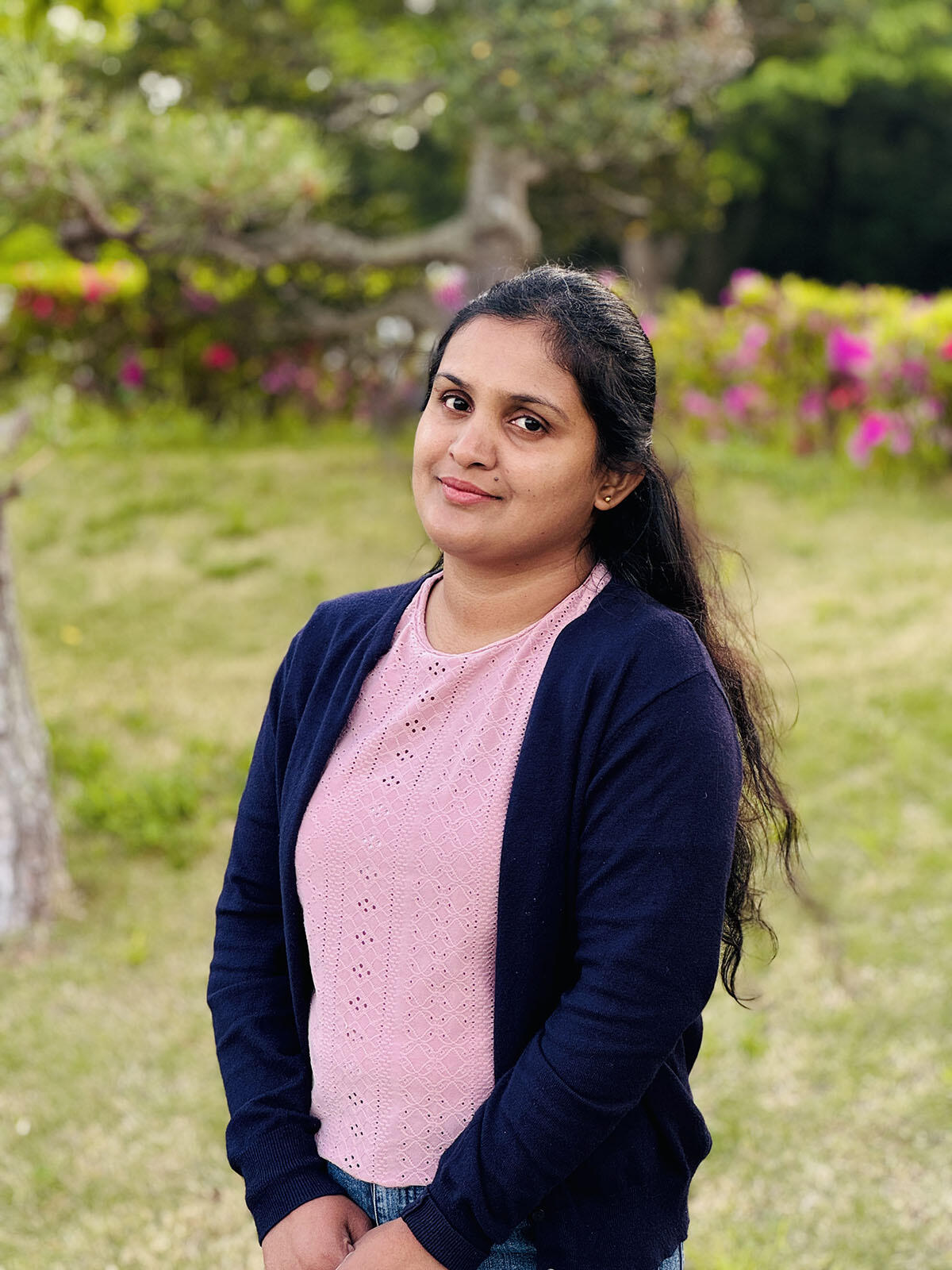
HASINI NIMANTHI KATIYAPE SAMARASEKARAGE
From Sri Lanka
-
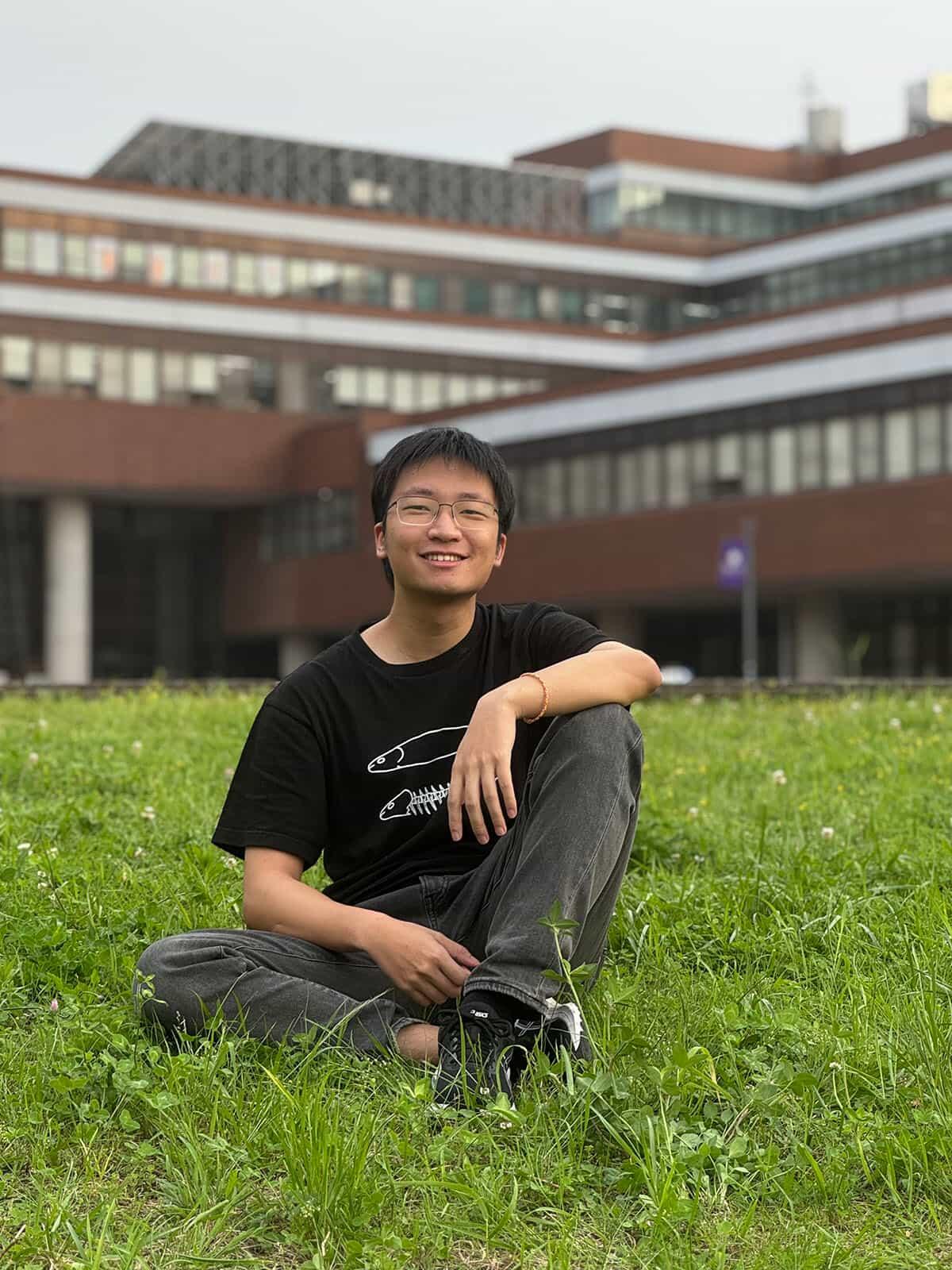
MURAN XU
From China
-
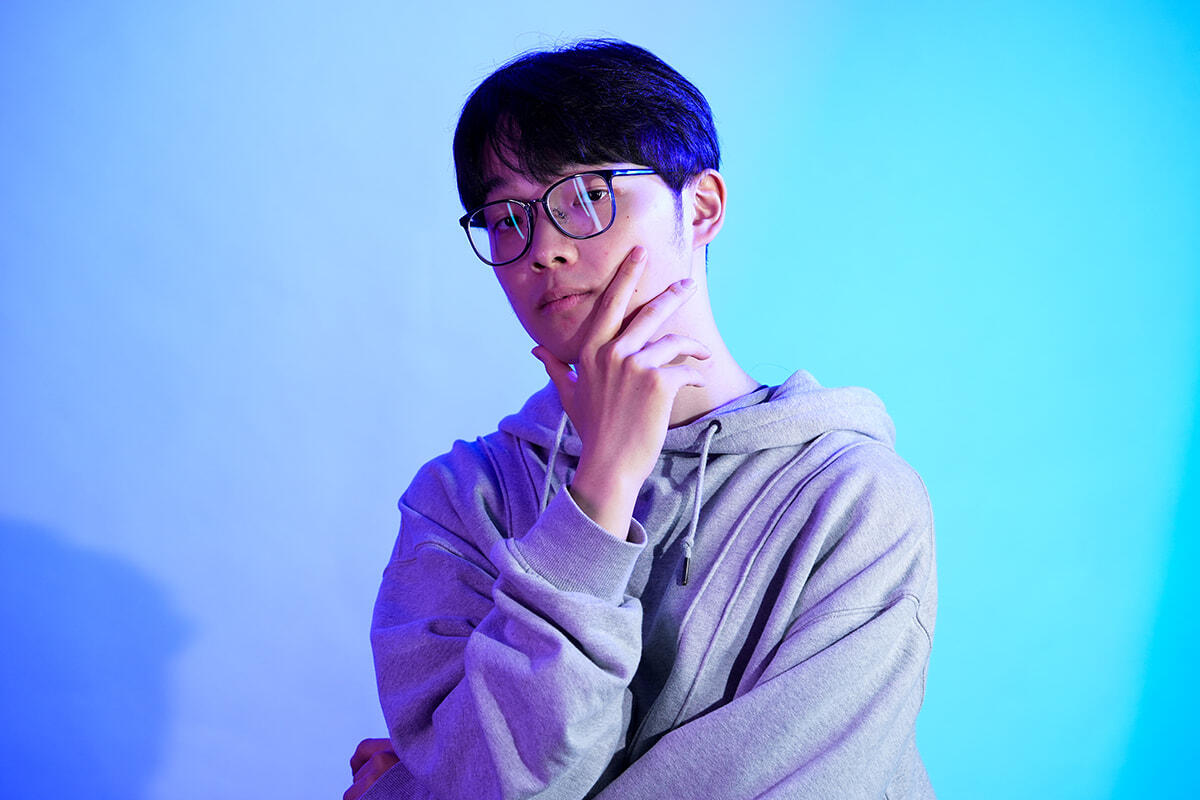
YANG HU
From China
-
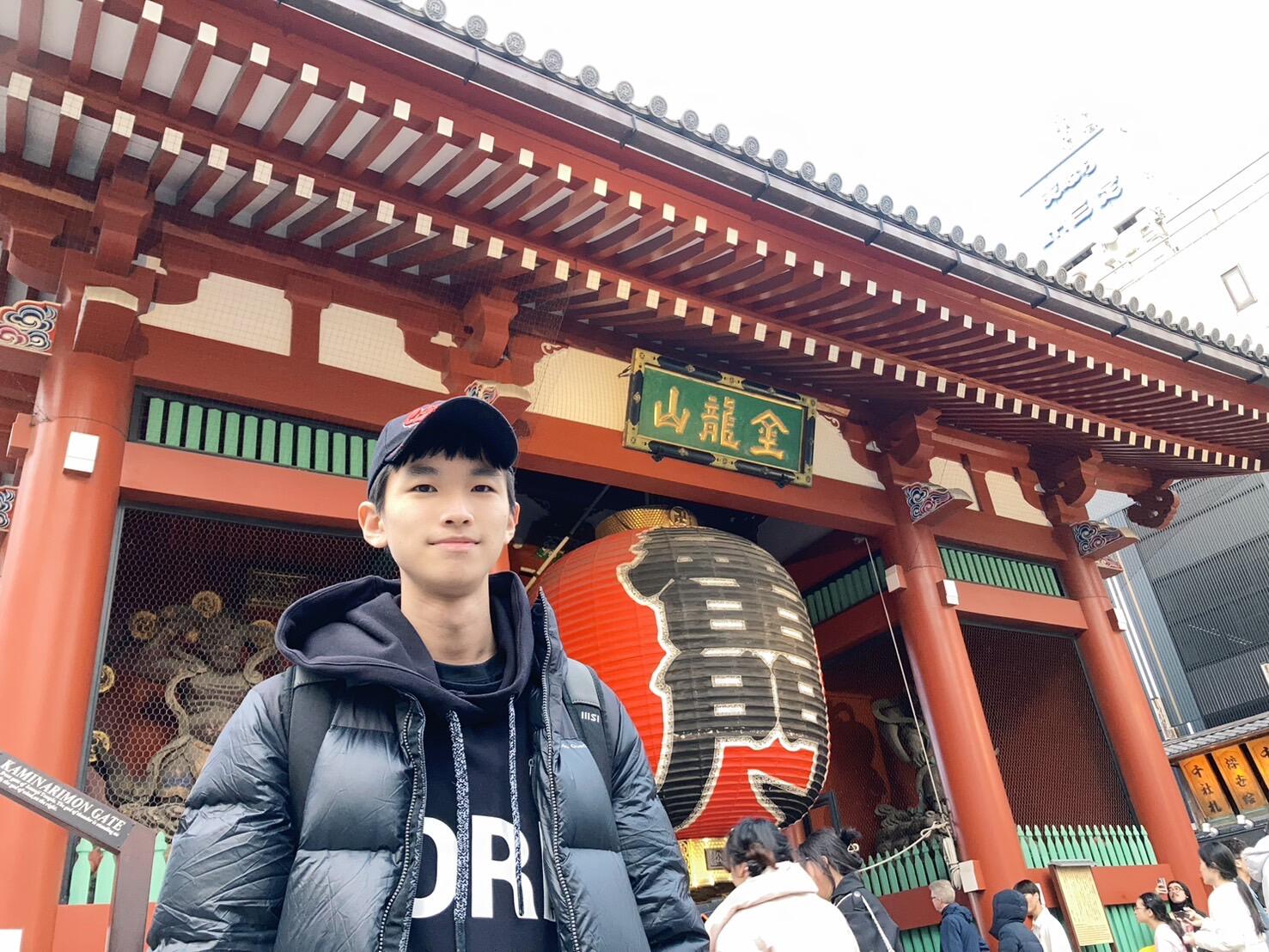
TE-YU HUANG
From Taiwan
-
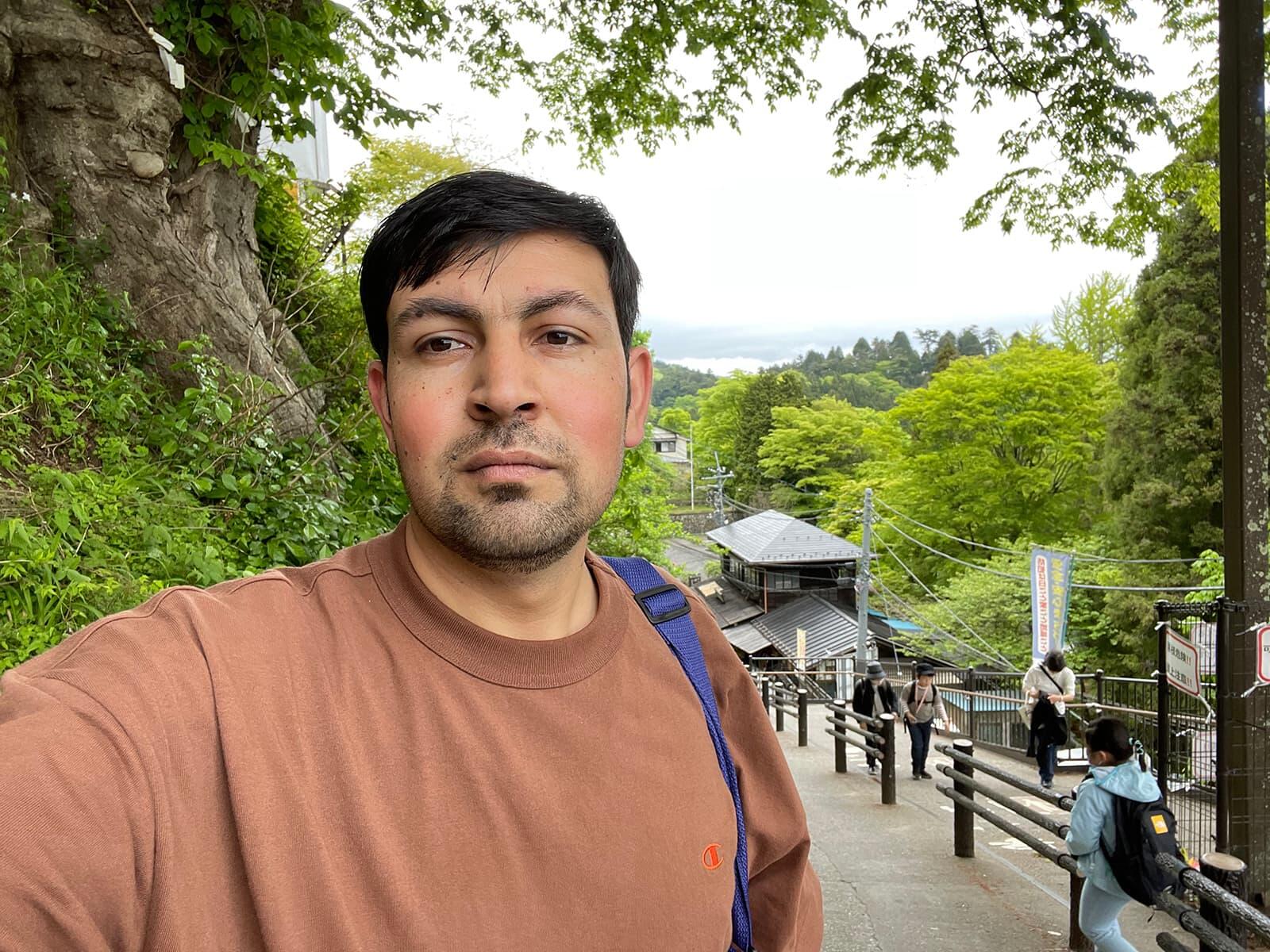
SHAFIQULLAH YOUSAFZAI
From Afghanistan
-
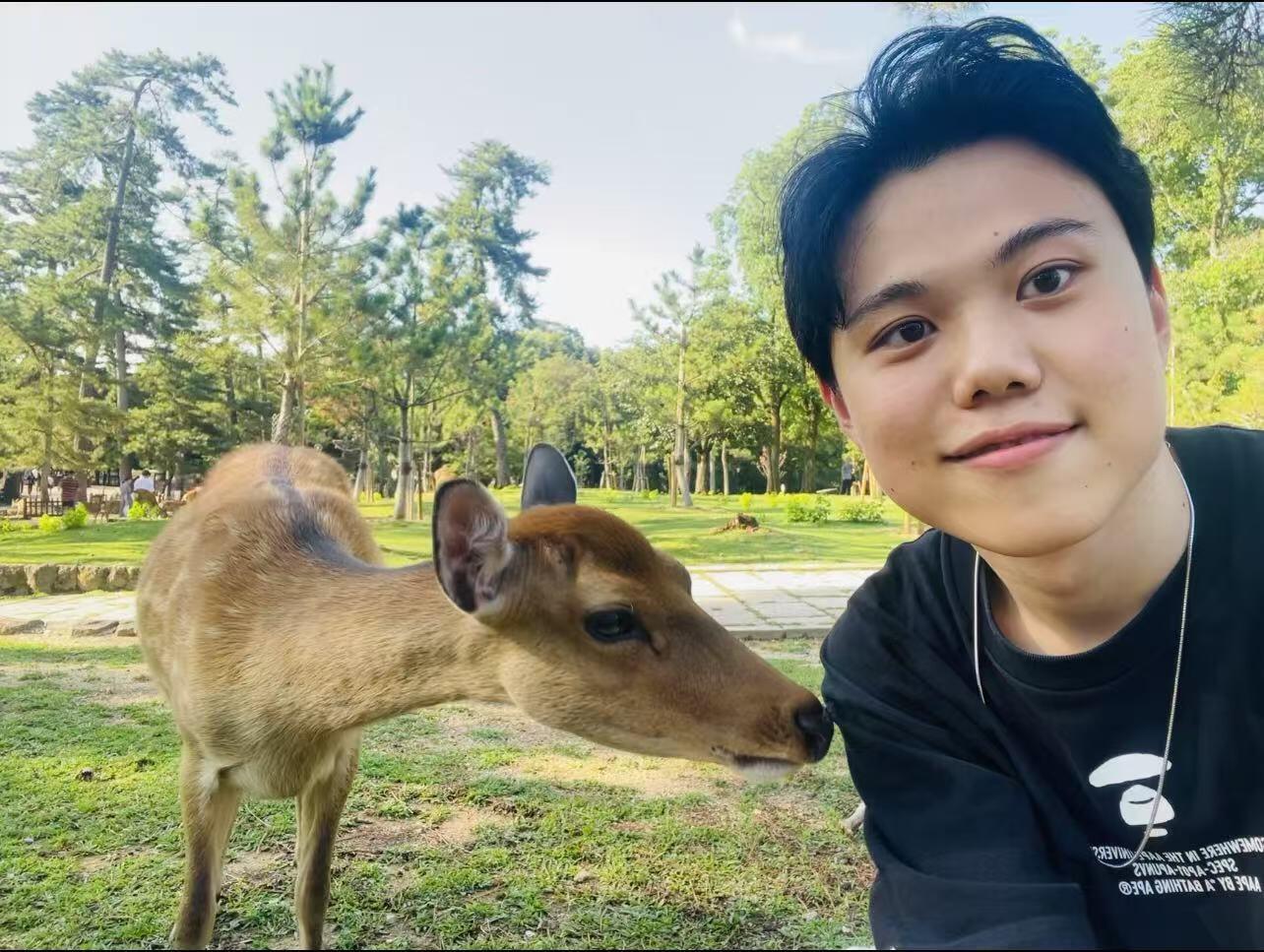
QI SHI
From China
-

MYLES
From USA
-
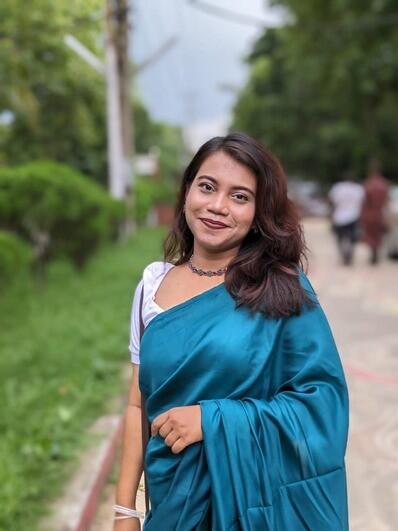
ISRAT JAHAN
From Bangladesh
-
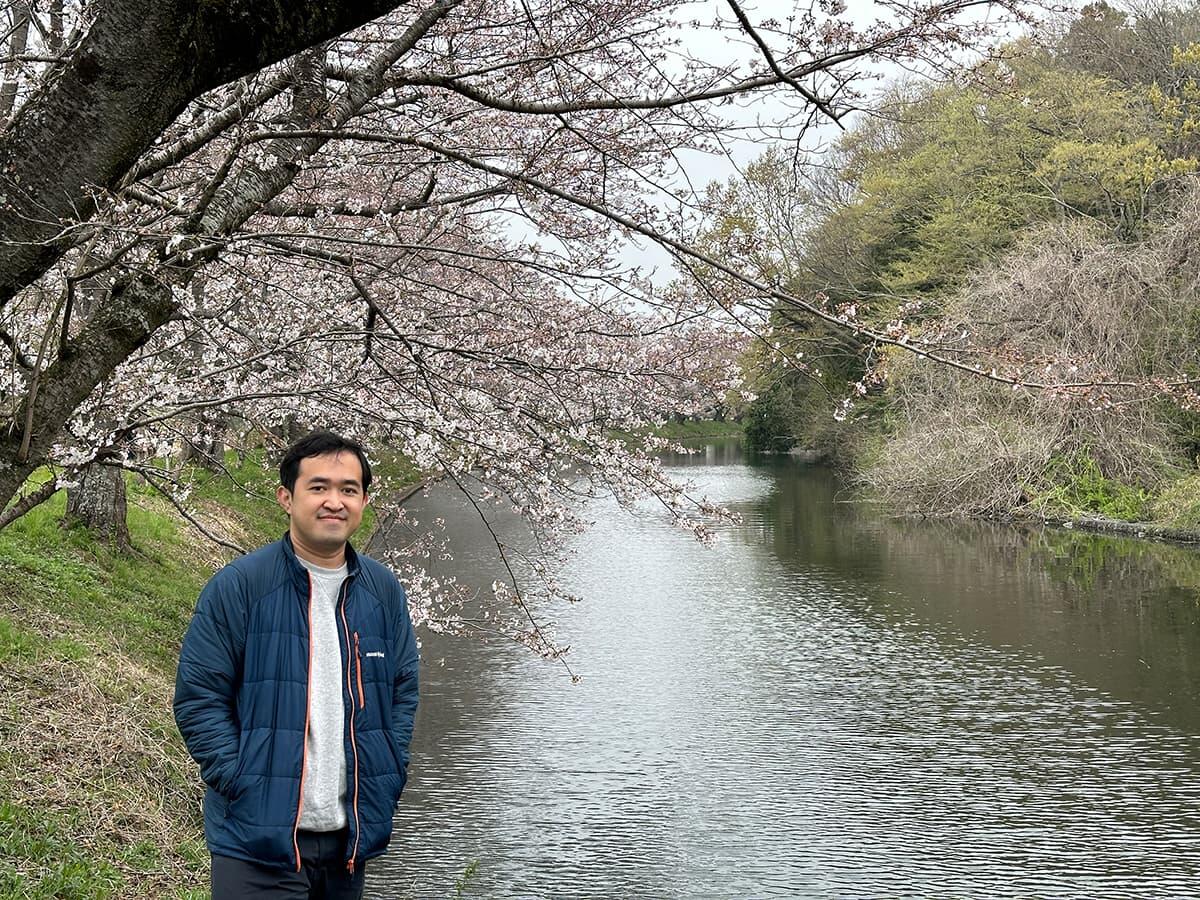
SOTHEARITH ENG
From Cambodia
-
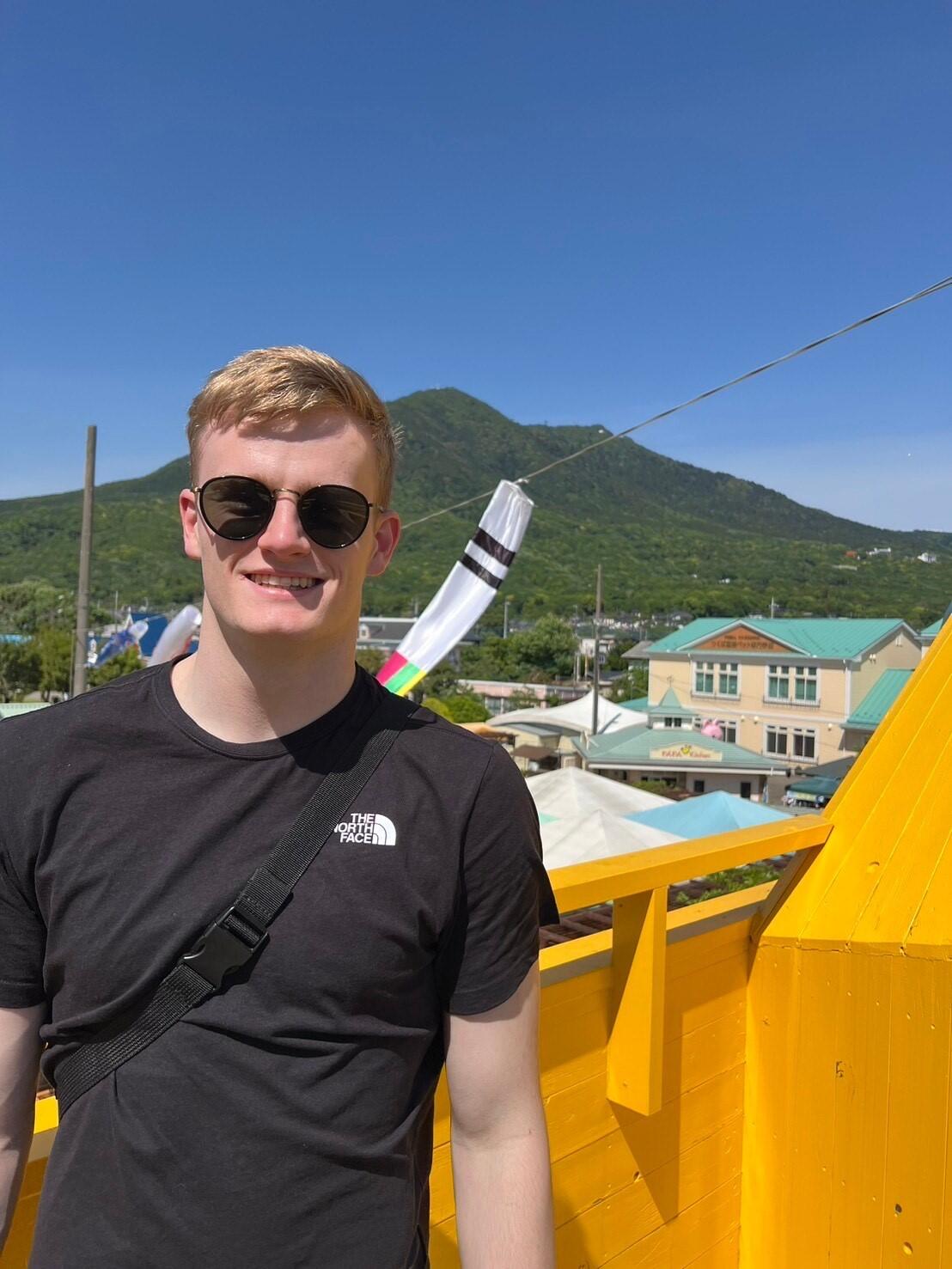
FELIX COOMBER
From UK
-
WAI PHYO THU
From Myanmar
-
SRINITHI ASHOK KRISHNASWAMY
From India
-
SACHI JOCHI
From Japan/India
-
PING HUAN WANG
From Taiwan
-
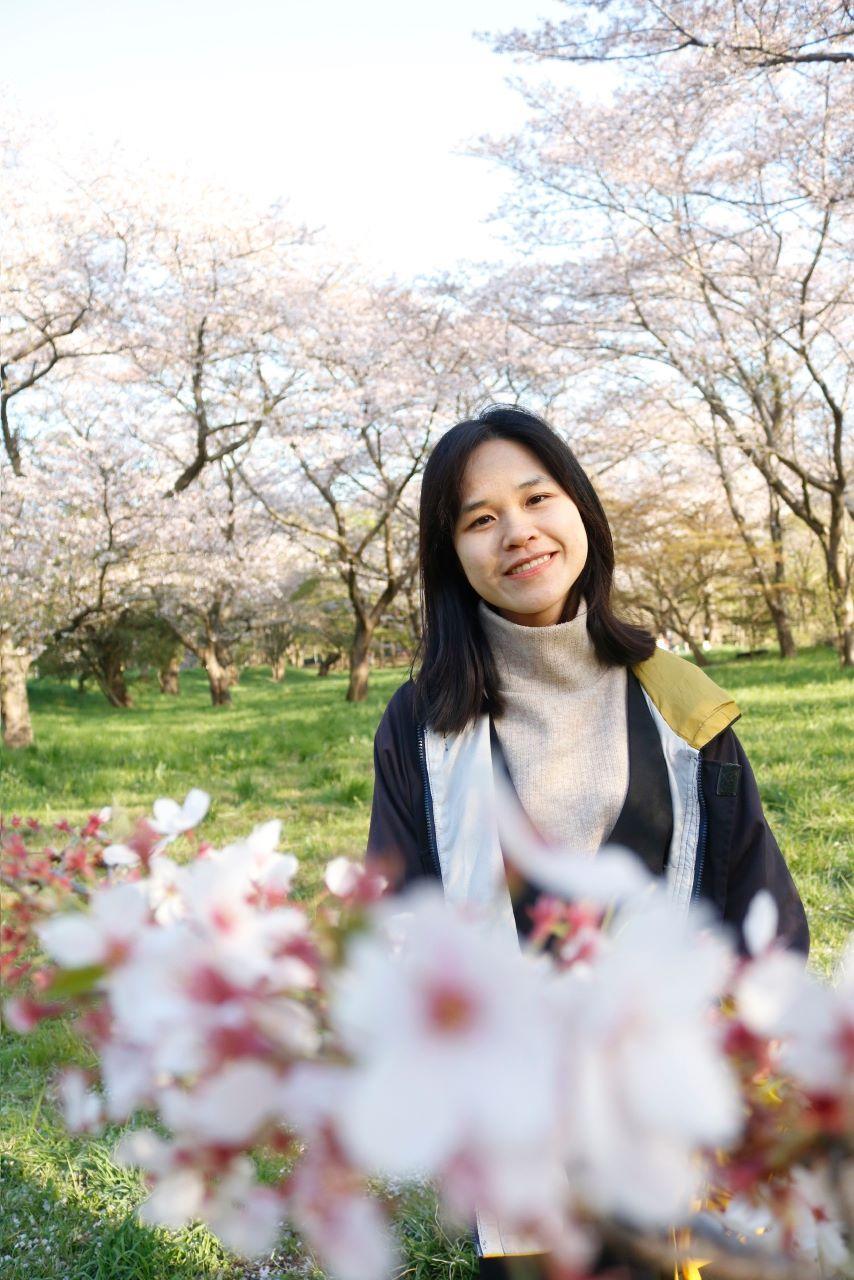
NGHI NGUYEN BAO
From Vietnam
-
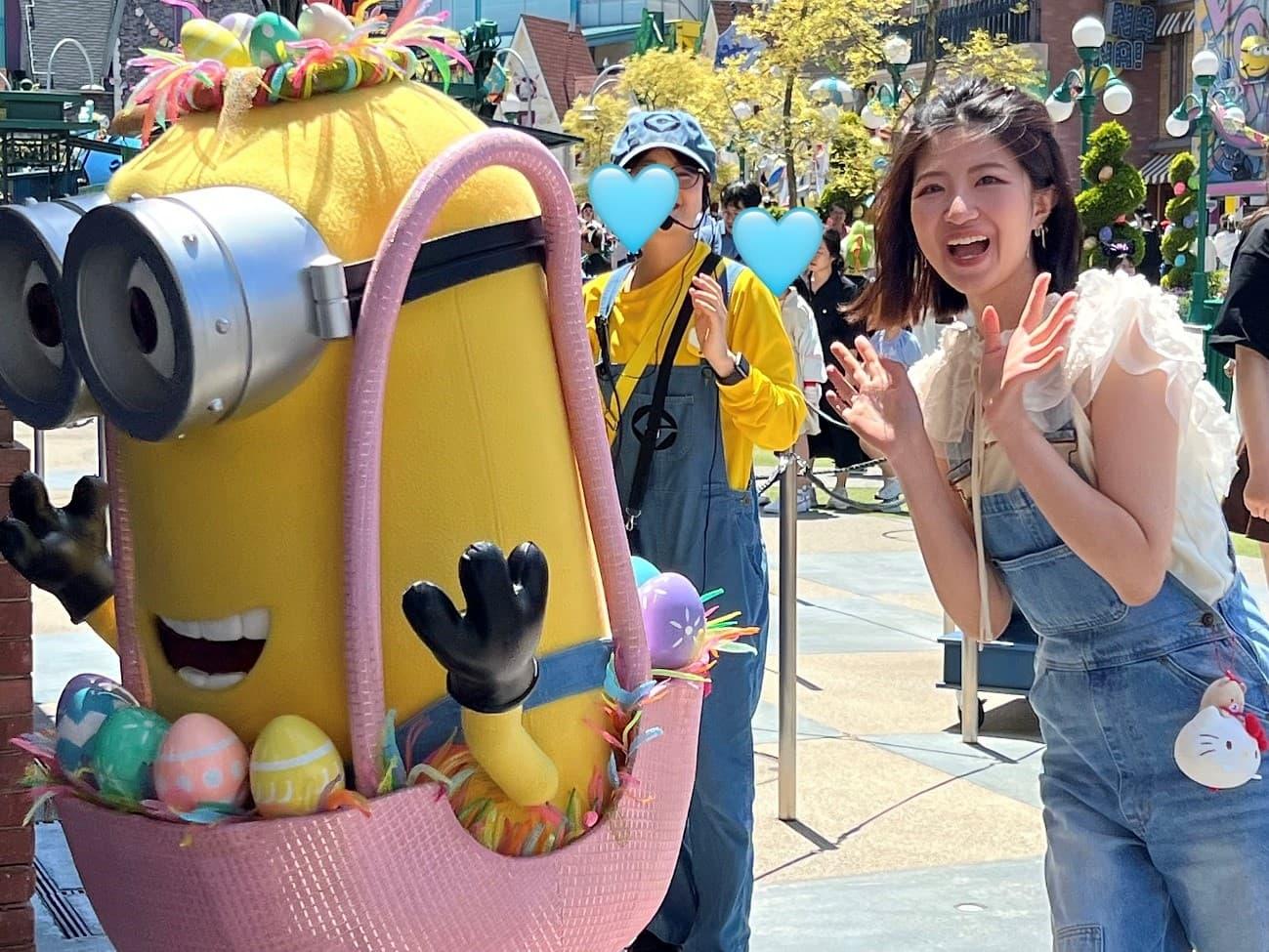
GUANGQI AN
From China
-
HELIO NONOSE
From Brazil
-
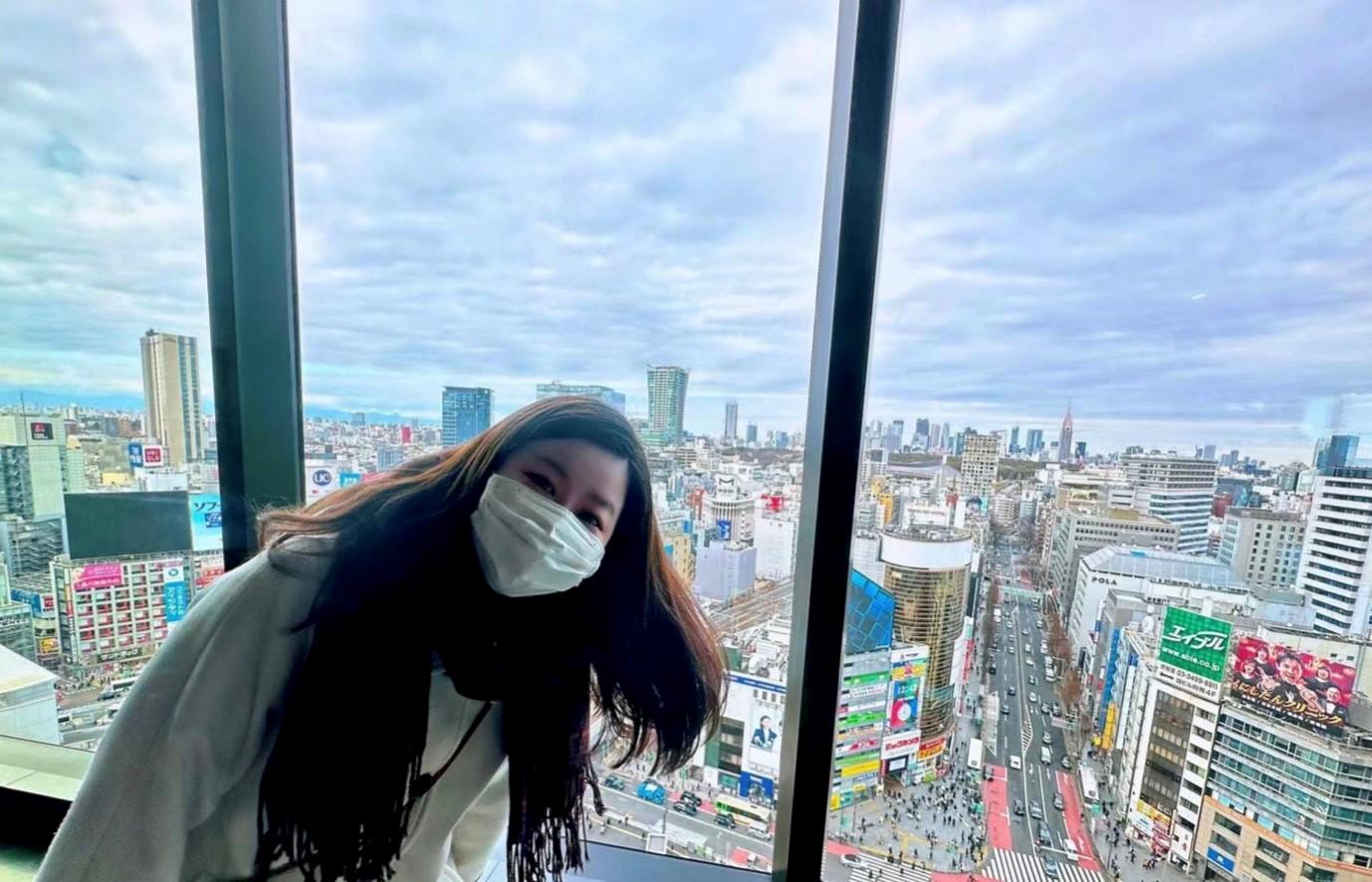
TAO LENG
From China
-
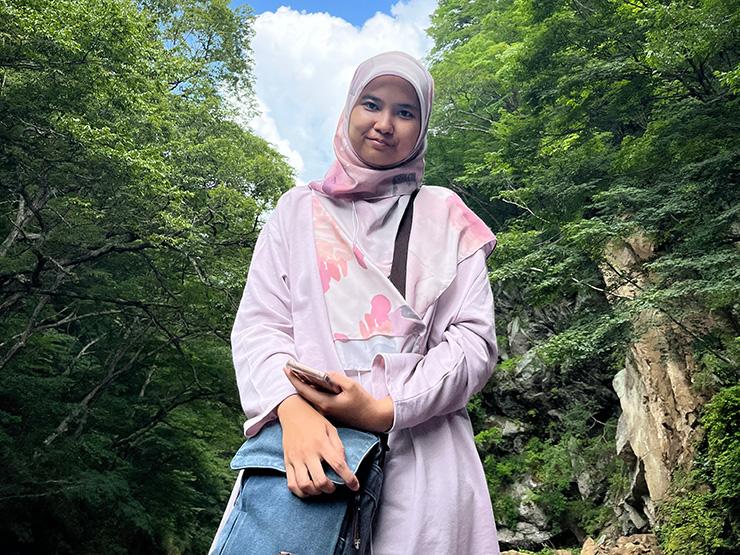
INSYIRAH
From Malaysia
-
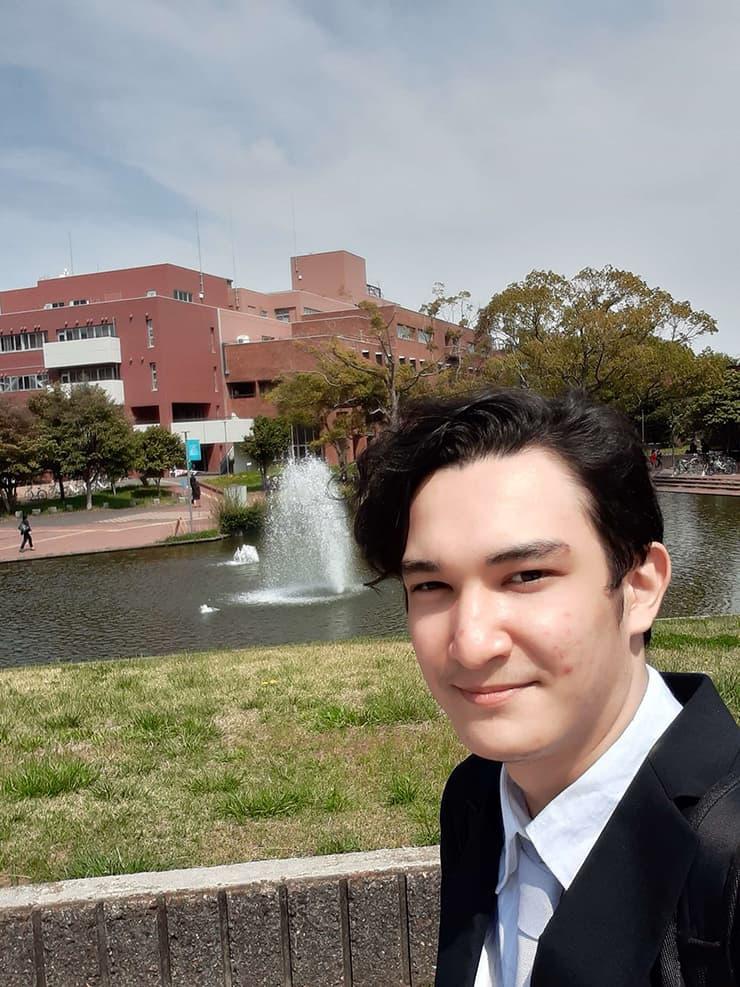
ARAMAKI, CAUE SINGO
From Brazil
-
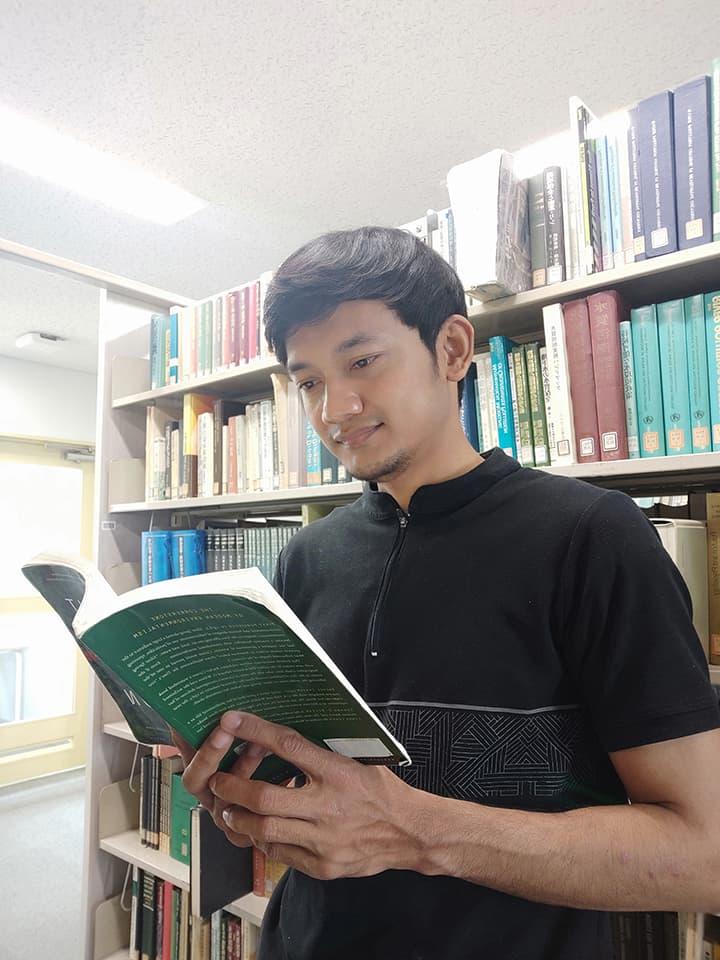
SUHARMAN
From Indonesia
-
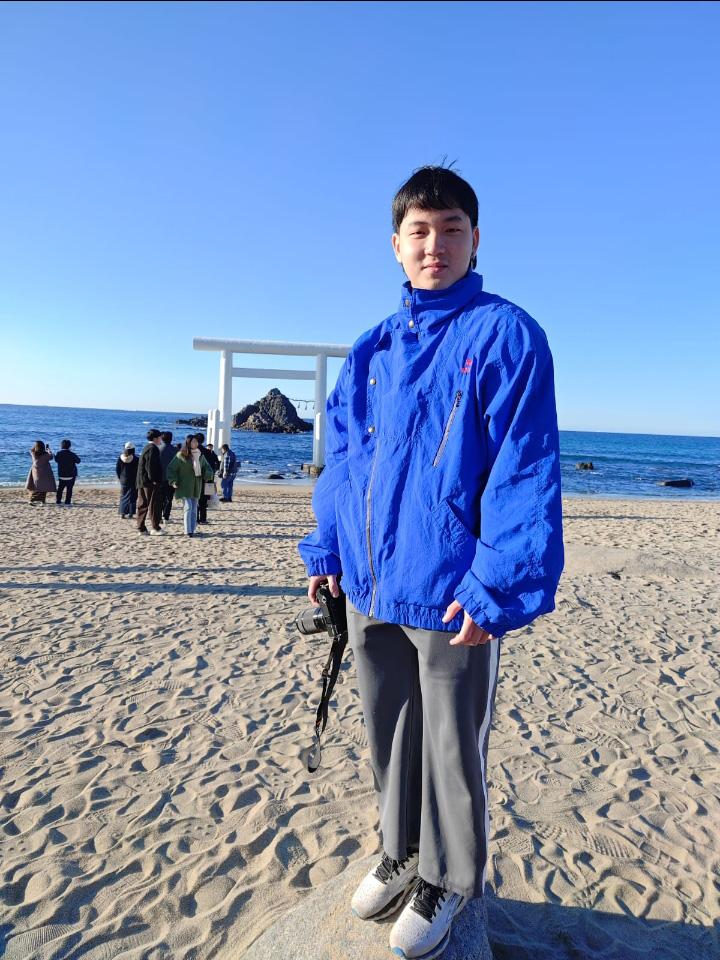
NG RAY SHAN
From Singapore
-
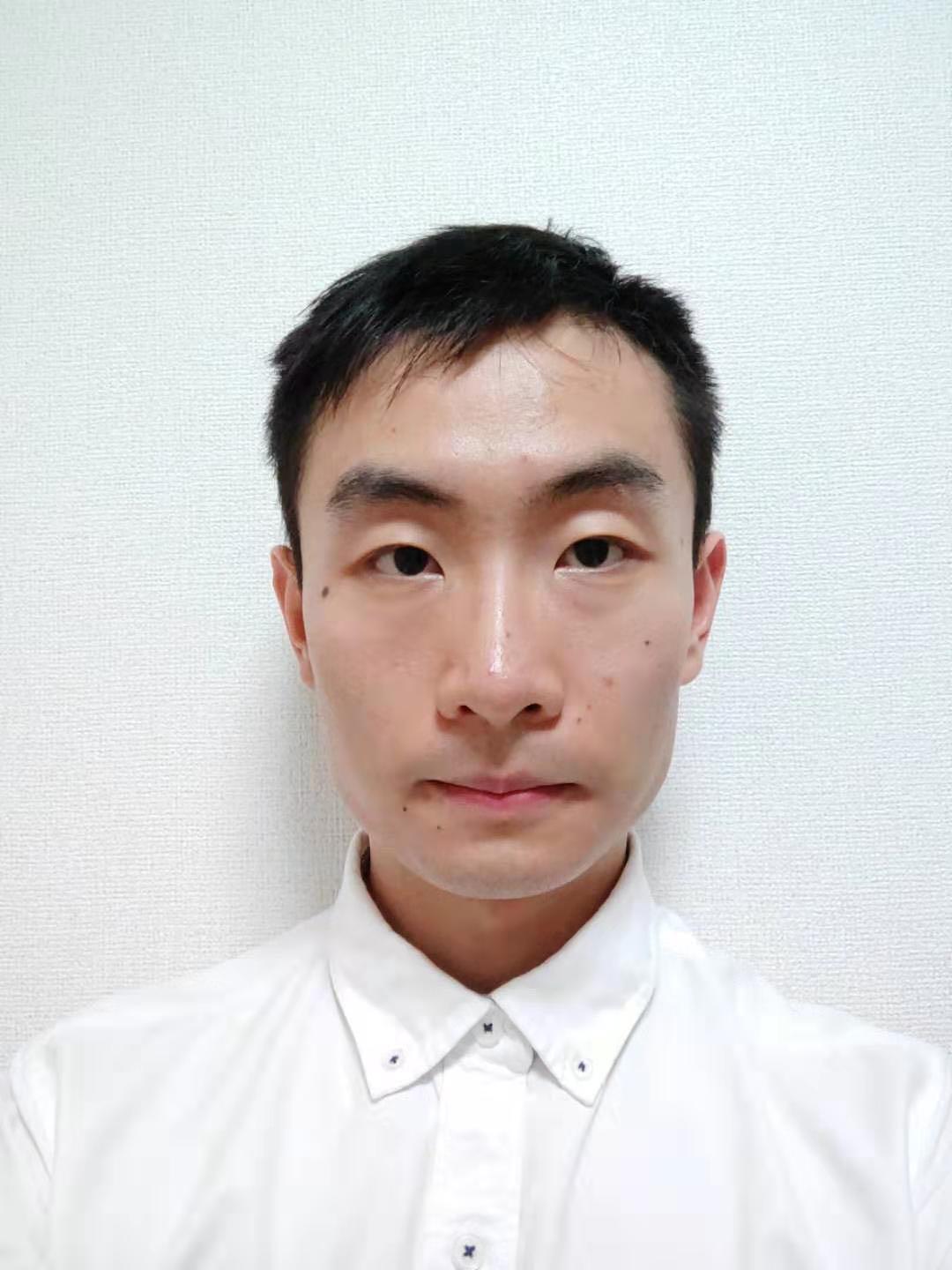
DU XIN
From China
-
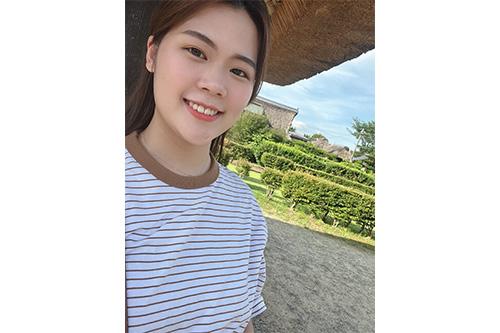
YINA SHIN
From Korea
-
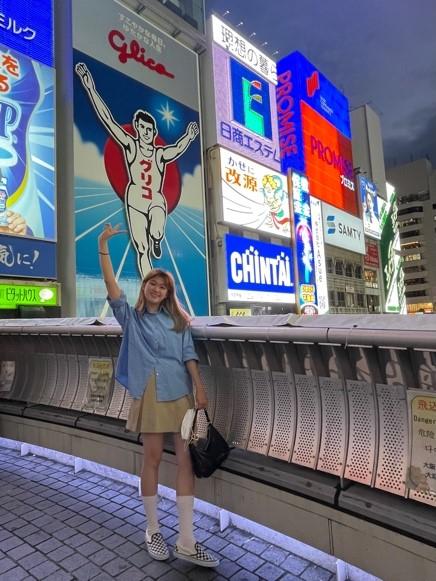
JOOEUN YOON
From Korea
-
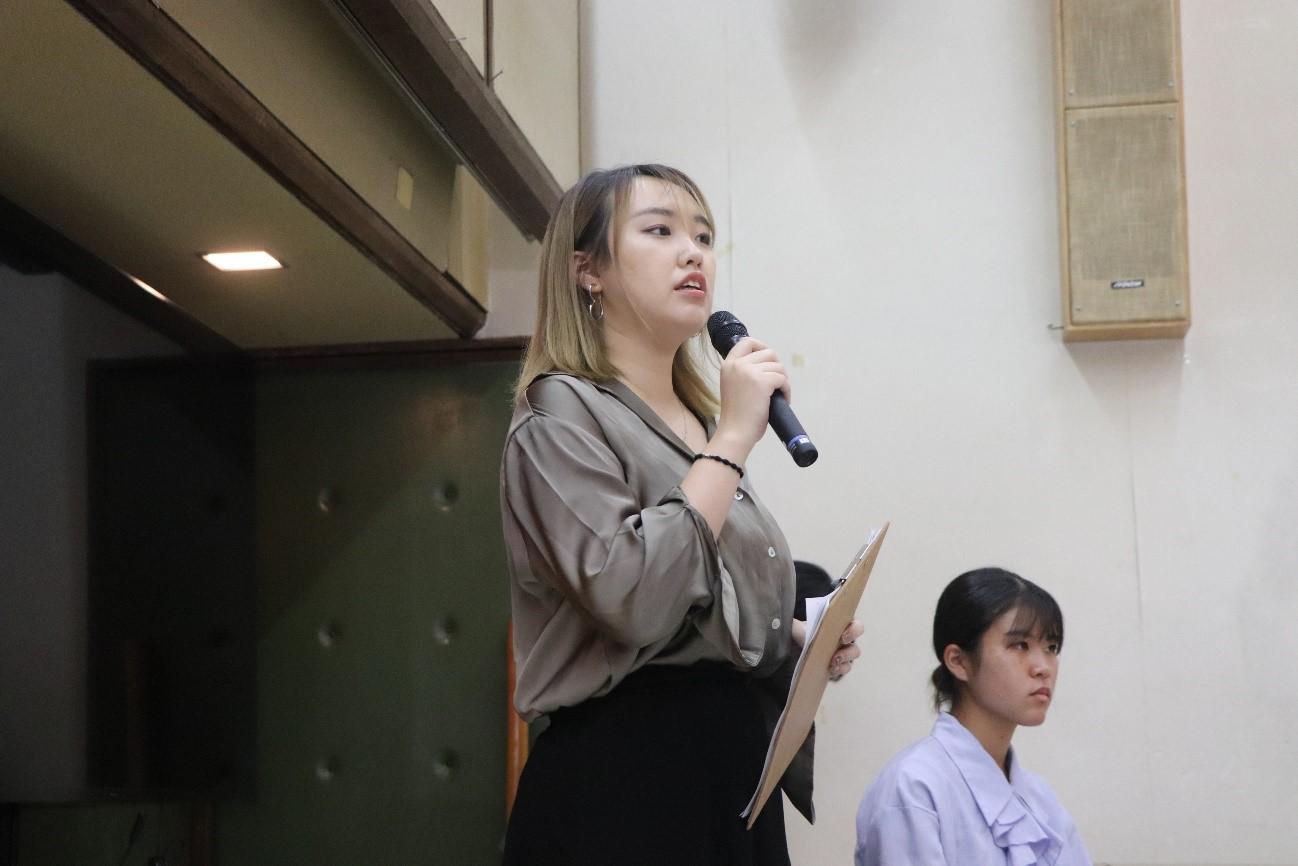
REN YIHAN
From China
-
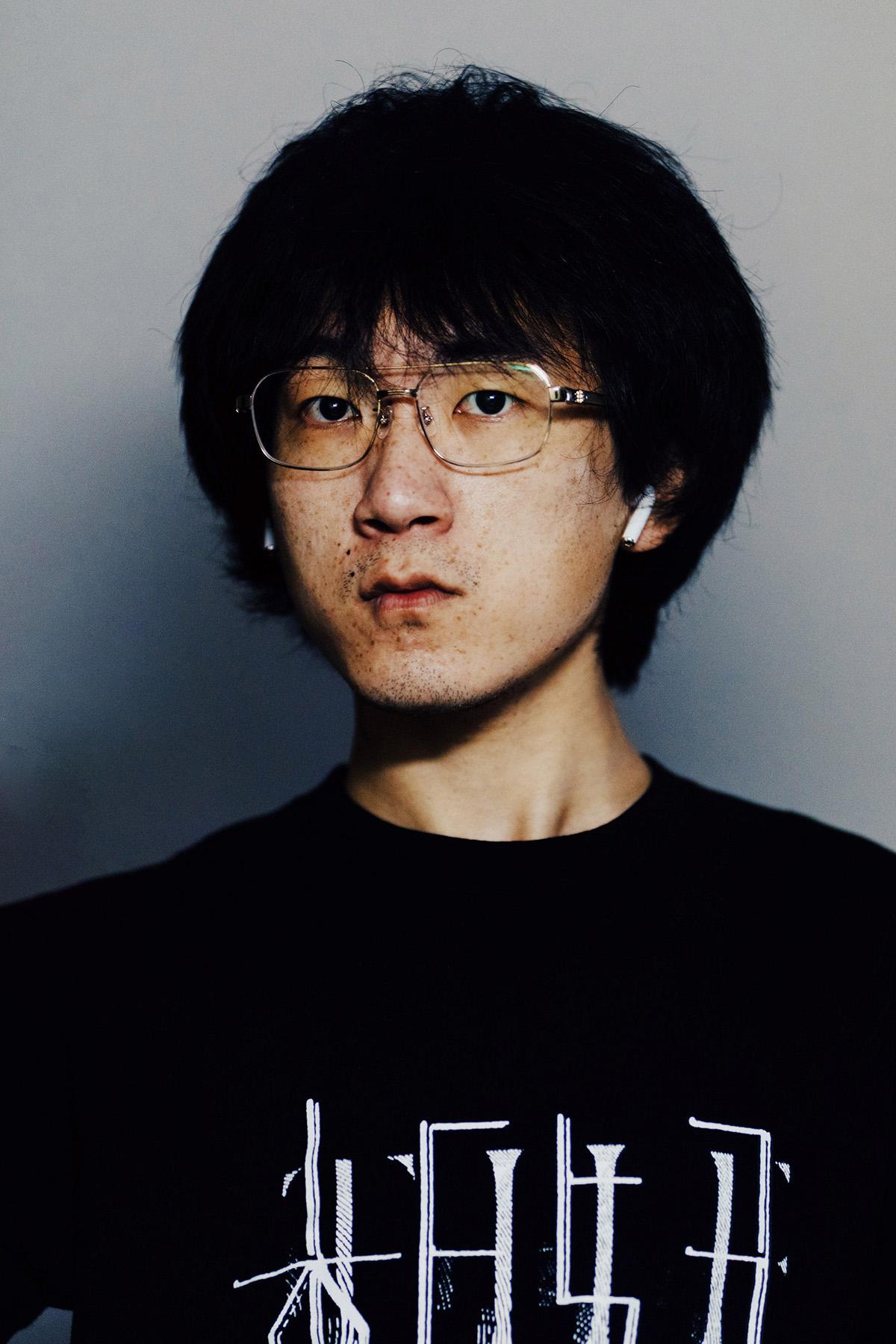
MENG LIYUAN
From China
-
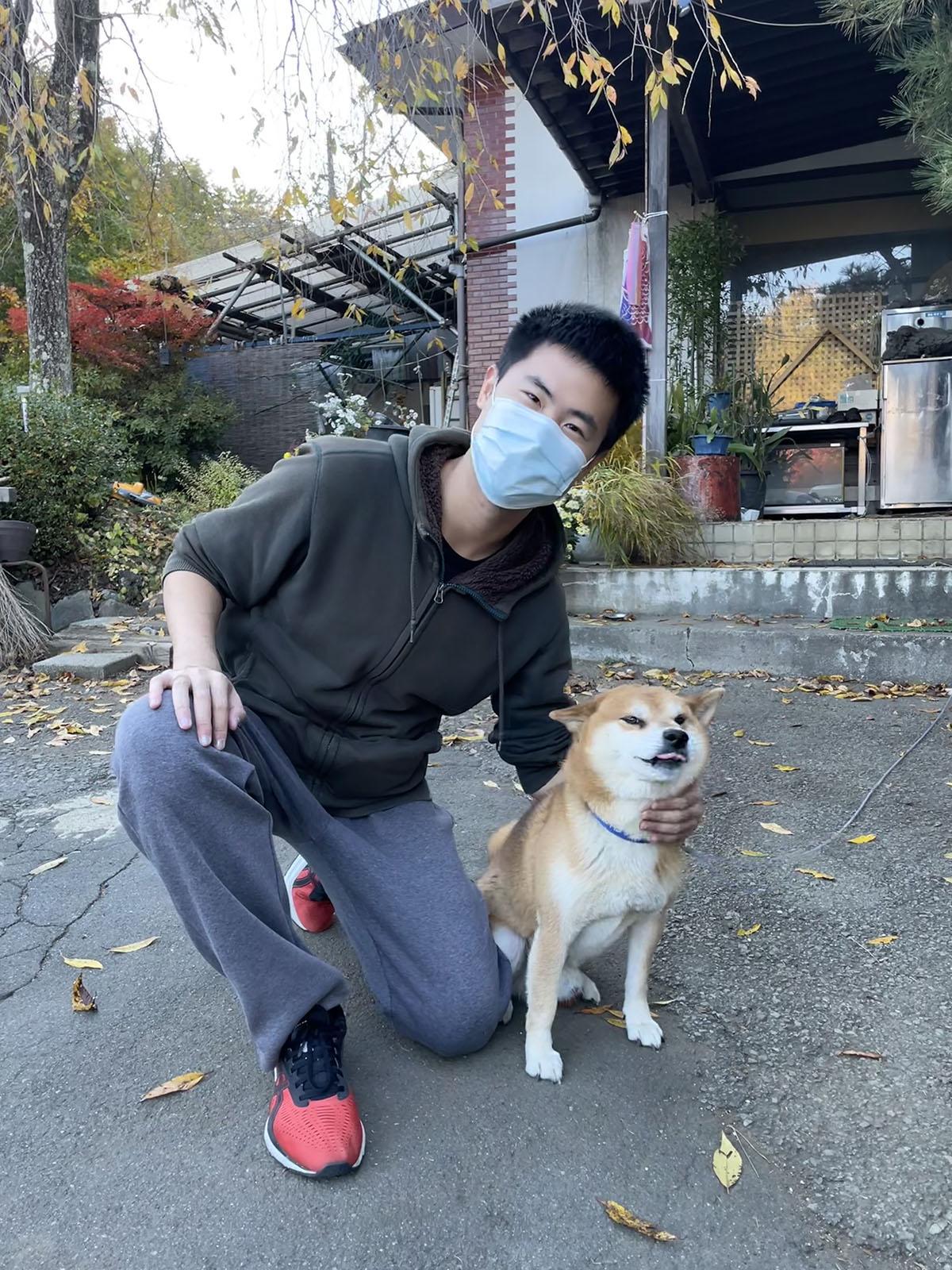
WU BOQIAN
From China
-
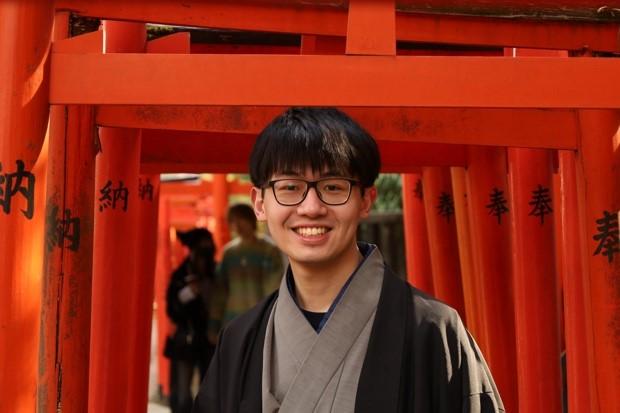
YU, CHENG-HAN
From Taiwan
-
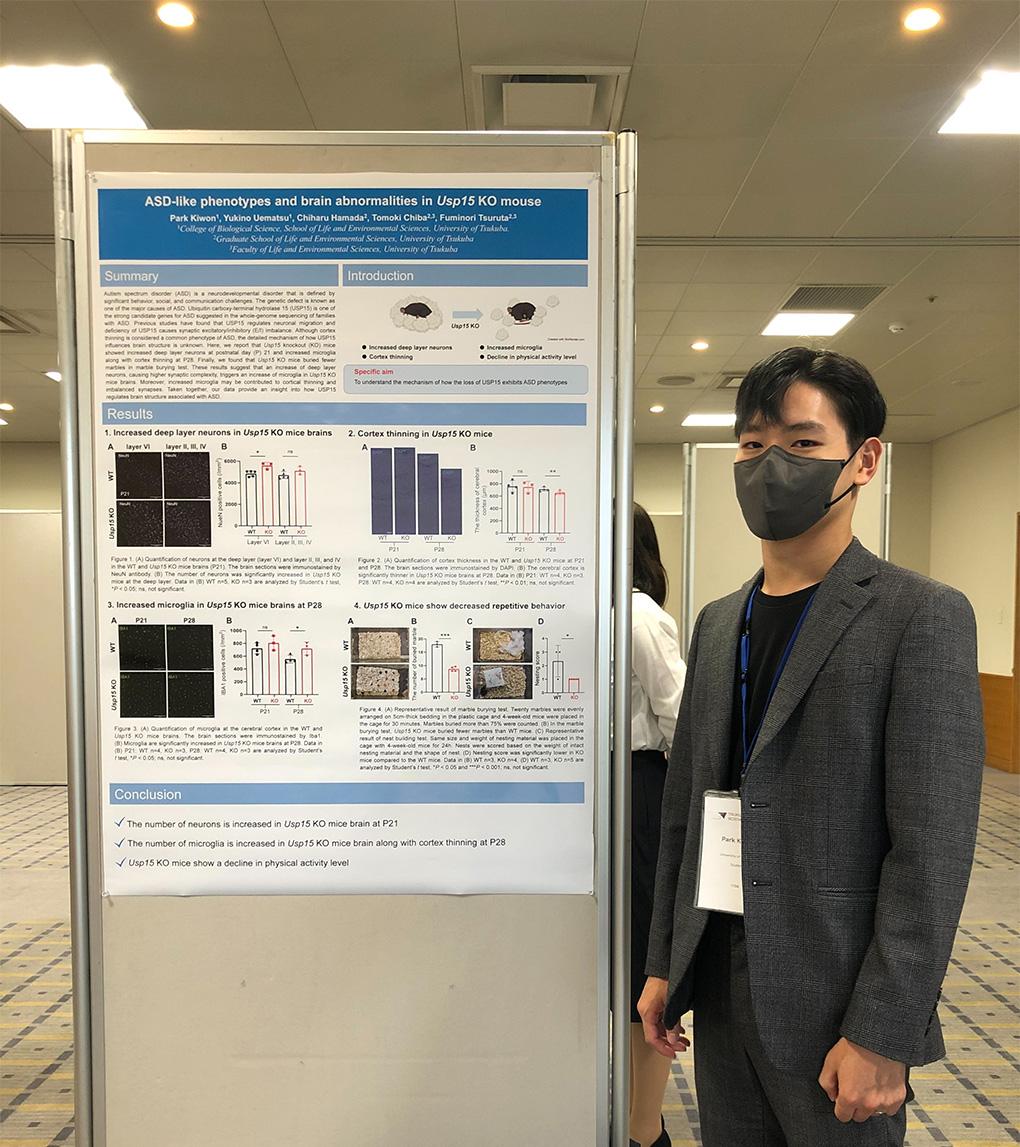
PARK KIWON
From Republic of Korea
-
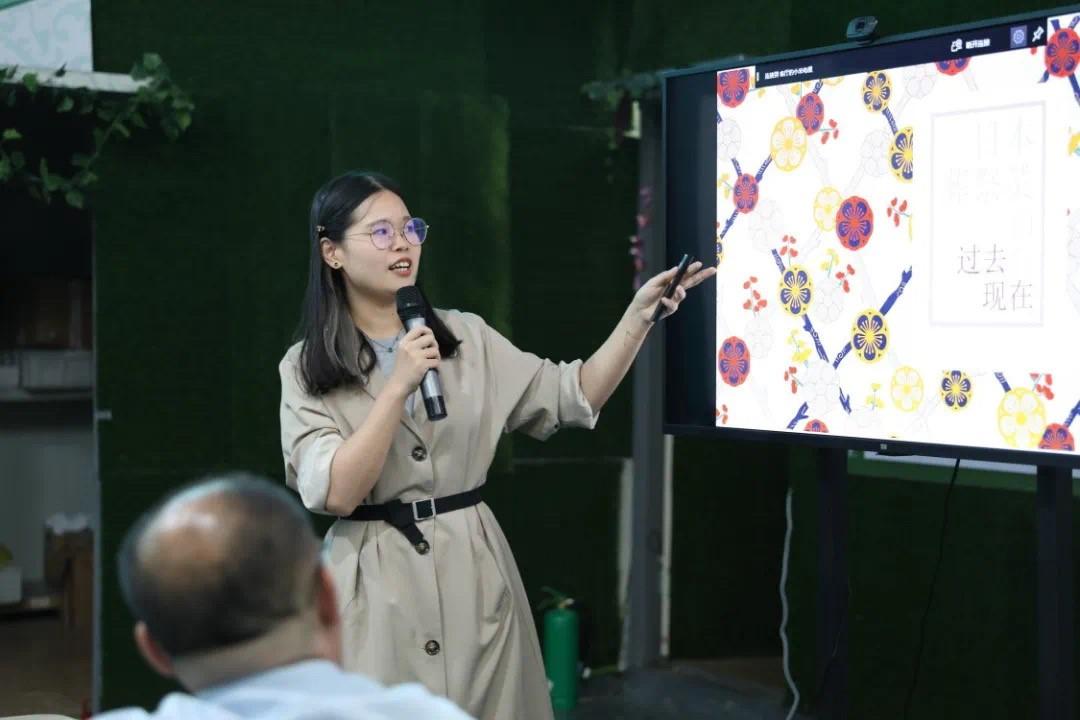
CHEN MIN
From China
-
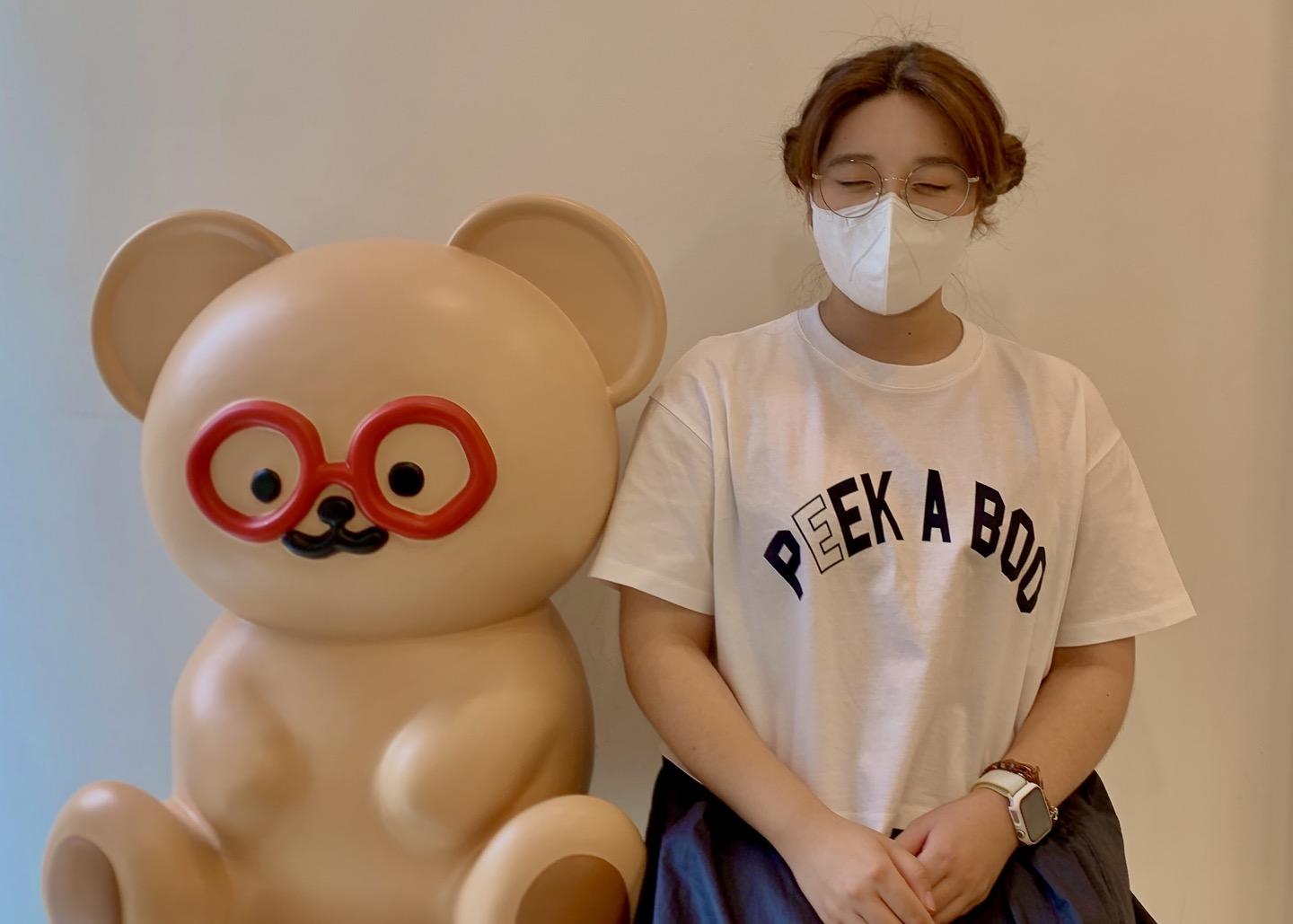
CHAEYEON LEE
From Republic of Korea
-
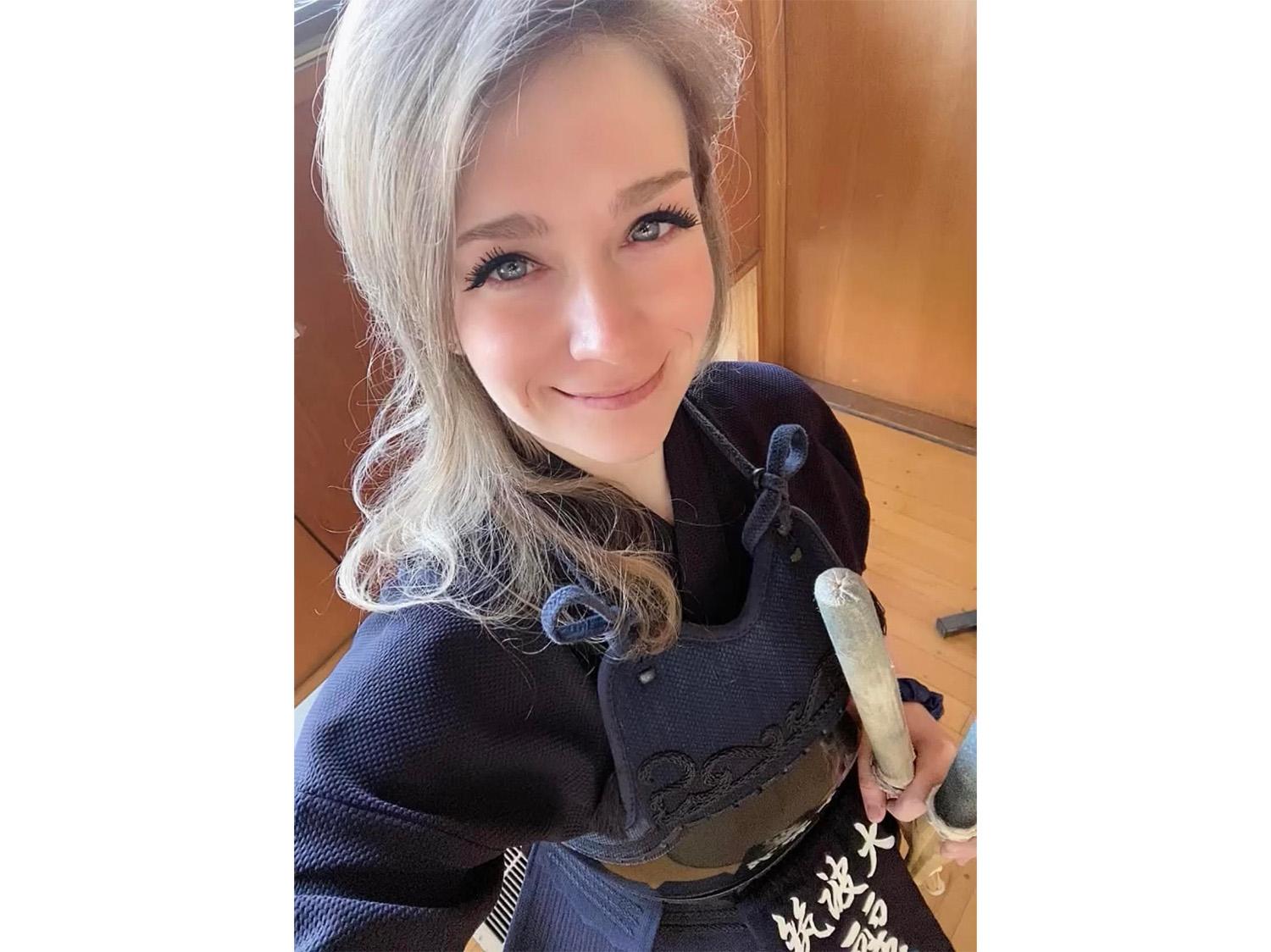
ELIZABETH BERGEN-BARTEL
From USA
-
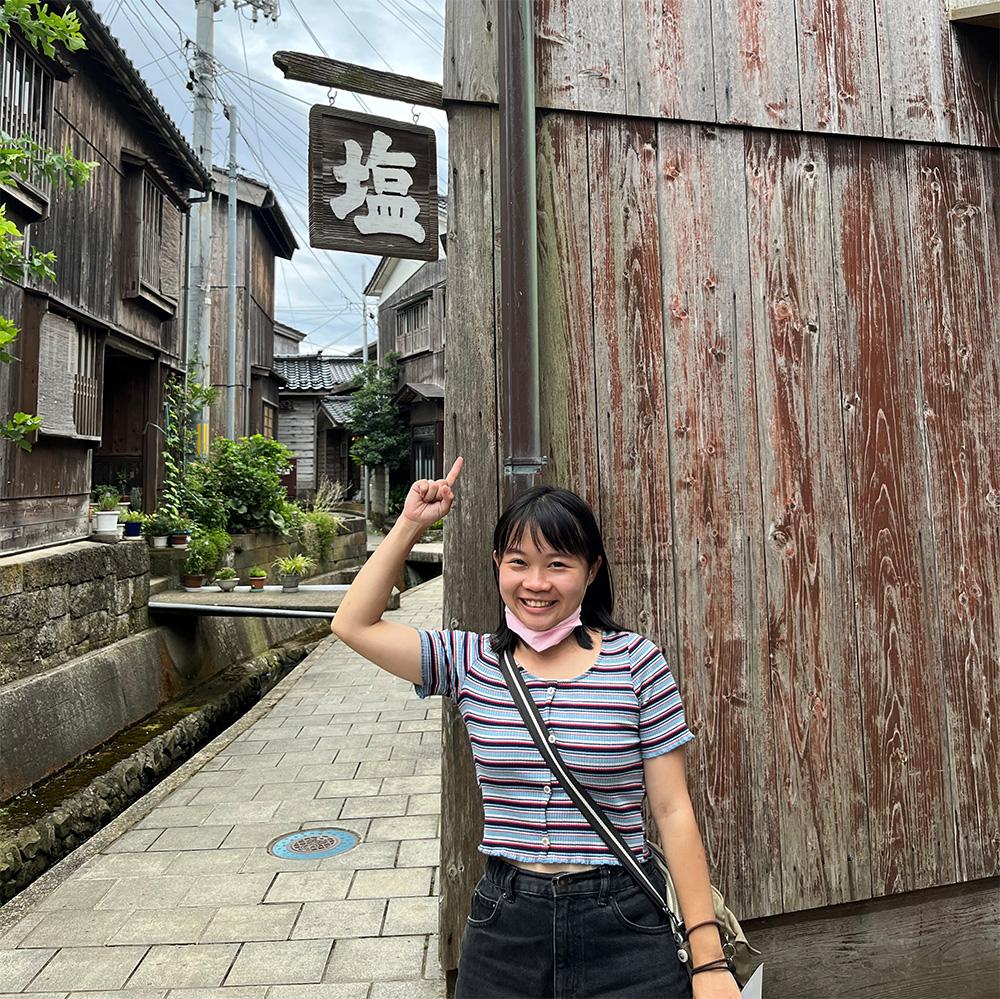
LIAO, HSIN-YEN
From Taiwan
-
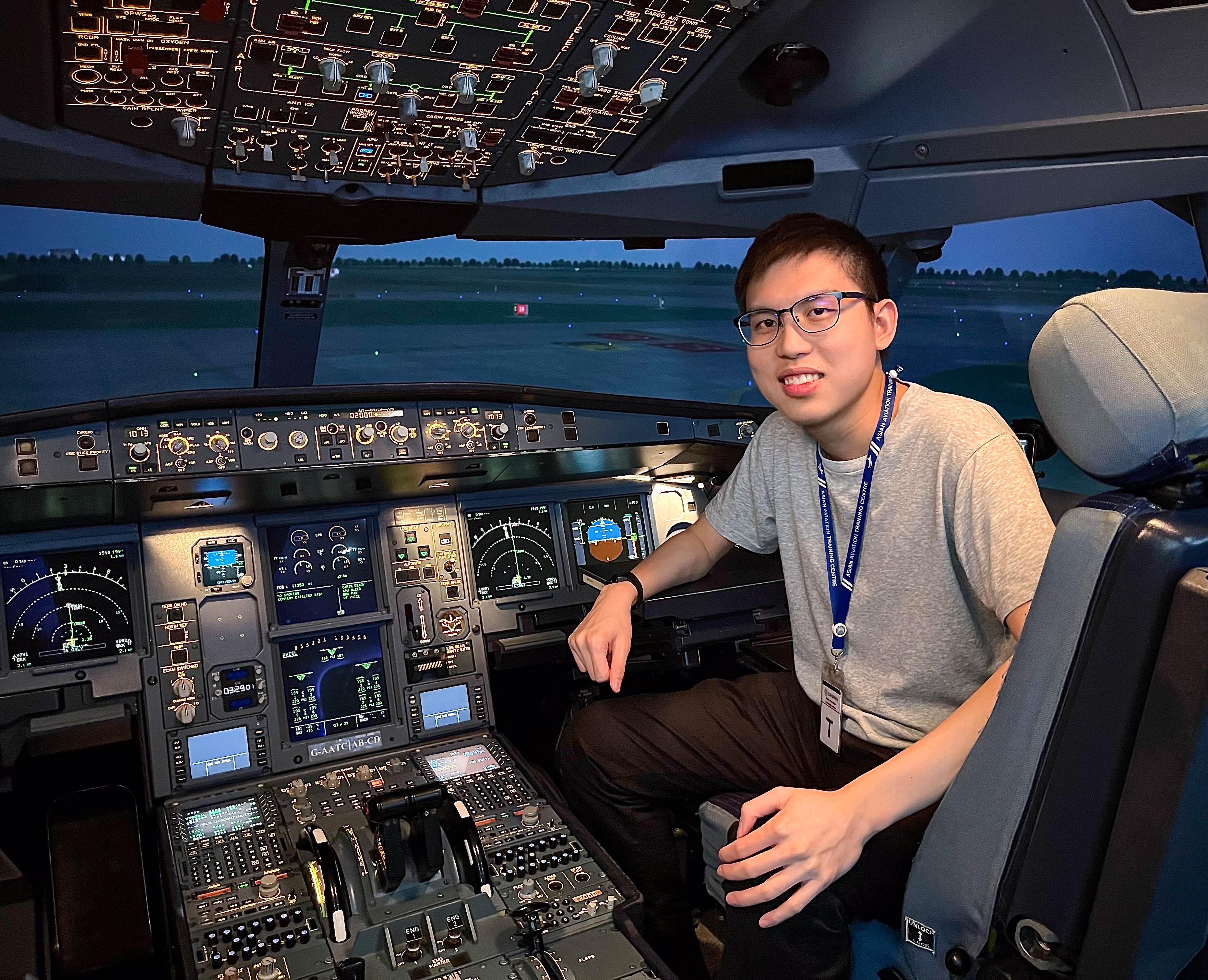
PAKORN WANGSUEKUL
From Thailand
-
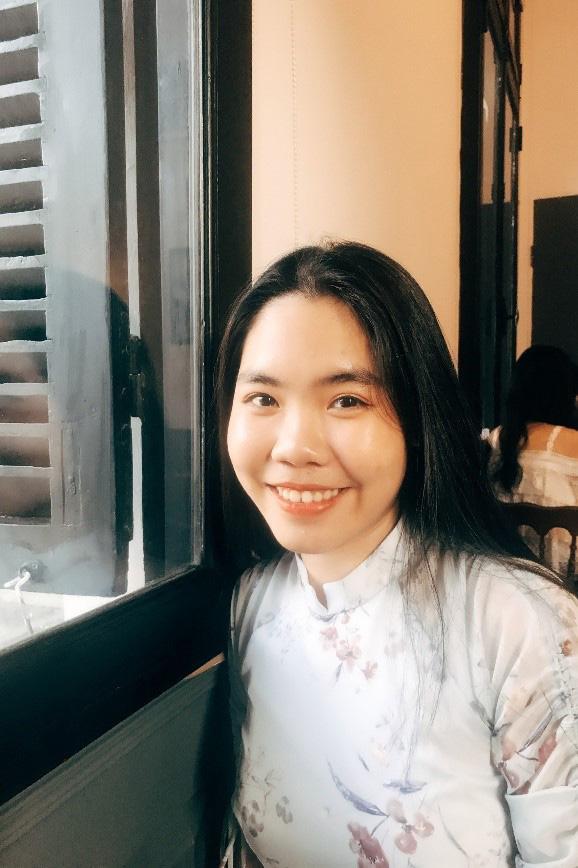
NGUYEN THUY ANH
From Vietnam
-

LAN CHI
From Vietnam
-
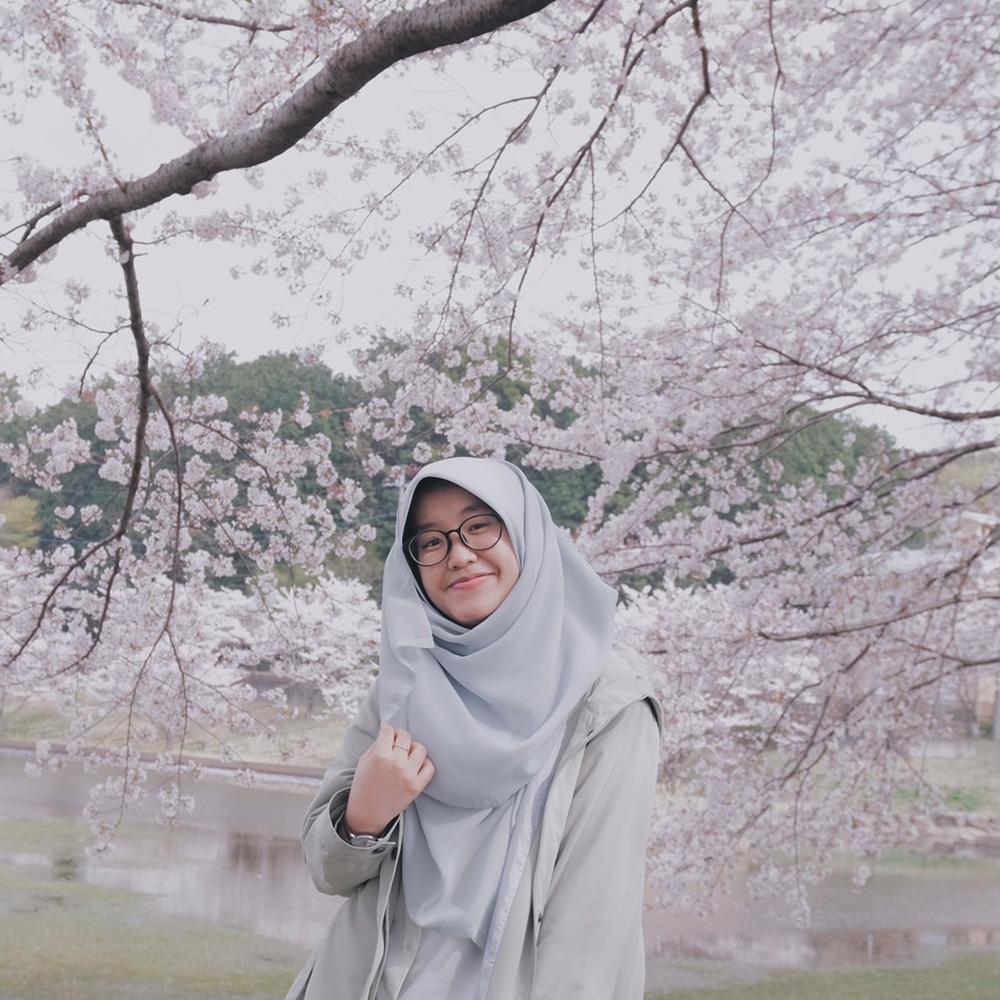
NADIA HASNA KARIMAH
From Indonesia
-
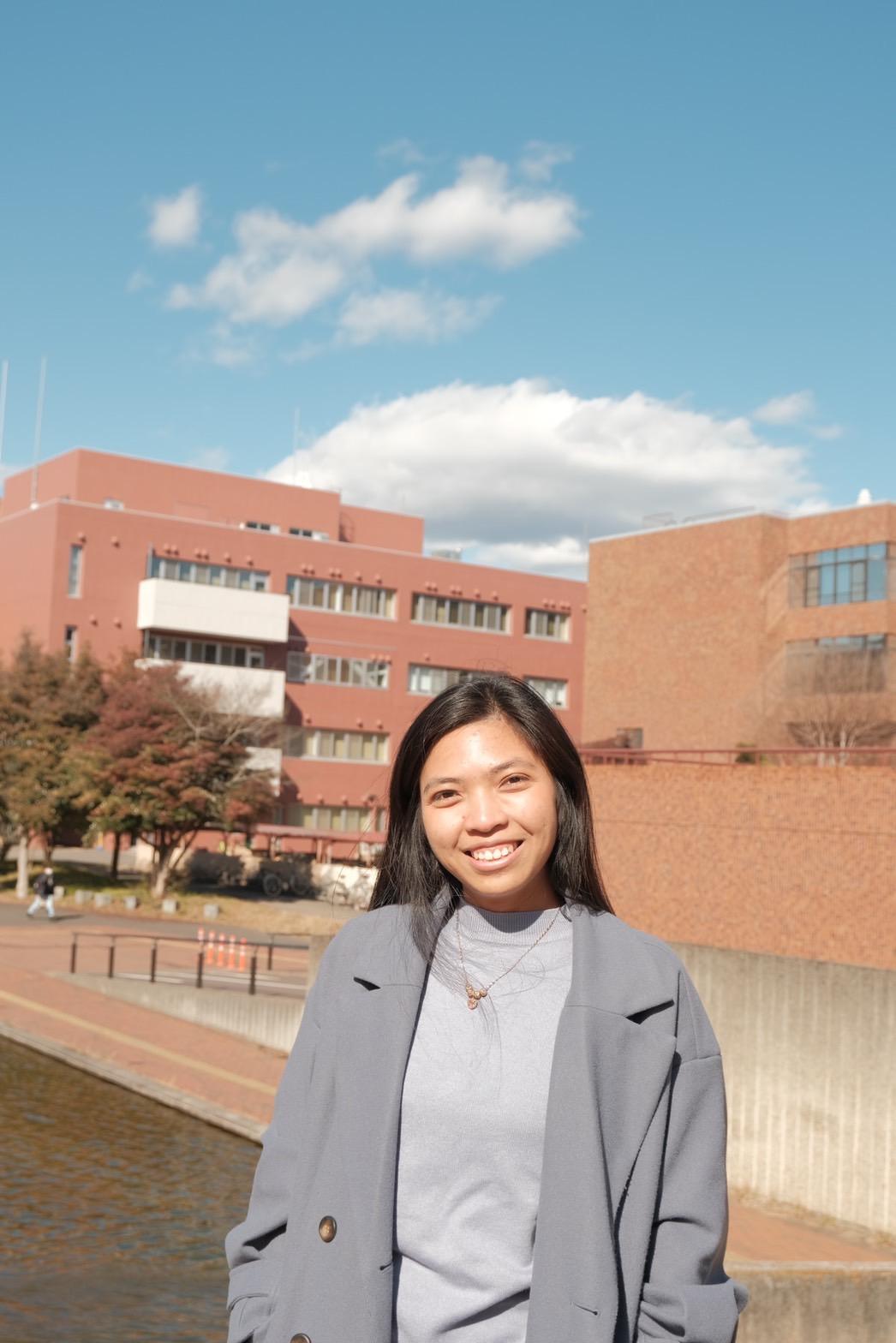
HNIN OO
From Myanmar
-
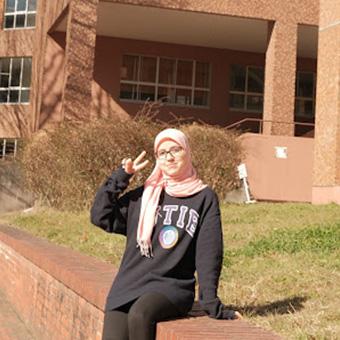
KAWTAR
From Morocco
-
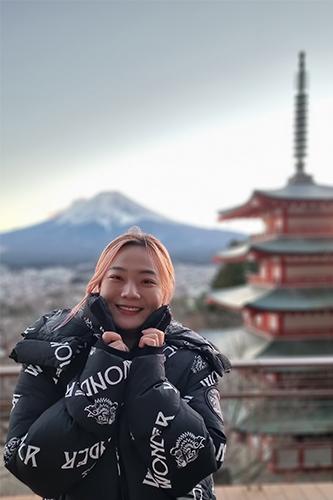
NA
From China
-
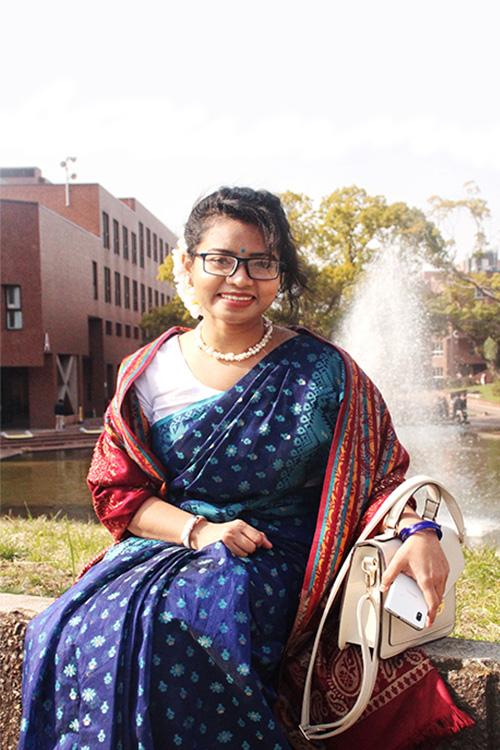
AFSARI
From Bangladesh
-
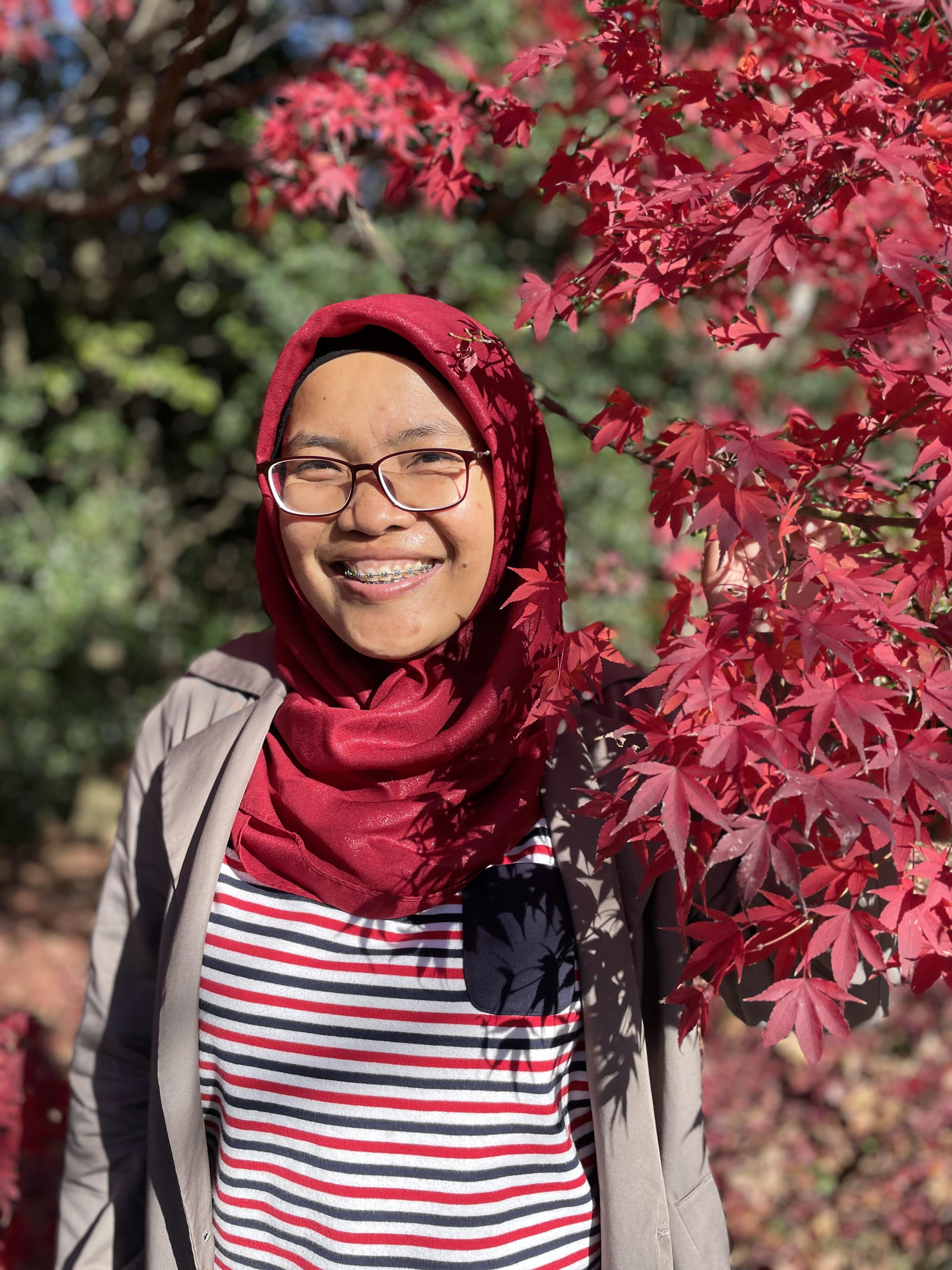
REZA
From Indonesia
-
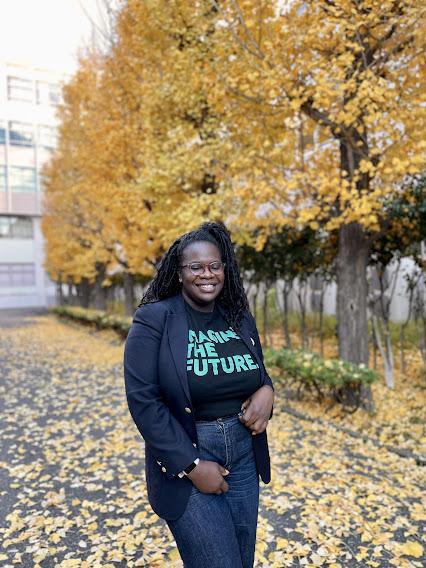
YOLANDA GRAÇA
From Angola
-
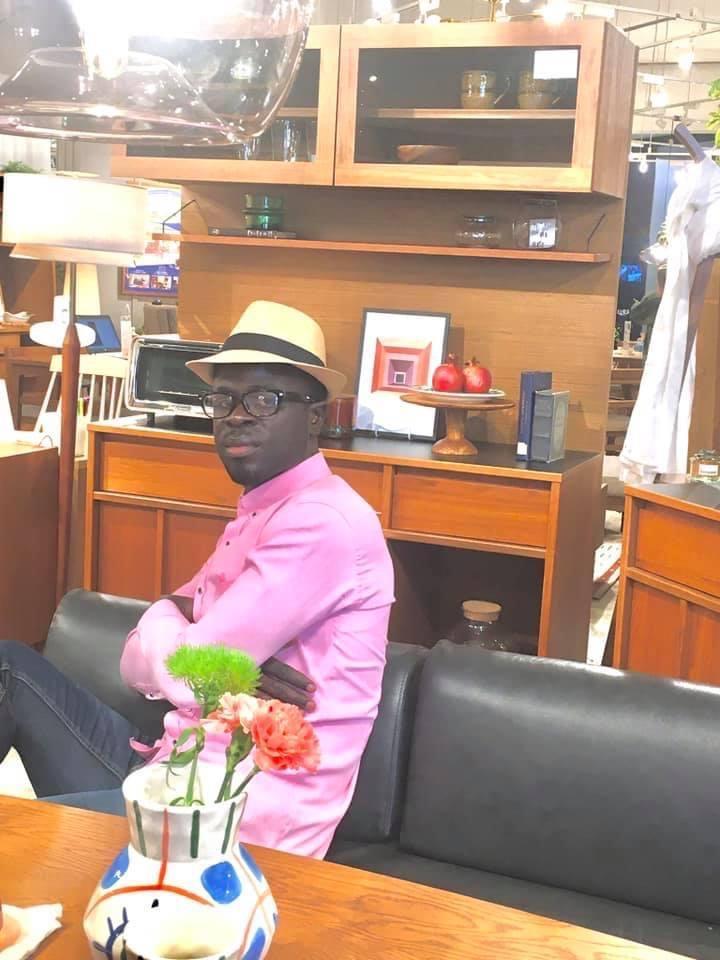
ADOM
From Ghana
-
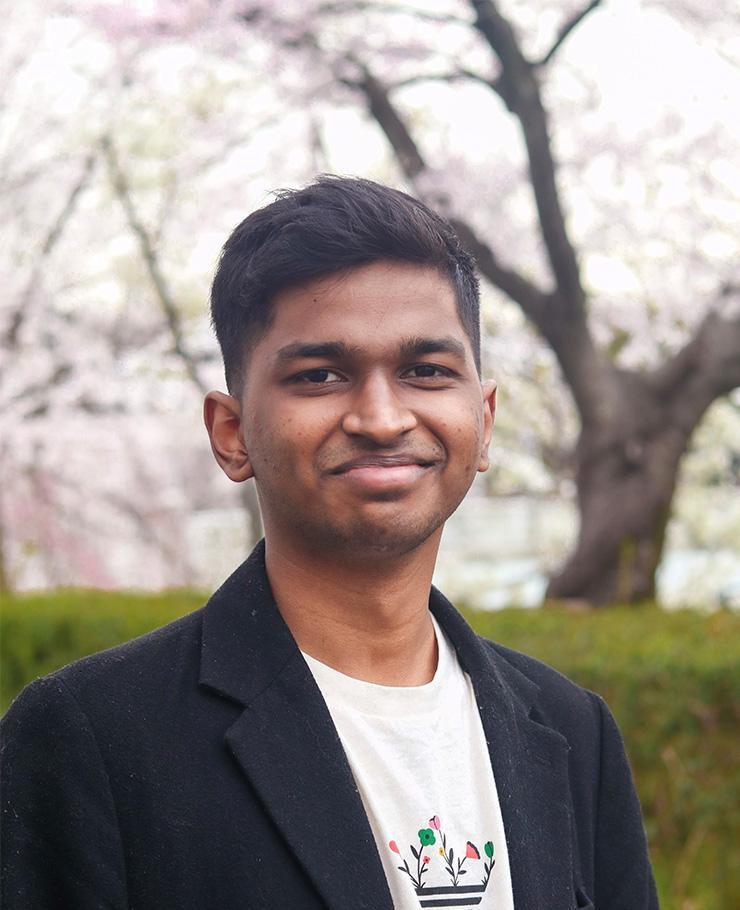
SUDHIR
From India
-
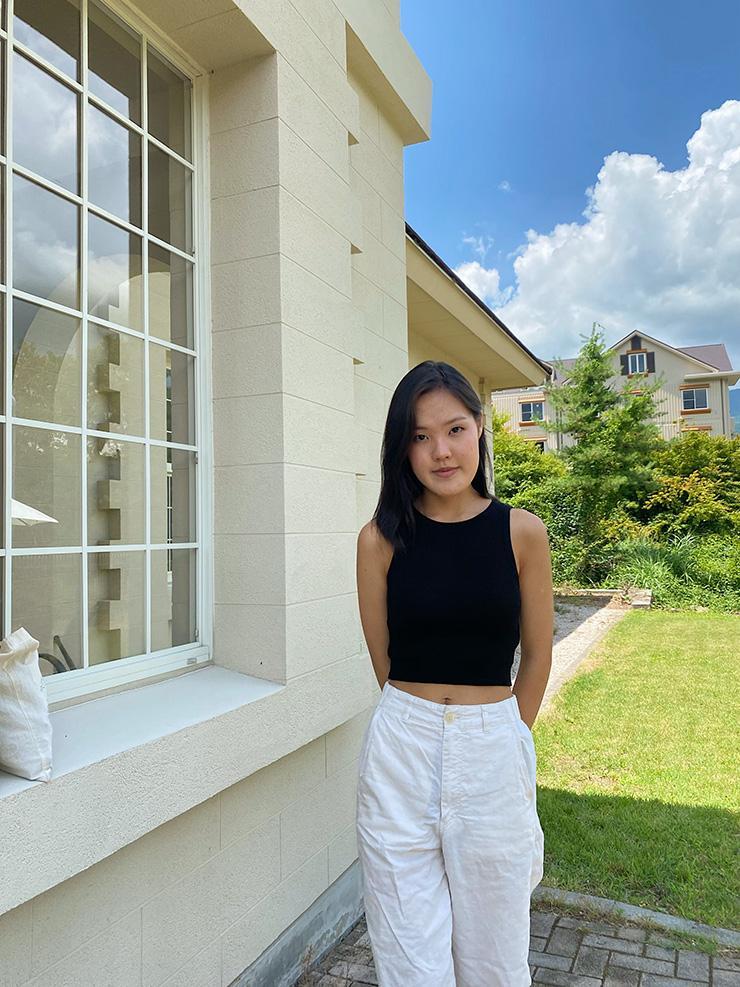
MIKI
From Mongolia/Japan
-
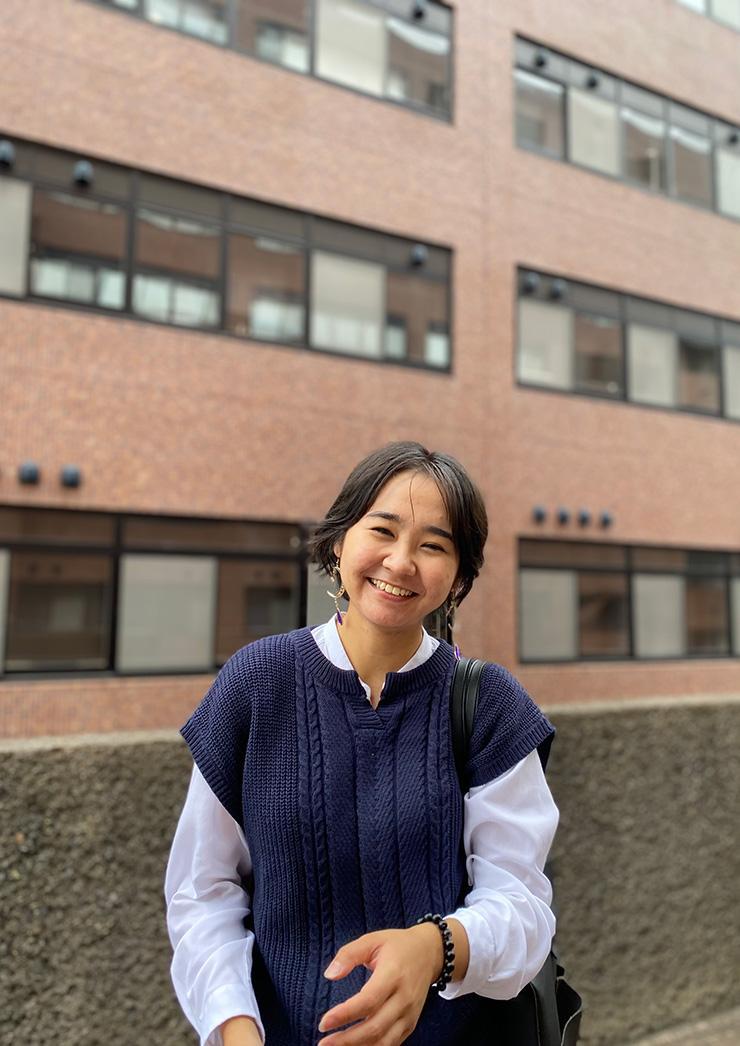
AISANA
From Kazakhstan
-
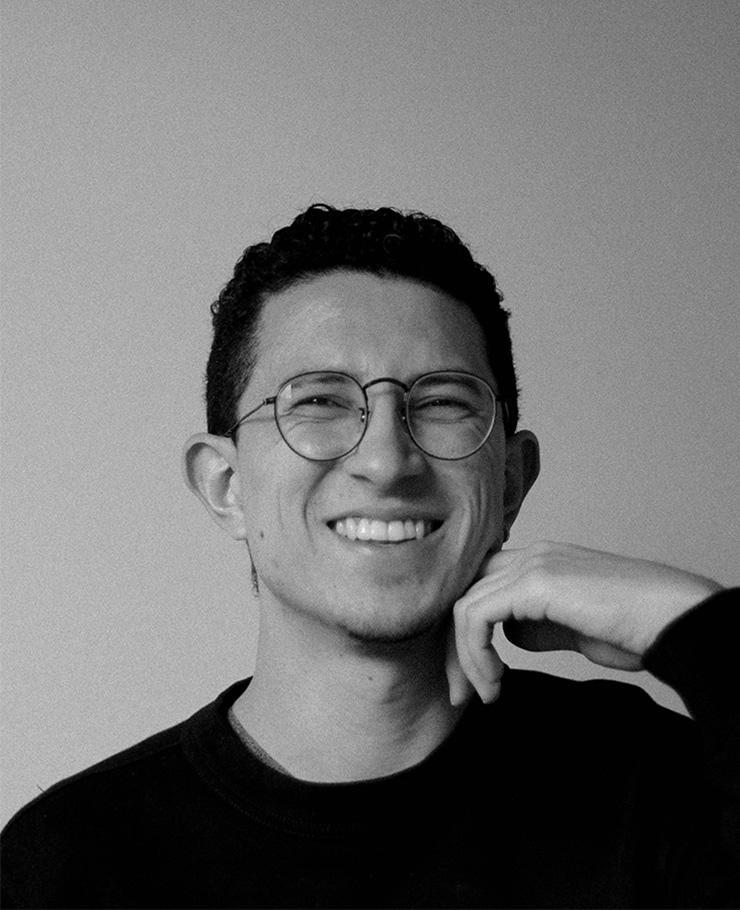
VITHOR SILVA
From Brazil
-
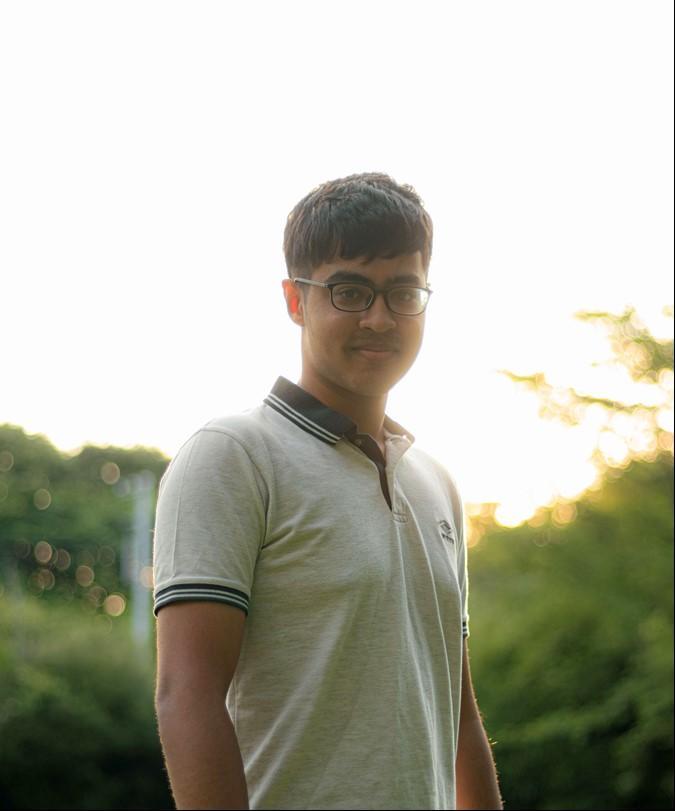
CHINMAY
From India
-
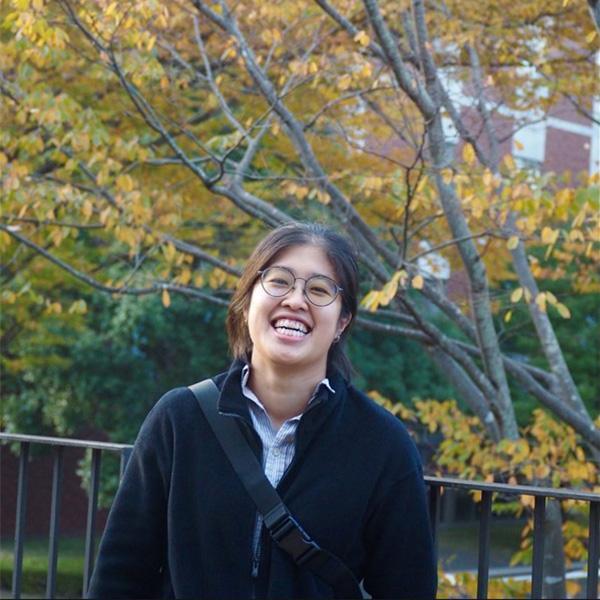
JEE
From Thailand
-
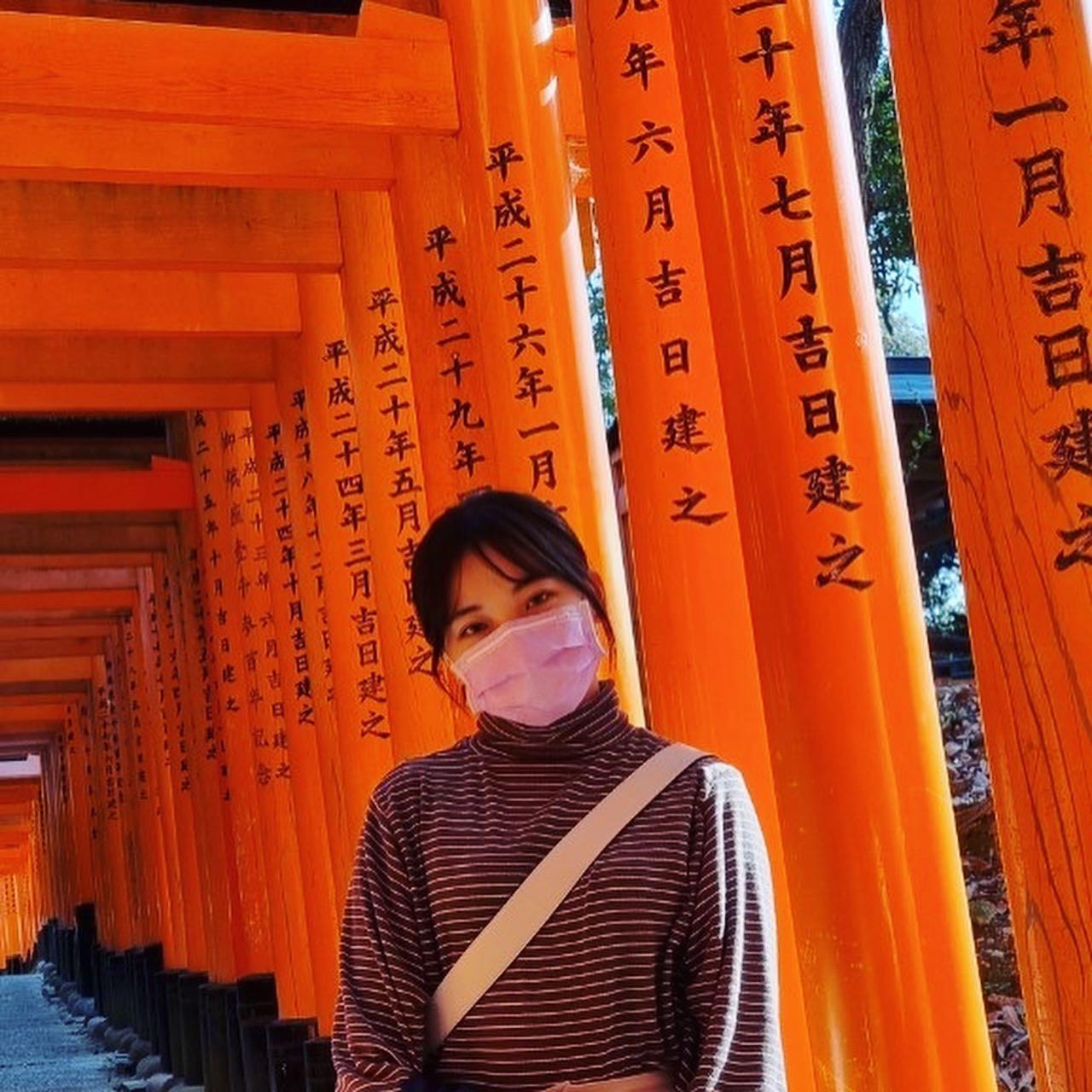
ISLA
From Taiwan
-
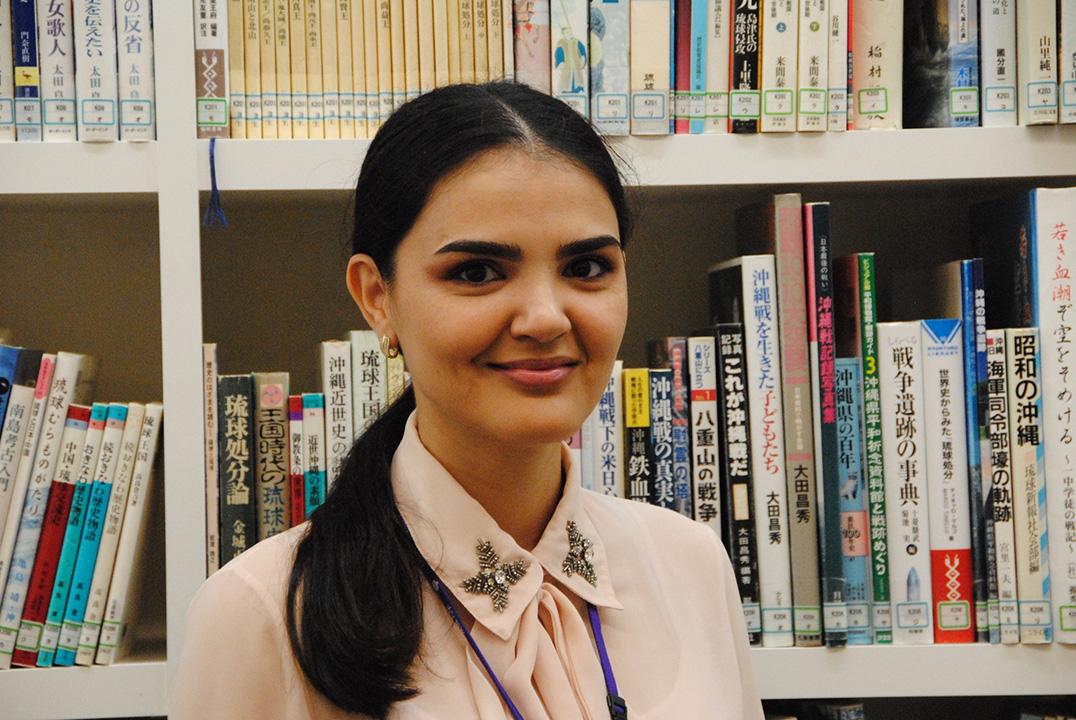
MIVE
From Turkmenistan
-
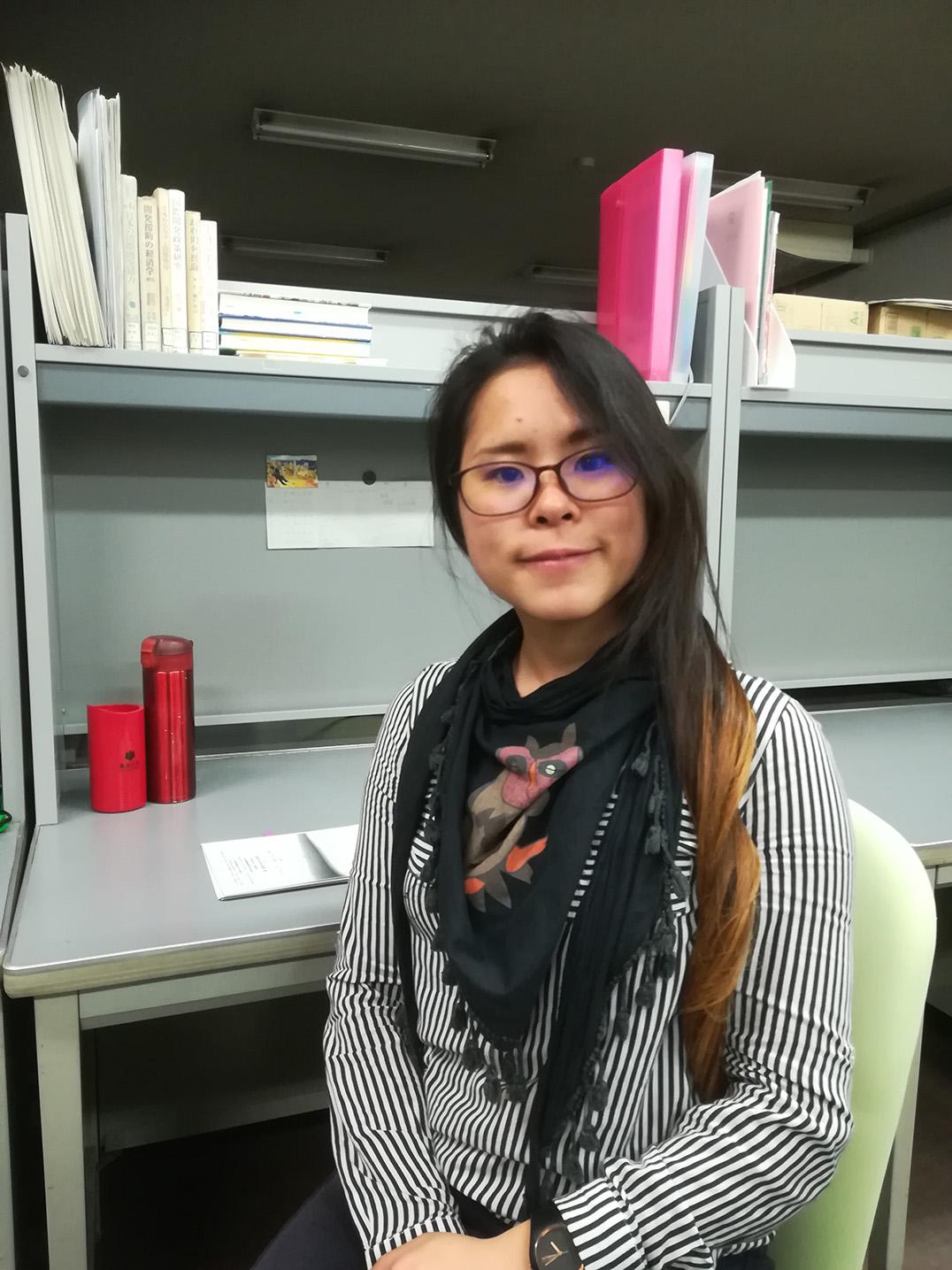
LAURA
From Argentina
-
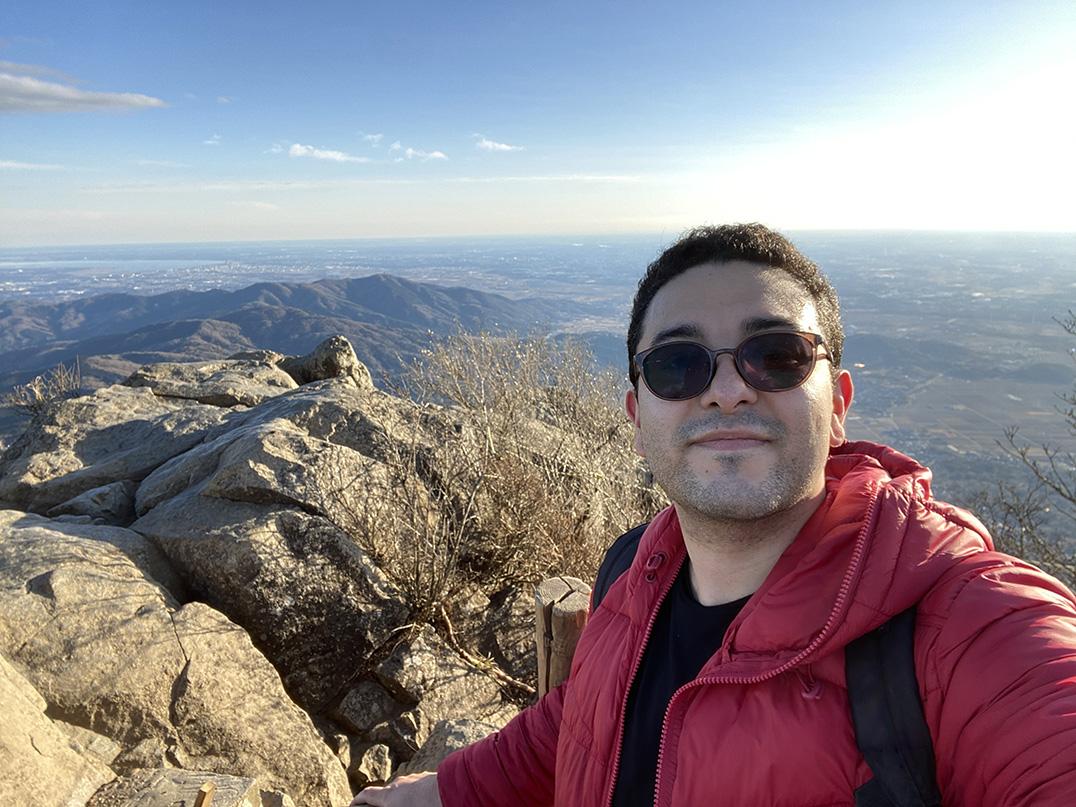
SERGIO
From Colombia
-
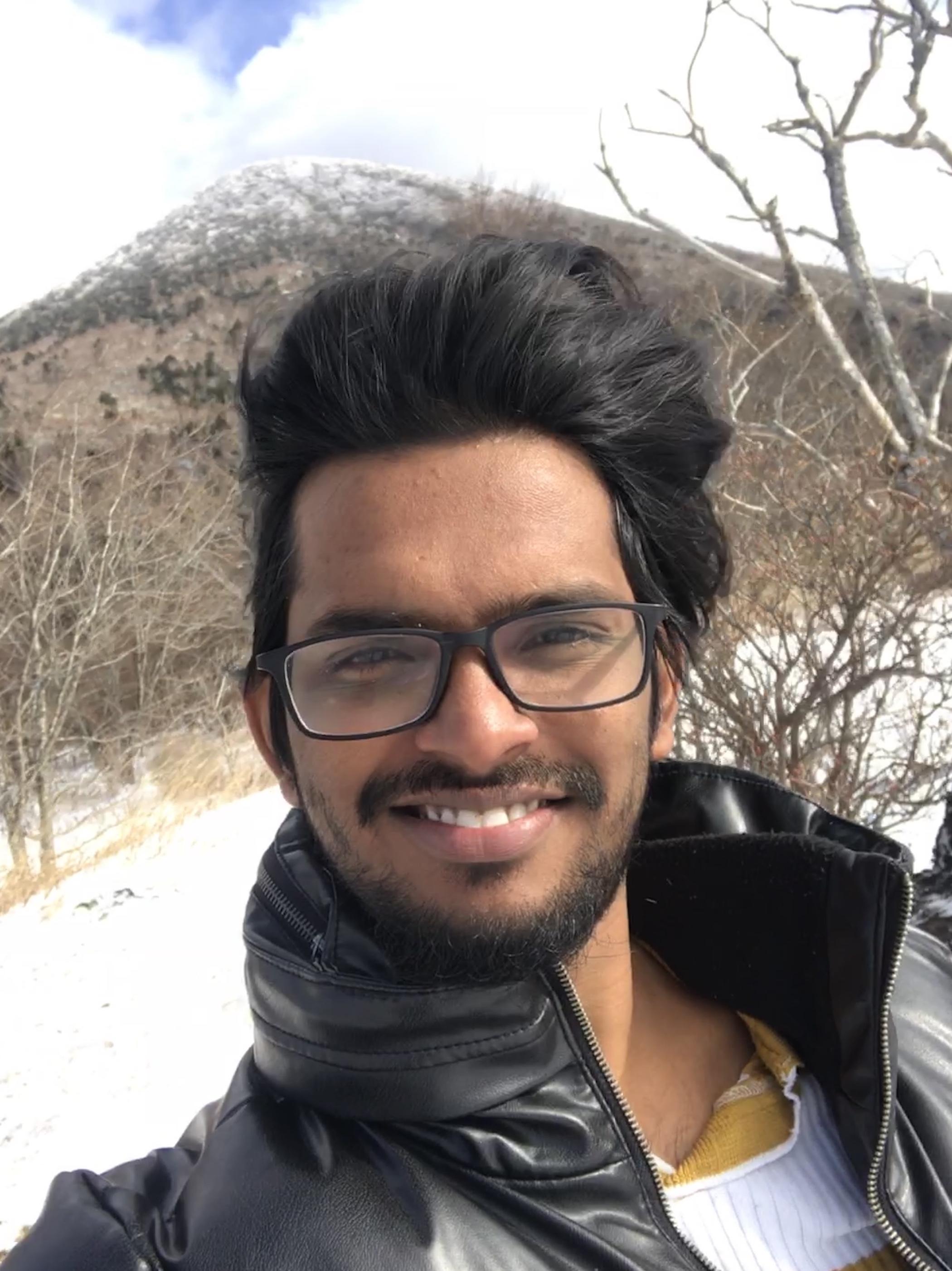
LENNY
From India
-
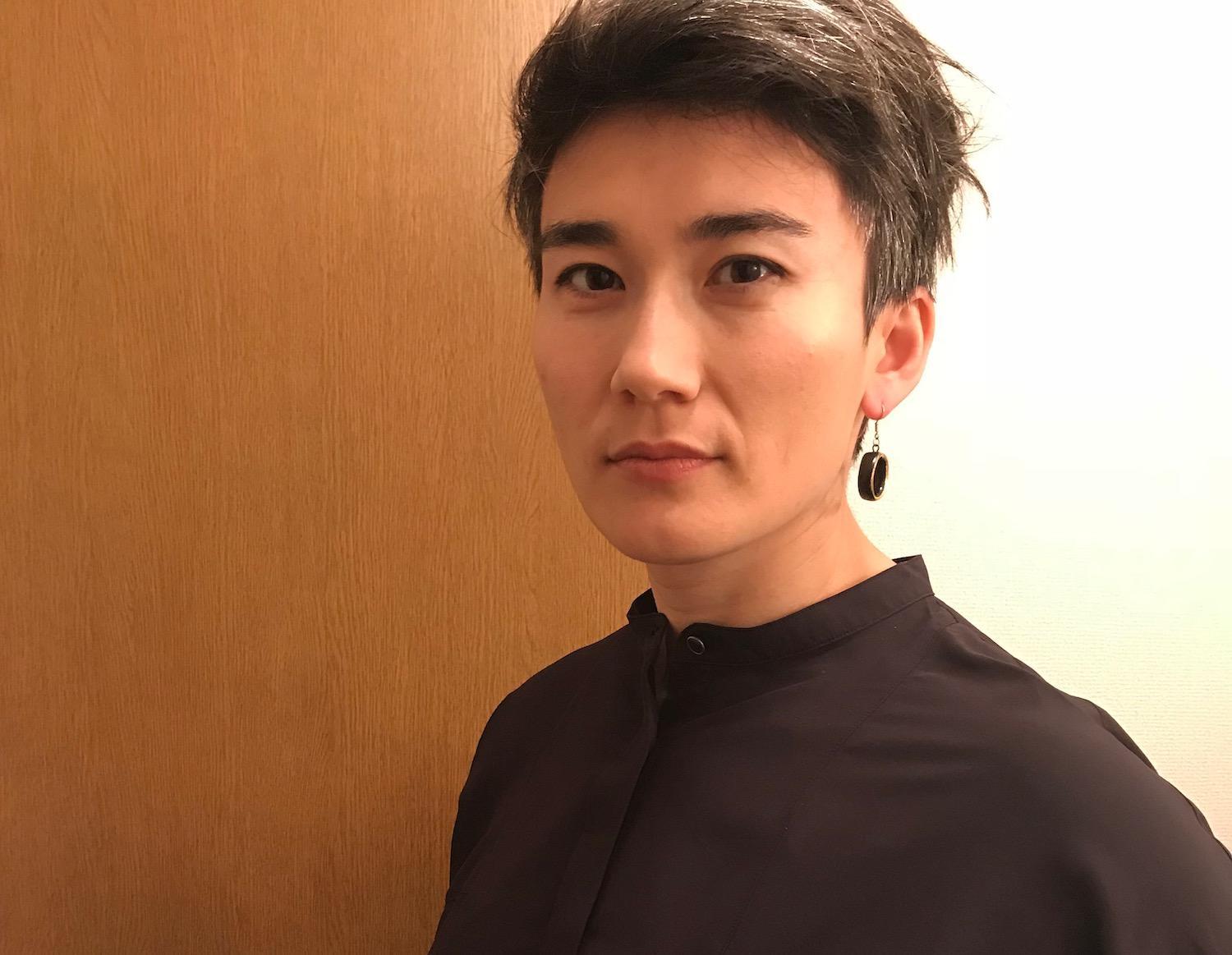
ZHANAR
From Kazakhstan
-
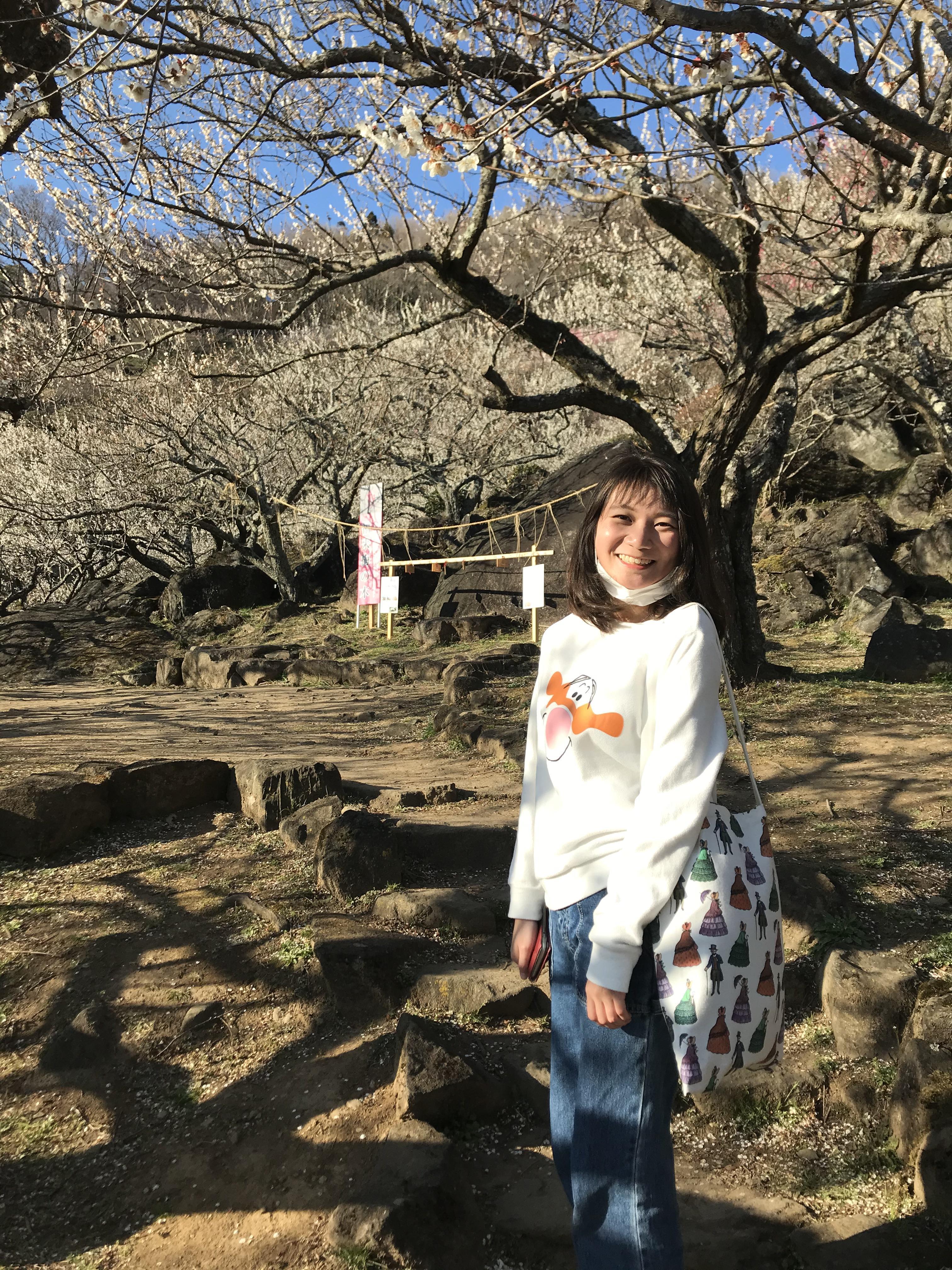
PENG
From Malaysia
-
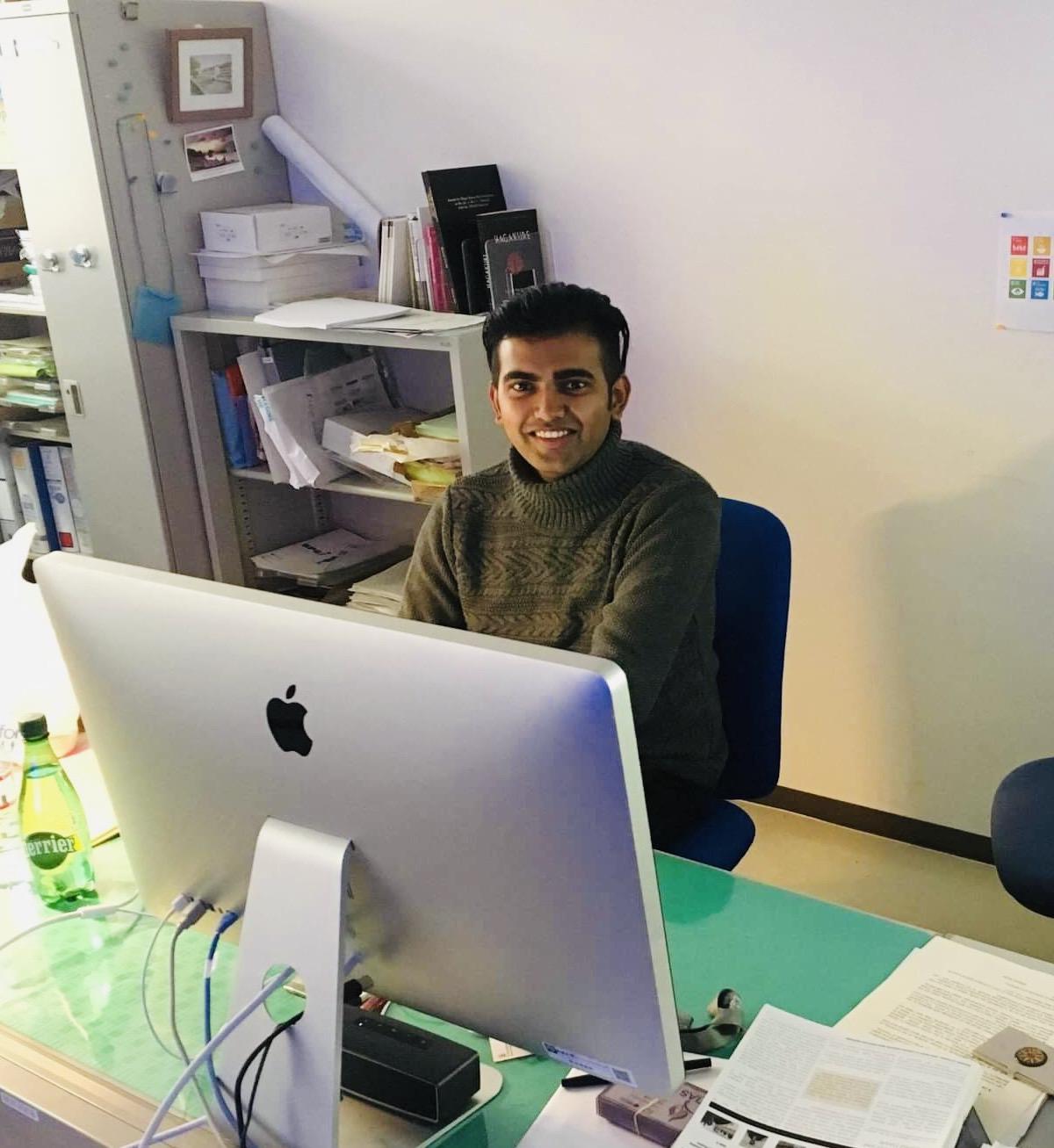
RAVI
From Nepal
-
SUNITA
From Nepal
-
ATOM
From Thailand