


Voices of International Students
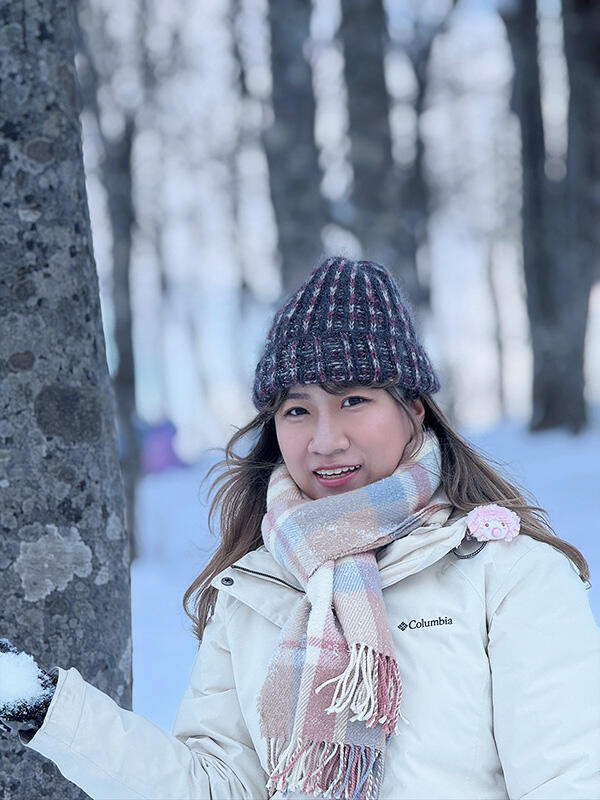
LI SZE CHING
School of Human Sciences, College of Disability Sciences
From Hong Kong
What sparked your interest in this university?
University of Tsukuba is well known as a leading national research university in Japan, which initially sparked my interest. In particular, my faculty offers a wide range of experienced professors who specialize in diverse areas of disability studies, including psychology, education, social work studies and practical support. This diversity allows students to learn from multiple perspectives and develop a comprehensive understanding of the field. I was especially drawn to the opportunity to engage with professors whose research aligns with my academic interests and to study in an environment that values interdisciplinary and evidence-based approaches.
What aspects of Japanese culture or customs surprised you? How did you adapt to these differences?
Having studied Japanese for more than ten years before coming to Japan, I was already familiar with many aspects of Japanese culture through language learning and everyday exposure to Japanese media. Therefore, there were few cultural differences that completely surprised me. However, one thing that impressed me after arriving in Japan was how university students make the most of their campus life. While maintaining their academic responsibilities, many students actively participate in circles and clubs, work part-time jobs, and take on internships or other extracurricular activities. I was particularly impressed by how well they manage their time and balance these different commitments. Inspired by my Japanese classmates, I became more conscious of planning my own schedule and making effective use of my time. This experience has helped me develop stronger time-management skills and enjoy a more fulfilling university life in Japan.
What do you enjoy about Tsukuba?
One of the things I enjoy most about Tsukuba is its comfortable living environment and international atmosphere. Tsukuba has a relatively mild weather and plenty of green spaces, which makes daily life very pleasant. Tsukuba is also very welcoming to people from different cultural backgrounds and provides numerous opportunities for international students to become involved in the local community.
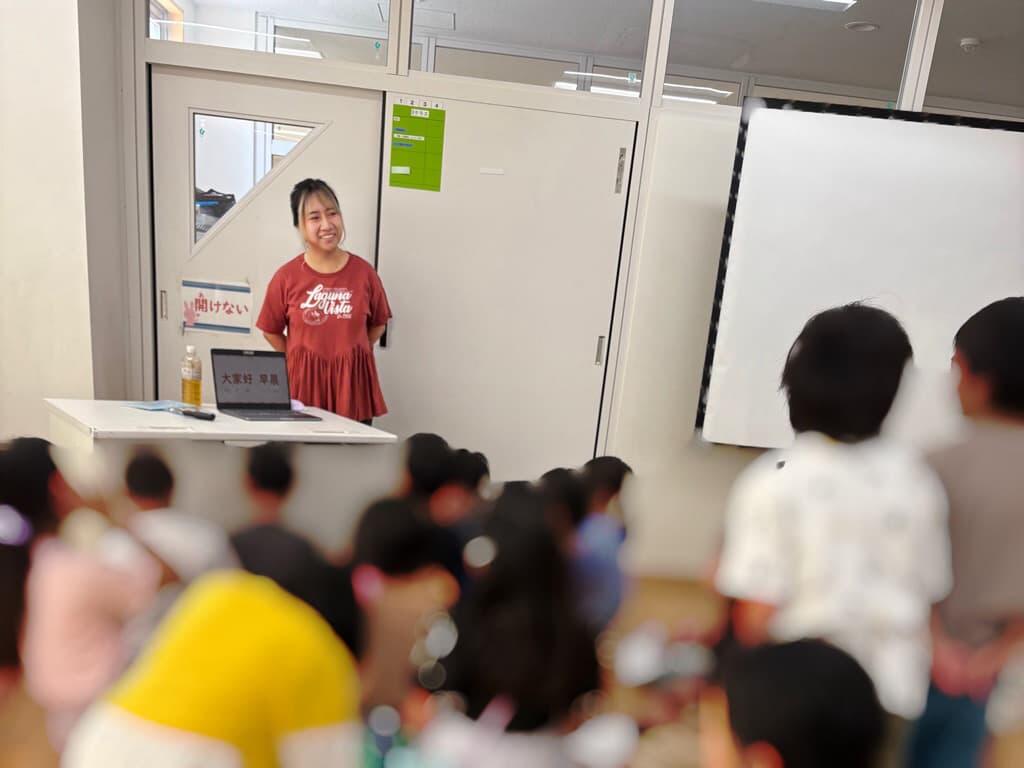
One experience I particularly value is working with the city hall as an Instructor for International Understanding Classes. Through this program, I visit elementary and junior high schools to introduce my home country and culture to local students. These interactions allow me to share my background while learning more about Japanese society and education. I believe opportunities like this are one of Tsukuba's greatest strengths, as they encourage cultural exchange and help international students build meaningful connections with the local community.
What do you hope to achieve during your time here?
During my time at the University of Tsukuba, I hope to obtain the Japanese national qualification for social workers (社会福祉士). Through lectures and field placements at welfare-related facilities, I have gained valuable knowledge and practical experience while developing a deeper understanding of Japan's social welfare system.
These experiences have also helped me feel more connected to the local community. I am grateful for the opportunities to engage with people from diverse backgrounds and learn about social issues at the grassroots level. Moving forward, I hope to continue expanding my knowledge and practical skills so that I can make meaningful contributions to society and support those in need.
What do you think makes the University of Tsukuba special?
I believe one of the things that makes the University of Tsukuba special is its large and diverse campus environment. The university brings together students and researchers from a wide range of academic fields, creating many opportunities to meet people with different perspectives and interests.
Another unique feature is the flexibility of its curriculum. Students are able to take elective courses offered by different schools and programs, allowing them to explore subjects beyond their major. I appreciate this interdisciplinary approach because it encourages intellectual curiosity and helps students develop a broader understanding of society. The combination of academic flexibility and a vibrant campus community makes studying at the University of Tsukuba a truly rewarding experience.
-
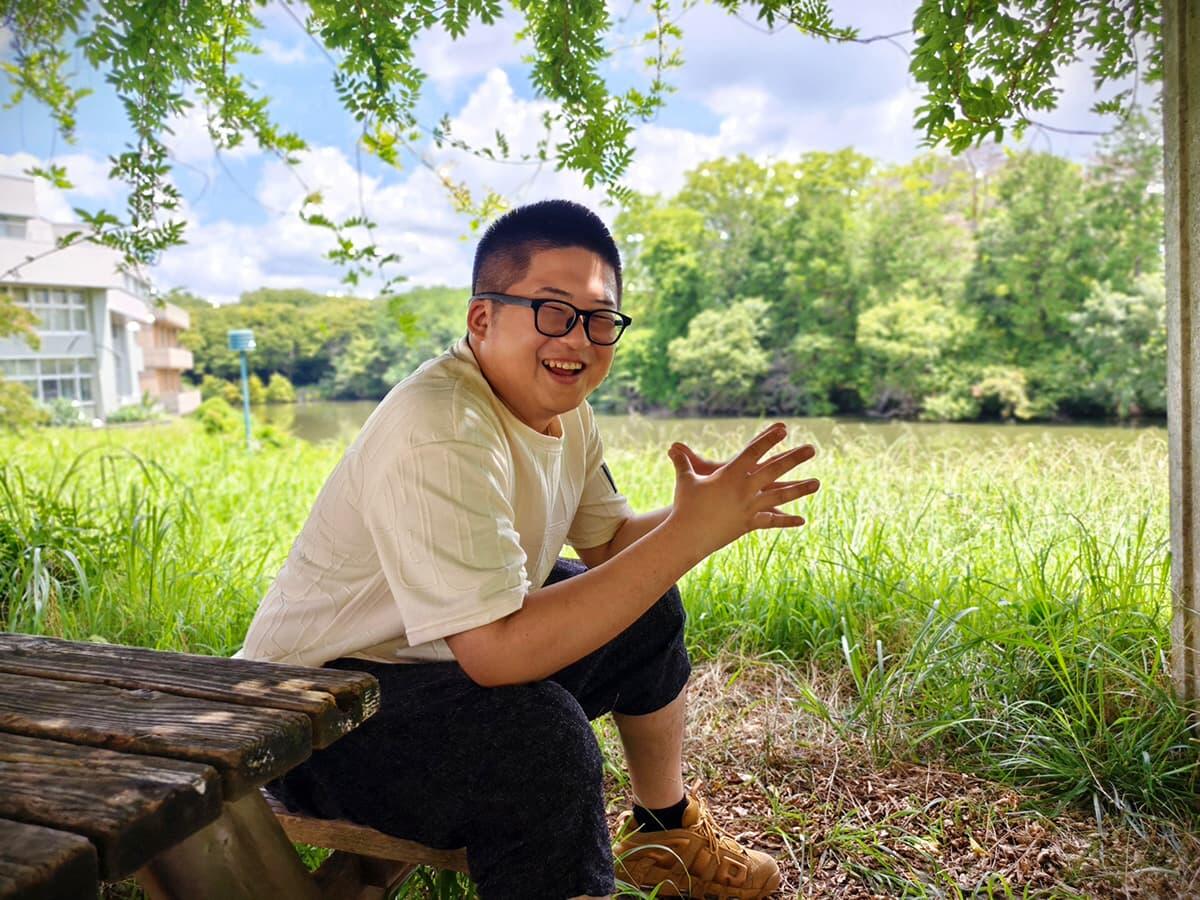
YI-FU LIU
From China
-
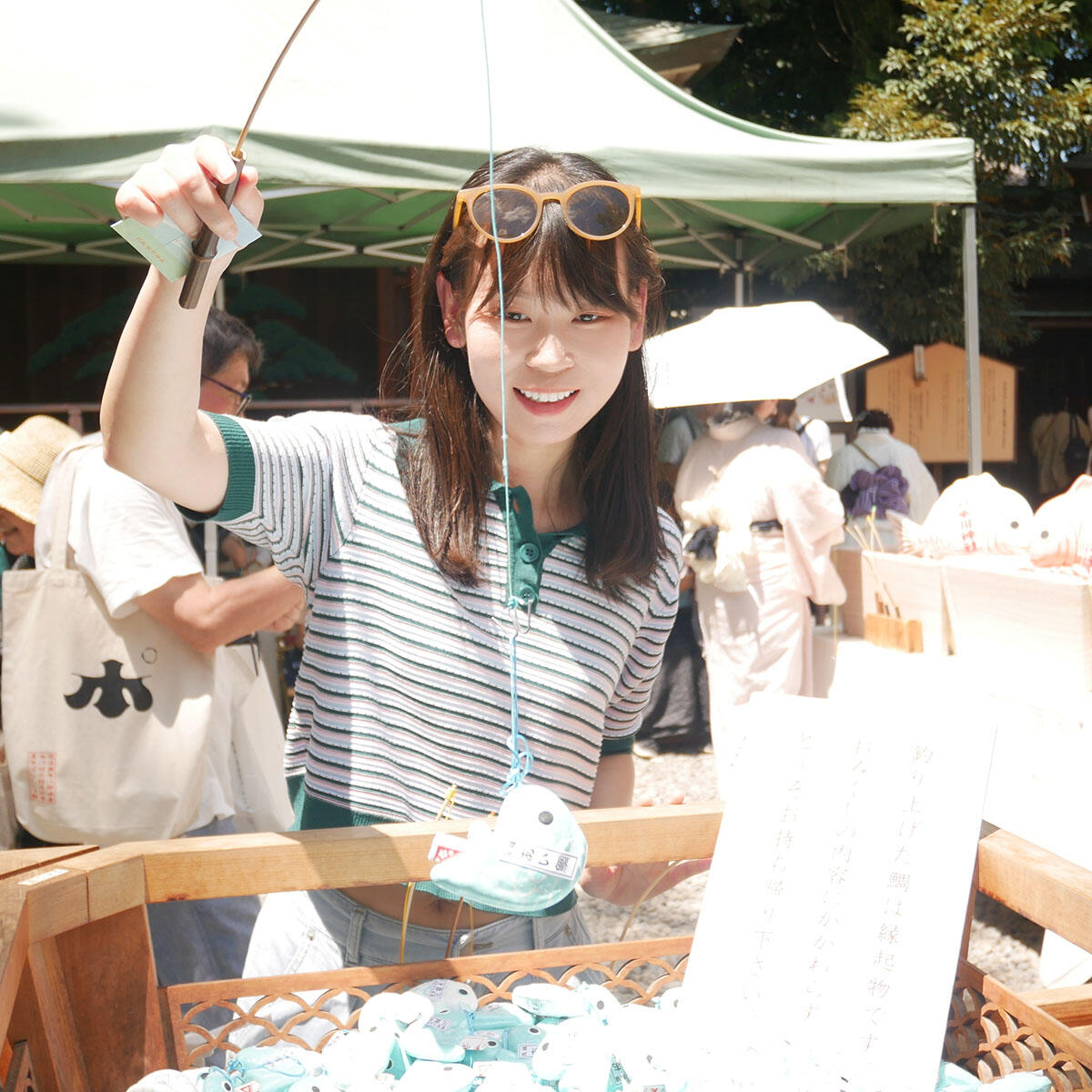
XINGYA YUAN
From China
-
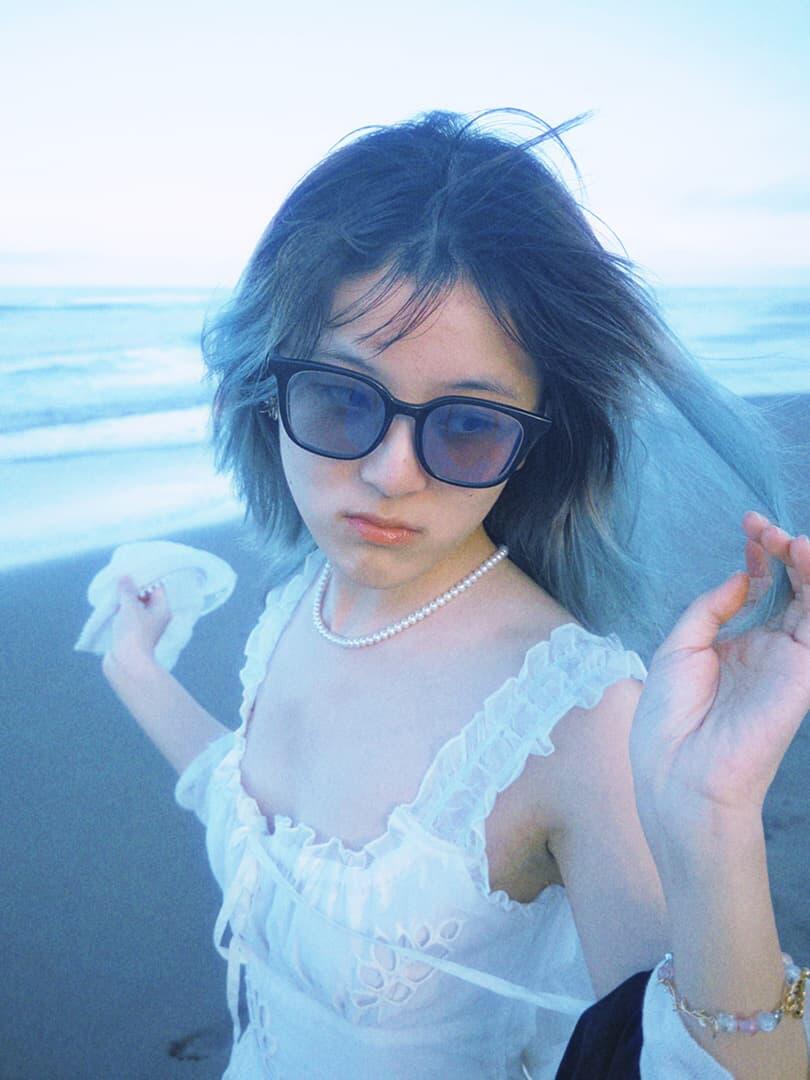
礼 (LI)
From China
-
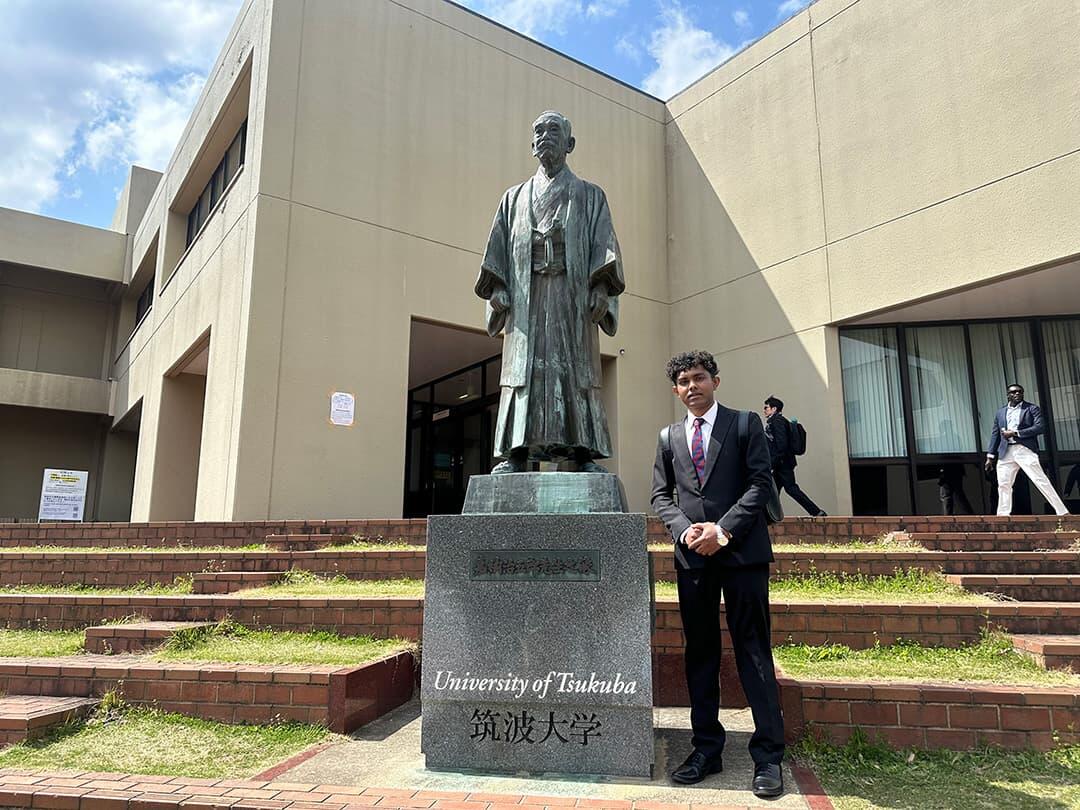
PULUSEN SATHYAJITH ARIYASINGHE
From Sri Lanka
-
SAKNARIN NIN-INJAN
From Thailand
-
HIRUNI HUNUKUMBURA
From Sri Lanka
-
HAN CHON TEH
From Malaysia
-
MD MEHEDI HASAN
From Bangladesh
-
LI SZE CHING
From Hong Kong
-
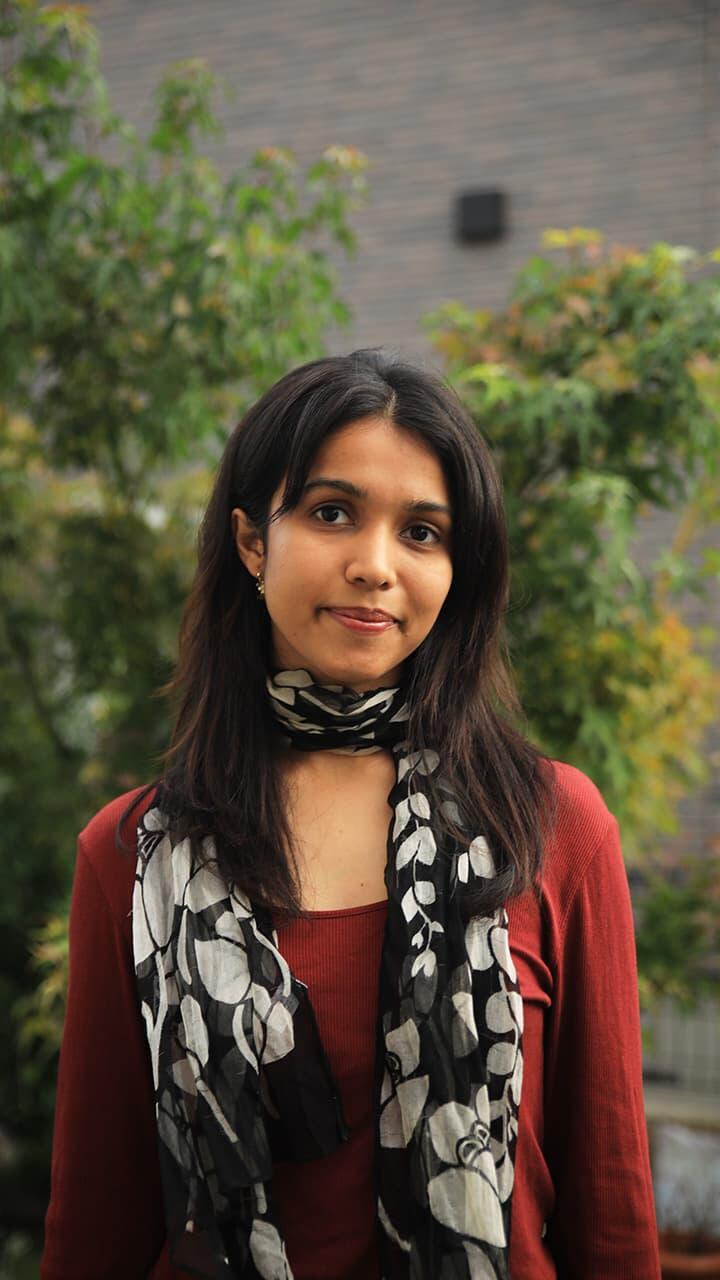
SIYA JITENDRA DESHPANDE
From India
-
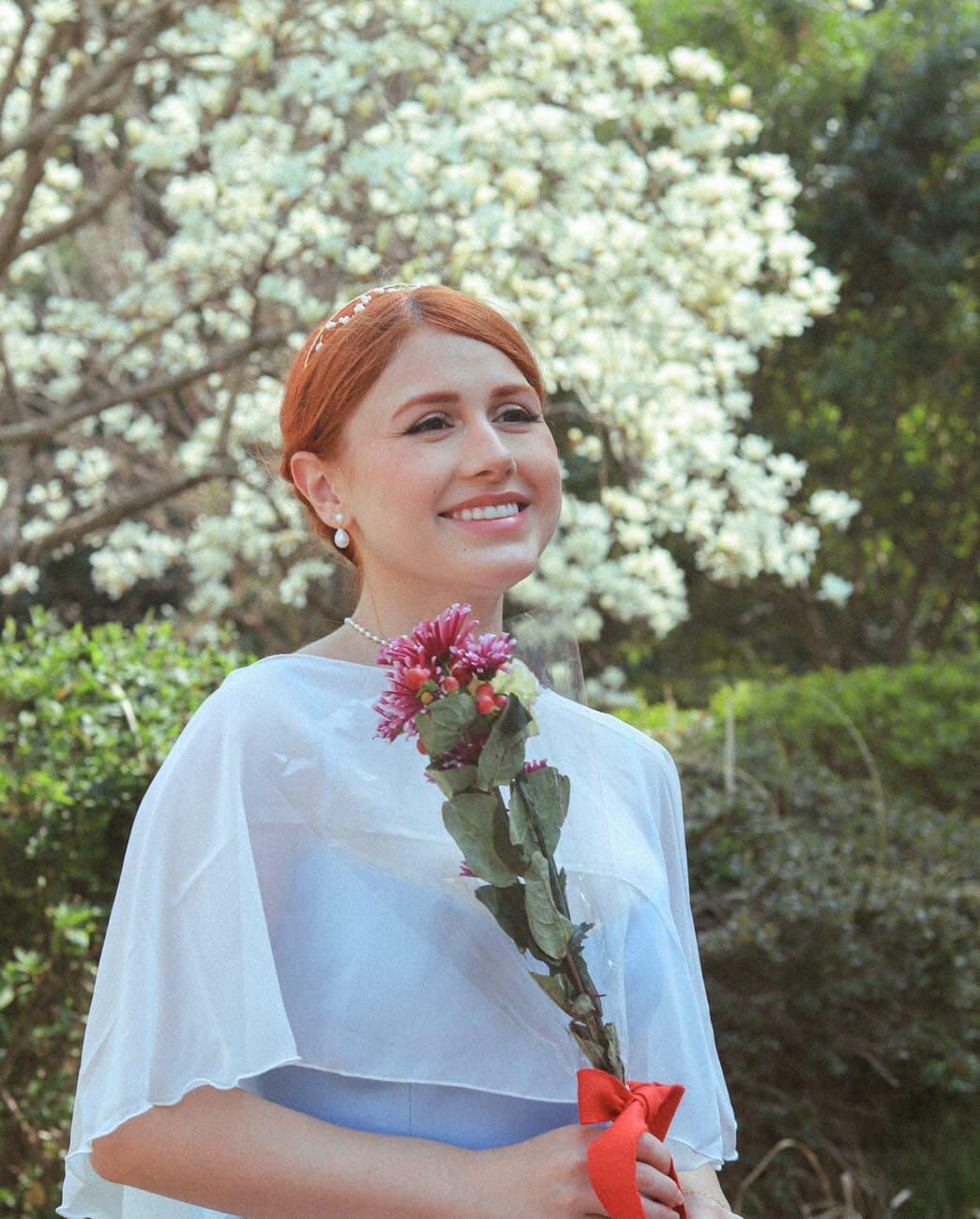
RIBEIRO FALCÃO LORRANA
From Brazil
-
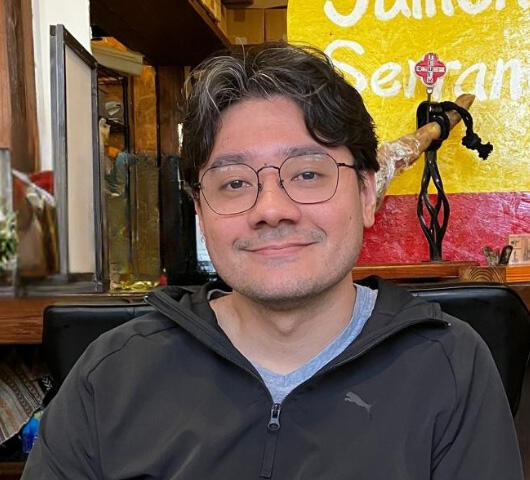
VICTOR MASSAKI NAKAGUCHI
From Brazil
-
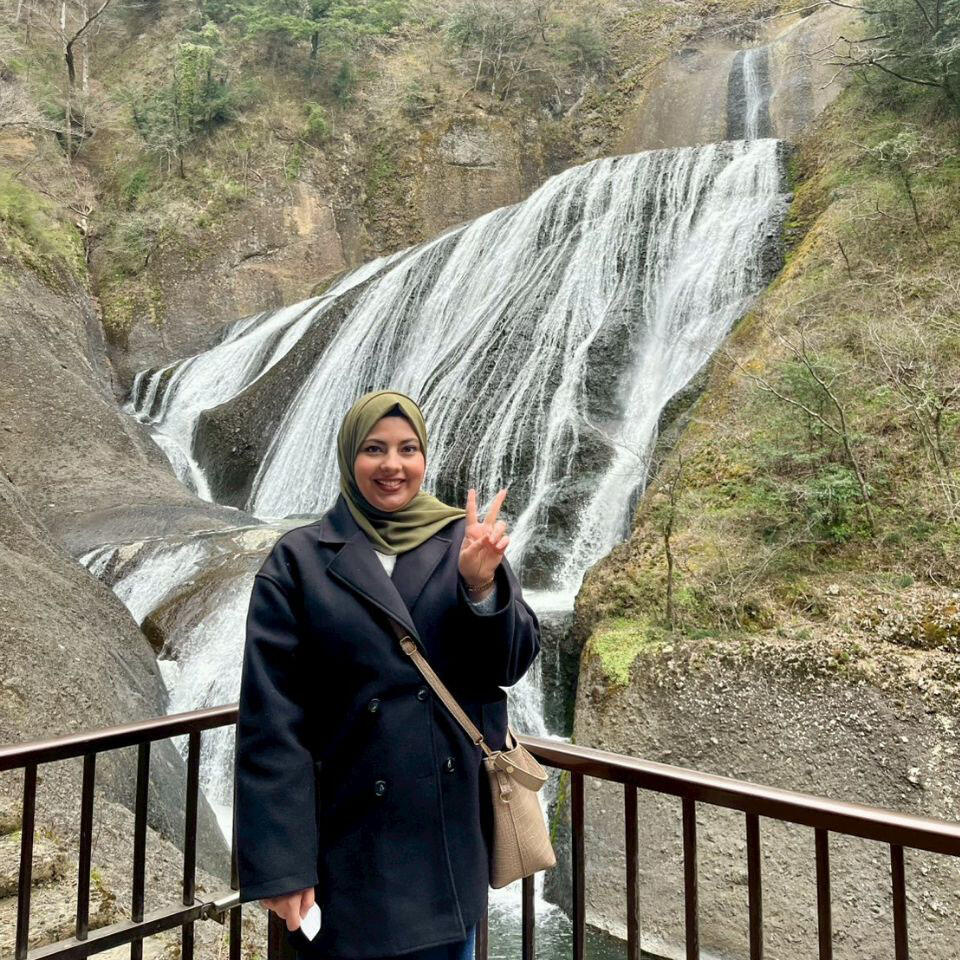
RIYAM MOTEA AL-RAABEA
From Iraq
-
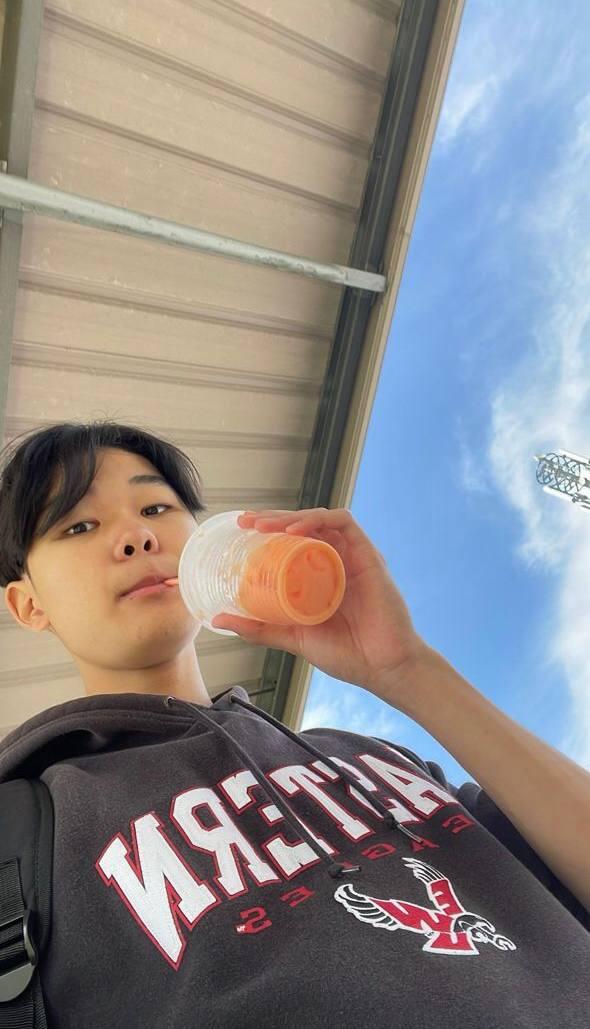
ASYRAF KAZUKI BIN ABDUL ZAKI
From Malaysia
-
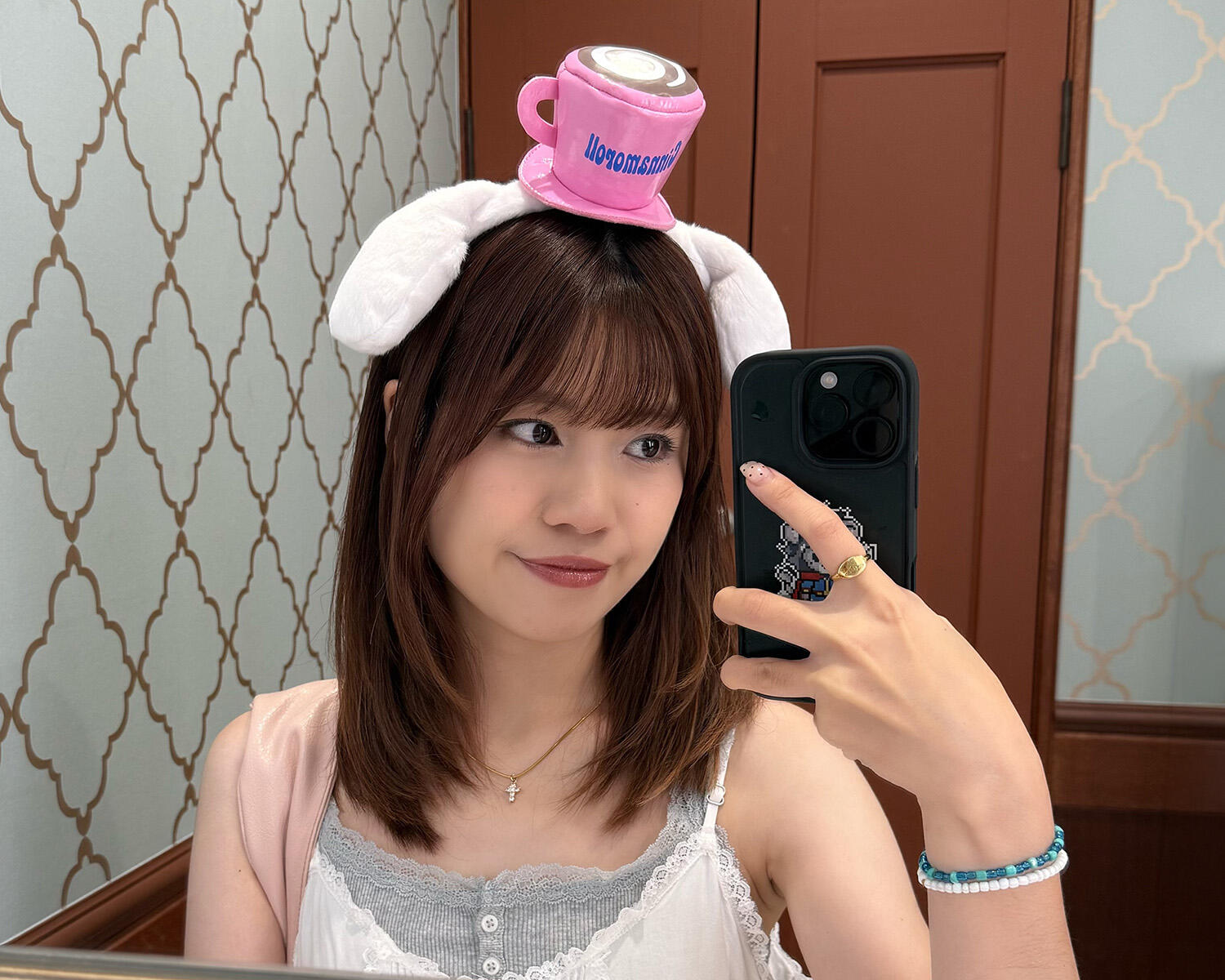
CHUN PI HSIEH
From Taiwan
-
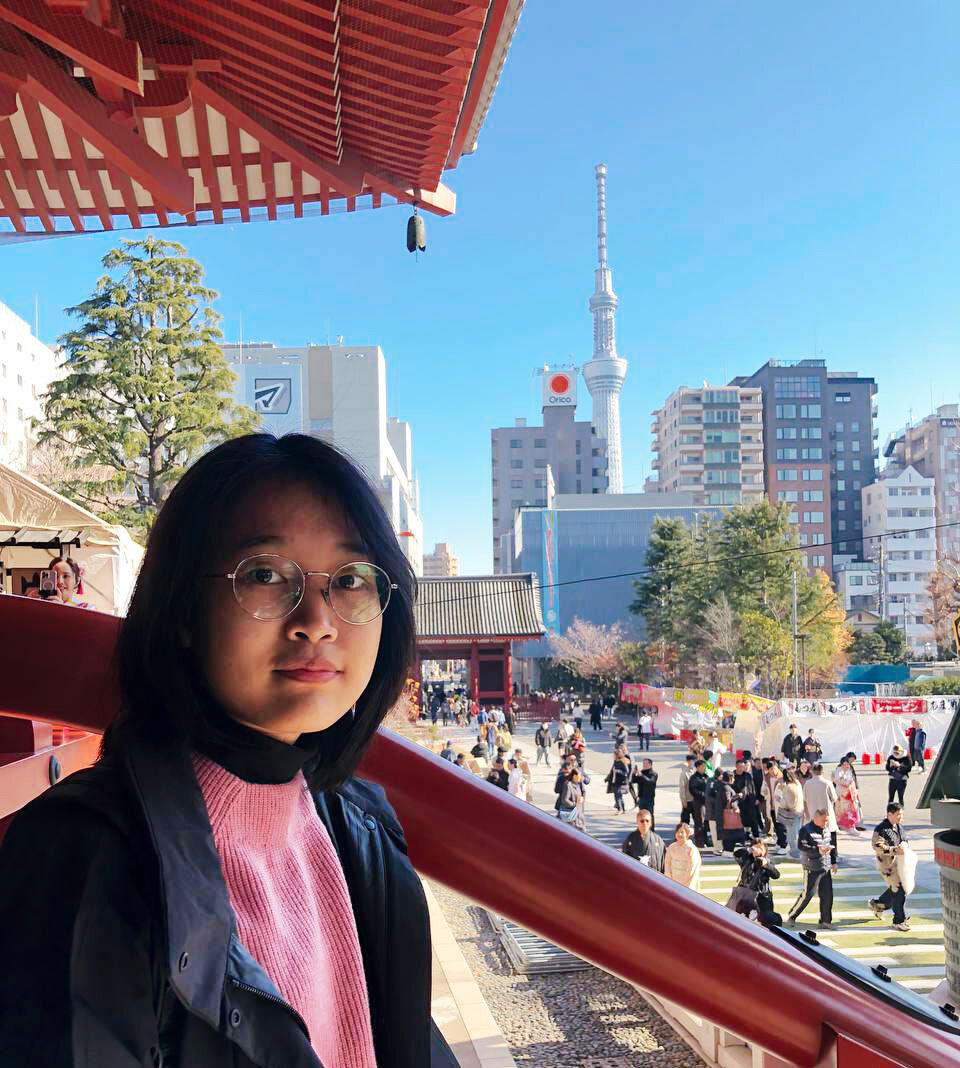
EI YADANAR MAUNG
From Myanmar
-

LIANG LIU
From China
-
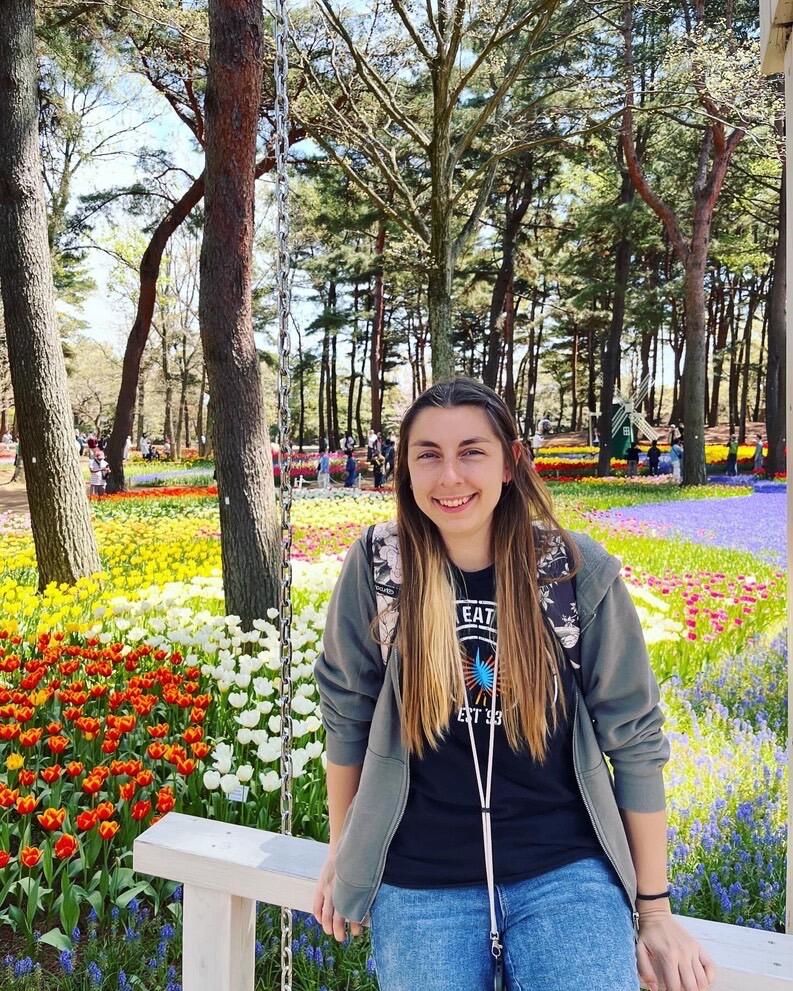
EMMA ROSE DANGERFIELD
From Australia
-
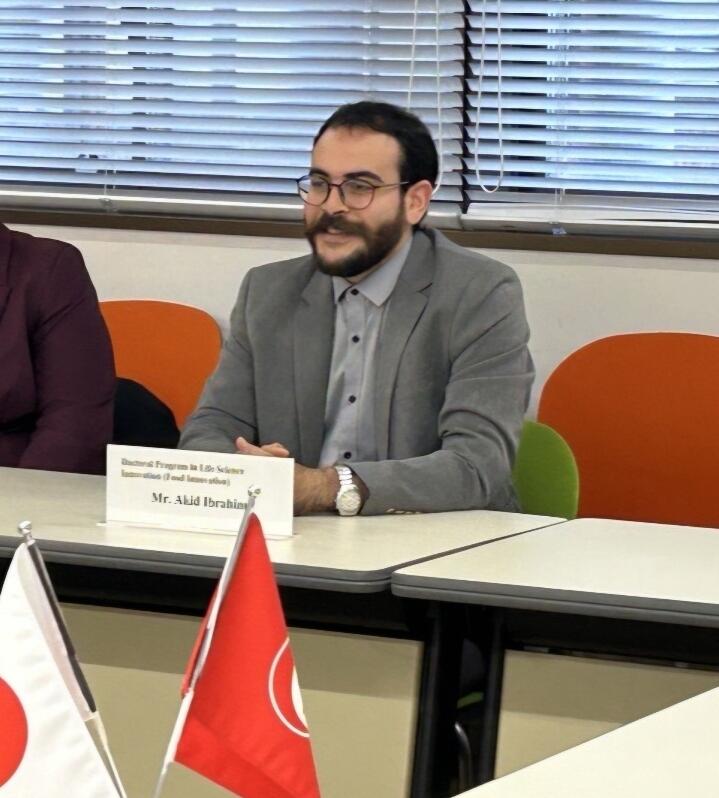
IBRAHIM AKID
From Tunisia
-
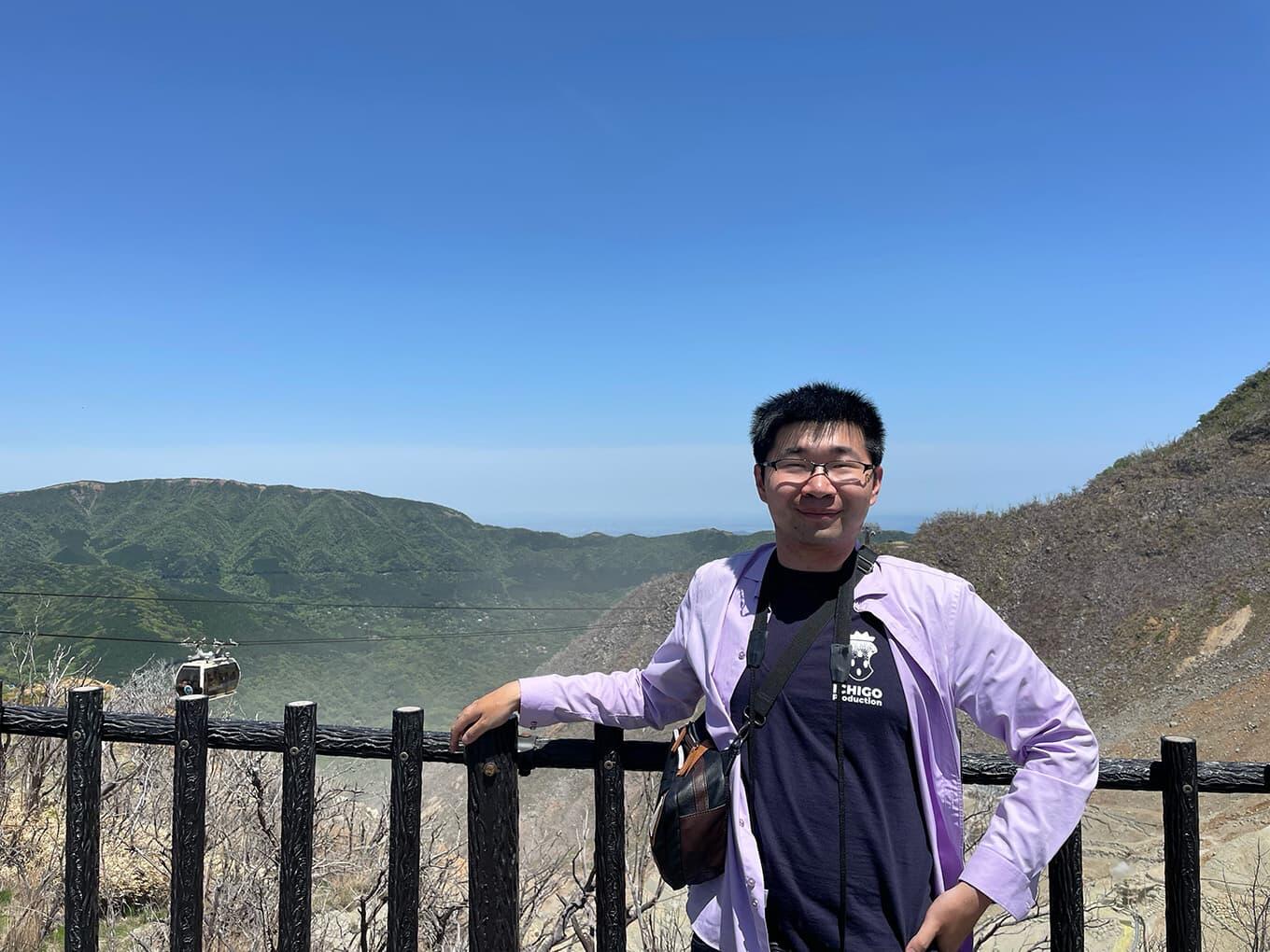
LEYUN HUANG
From China
-
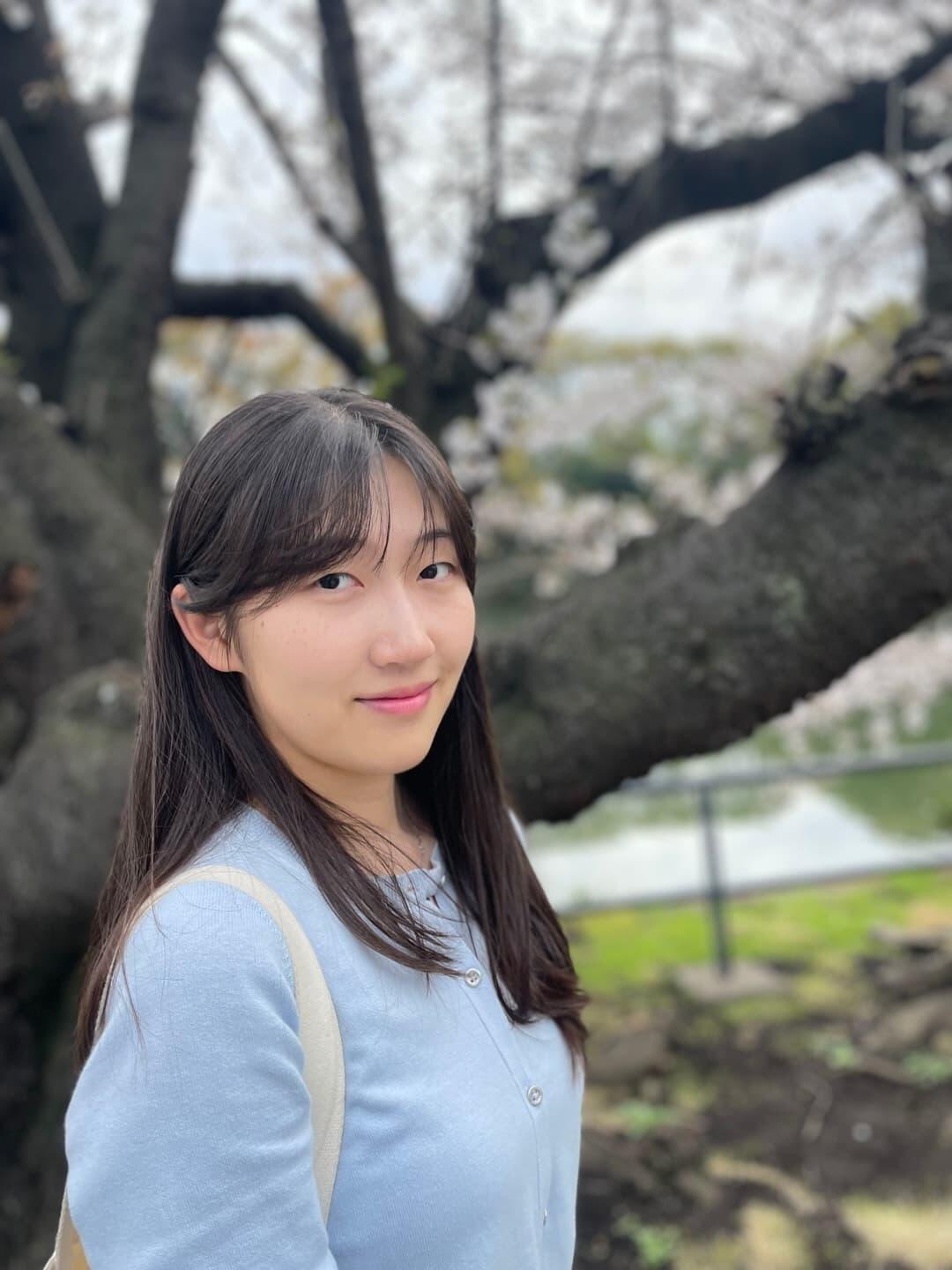
HYOWON LEE
From Korea
-
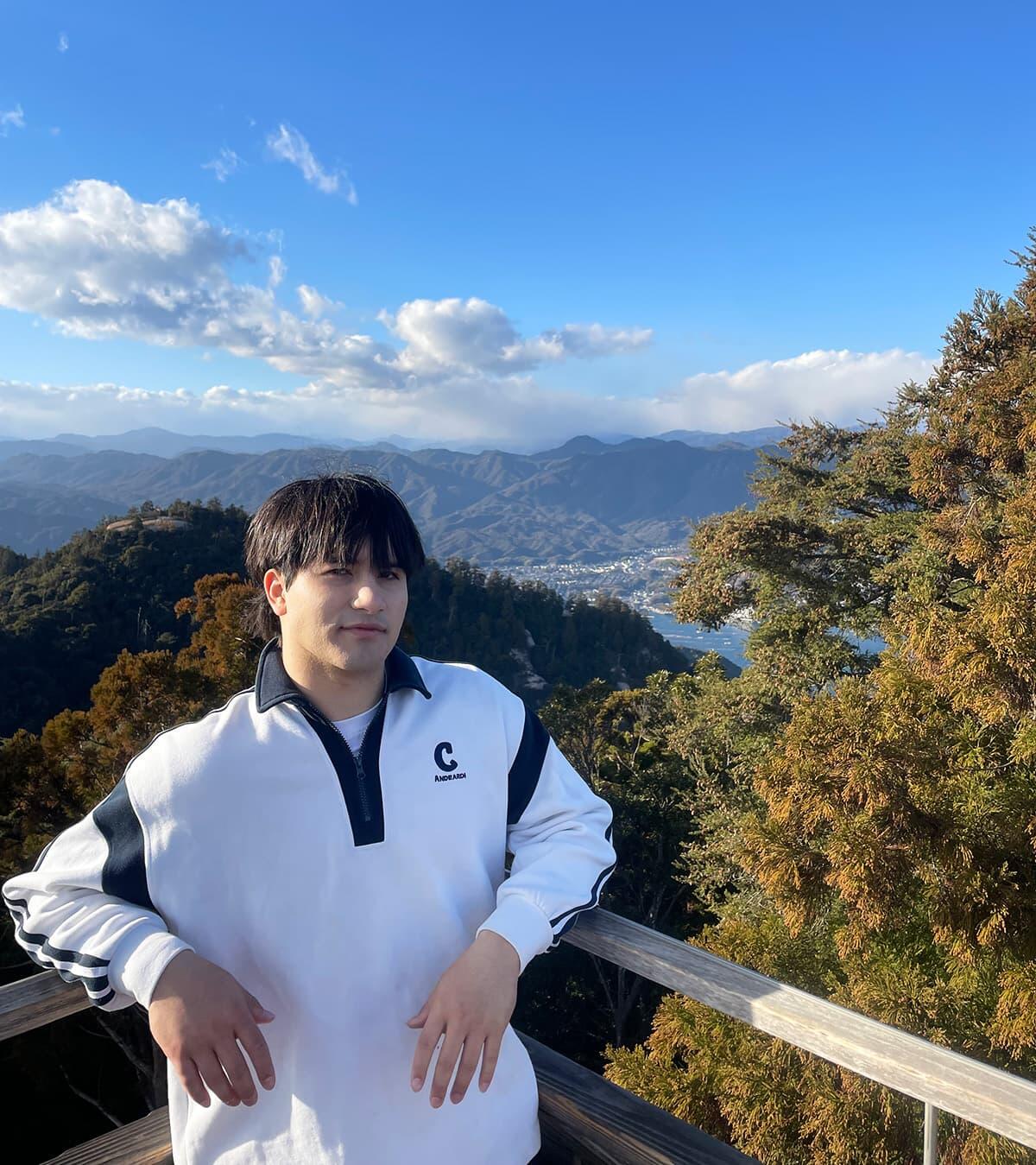
ZACHARY JAMES YOSHIOKA
From USA
-
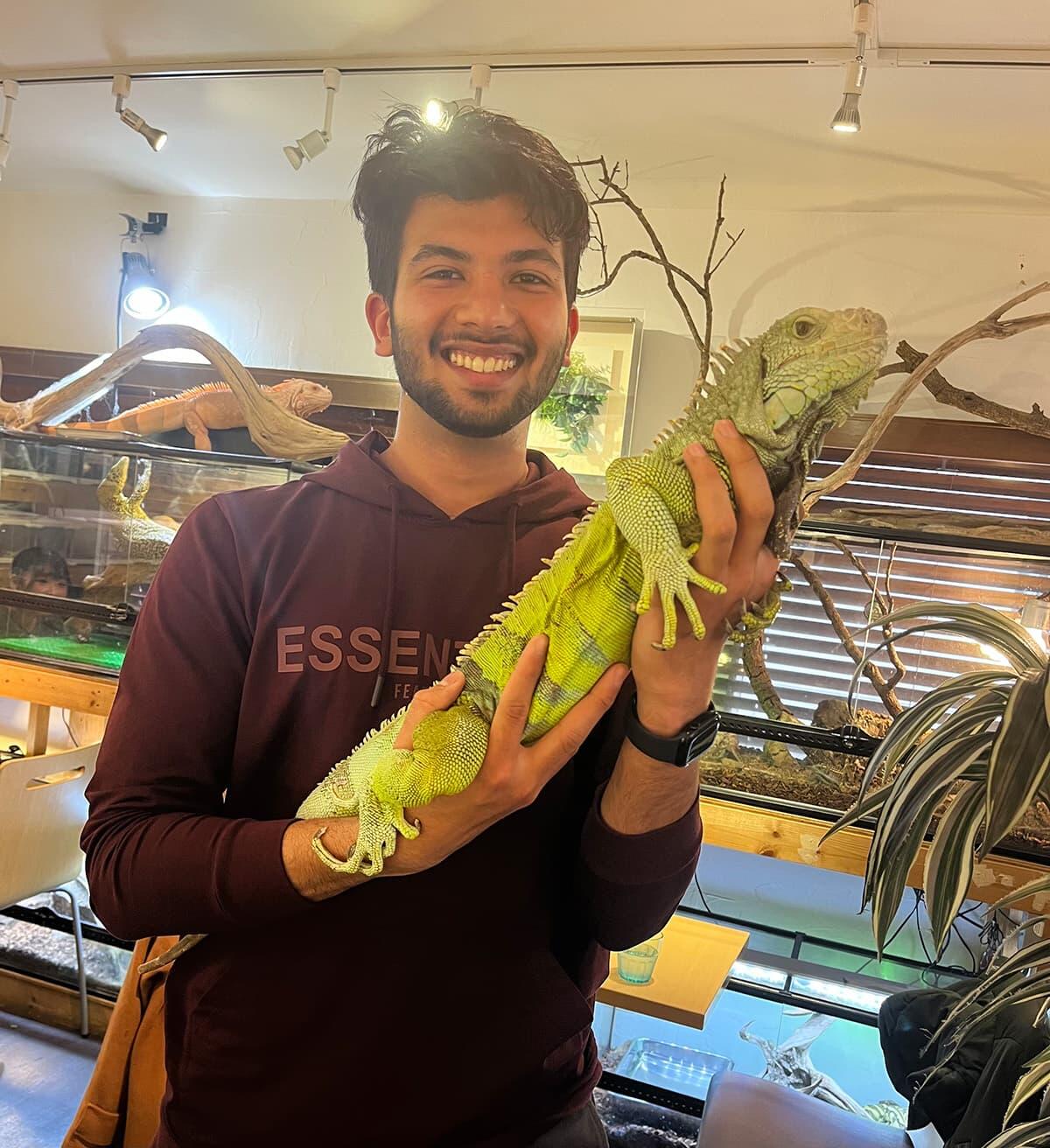
NIMISH SUDHIR GODSE
From India
-
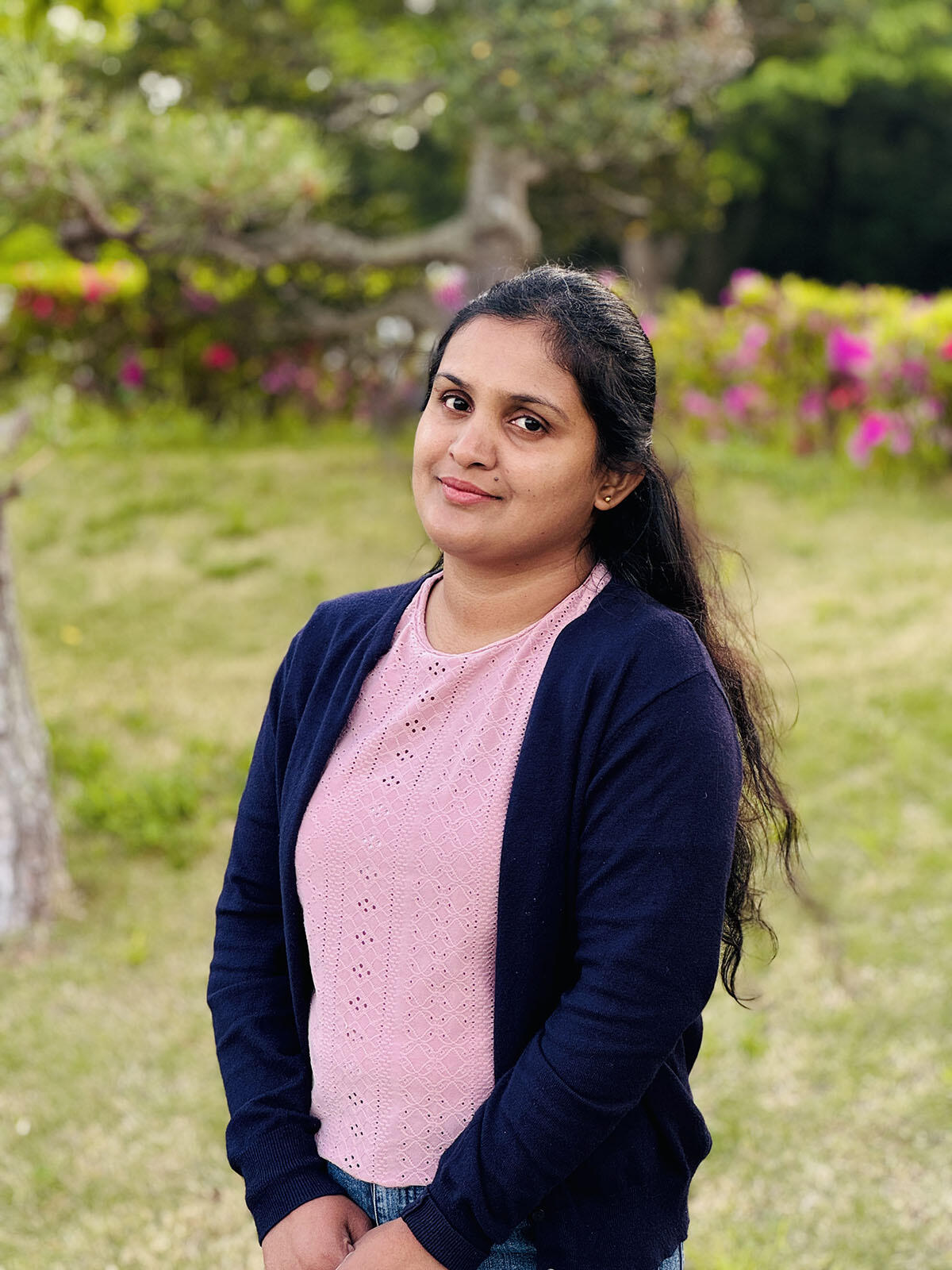
HASINI NIMANTHI KATIYAPE SAMARASEKARAGE
From Sri Lanka
-
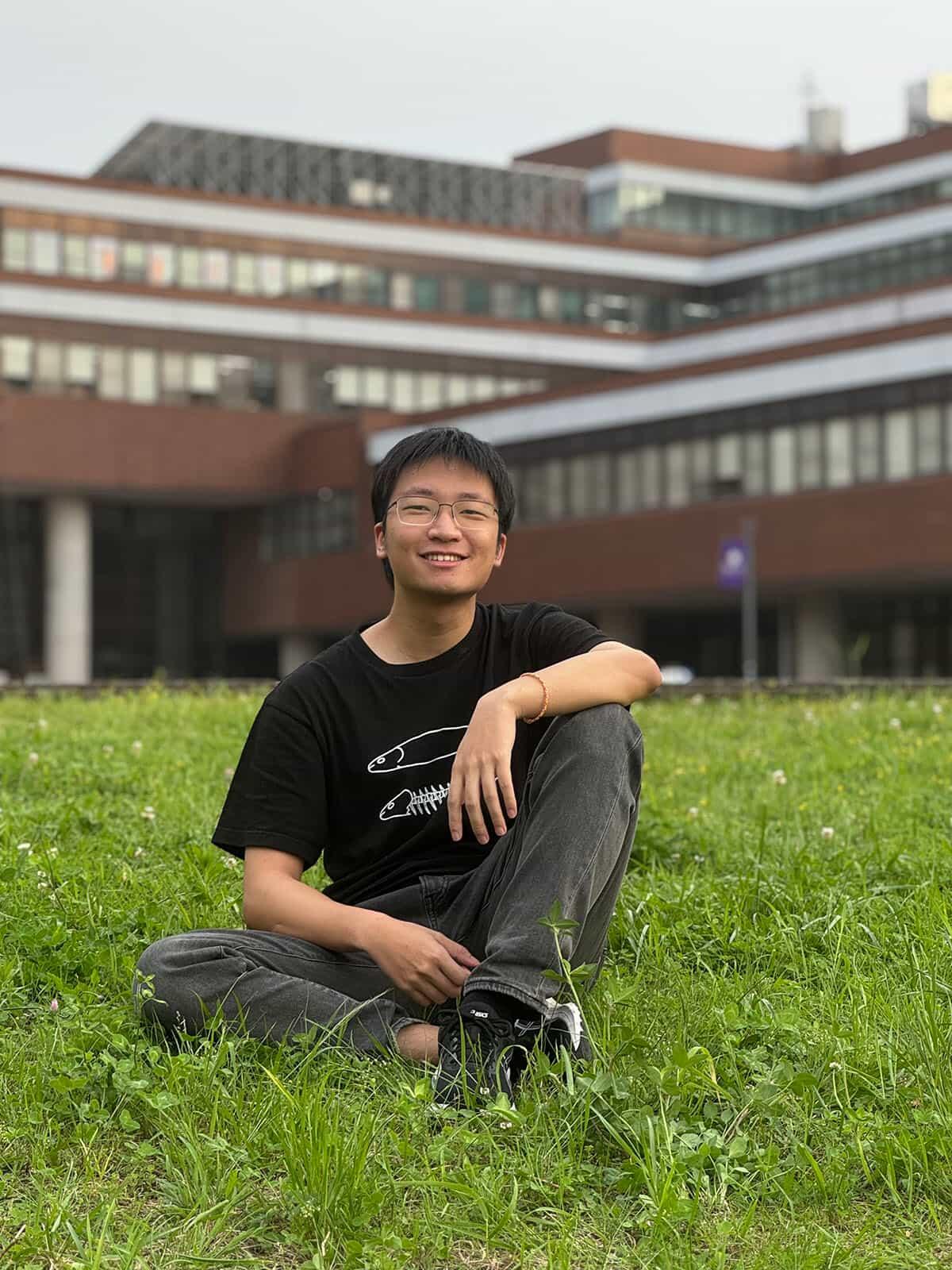
MURAN XU
From China
-
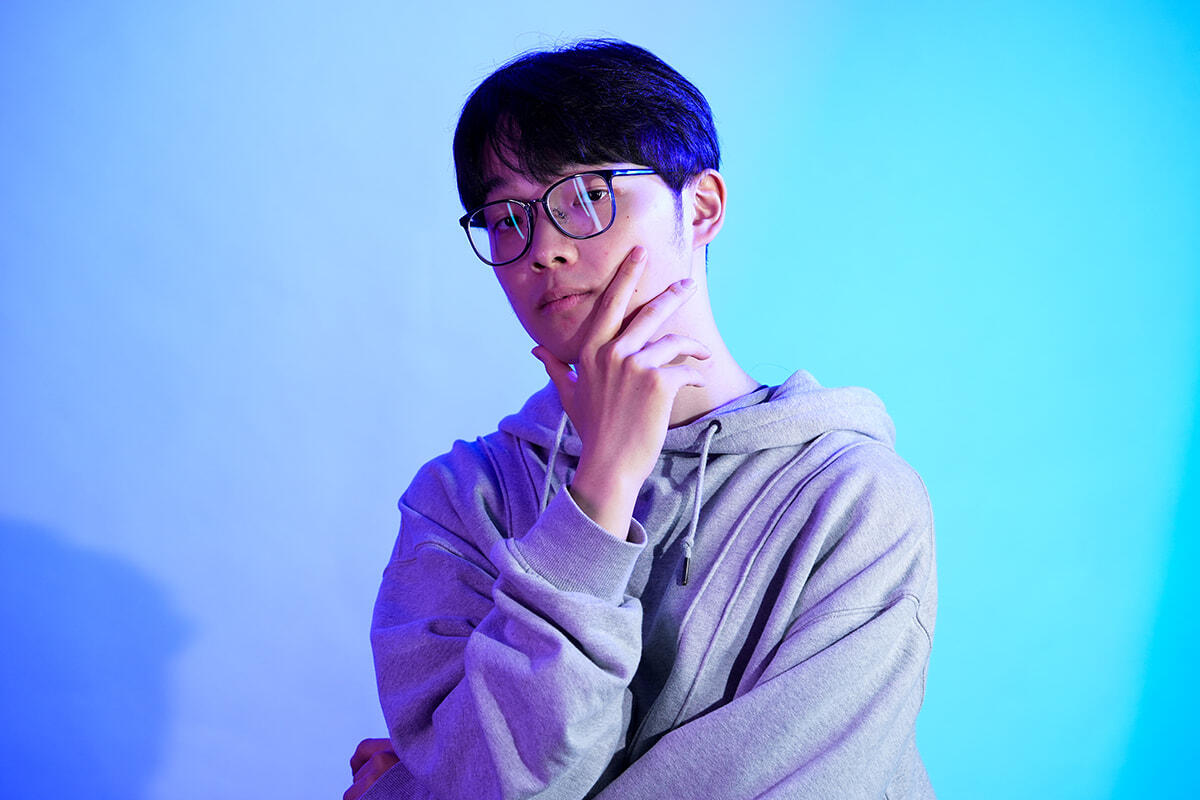
YANG HU
From China
-
TE-YU HUANG
From Taiwan
-
SHAFIQULLAH YOUSAFZAI
From Afghanistan
-
QI SHI
From China
-

MYLES
From USA
-
ISRAT JAHAN
From Bangladesh
-
SOTHEARITH ENG
From Cambodia
-
FELIX COOMBER
From UK
-
WAI PHYO THU
From Myanmar
-
SRINITHI ASHOK KRISHNASWAMY
From India
-
SACHI JOCHI
From Japan/India
-
PING HUAN WANG
From Taiwan
-
NGHI NGUYEN BAO
From Vietnam
-
GUANGQI AN
From China
-
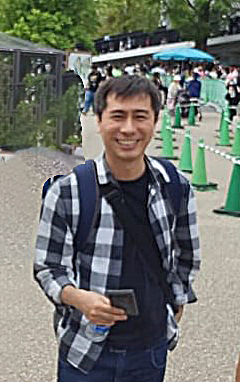
HELIO NONOSE
From Brazil
-
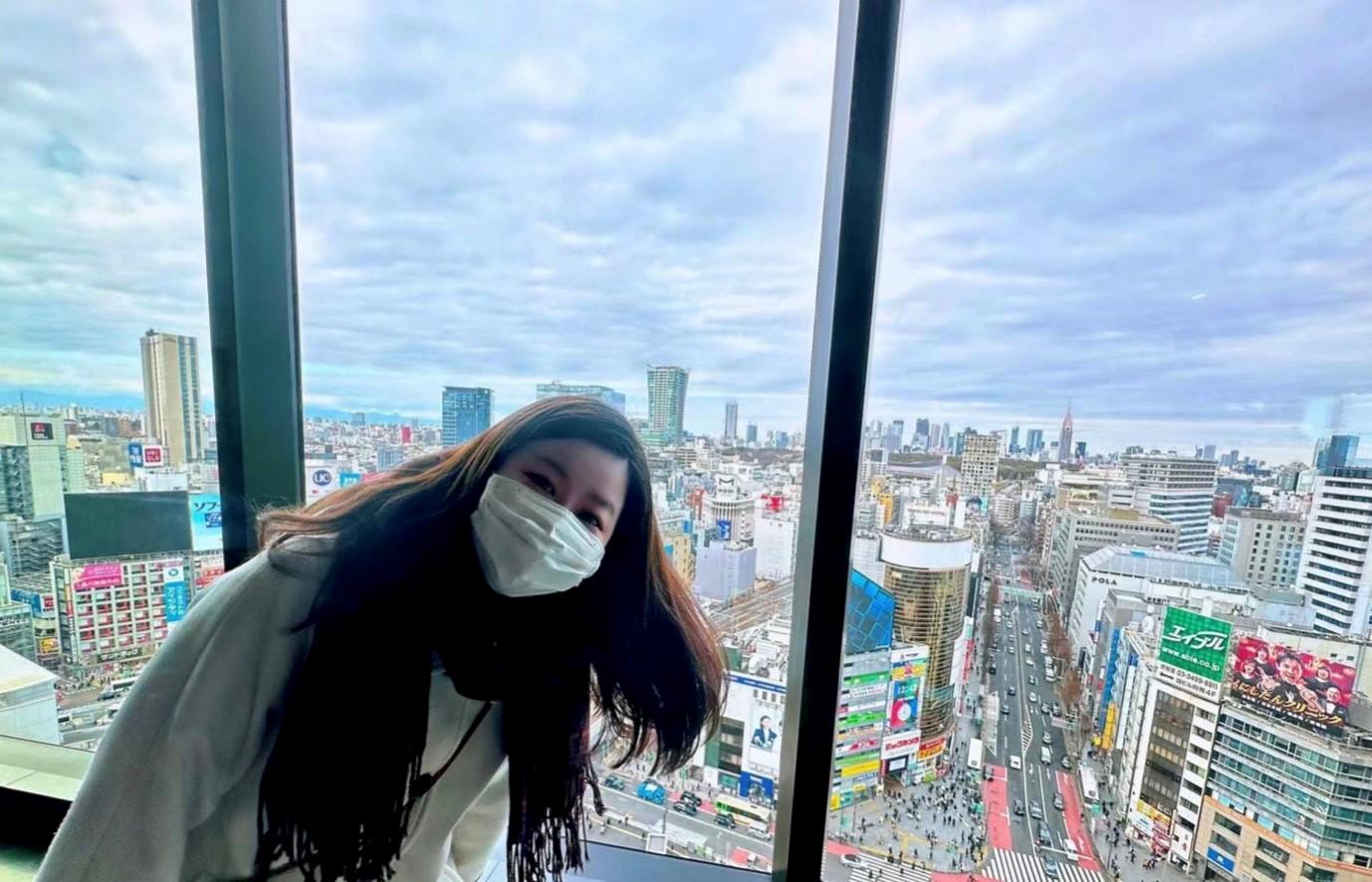
TAO LENG
From China
-
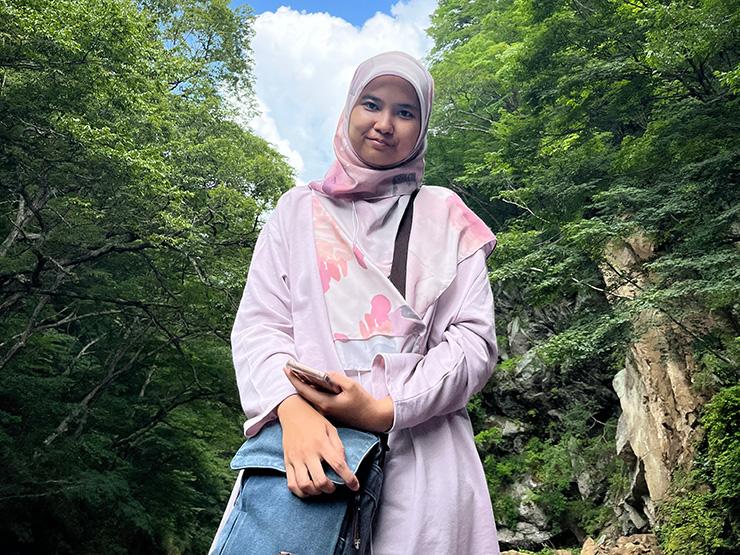
INSYIRAH
From Malaysia
-
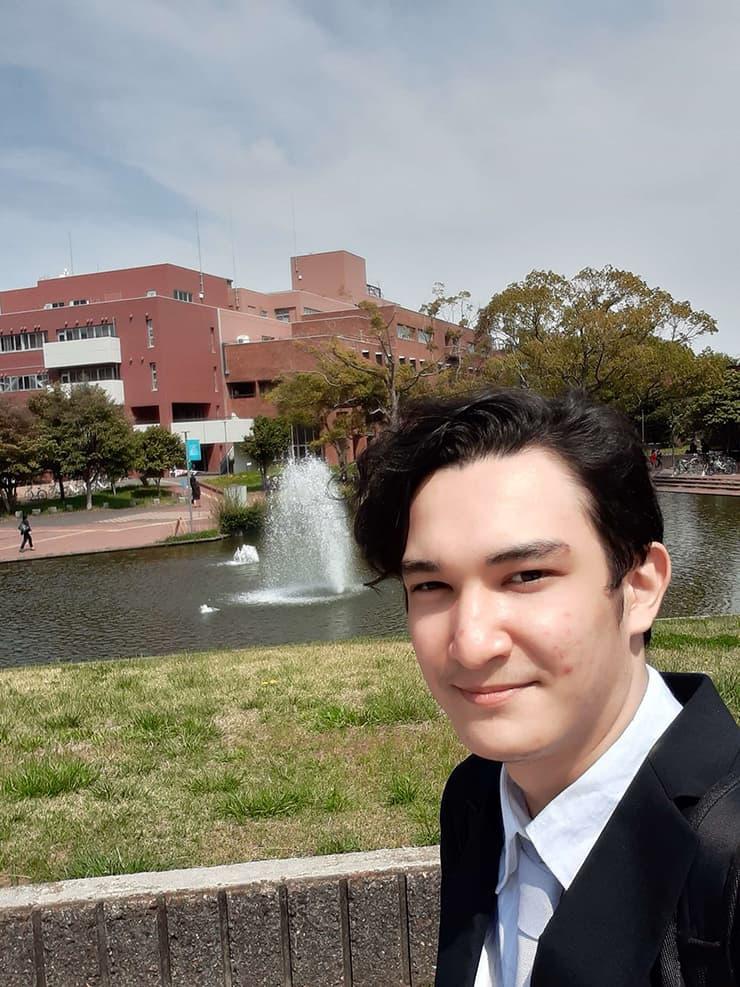
ARAMAKI, CAUE SINGO
From Brazil
-
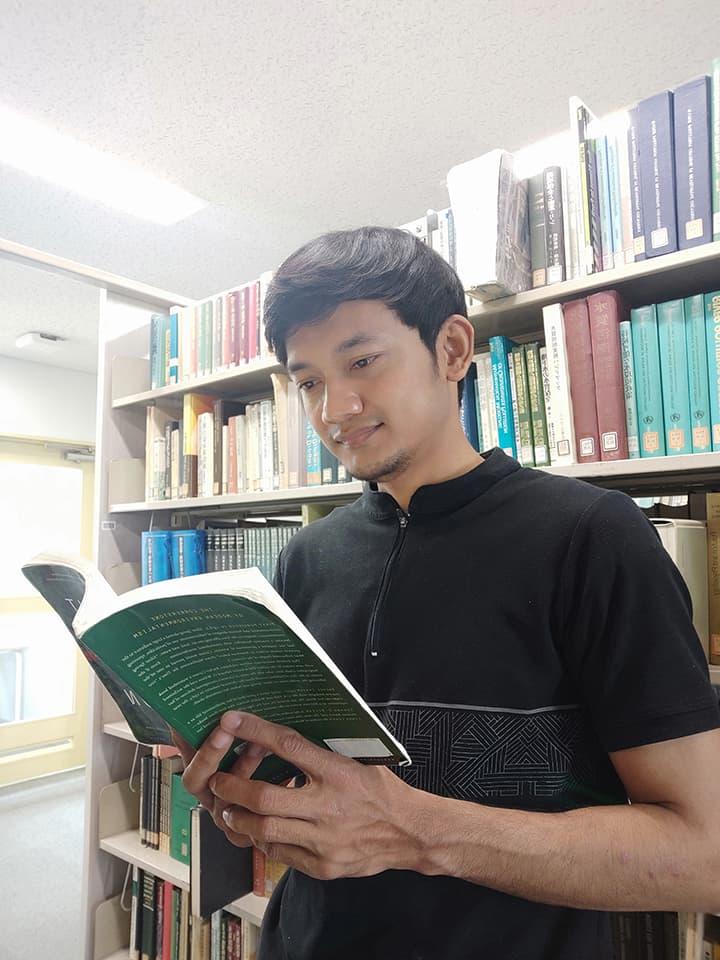
SUHARMAN
From Indonesia
-
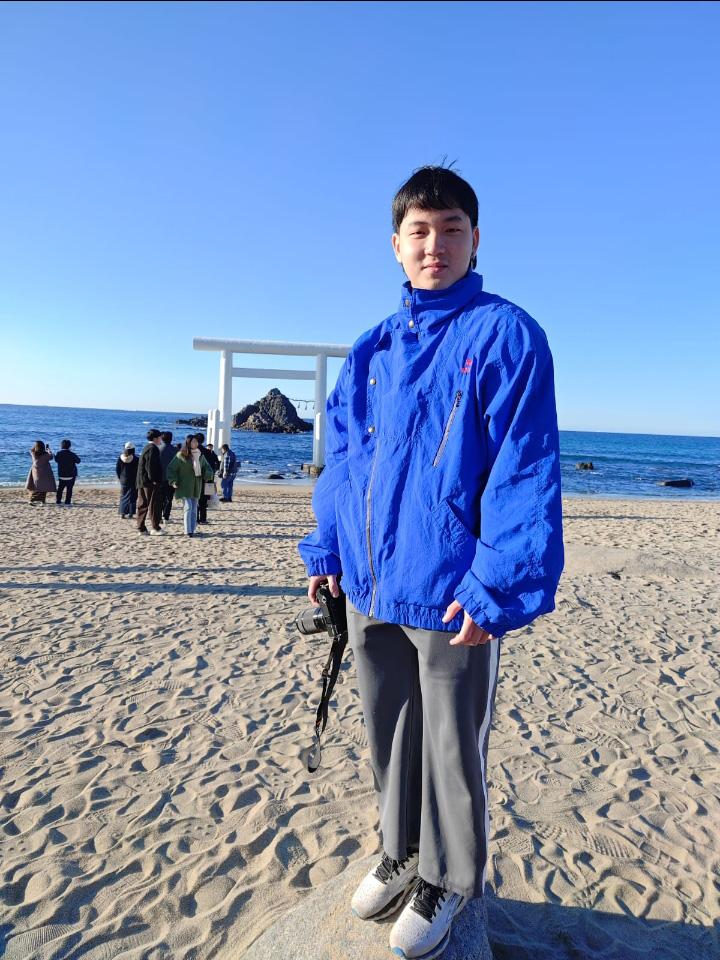
NG RAY SHAN
From Singapore
-
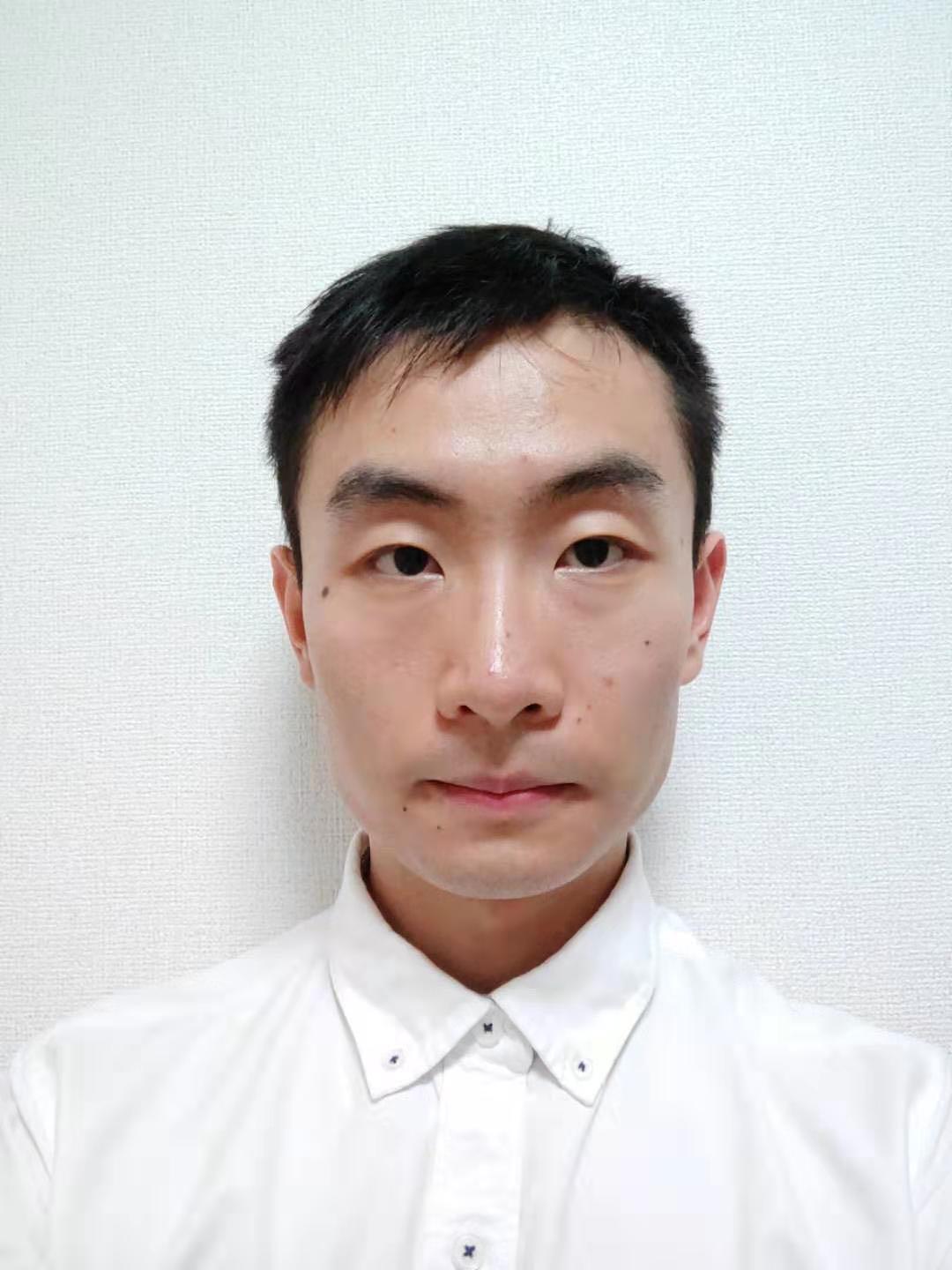
DU XIN
From China
-
YINA SHIN
From Korea
-
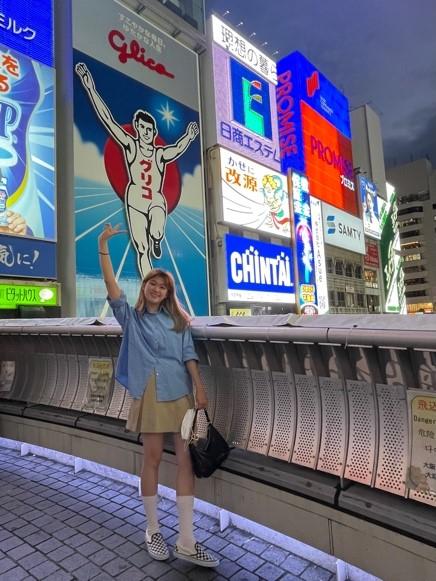
JOOEUN YOON
From Korea
-
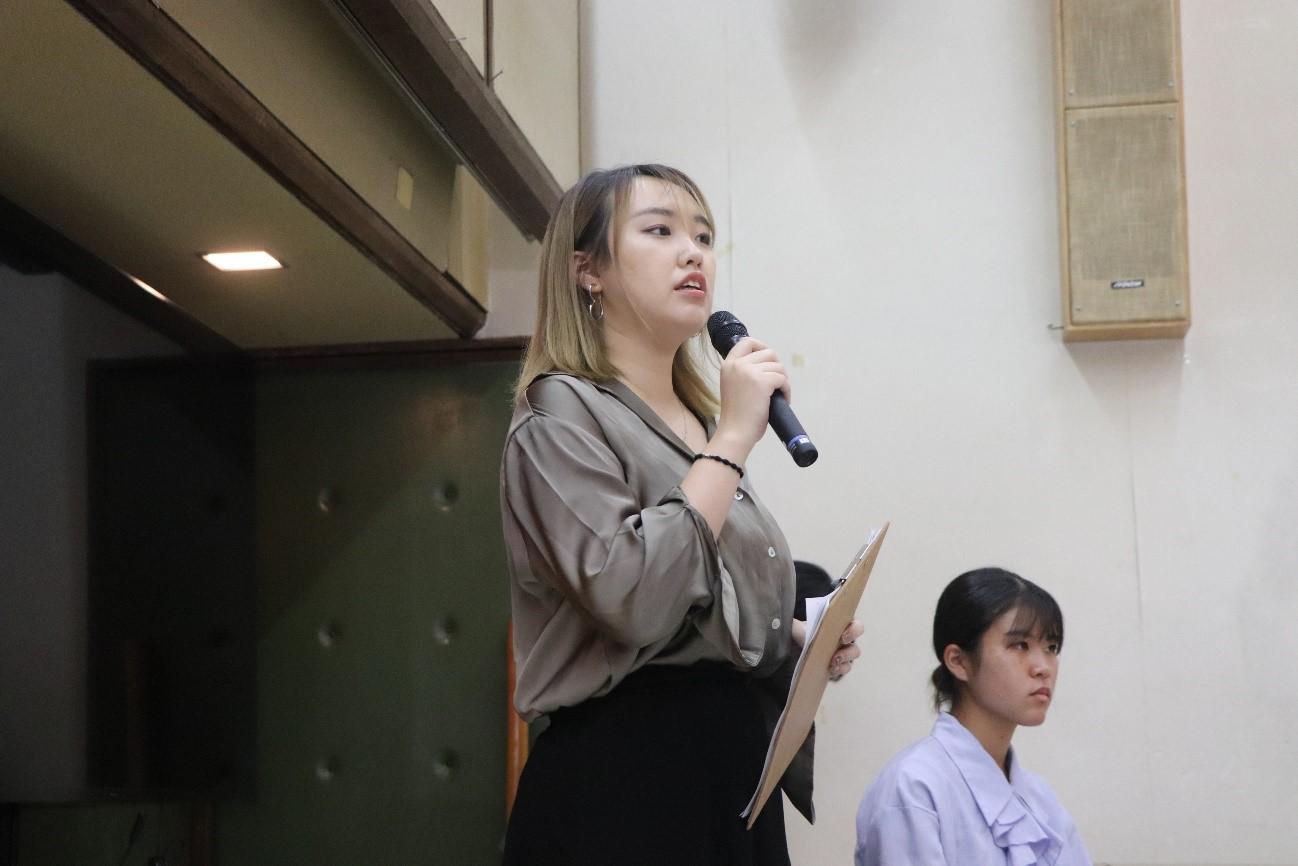
REN YIHAN
From China
-
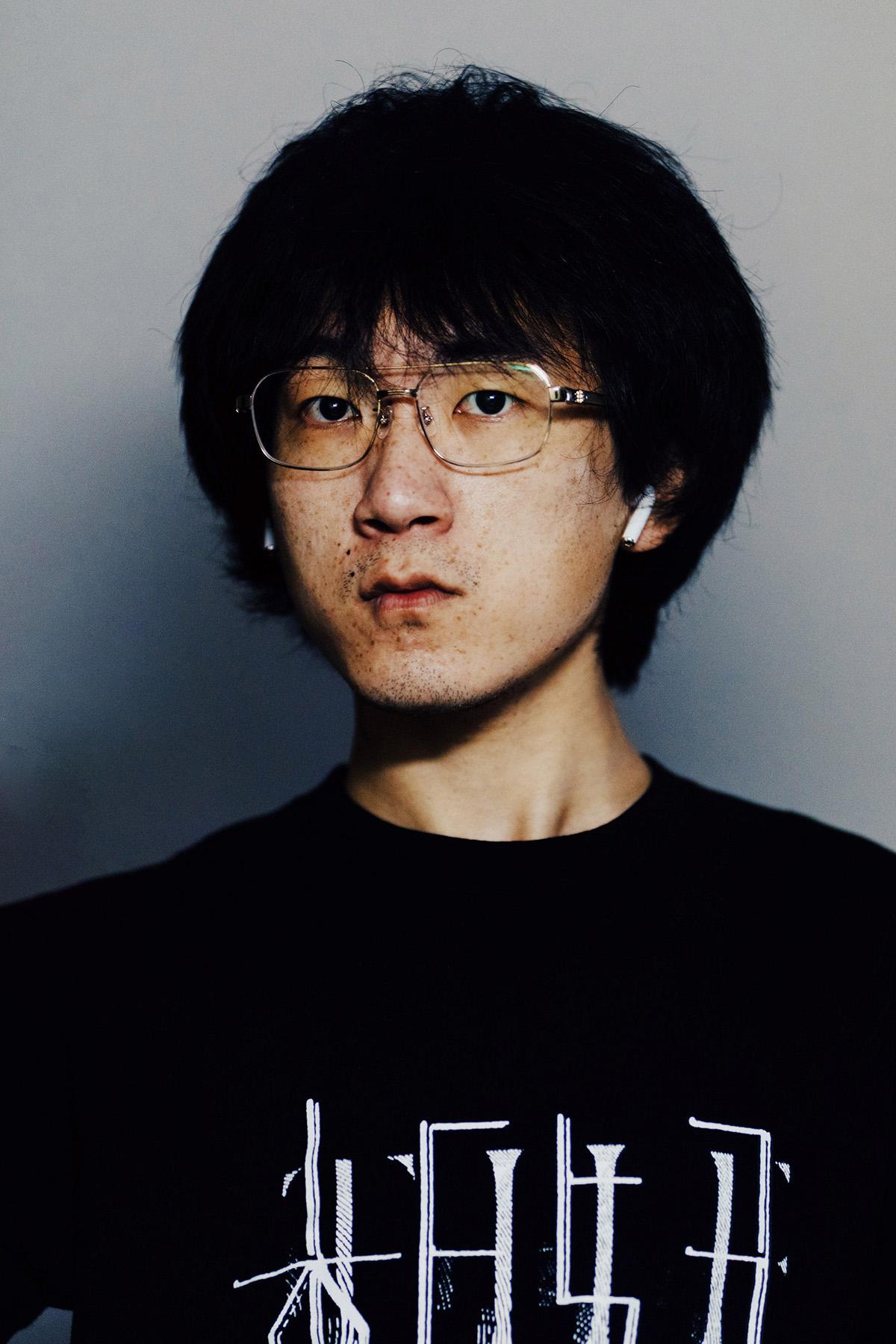
MENG LIYUAN
From China
-
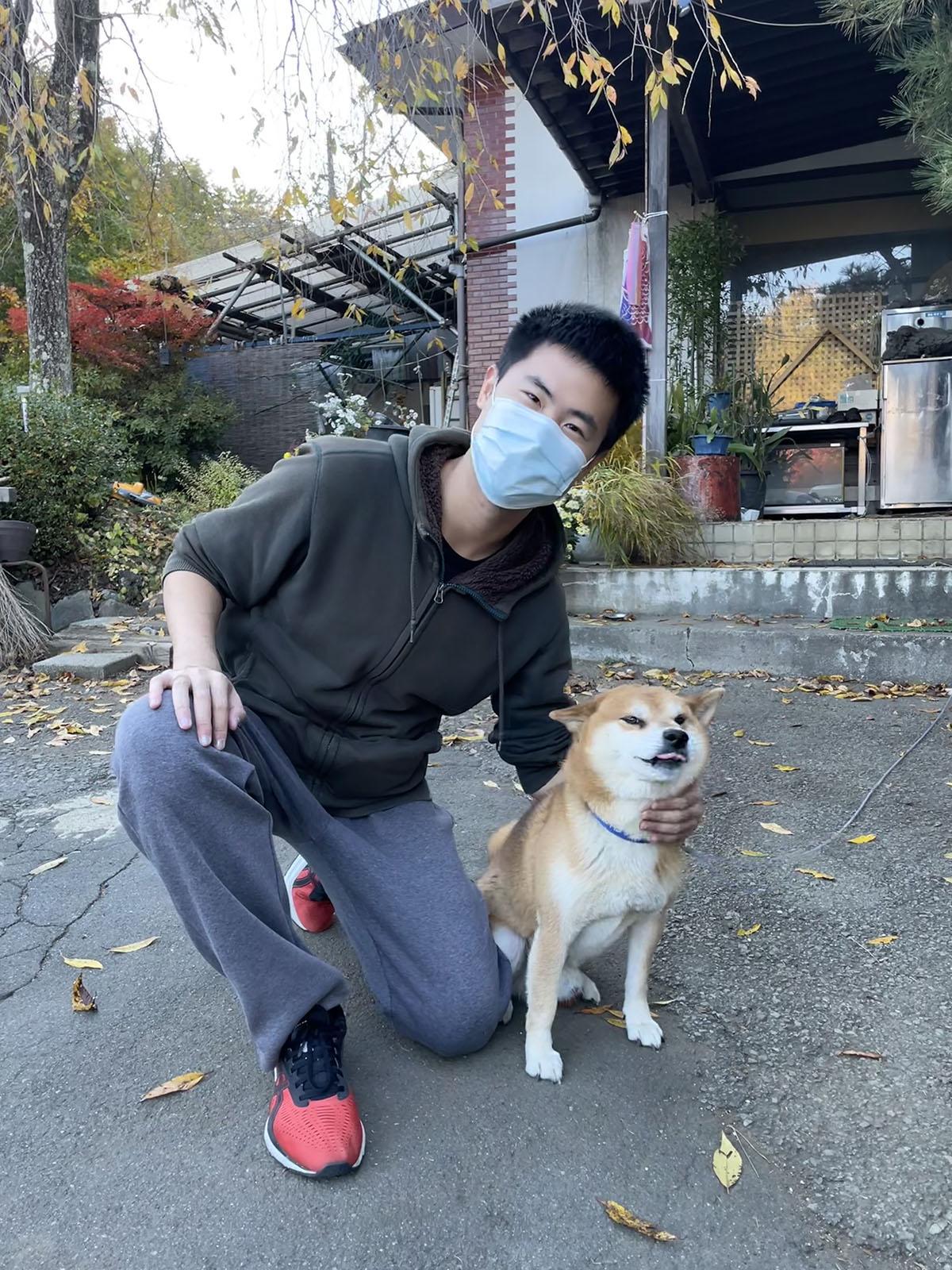
WU BOQIAN
From China
-
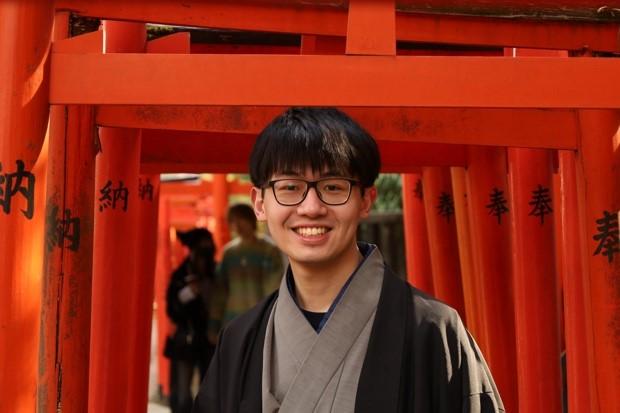
YU, CHENG-HAN
From Taiwan
-
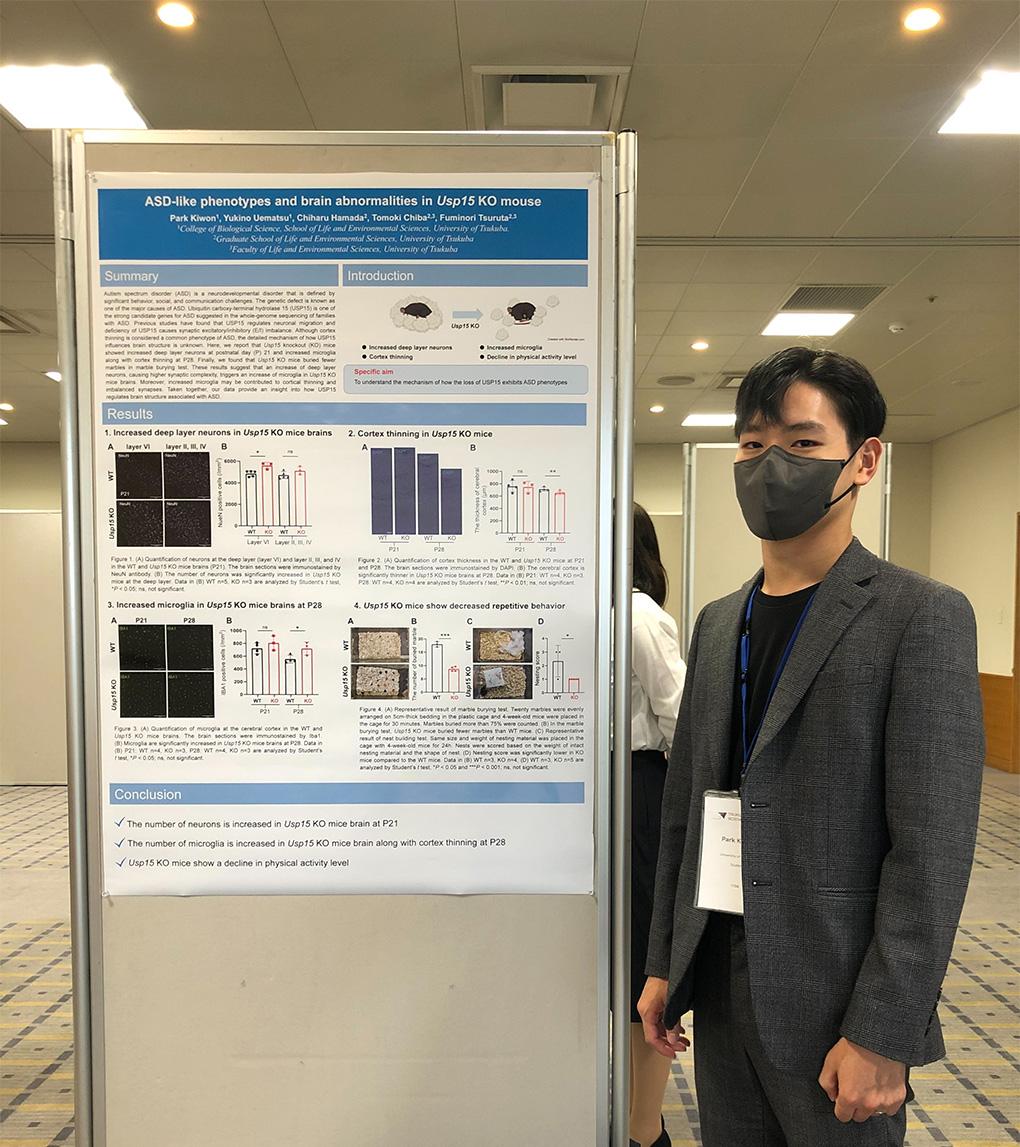
PARK KIWON
From Republic of Korea
-
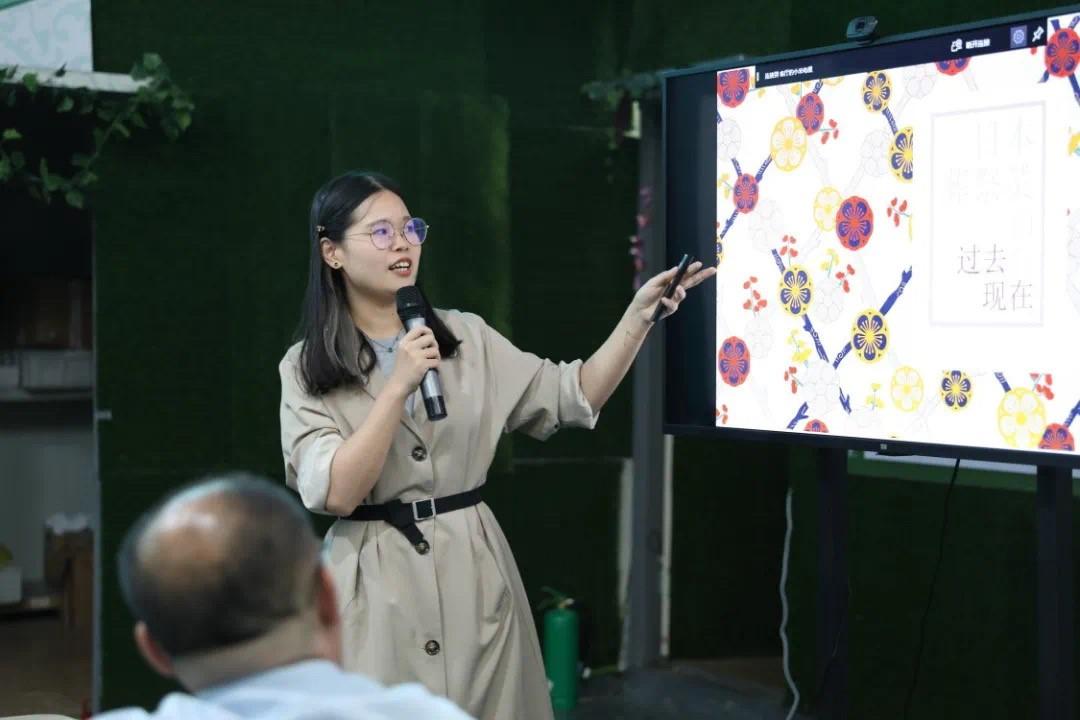
CHEN MIN
From China
-
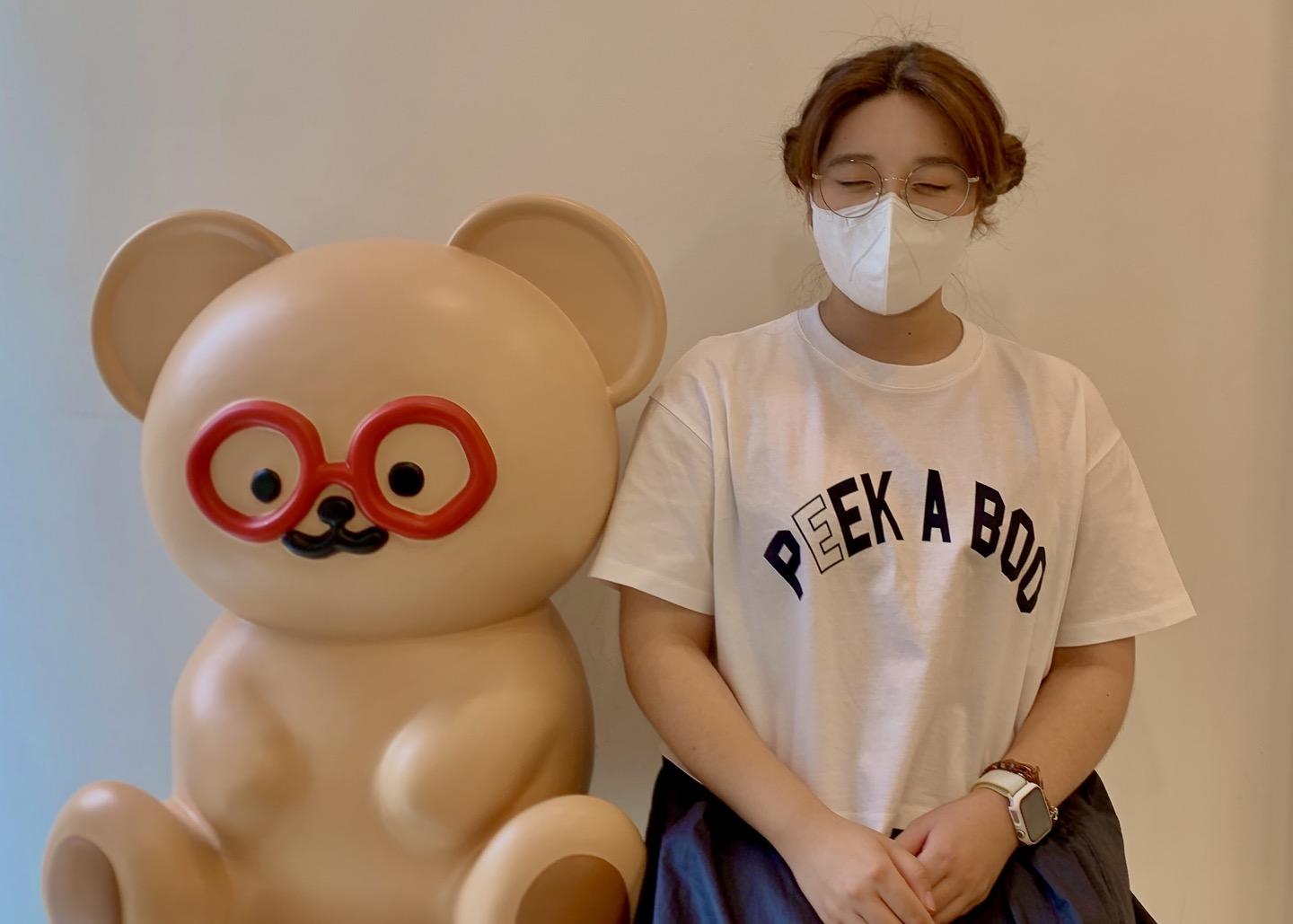
CHAEYEON LEE
From Republic of Korea
-
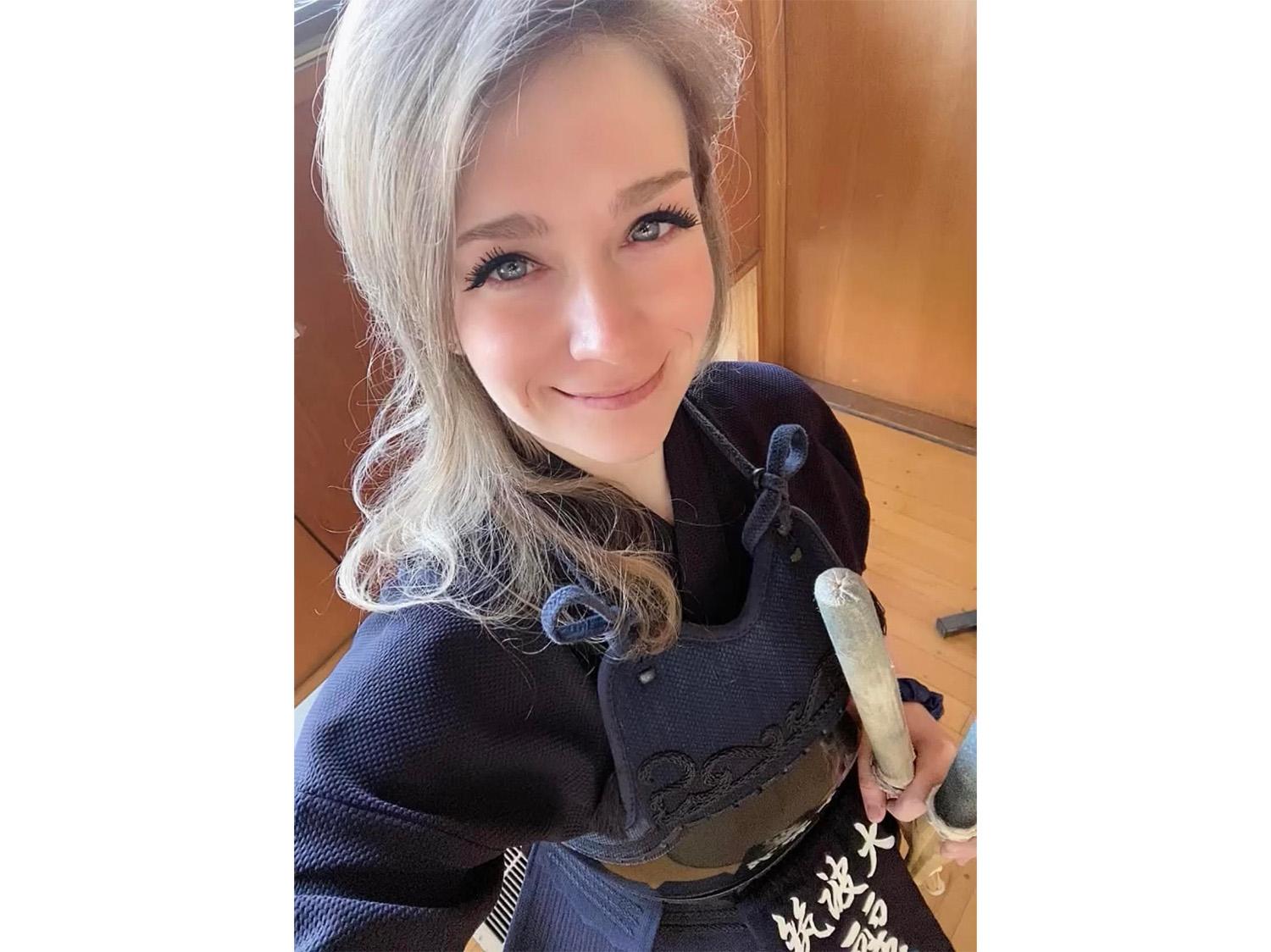
ELIZABETH BERGEN-BARTEL
From USA
-
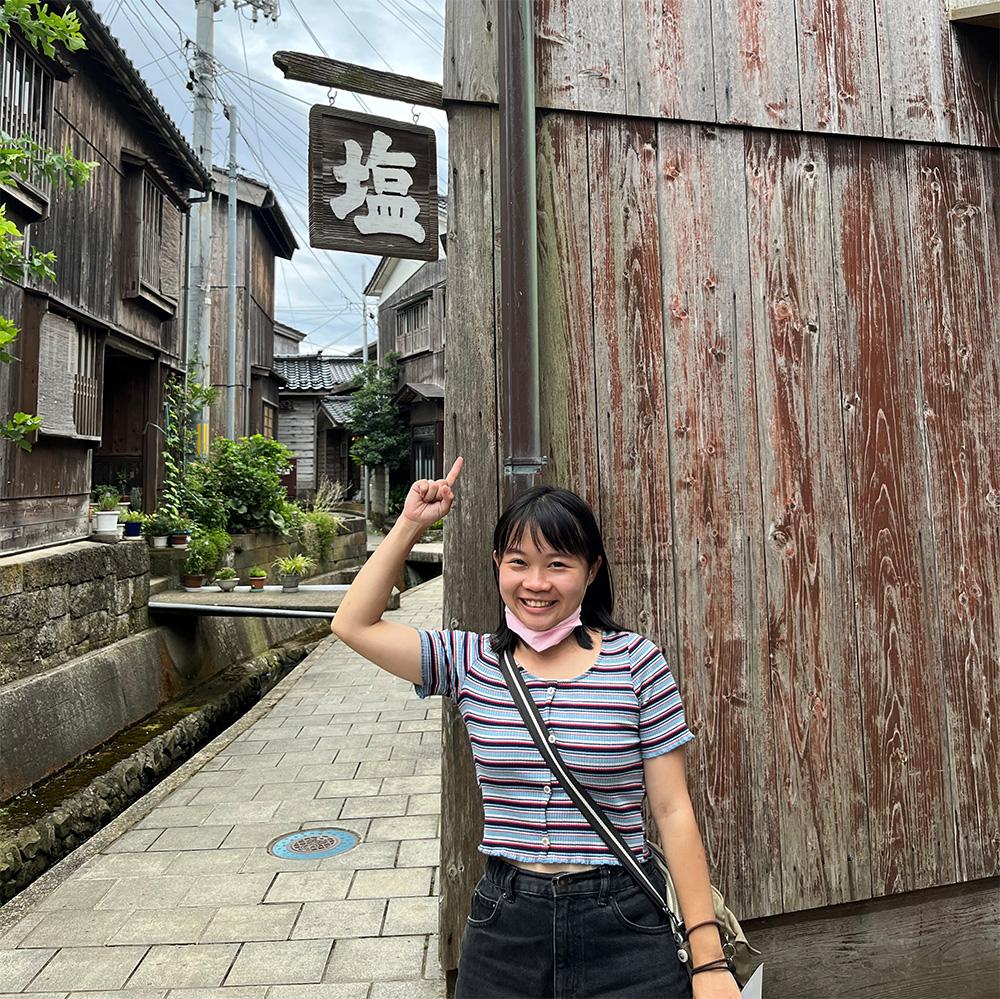
LIAO, HSIN-YEN
From Taiwan
-
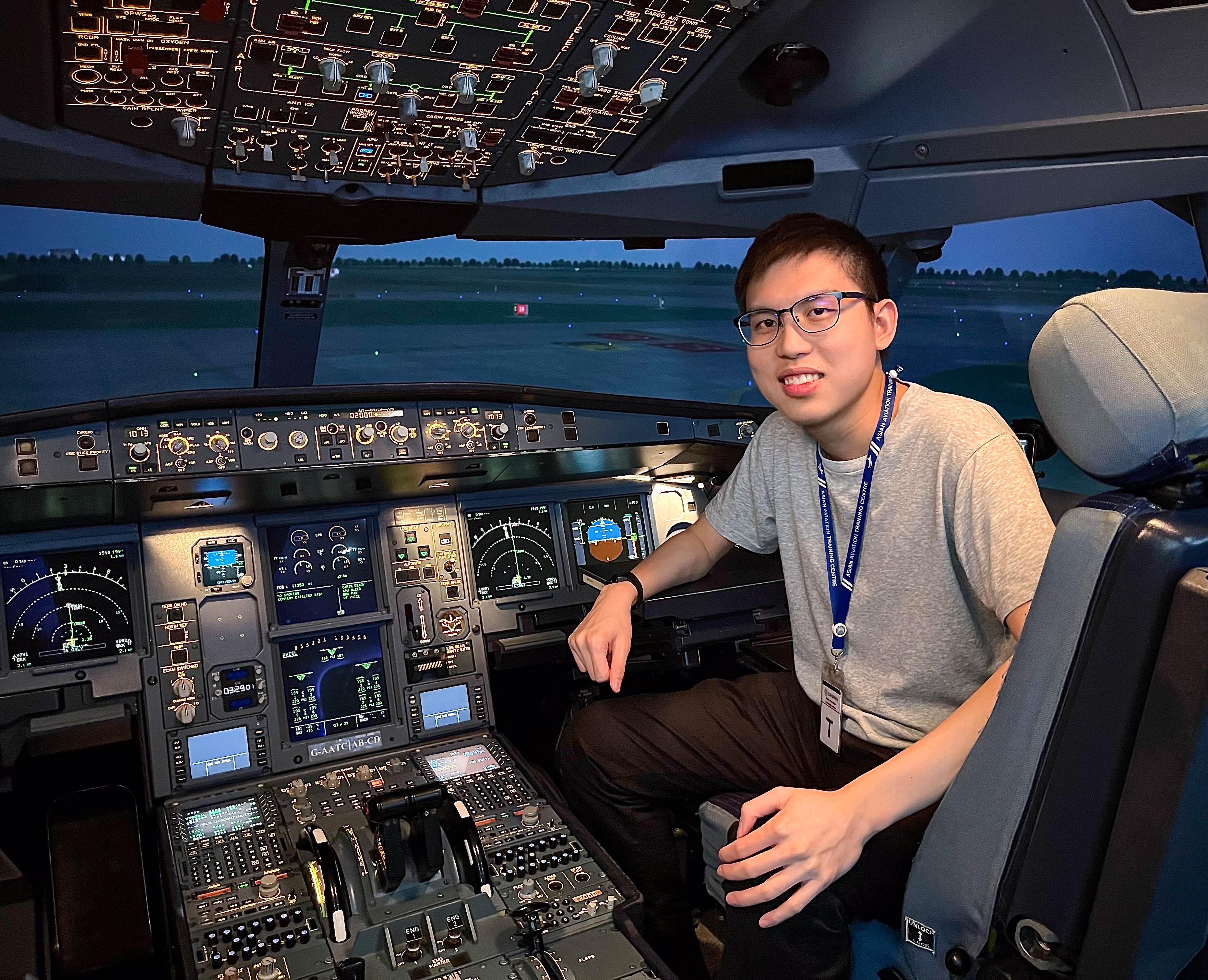
PAKORN WANGSUEKUL
From Thailand
-
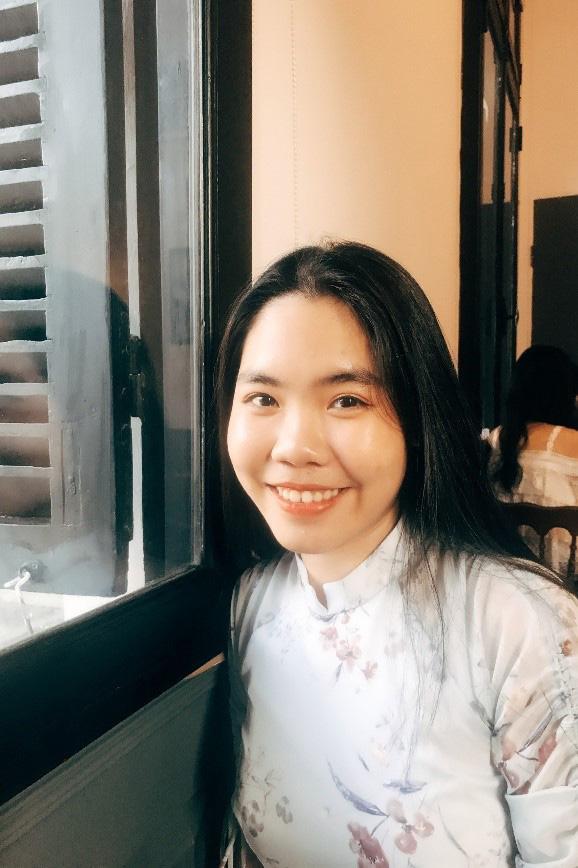
NGUYEN THUY ANH
From Vietnam
-

LAN CHI
From Vietnam
-
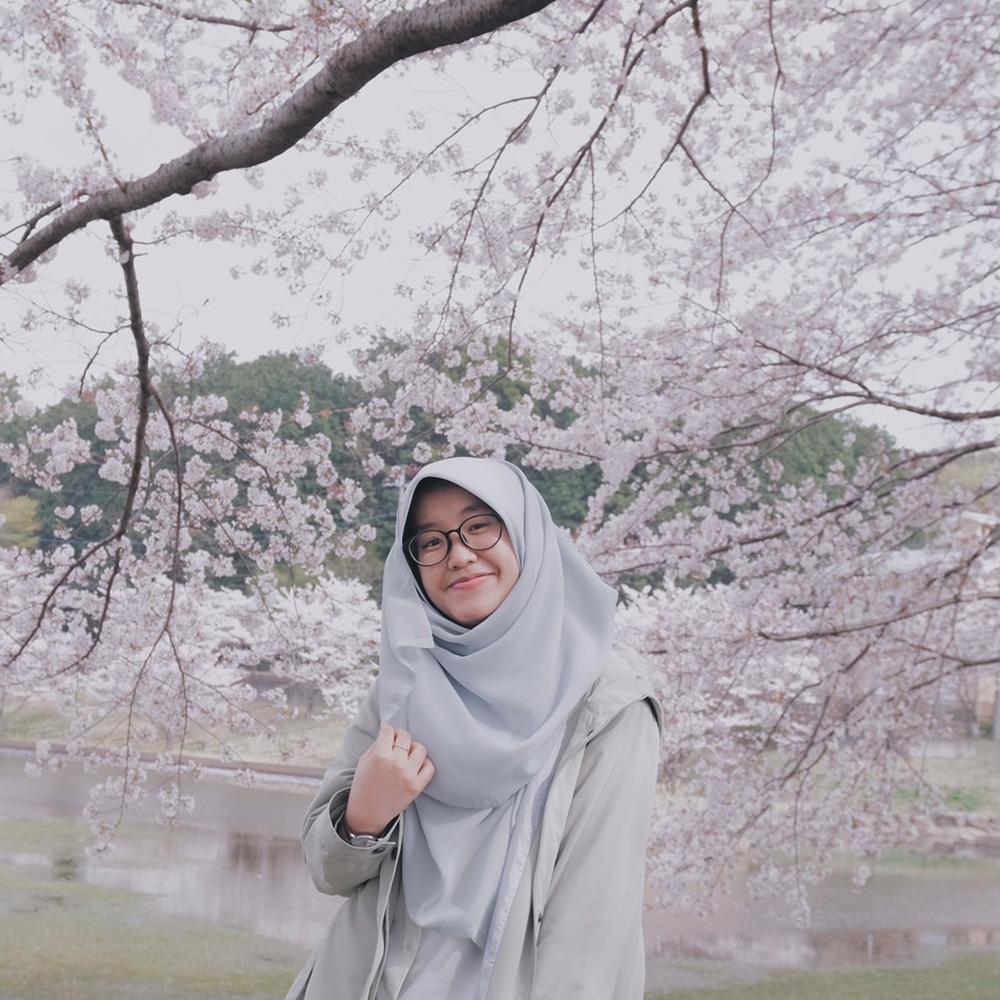
NADIA HASNA KARIMAH
From Indonesia
-
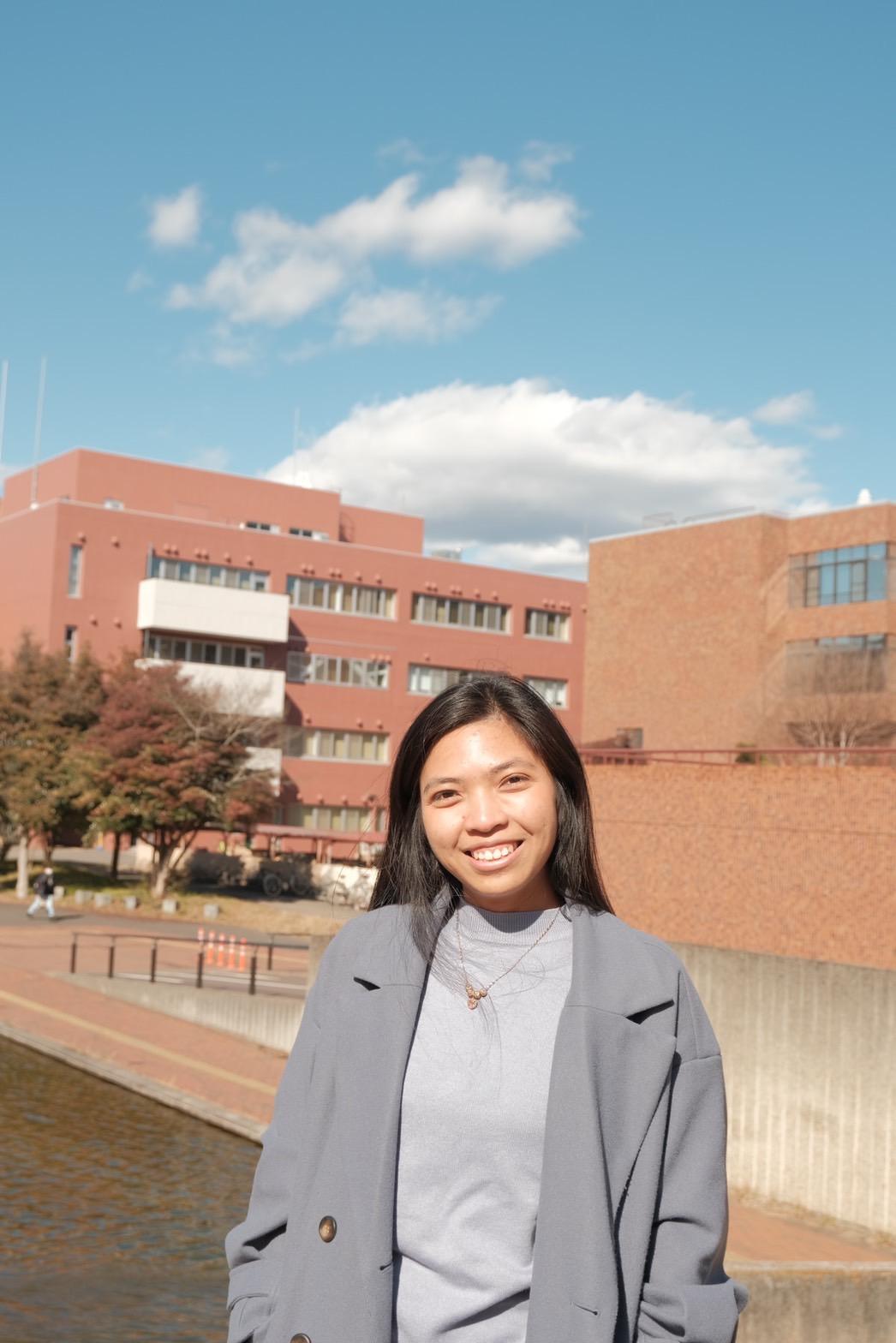
HNIN OO
From Myanmar
-
KAWTAR
From Morocco
-
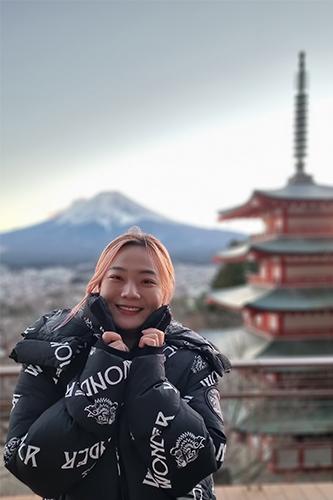
NA
From China
-
AFSARI
From Bangladesh
-
REZA
From Indonesia
-
YOLANDA GRAÇA
From Angola
-
ADOM
From Ghana
-
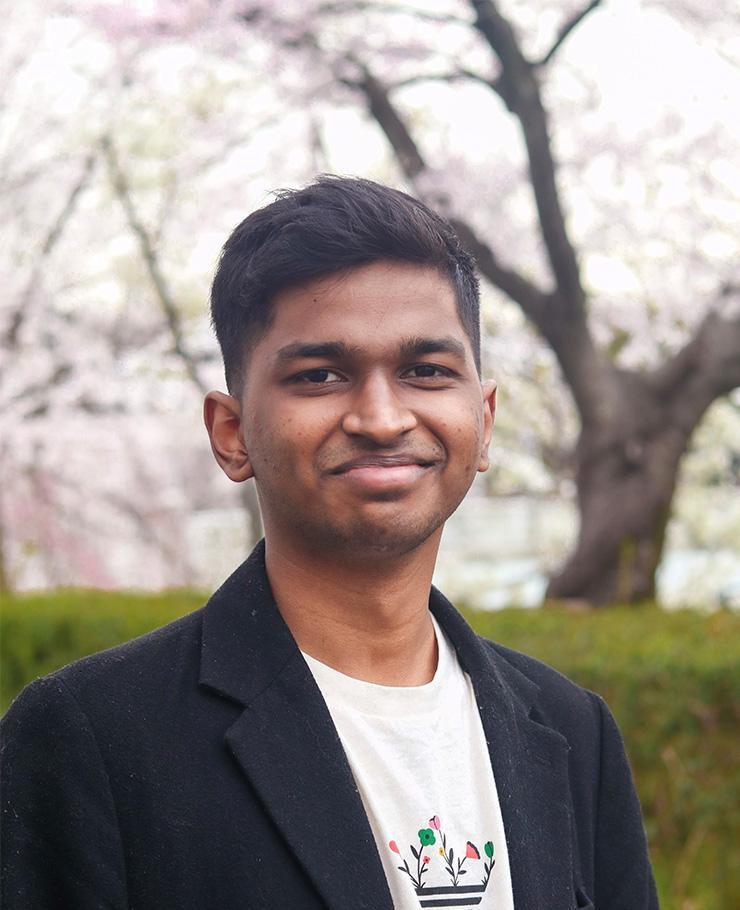
SUDHIR
From India
-
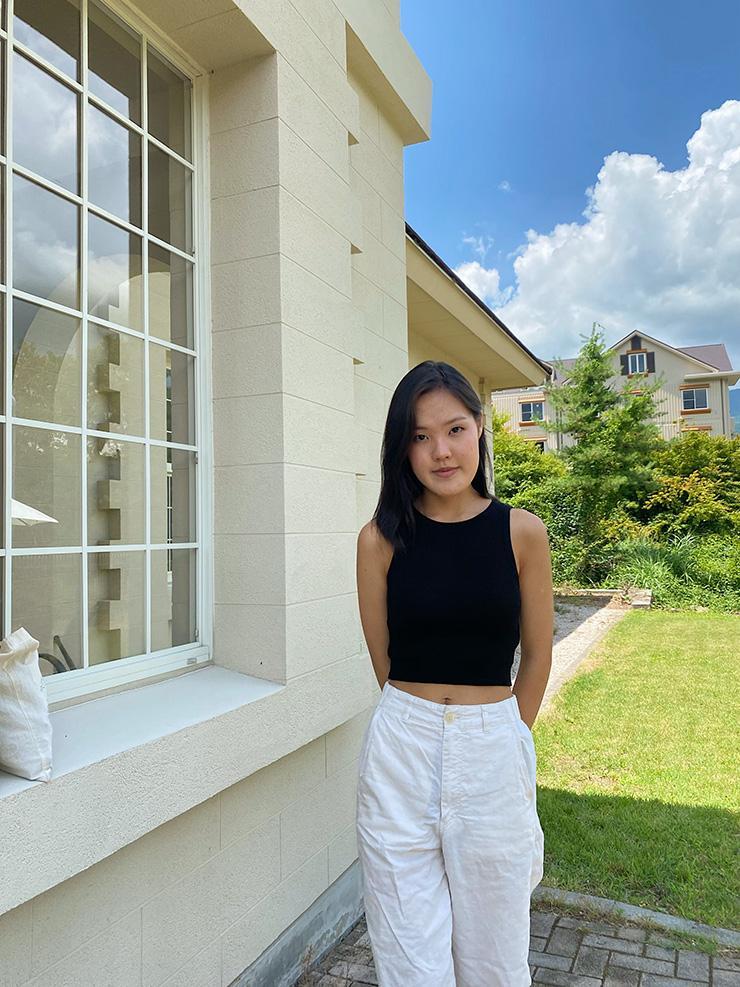
MIKI
From Mongolia/Japan
-
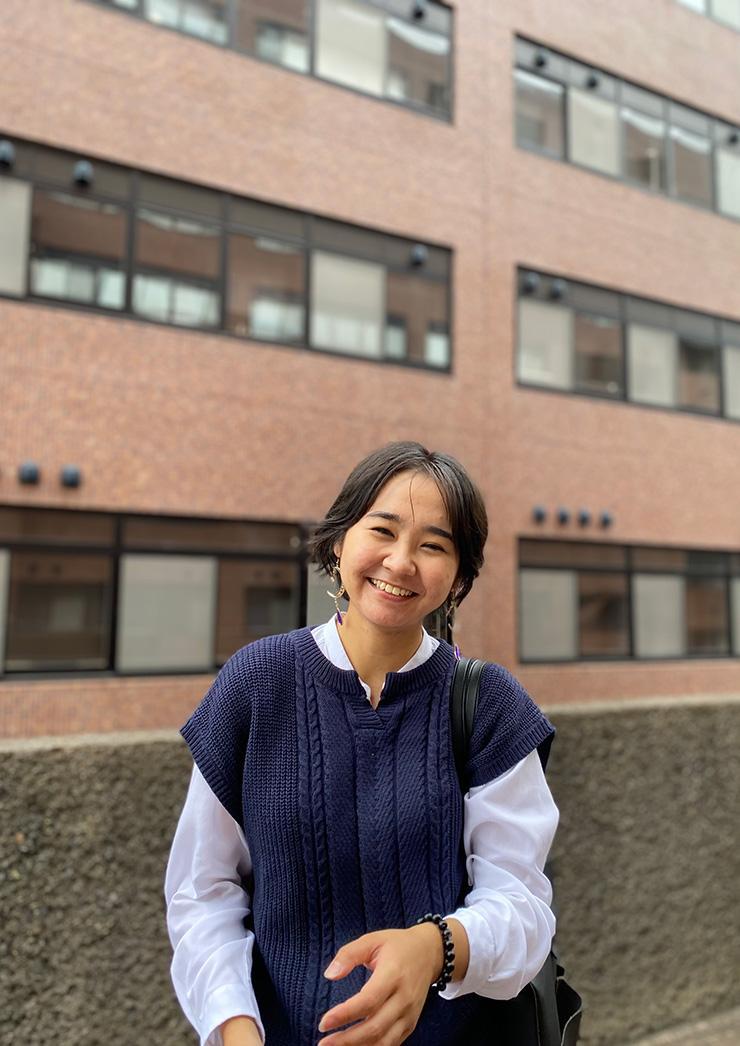
AISANA
From Kazakhstan
-
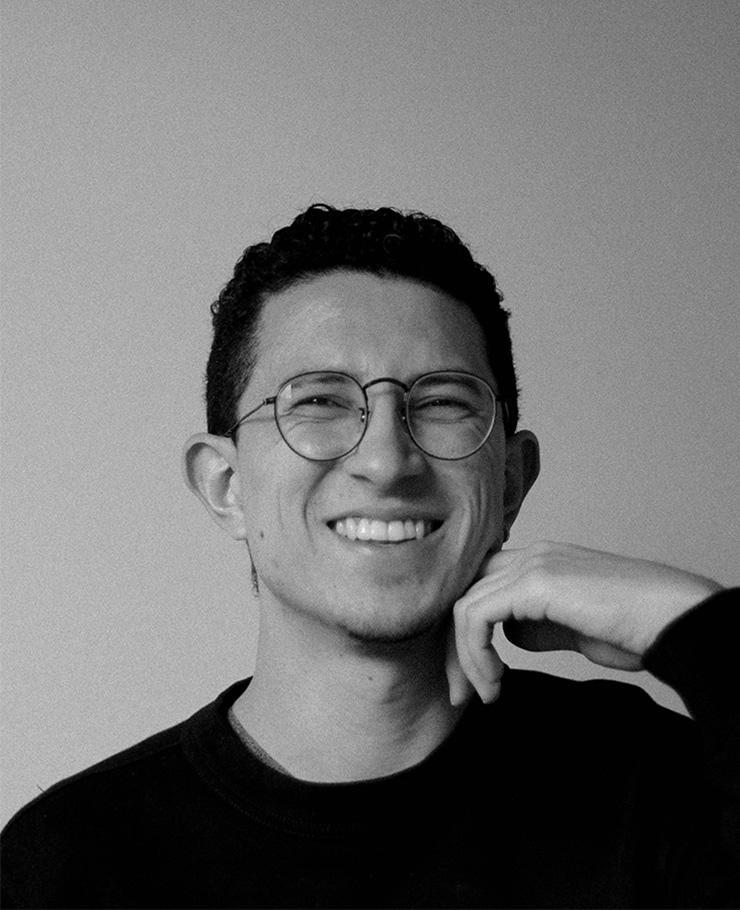
VITHOR SILVA
From Brazil
-
CHINMAY
From India
-
JEE
From Thailand
-
ISLA
From Taiwan
-
MIVE
From Turkmenistan
-
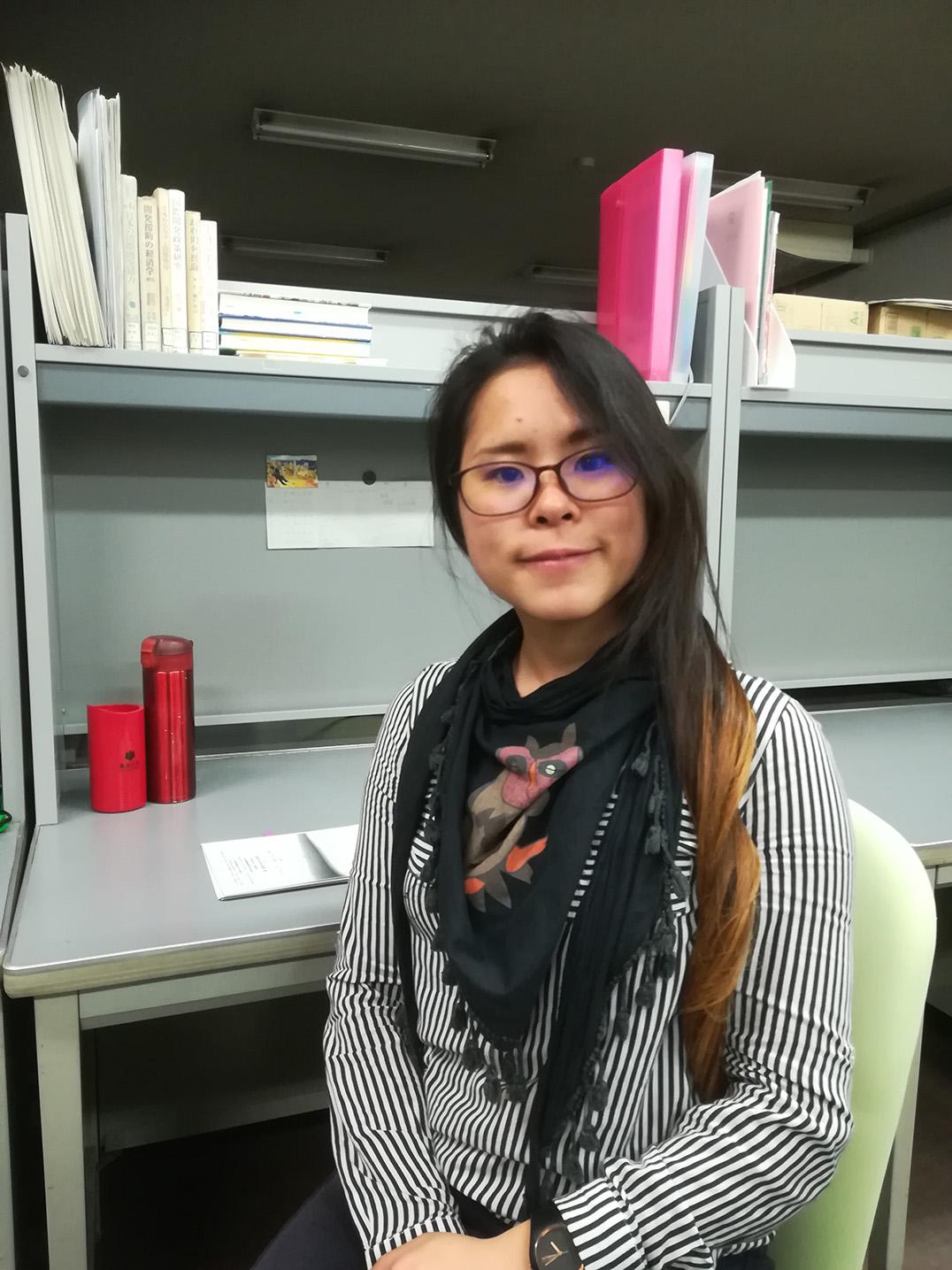
LAURA
From Argentina
-
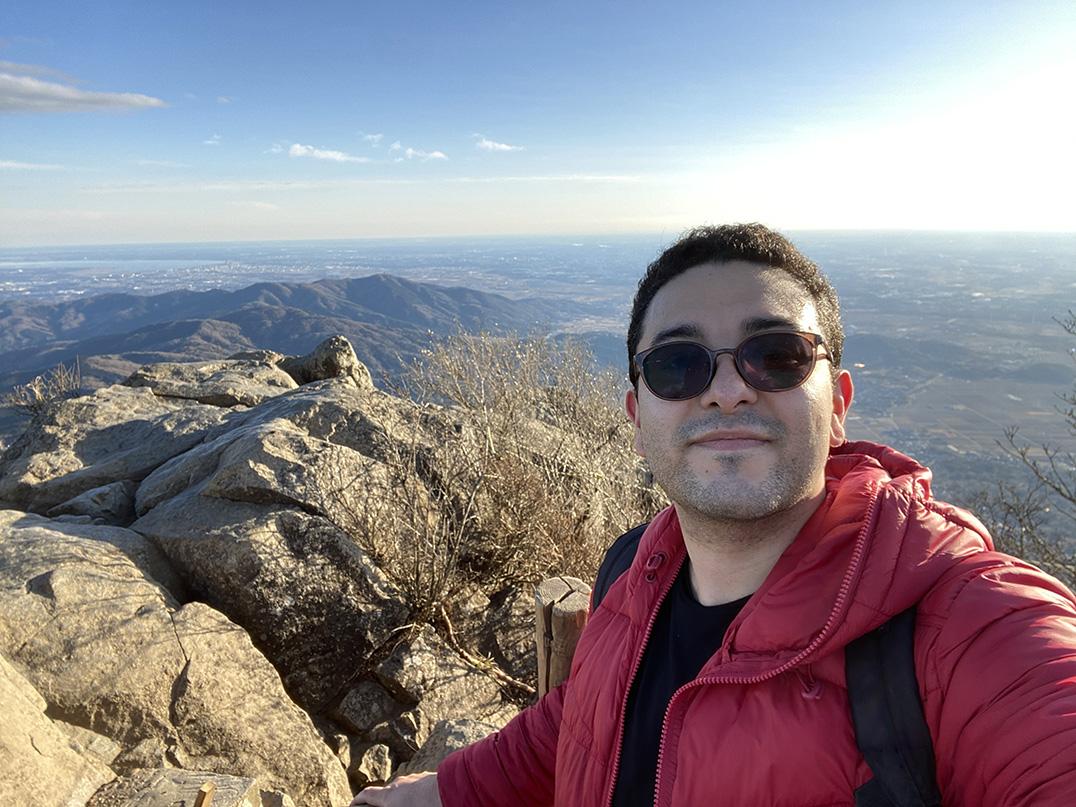
SERGIO
From Colombia
-
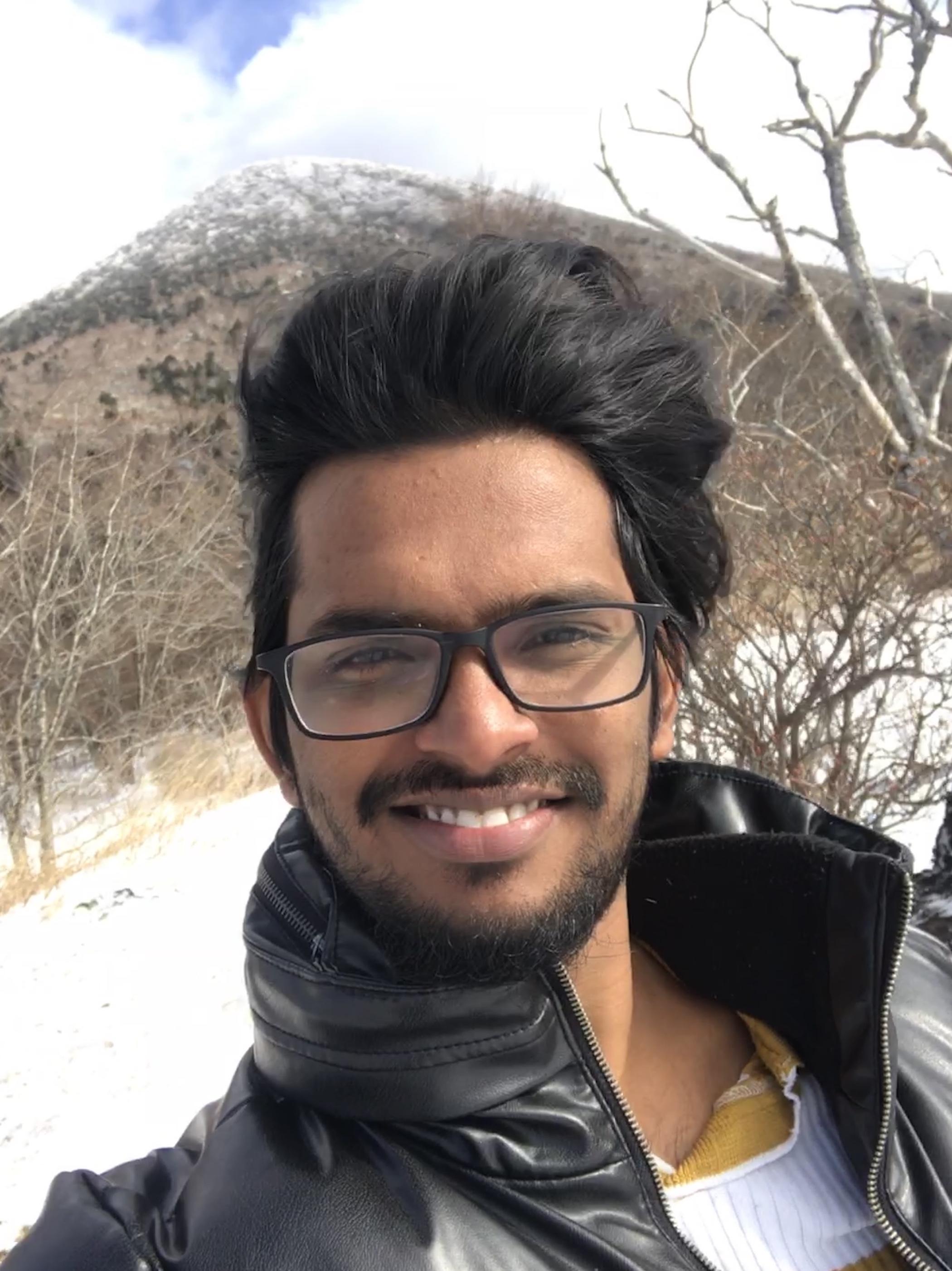
LENNY
From India
-
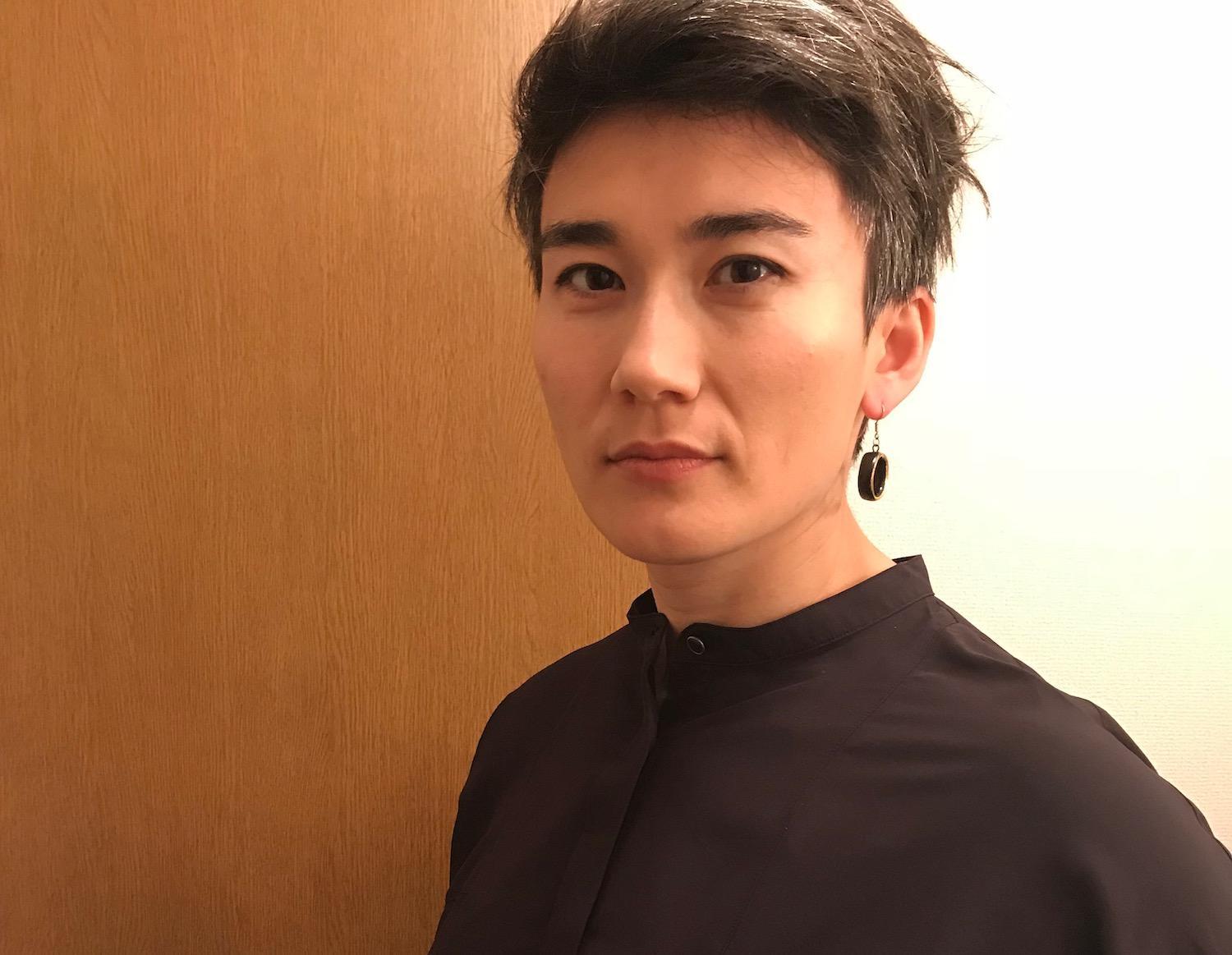
ZHANAR
From Kazakhstan
-
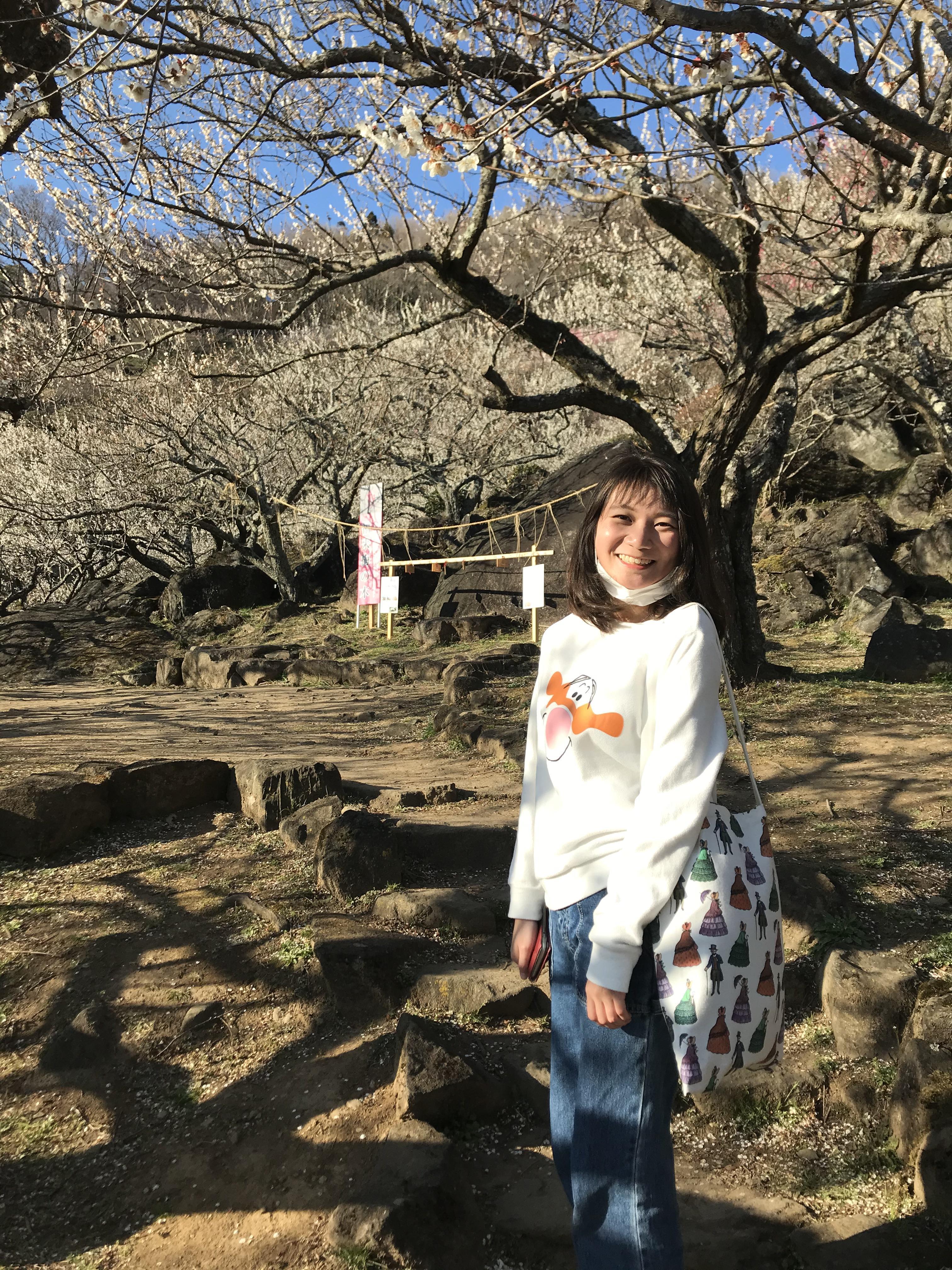
PENG
From Malaysia
-
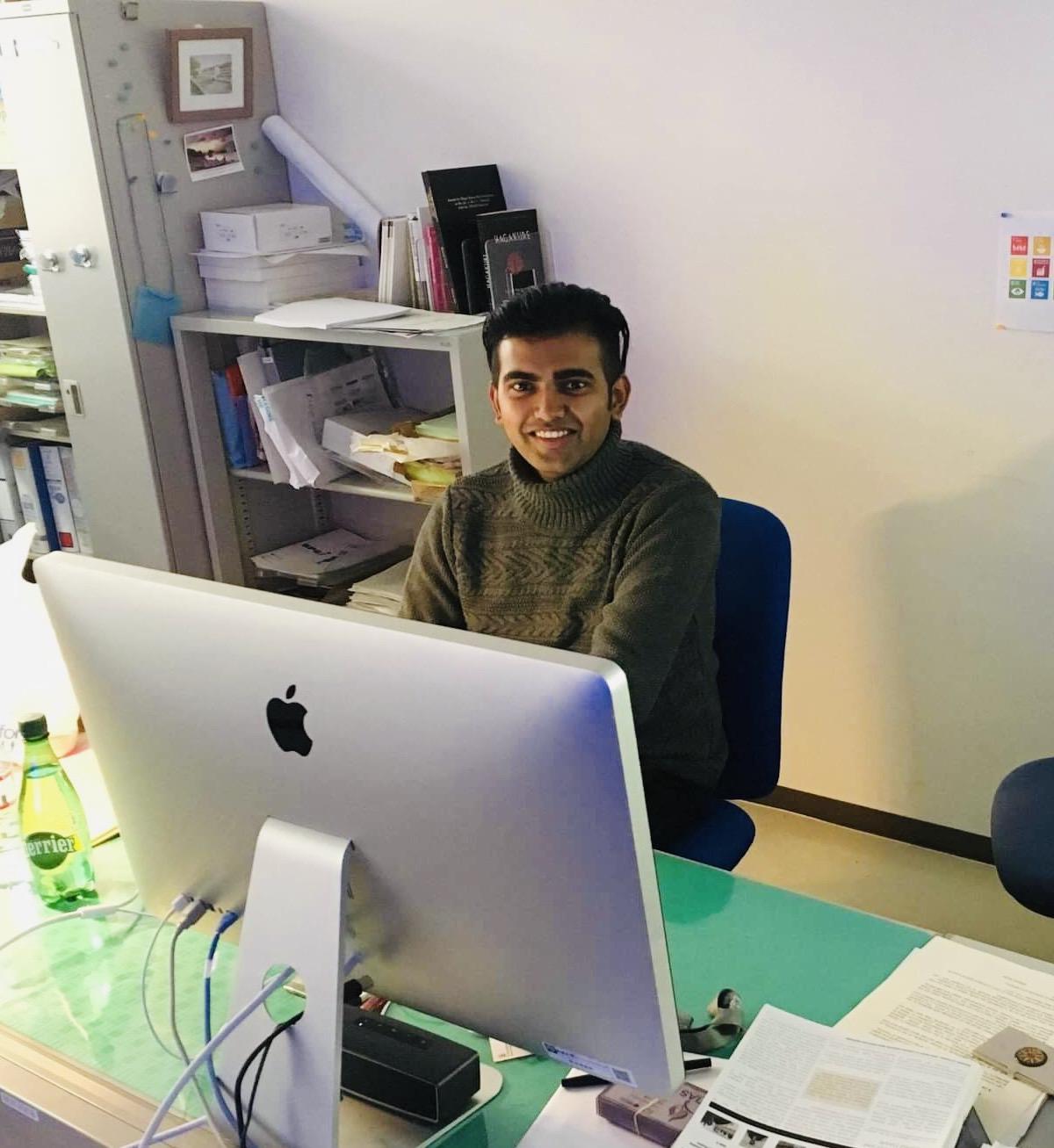
RAVI
From Nepal
-
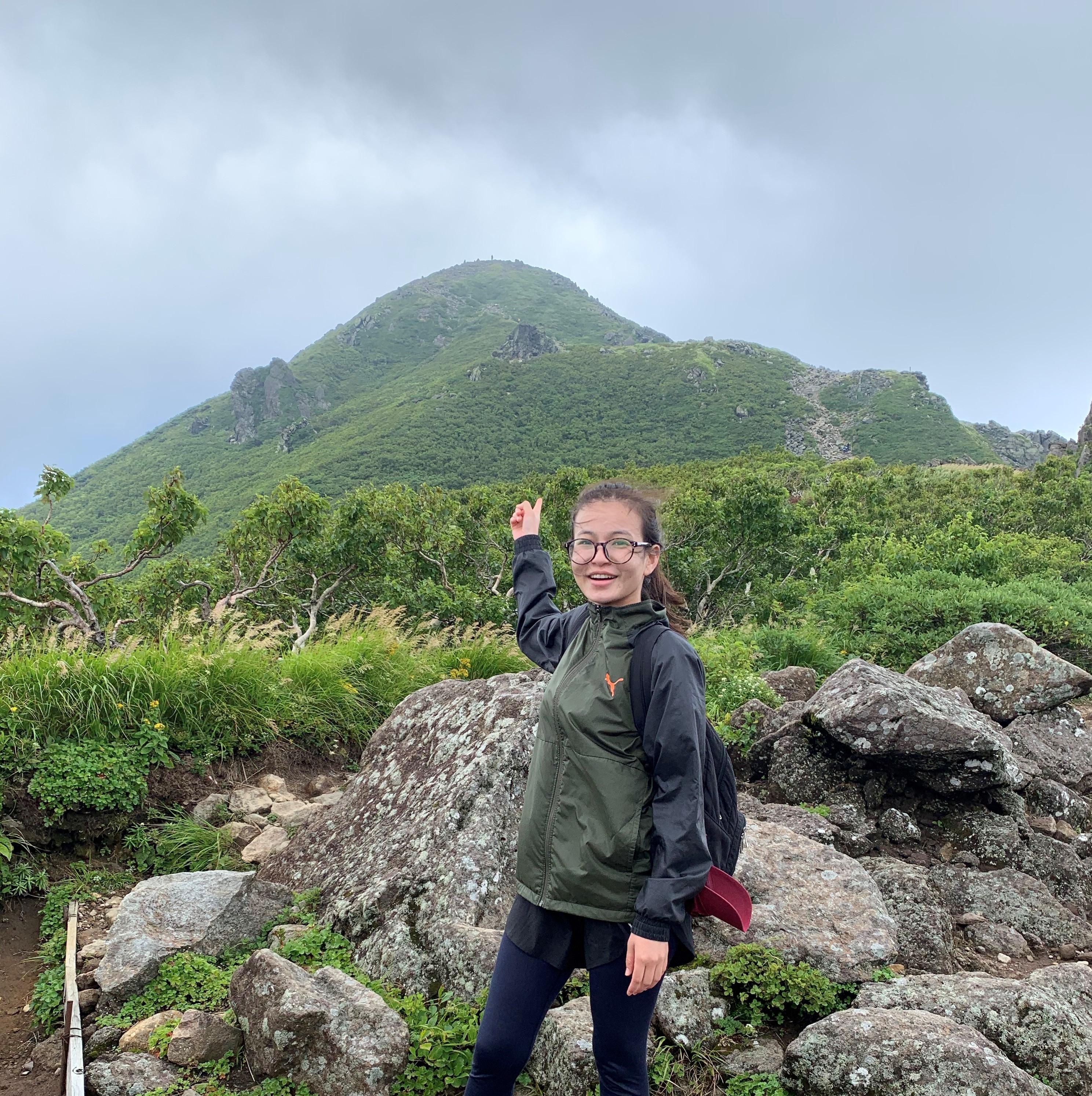
SUNITA
From Nepal
-
ATOM
From Thailand