


Voices of International Students
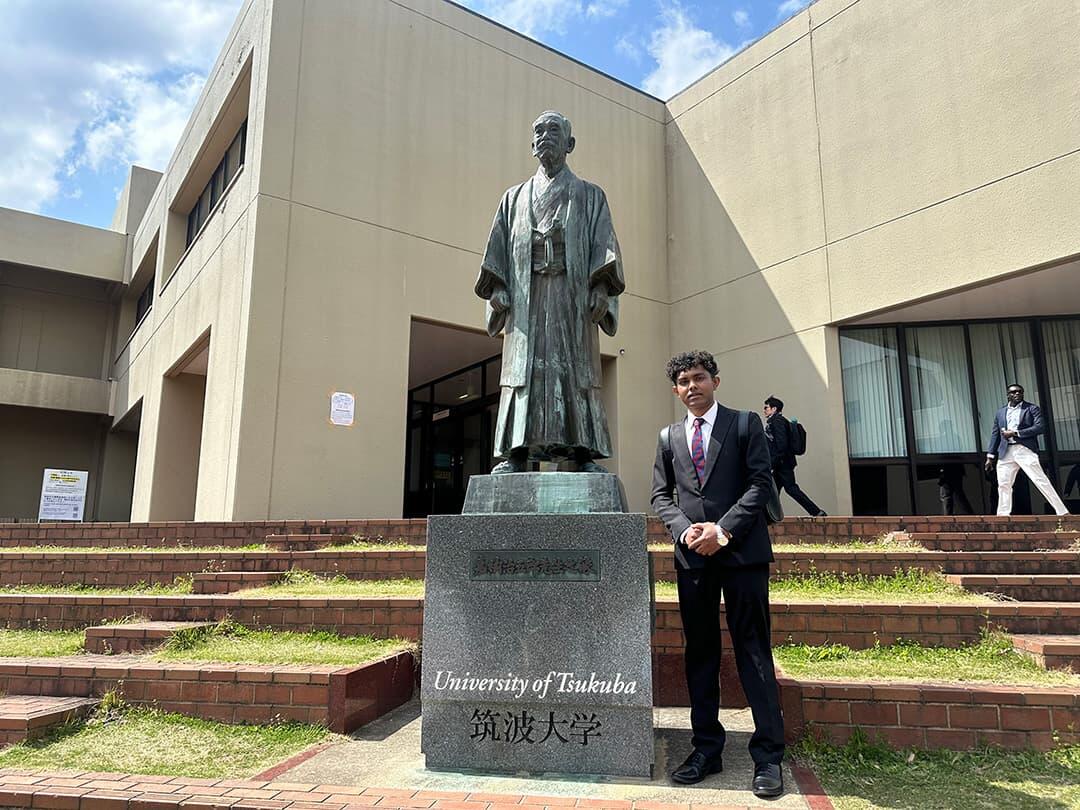
PULUSEN SATHYAJITH ARIYASINGHE
College of Humanities, School of Humanities and Culture College of Humanities
From Sri Lanka
What sparked your interest in this university?
I wanted to study Japanese linguistics, so I began searching for a university that would be the best fit for me. Through my research, I found the University of Tsukuba, especially the School of Humanities and Culture, College of Humanities.
I became particularly interested in a professor named Akio Nasu, who specializes in phonetics and phonology. Since I am very interested in the study of speech sounds and sound systems, I felt that studying under his guidance would be a great opportunity for me. Therefore, I decided to apply to this university.
One of the most important reasons I chose the University of Tsukuba is its diverse admission system. I applied through the admission system for students with overseas educational backgrounds, which was very helpful for me. I had already passed the Advanced Level examination in the Arts stream, achieving two A passes and one C. I received A grades in Chinese and Japanese, and a C in Logic and Scientific Method.
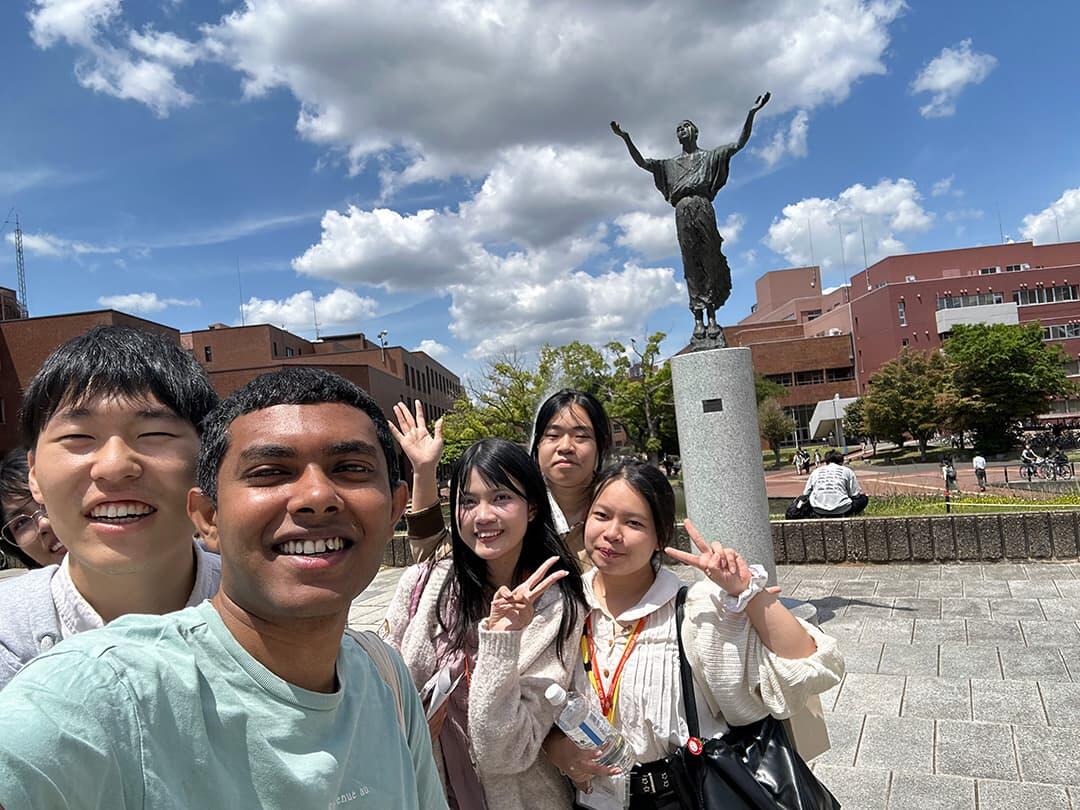
Another important reason is the campus environment. The University of Tsukuba has a very large campus surrounded by nature, and it feels like a small city. There are supermarkets, convenience stores, cafés, bakeries, bookstores, ATMs, and many restaurants on campus. I believe this environment is very comfortable and suitable for both studying and daily life.
What aspects of Japanese culture or customs surprised you? How did you adapt to them?
I was surprised by the strong sense of respect, punctuality, and consideration for others in Japanese culture. I also noticed that communication is often indirect, and people try to maintain harmony in group situations.To adapt, I focused on changing my behavior. I became more punctual, paid attention to group harmony, and learned to read the atmosphere in social situations. Through this, I developed better intercultural understanding and flexibility.
What do you enjoy about Tsukuba?
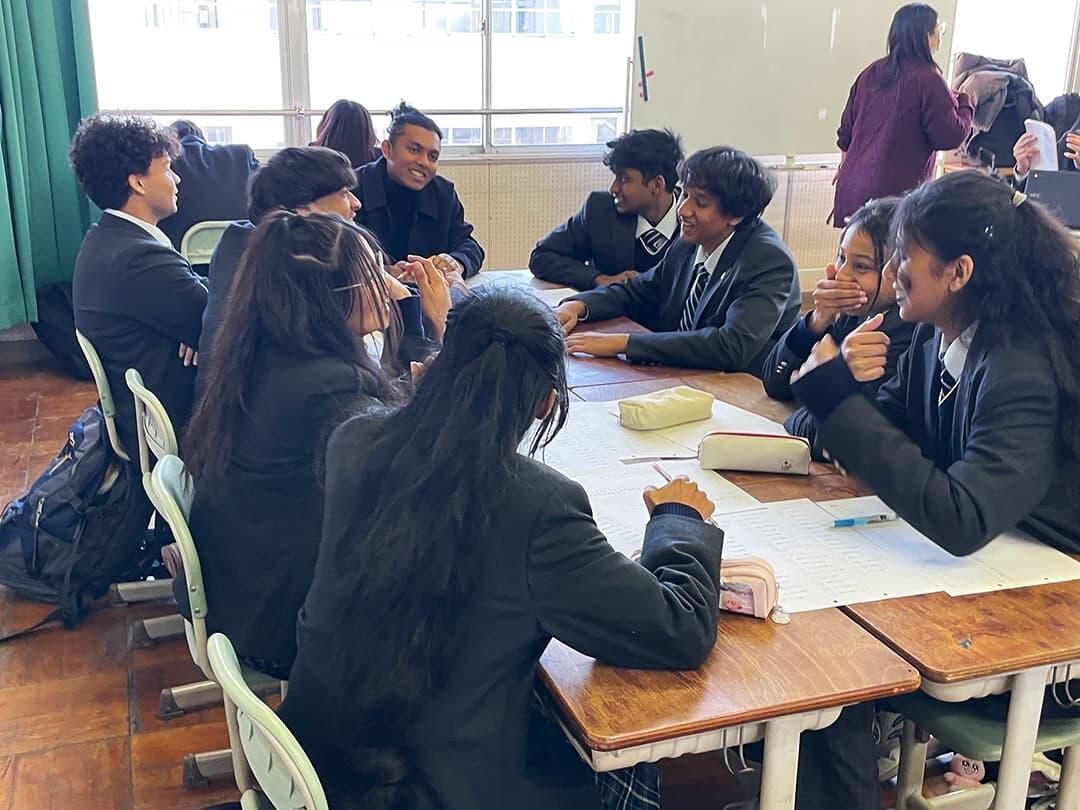
After entering the university, I enjoyed participating in various activities and interacting with different people through clubs and international exchange events. In particular, I joined a Japanese language support program for foreign children in Ibaraki. It was very meaningful for me to pass on the Japanese skills I had learned and support others in their learning. I found great satisfaction in helping them and being part of their growth.I also actively participated in Japanese language education activities under Professor Hiroko Sawada, including high school visits and DLA assessments. In addition, I was involved in organizing exchange events and supporting various programs.
Through these experiences, I have really enjoyed the active and diverse community at Tsukuba.
What do you hope to achieve during your time here?
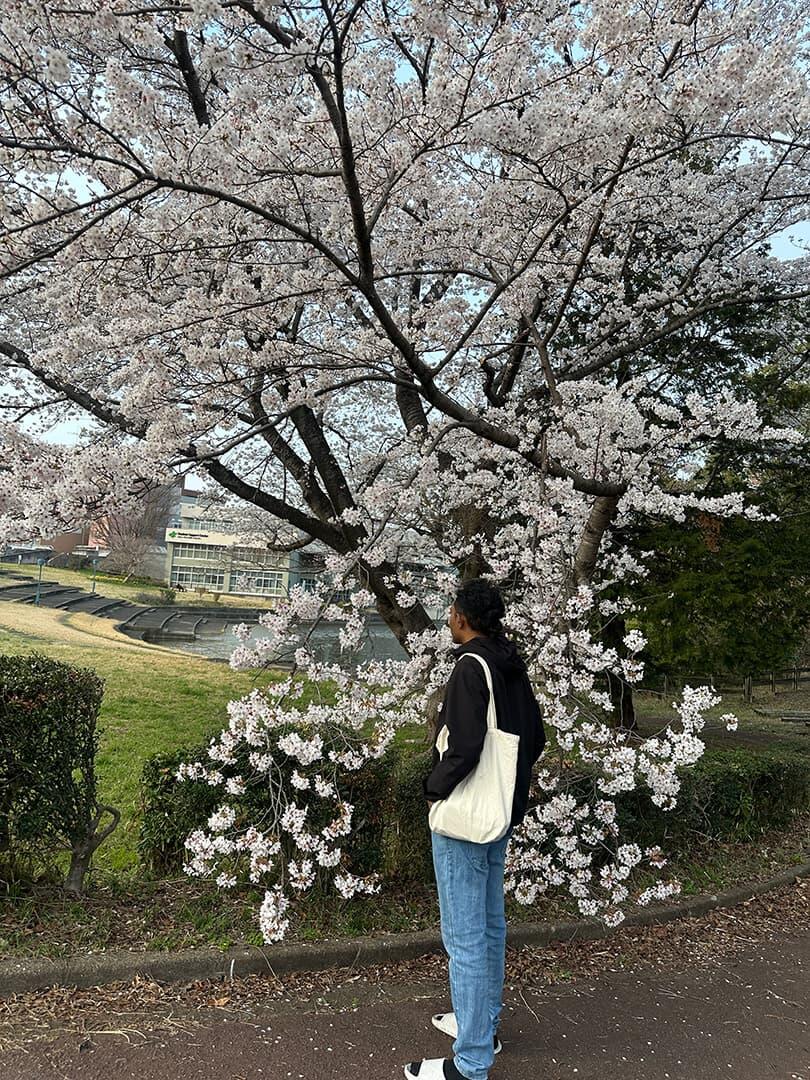
During my time at the University of Tsukuba, I hope to actively participate in as many academic and extracurricular activities as possible while deepening my knowledge of Japanese language education and linguistics.
One of my main goals is to obtain the national qualification of a registered Japanese language teacher. Currently, I am doing an internship at a Japanese language school in Saitama, where I am developing my practical teaching skills and exploring my future career path.
I also want to take advantage of Tsukuba's international programs. Previously, I participated in an overseas program in South Korea, where I learned about multicultural collaboration and built friendships with local students. I would like to continue joining such programs to broaden my global perspective.
In addition, I aim to improve my multilingual abilities. I am currently studying Chinese as my second language, and I have also taken Korean and Spanish. In the future, I would like to study German as well, and I am currently self-studying Swahili. Expanding the number of languages I can use is one of my important goals.
Looking ahead, I plan to pursue graduate studies in phonetics and become a researcher in the field of linguistics. I believe that the interdisciplinary and international environment at the University of Tsukuba will help me achieve these goals and shape my future.
What do you think makes the University of Tsukuba special?
I believe what makes the University of Tsukuba special is its strong emphasis on interdisciplinarity and internationality.
Students have the opportunity to study across different fields and connect diverse areas of knowledge, which encourages flexible and innovative thinking. At the same time, the university provides a highly international environment, with many exchange programs and students from various cultural backgrounds.
This combination allows students not only to deepen their academic expertise but also to broaden their global perspective, which I think is a unique strength of the University of Tsukuba.
-
YI-FU LIU
From China
-
XINGYA YUAN
From China
-

礼 (LI)
From China
-
PULUSEN SATHYAJITH ARIYASINGHE
From Sri Lanka
-
SAKNARIN NIN-INJAN
From Thailand
-
HIRUNI HUNUKUMBURA
From Sri Lanka
-

HAN CHON TEH
From Malaysia
-
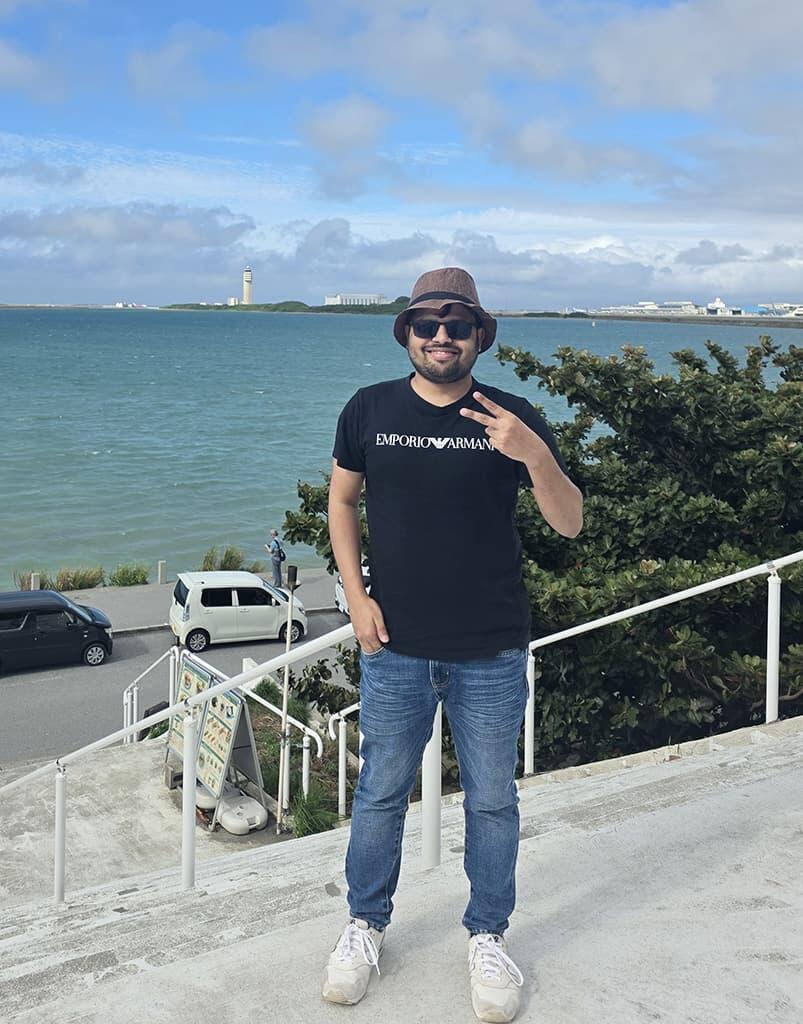
MD MEHEDI HASAN
From Bangladesh
-
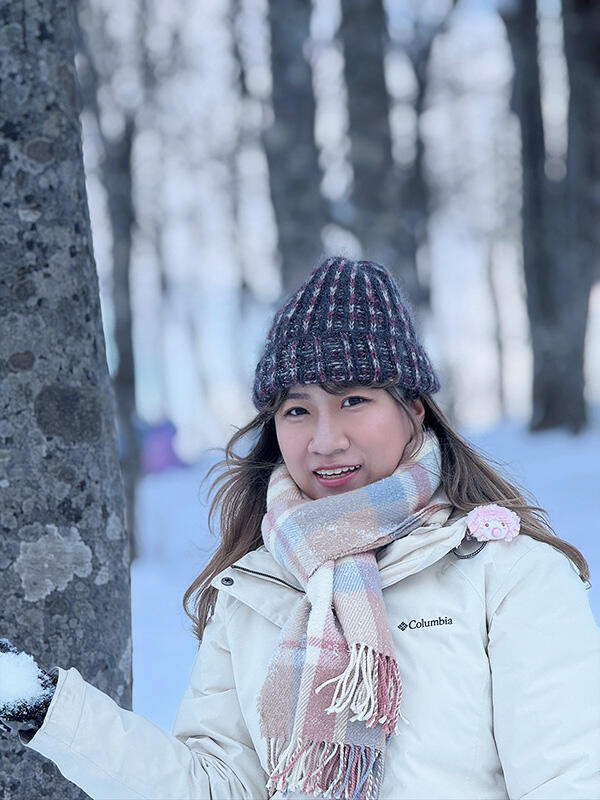
LI SZE CHING
From Hong Kong
-
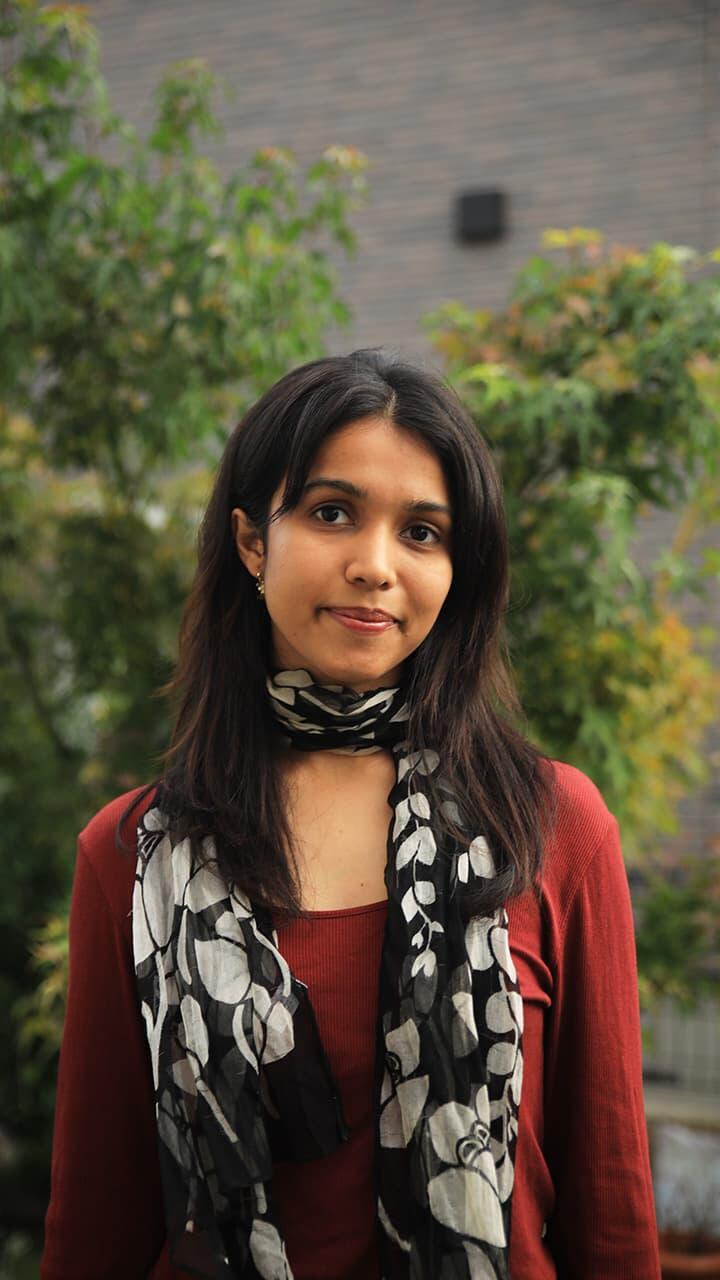
SIYA JITENDRA DESHPANDE
From India
-

RIBEIRO FALCÃO LORRANA
From Brazil
-
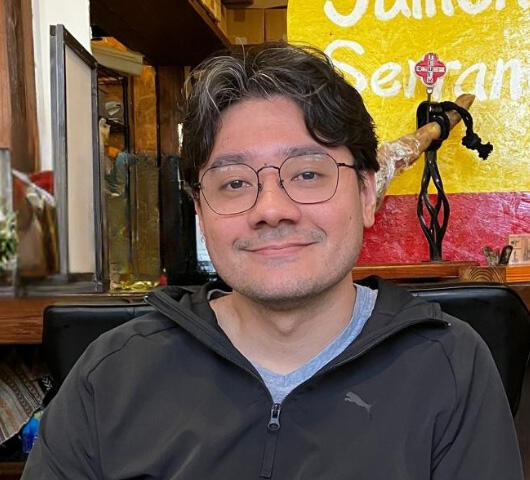
VICTOR MASSAKI NAKAGUCHI
From Brazil
-
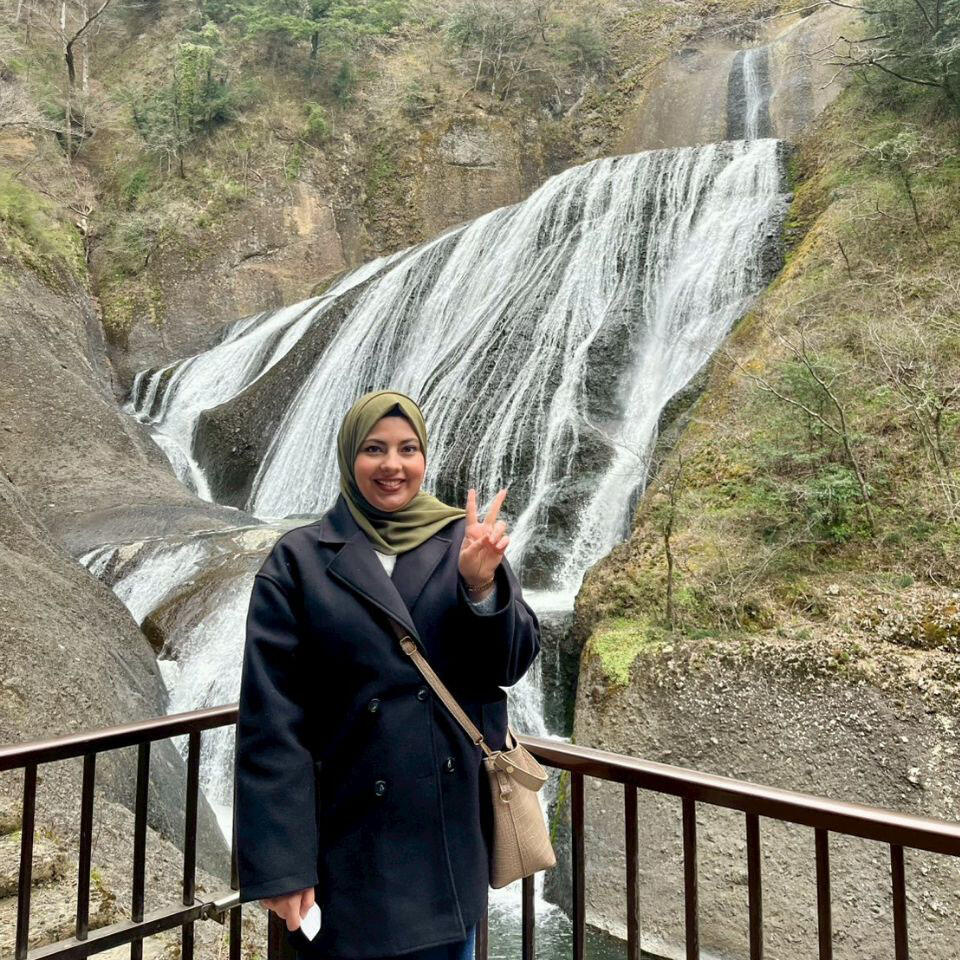
RIYAM MOTEA AL-RAABEA
From Iraq
-
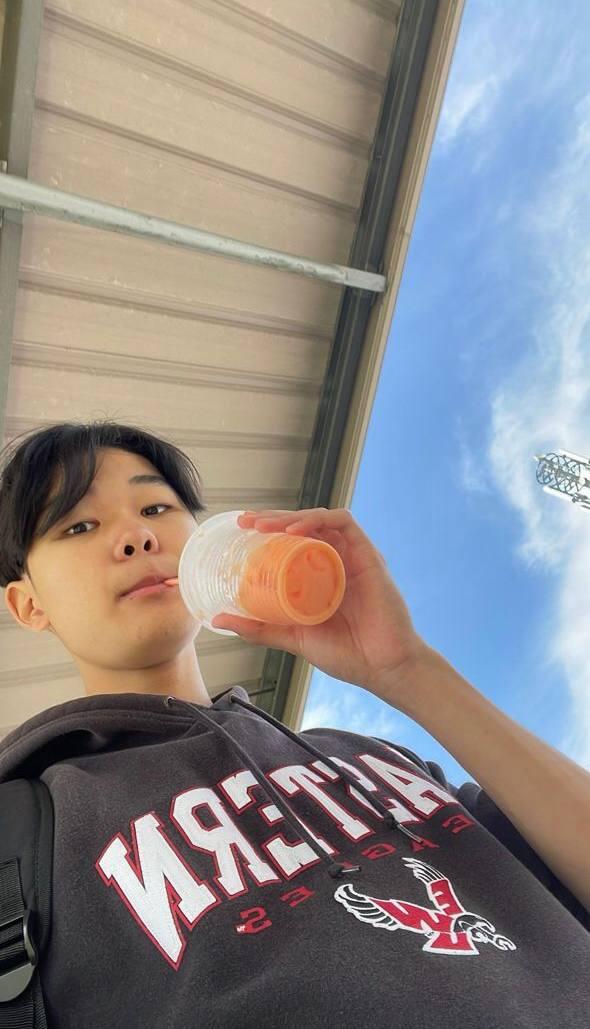
ASYRAF KAZUKI BIN ABDUL ZAKI
From Malaysia
-

CHUN PI HSIEH
From Taiwan
-
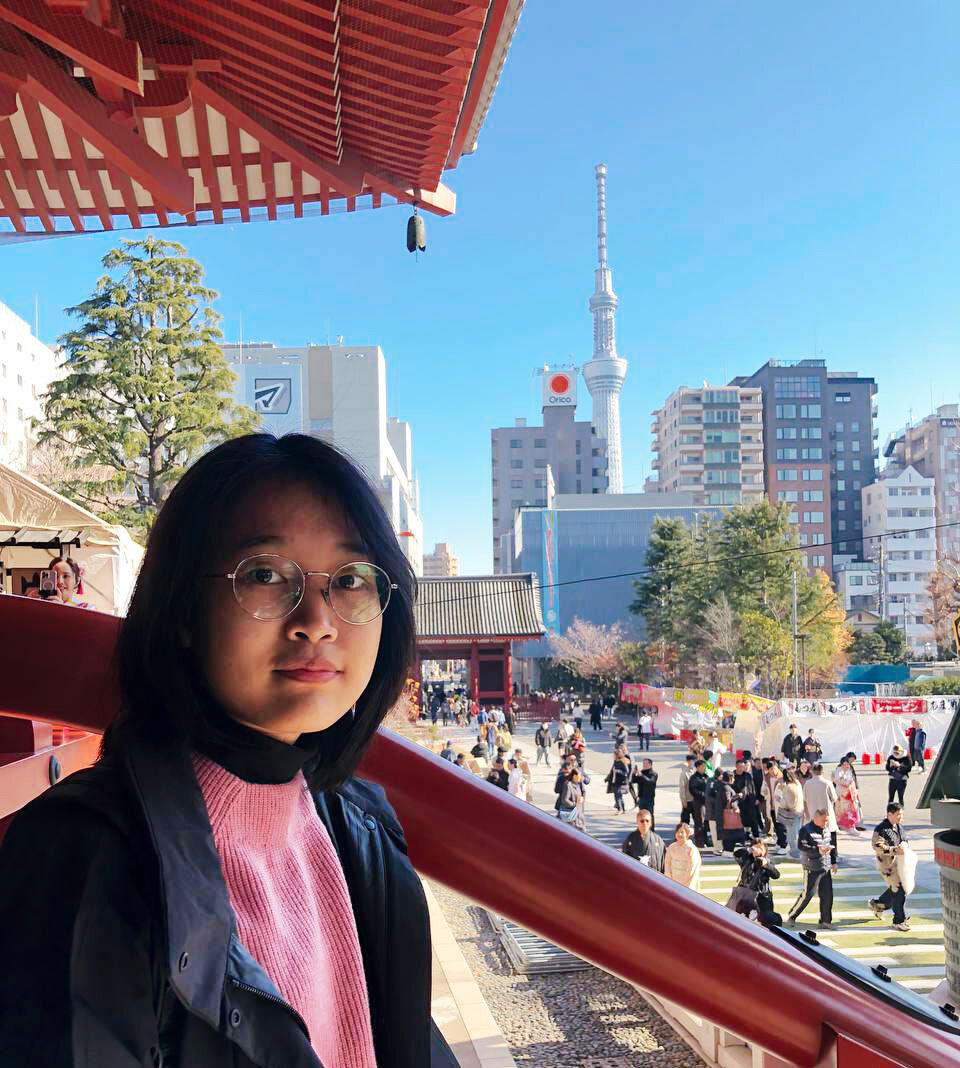
EI YADANAR MAUNG
From Myanmar
-

LIANG LIU
From China
-
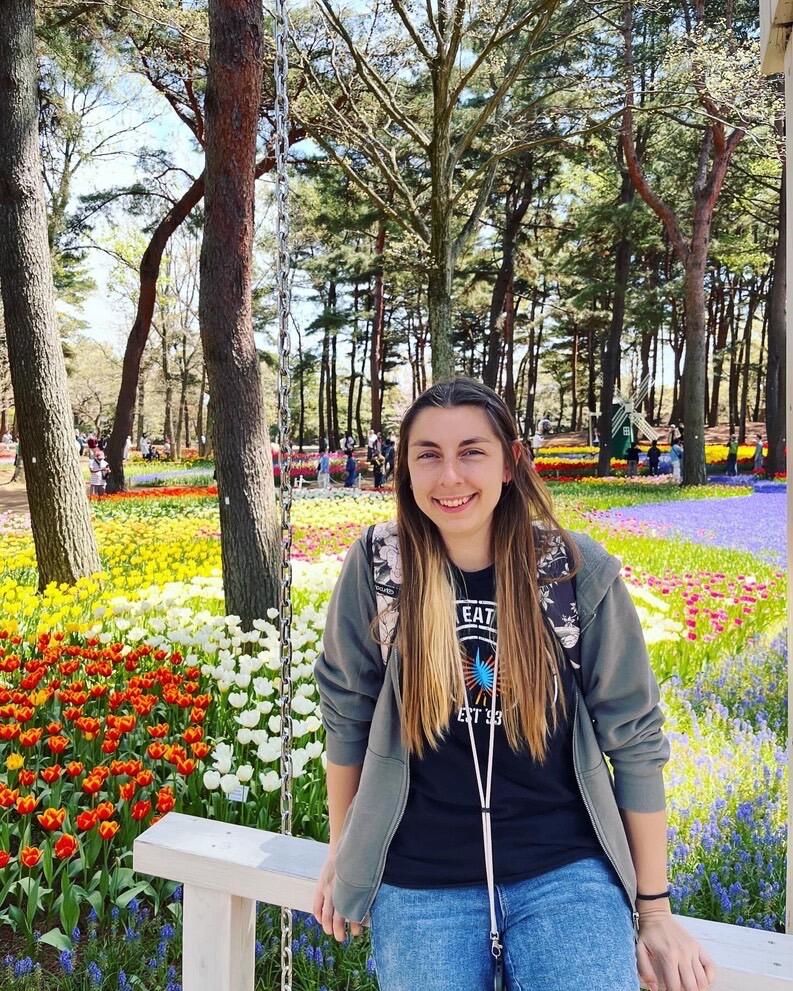
EMMA ROSE DANGERFIELD
From Australia
-
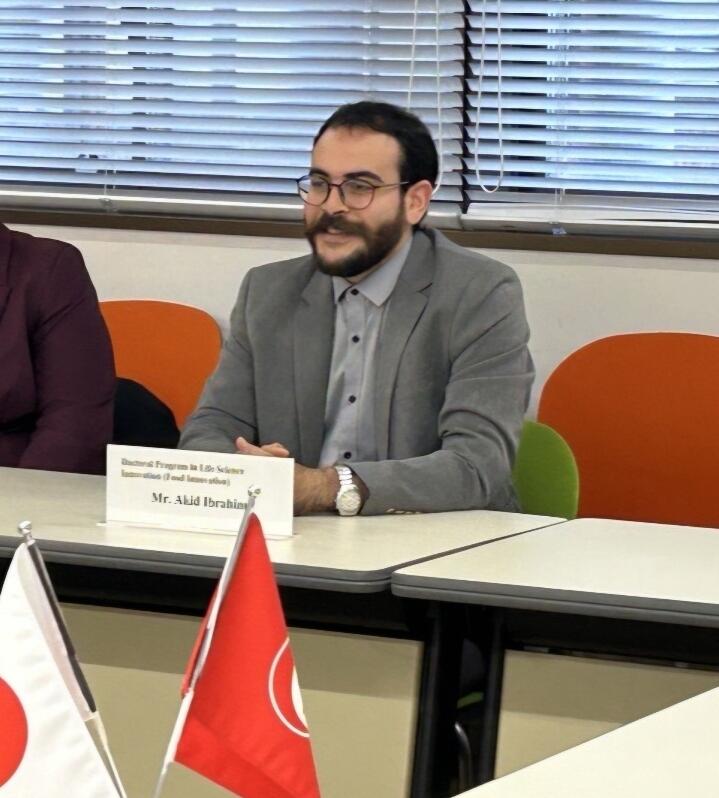
IBRAHIM AKID
From Tunisia
-
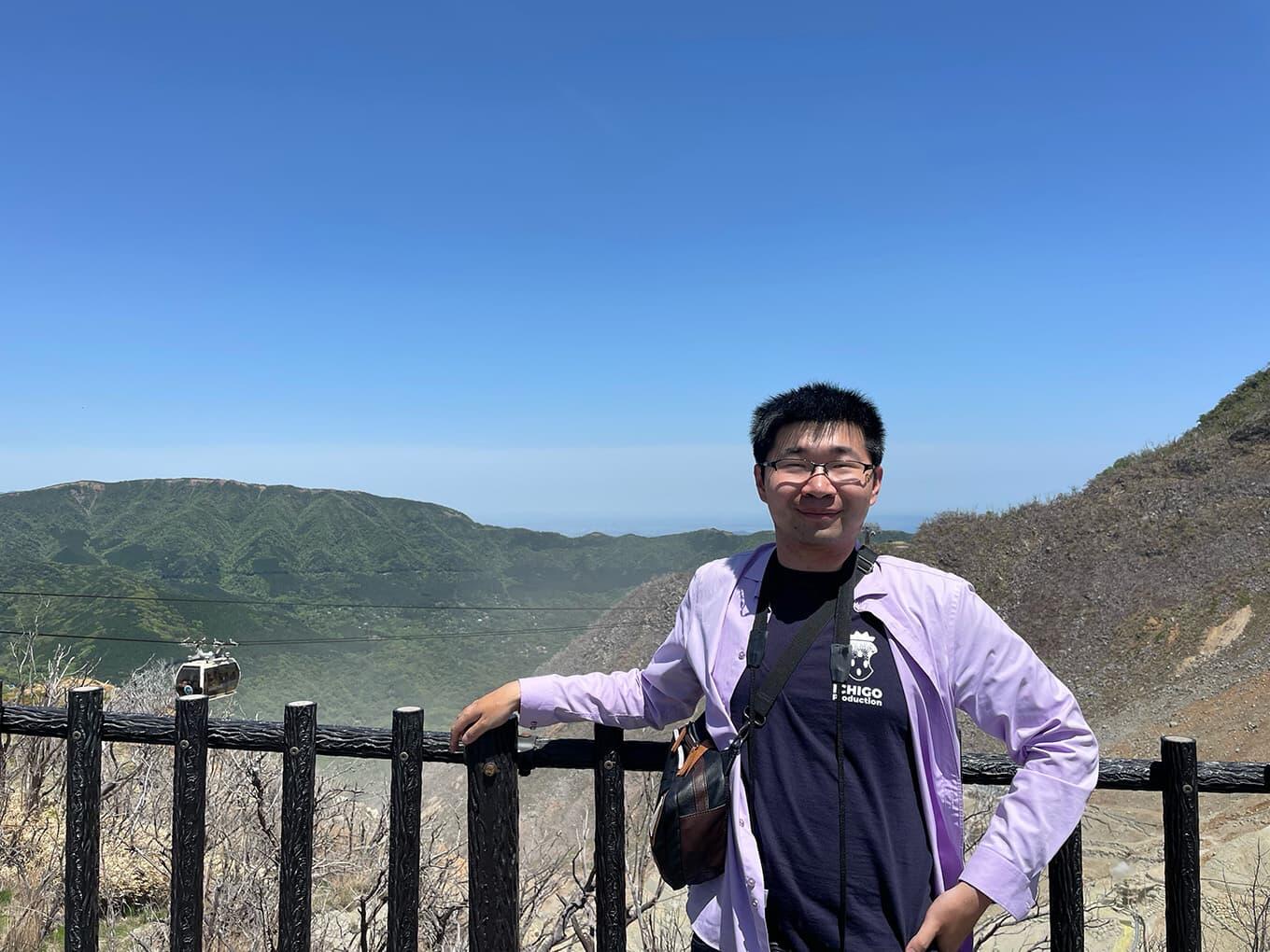
LEYUN HUANG
From China
-
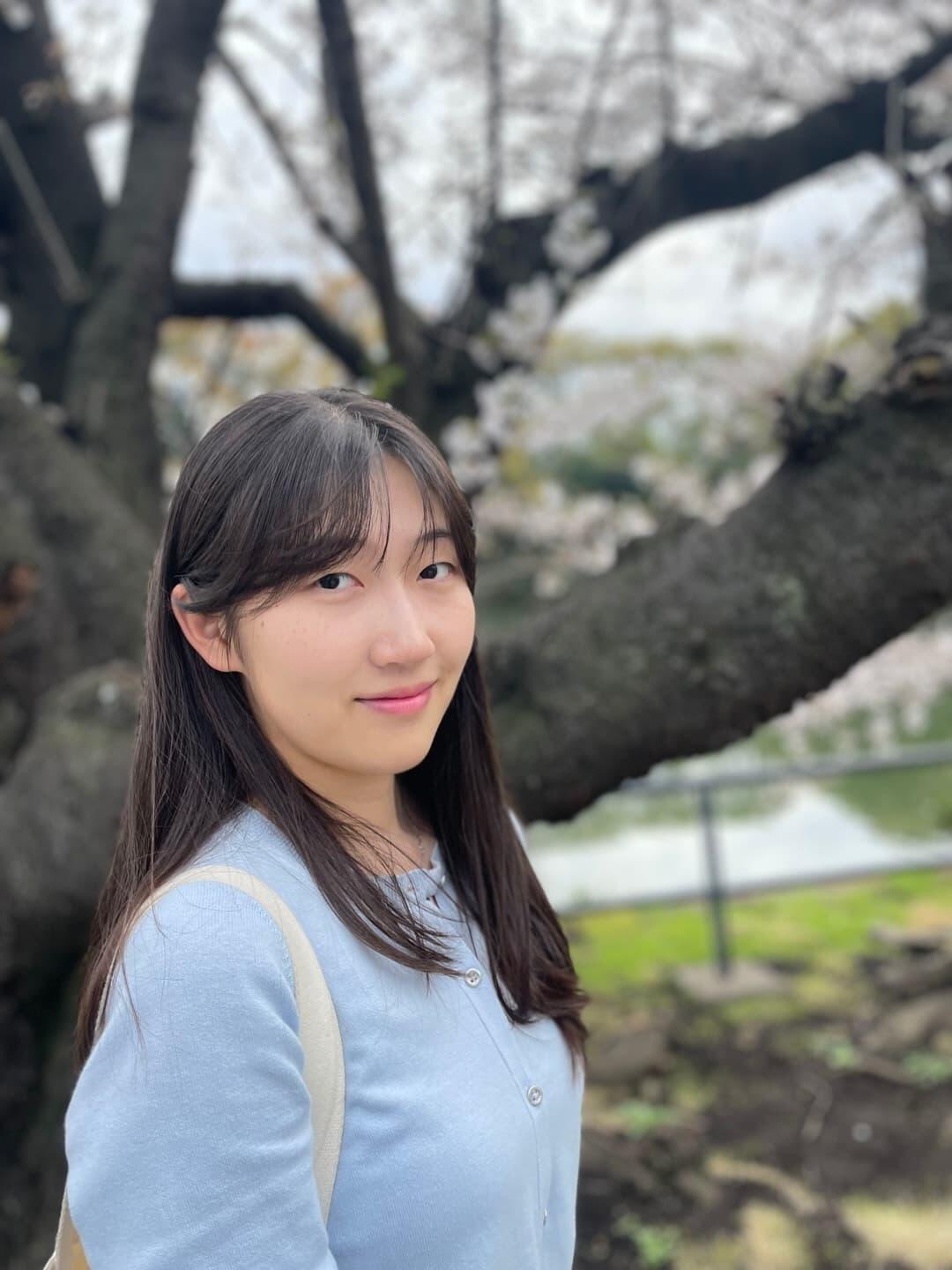
HYOWON LEE
From Korea
-
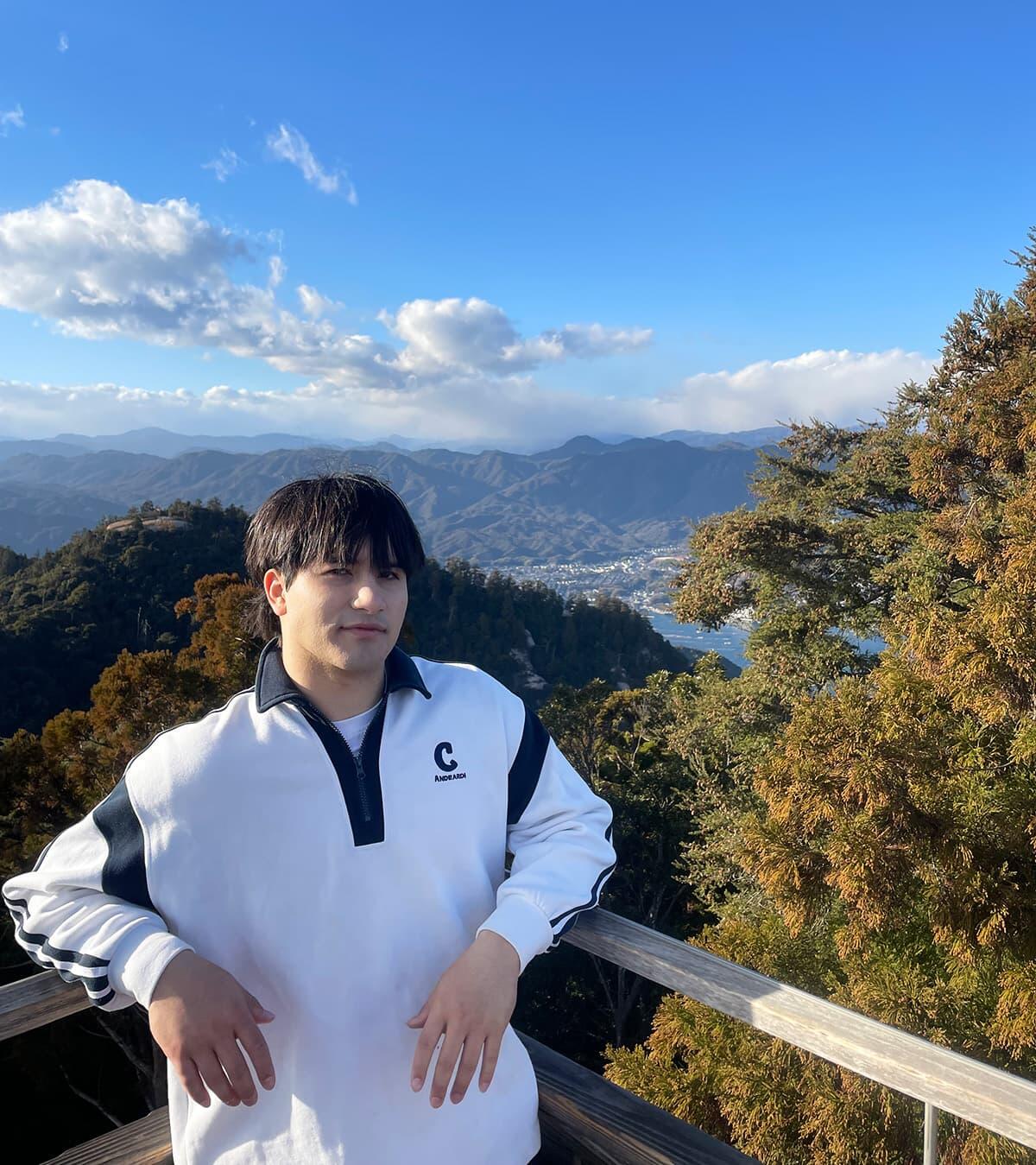
ZACHARY JAMES YOSHIOKA
From USA
-
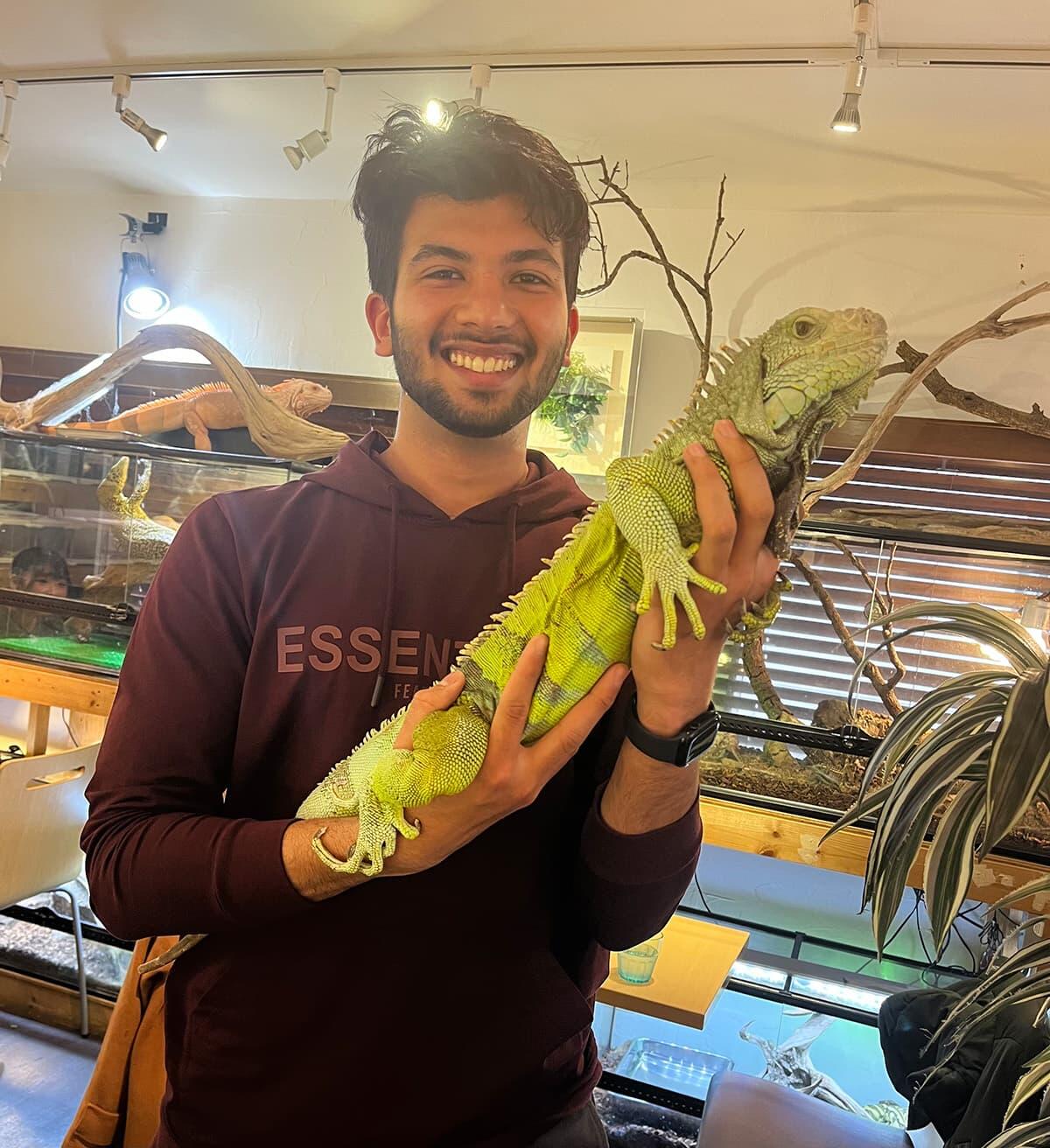
NIMISH SUDHIR GODSE
From India
-
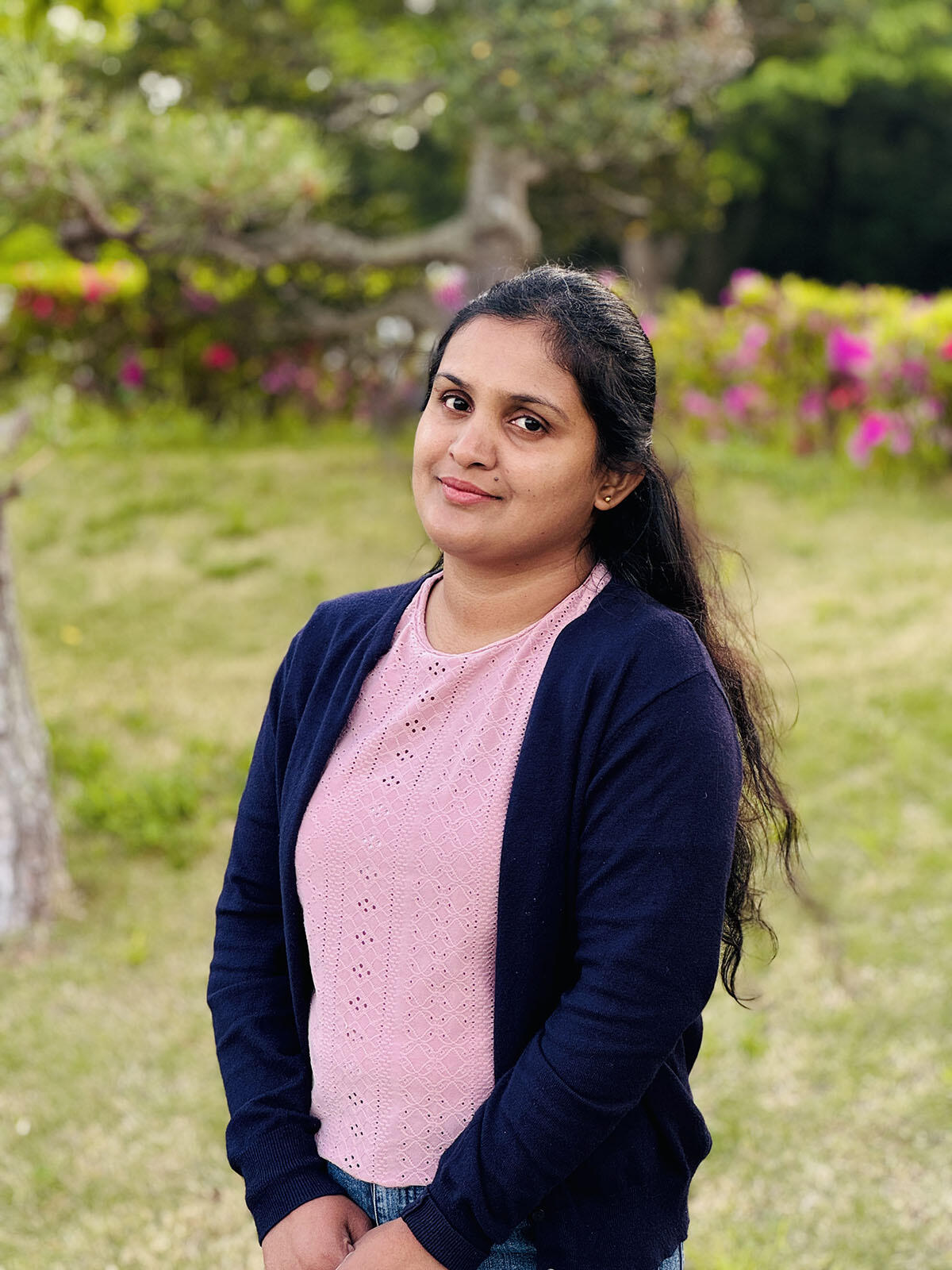
HASINI NIMANTHI KATIYAPE SAMARASEKARAGE
From Sri Lanka
-
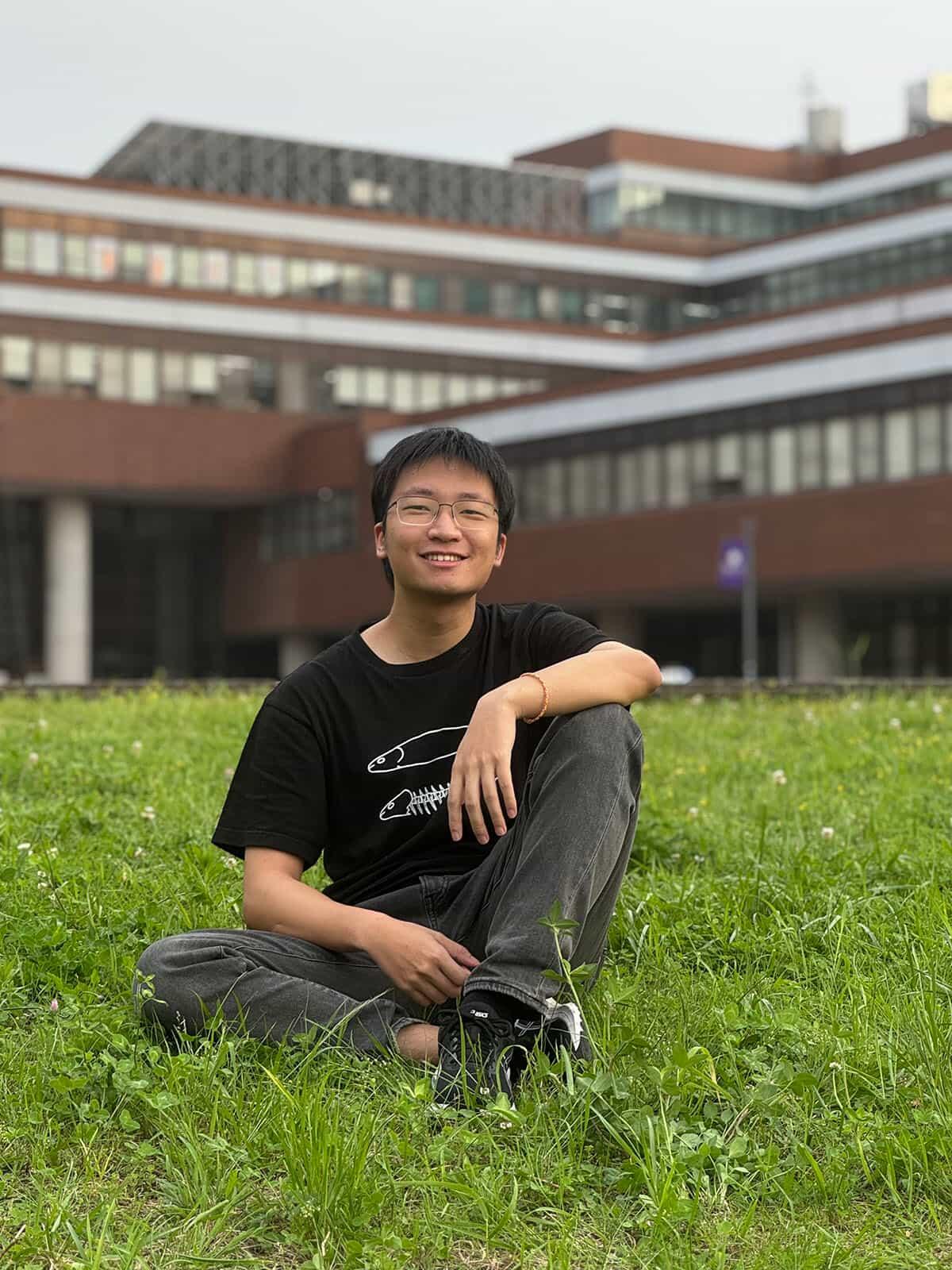
MURAN XU
From China
-
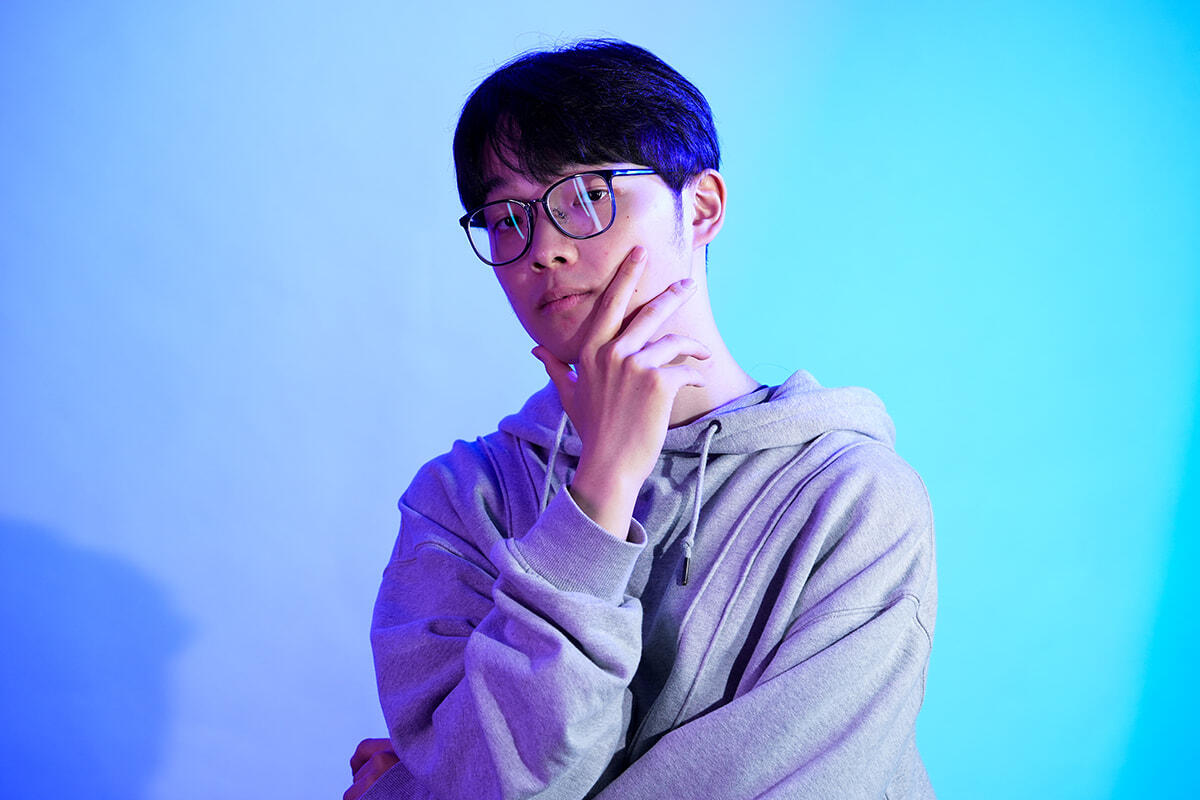
YANG HU
From China
-
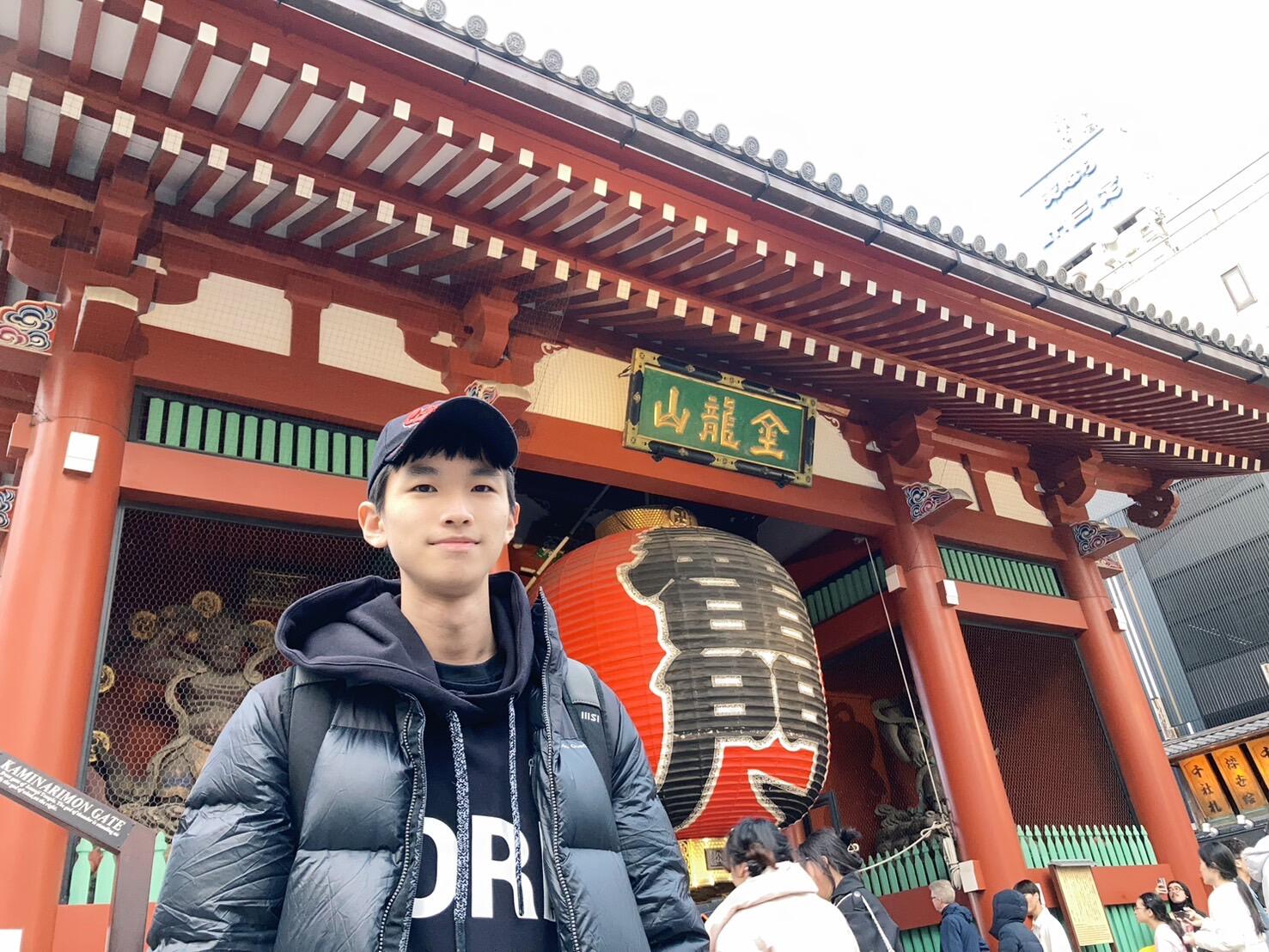
TE-YU HUANG
From Taiwan
-
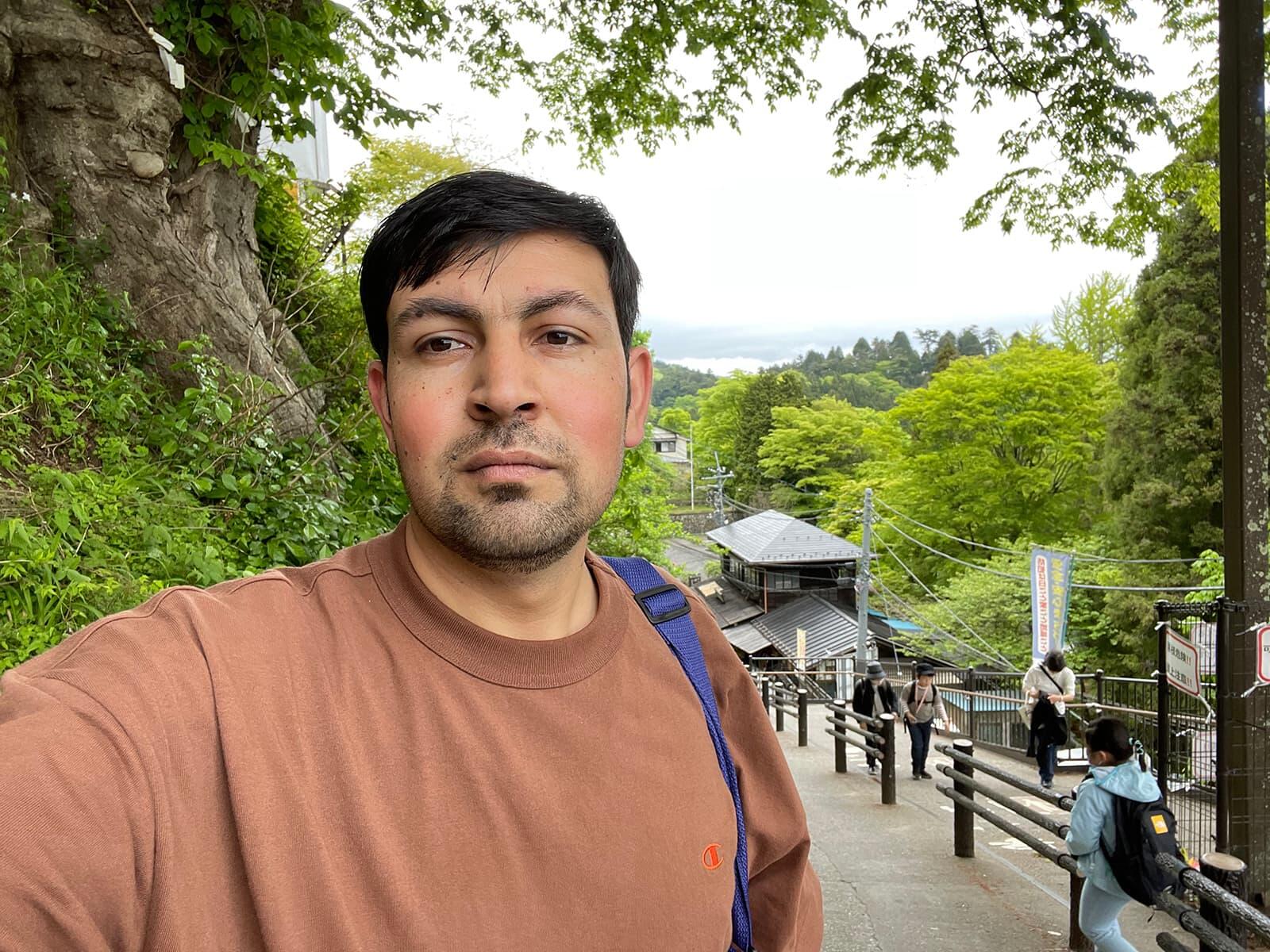
SHAFIQULLAH YOUSAFZAI
From Afghanistan
-
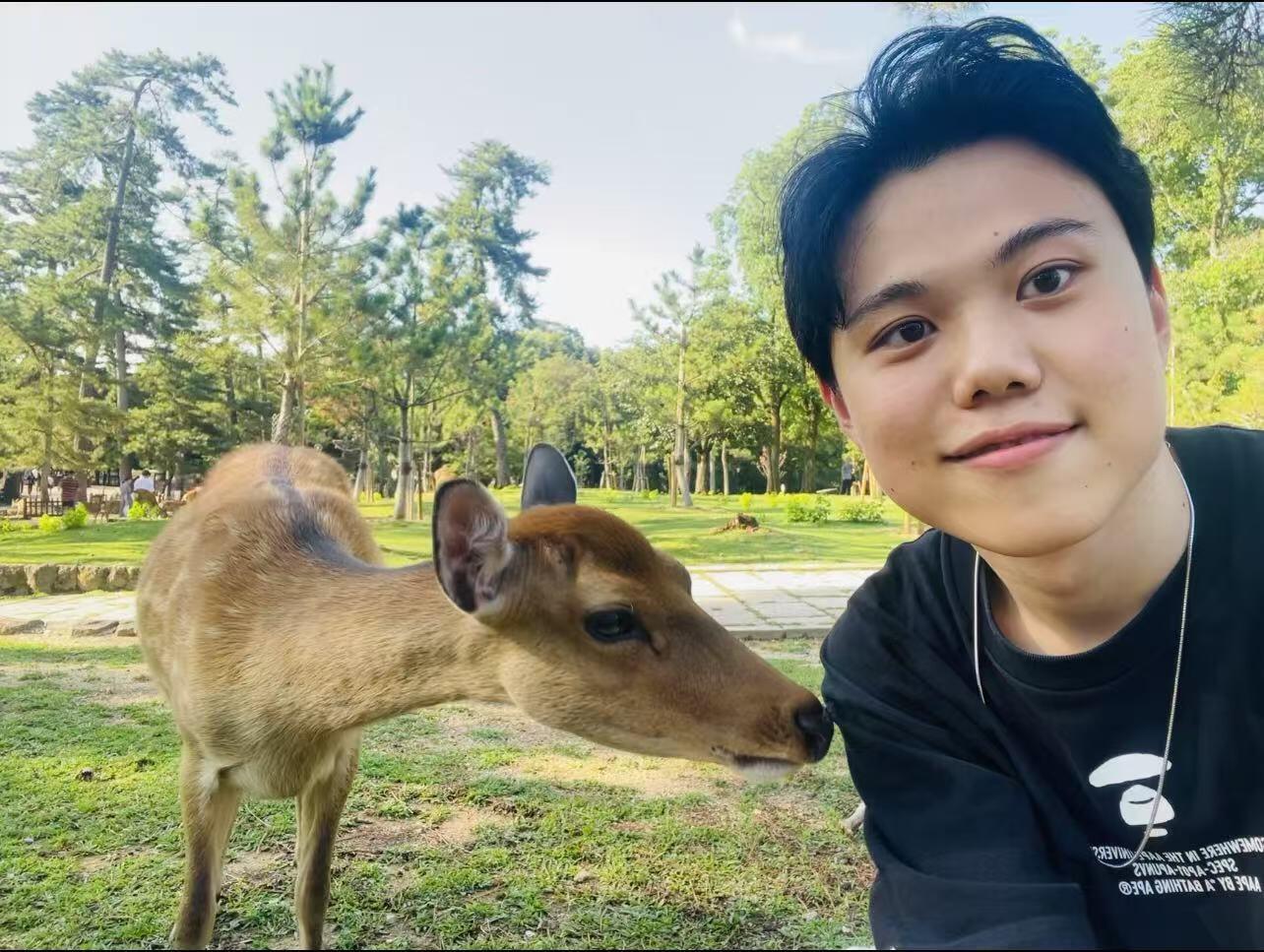
QI SHI
From China
-

MYLES
From USA
-
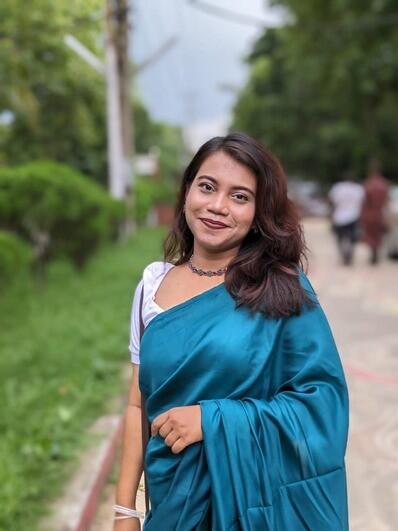
ISRAT JAHAN
From Bangladesh
-
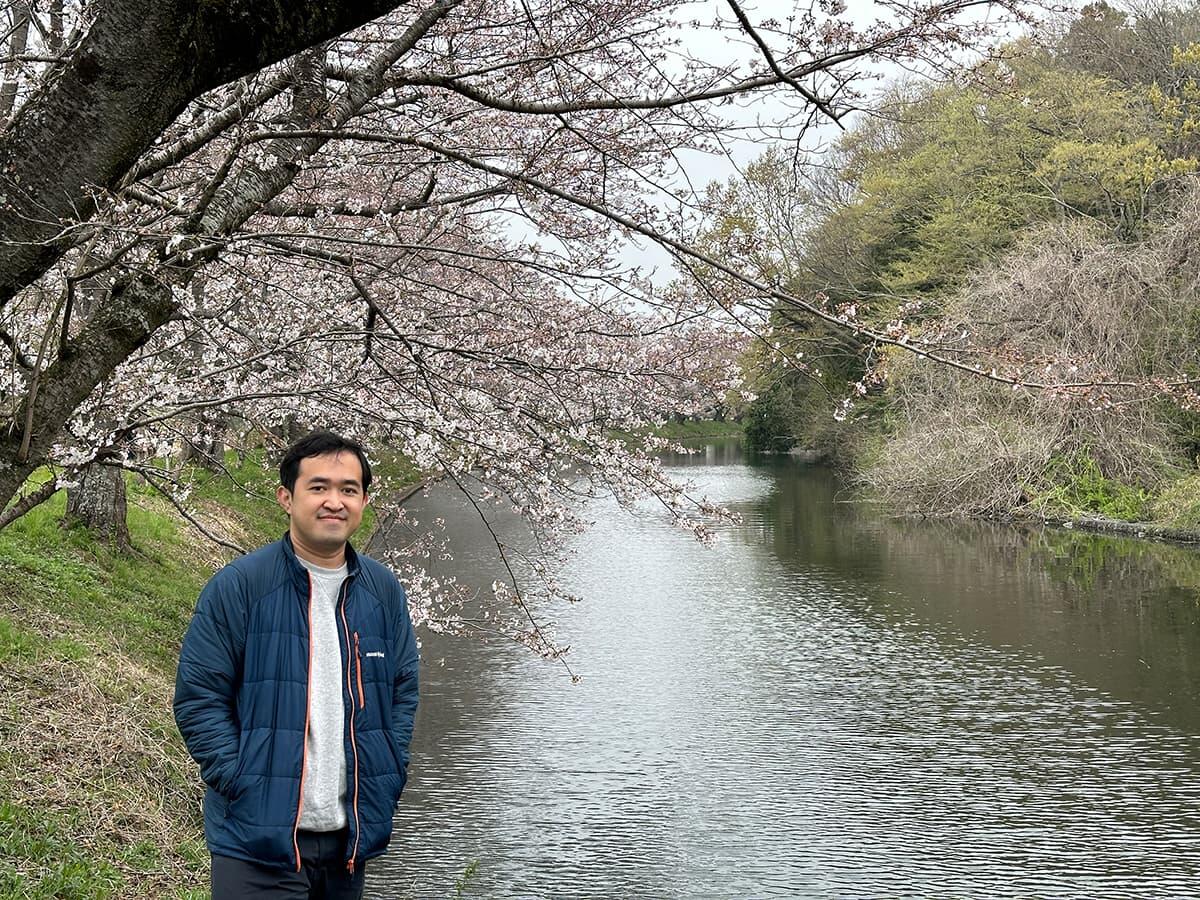
SOTHEARITH ENG
From Cambodia
-
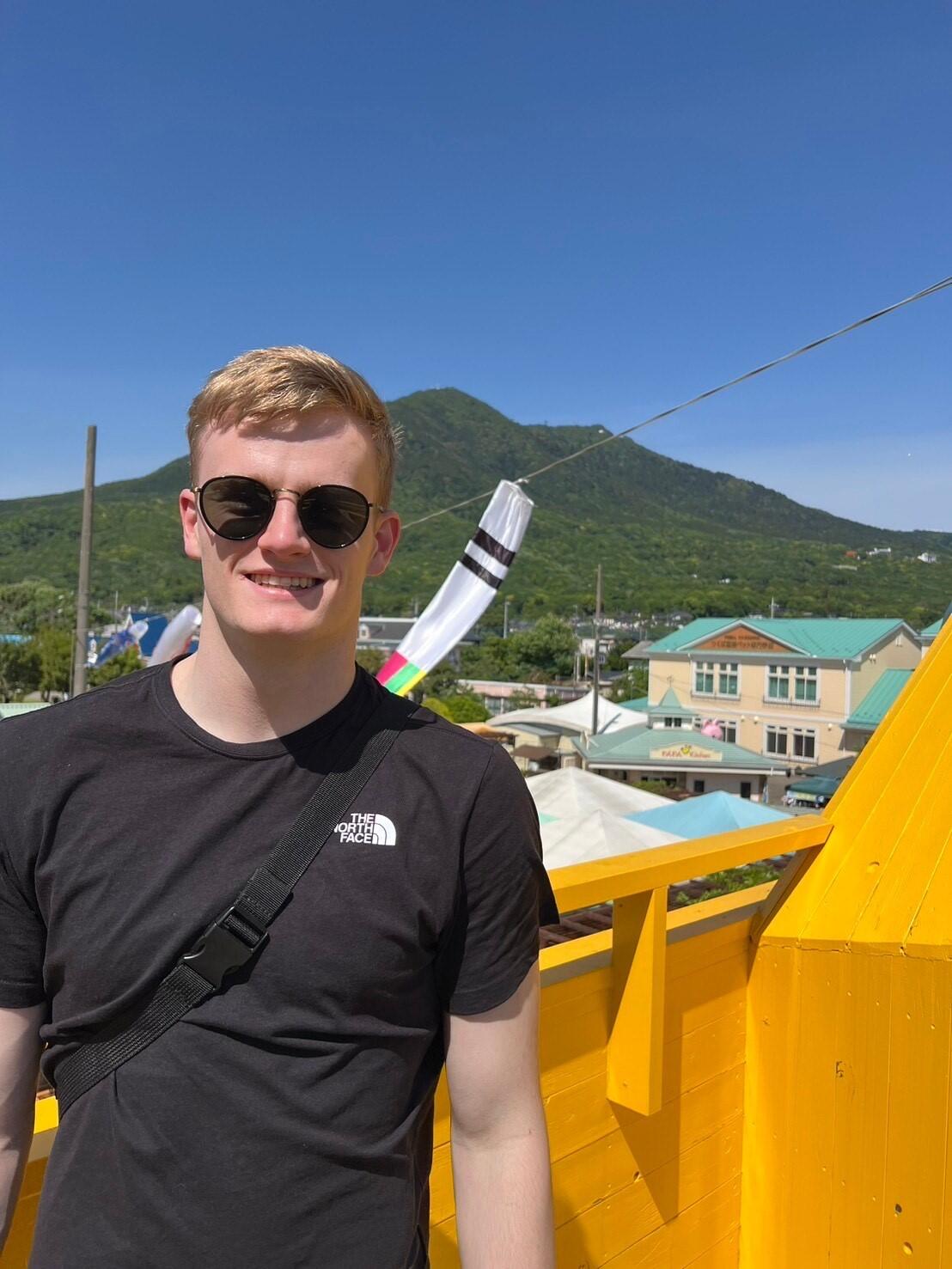
FELIX COOMBER
From UK
-
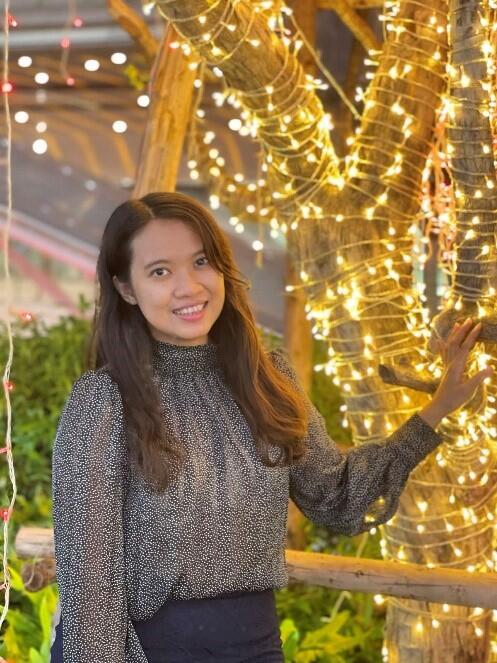
WAI PHYO THU
From Myanmar
-
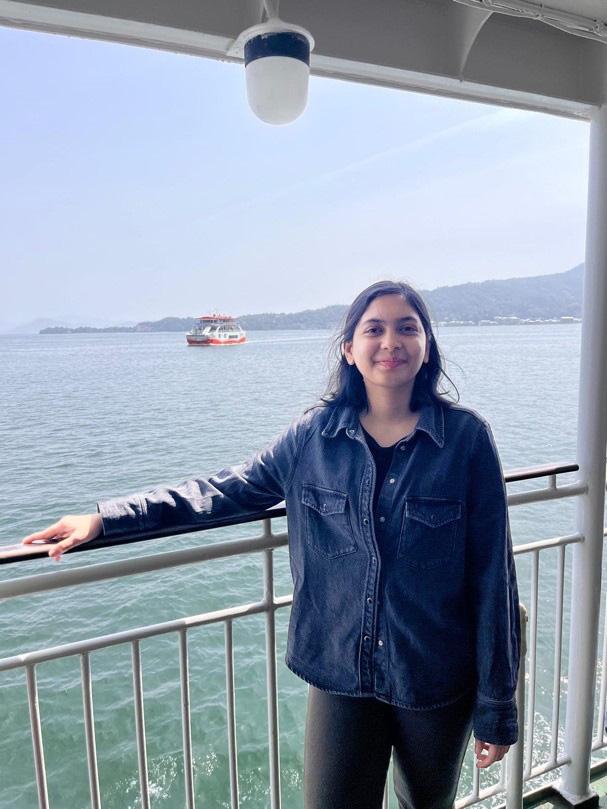
SRINITHI ASHOK KRISHNASWAMY
From India
-
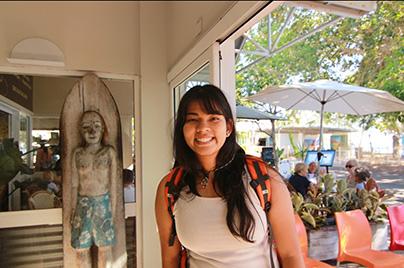
SACHI JOCHI
From Japan/India
-
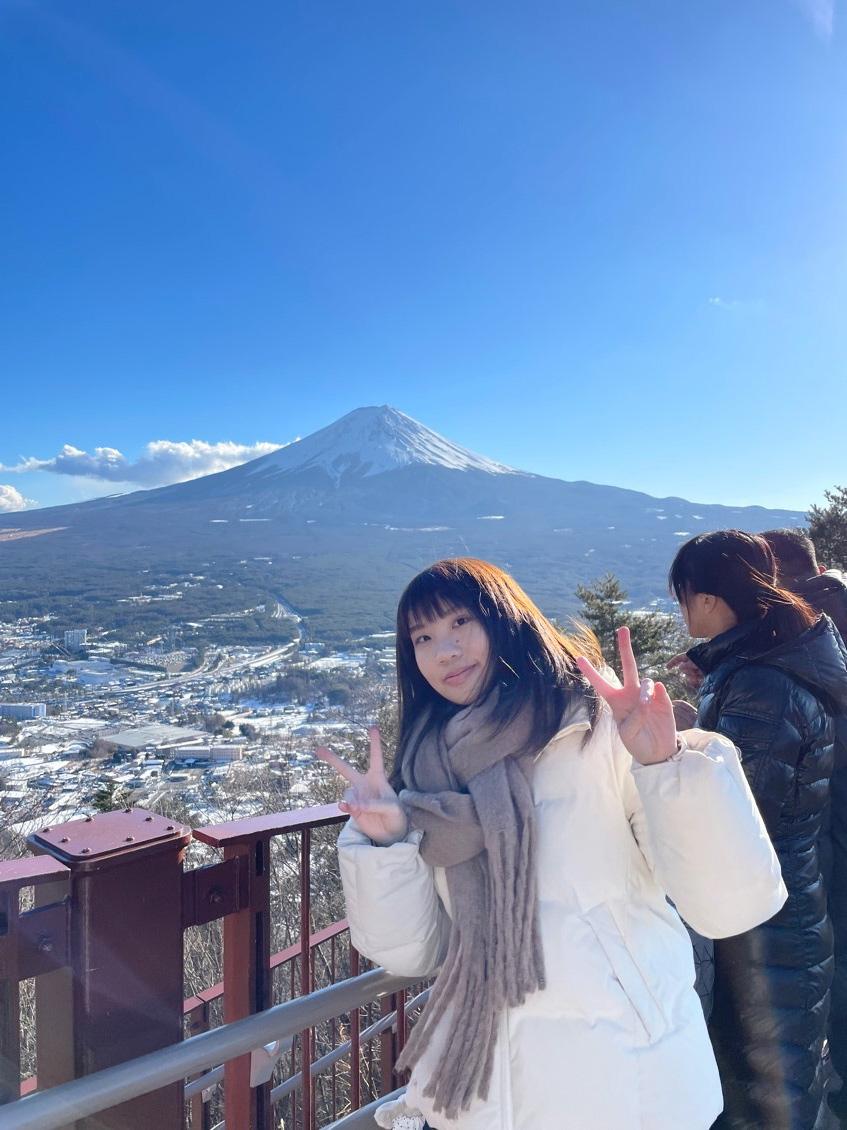
PING HUAN WANG
From Taiwan
-
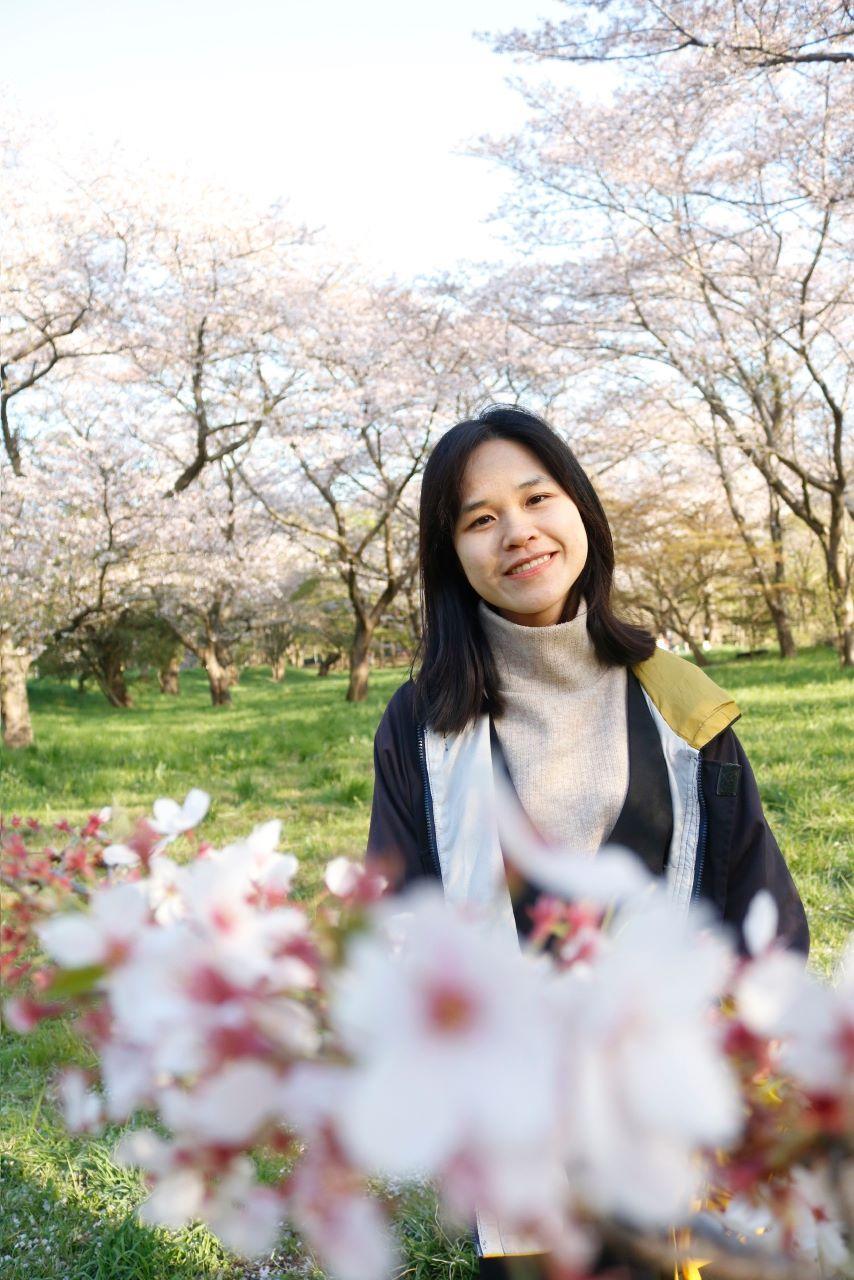
NGHI NGUYEN BAO
From Vietnam
-

GUANGQI AN
From China
-
HELIO NONOSE
From Brazil
-
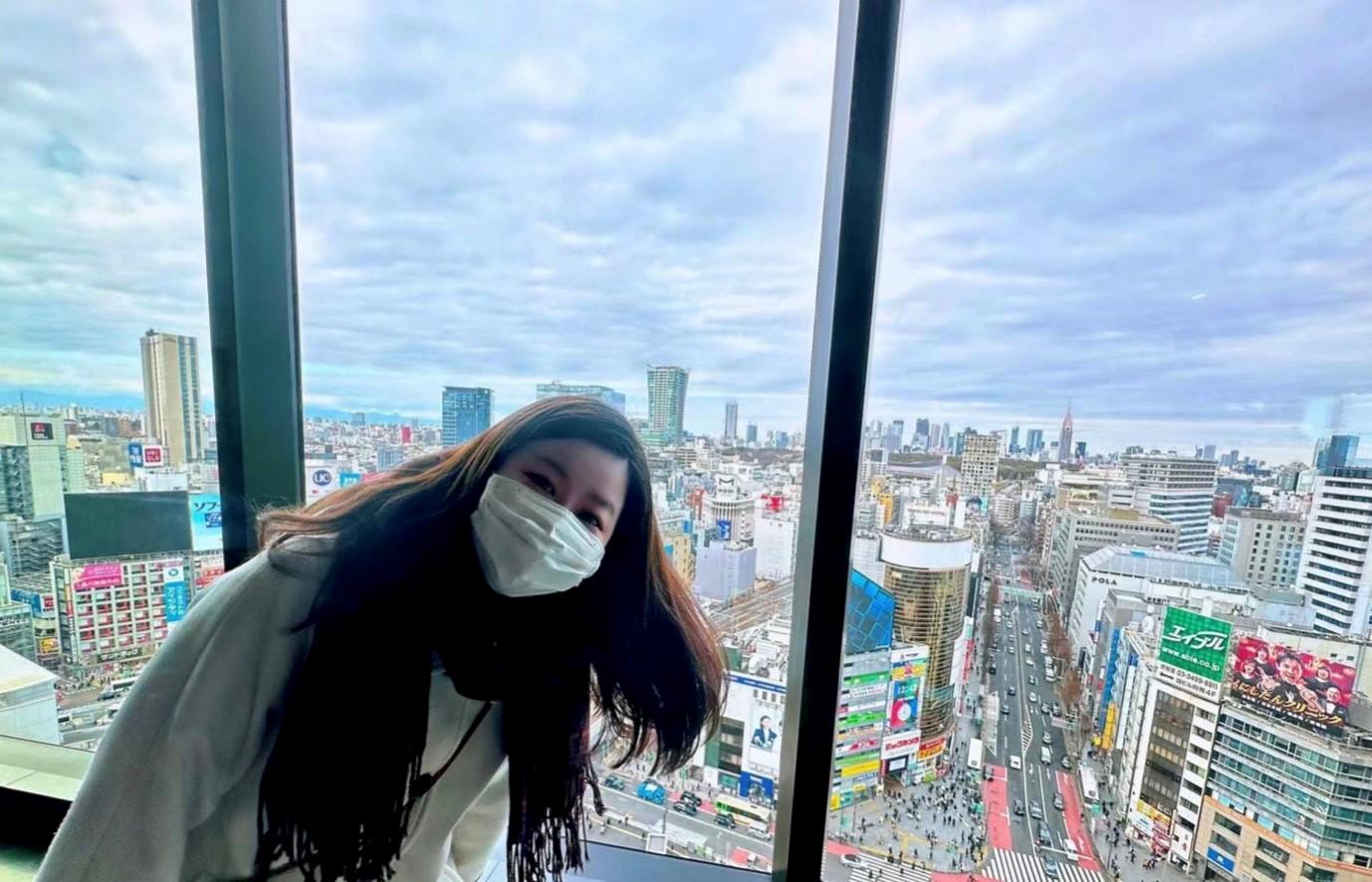
TAO LENG
From China
-
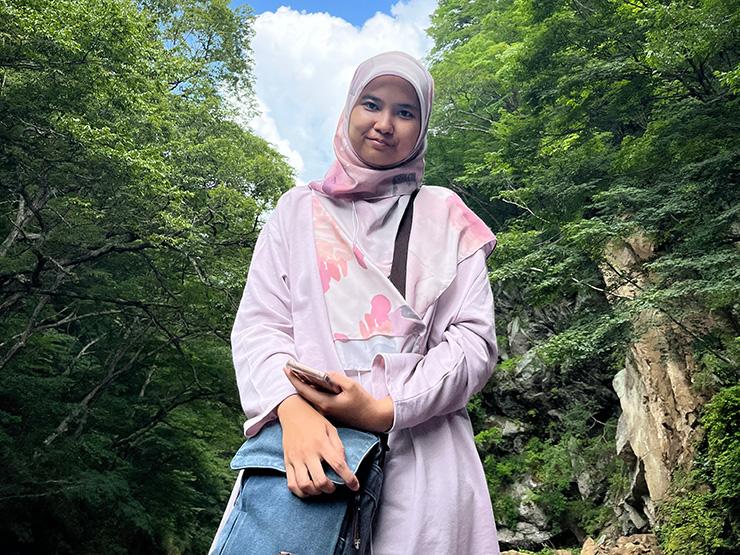
INSYIRAH
From Malaysia
-
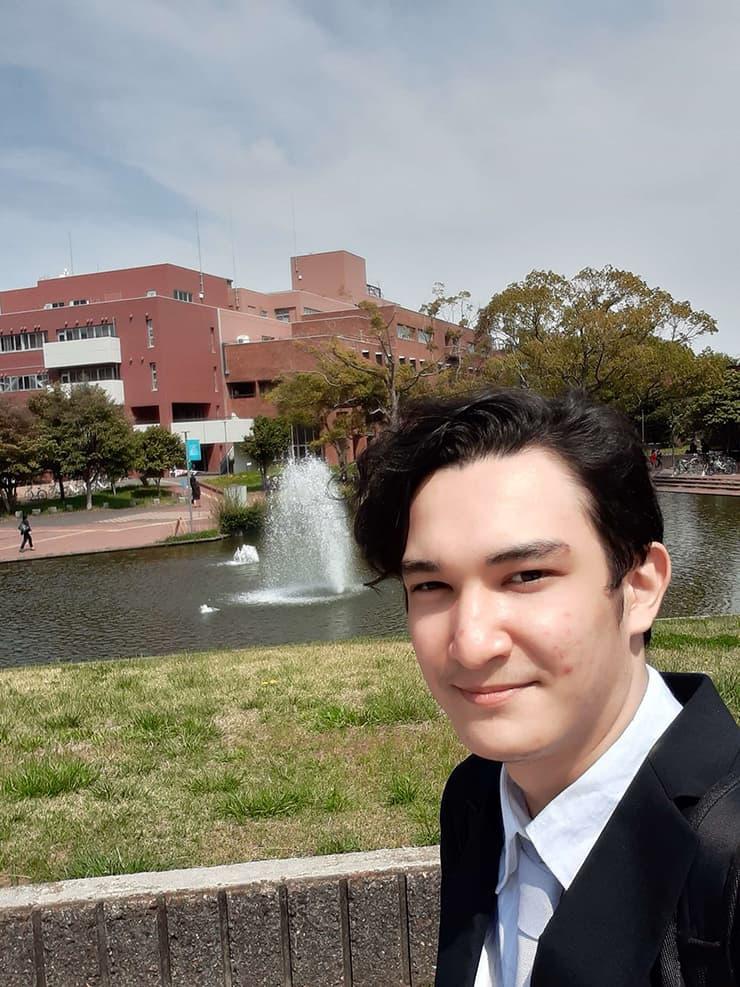
ARAMAKI, CAUE SINGO
From Brazil
-
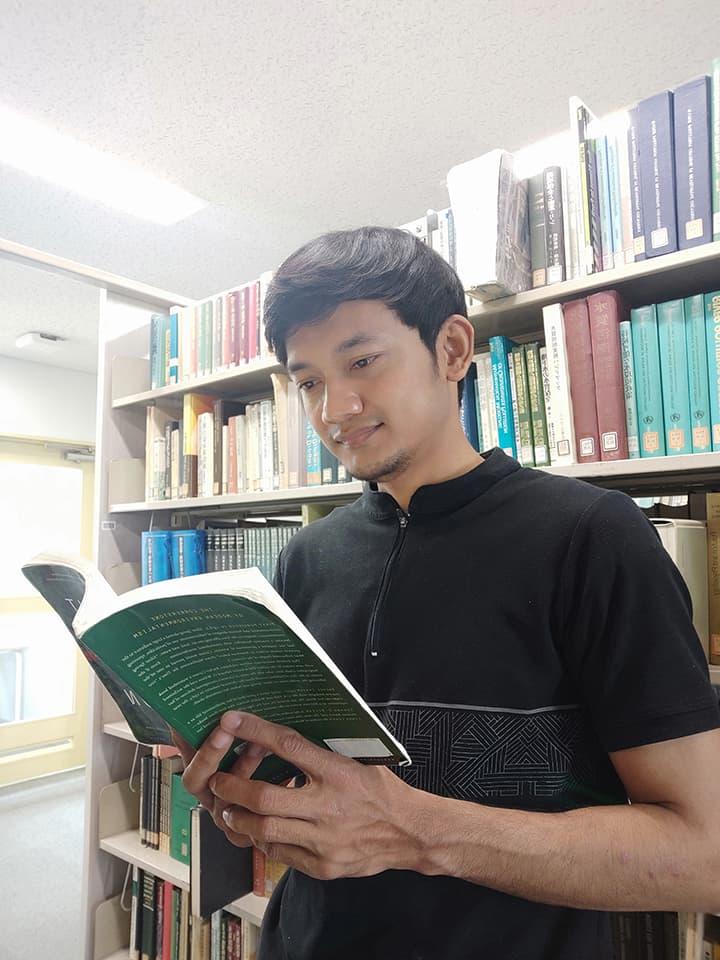
SUHARMAN
From Indonesia
-
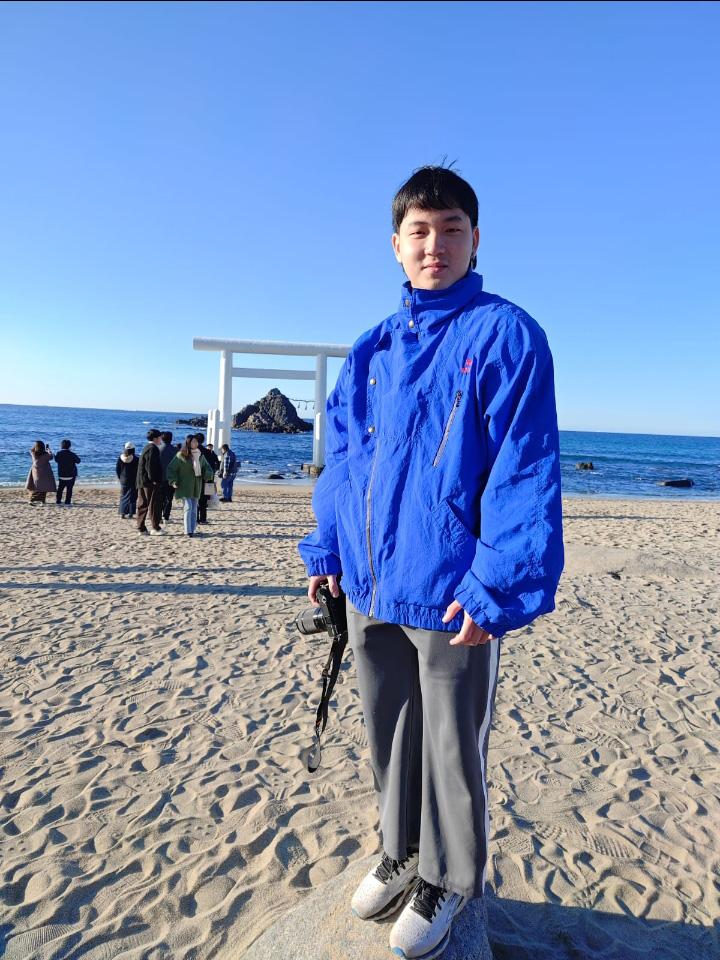
NG RAY SHAN
From Singapore
-
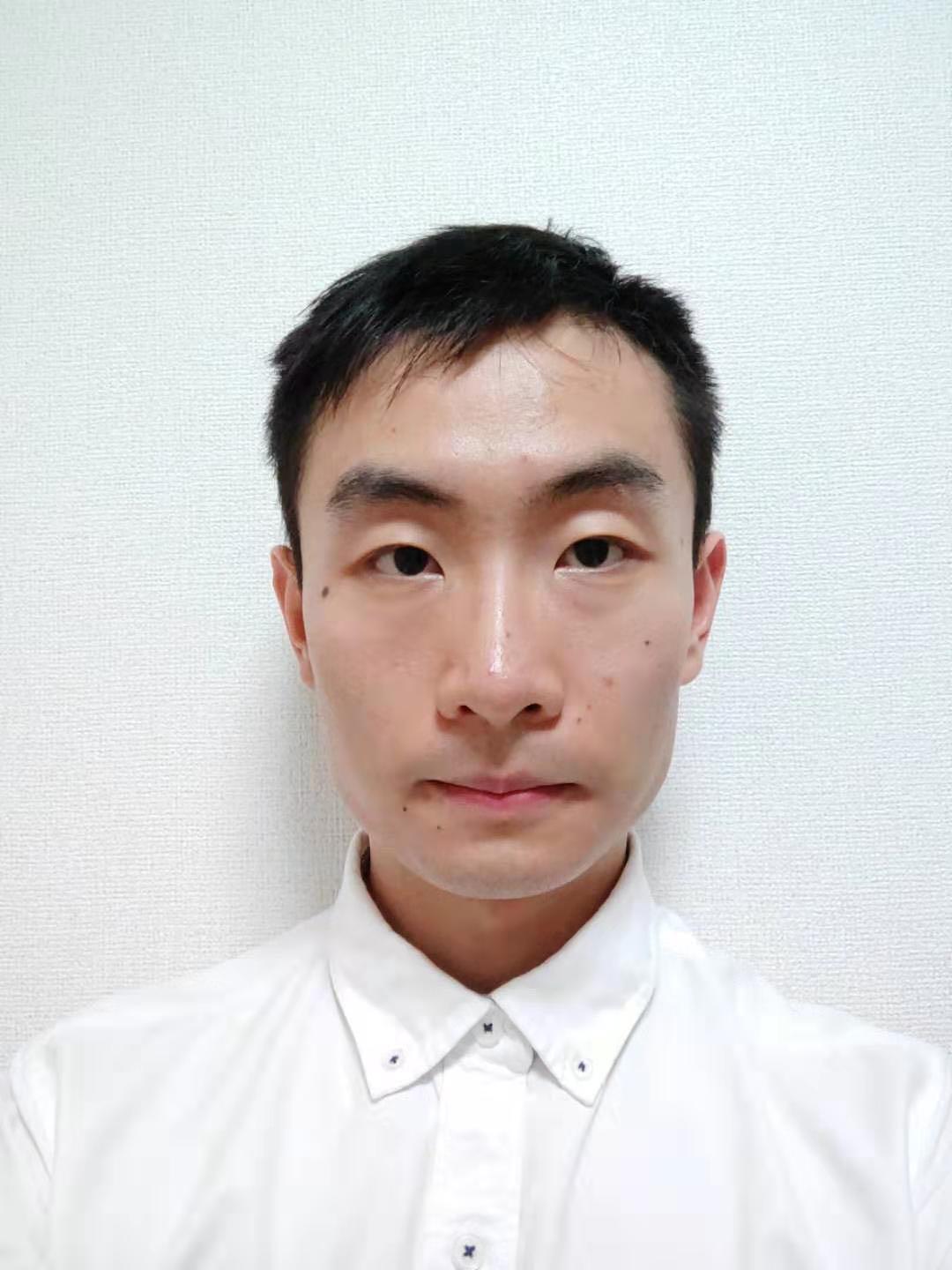
DU XIN
From China
-
YINA SHIN
From Korea
-
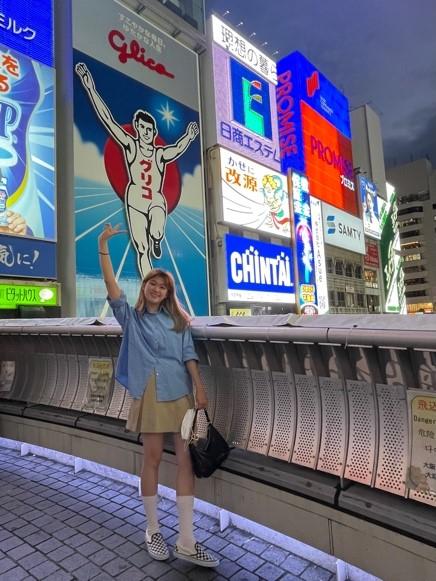
JOOEUN YOON
From Korea
-
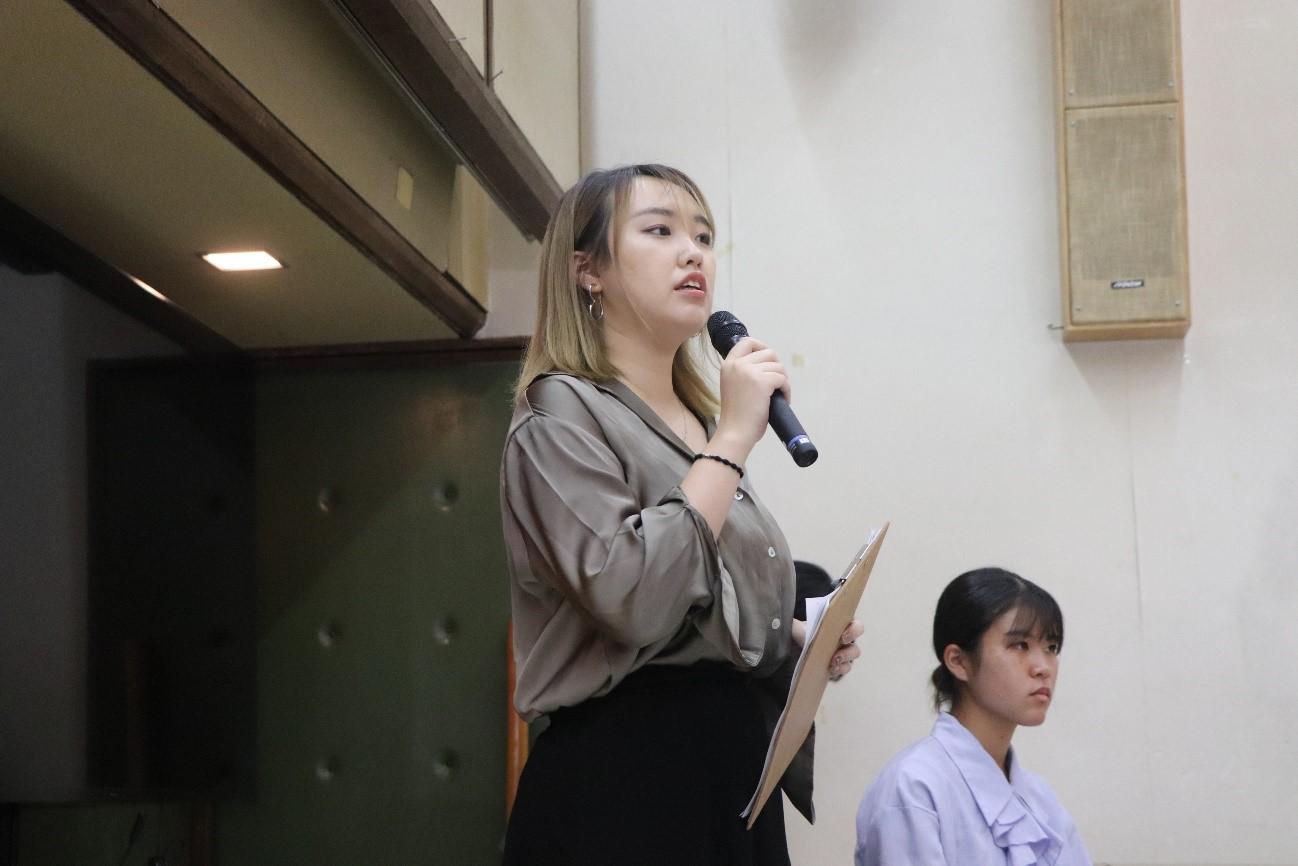
REN YIHAN
From China
-
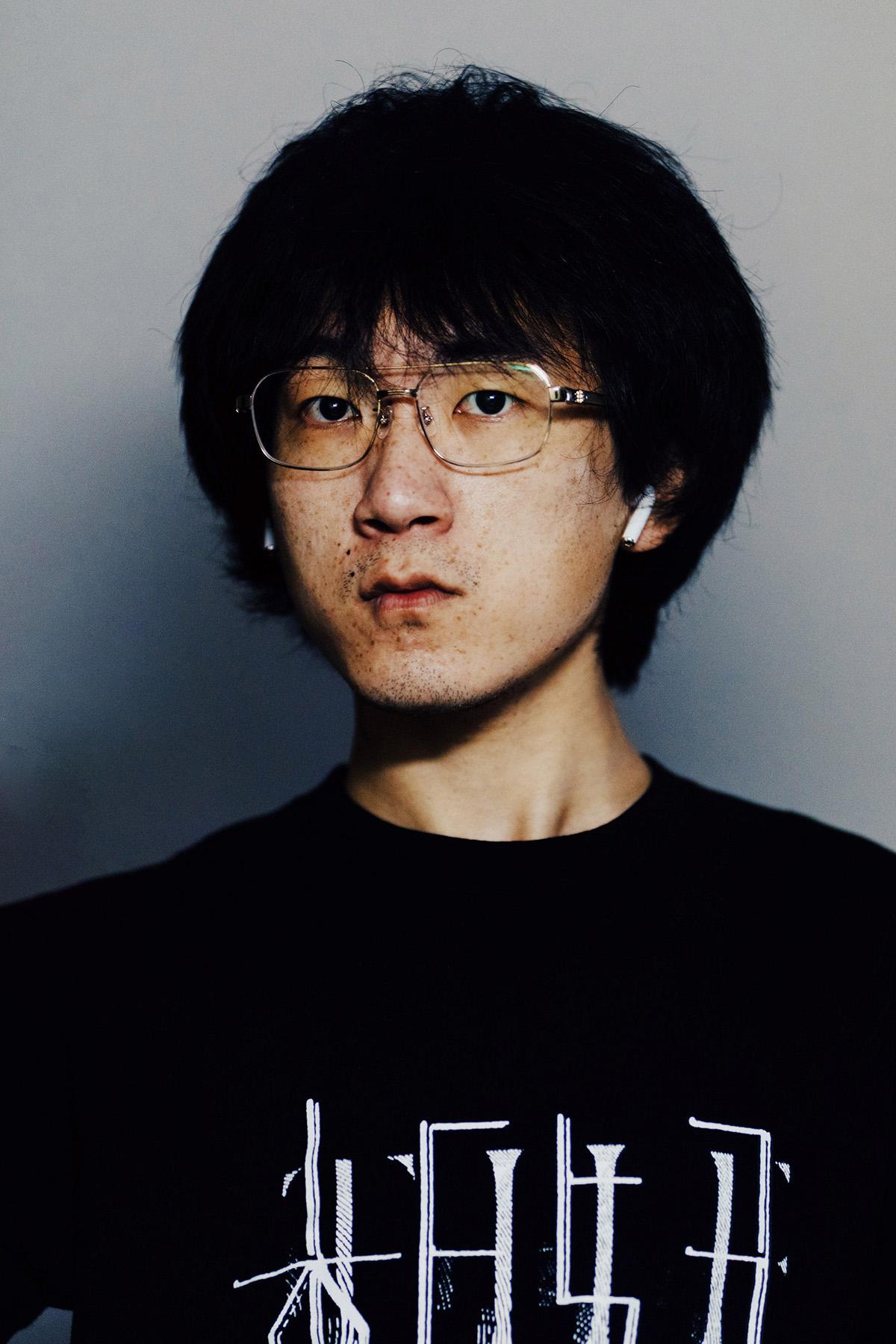
MENG LIYUAN
From China
-

WU BOQIAN
From China
-
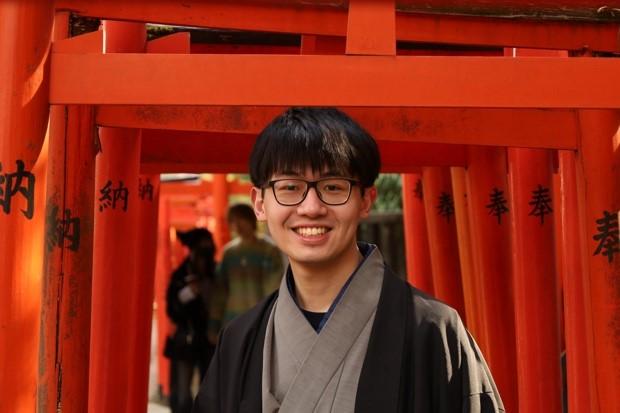
YU, CHENG-HAN
From Taiwan
-
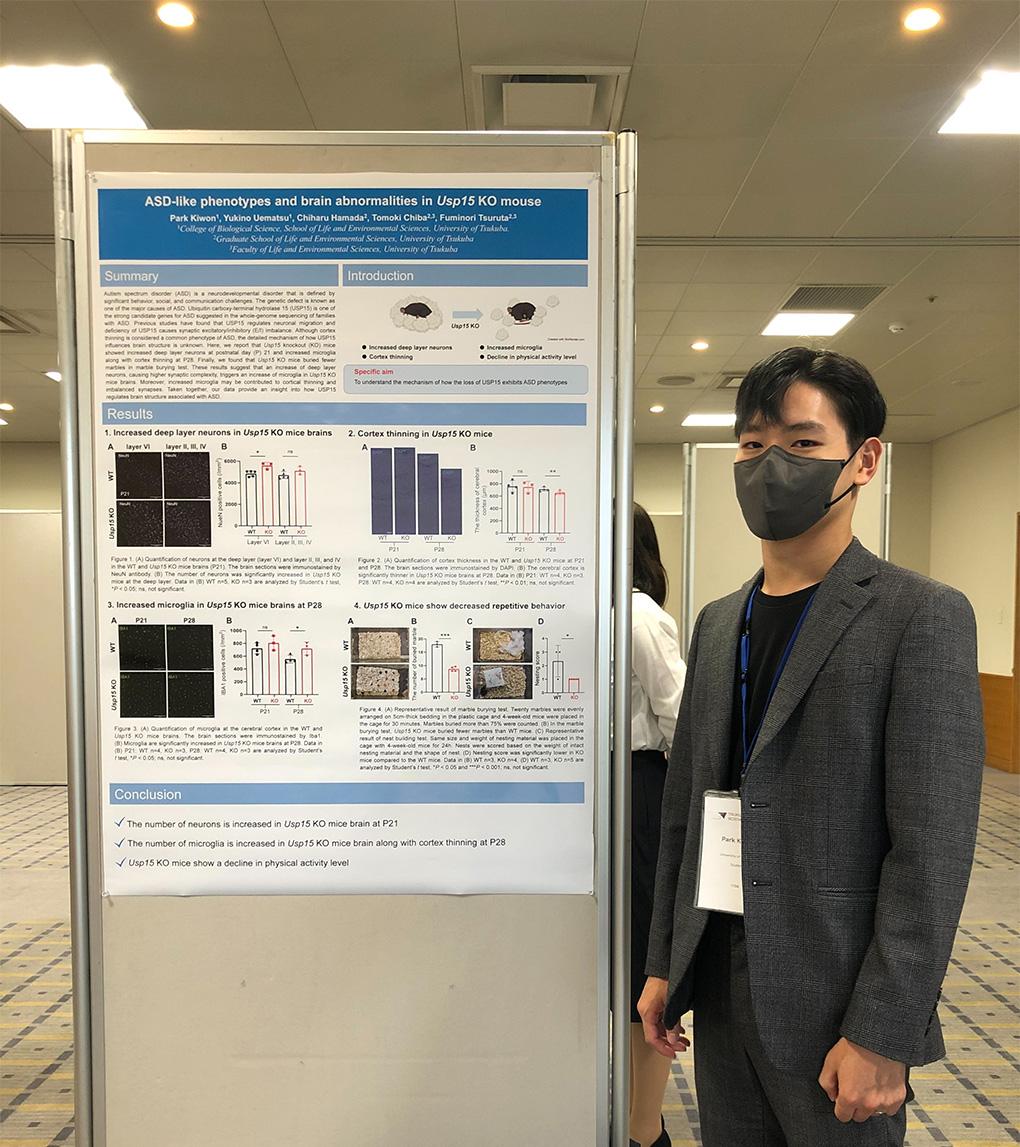
PARK KIWON
From Republic of Korea
-
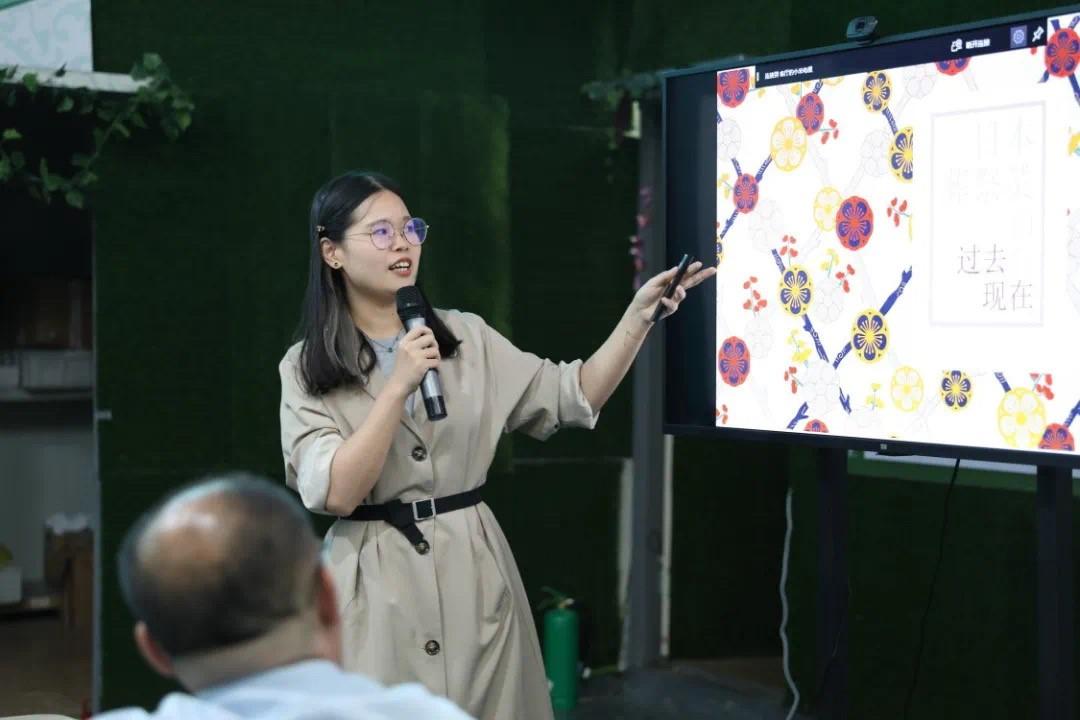
CHEN MIN
From China
-
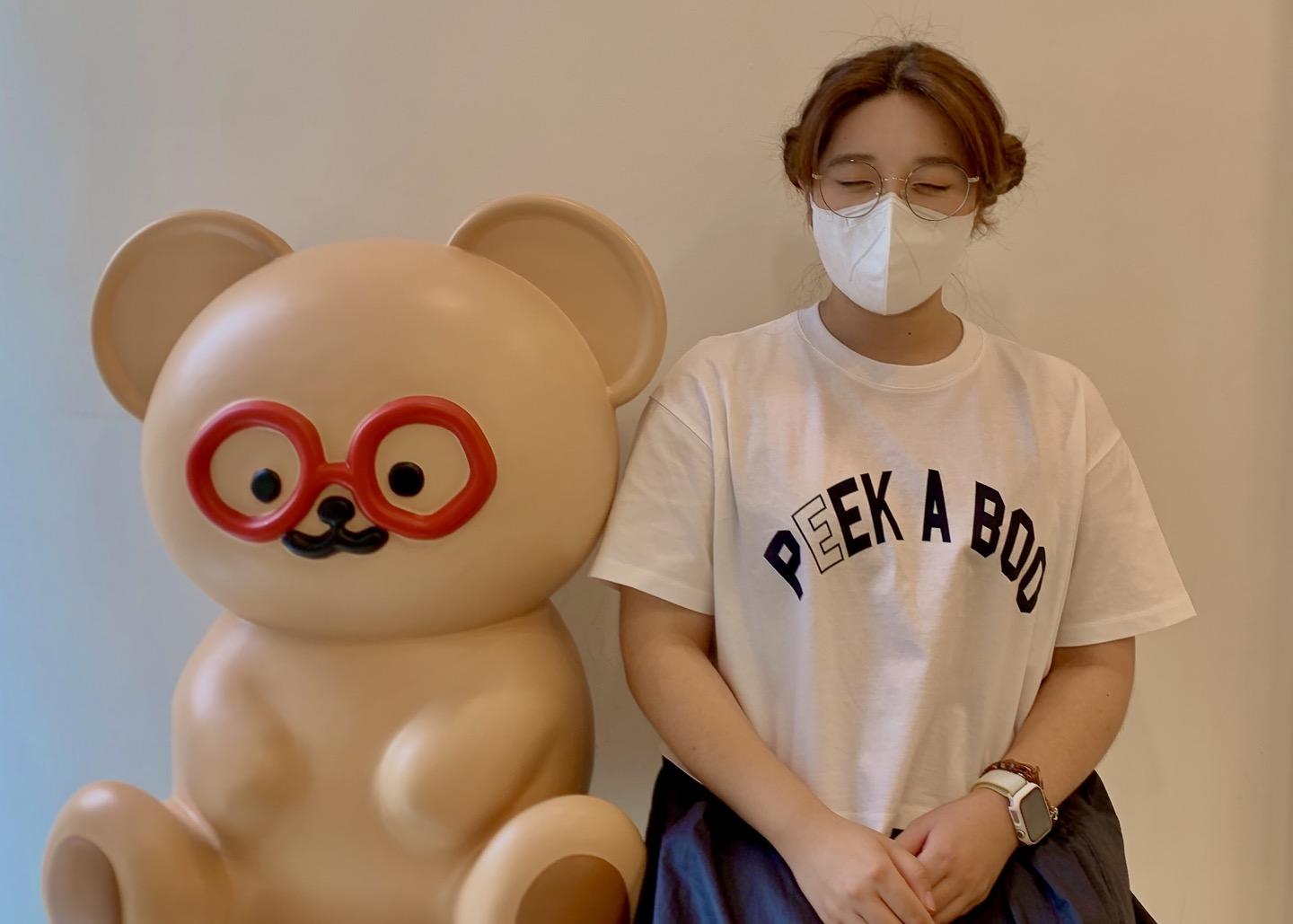
CHAEYEON LEE
From Republic of Korea
-
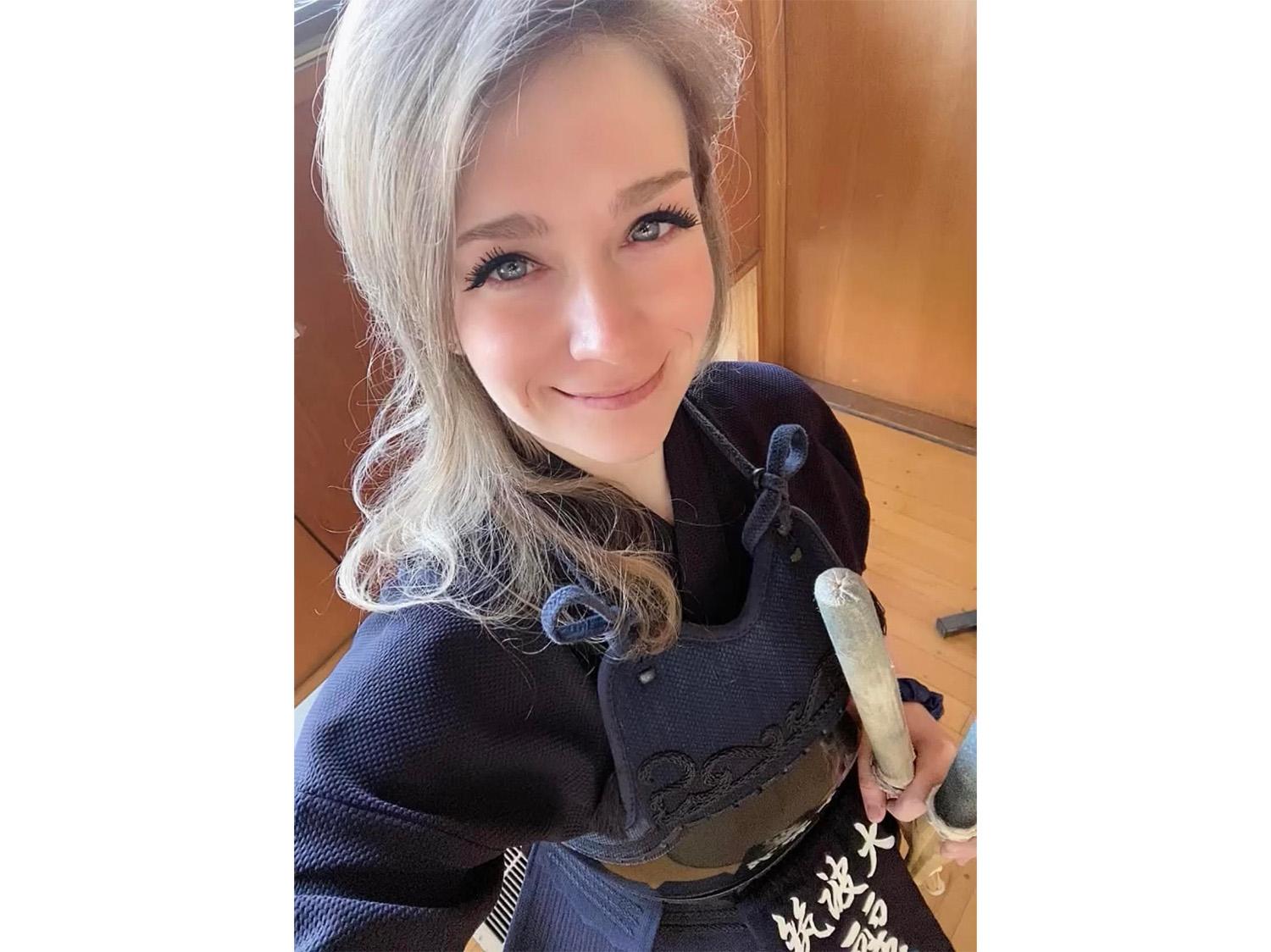
ELIZABETH BERGEN-BARTEL
From USA
-
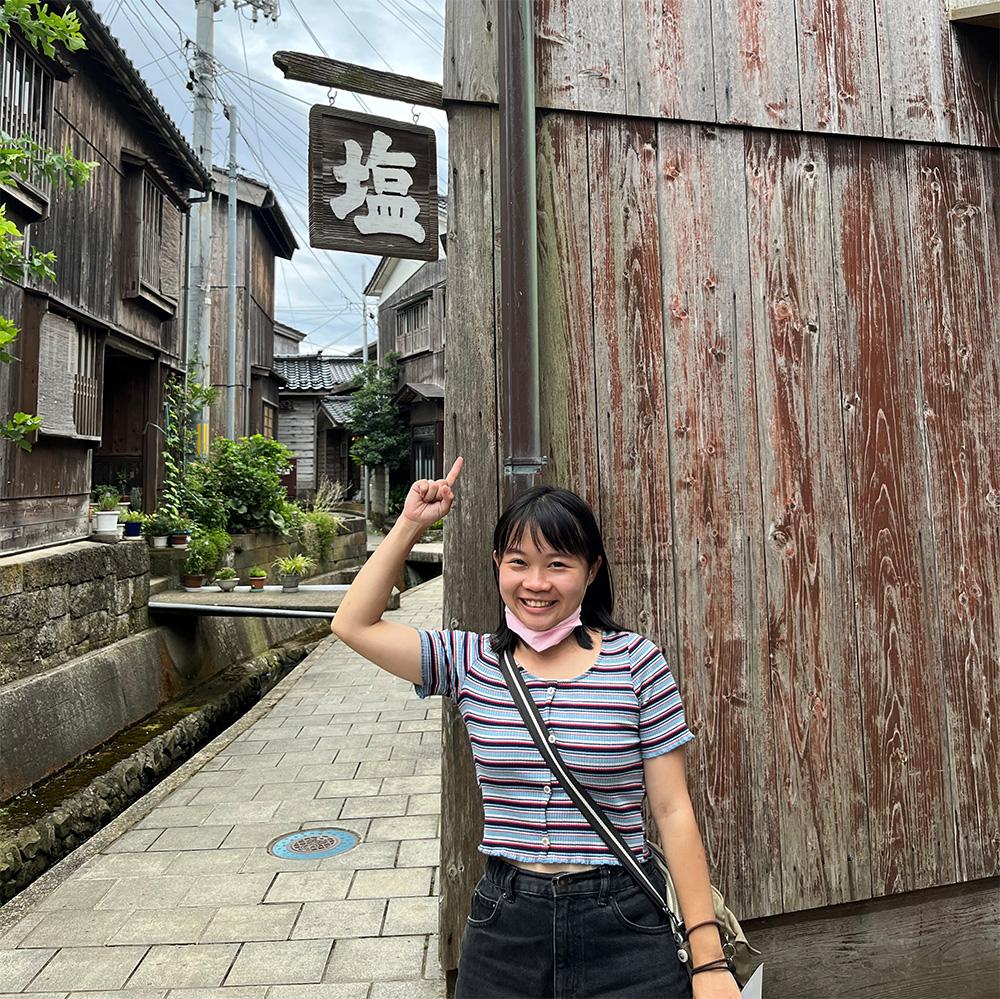
LIAO, HSIN-YEN
From Taiwan
-
PAKORN WANGSUEKUL
From Thailand
-
NGUYEN THUY ANH
From Vietnam
-

LAN CHI
From Vietnam
-
NADIA HASNA KARIMAH
From Indonesia
-
HNIN OO
From Myanmar
-
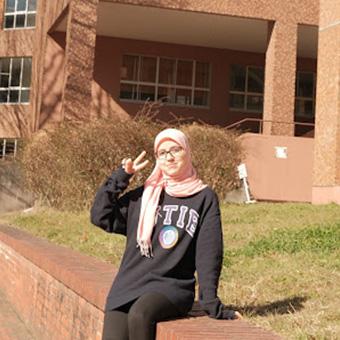
KAWTAR
From Morocco
-
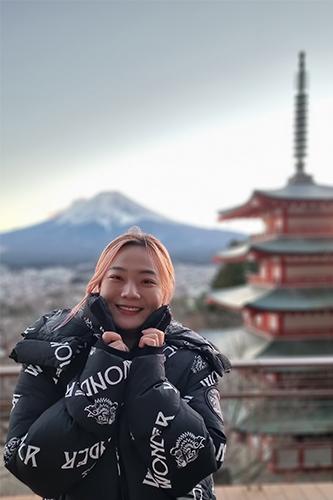
NA
From China
-
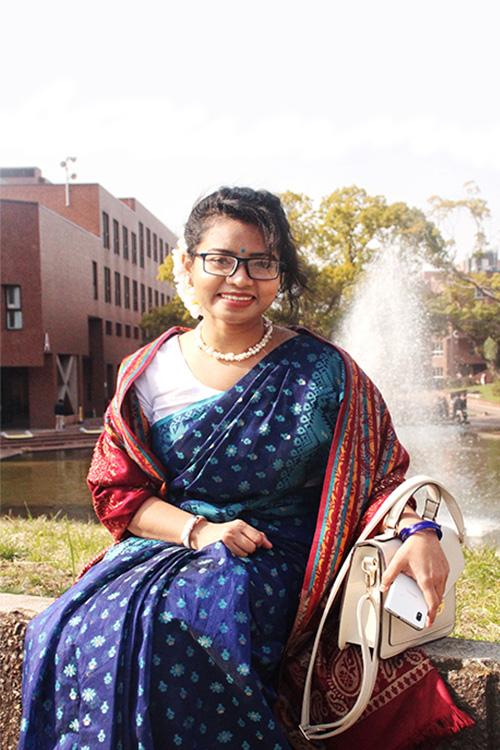
AFSARI
From Bangladesh
-
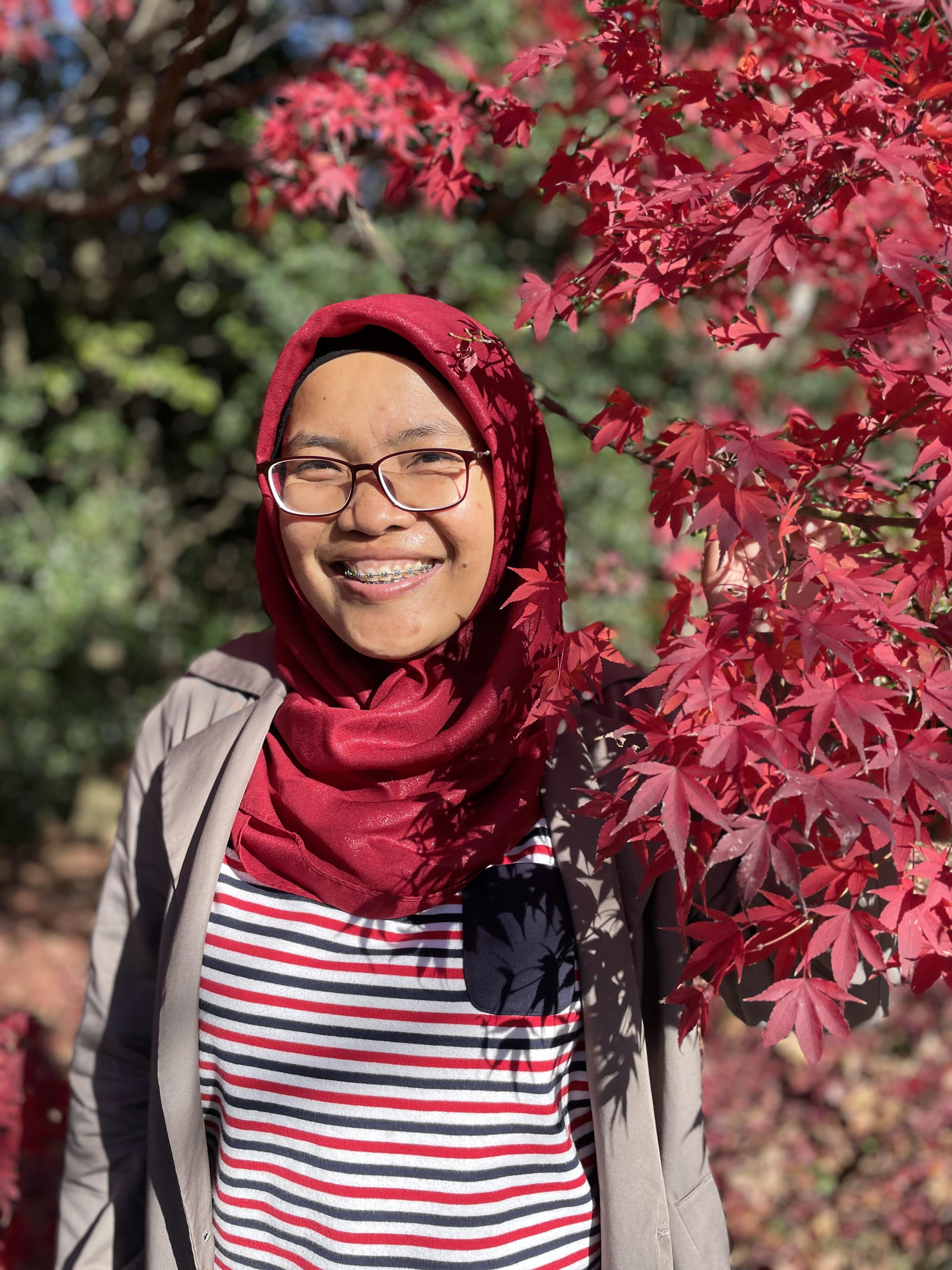
REZA
From Indonesia
-
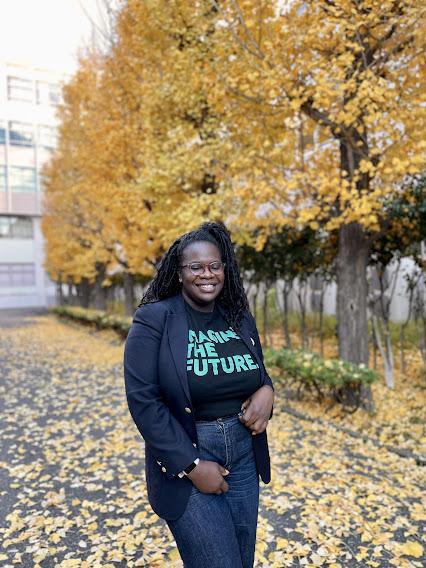
YOLANDA GRAÇA
From Angola
-
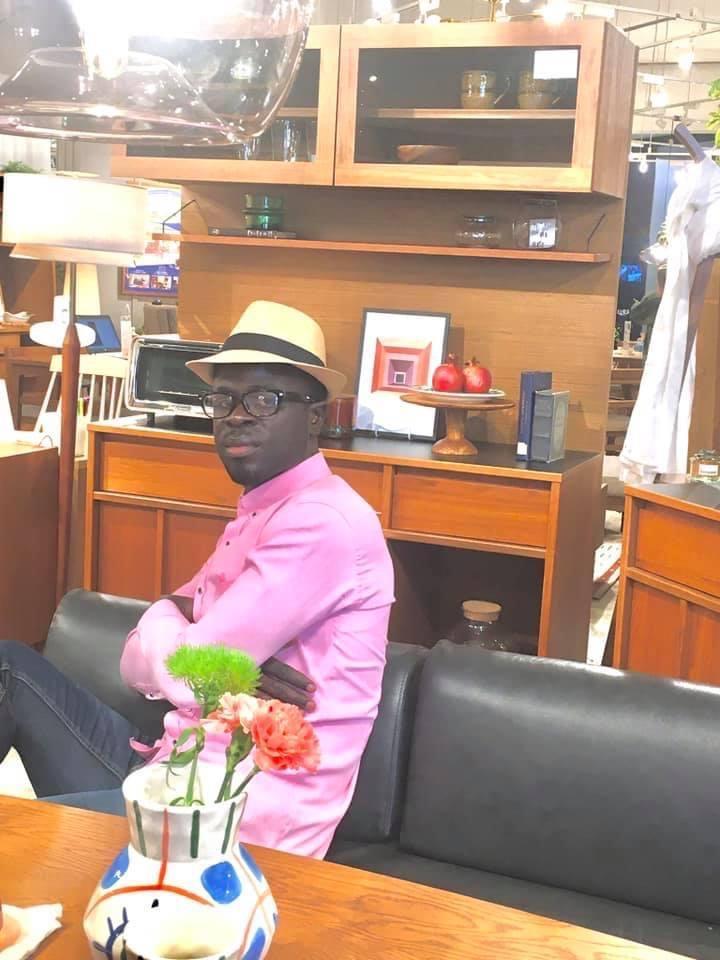
ADOM
From Ghana
-
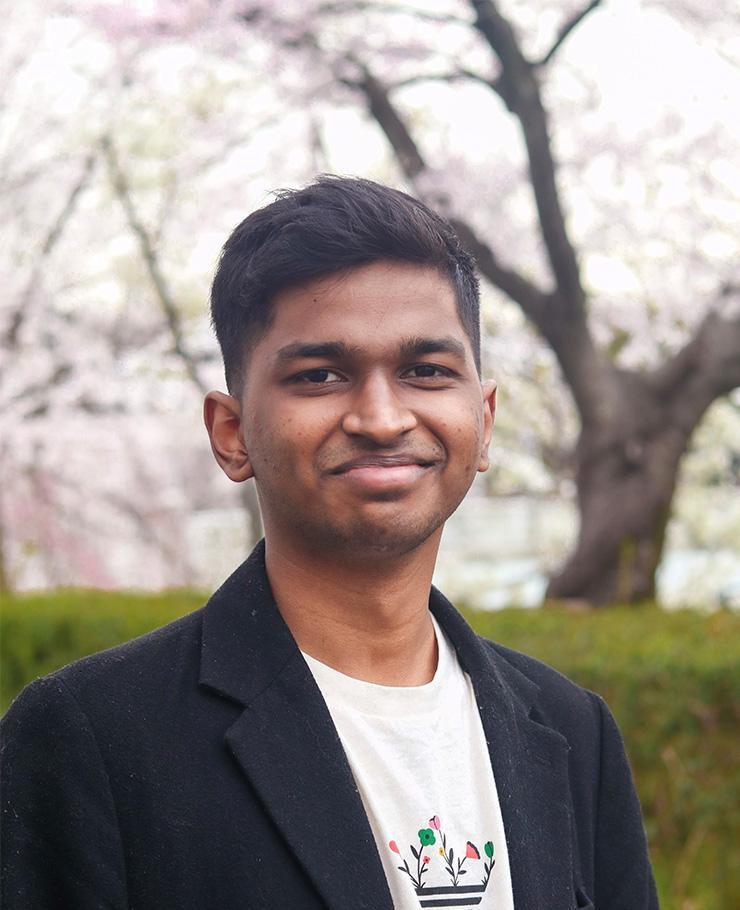
SUDHIR
From India
-
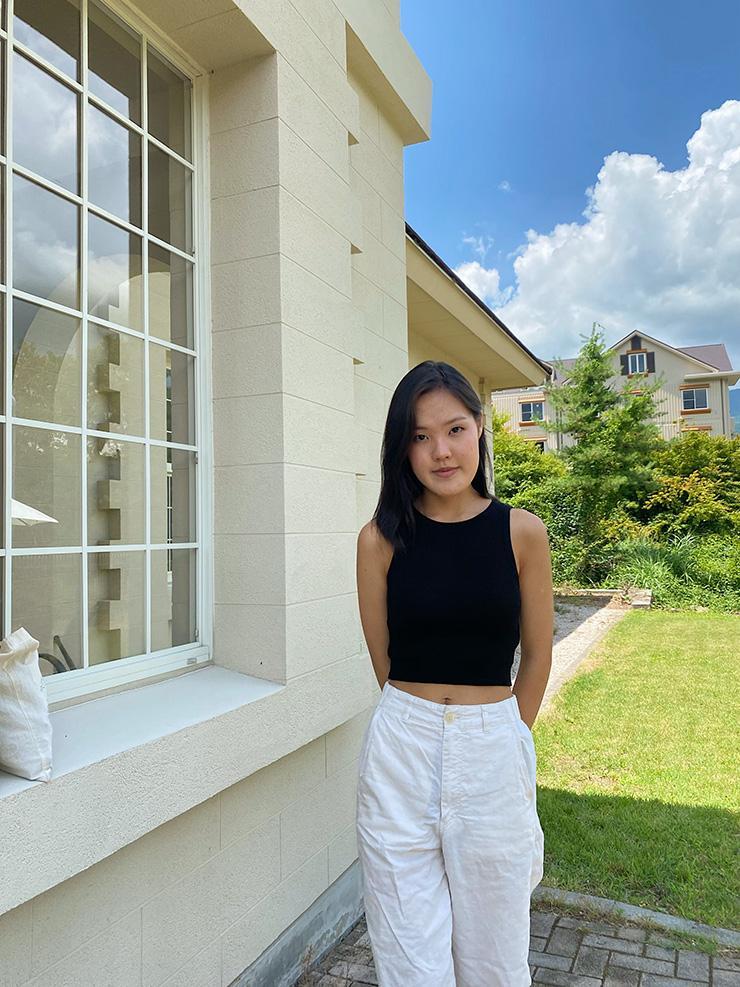
MIKI
From Mongolia/Japan
-
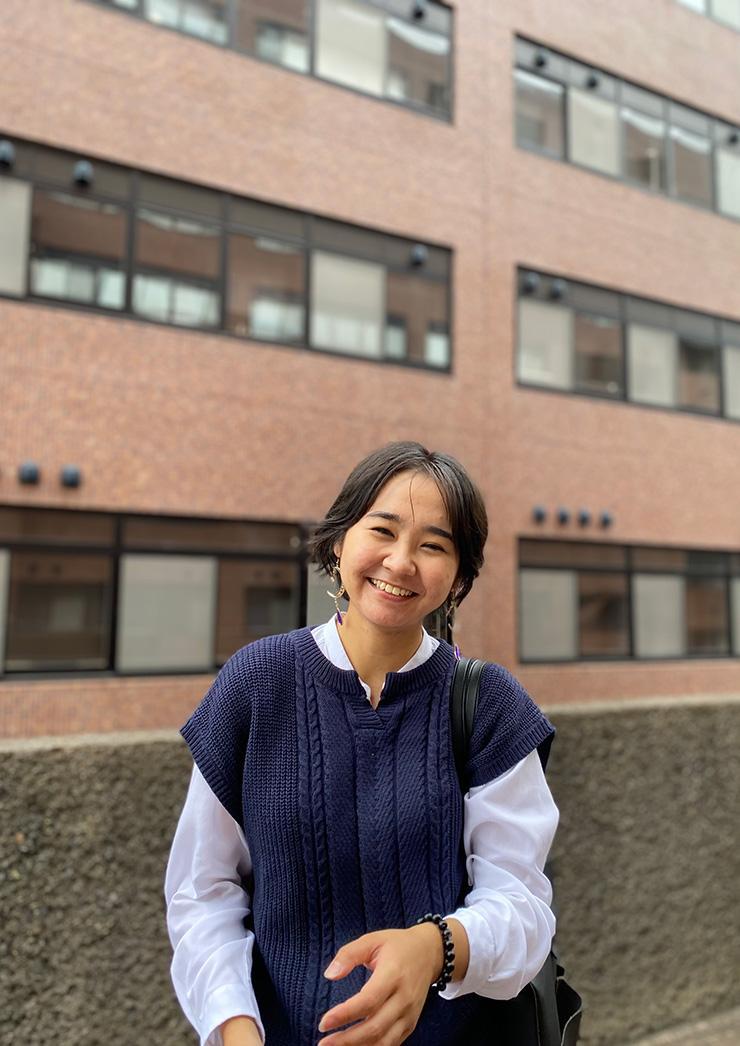
AISANA
From Kazakhstan
-
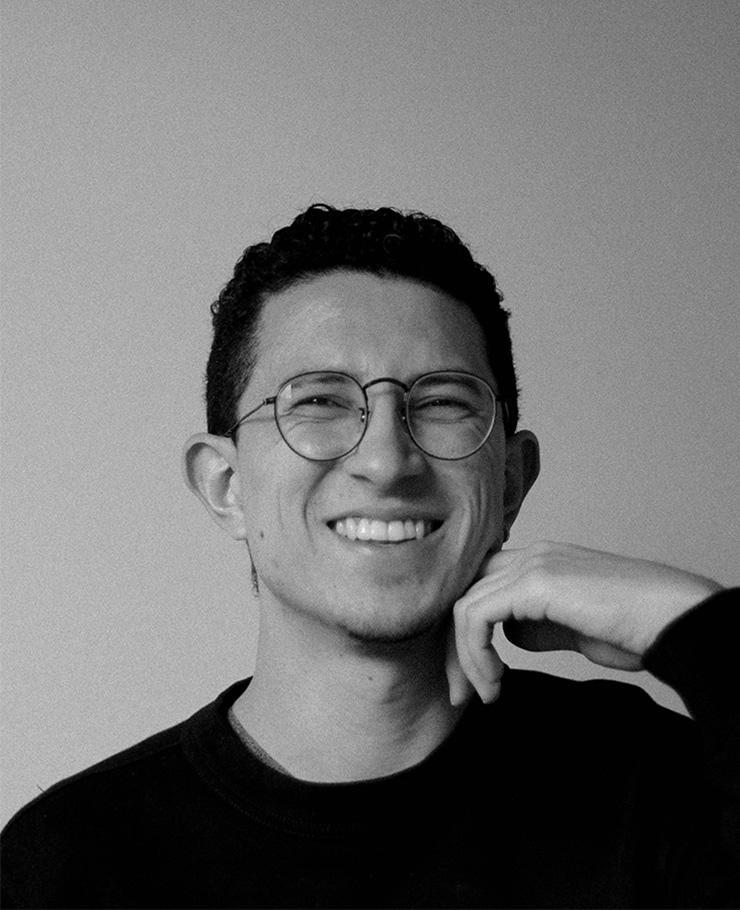
VITHOR SILVA
From Brazil
-
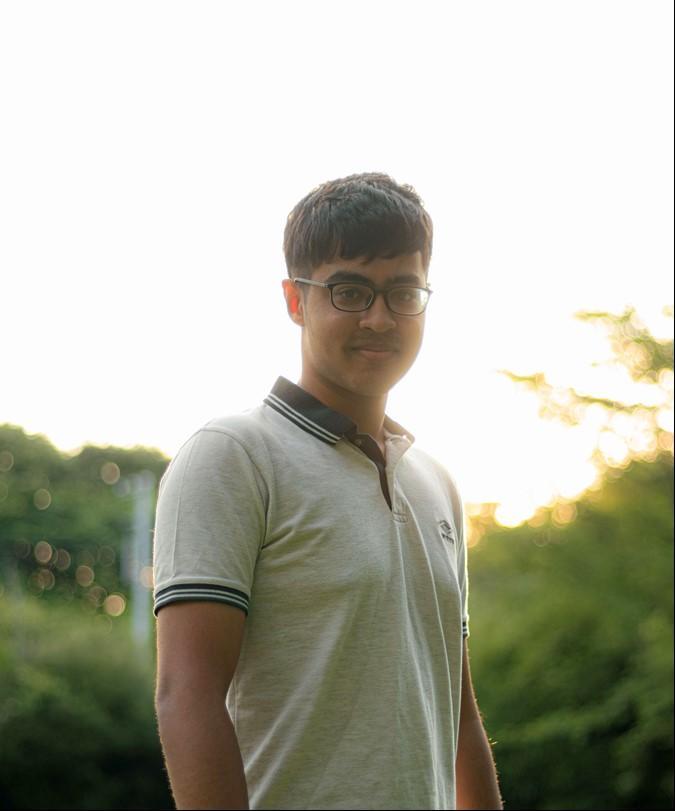
CHINMAY
From India
-
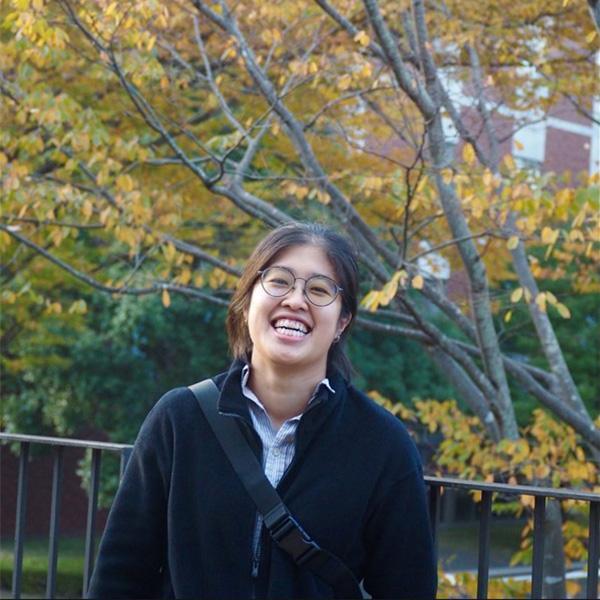
JEE
From Thailand
-
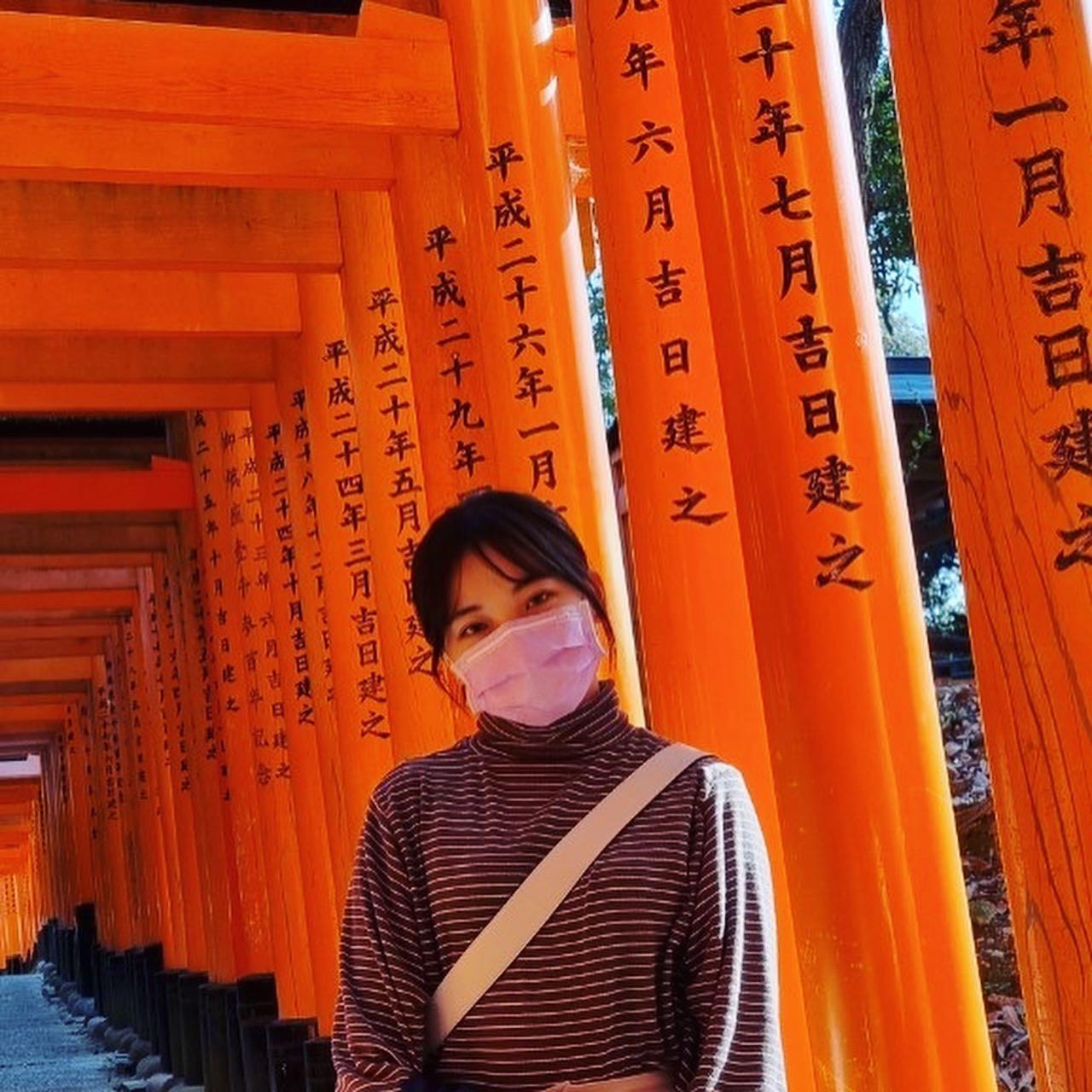
ISLA
From Taiwan
-
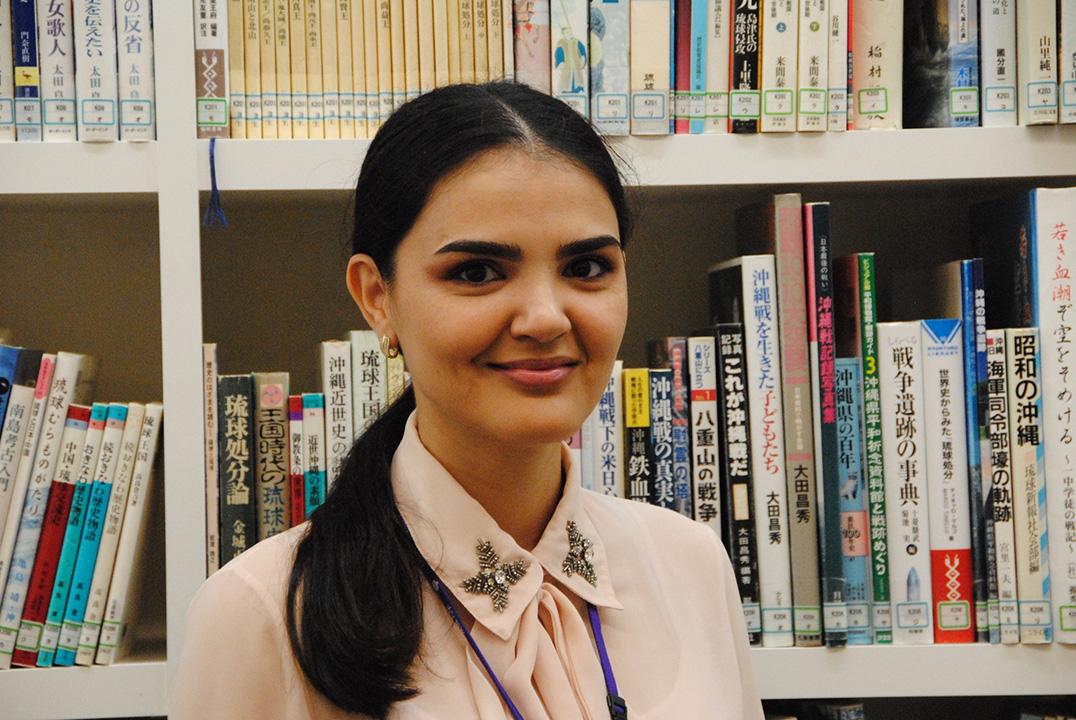
MIVE
From Turkmenistan
-
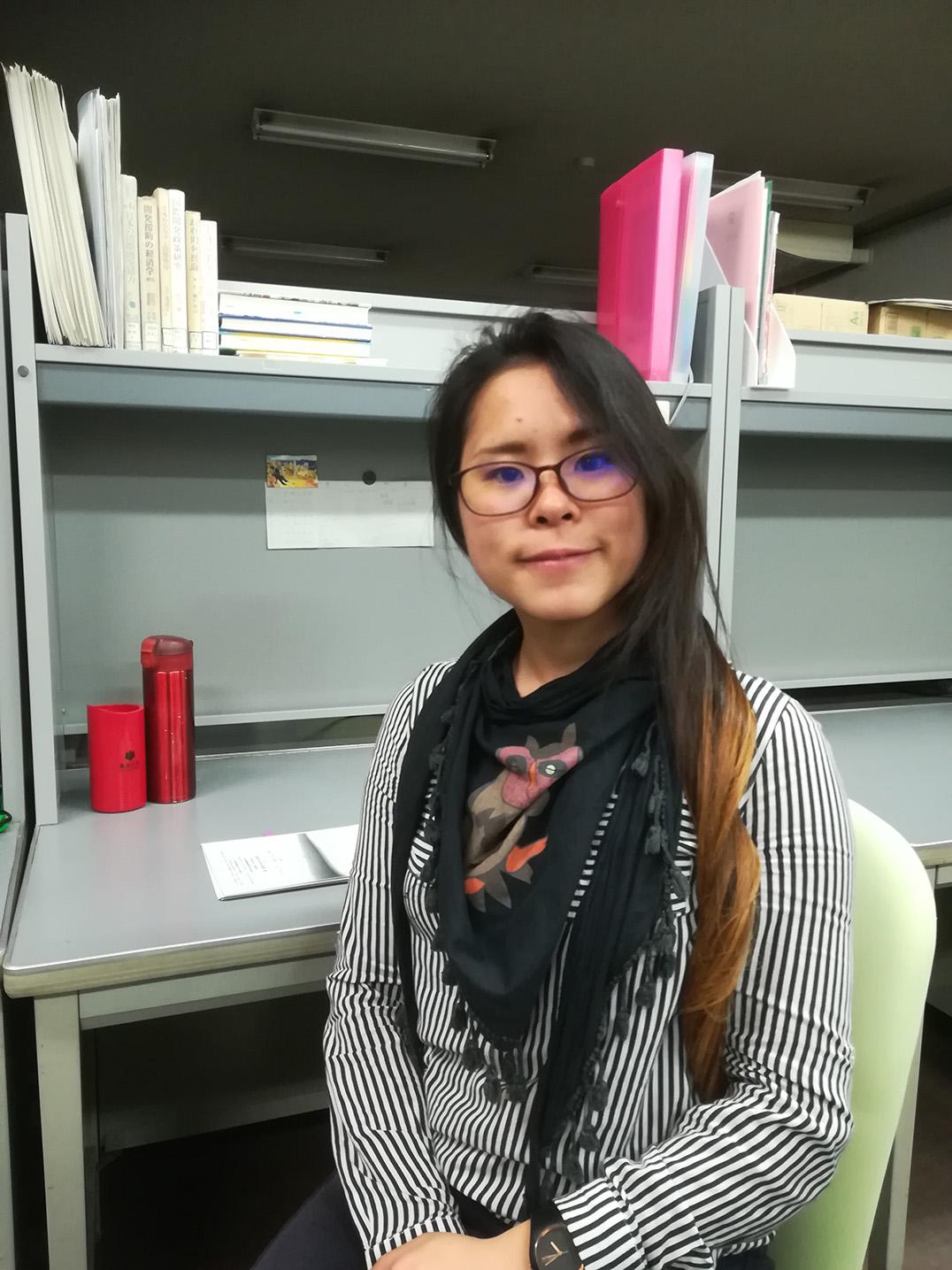
LAURA
From Argentina
-
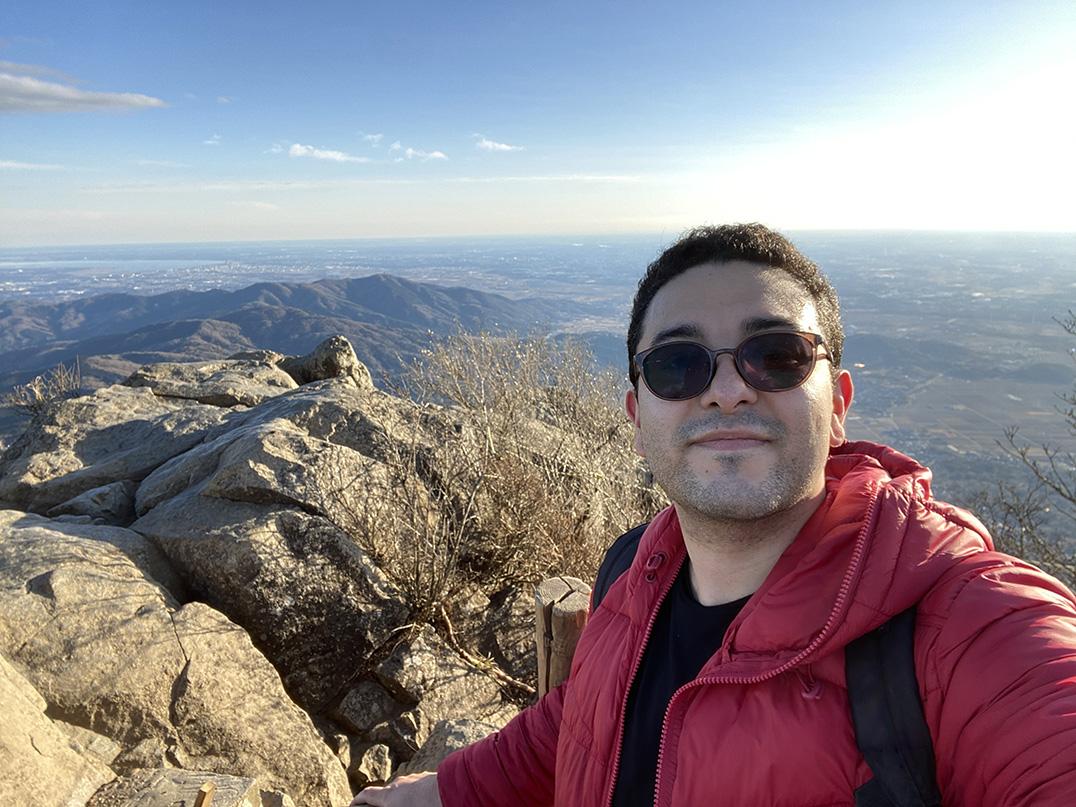
SERGIO
From Colombia
-
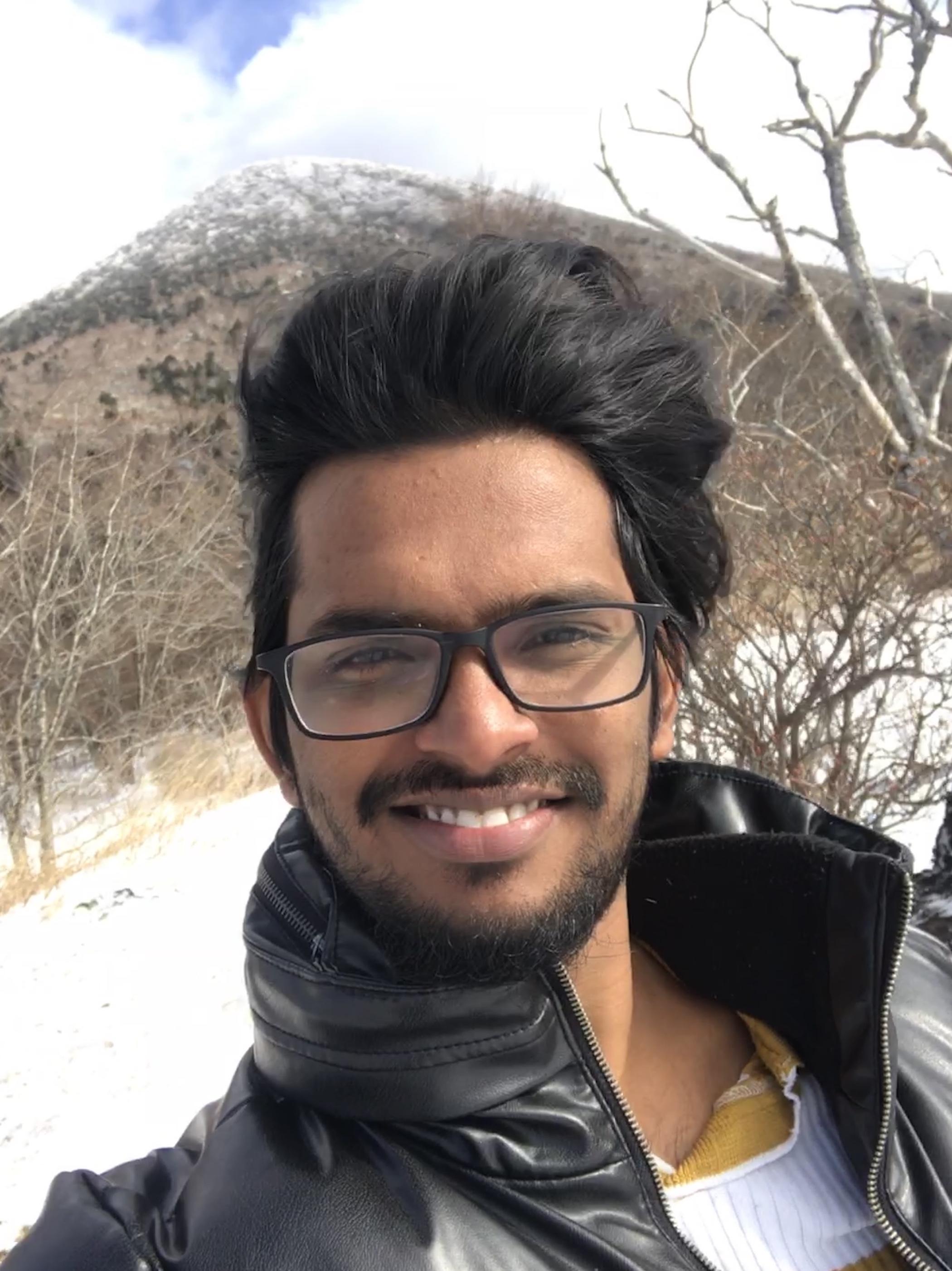
LENNY
From India
-
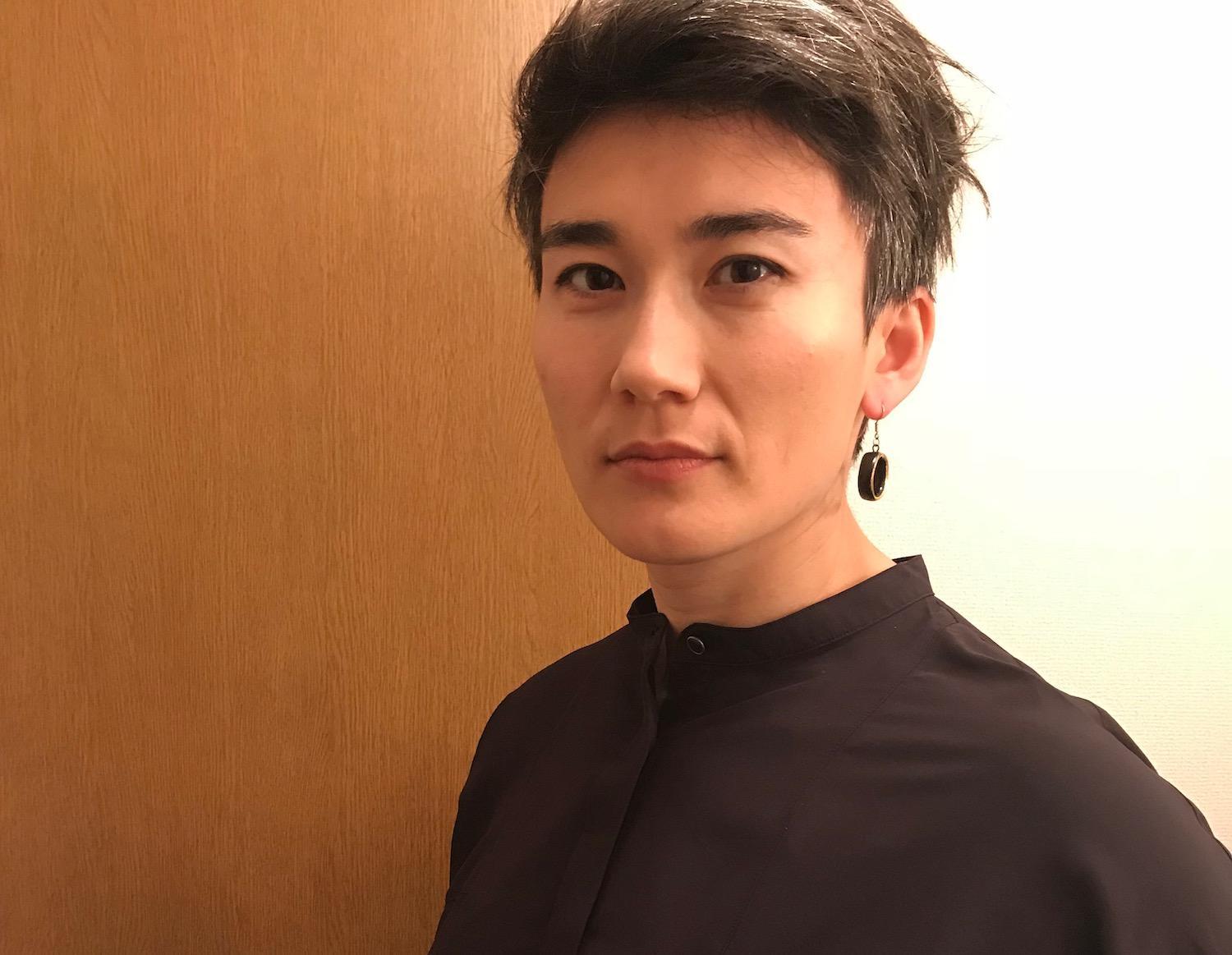
ZHANAR
From Kazakhstan
-
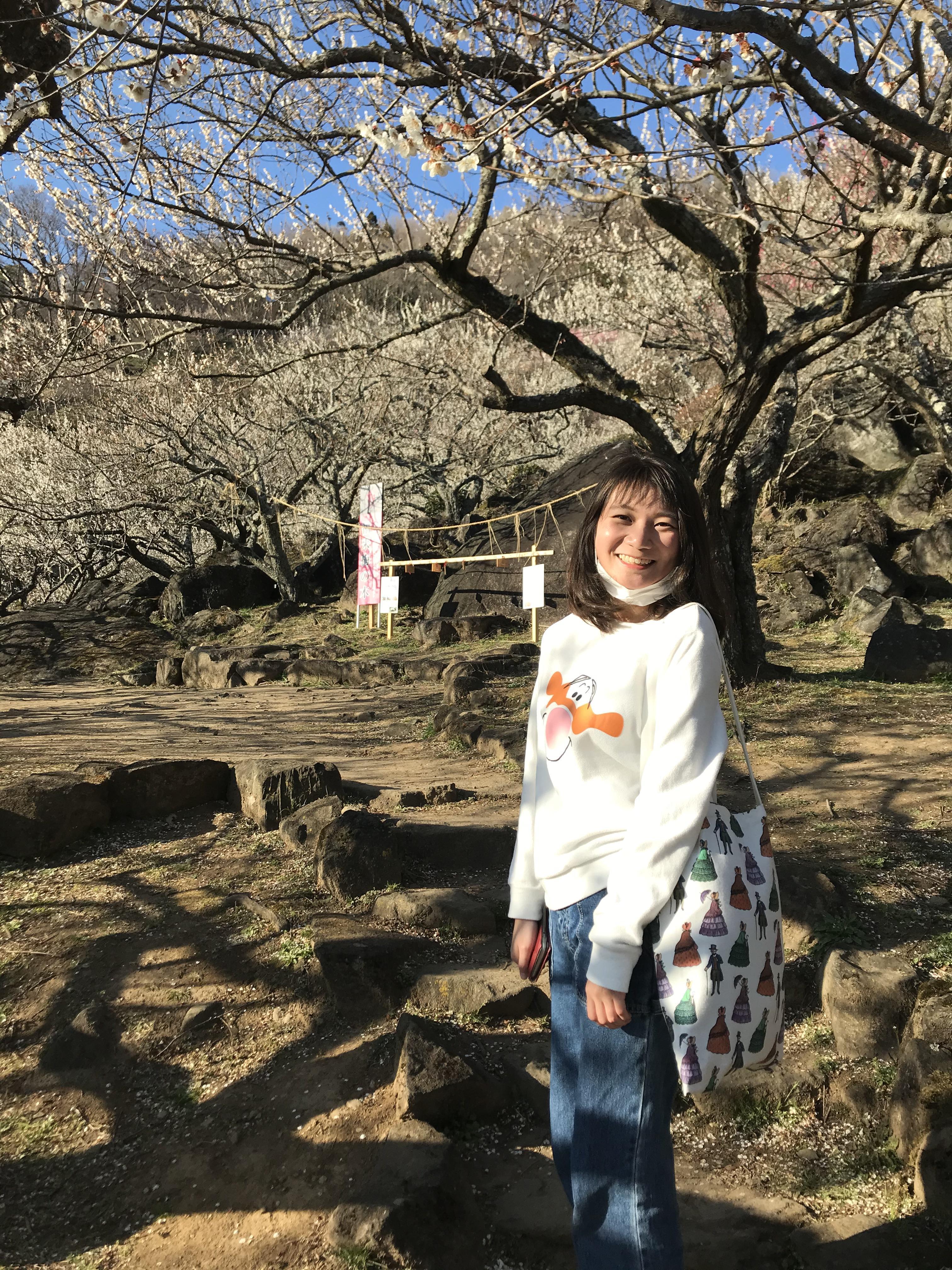
PENG
From Malaysia
-
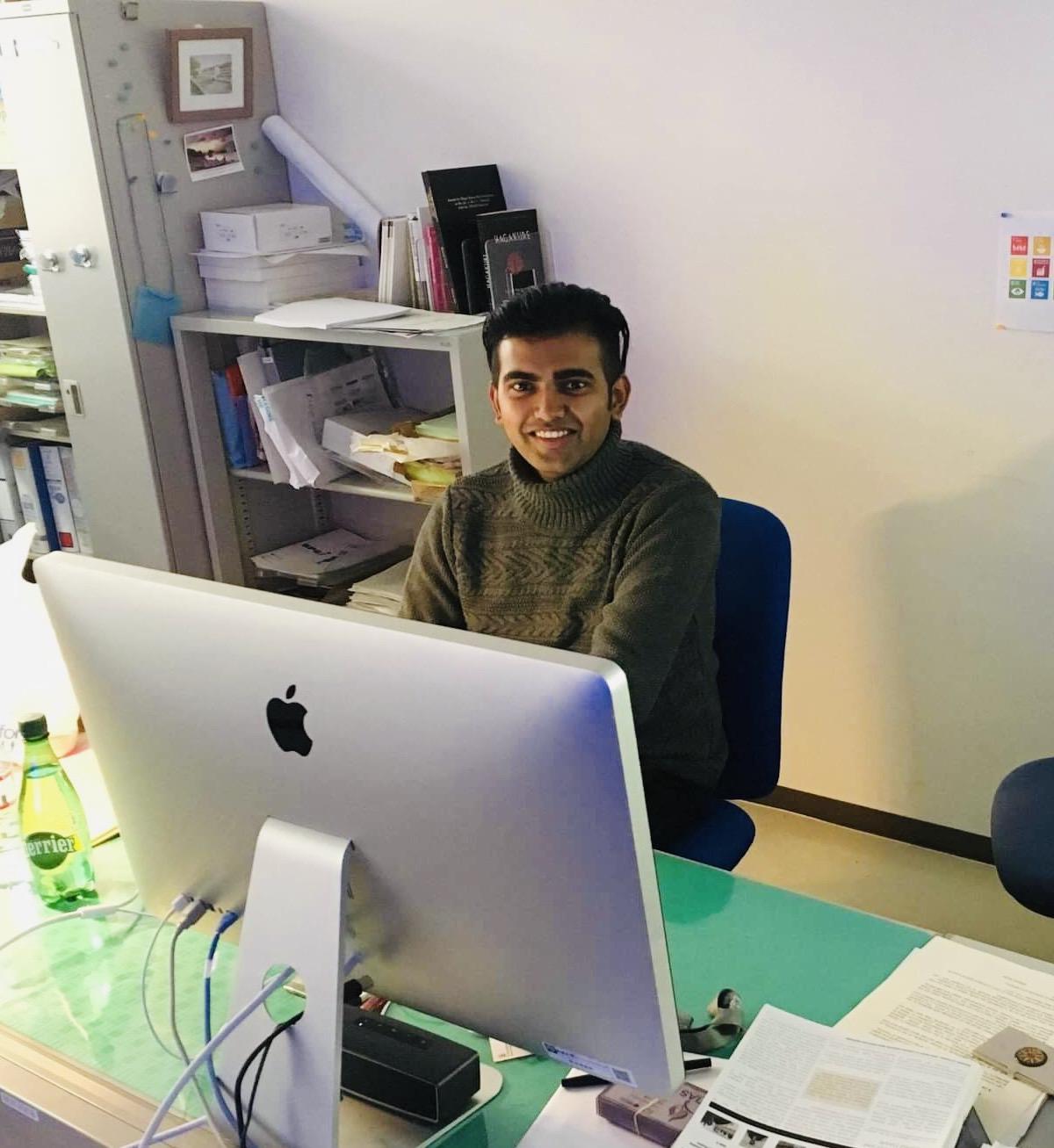
RAVI
From Nepal
-
SUNITA
From Nepal
-
ATOM
From Thailand