


Voices of International Students
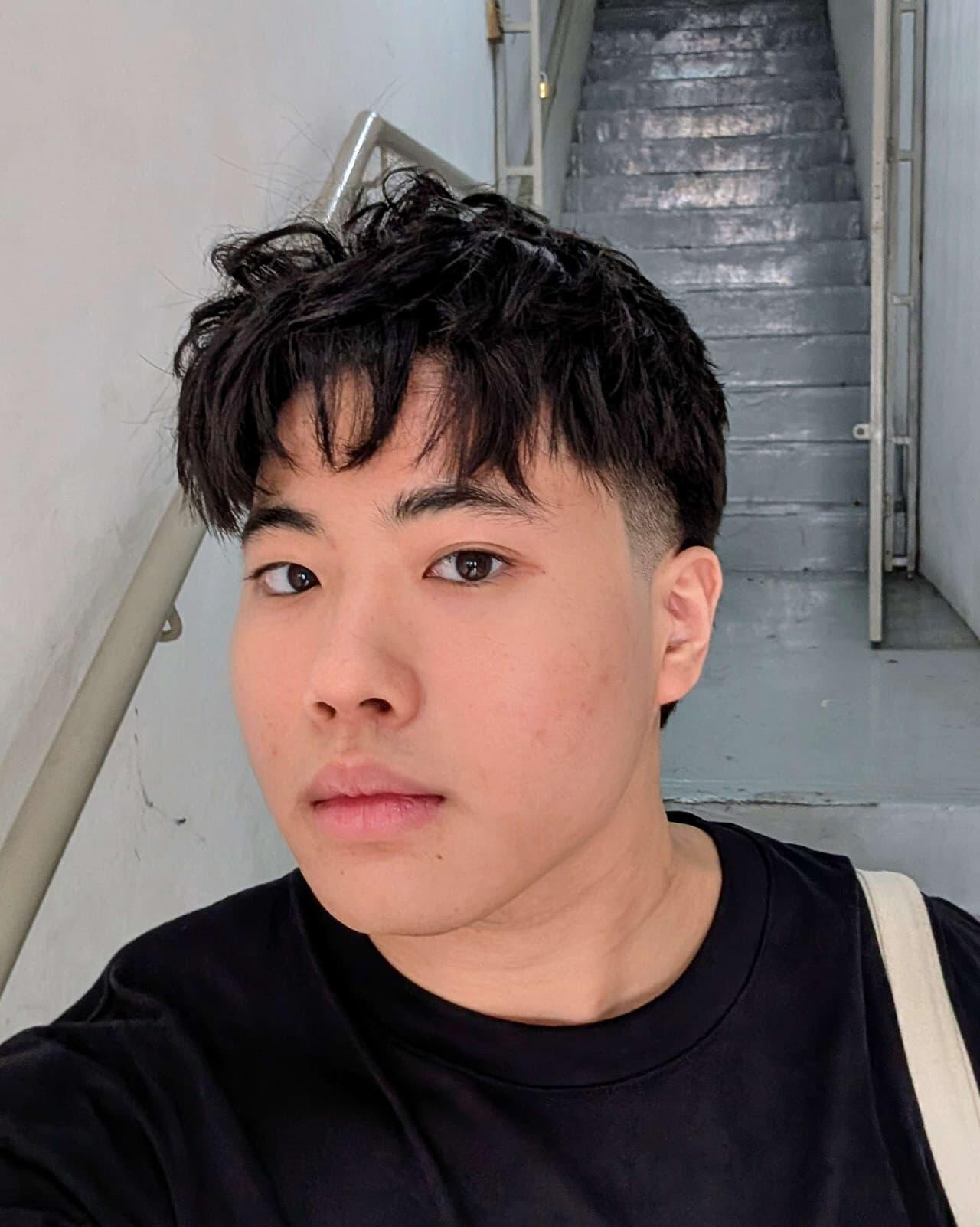
HAN CHON TEH
School of Engineering Sciences
From Malaysia
What sparked your interest in this university?
What sparked my interest in the University of Tsukuba was its reputation for providing exceptionally high-quality education, particularly within its rigorous and competitive engineering programs. I was drawn to the university's unique philosophy within Tsukuba, which fosters an ideal environment for translating complex theoretical concepts into practical engineering solutions through great mentorship. The curriculum's strong emphasis on foundational principles such as advanced mathematics, thermodynamics, and applied physics labs provides the framework I need to grow academically. The opportunity to study in an academic setting that challenges students to approach problems with precision and creativity motivated me to strive to be better. The prospect of collaborating with driven peers in such a research-intensive community made Tsukuba the perfect place for my studies.
What aspects of Japanese culture or customs surprised you? How did you adapt to these differences?
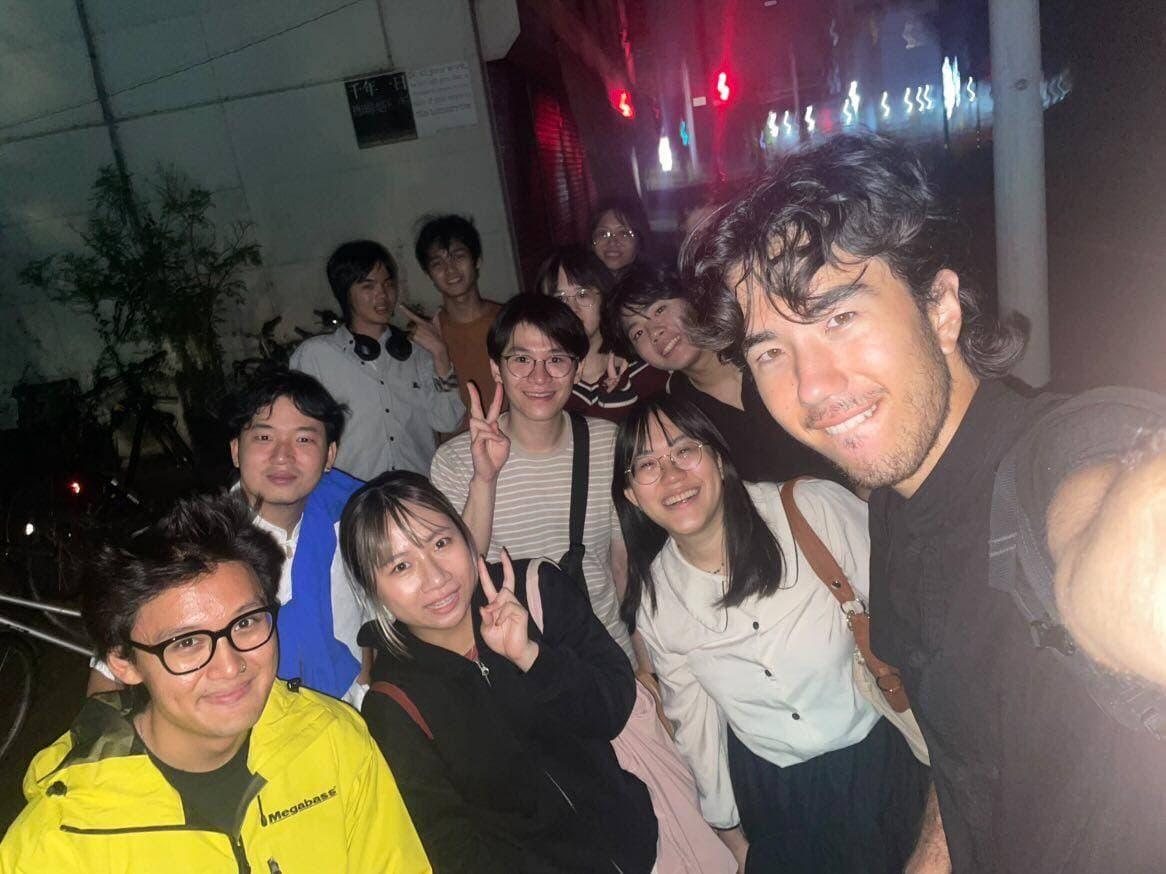
One aspect of Japanese culture that surprised me the most was how Japanese people spoke to and treated their seniors with a lot of respect and humility, which really made me reconsider my way of communicating when it comes to people who are older than me, whether they are Japanese or not. An etiquette I see a lot is that when a group of people is dining together, the juniors will usually wait for the seniors to begin eating before doing so themselves. Moreover, in some sports settings, juniors are often expected to handle the setup and the clean-up so that the seniors will not have to. In order to respect the culture, I started to integrate these acts of consideration into my own behavior, which helped me build stronger friendships.
What do you enjoy about Tsukuba?
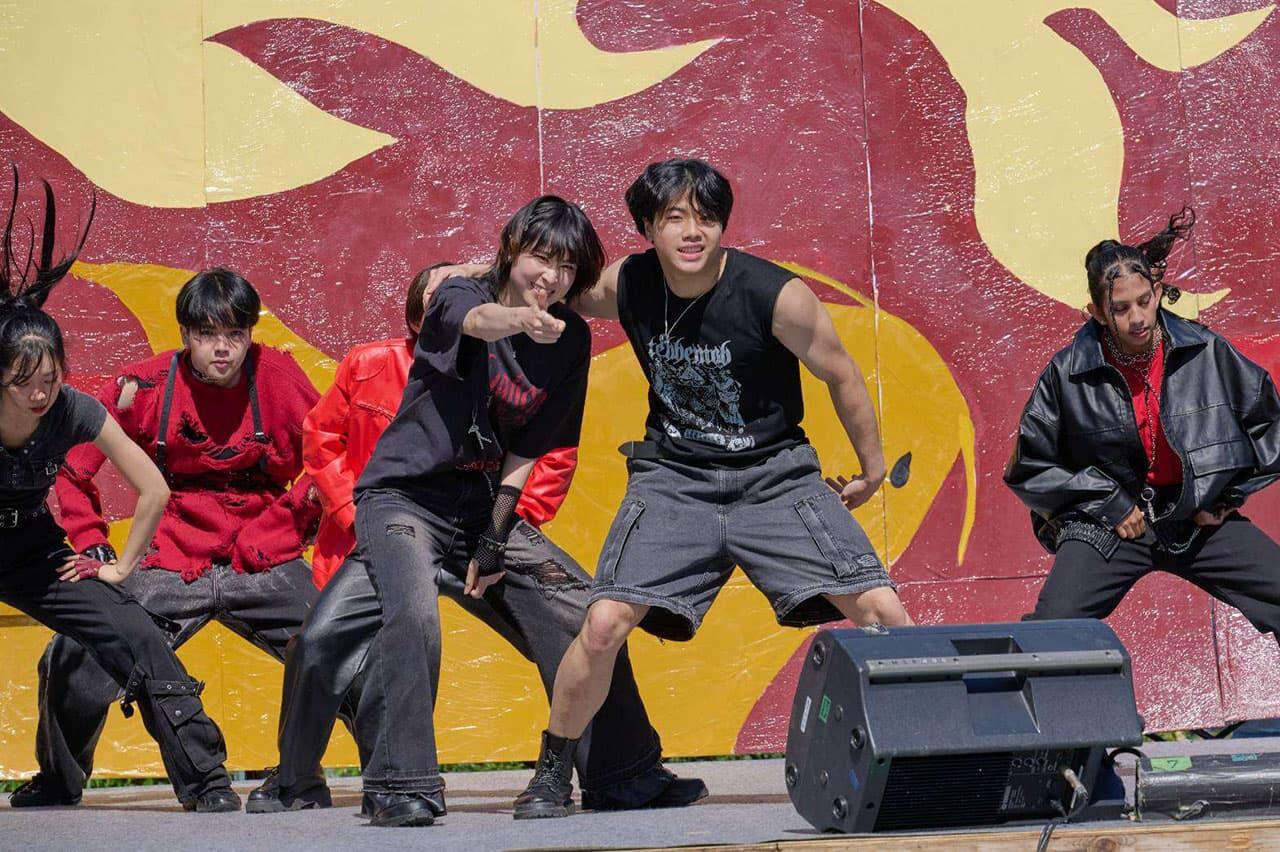
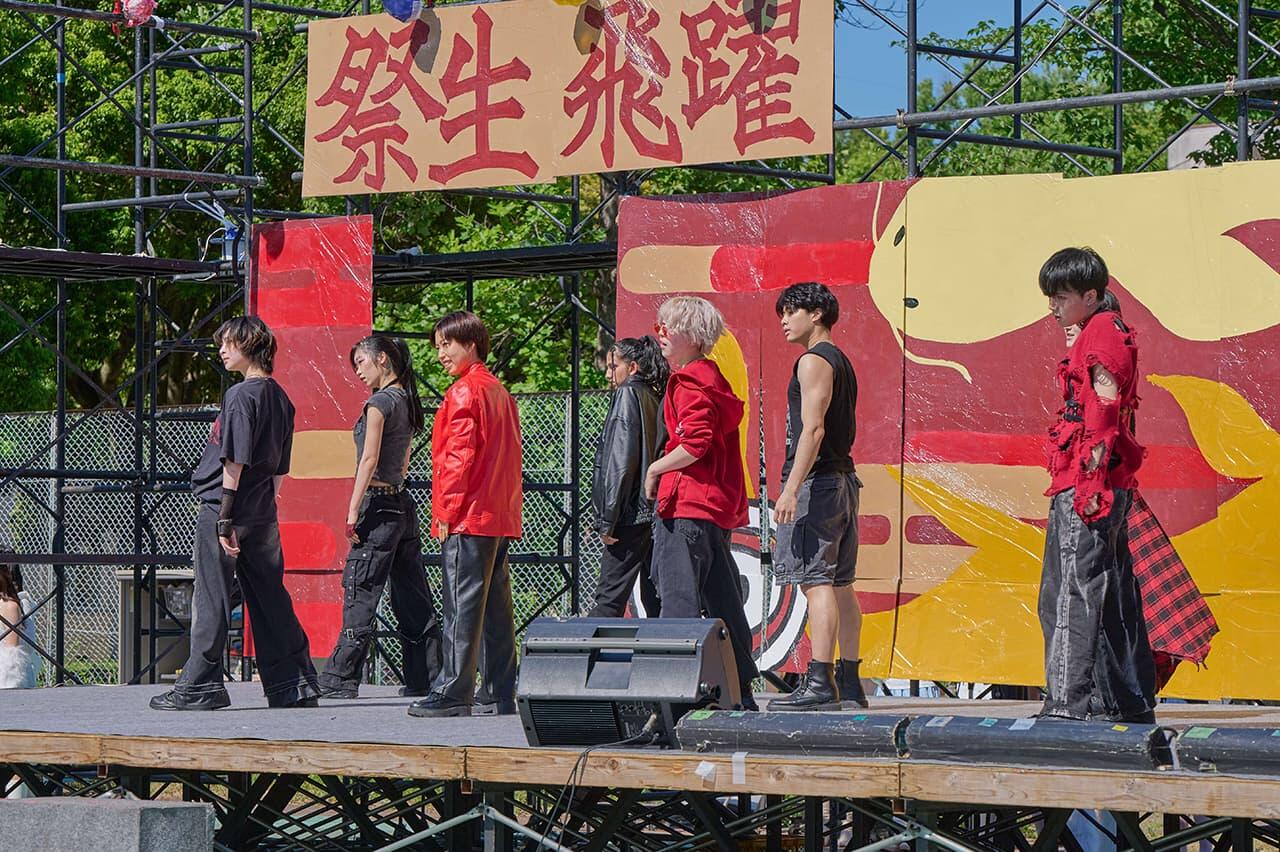
I enjoy the freedom and flexibility in the scheduling of the classes, as there is no rigid schedule. Students can choose to take more or fewer classes, allowing them to customize their academic pacing and effectively manage their workload. Another thing is that there is a large variety of circles and clubs that exist in the university, in which anyone can bond with people with similar interests while having fun. I personally am a part of a K-Pop dance cover circle known as Koguma, and I never thought that I would enjoy such an activity before coming here. Even for someone like me with minimal dancing experience, the seniors are patient and constantly provide both feedback and words of encouragement, which are very assuring.
What do you hope to achieve during your time here?
Academically, my primary goal is to build a solid foundation in core engineering principles and problem-solving, as well as engage with a broad spectrum of technical projects, in order to fully leverage the university's resources and diverse research opportunities. I hope to develop the versatility necessary to tackle complex challenges in my future career through the lessons I learn in the classes and research labs here. Beyond the classroom, I am committed to fostering cross-cultural connections through my involvement in diverse communities and strengthening bonds between international and domestic students. Ultimately, I hope to achieve greater cultural fluency while making a positive impact on the vibrant campus life.
What do you think makes the University of Tsukuba special?
I think that the environment of the university is what makes it unique. The campus is in the center of a small city, and many local shops and services directly cater to both new and existing students. This makes it so that everyone feels accommodated at all times, due to the accessibility and convenience that the structure of the city is built upon. The mode of transport of choice by most students around the campus is the bicycle, as it is the most efficient of all. Most students come from different areas of the country, and prefer to rent an apartment near campus. Walking would be too time-consuming, and having a car would be too impractical. This makes it feel like you have the freedom to go anywhere you want at any time within the city.
-
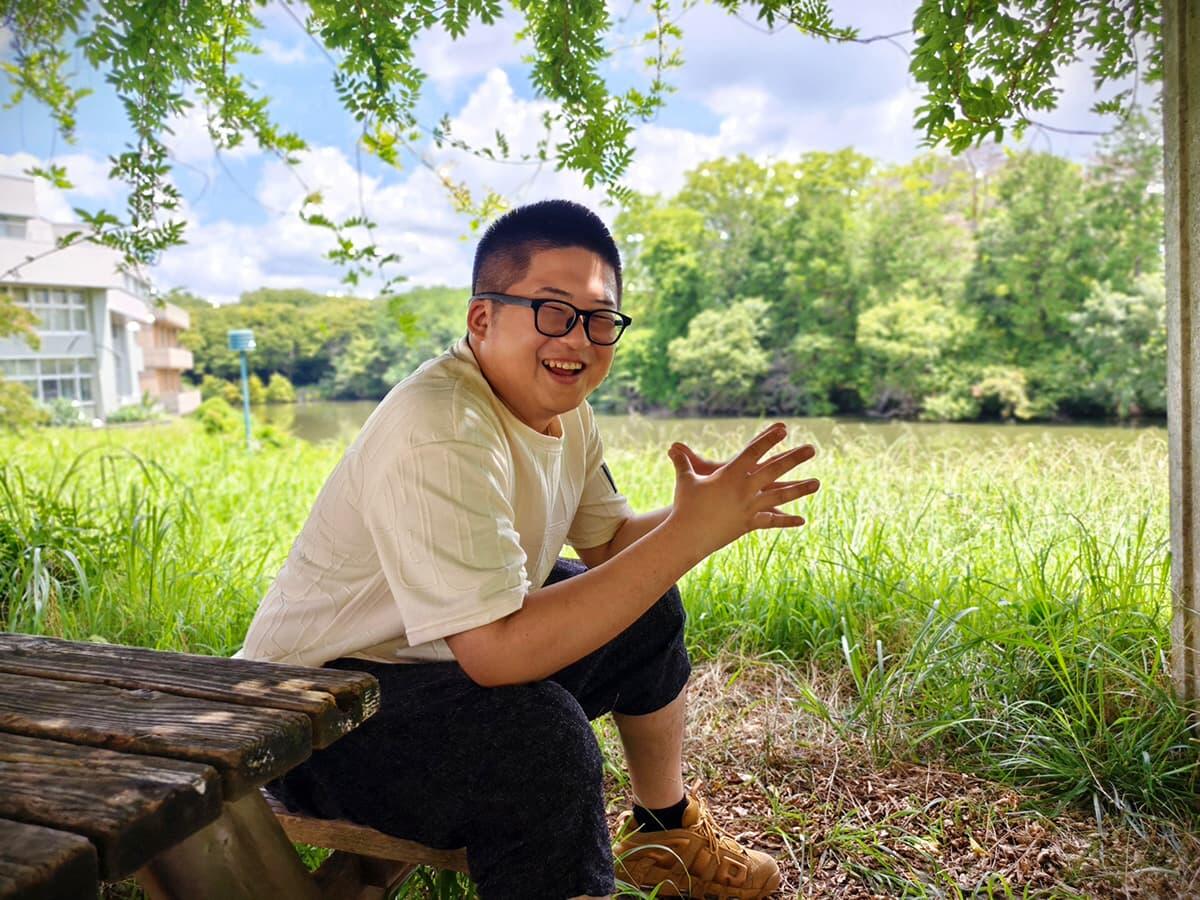
YI-FU LIU
From China
-
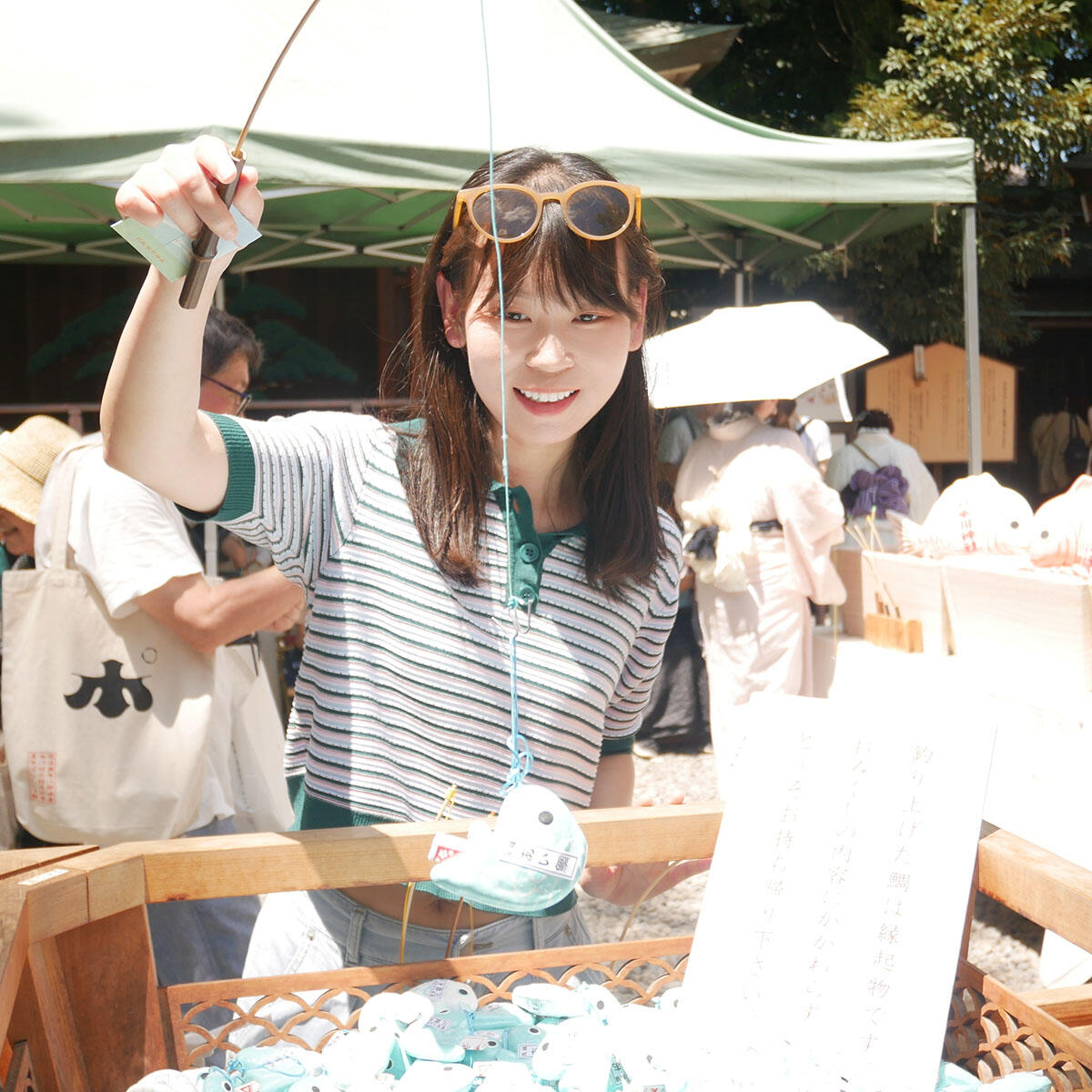
XINGYA YUAN
From China
-
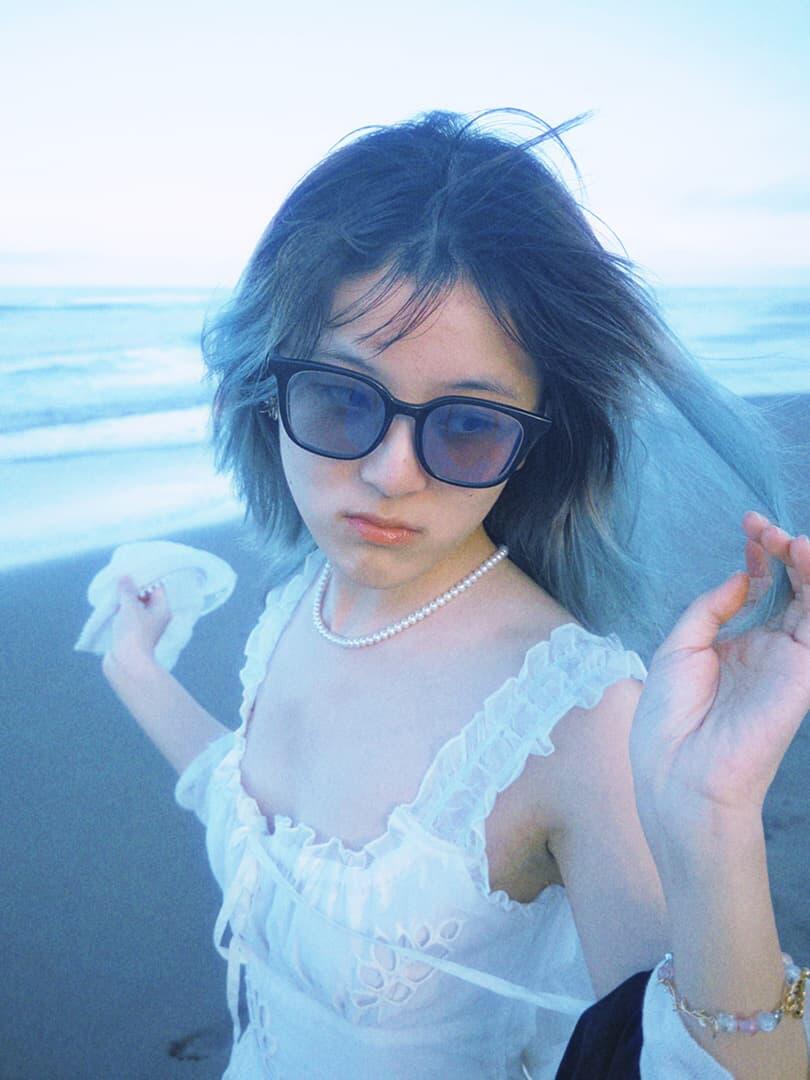
礼 (LI)
From China
-
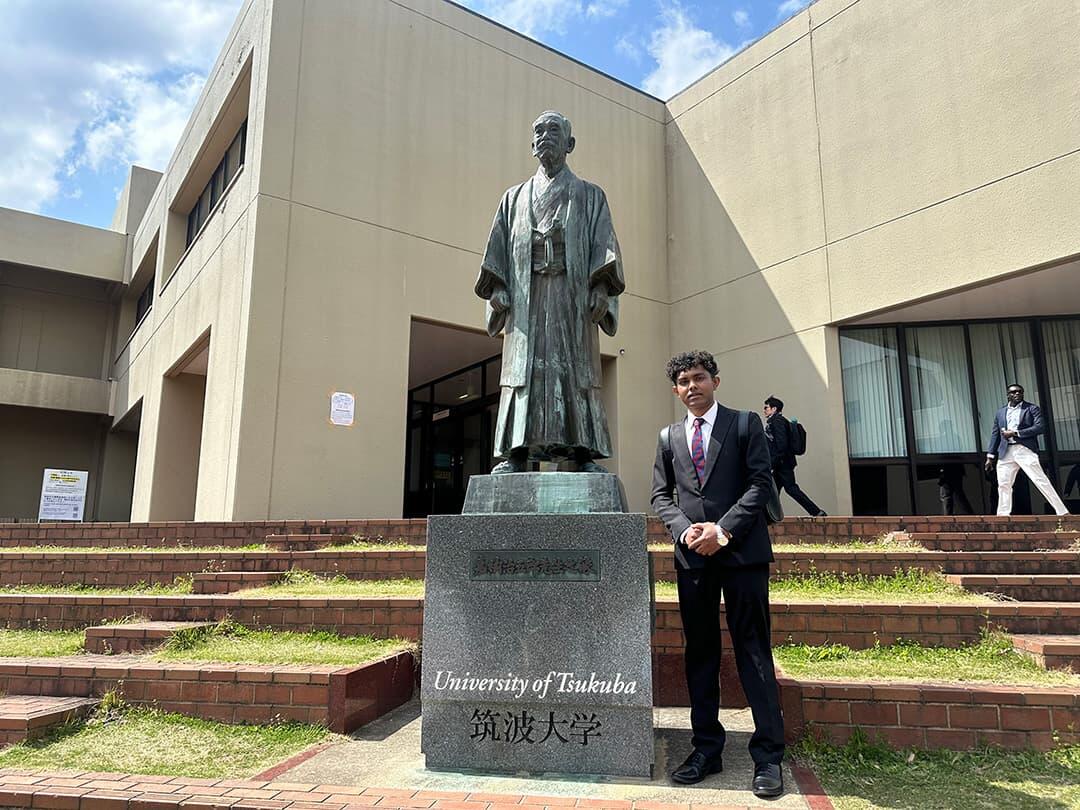
PULUSEN SATHYAJITH ARIYASINGHE
From Sri Lanka
-
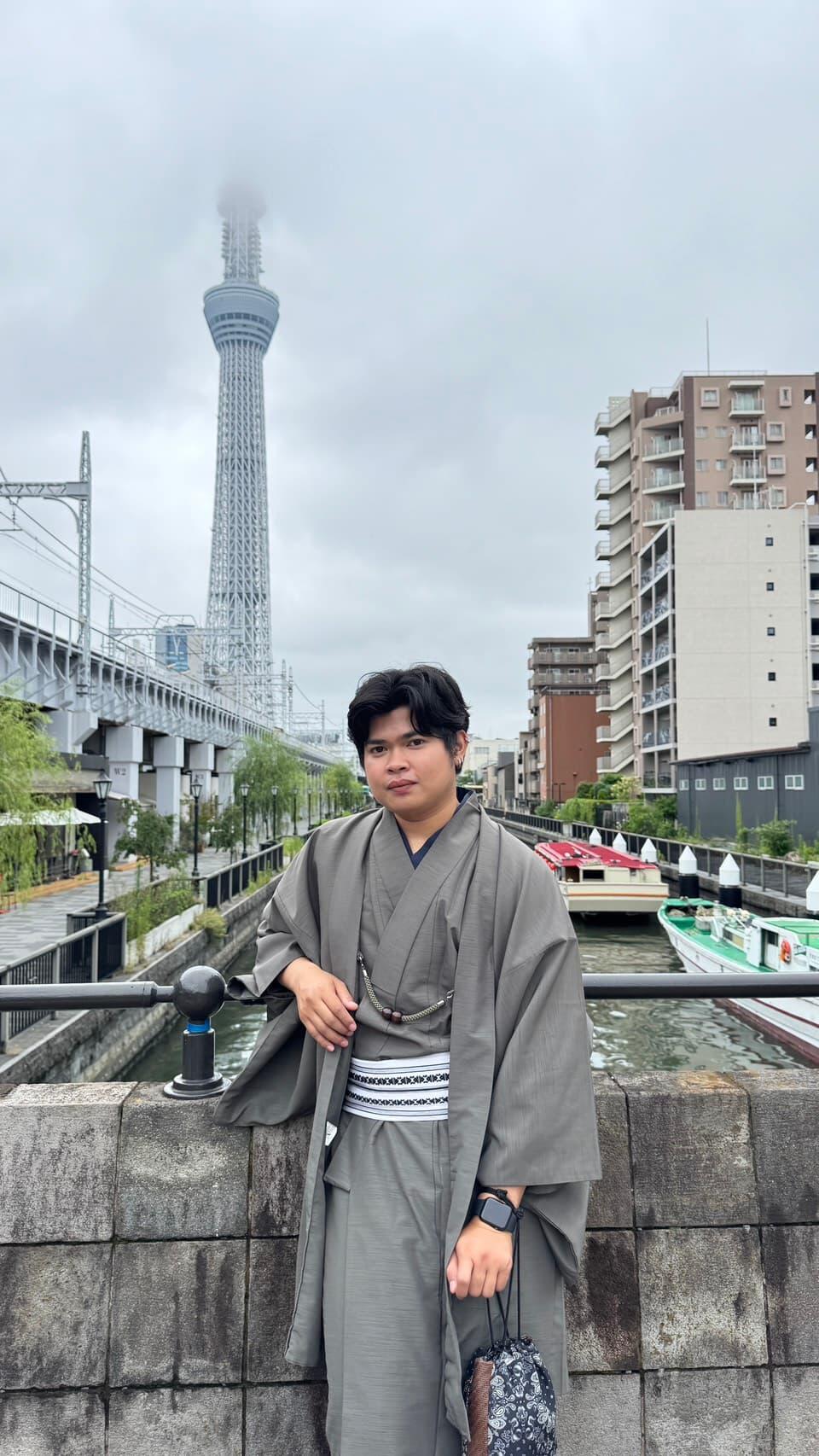
SAKNARIN NIN-INJAN
From Thailand
-
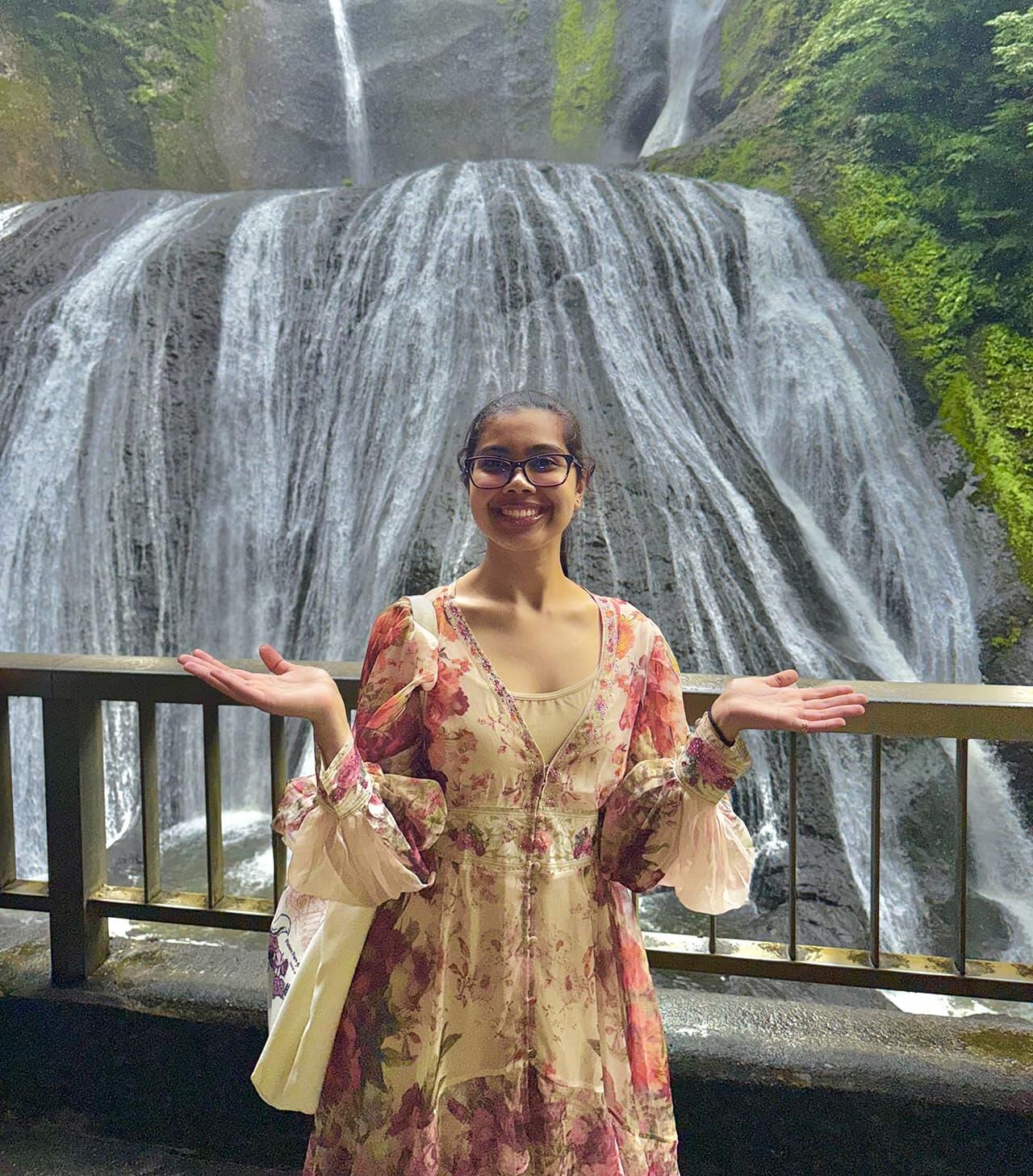
HIRUNI HUNUKUMBURA
From Sri Lanka
-
HAN CHON TEH
From Malaysia
-
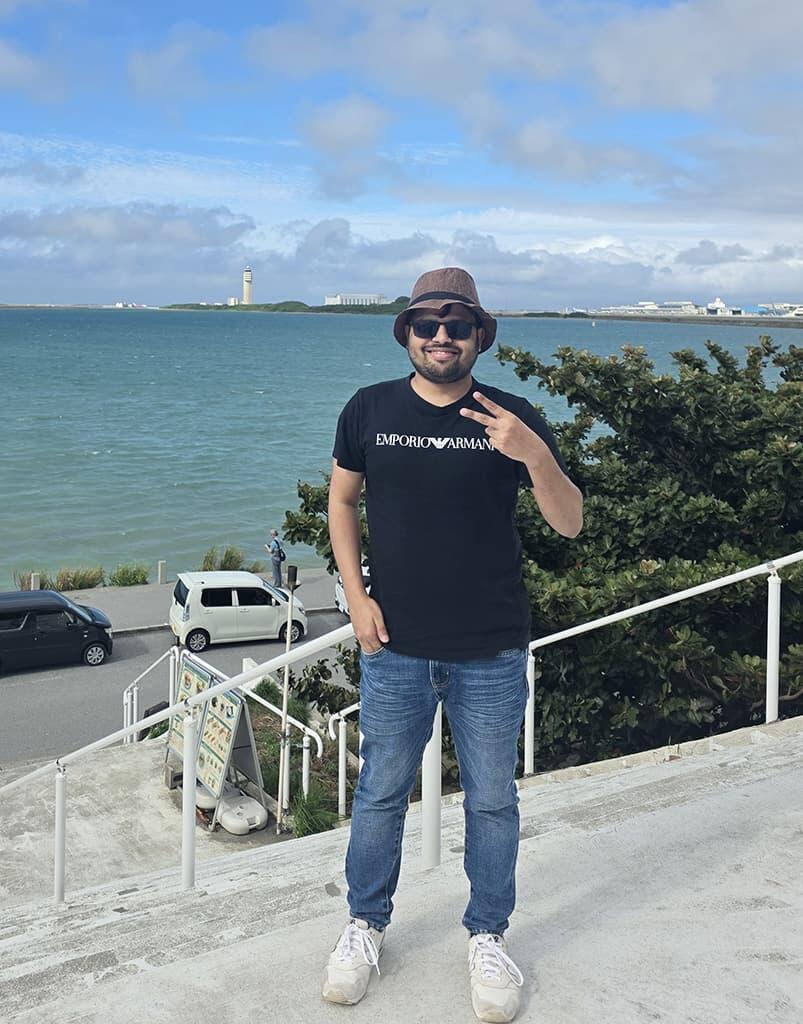
MD MEHEDI HASAN
From Bangladesh
-
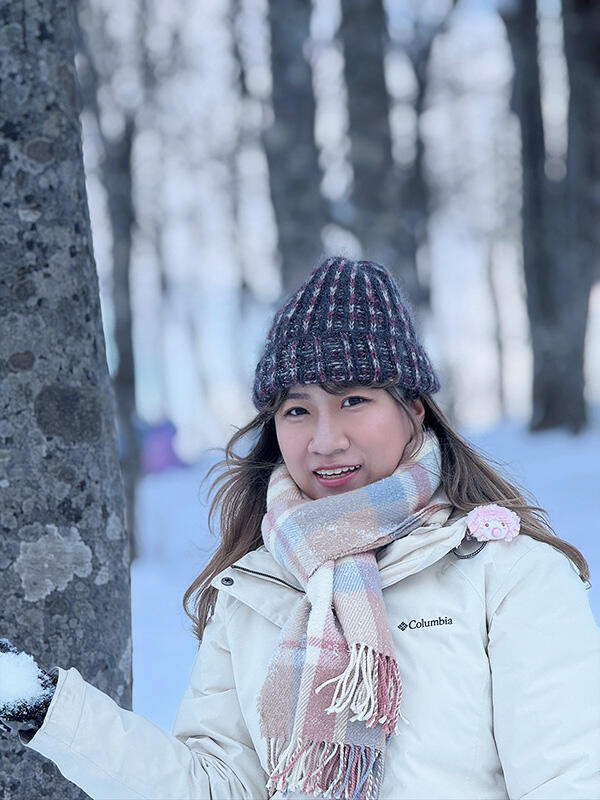
LI SZE CHING
From Hong Kong
-
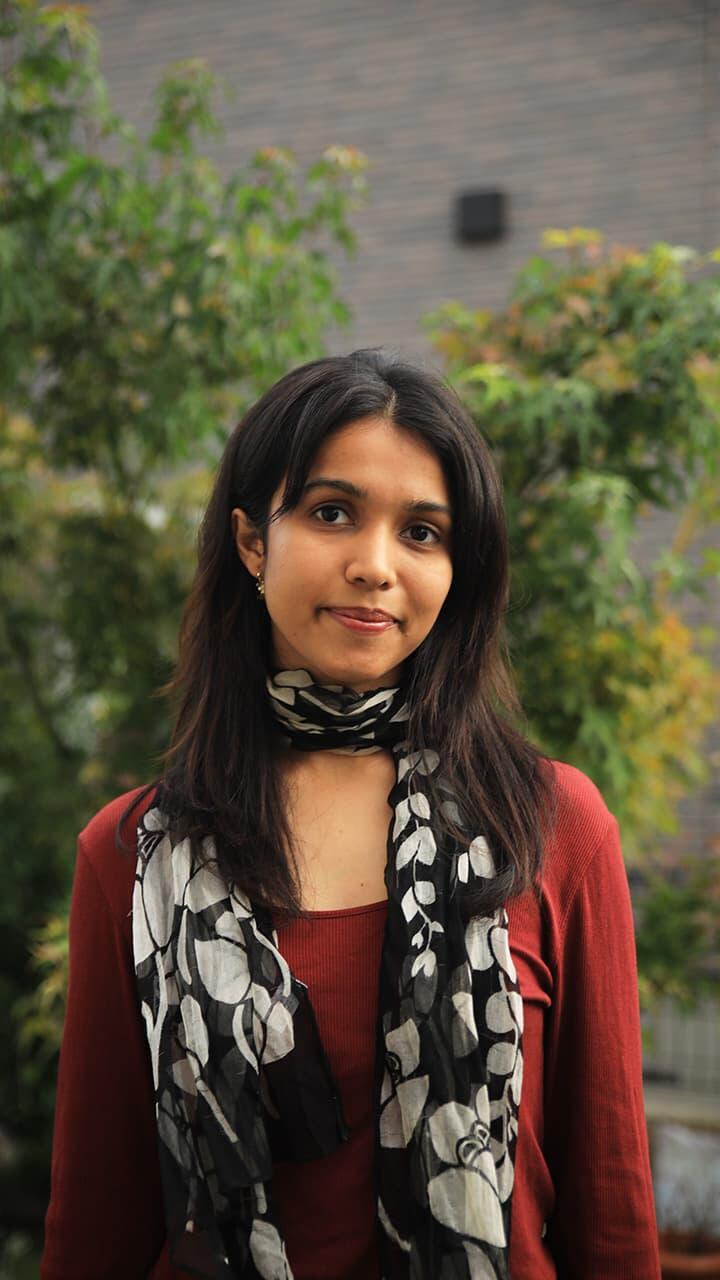
SIYA JITENDRA DESHPANDE
From India
-
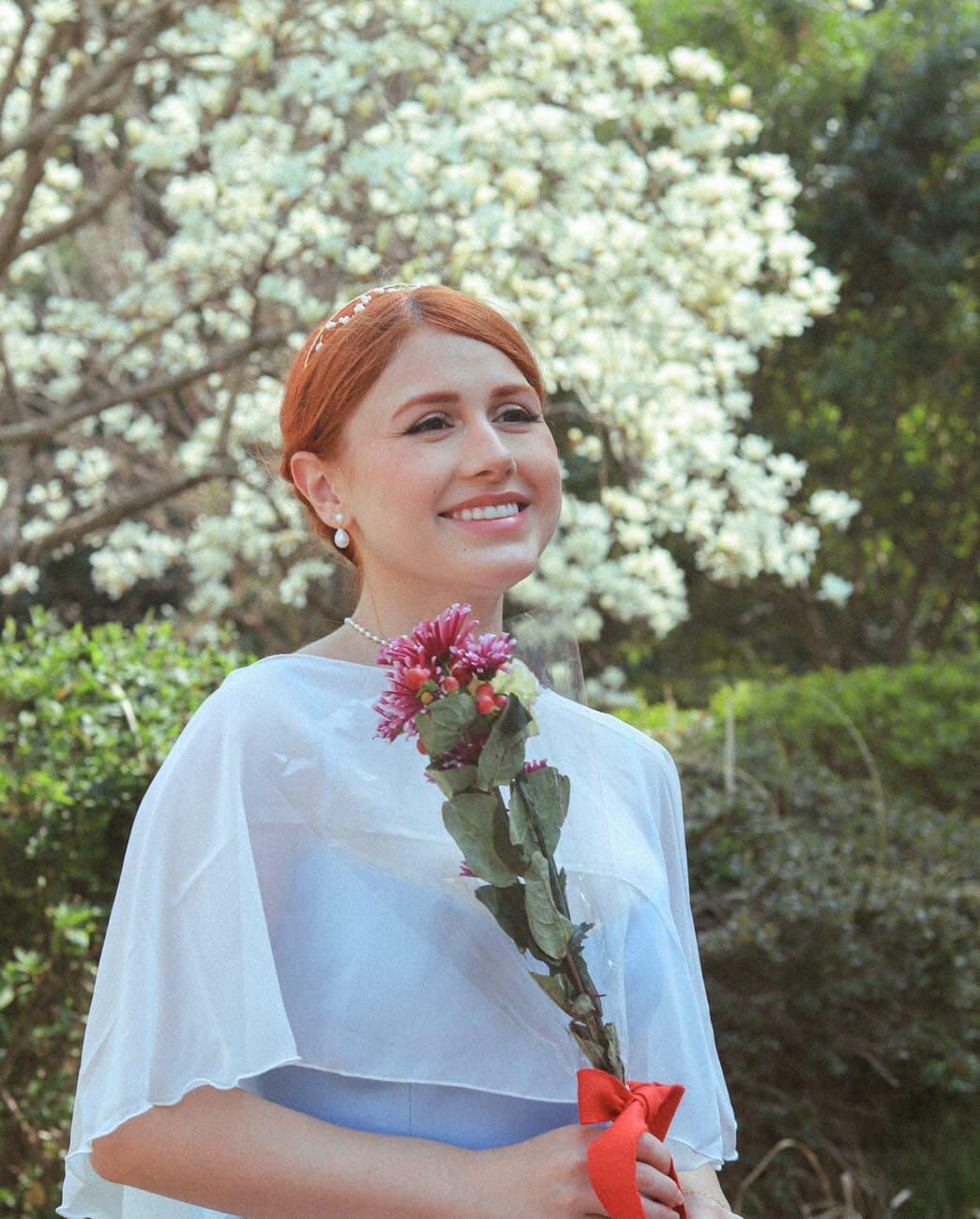
RIBEIRO FALCÃO LORRANA
From Brazil
-
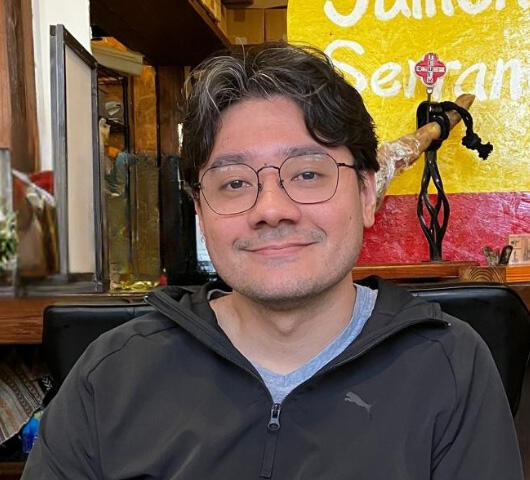
VICTOR MASSAKI NAKAGUCHI
From Brazil
-
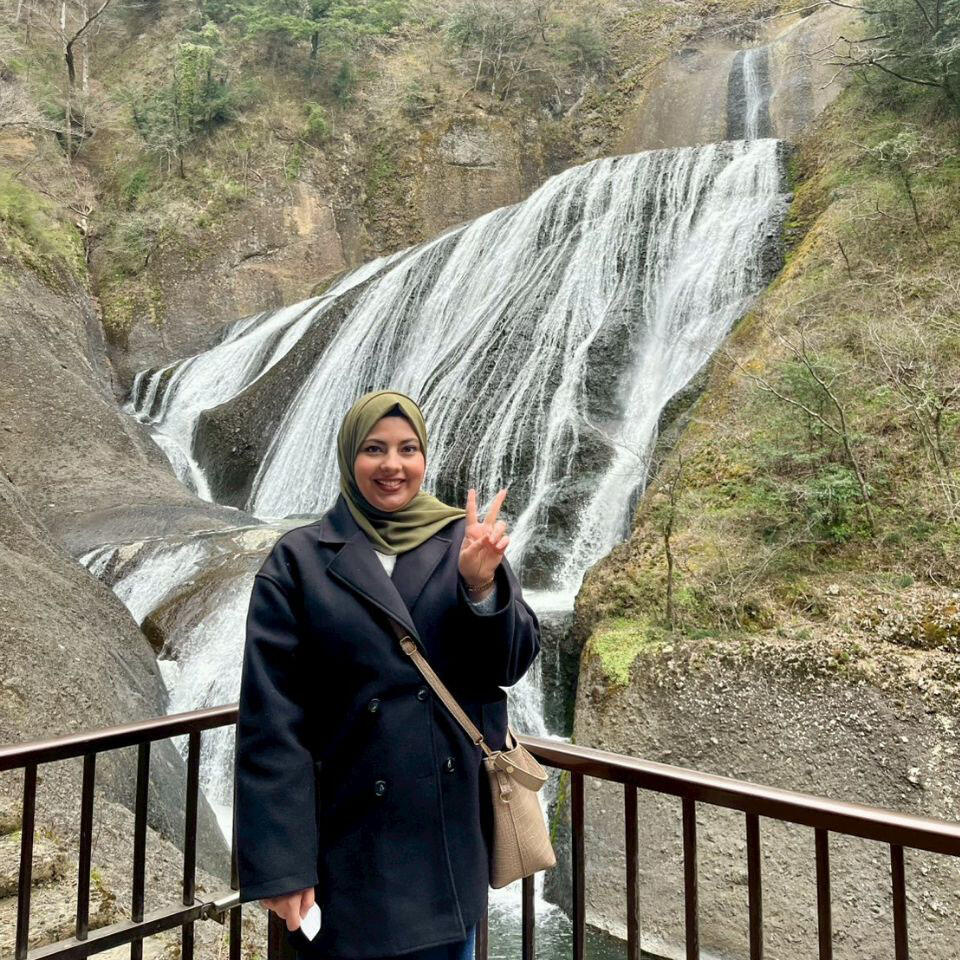
RIYAM MOTEA AL-RAABEA
From Iraq
-
ASYRAF KAZUKI BIN ABDUL ZAKI
From Malaysia
-
CHUN PI HSIEH
From Taiwan
-
EI YADANAR MAUNG
From Myanmar
-

LIANG LIU
From China
-
EMMA ROSE DANGERFIELD
From Australia
-
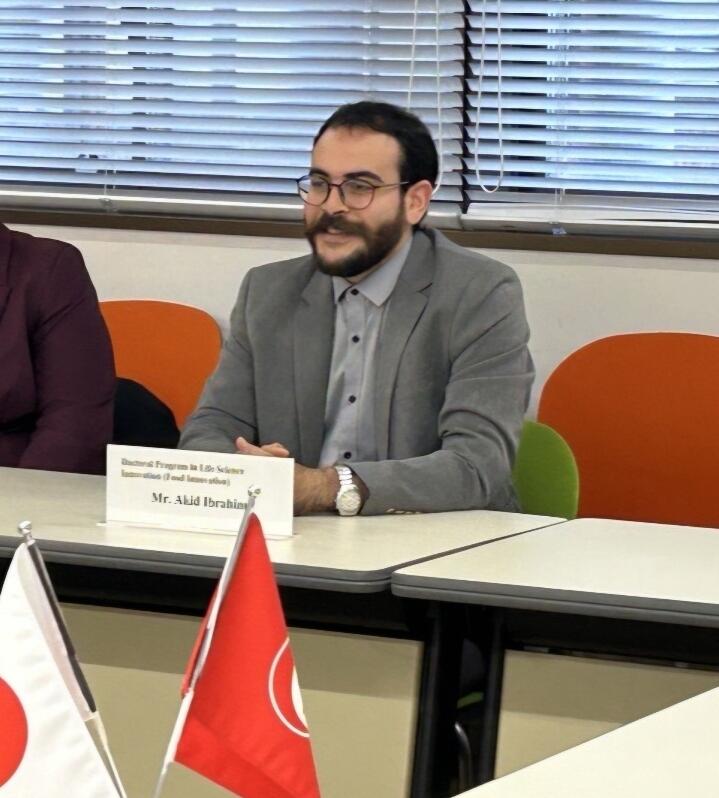
IBRAHIM AKID
From Tunisia
-
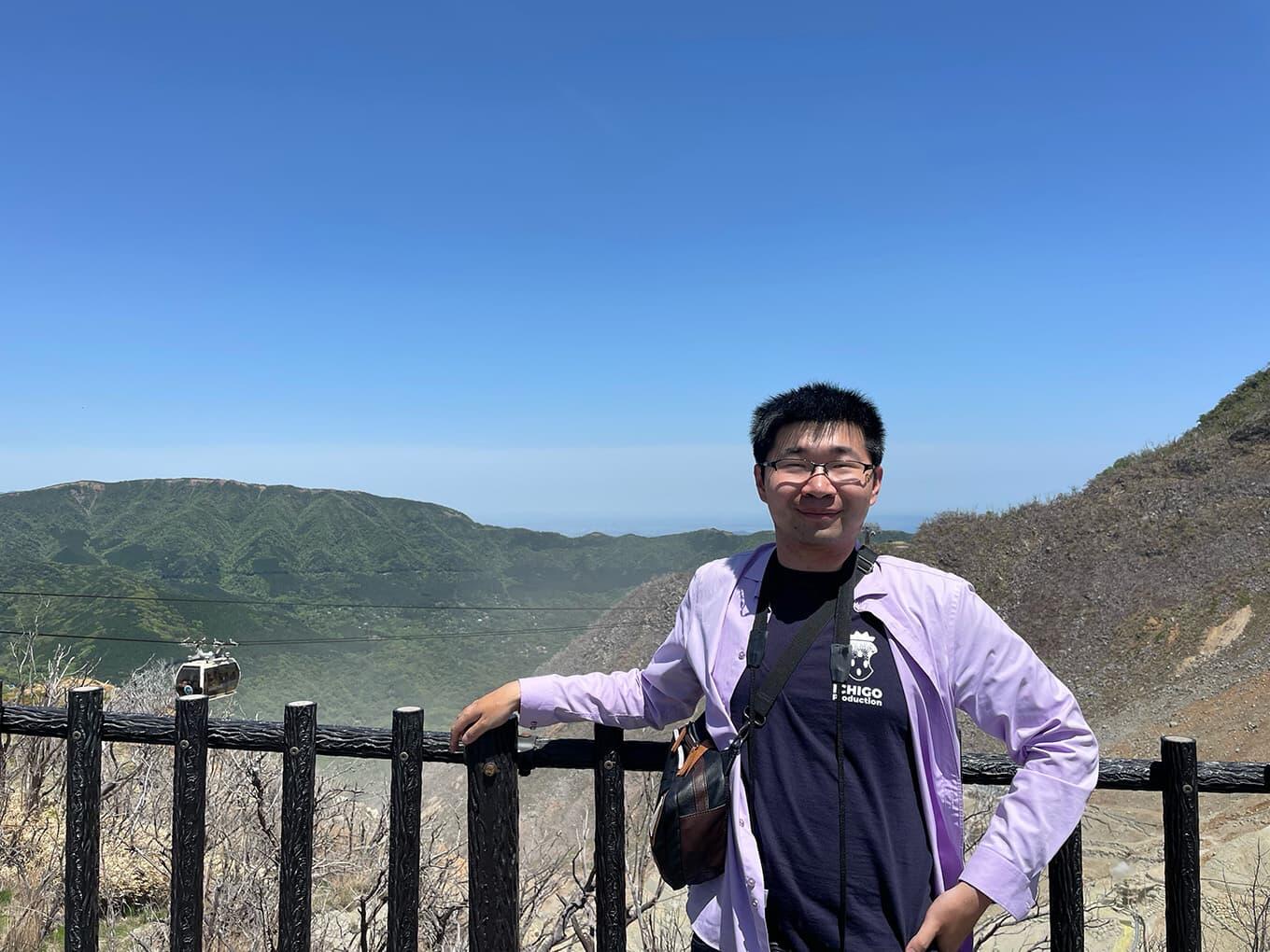
LEYUN HUANG
From China
-
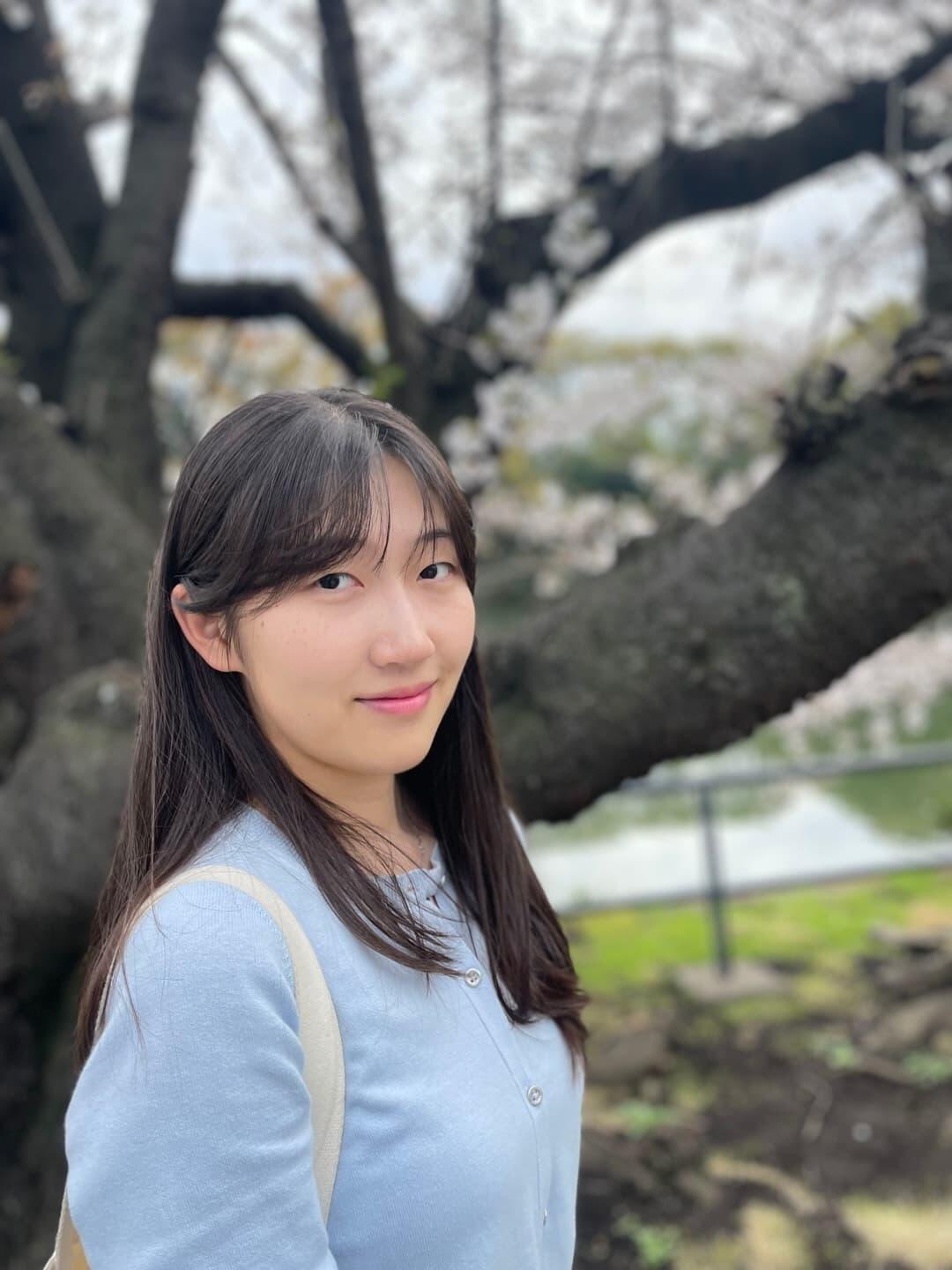
HYOWON LEE
From Korea
-
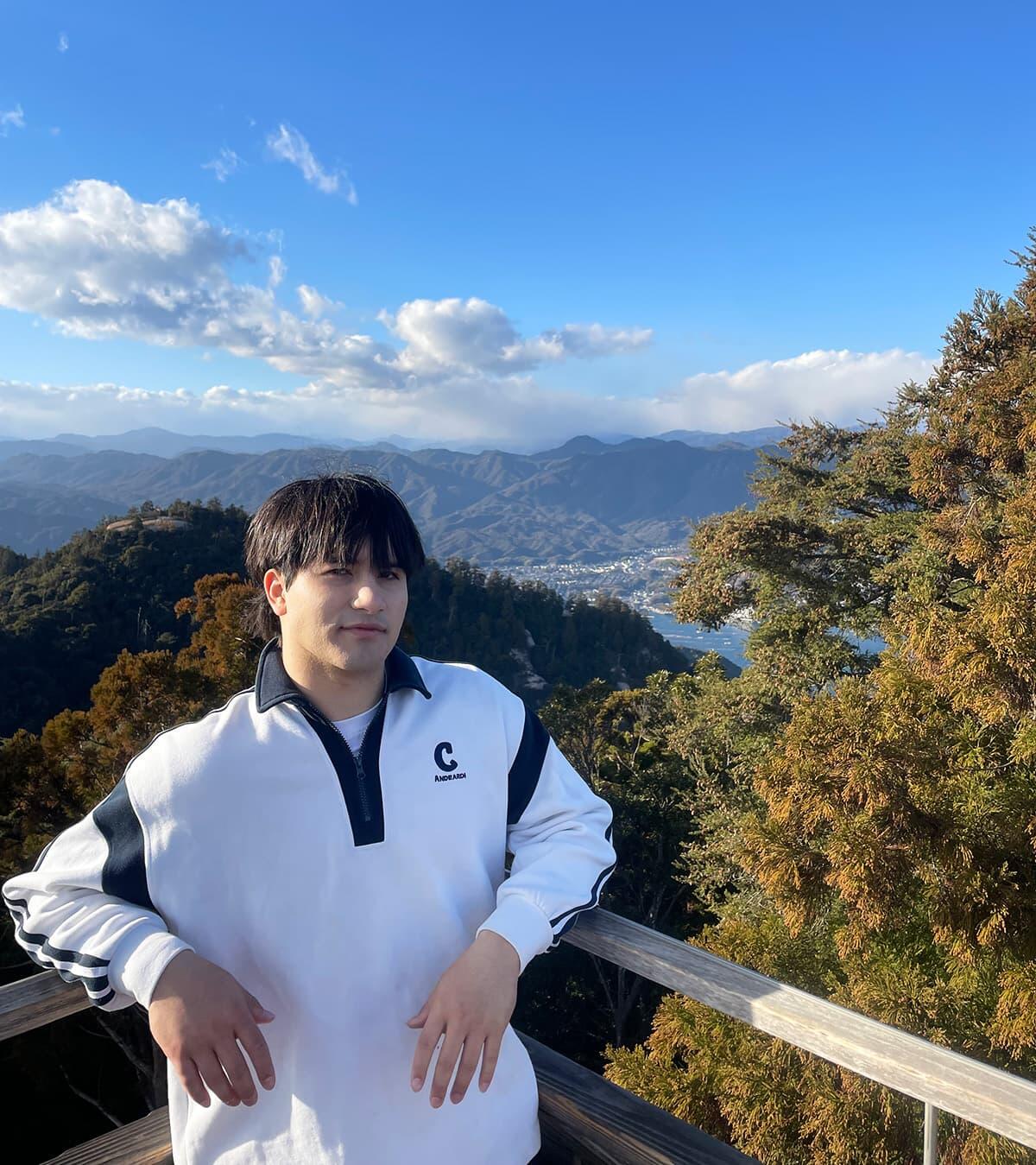
ZACHARY JAMES YOSHIOKA
From USA
-
NIMISH SUDHIR GODSE
From India
-
HASINI NIMANTHI KATIYAPE SAMARASEKARAGE
From Sri Lanka
-
MURAN XU
From China
-
YANG HU
From China
-
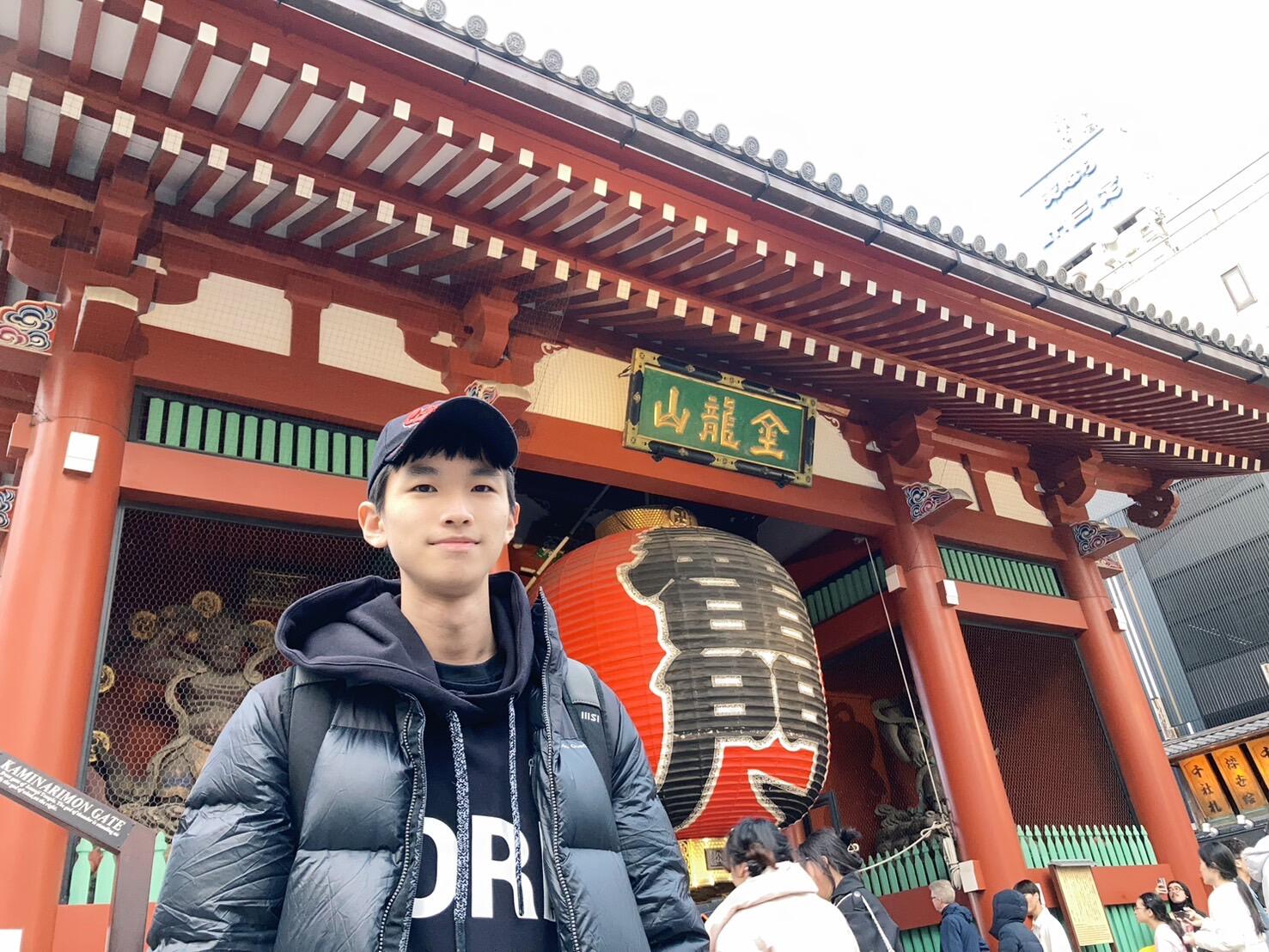
TE-YU HUANG
From Taiwan
-
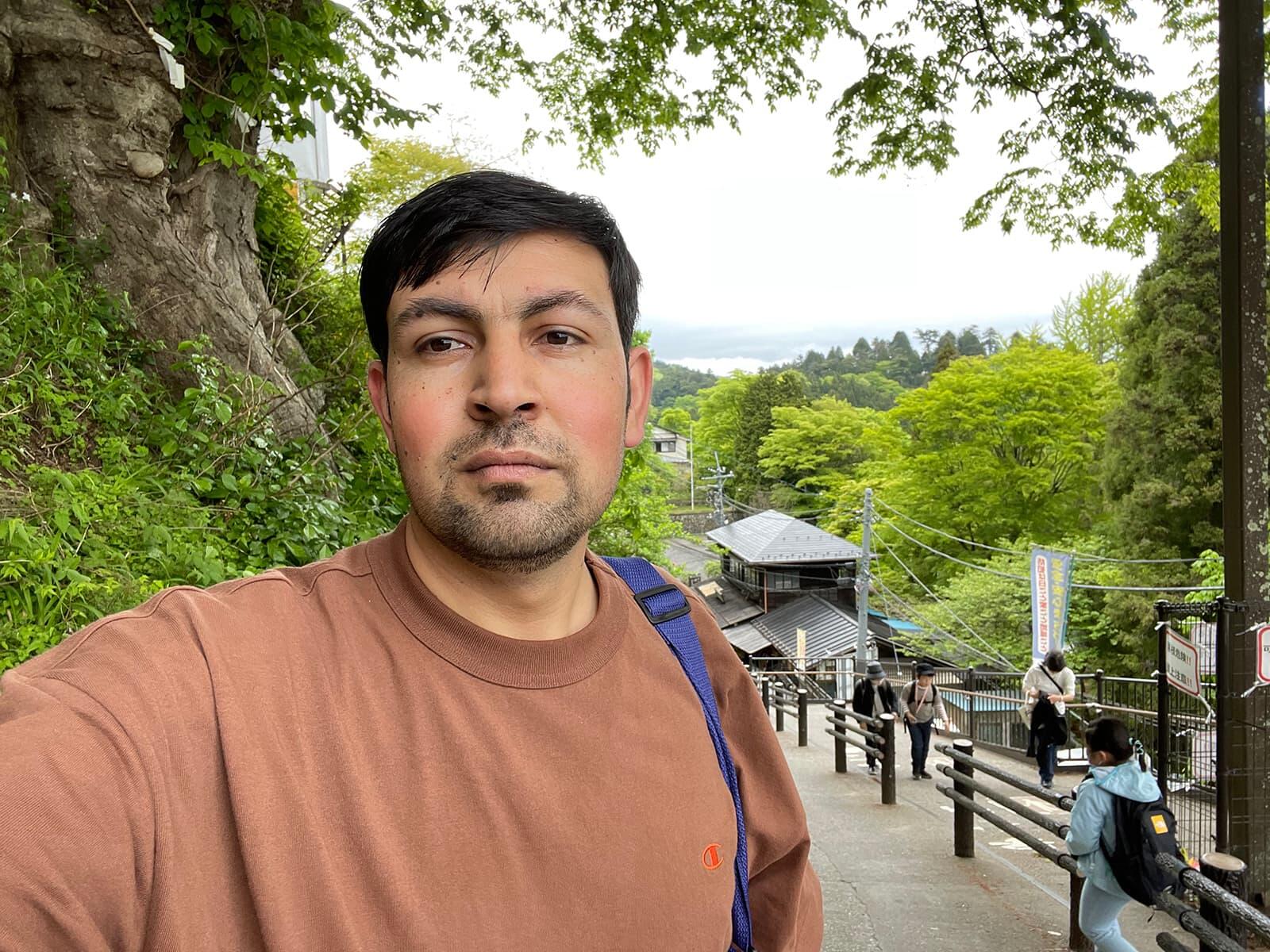
SHAFIQULLAH YOUSAFZAI
From Afghanistan
-
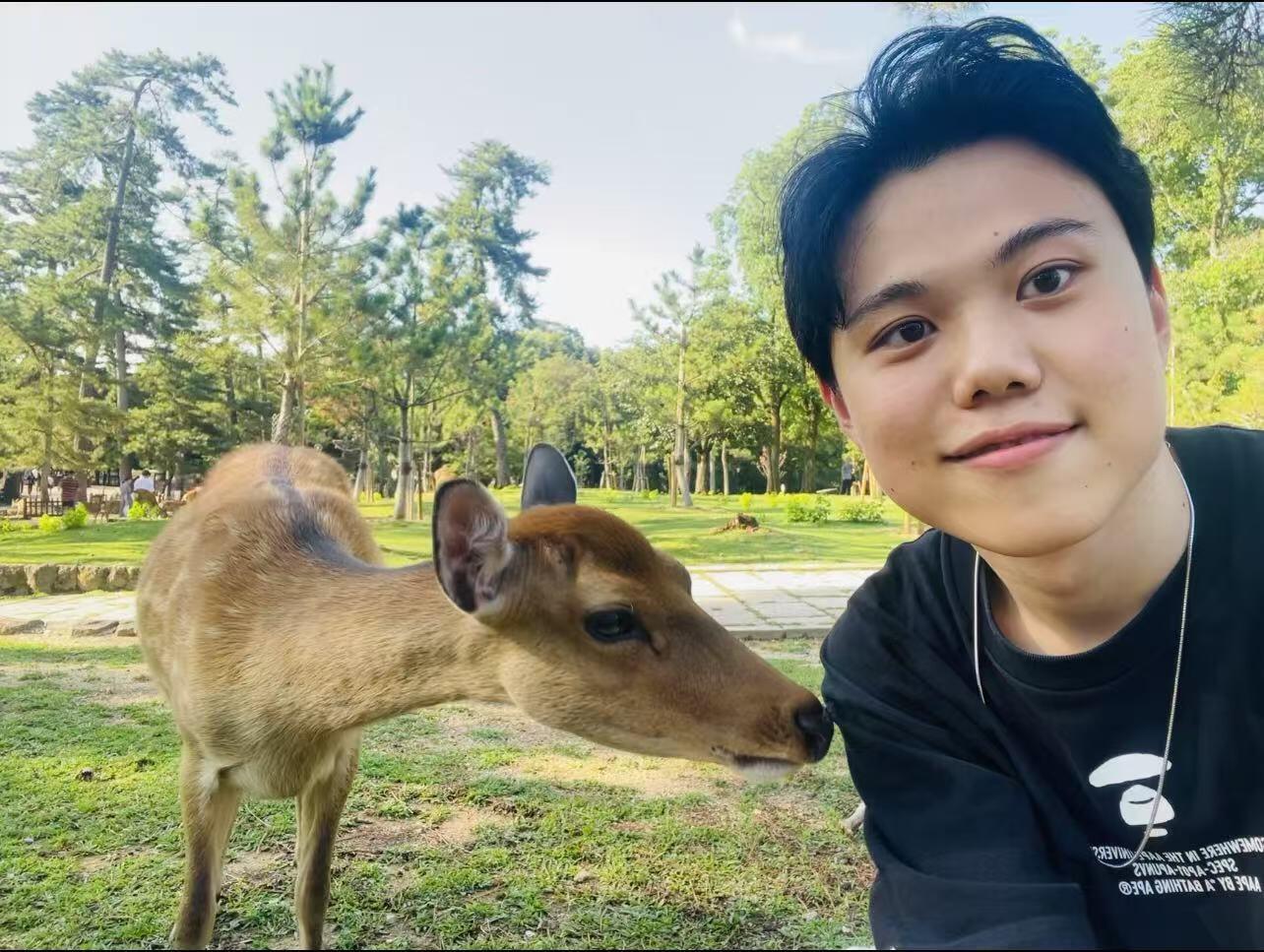
QI SHI
From China
-
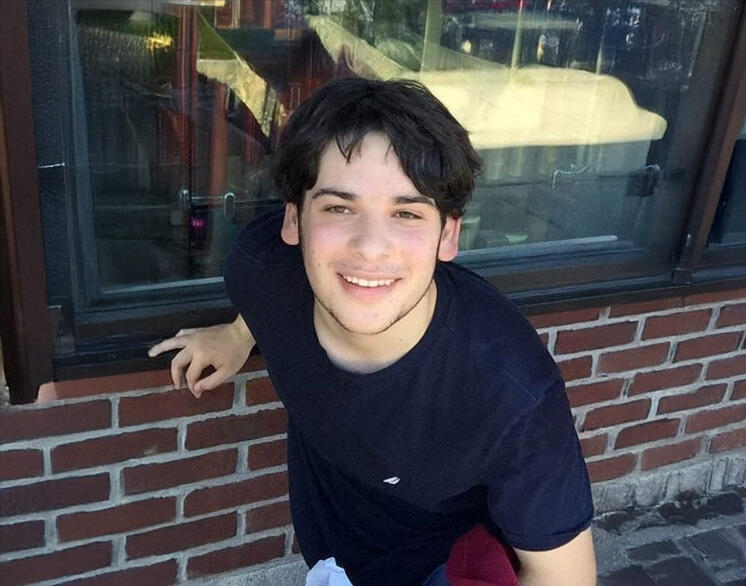
MYLES
From USA
-
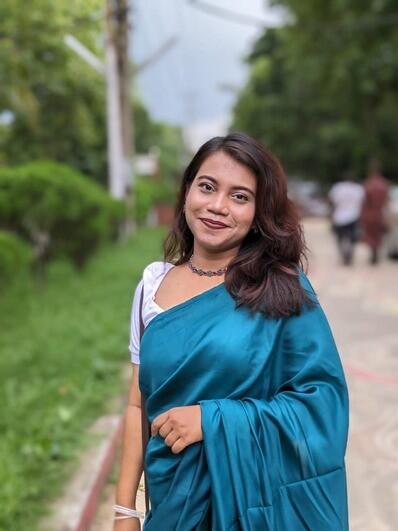
ISRAT JAHAN
From Bangladesh
-
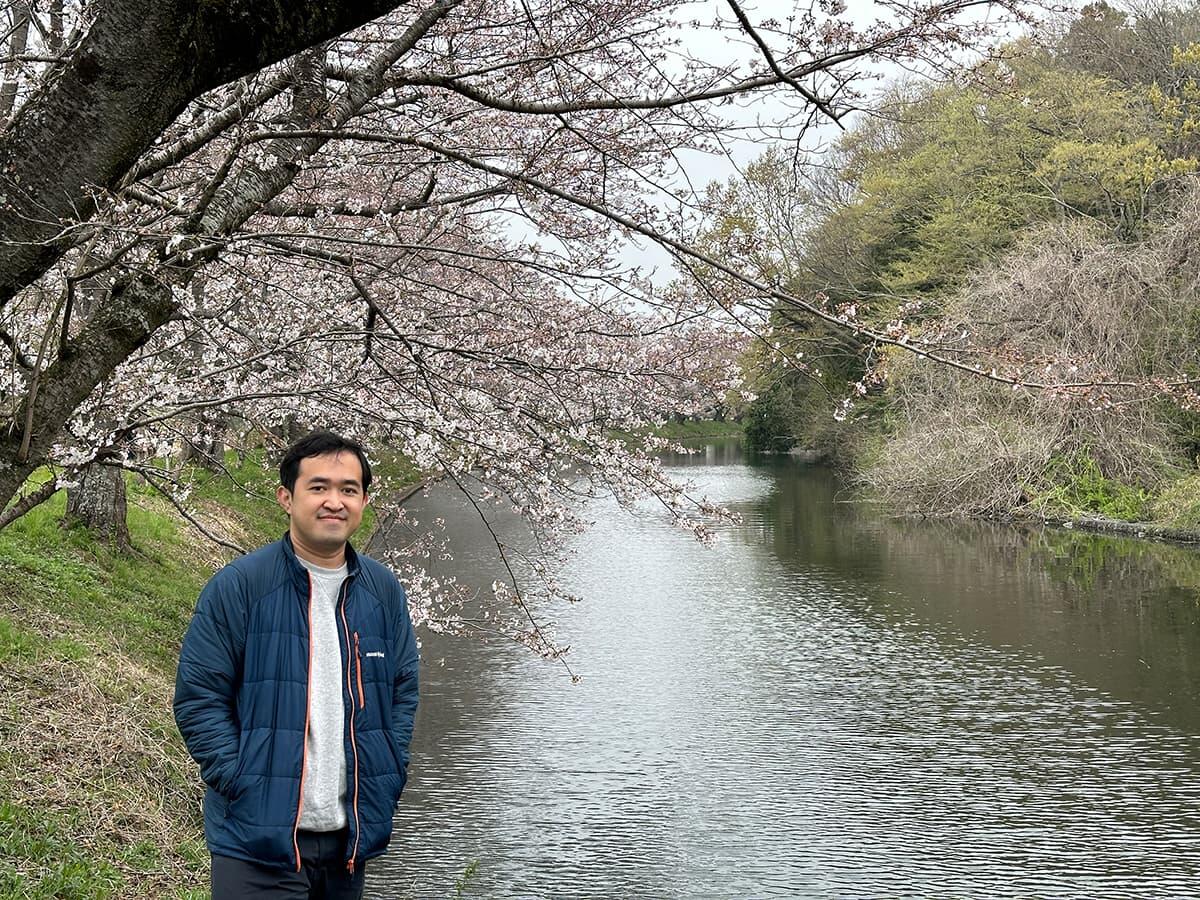
SOTHEARITH ENG
From Cambodia
-
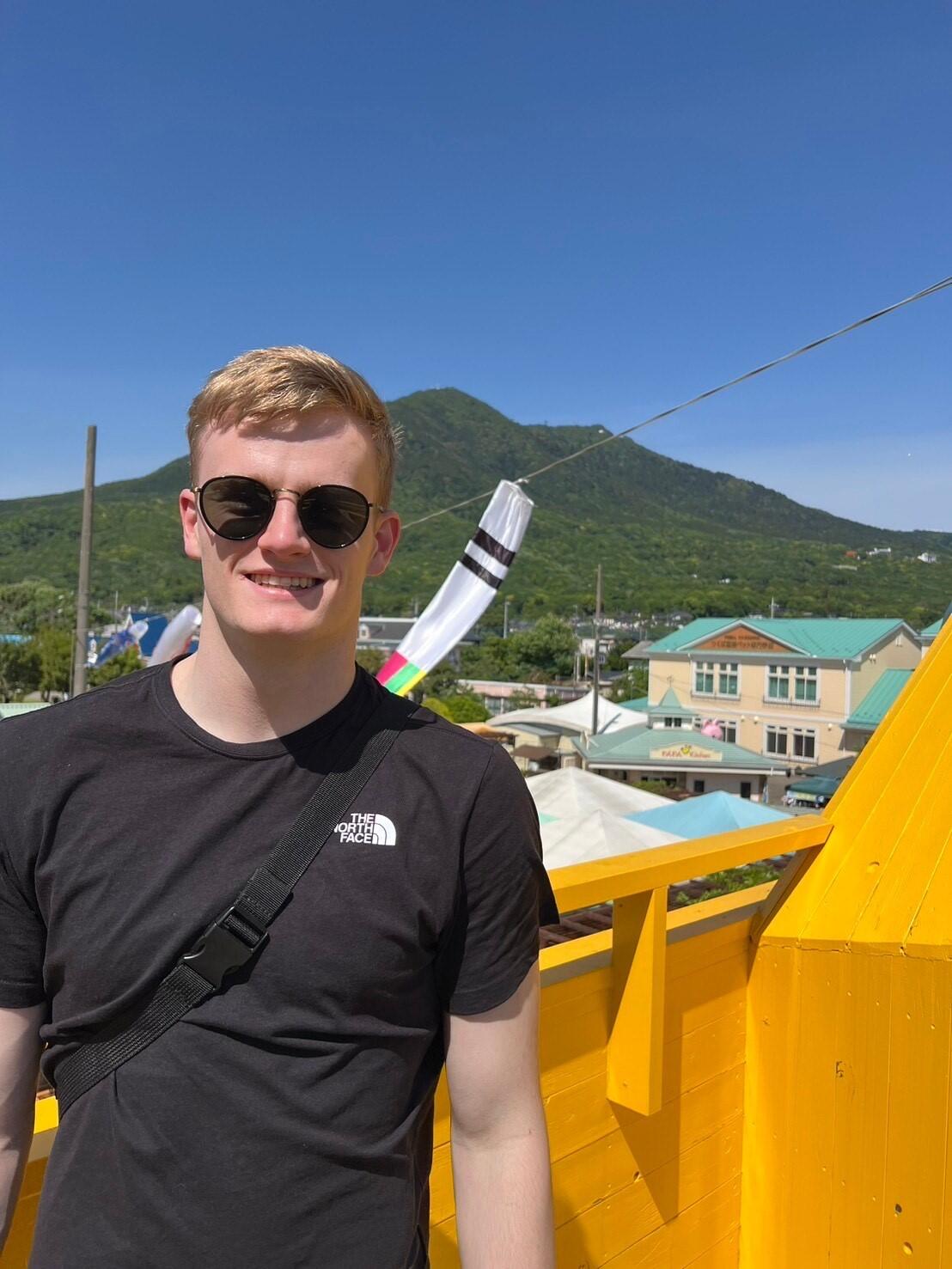
FELIX COOMBER
From UK
-
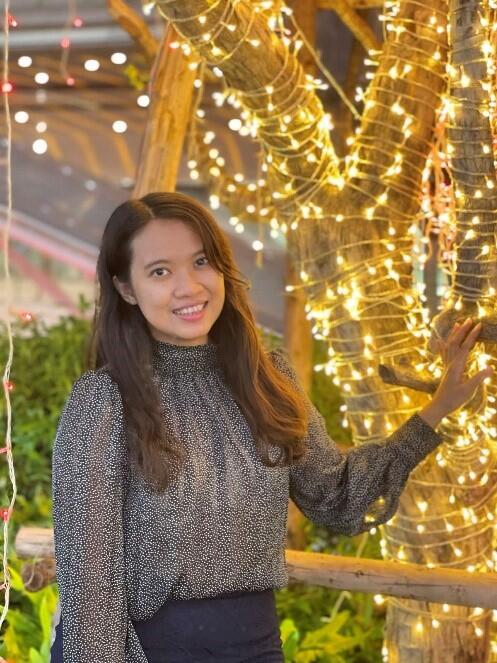
WAI PHYO THU
From Myanmar
-
SRINITHI ASHOK KRISHNASWAMY
From India
-
SACHI JOCHI
From Japan/India
-
PING HUAN WANG
From Taiwan
-
NGHI NGUYEN BAO
From Vietnam
-
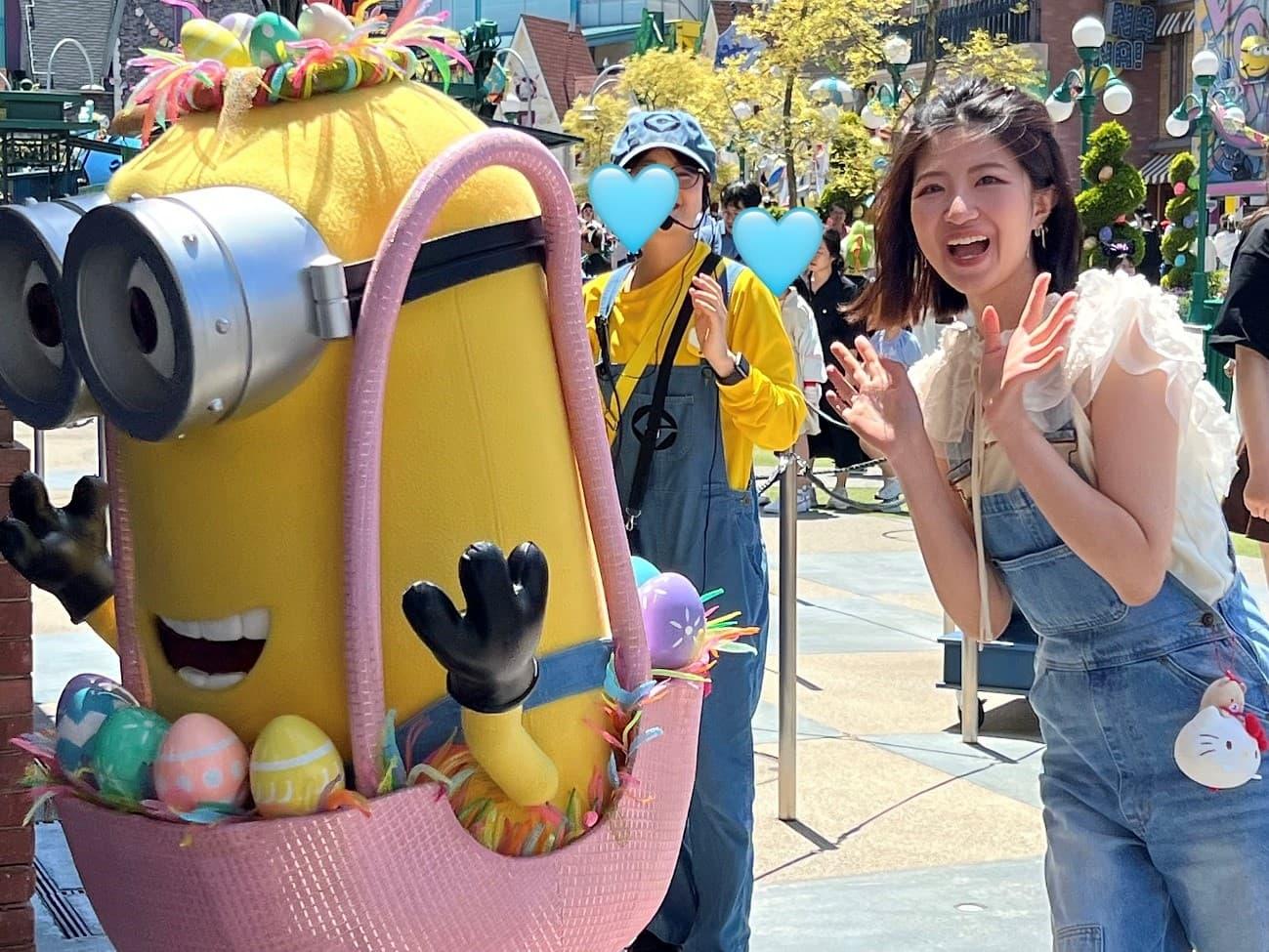
GUANGQI AN
From China
-
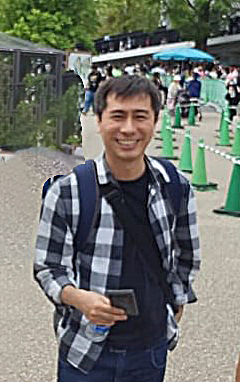
HELIO NONOSE
From Brazil
-
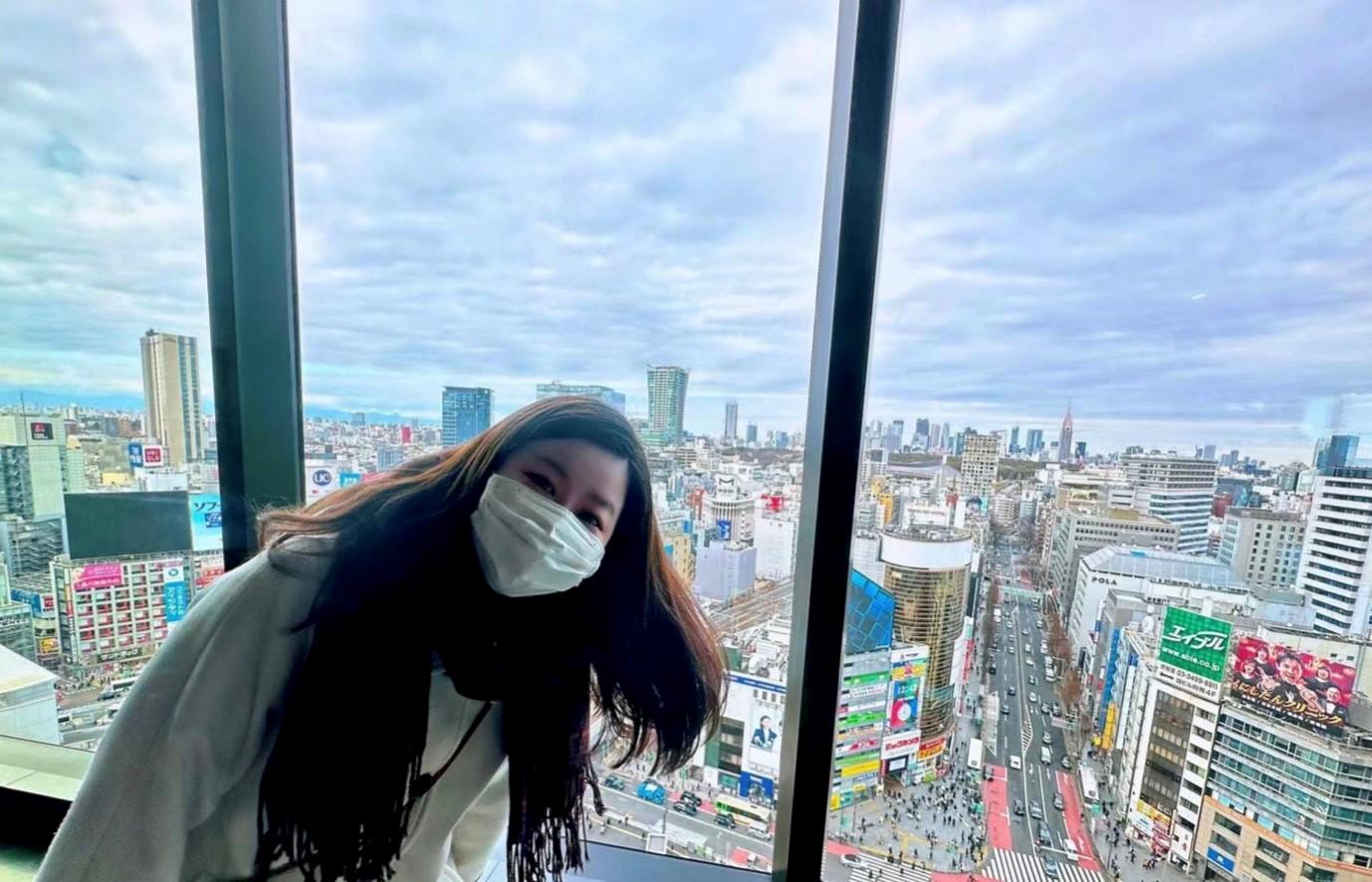
TAO LENG
From China
-
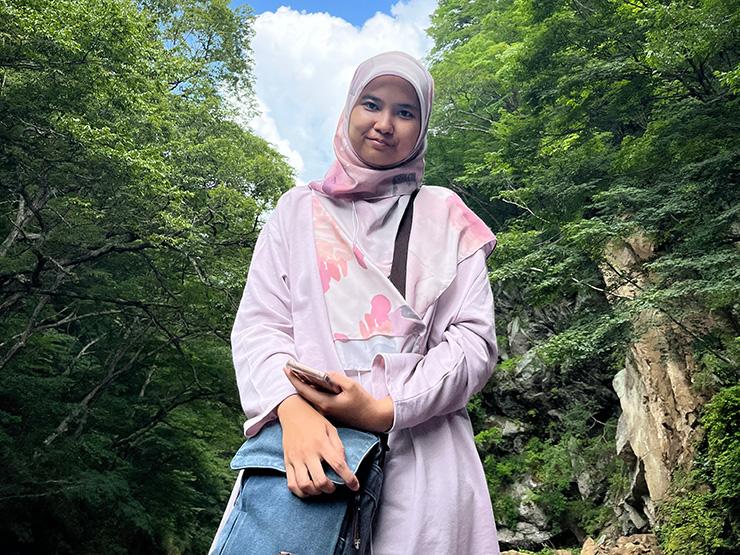
INSYIRAH
From Malaysia
-
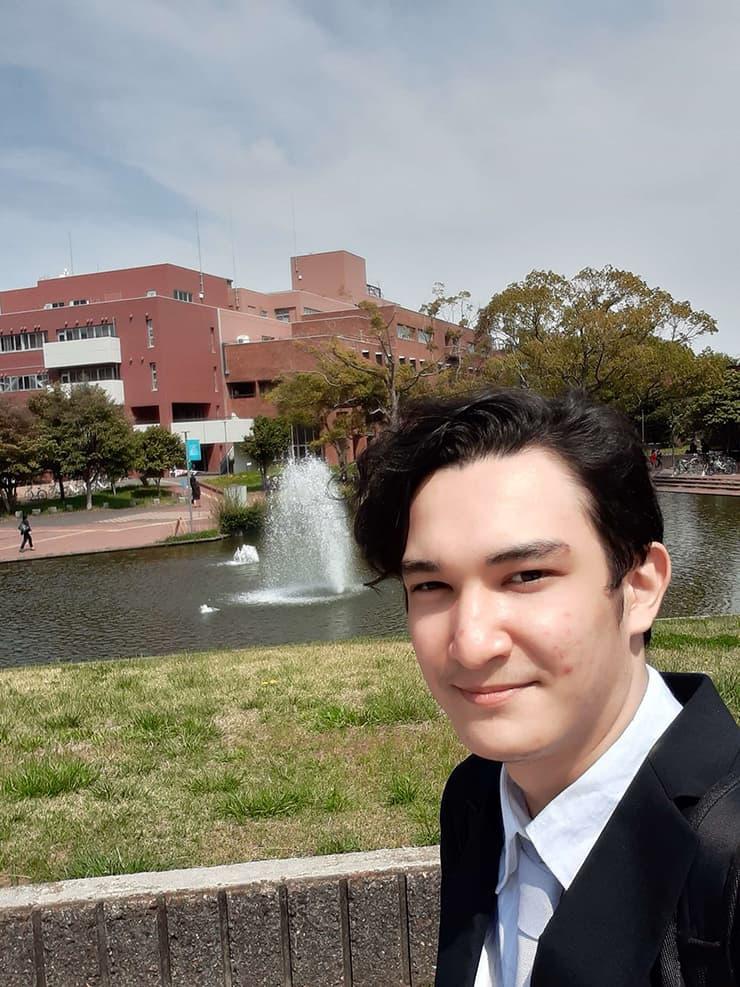
ARAMAKI, CAUE SINGO
From Brazil
-
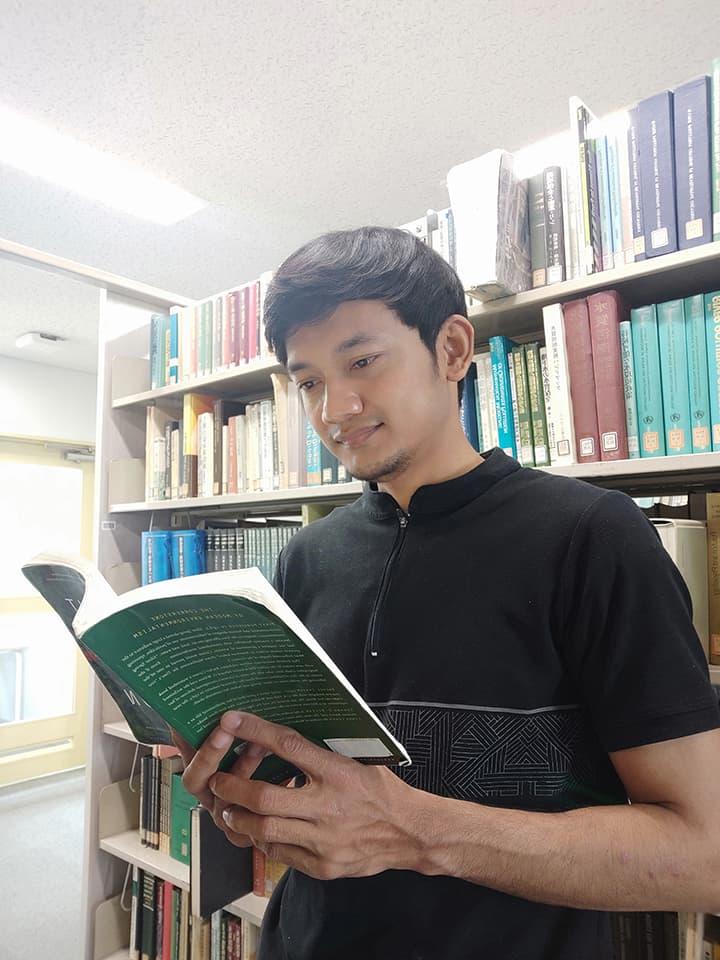
SUHARMAN
From Indonesia
-
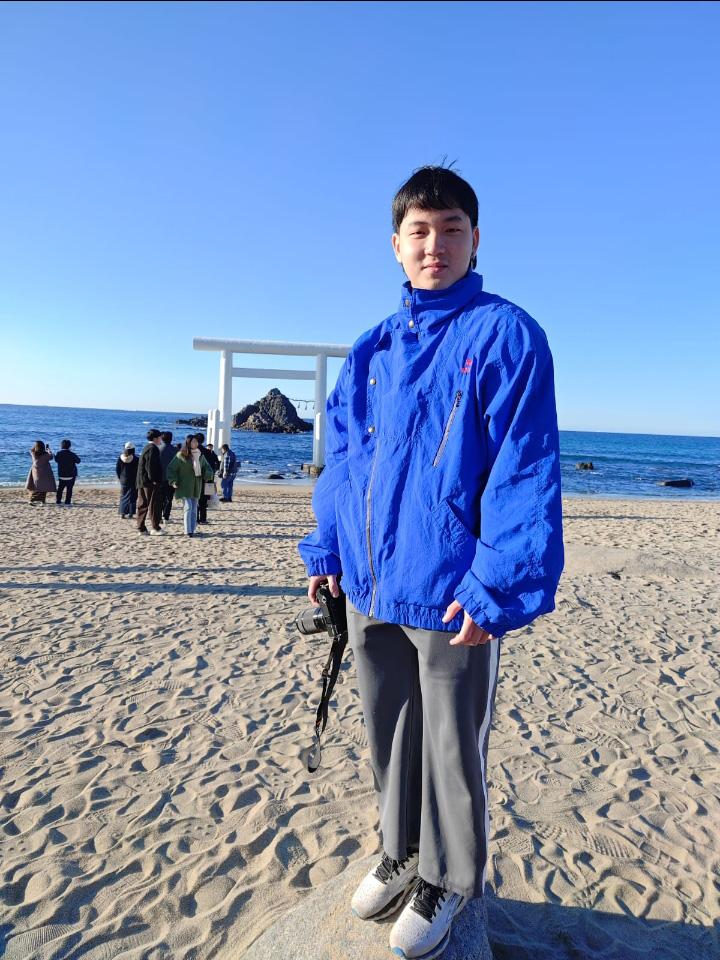
NG RAY SHAN
From Singapore
-
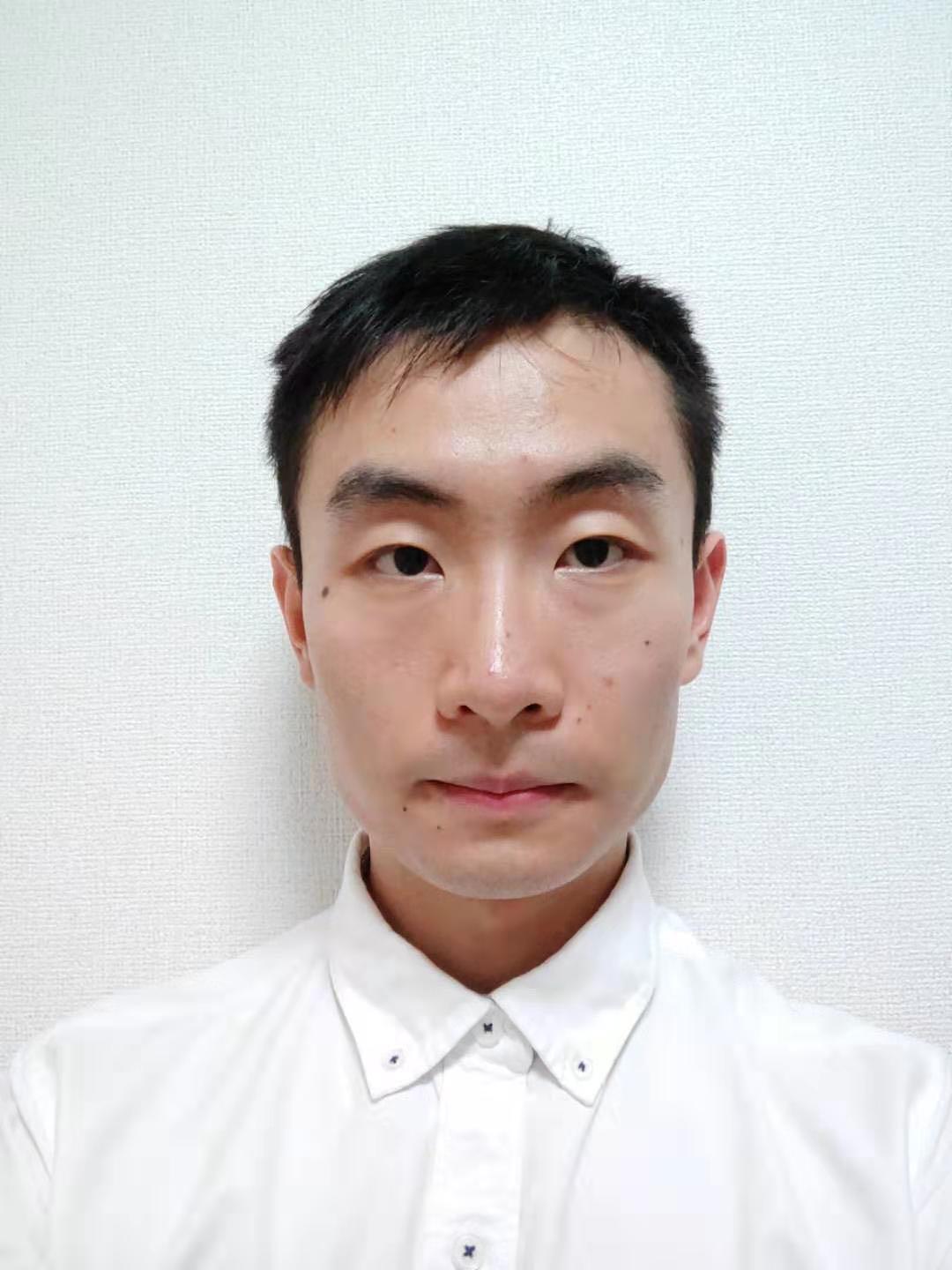
DU XIN
From China
-
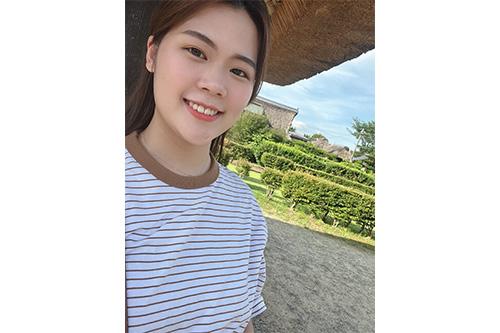
YINA SHIN
From Korea
-
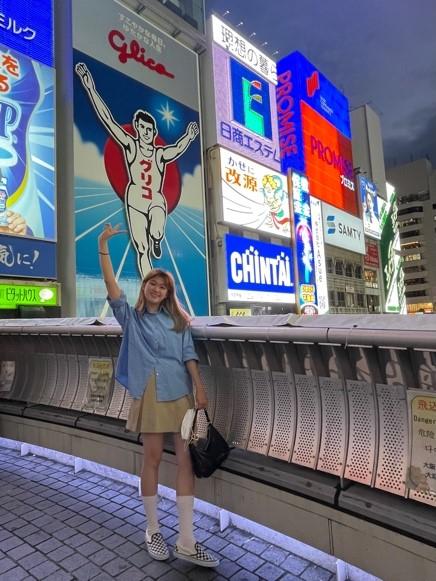
JOOEUN YOON
From Korea
-
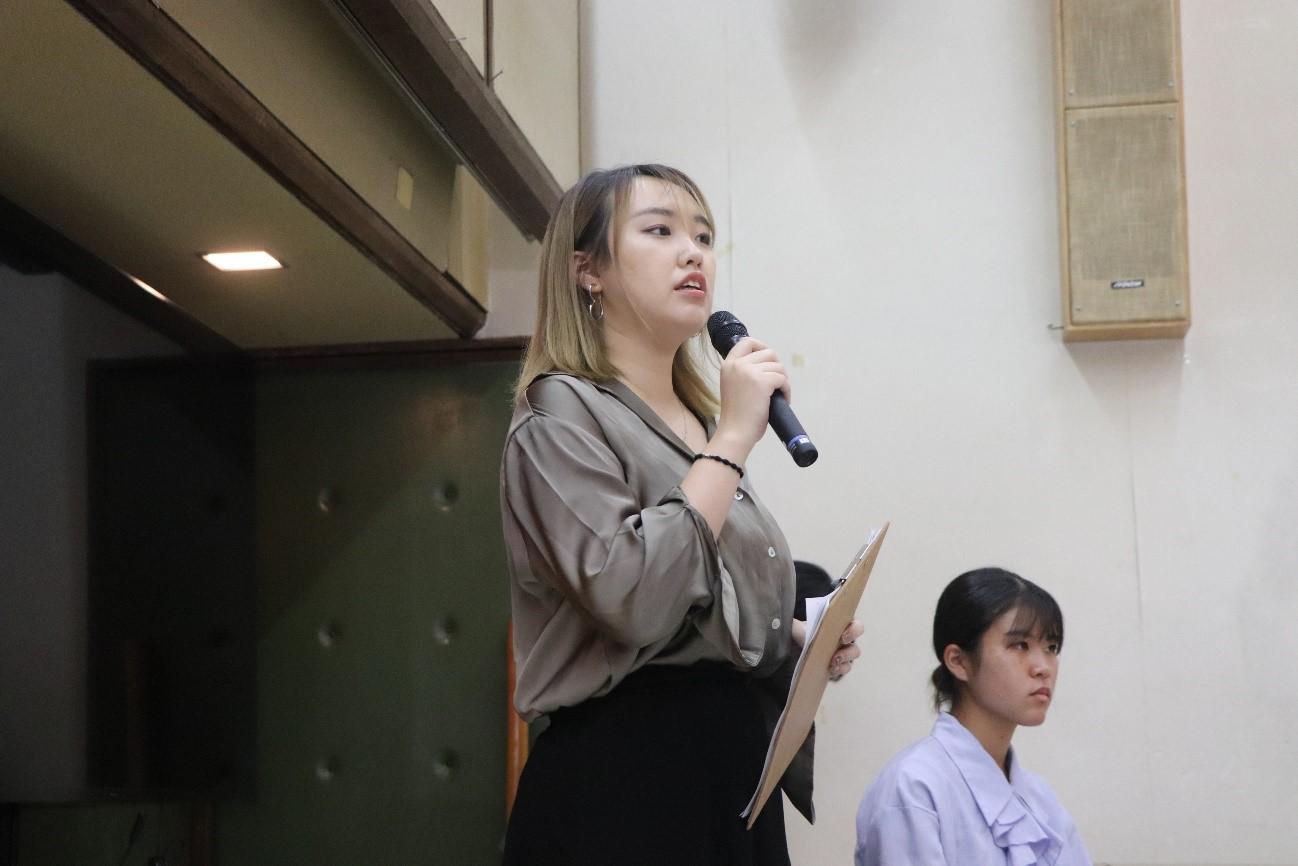
REN YIHAN
From China
-
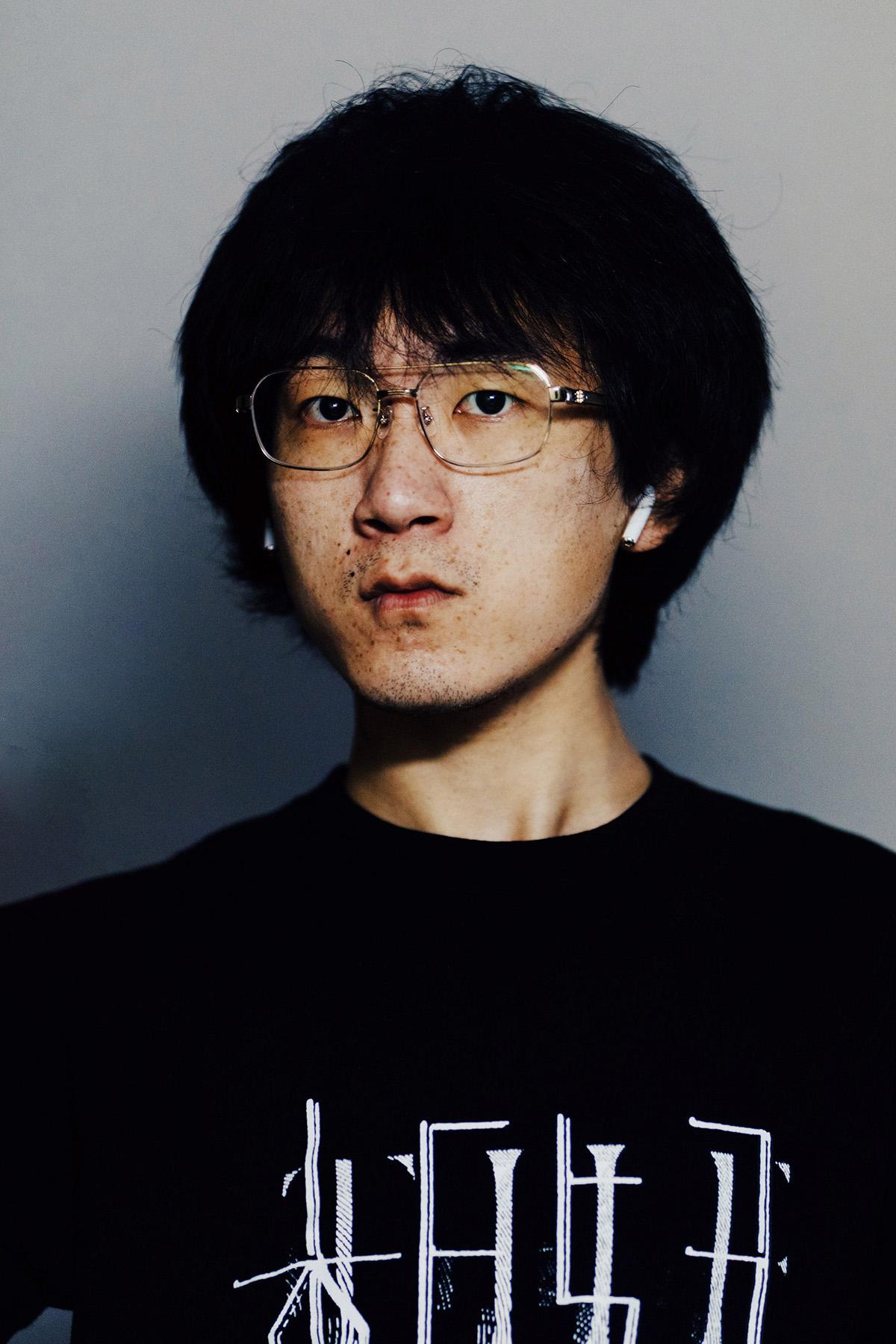
MENG LIYUAN
From China
-
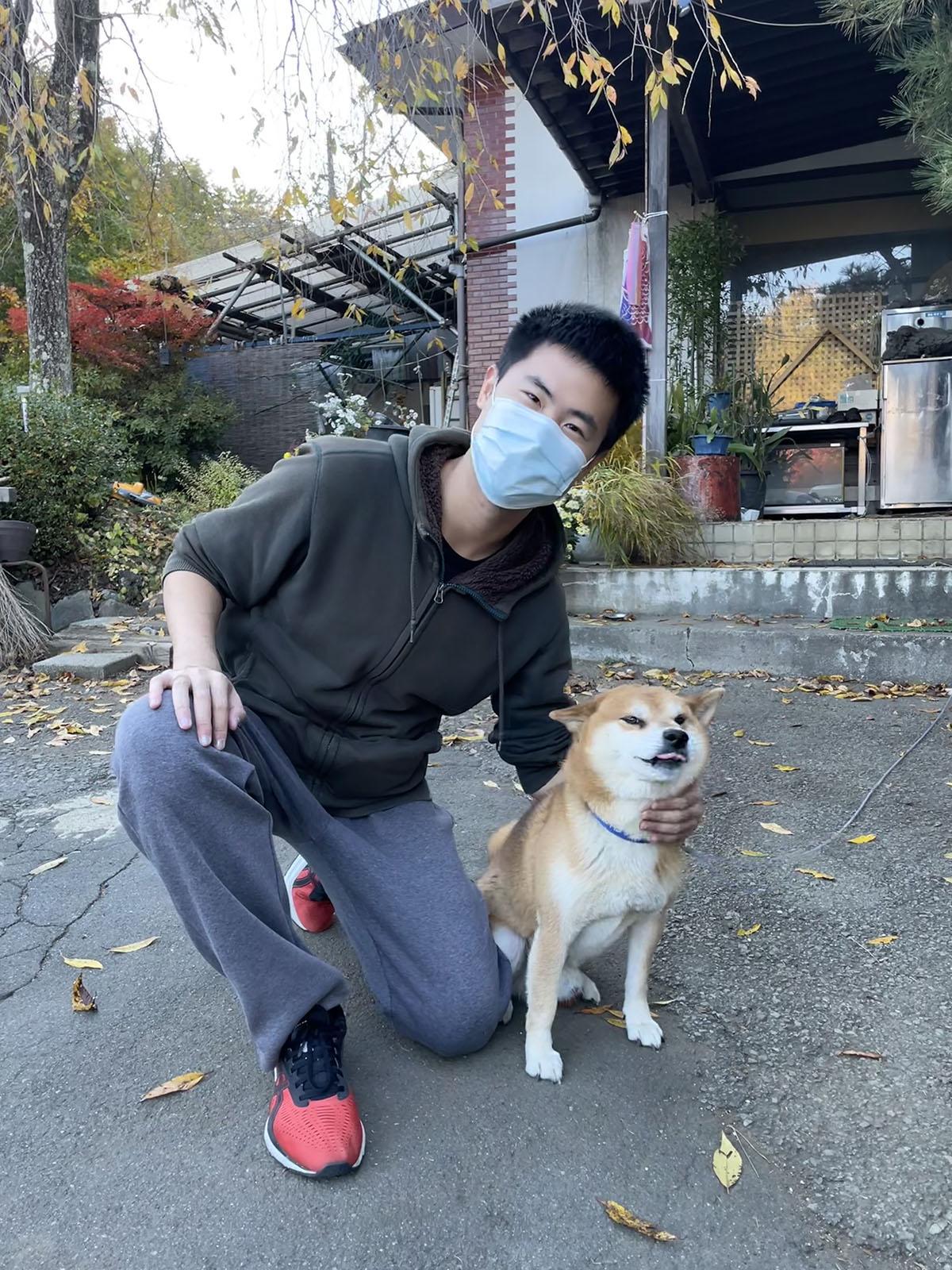
WU BOQIAN
From China
-
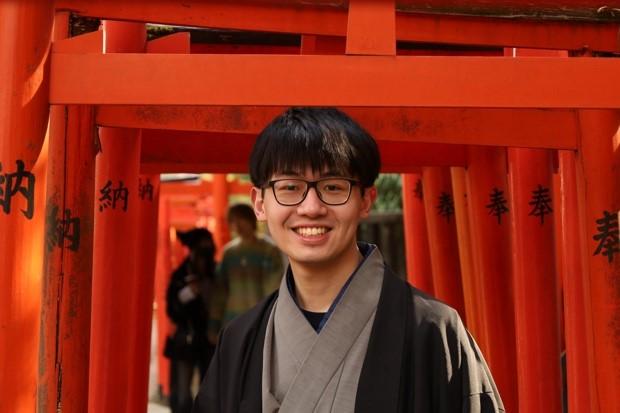
YU, CHENG-HAN
From Taiwan
-
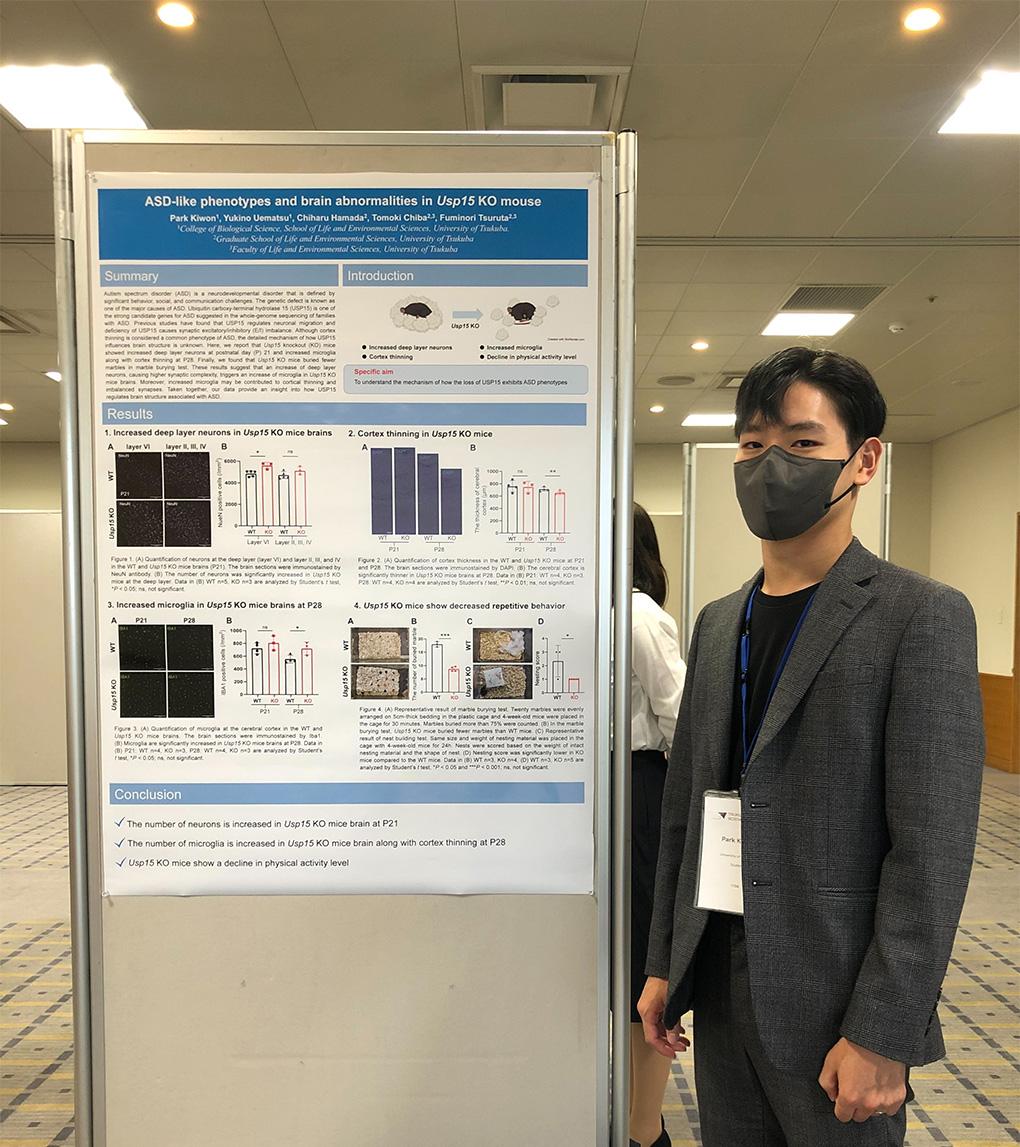
PARK KIWON
From Republic of Korea
-
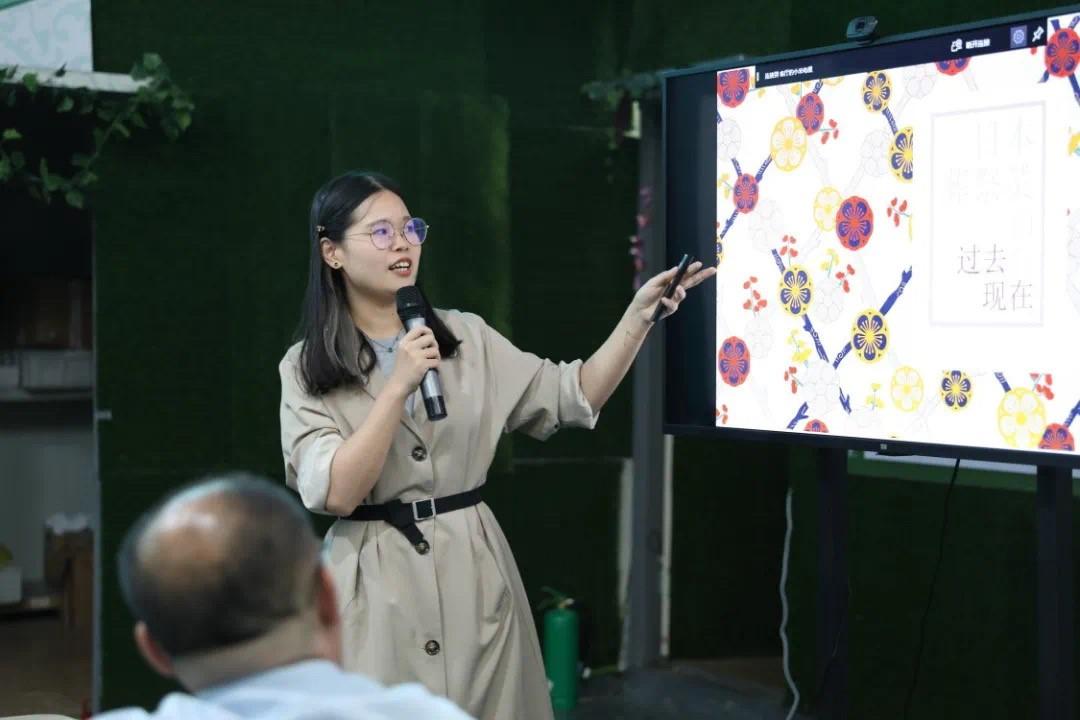
CHEN MIN
From China
-
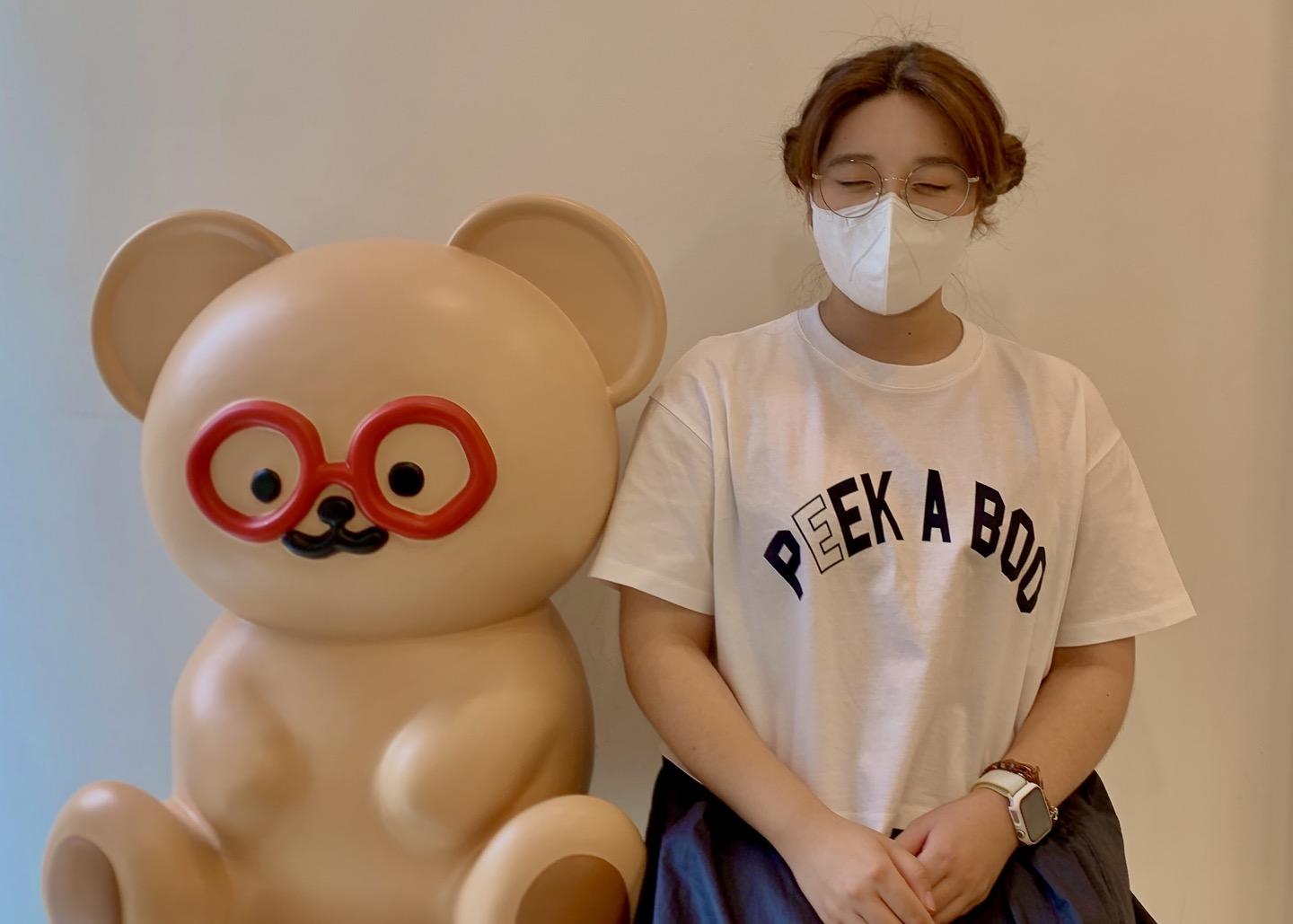
CHAEYEON LEE
From Republic of Korea
-
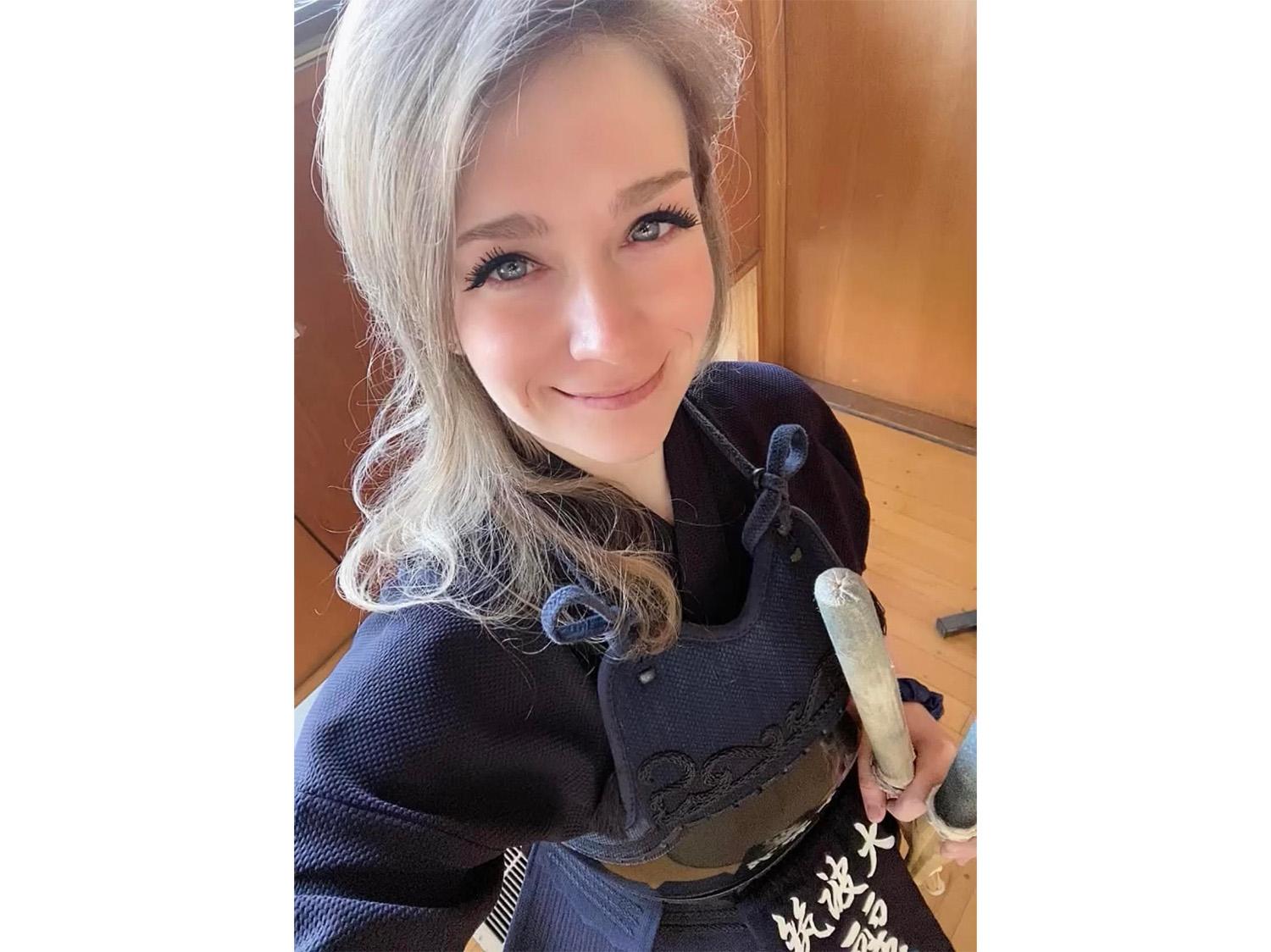
ELIZABETH BERGEN-BARTEL
From USA
-
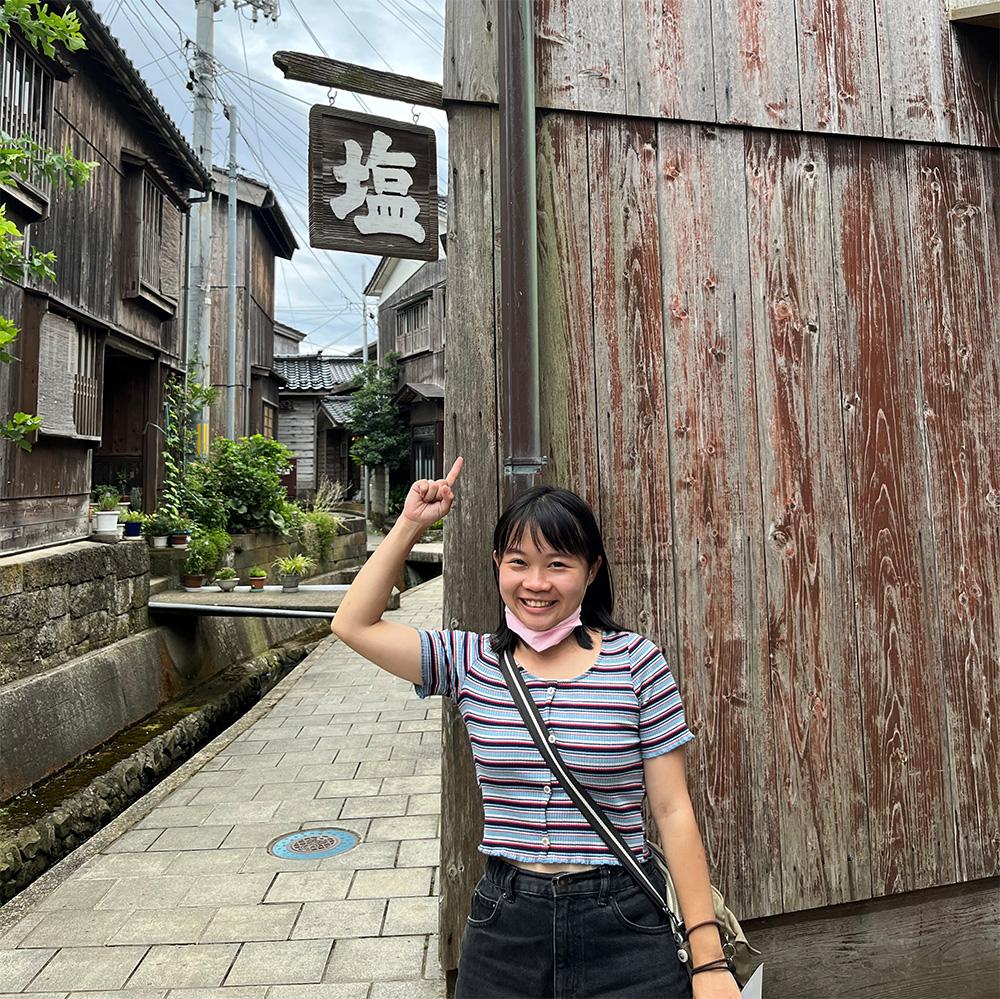
LIAO, HSIN-YEN
From Taiwan
-
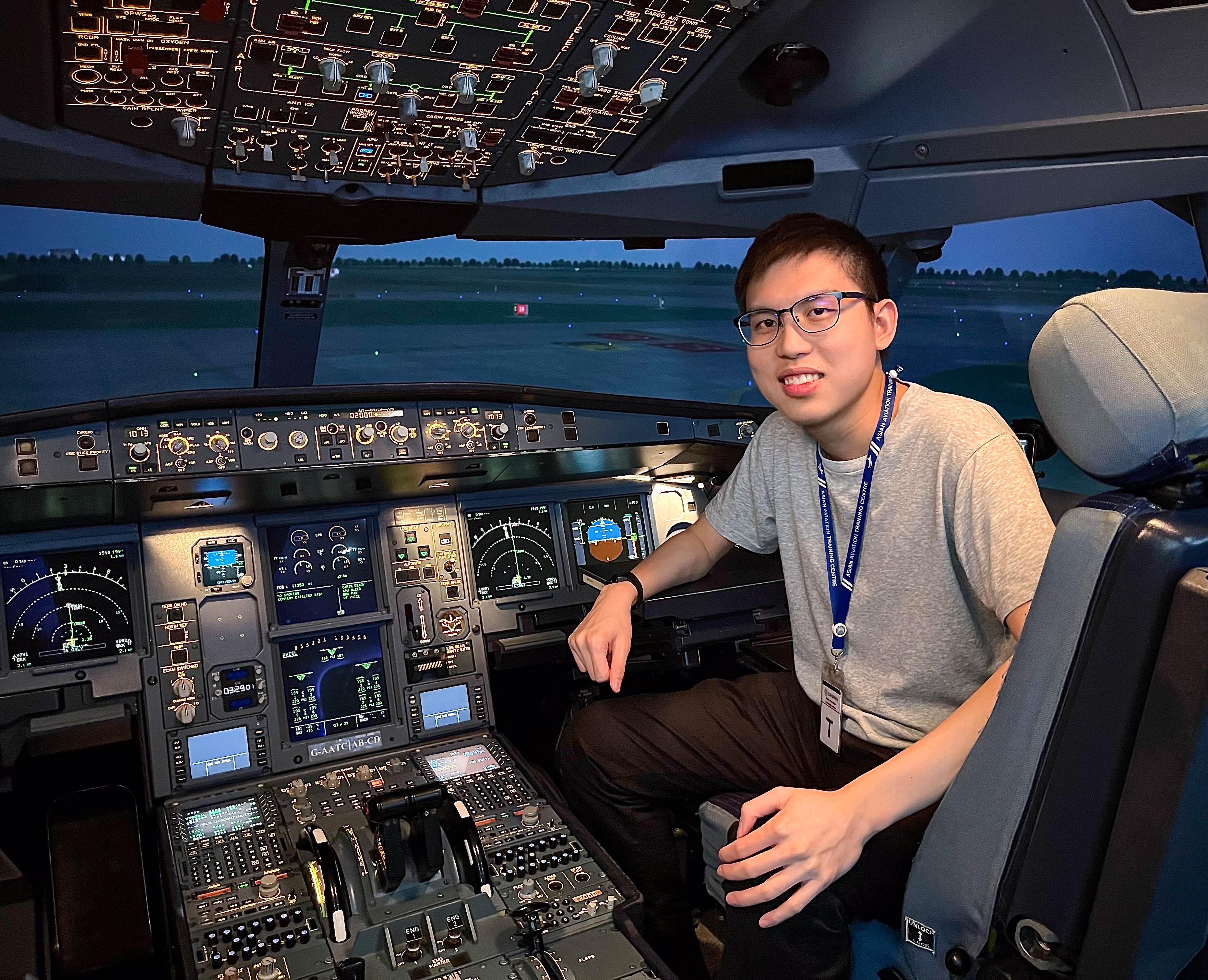
PAKORN WANGSUEKUL
From Thailand
-
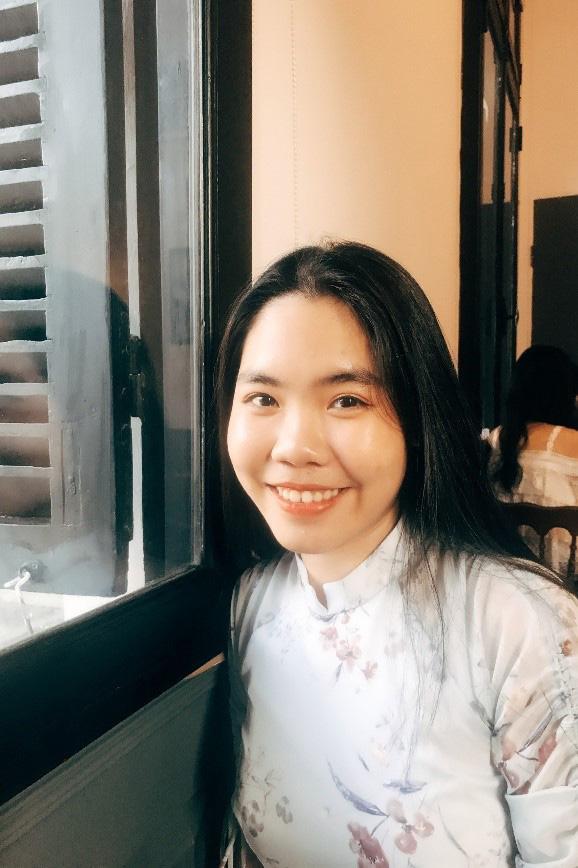
NGUYEN THUY ANH
From Vietnam
-
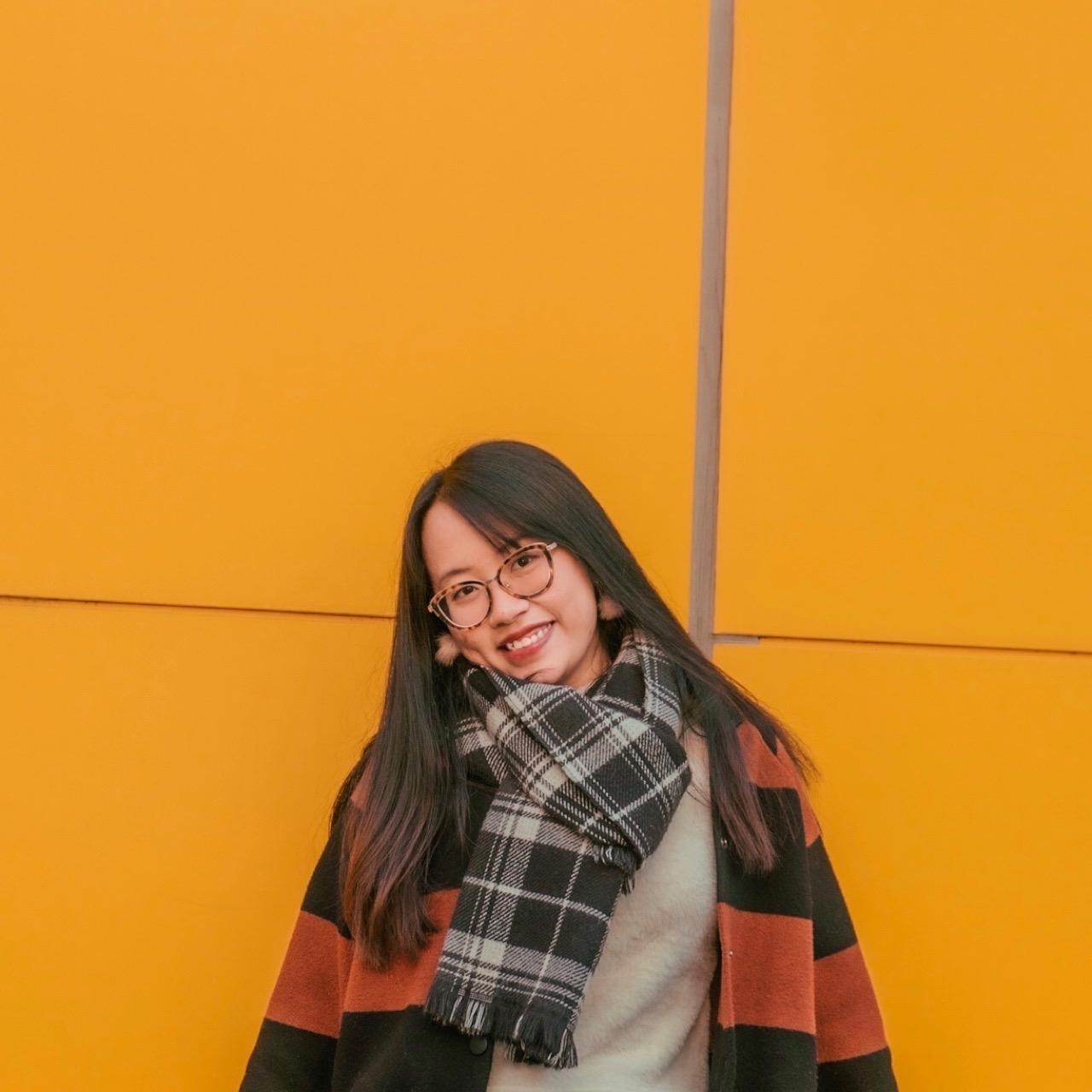
LAN CHI
From Vietnam
-
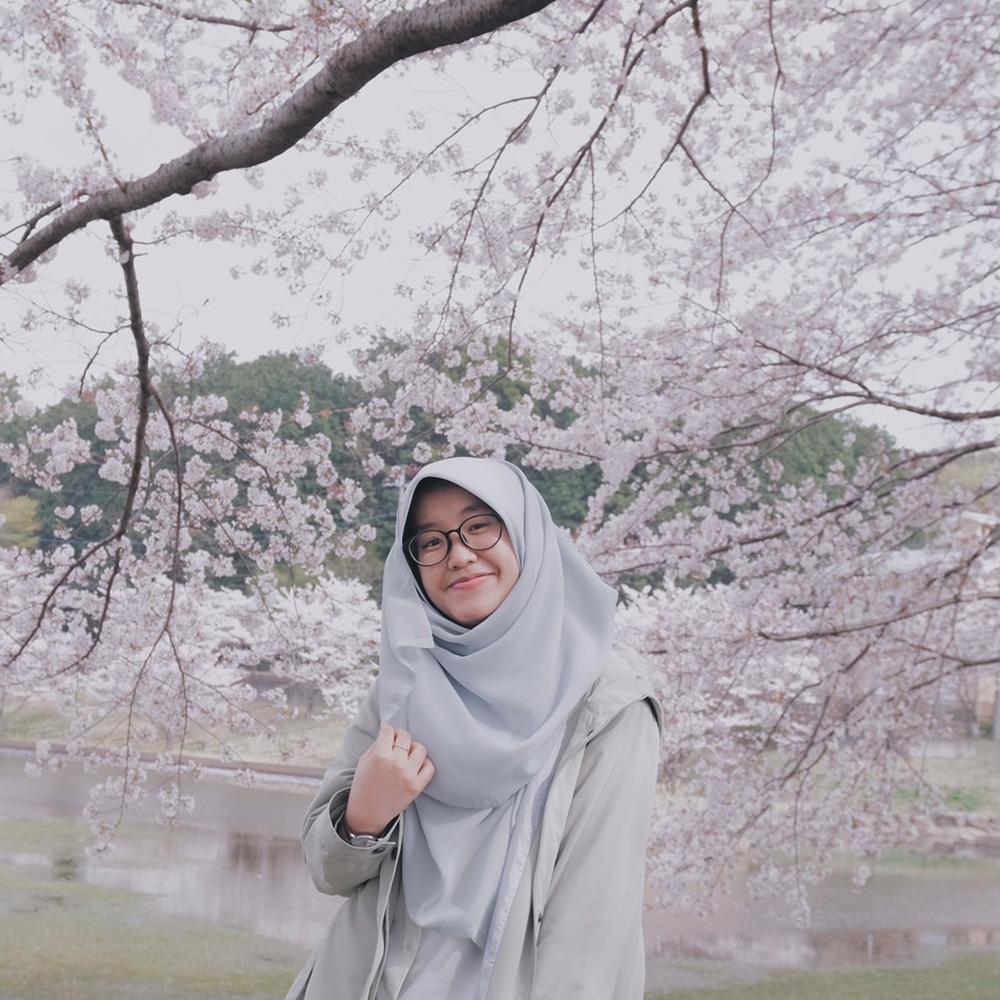
NADIA HASNA KARIMAH
From Indonesia
-
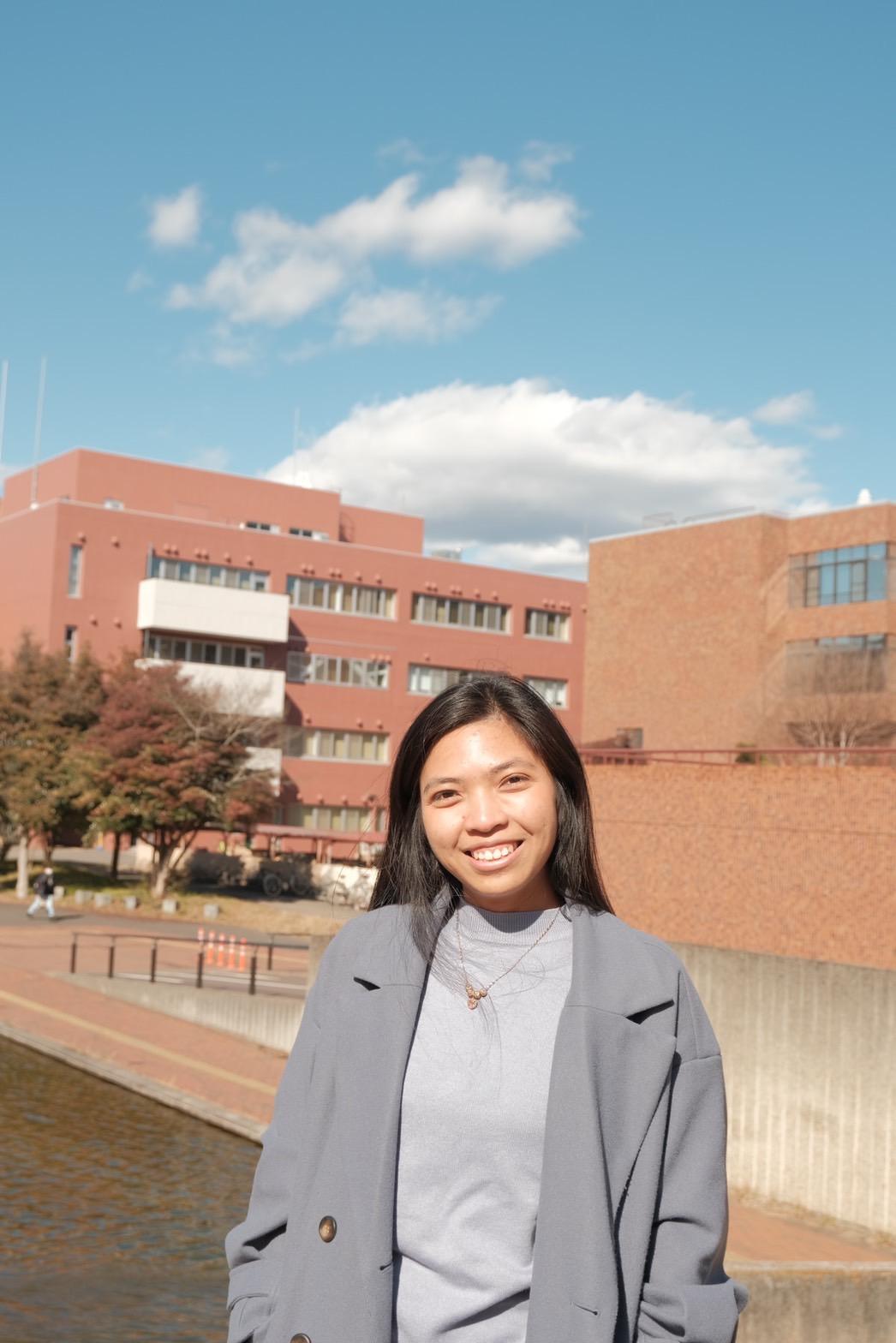
HNIN OO
From Myanmar
-
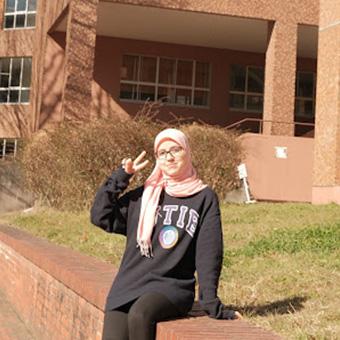
KAWTAR
From Morocco
-
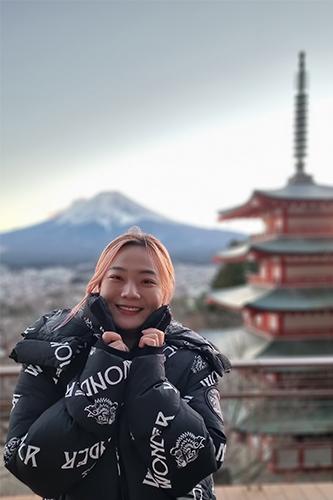
NA
From China
-
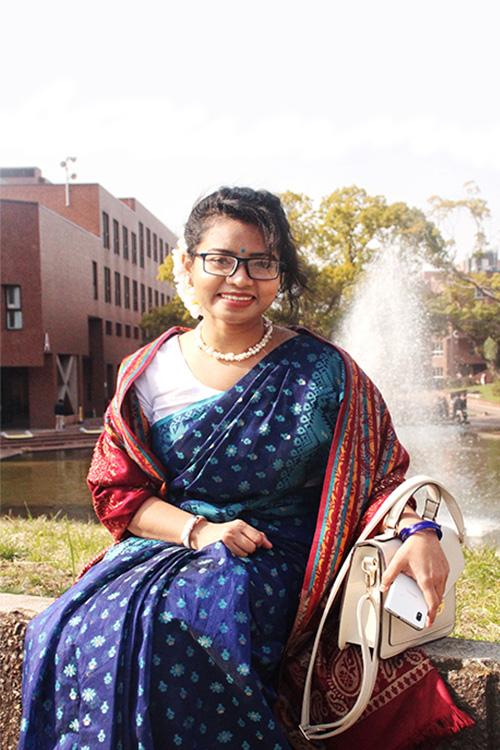
AFSARI
From Bangladesh
-
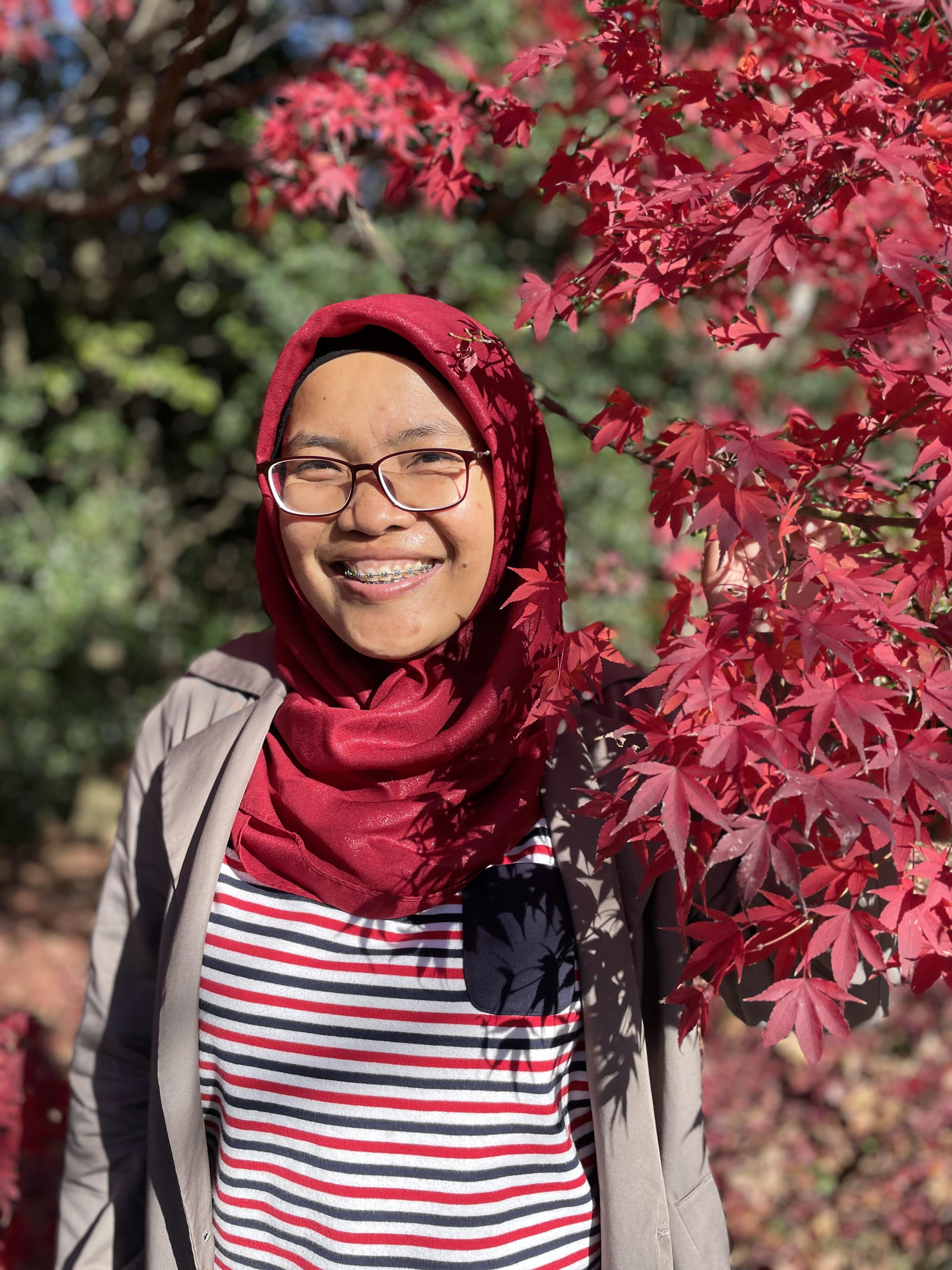
REZA
From Indonesia
-
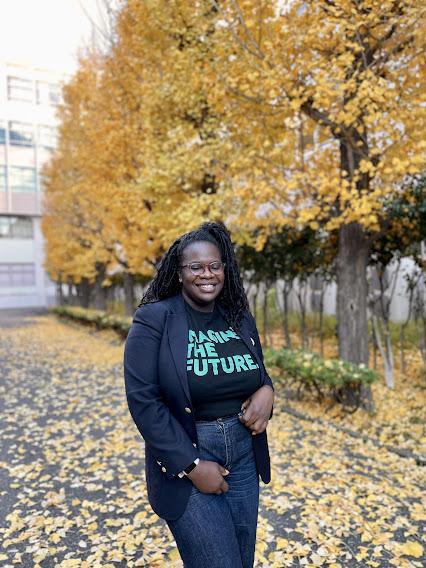
YOLANDA GRAÇA
From Angola
-
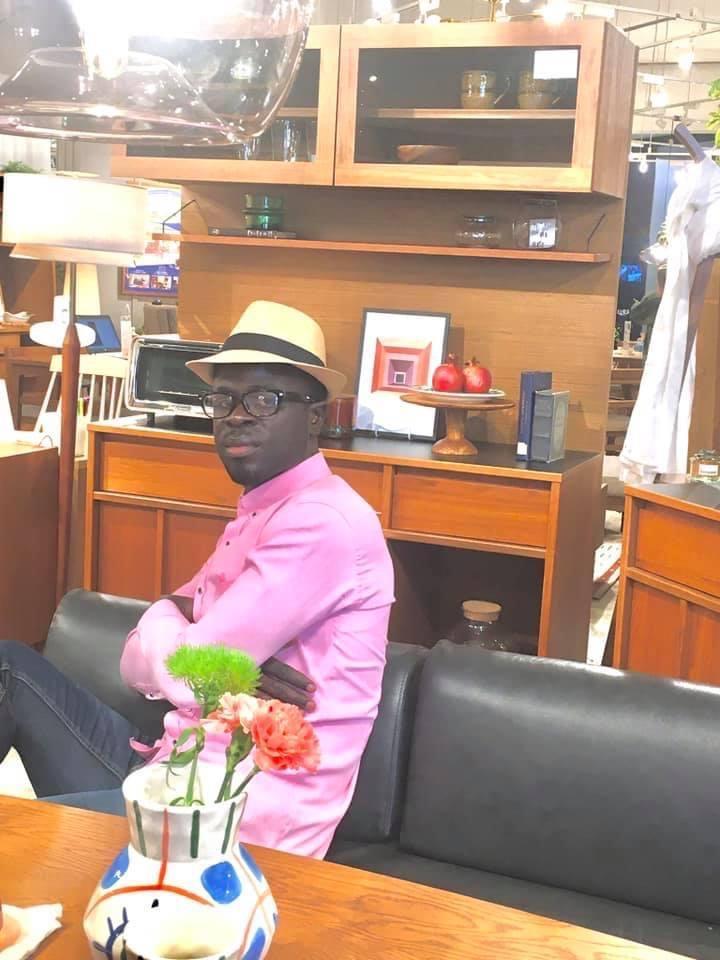
ADOM
From Ghana
-
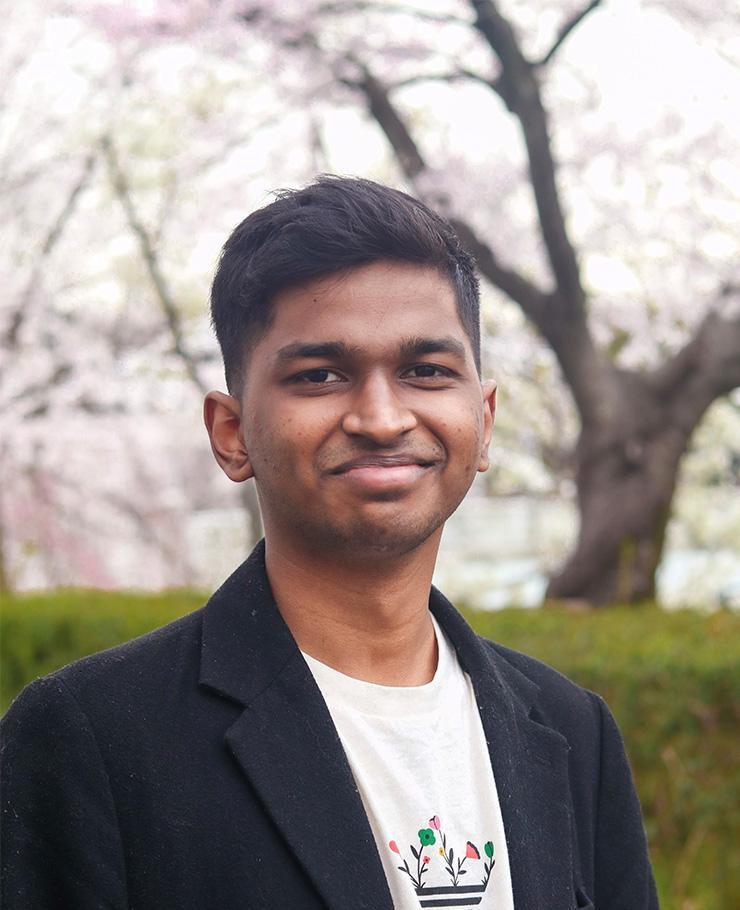
SUDHIR
From India
-
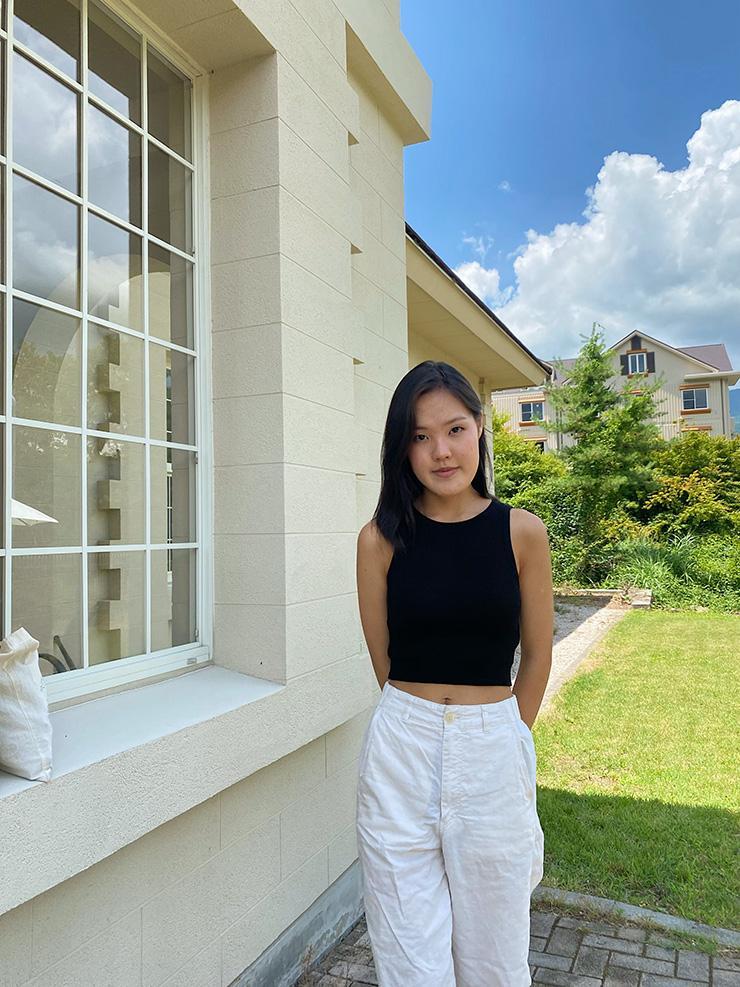
MIKI
From Mongolia/Japan
-
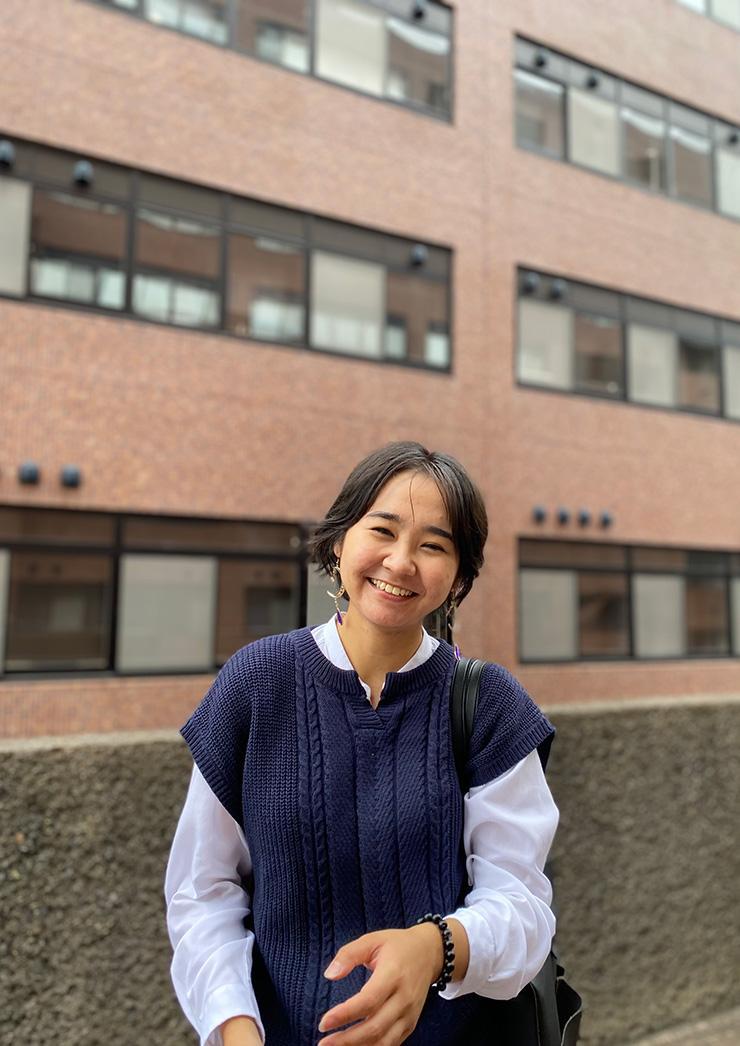
AISANA
From Kazakhstan
-
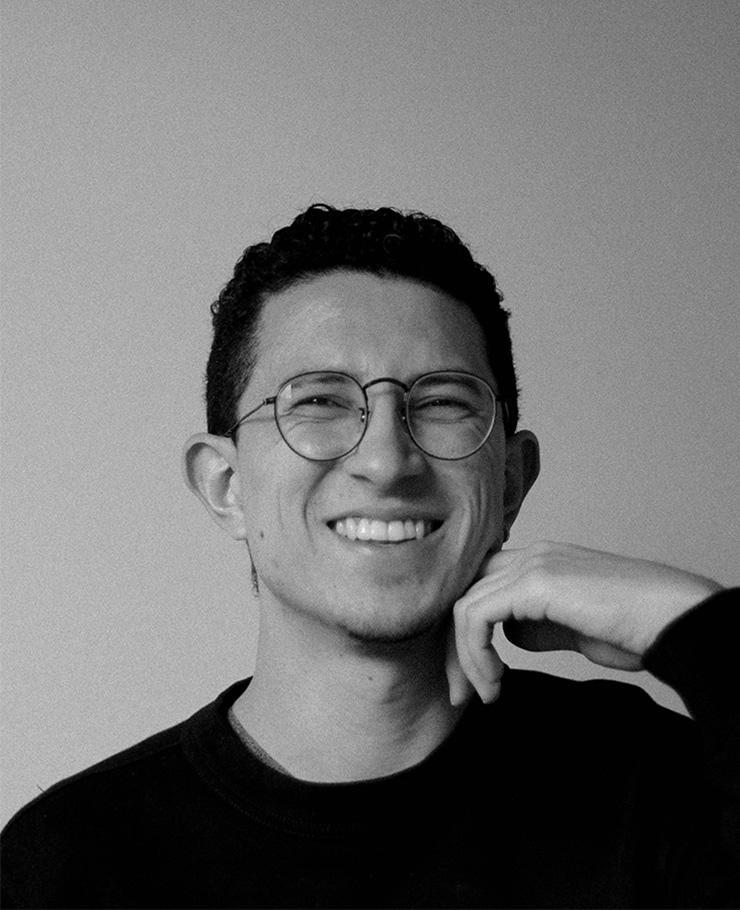
VITHOR SILVA
From Brazil
-
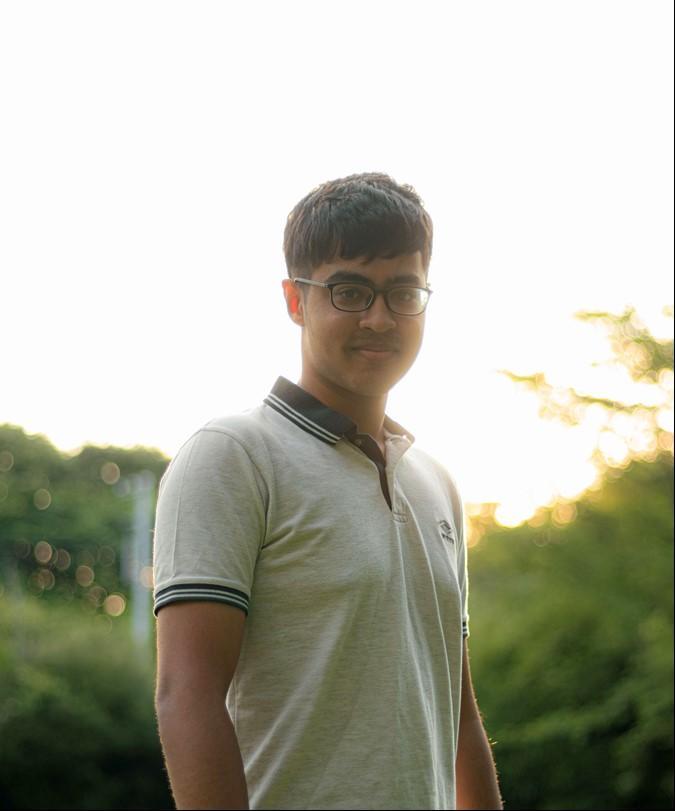
CHINMAY
From India
-
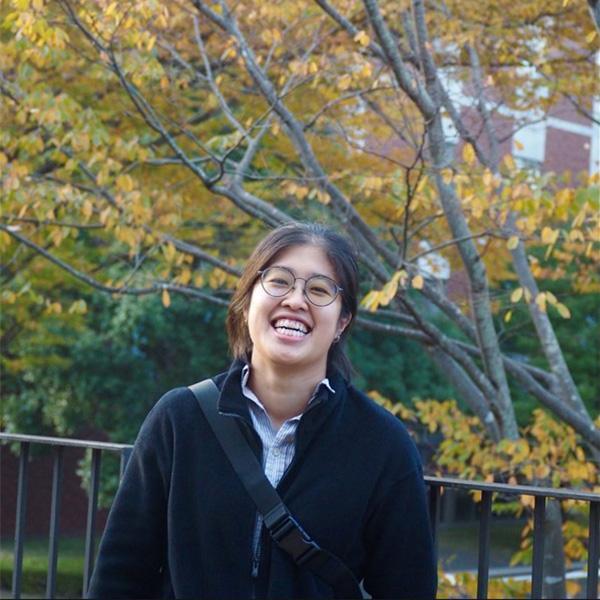
JEE
From Thailand
-
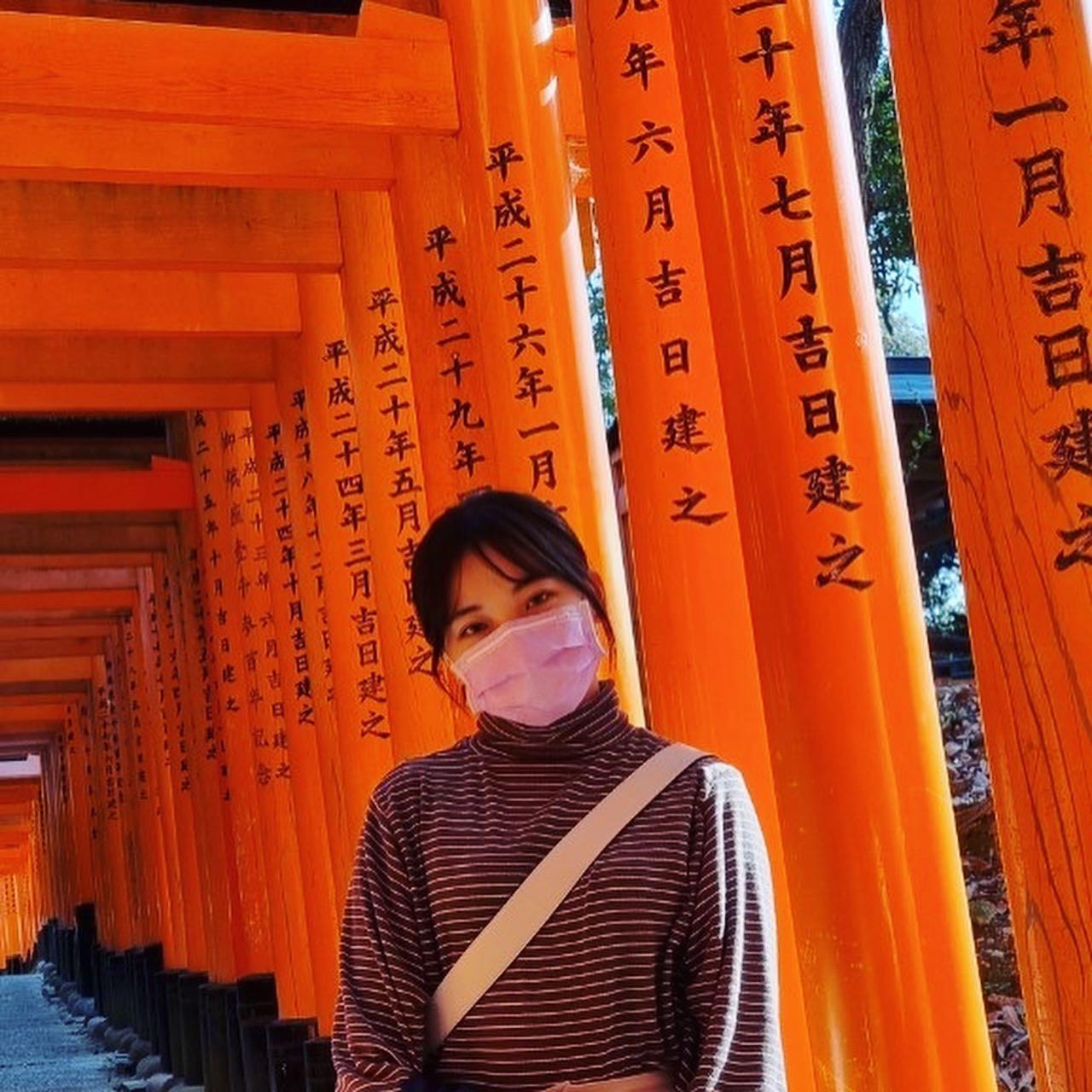
ISLA
From Taiwan
-
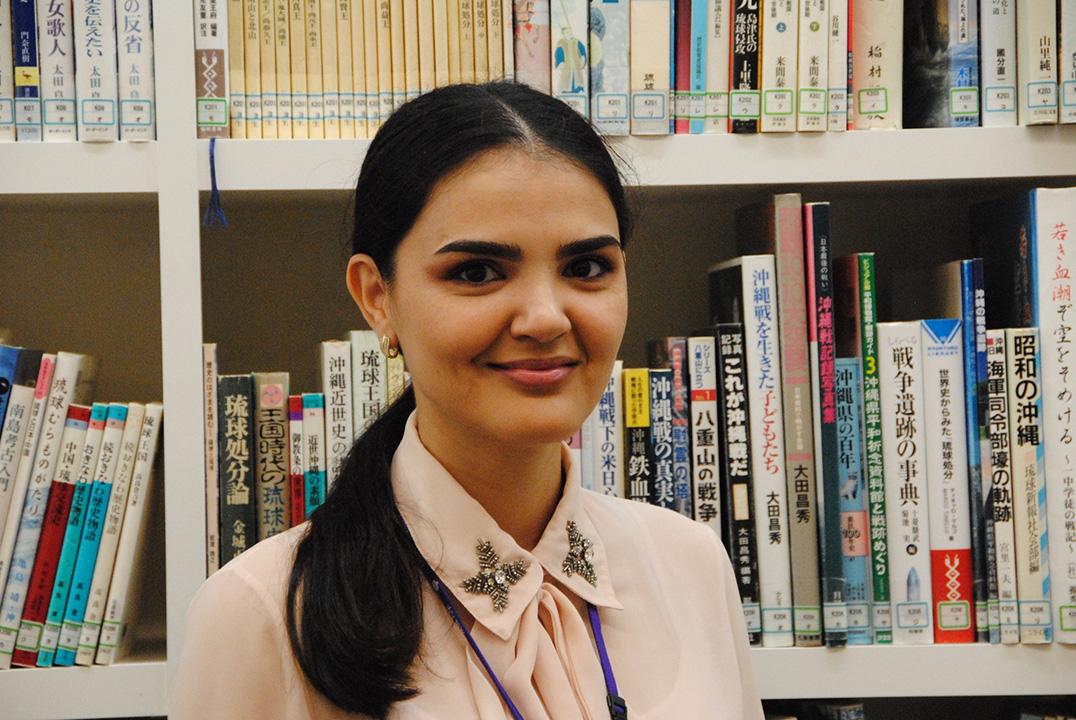
MIVE
From Turkmenistan
-
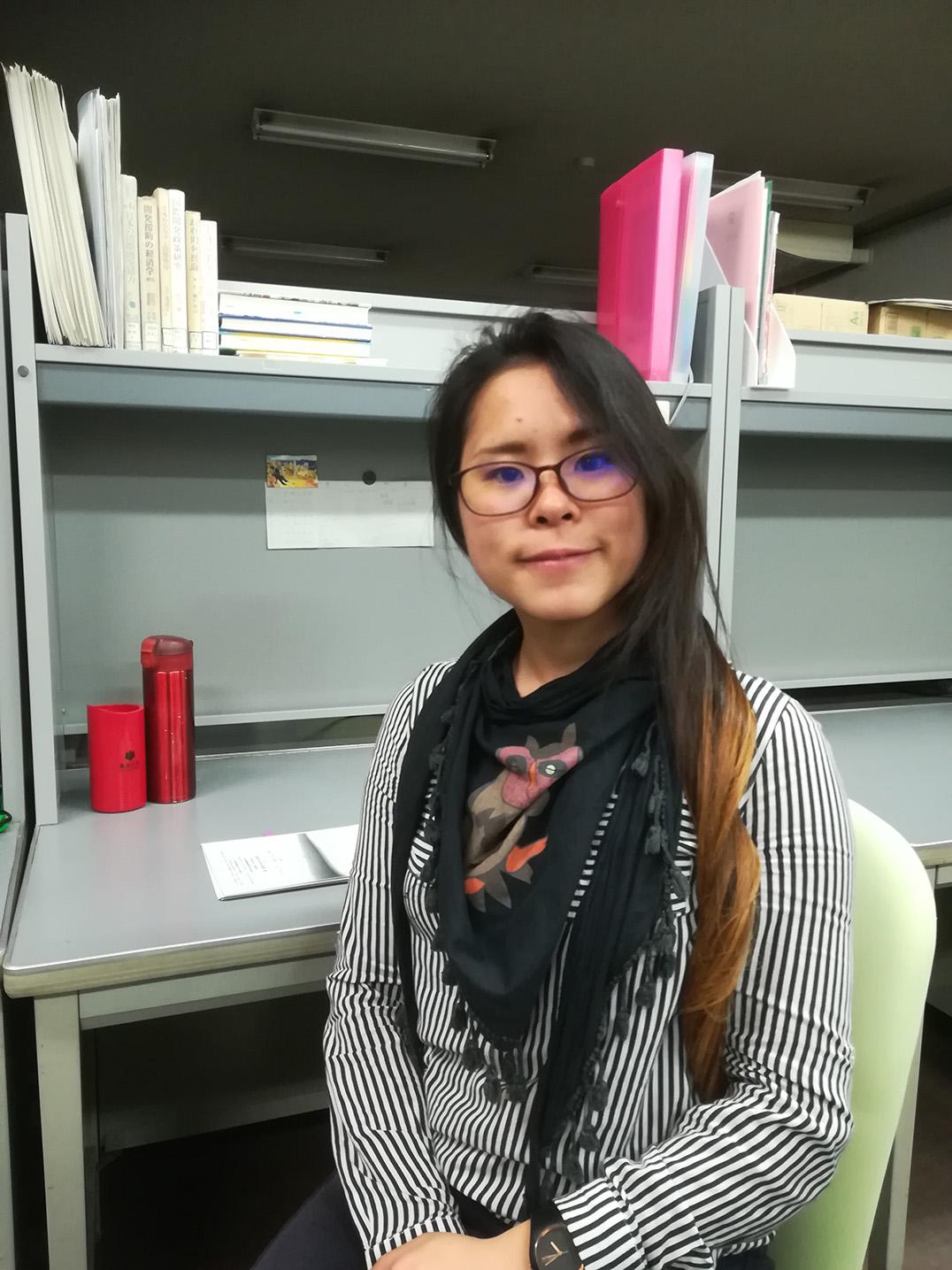
LAURA
From Argentina
-
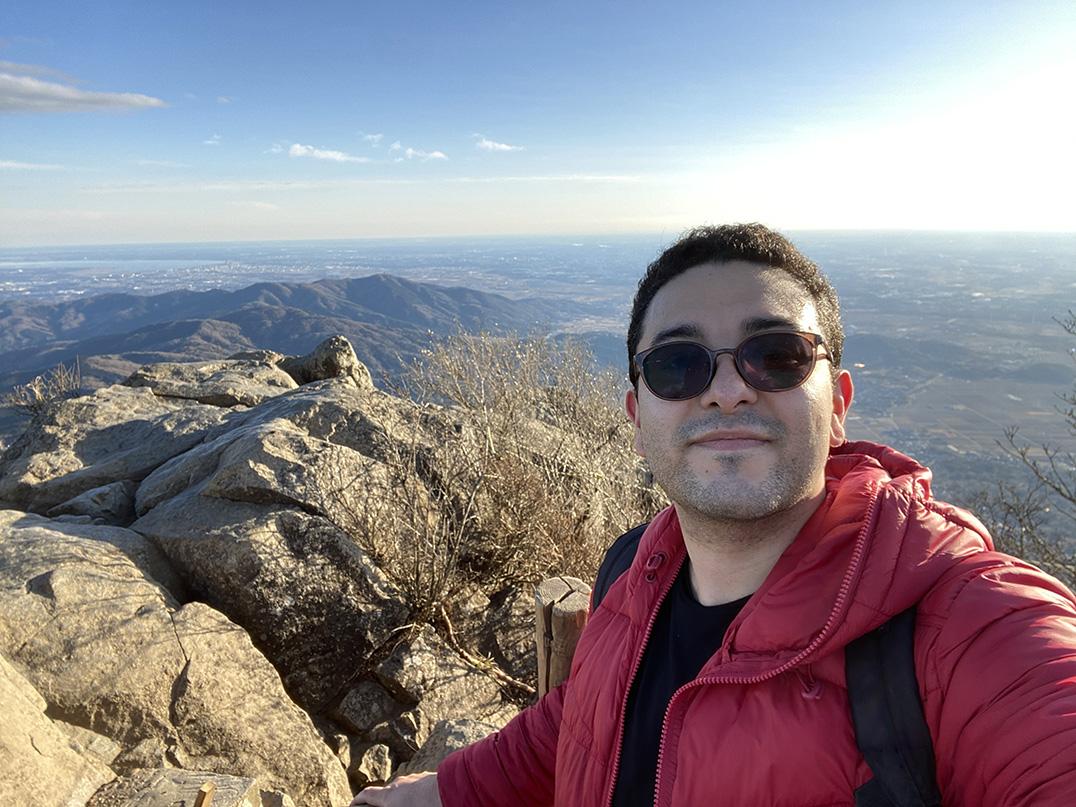
SERGIO
From Colombia
-
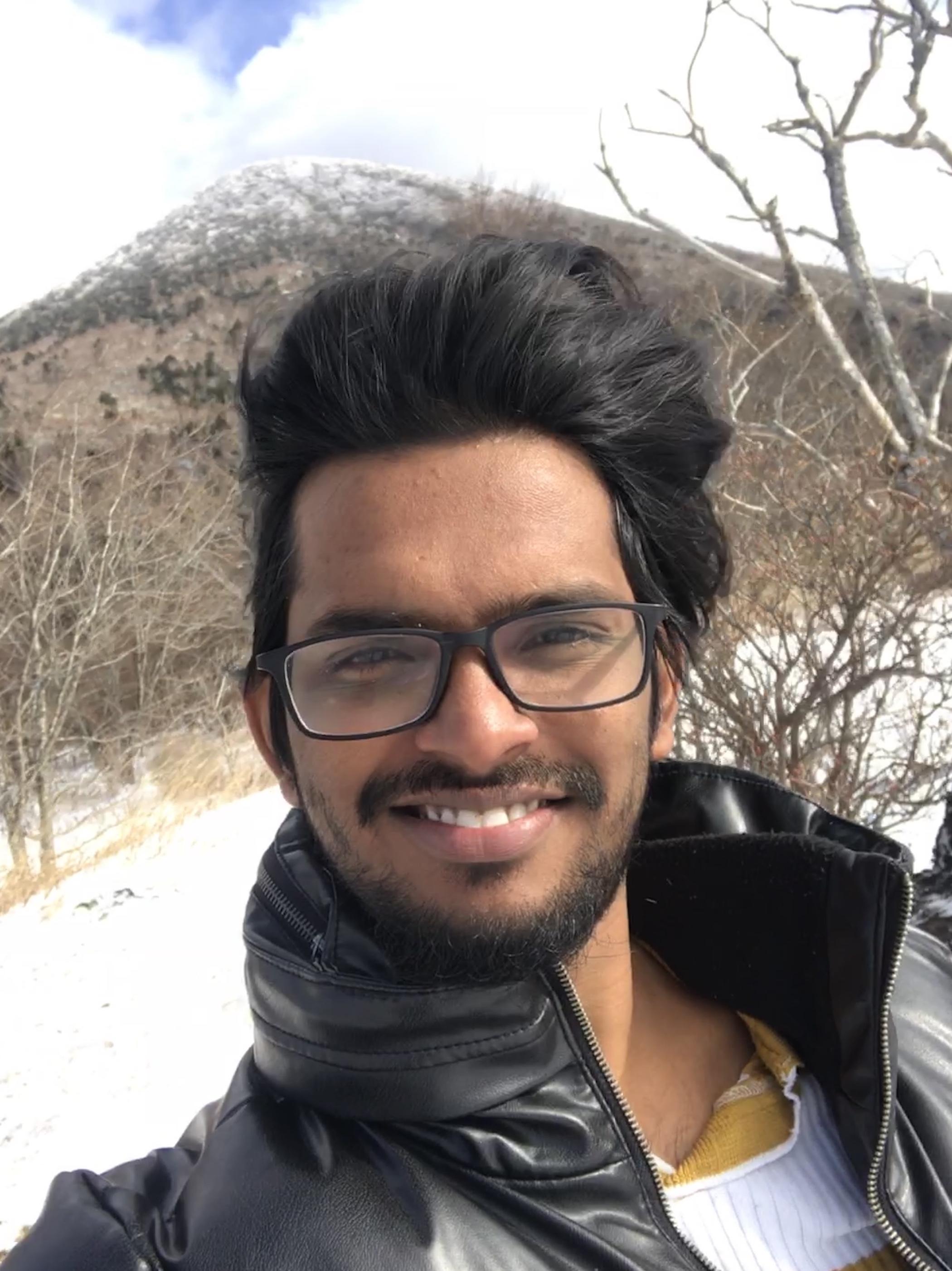
LENNY
From India
-
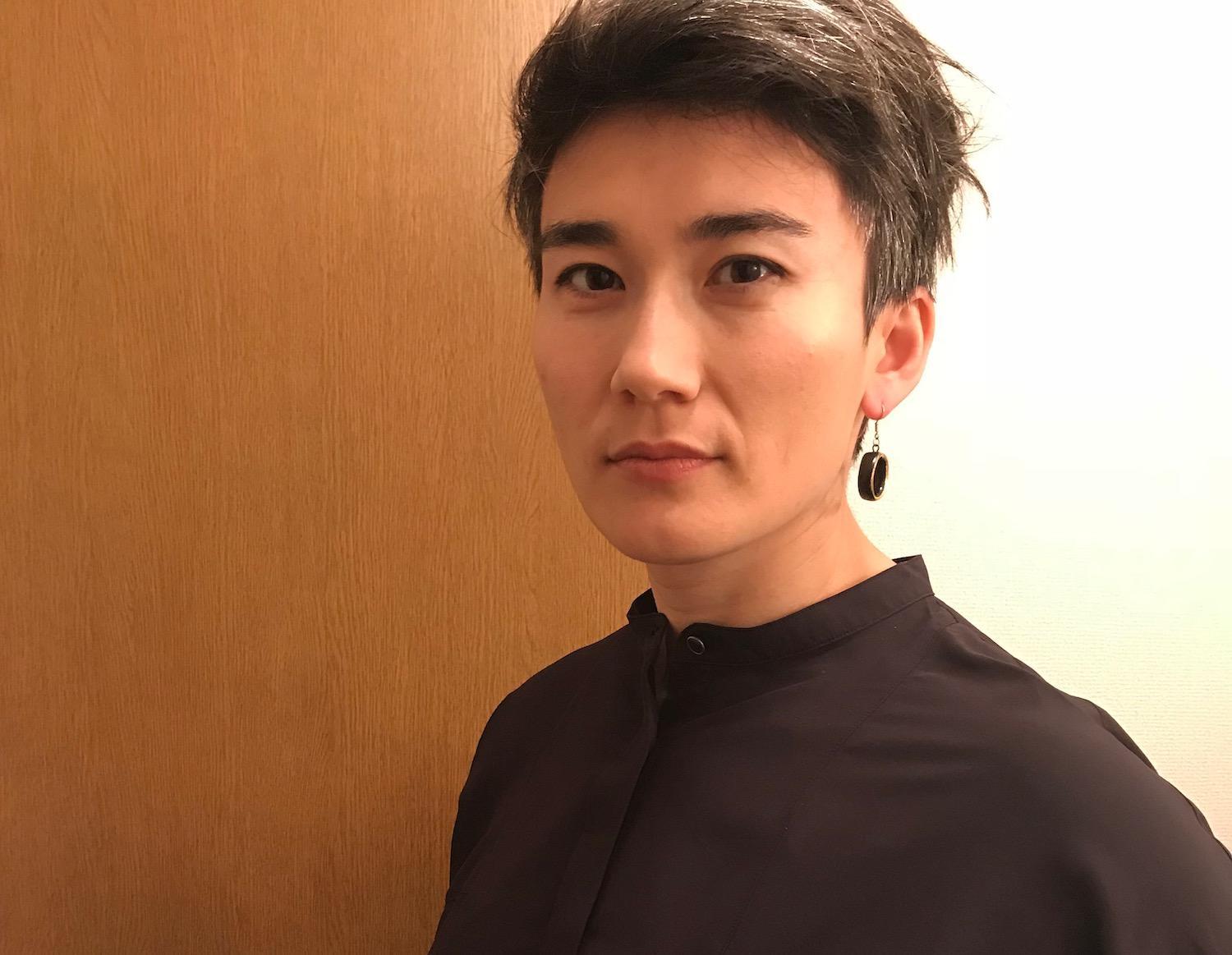
ZHANAR
From Kazakhstan
-
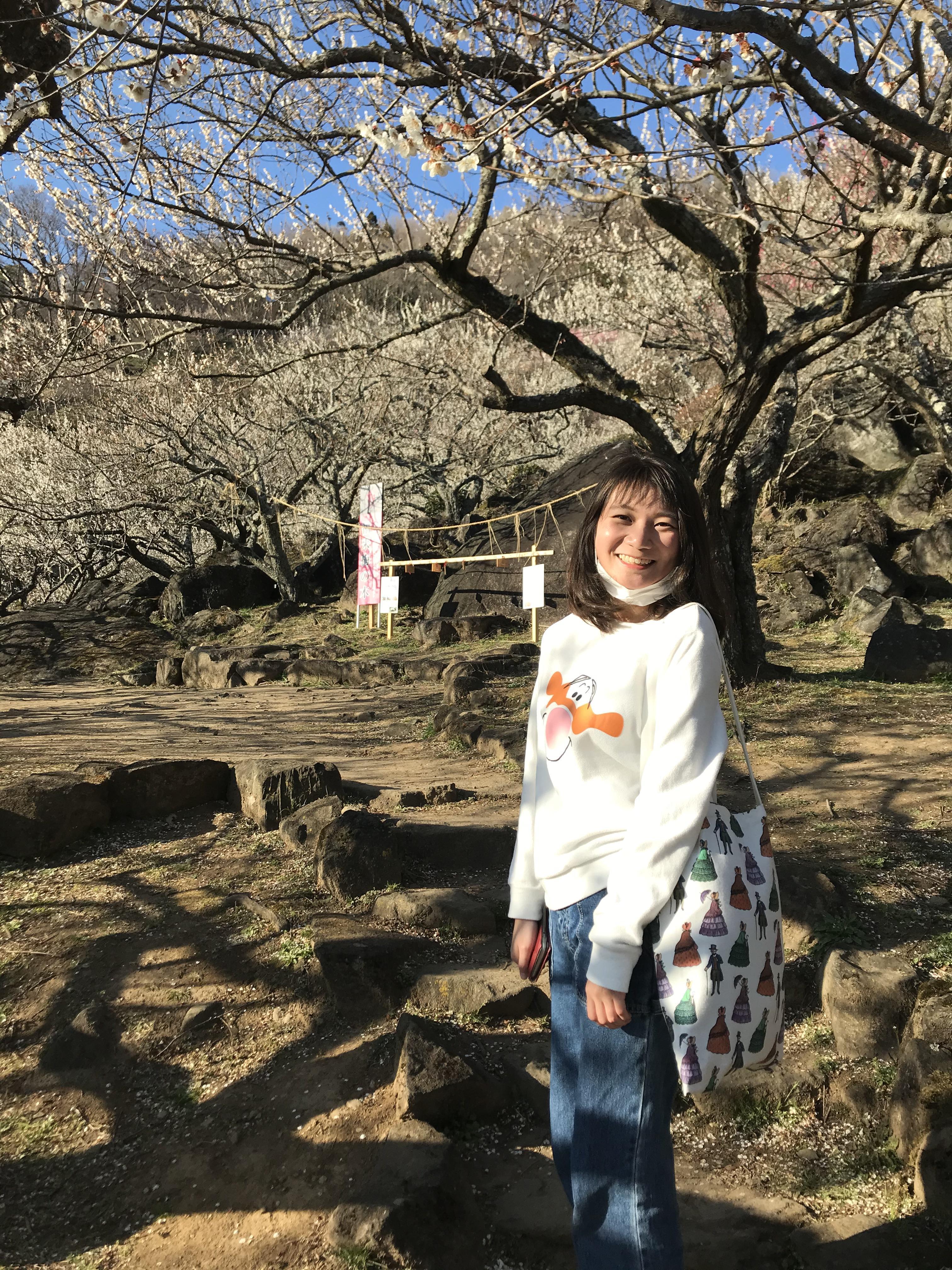
PENG
From Malaysia
-
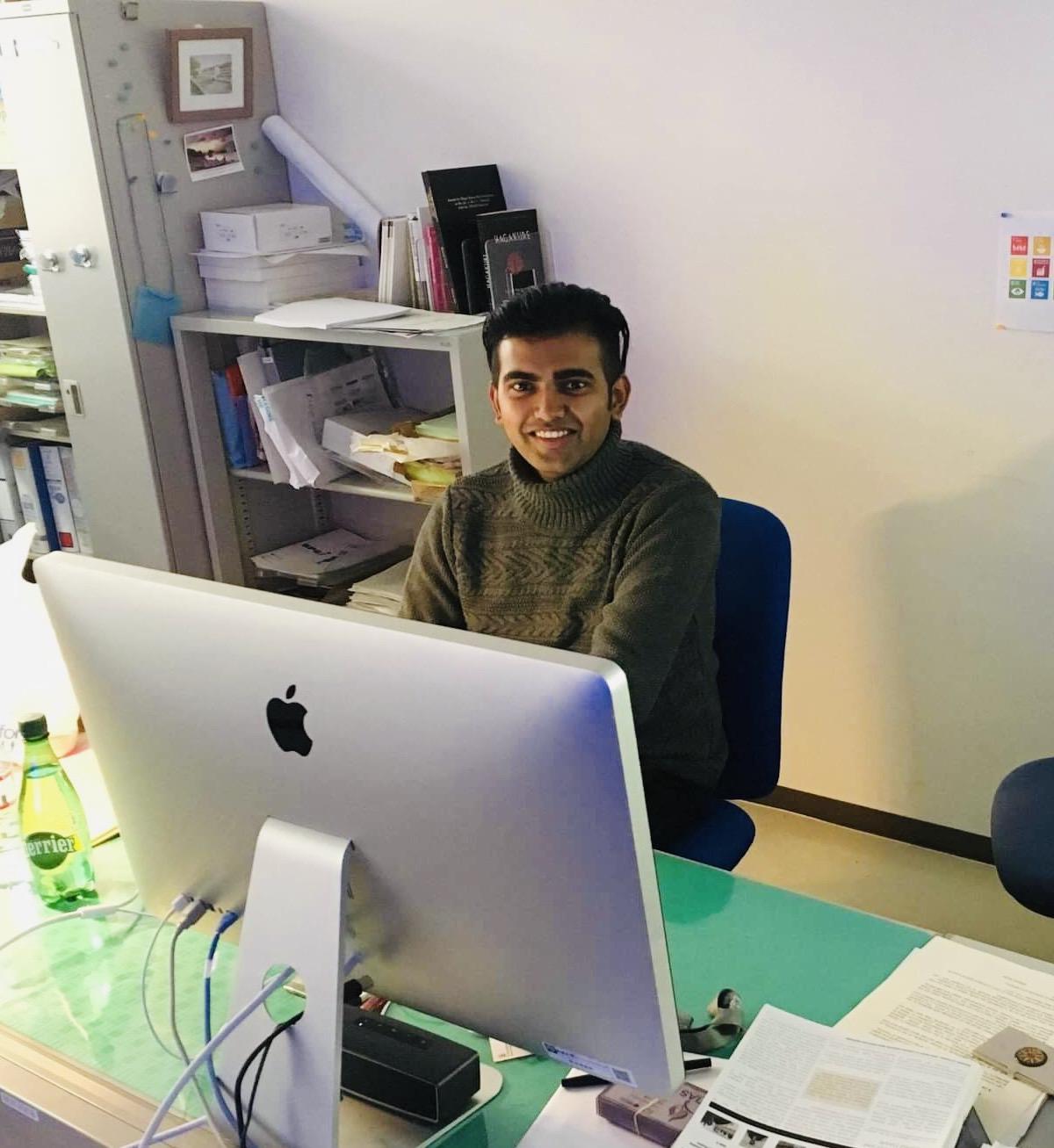
RAVI
From Nepal
-
SUNITA
From Nepal
-
ATOM
From Thailand