


Voices of International Students
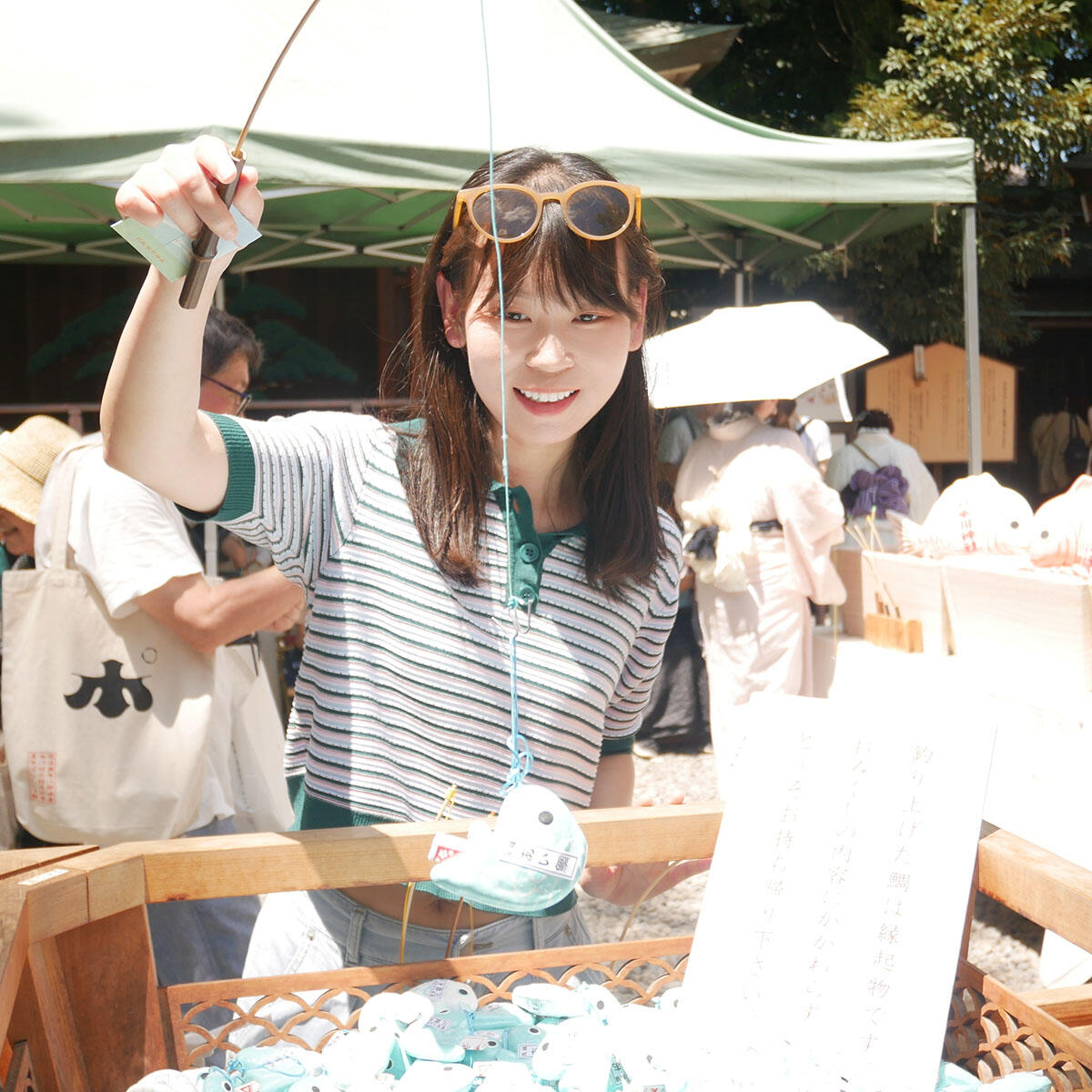
XINGYA YUAN
Doctoral Program in Heritage Studies, Graduate School of Comprehensive Human Science
From China
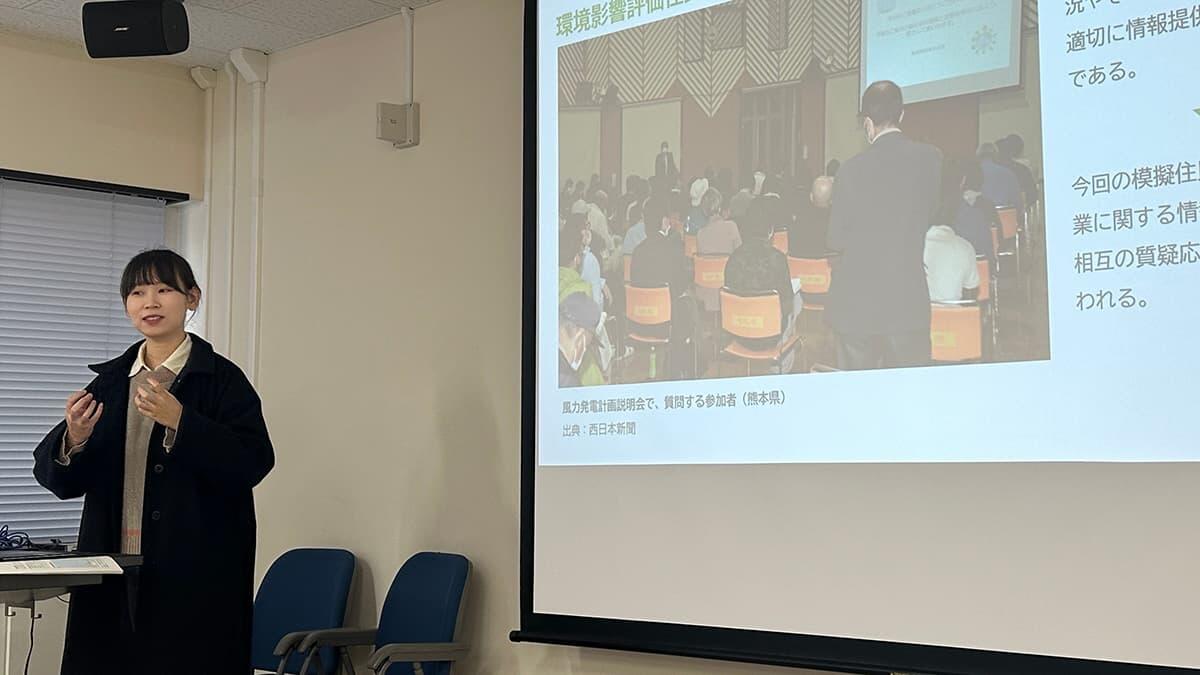
What sparked your interest in this university?
I became interested in the University of Tsukuba because of its reputation in Heritage Studies and its interdisciplinary research environment. I was especially interested in the way the program brings natural and cultural heritage together. These two areas are studied separately in most other universities, but students at Tsukuba are encouraged to look at heritage from many different perspectives, including nature, landscape, culture, history, and local communities. This approach is very close to my own interests in understanding how people can conserve nature and heritage while also supporting the needs of local communities. The opportunity to learn from specialists with diverse academic backgrounds and to engage in interdisciplinary research was also especially appealing.
What aspects of Japanese culture or customs surprised you? How did you adapt to these differences?
One aspect of Japanese culture that surprised me was the importance placed on consensus-building and mutual respect. In both professional settings and everyday life, people often take time to communicate carefully and consider different perspectives before making decisions. As I became more familiar with Japanese culture, I began to appreciate how this approach helps build trust and supports long-term cooperation. In many situations, taking the time to understand different perspectives and build mutual trust can lead to more sustainable and meaningful outcomes. It continues to shape both my research and the way I work with others.
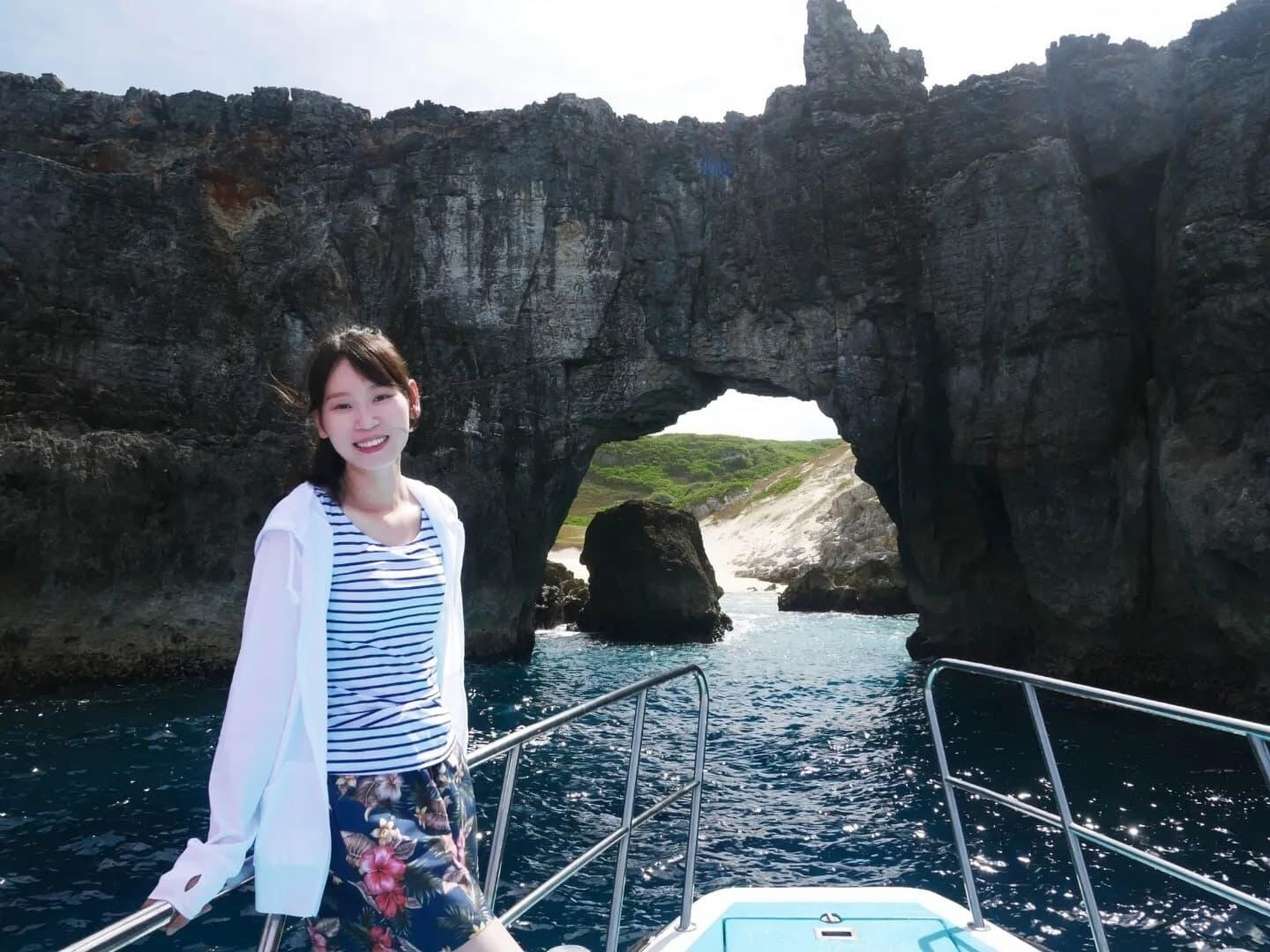
What do you enjoy about Tsukuba?
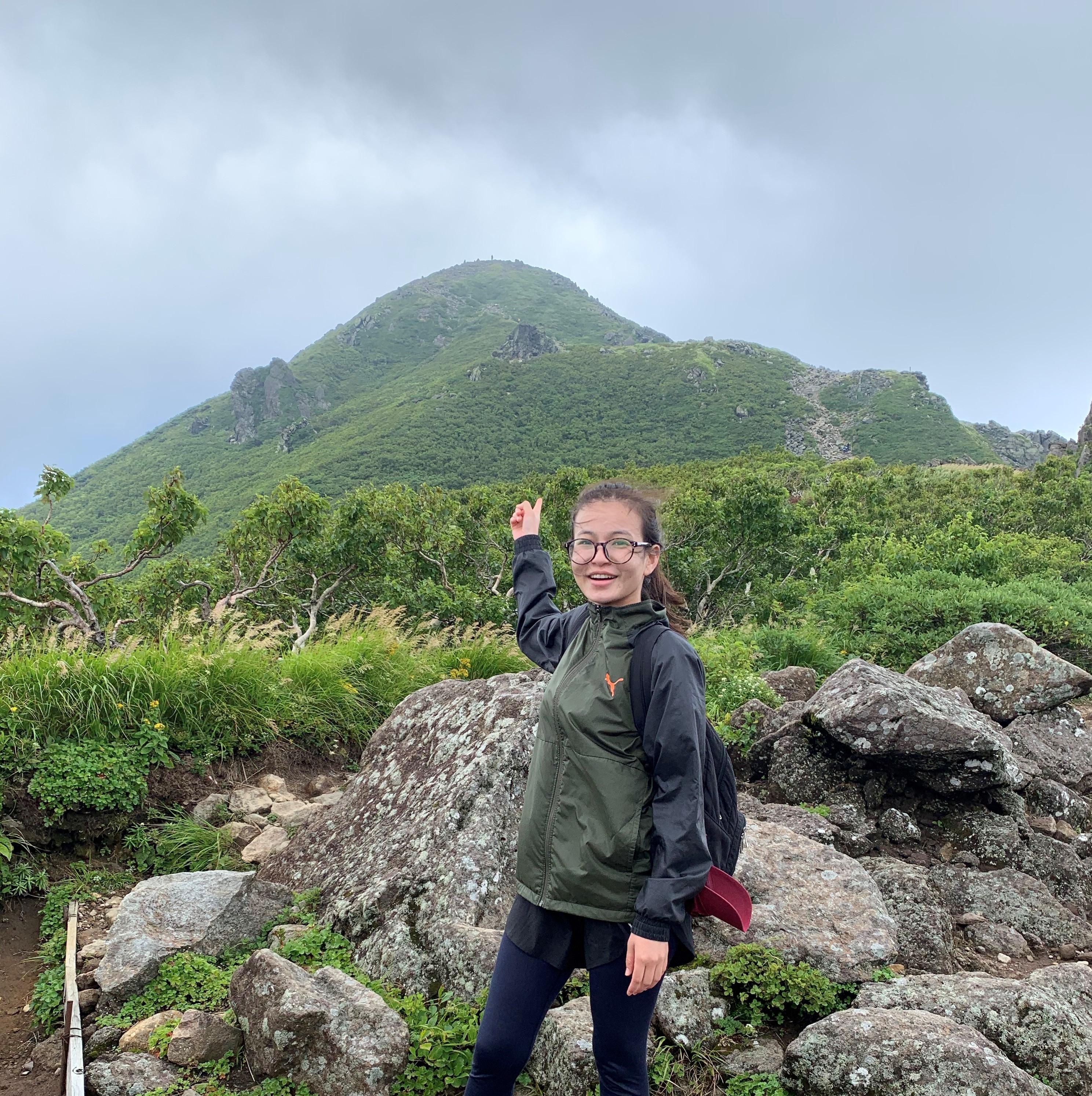
One of the things I enjoy most about Tsukuba City is the balance it offers between academic life and everyday life. It is close enough to Tokyo for cultural activities while offering a quieter environment that is comfortable for studying and daily living. Whether taking a walk around campus, visiting Mount Tsukuba, or simply enjoying the changing seasons, the natural surroundings give me a welcome break from research and help me recharge. Tsukuba City recently became the most populous city in Ibaraki Prefecture, with the highest population growth rate in the prefecture. I think this growth reflects the city's unique appeal as a place where people can build a life.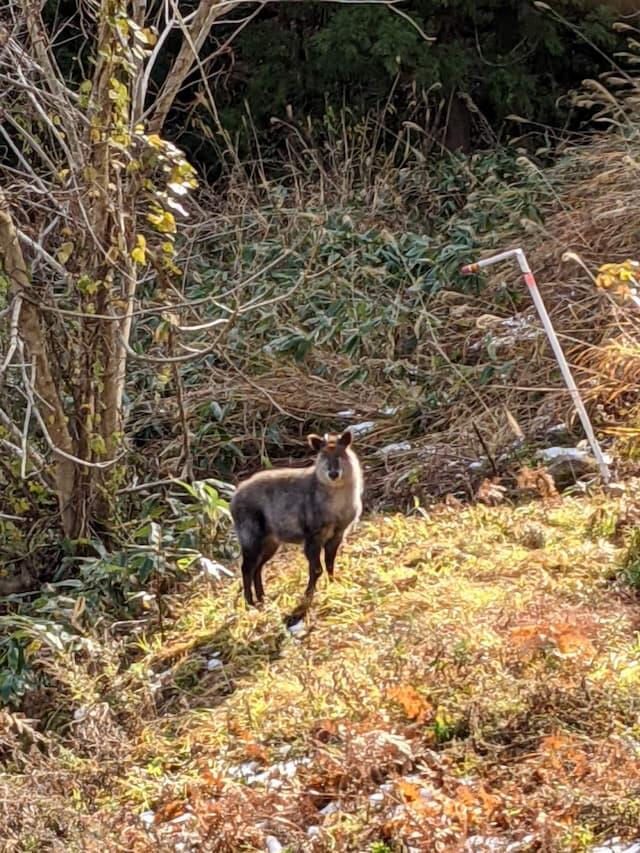
What do you hope to achieve during your time here?
During my time at the University of Tsukuba, I hope to deepen my understanding of Heritage Studies and nature conservation while continuing to connect ideas from different fields. I also hope to remain open-minded and keep an interest in new perspectives and ways of thinking. Both academic research and professional practice often require us to focus on responsibilities and immediate tasks. I hope that, even while meeting those demands, I can continue to make good use of the learning environment at Tsukuba and keep the curiosity that first led me to this field to complete research that I believe meaningful.
What do you think makes the University of Tsukuba special?
What makes the University of Tsukuba special to me is that it creates an environment where students can fully devote themselves to learning and personal growth. There is something about the atmosphere here that makes it easier to set aside distractions and truly enjoy studying and doing research. Perhaps it comes from the peaceful surroundings, the close relationships between students and professors, or the people who make up this community. As an international student, that sense of belonging meant a great deal to me. It gave me the confidence to explore new ideas, ask questions, and gradually grow as both a researcher and a person. Looking back, I realize how deeply this environment has influenced my time at Tsukuba.
-
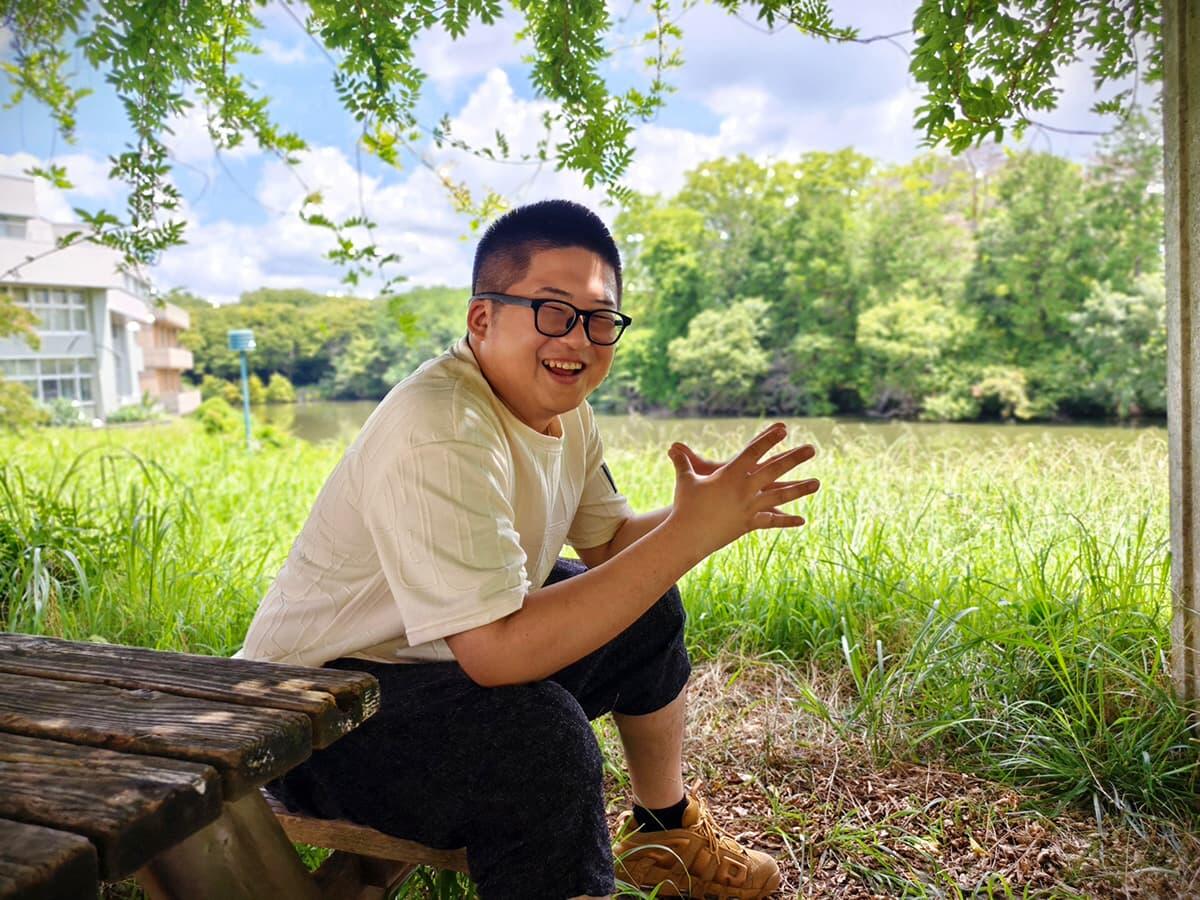
YI-FU LIU
From China
-
XINGYA YUAN
From China
-

礼 (LI)
From China
-
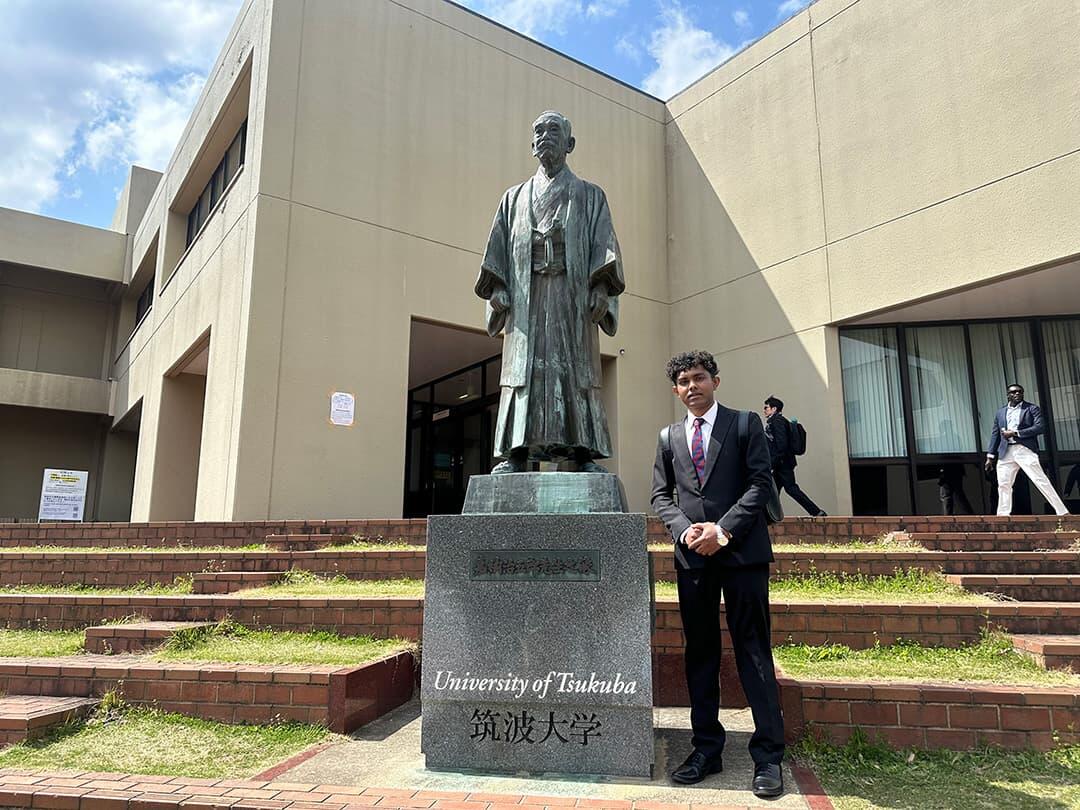
PULUSEN SATHYAJITH ARIYASINGHE
From Sri Lanka
-
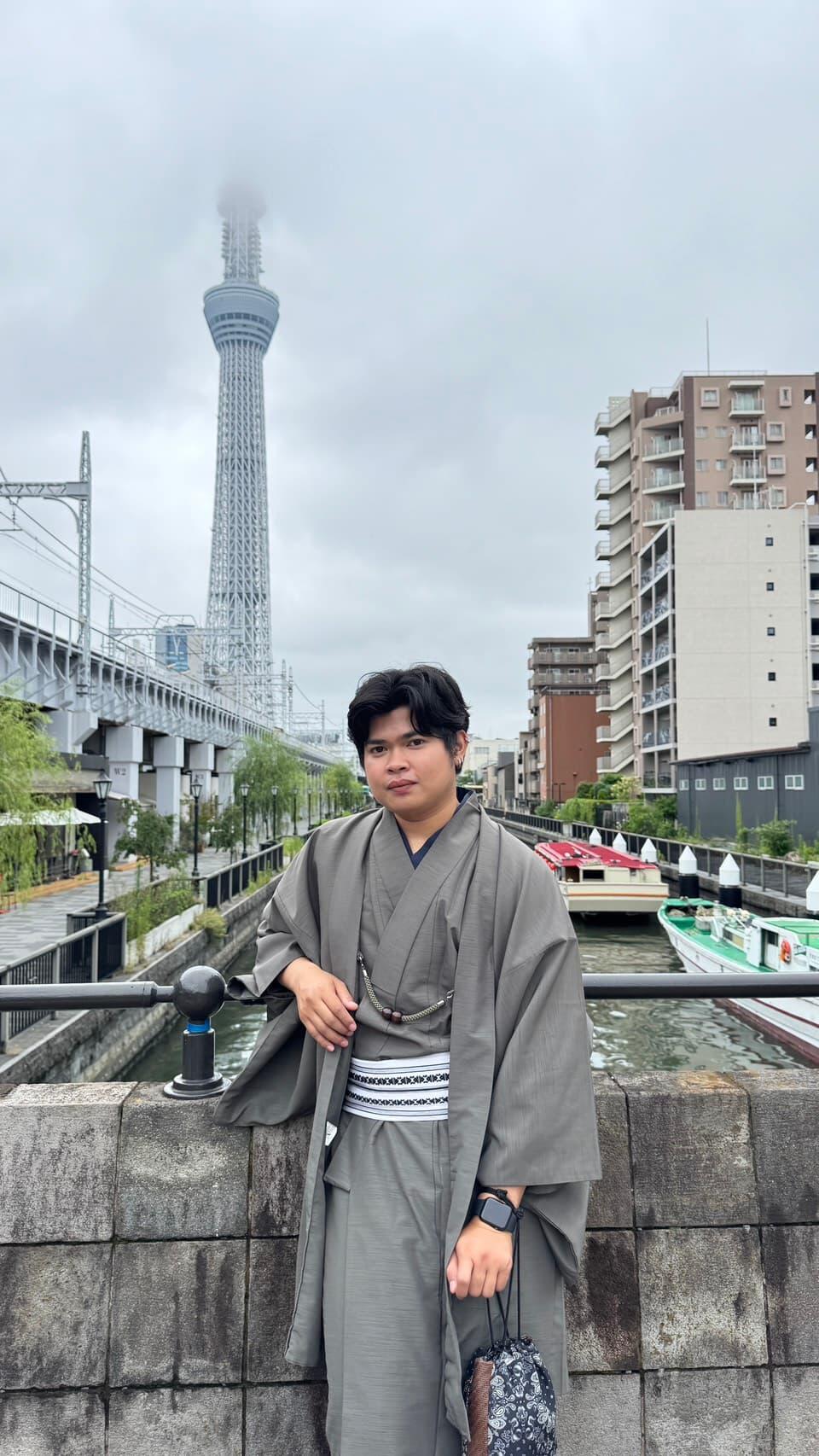
SAKNARIN NIN-INJAN
From Thailand
-
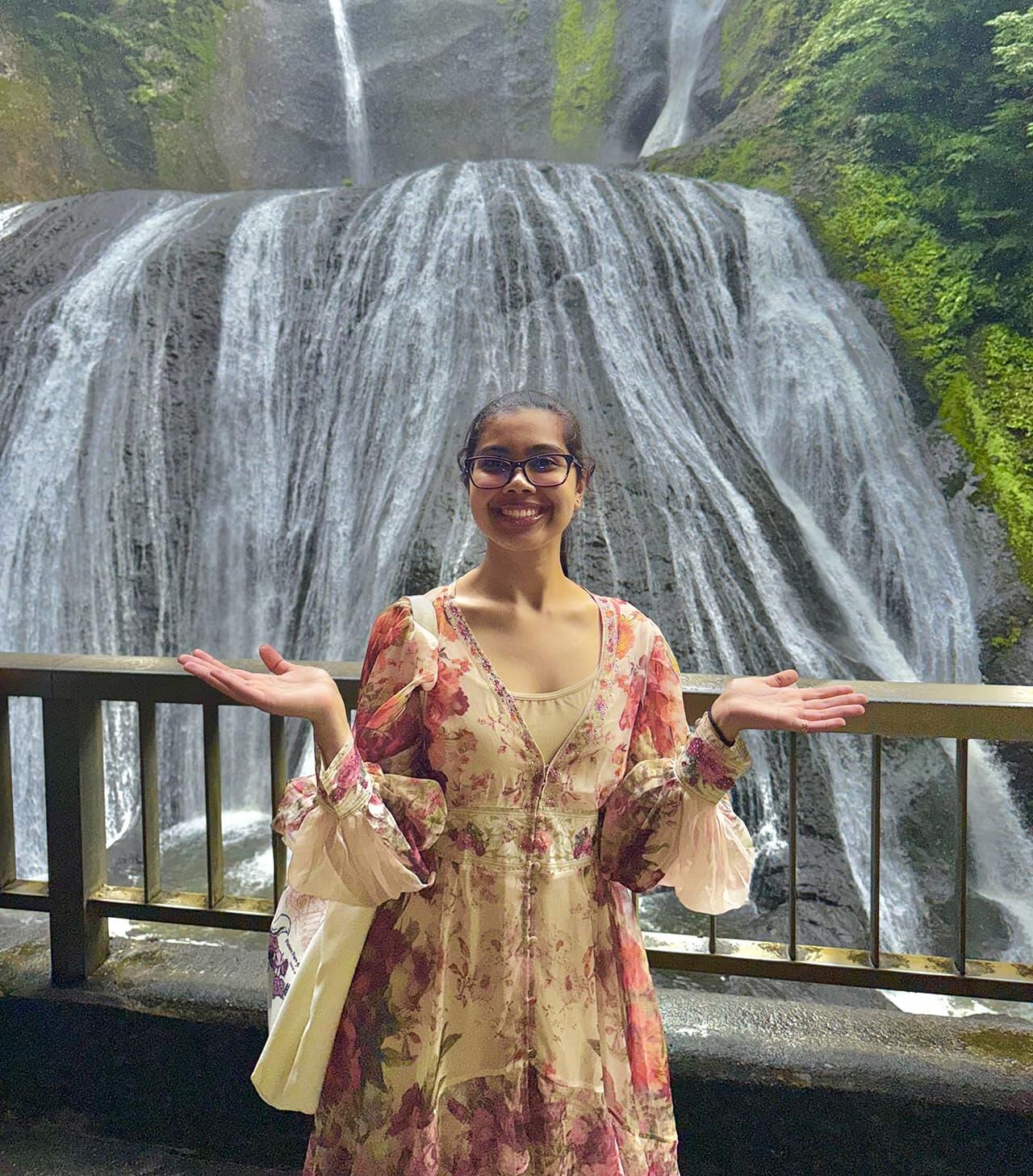
HIRUNI HUNUKUMBURA
From Sri Lanka
-

HAN CHON TEH
From Malaysia
-
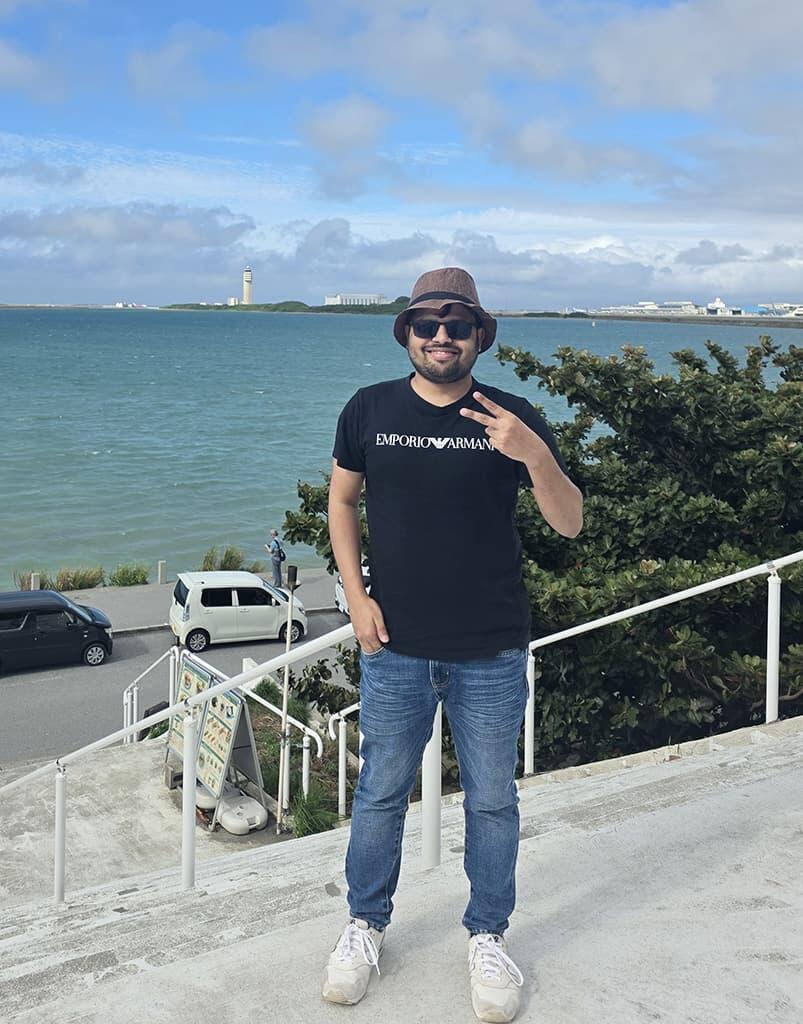
MD MEHEDI HASAN
From Bangladesh
-
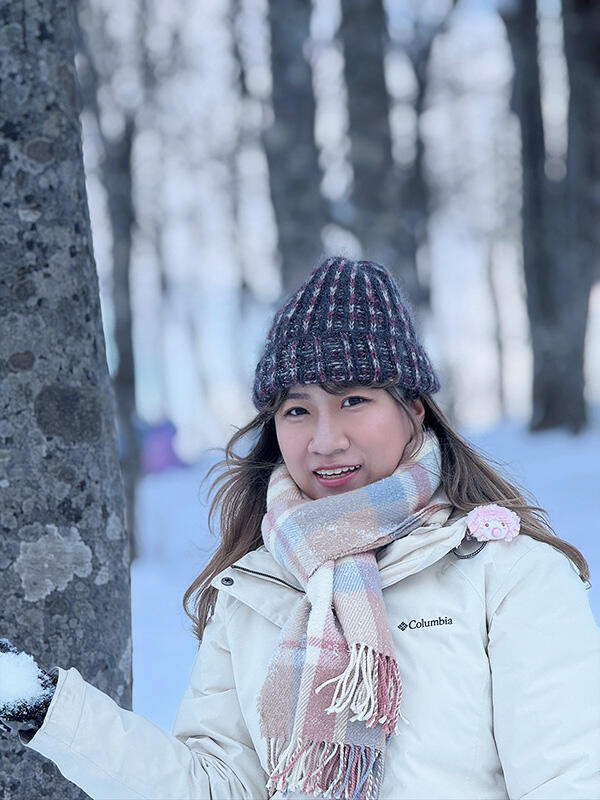
LI SZE CHING
From Hong Kong
-
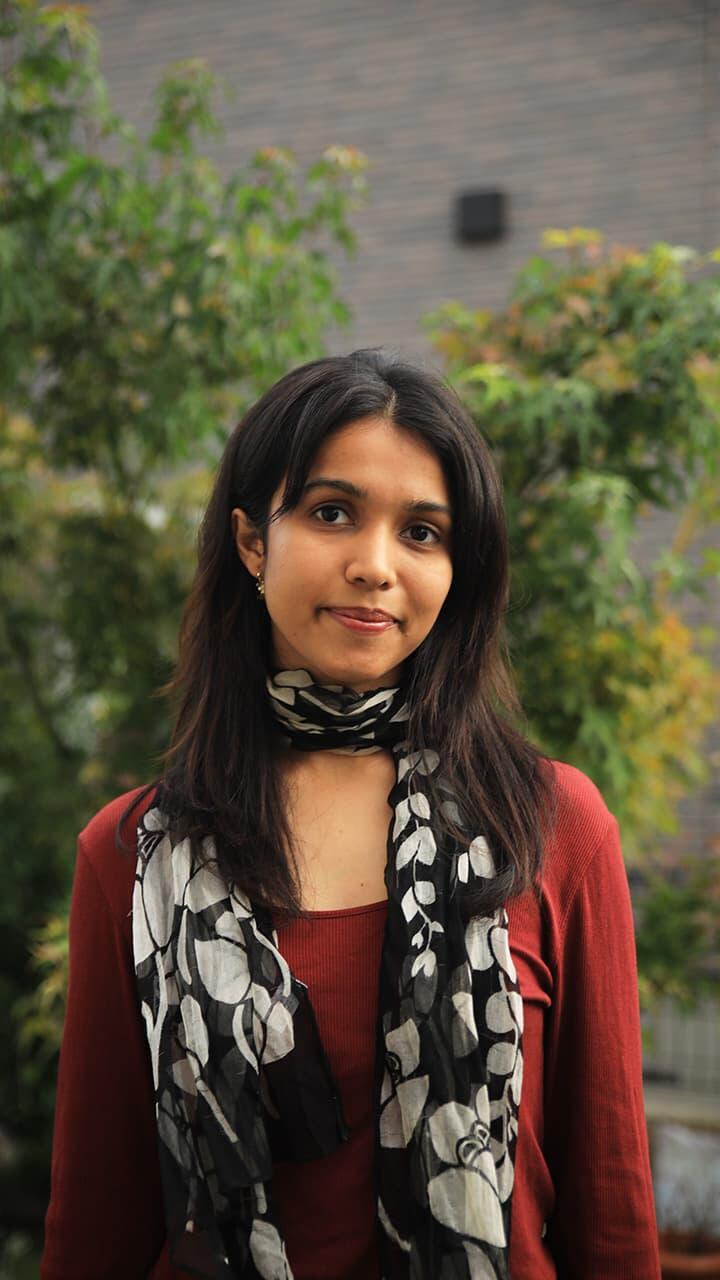
SIYA JITENDRA DESHPANDE
From India
-

RIBEIRO FALCÃO LORRANA
From Brazil
-
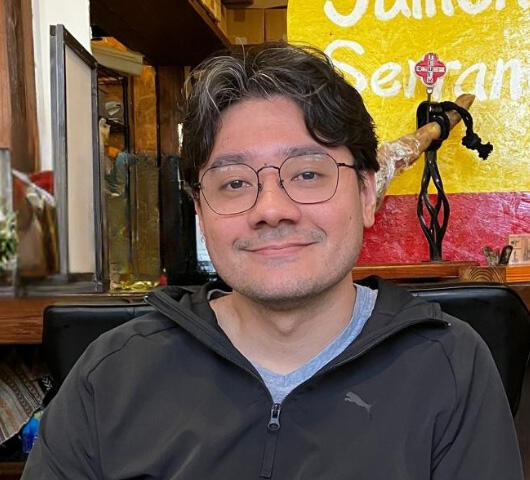
VICTOR MASSAKI NAKAGUCHI
From Brazil
-
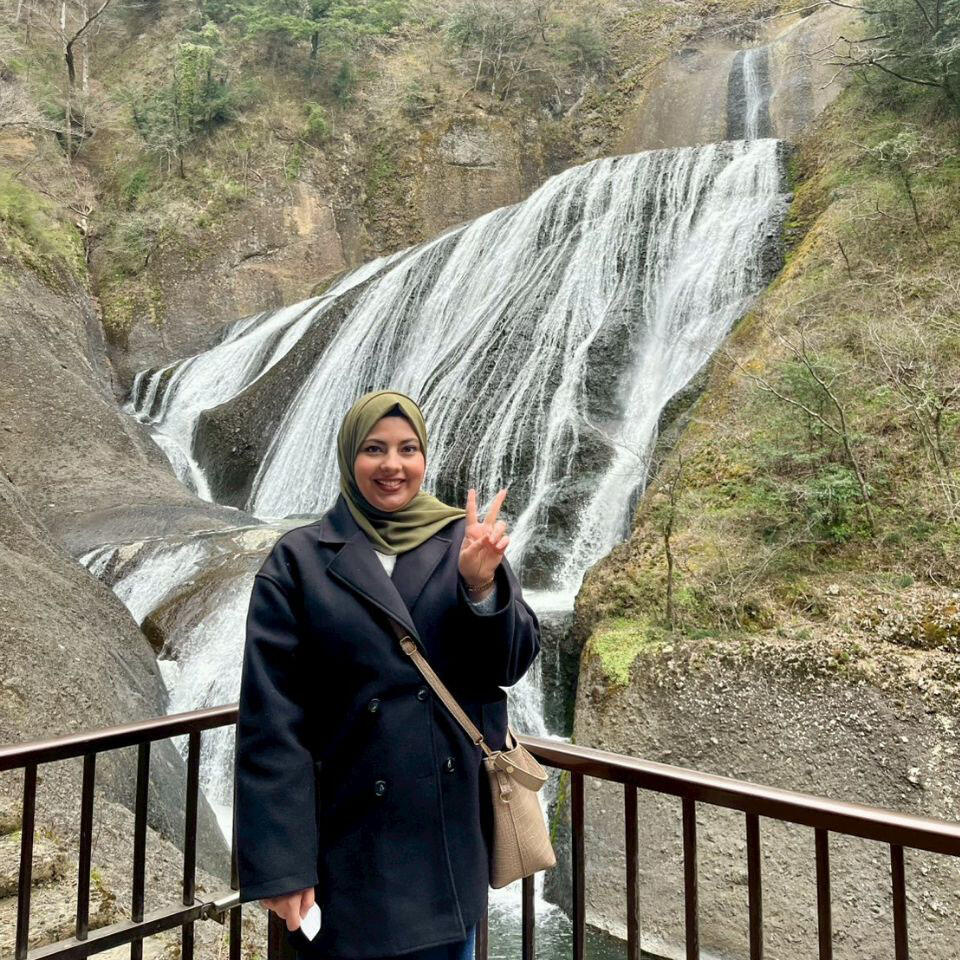
RIYAM MOTEA AL-RAABEA
From Iraq
-
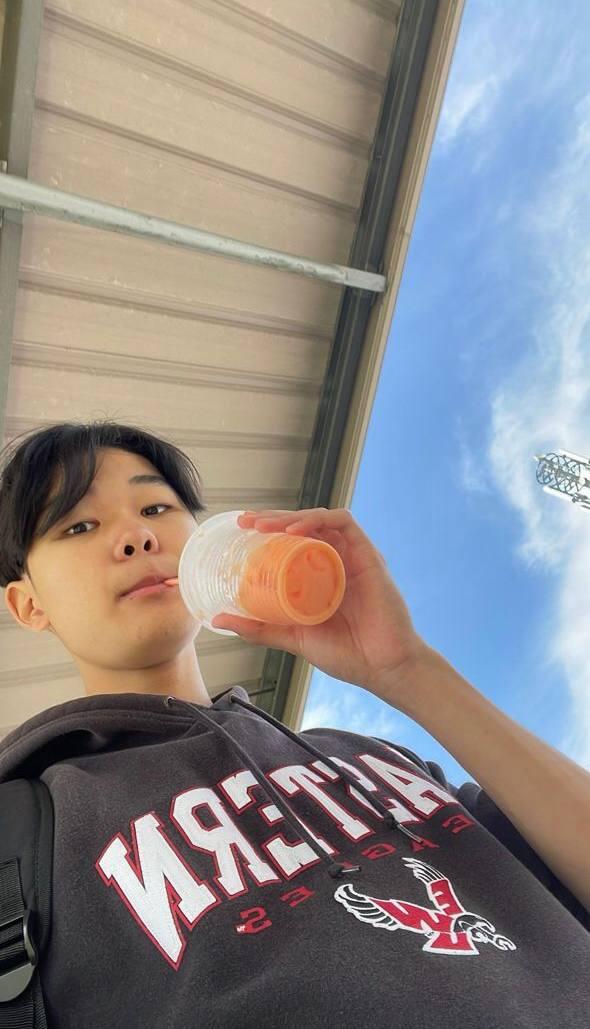
ASYRAF KAZUKI BIN ABDUL ZAKI
From Malaysia
-

CHUN PI HSIEH
From Taiwan
-
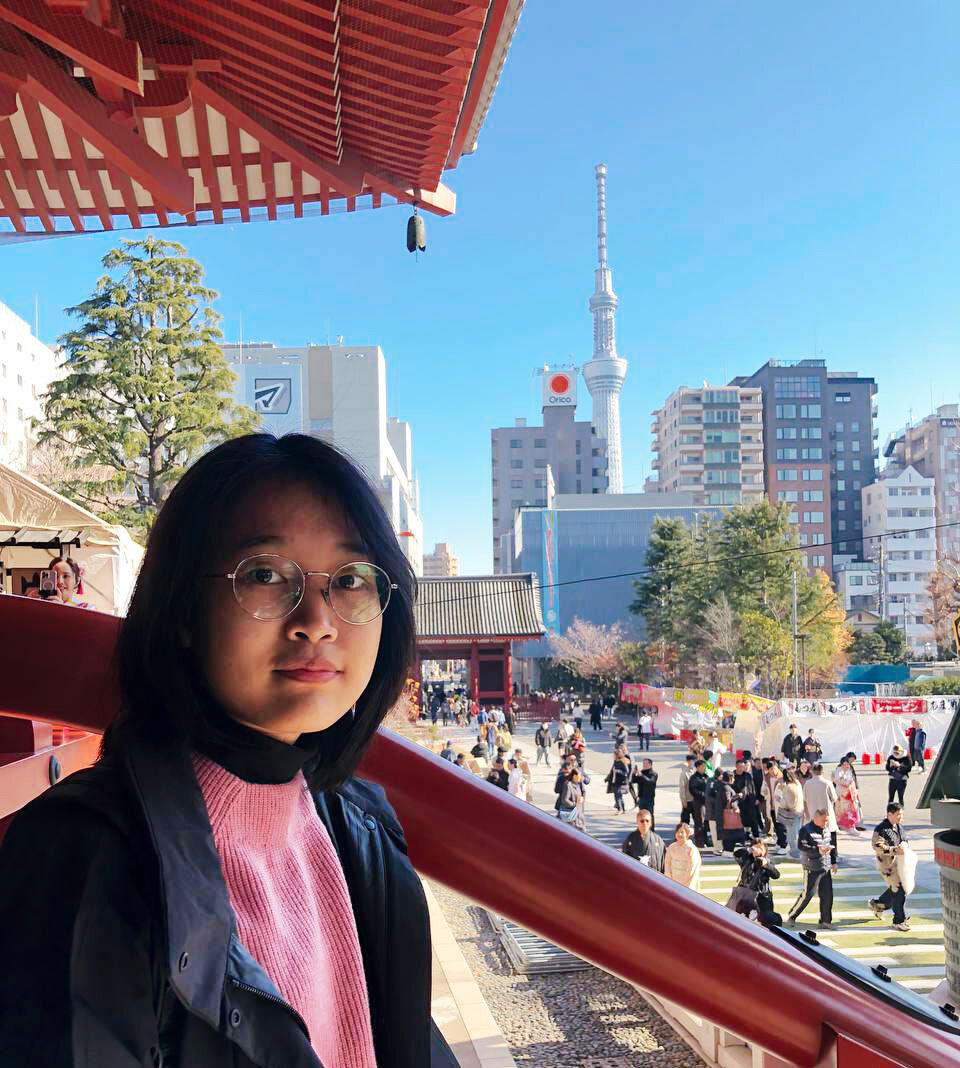
EI YADANAR MAUNG
From Myanmar
-

LIANG LIU
From China
-
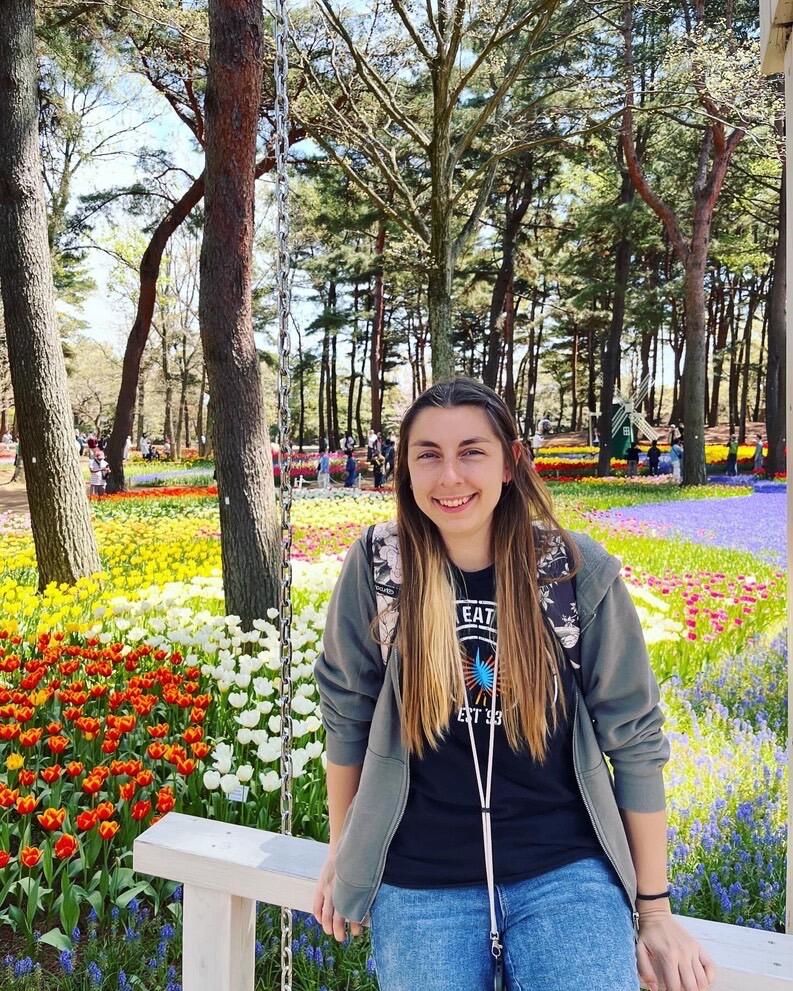
EMMA ROSE DANGERFIELD
From Australia
-
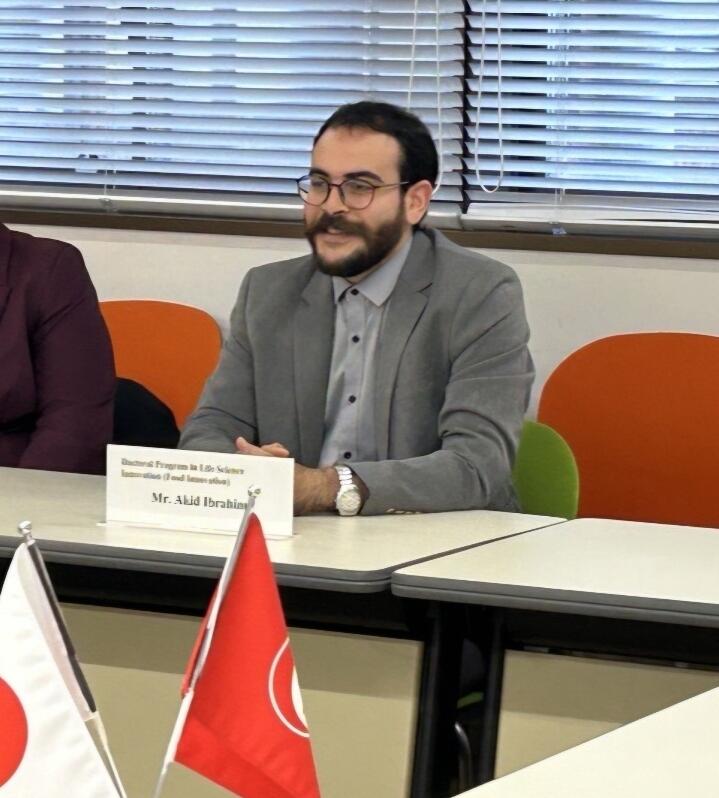
IBRAHIM AKID
From Tunisia
-
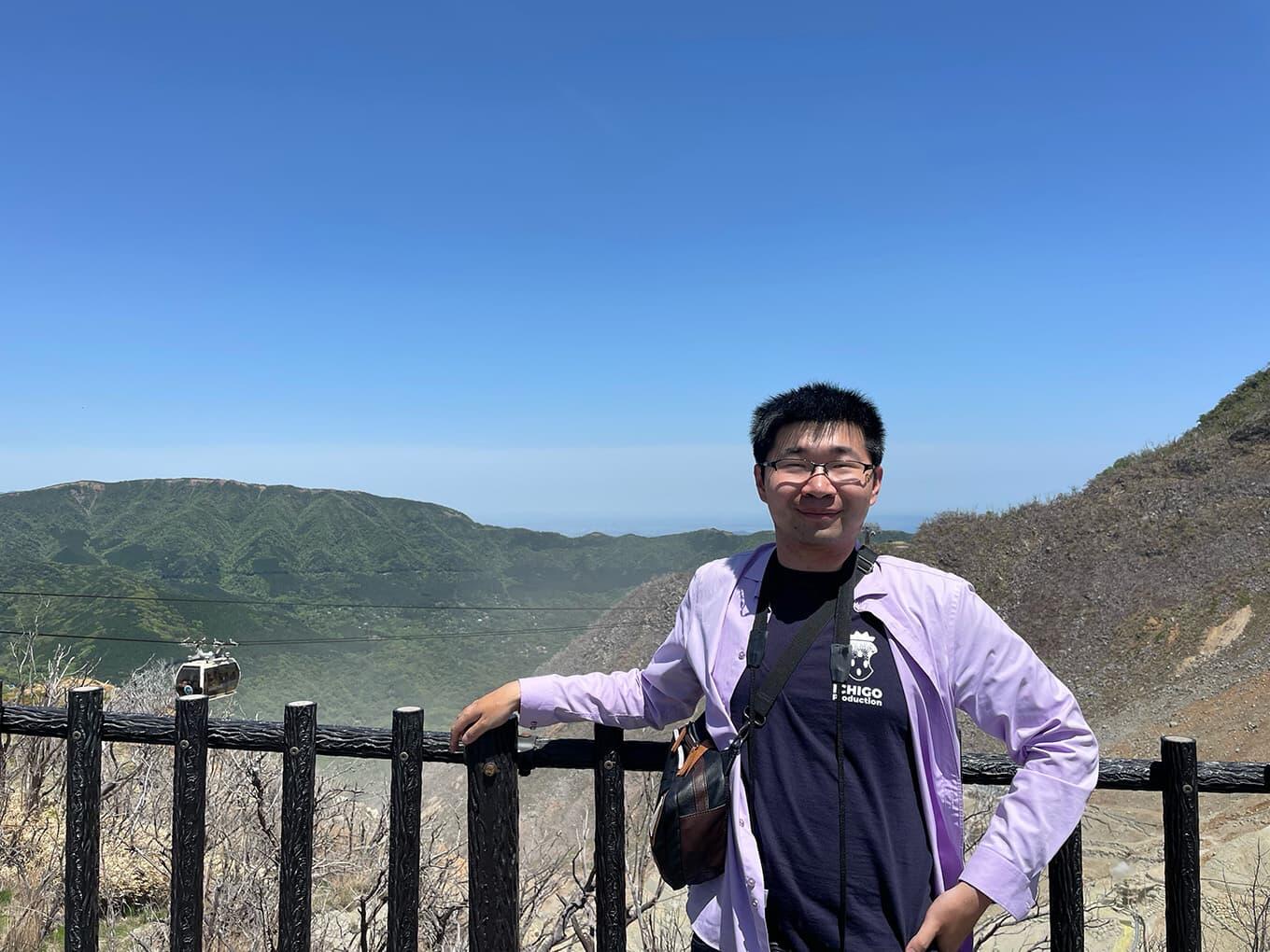
LEYUN HUANG
From China
-
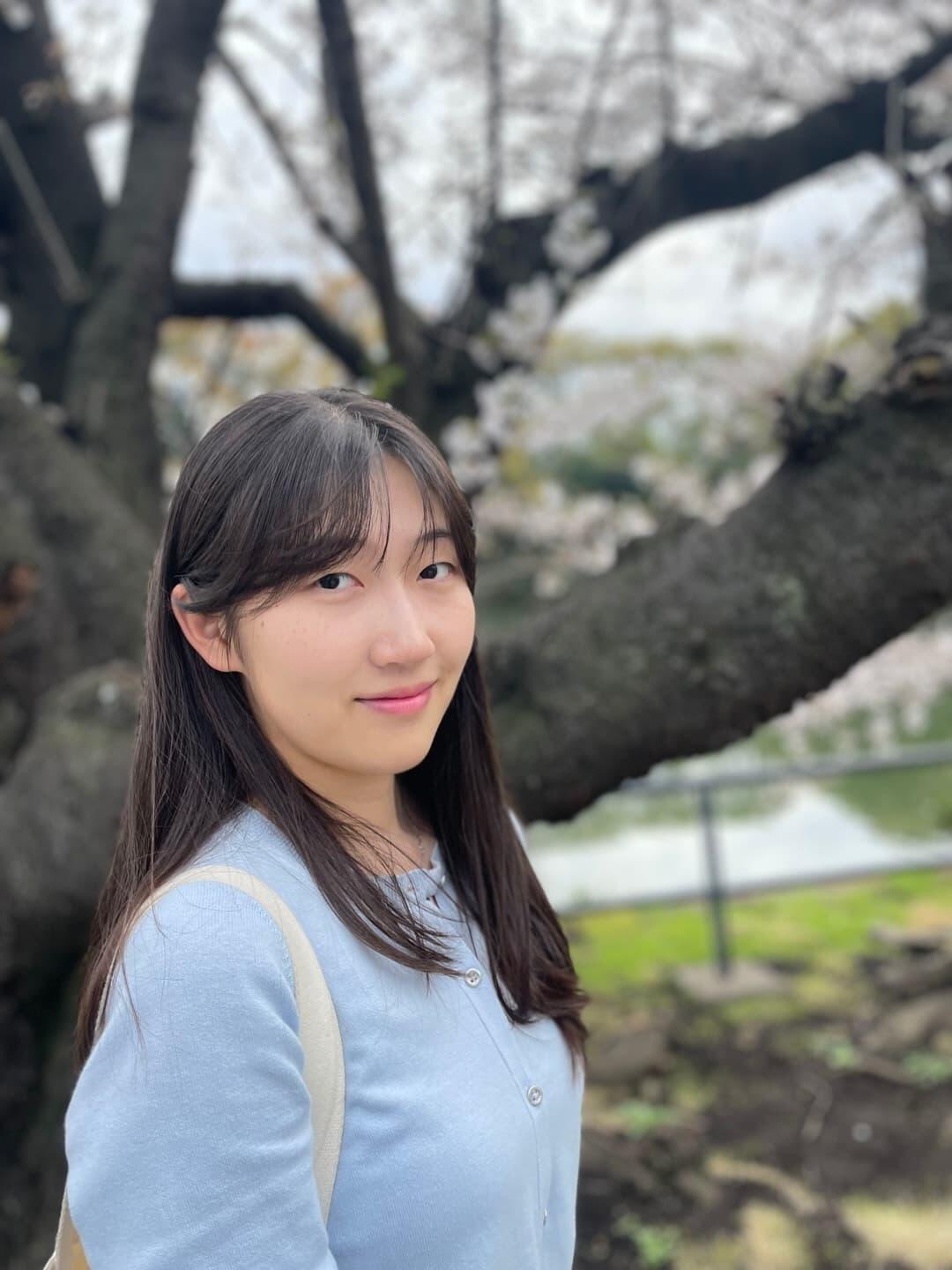
HYOWON LEE
From Korea
-
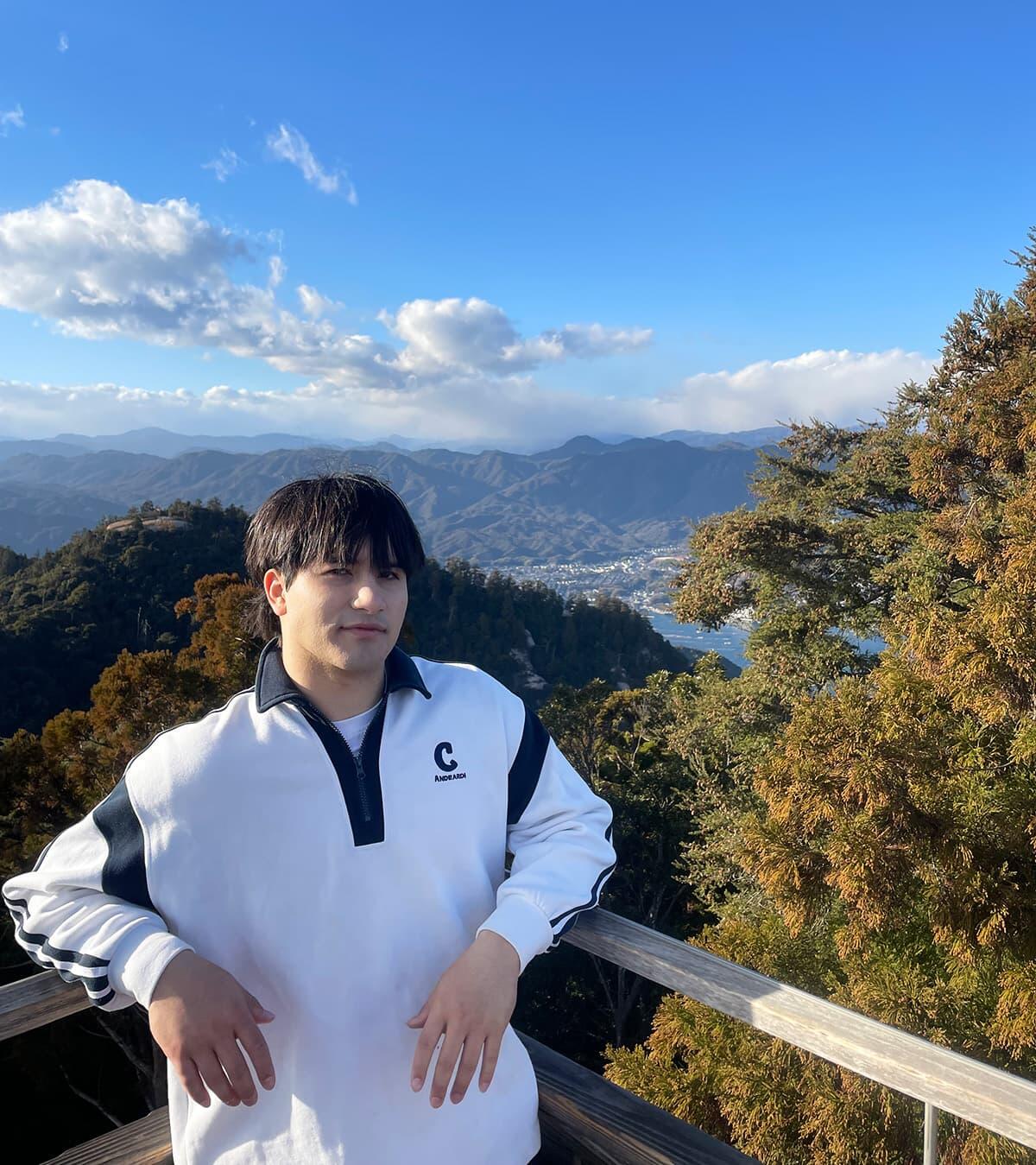
ZACHARY JAMES YOSHIOKA
From USA
-
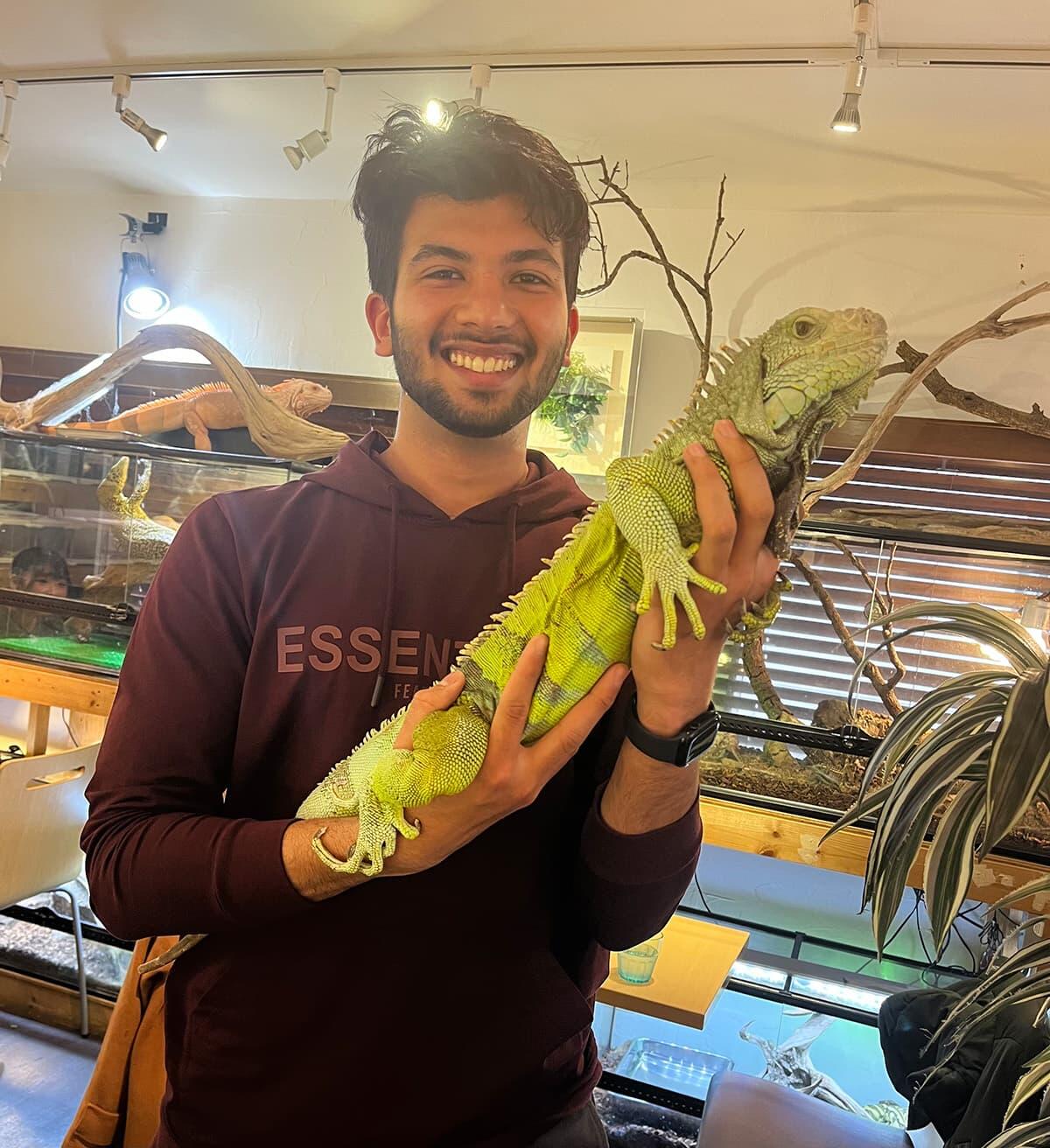
NIMISH SUDHIR GODSE
From India
-
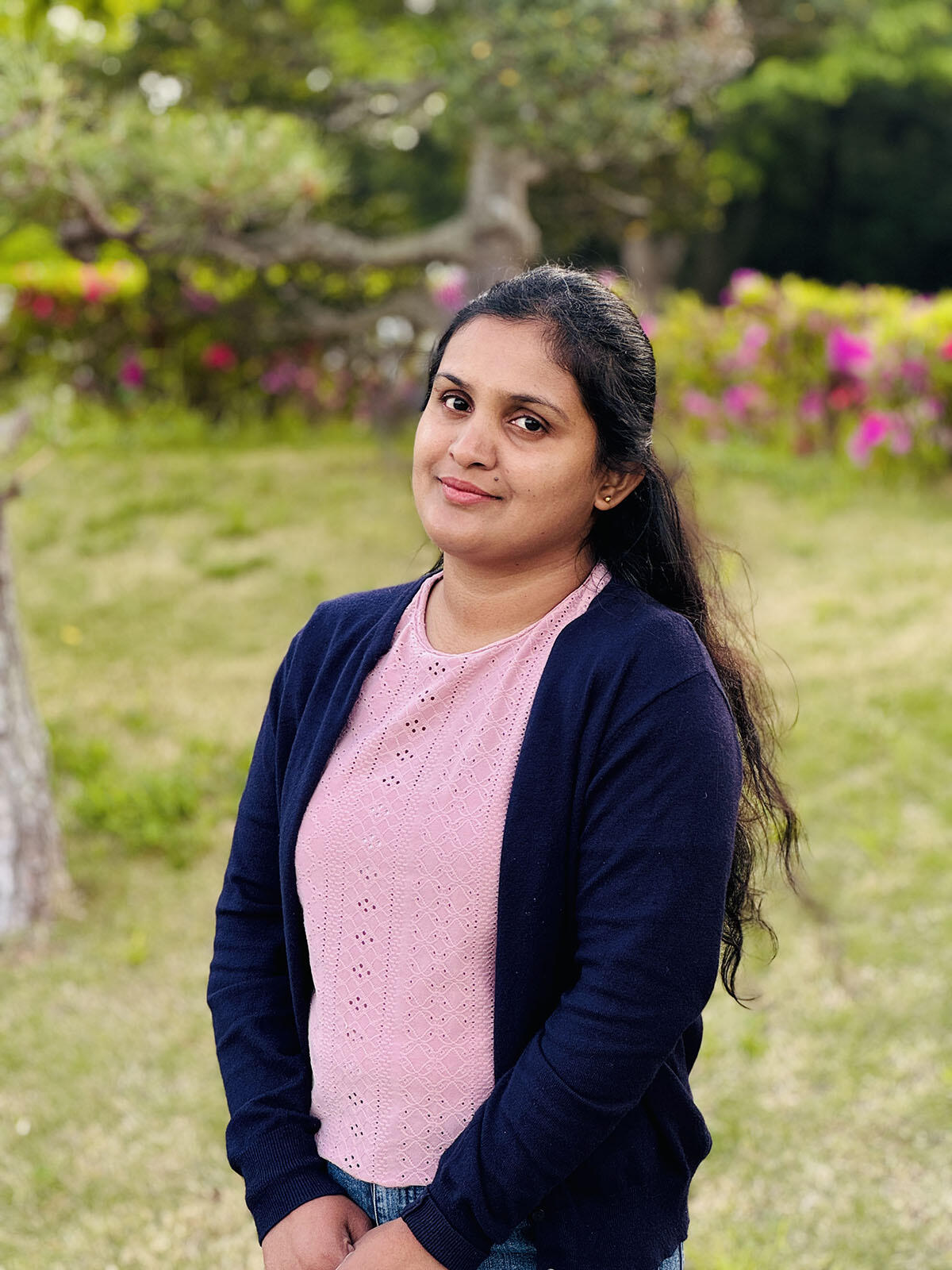
HASINI NIMANTHI KATIYAPE SAMARASEKARAGE
From Sri Lanka
-
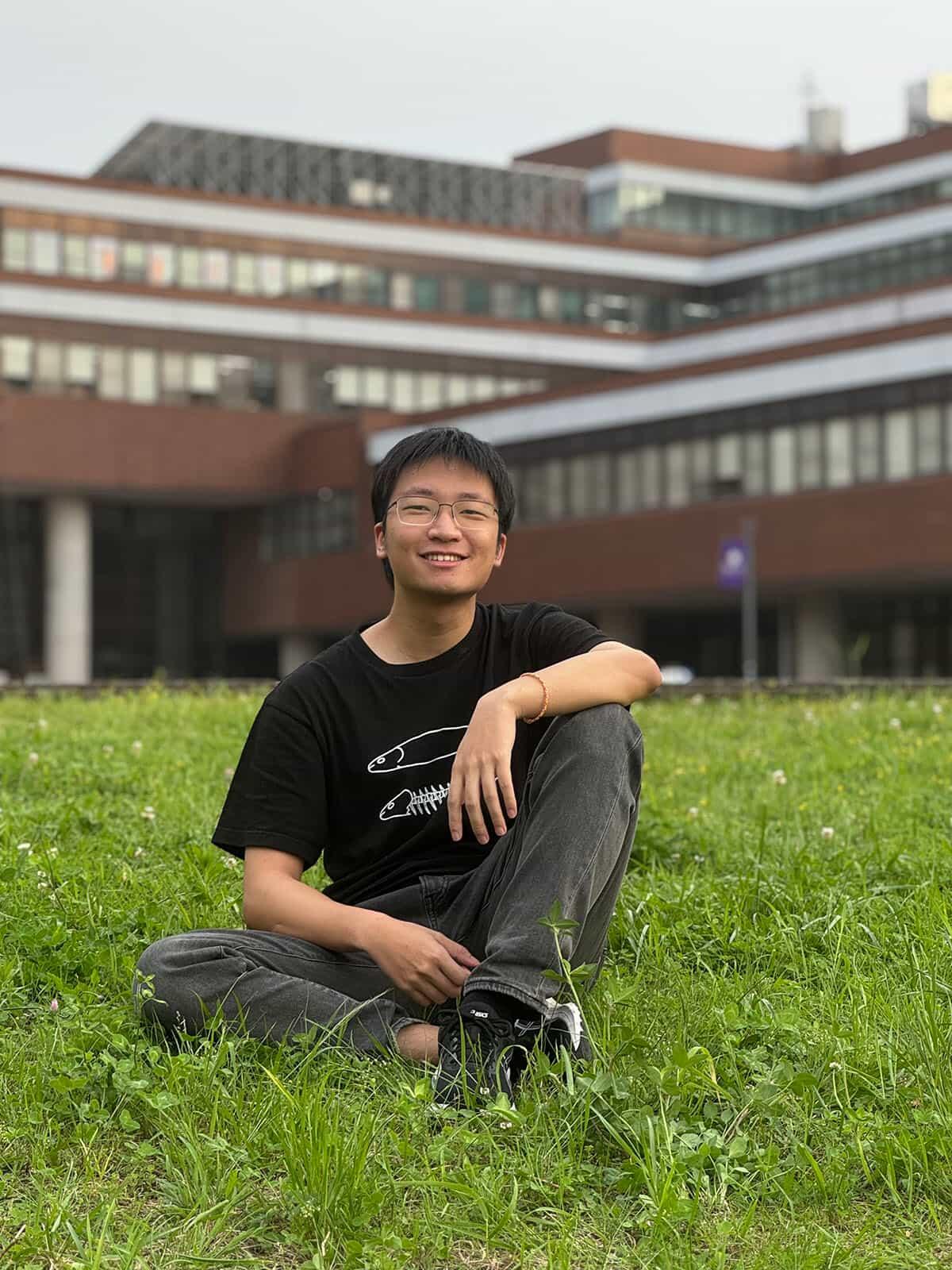
MURAN XU
From China
-
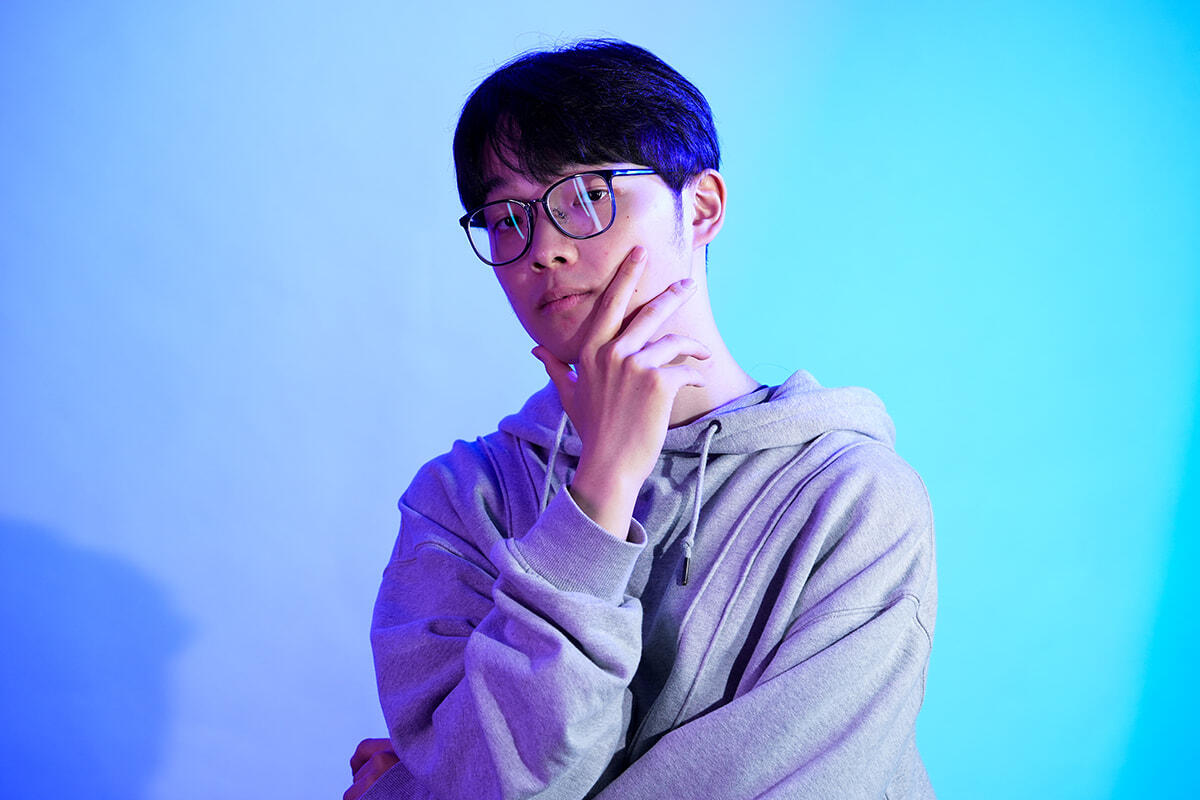
YANG HU
From China
-
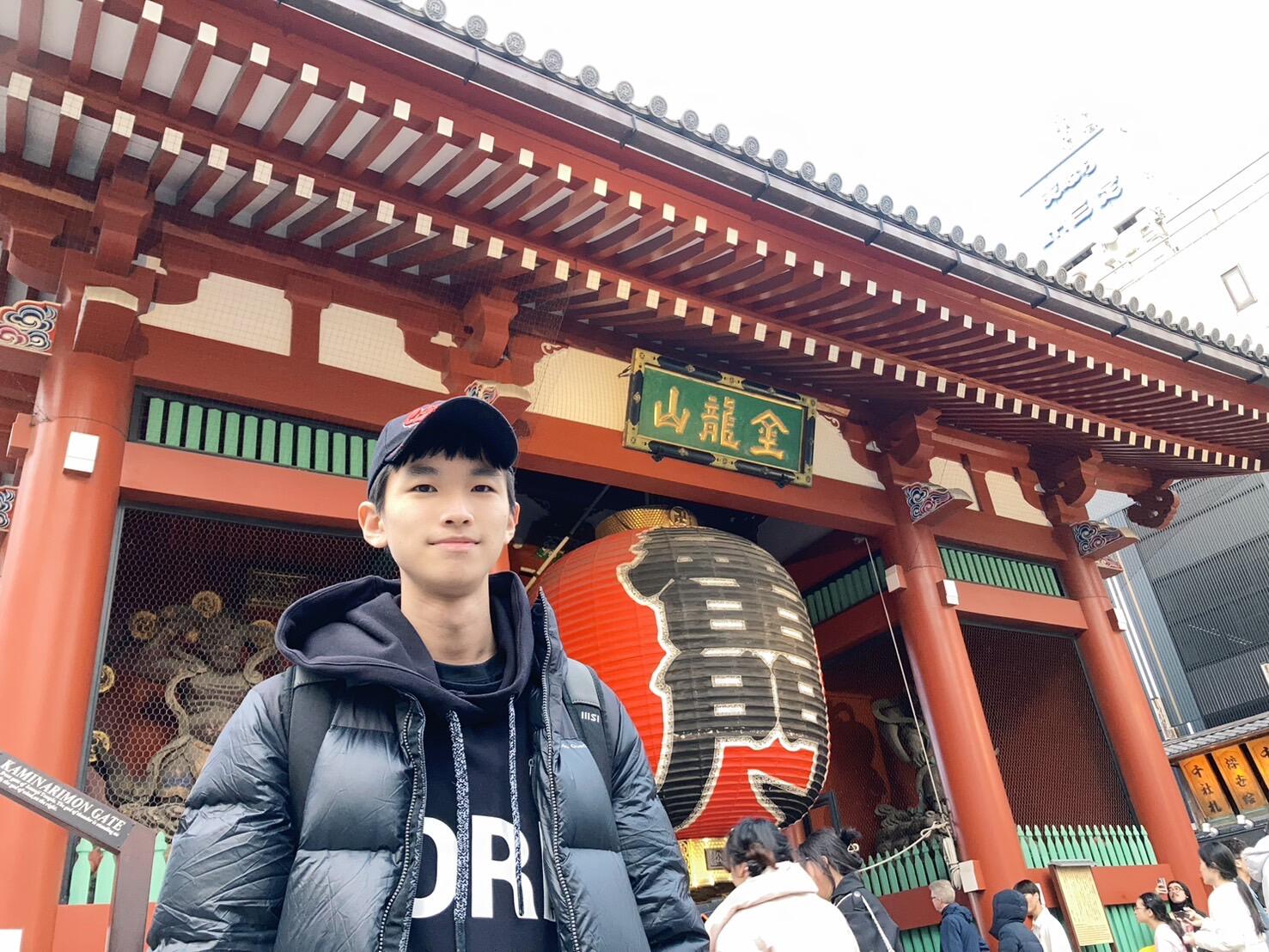
TE-YU HUANG
From Taiwan
-
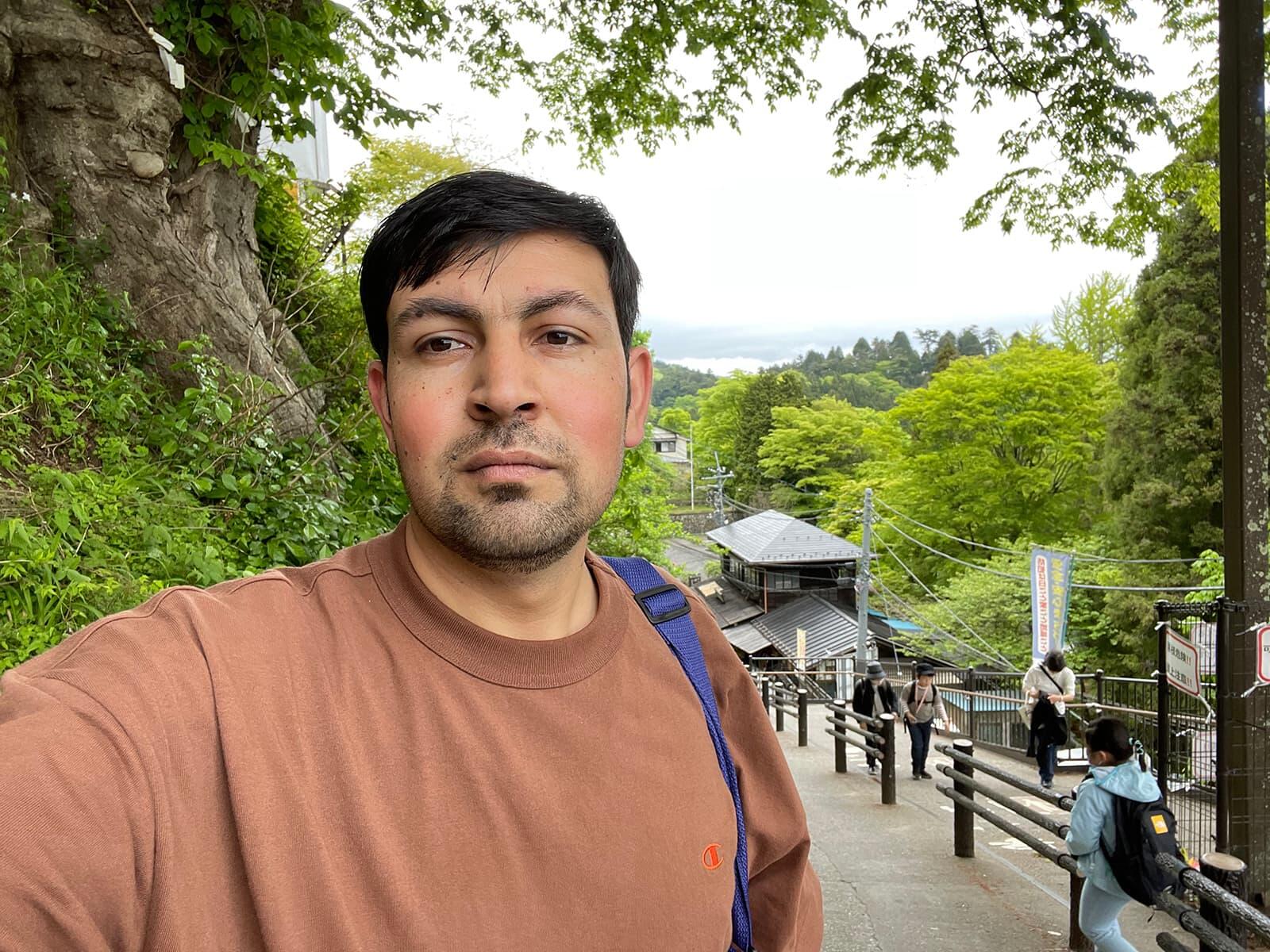
SHAFIQULLAH YOUSAFZAI
From Afghanistan
-
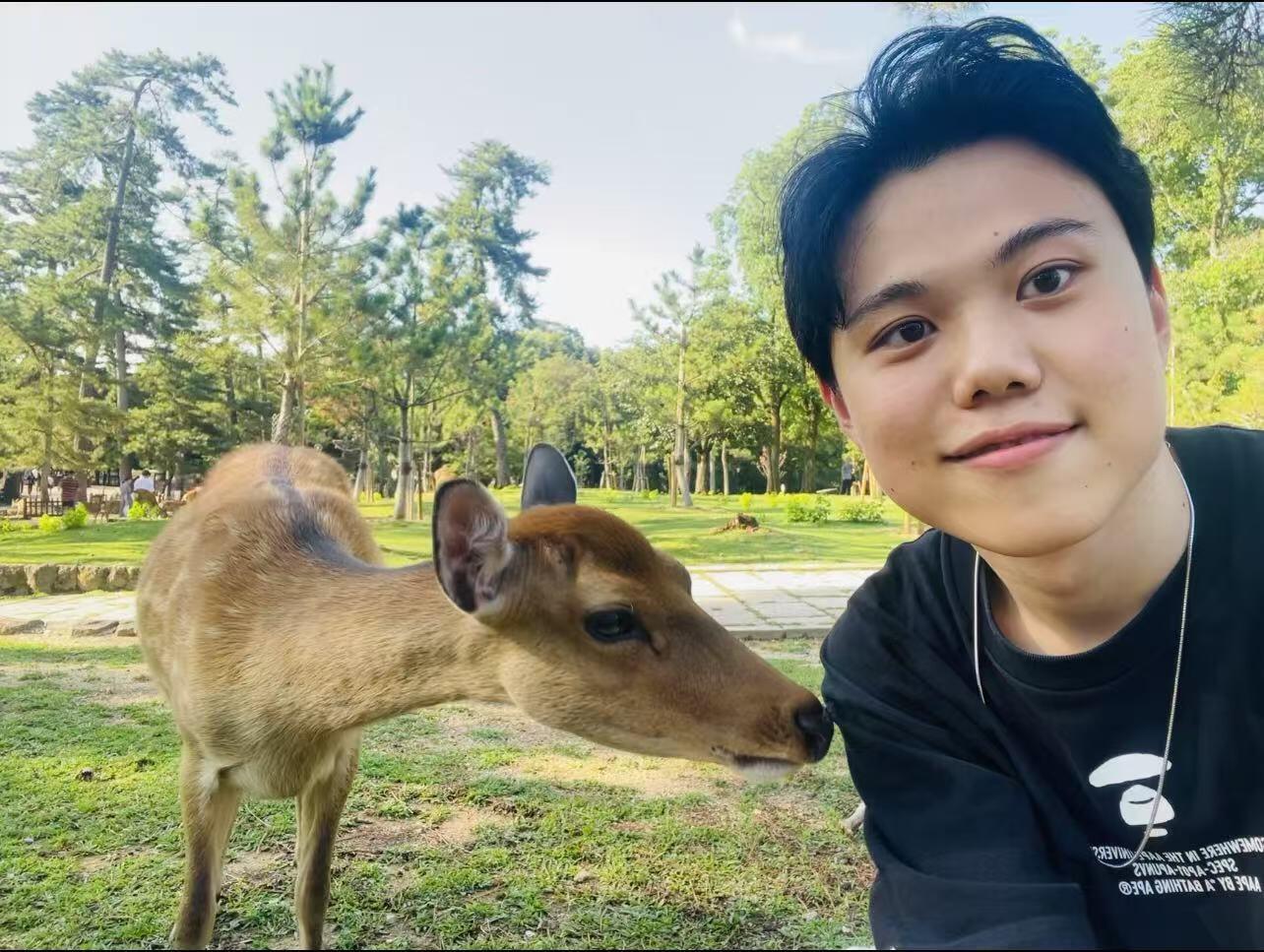
QI SHI
From China
-

MYLES
From USA
-
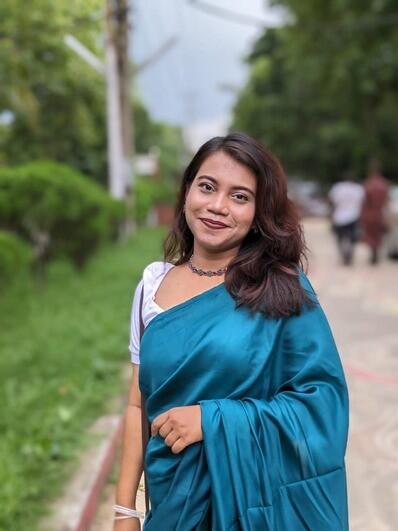
ISRAT JAHAN
From Bangladesh
-
SOTHEARITH ENG
From Cambodia
-
FELIX COOMBER
From UK
-
WAI PHYO THU
From Myanmar
-
SRINITHI ASHOK KRISHNASWAMY
From India
-
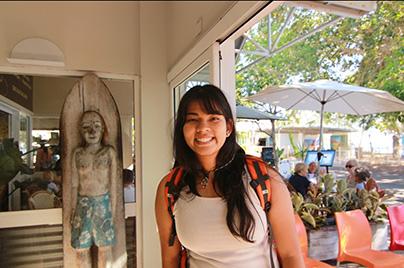
SACHI JOCHI
From Japan/India
-
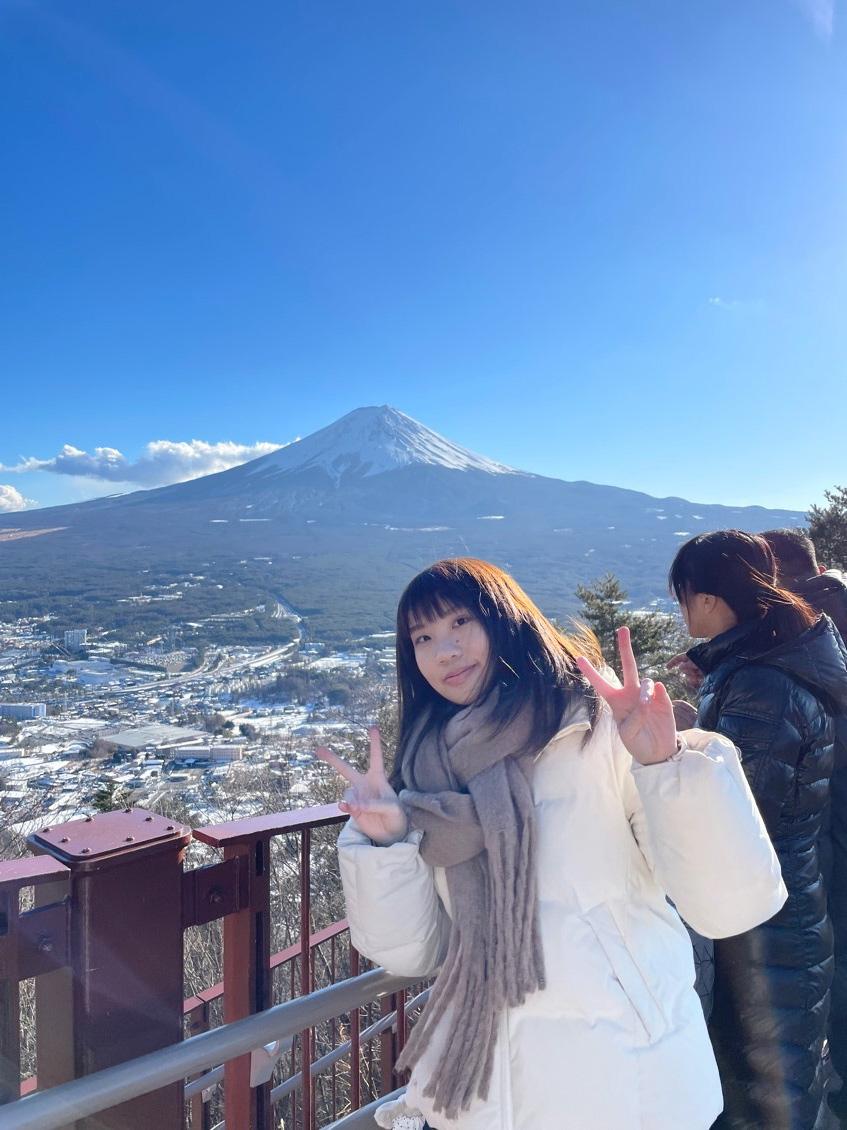
PING HUAN WANG
From Taiwan
-
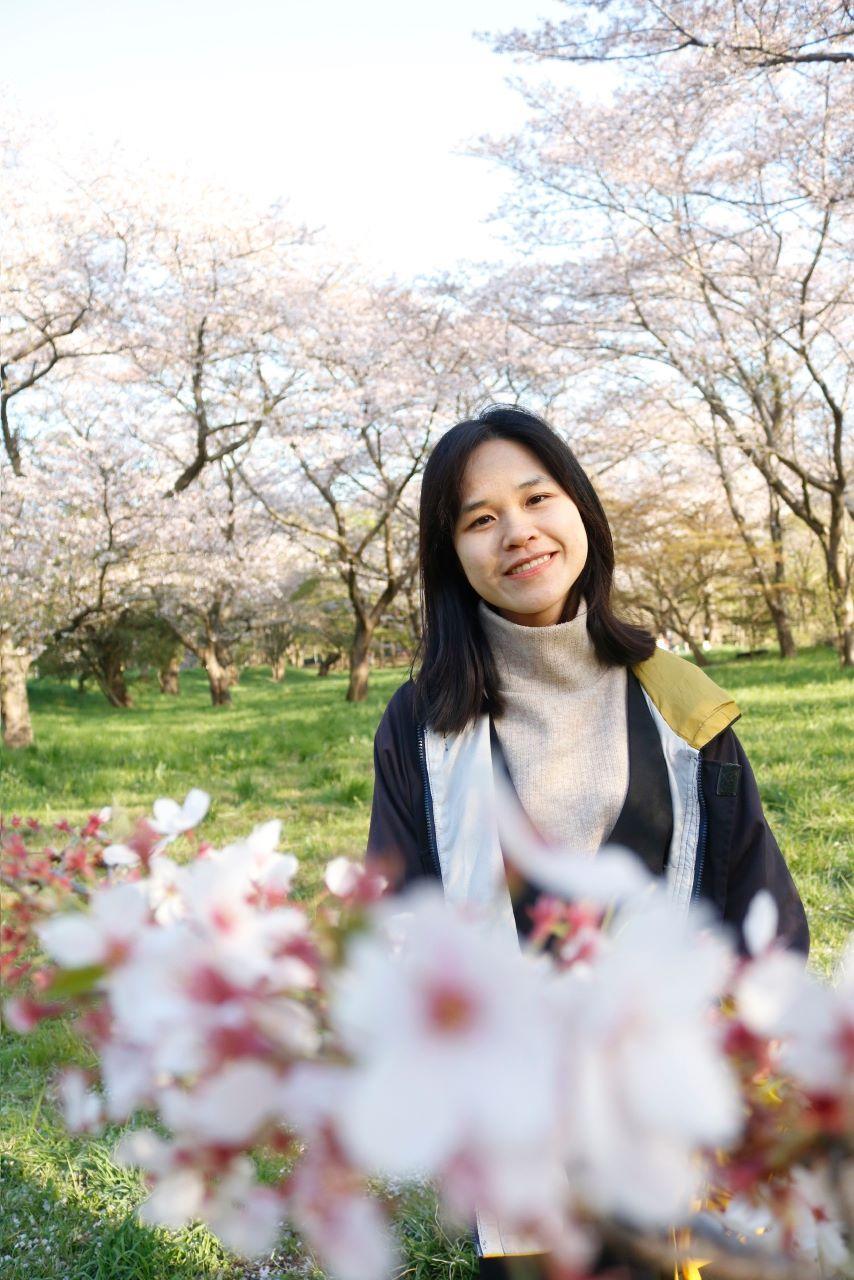
NGHI NGUYEN BAO
From Vietnam
-

GUANGQI AN
From China
-
HELIO NONOSE
From Brazil
-
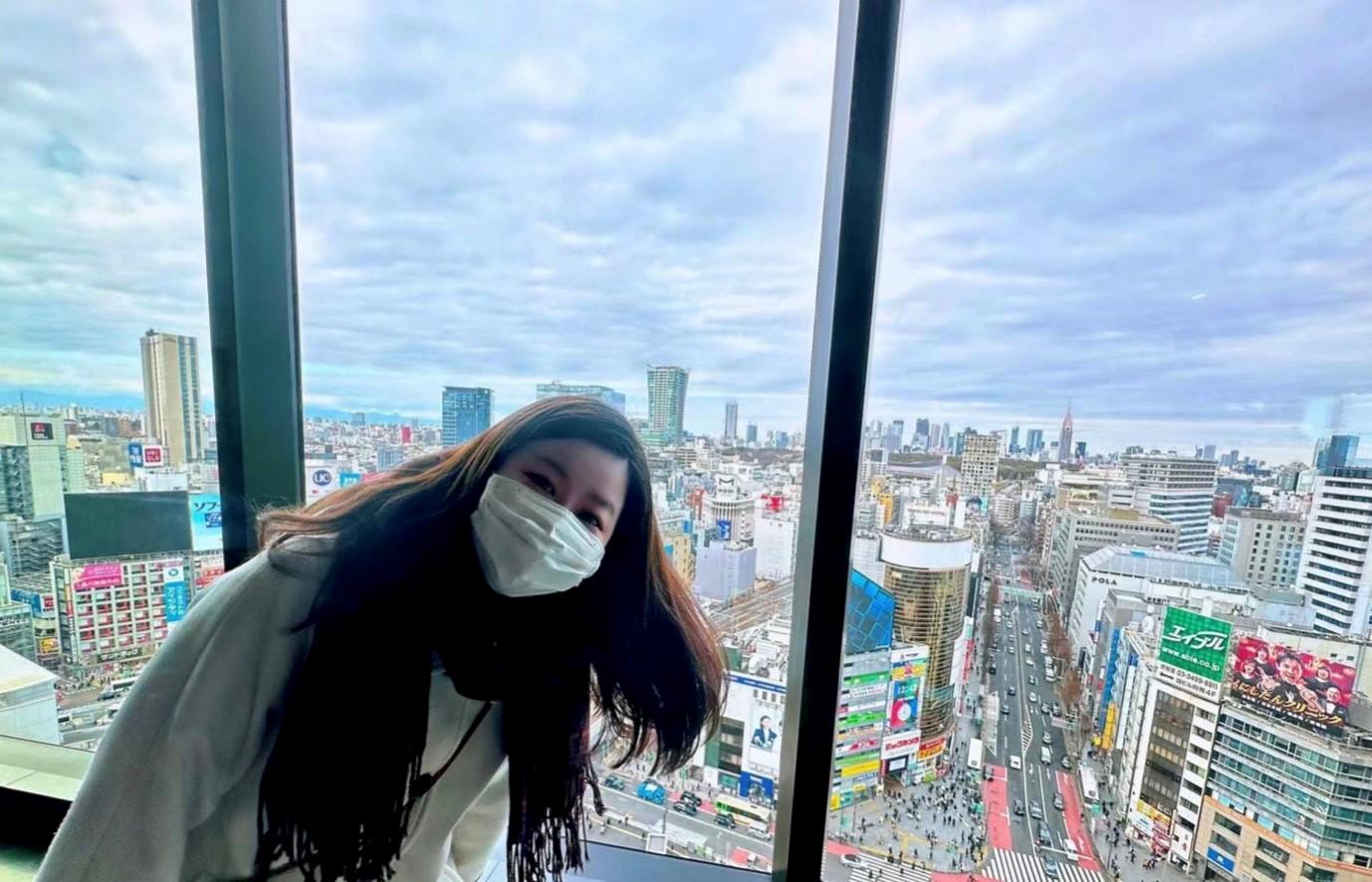
TAO LENG
From China
-
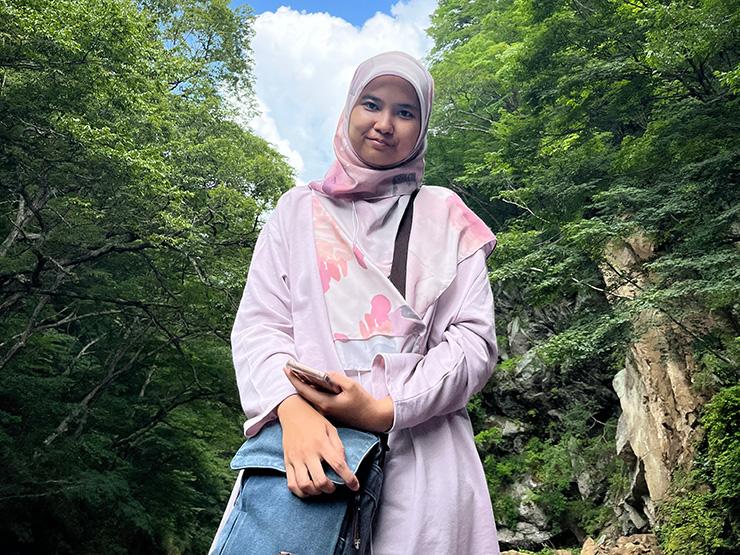
INSYIRAH
From Malaysia
-
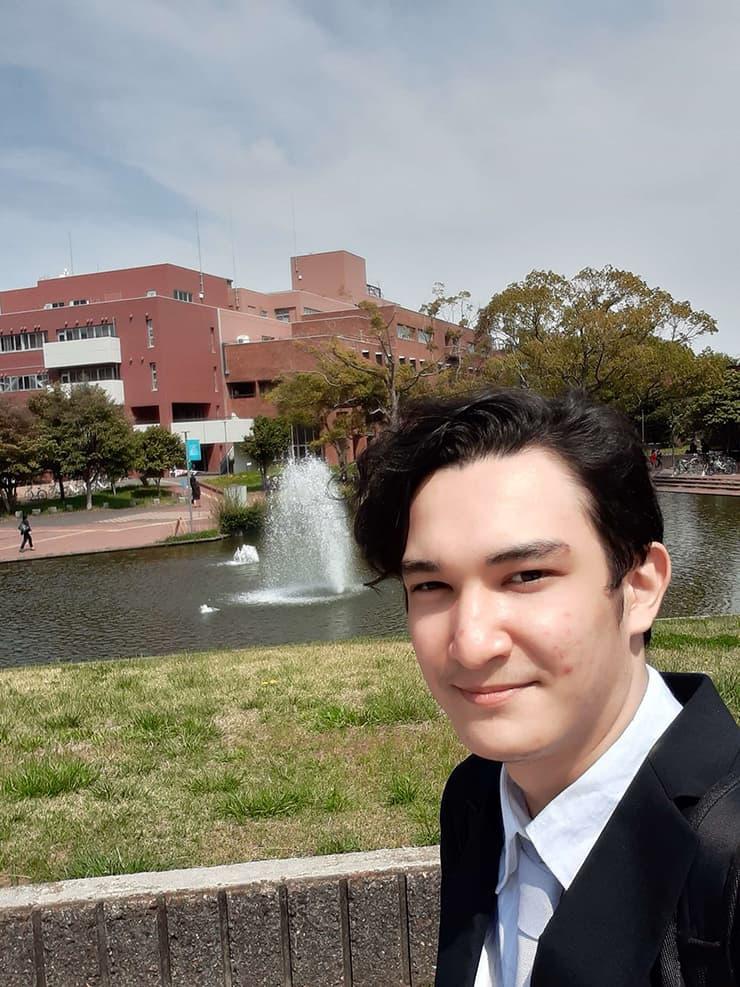
ARAMAKI, CAUE SINGO
From Brazil
-
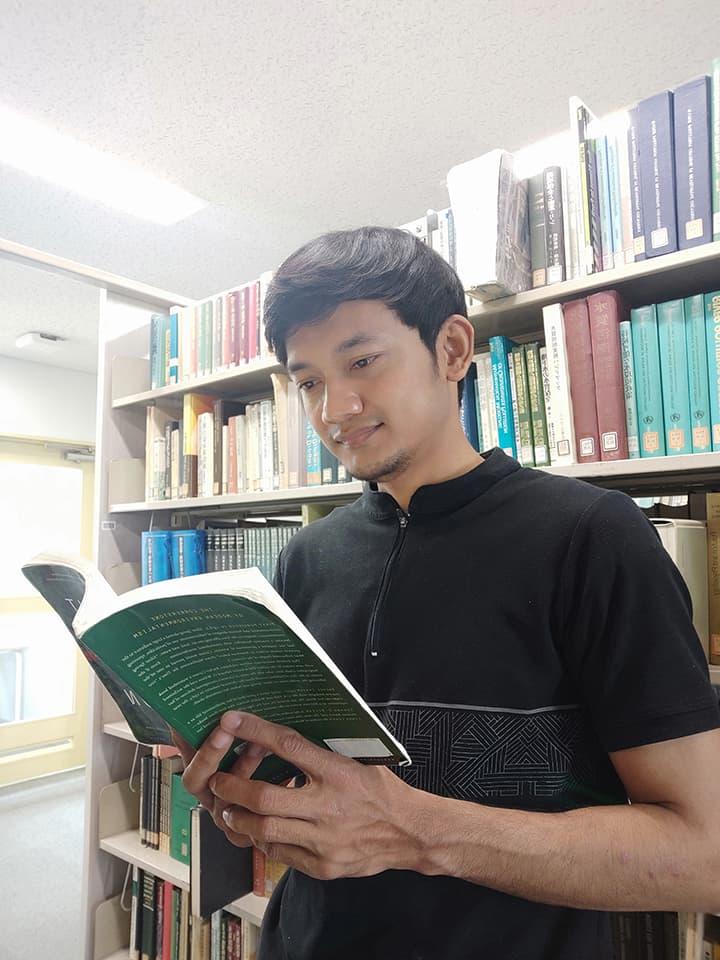
SUHARMAN
From Indonesia
-
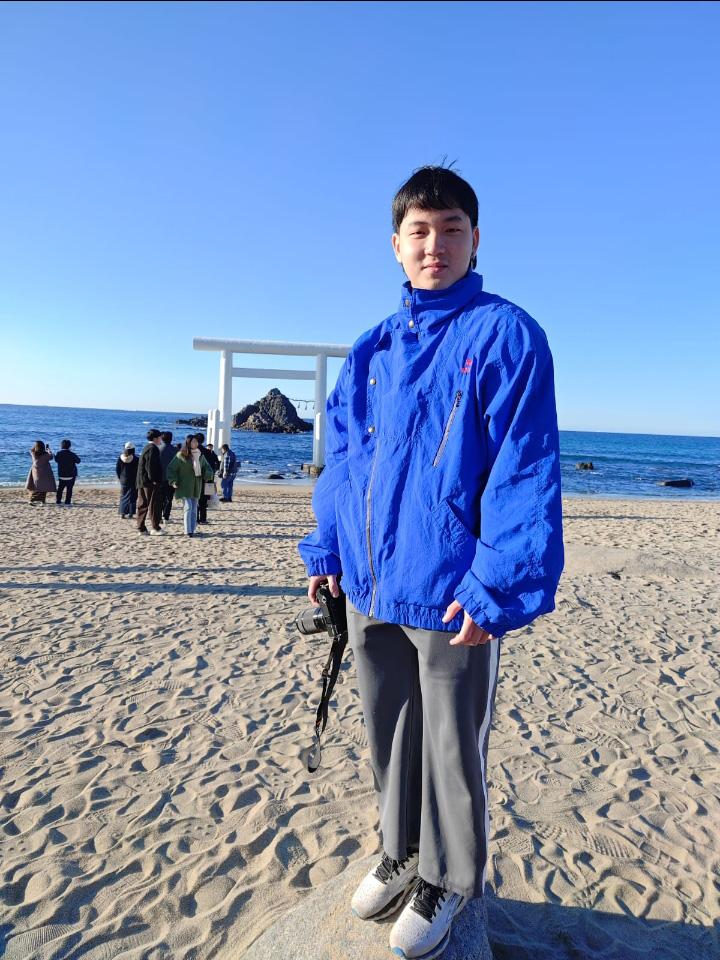
NG RAY SHAN
From Singapore
-
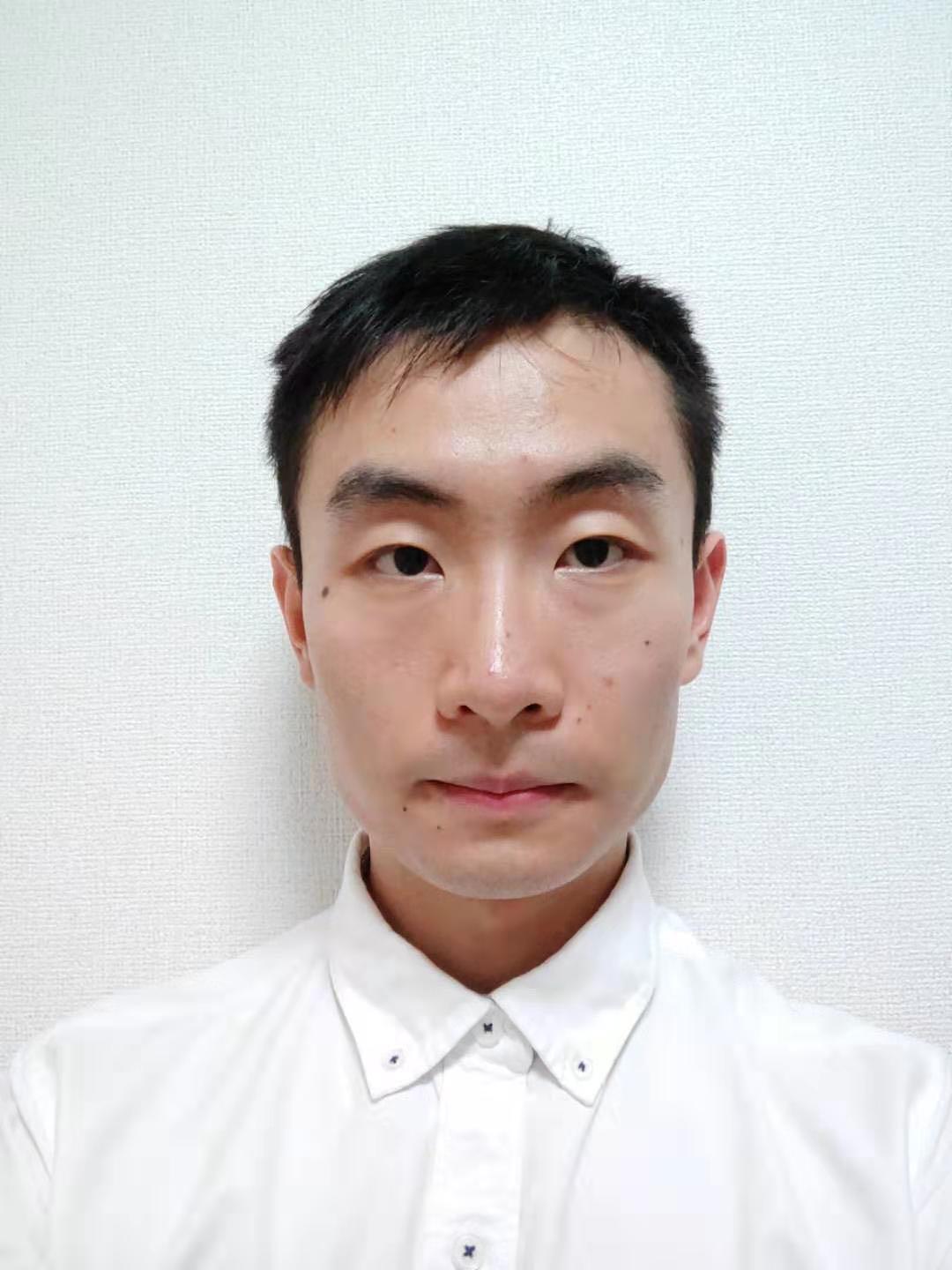
DU XIN
From China
-
YINA SHIN
From Korea
-
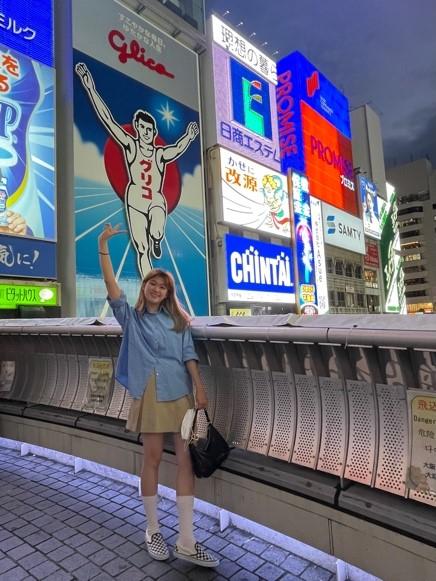
JOOEUN YOON
From Korea
-
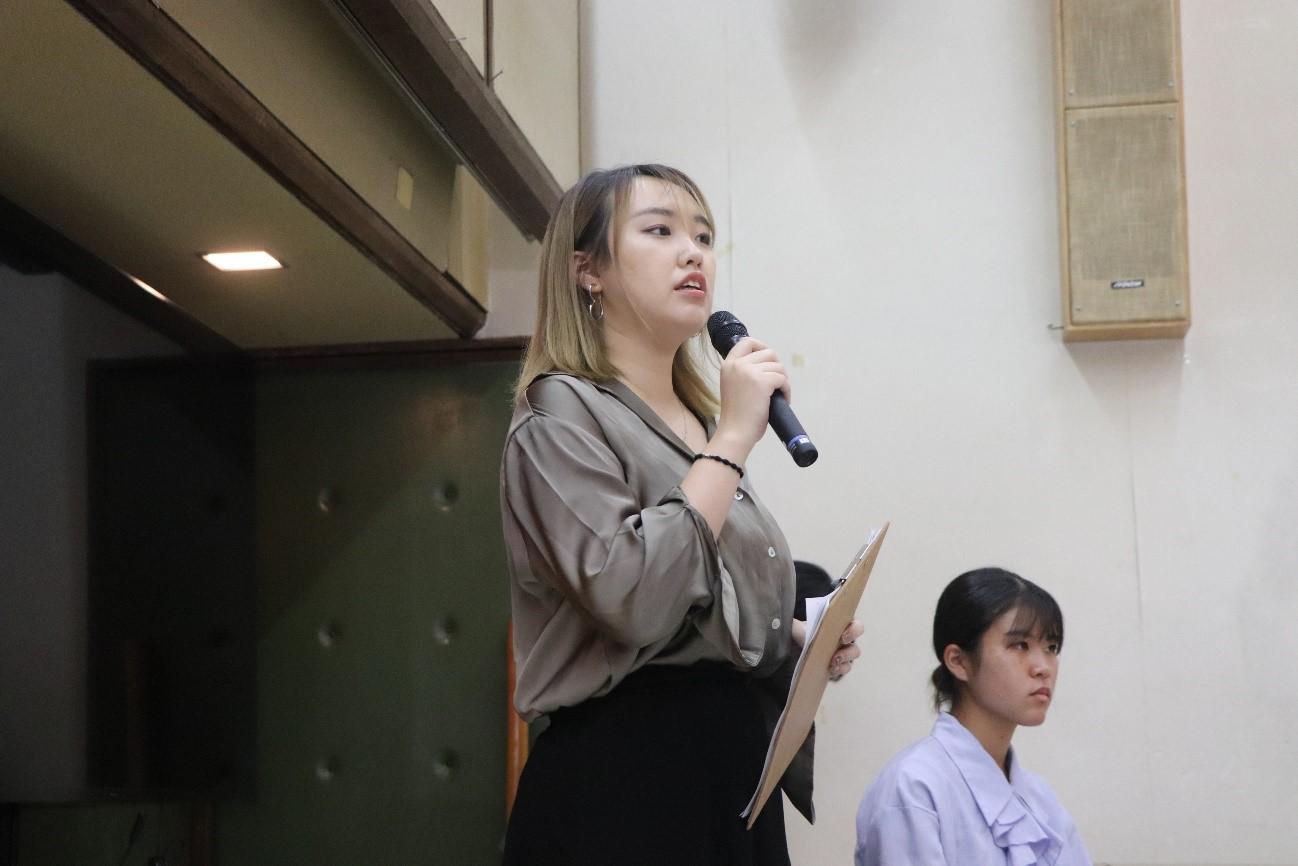
REN YIHAN
From China
-
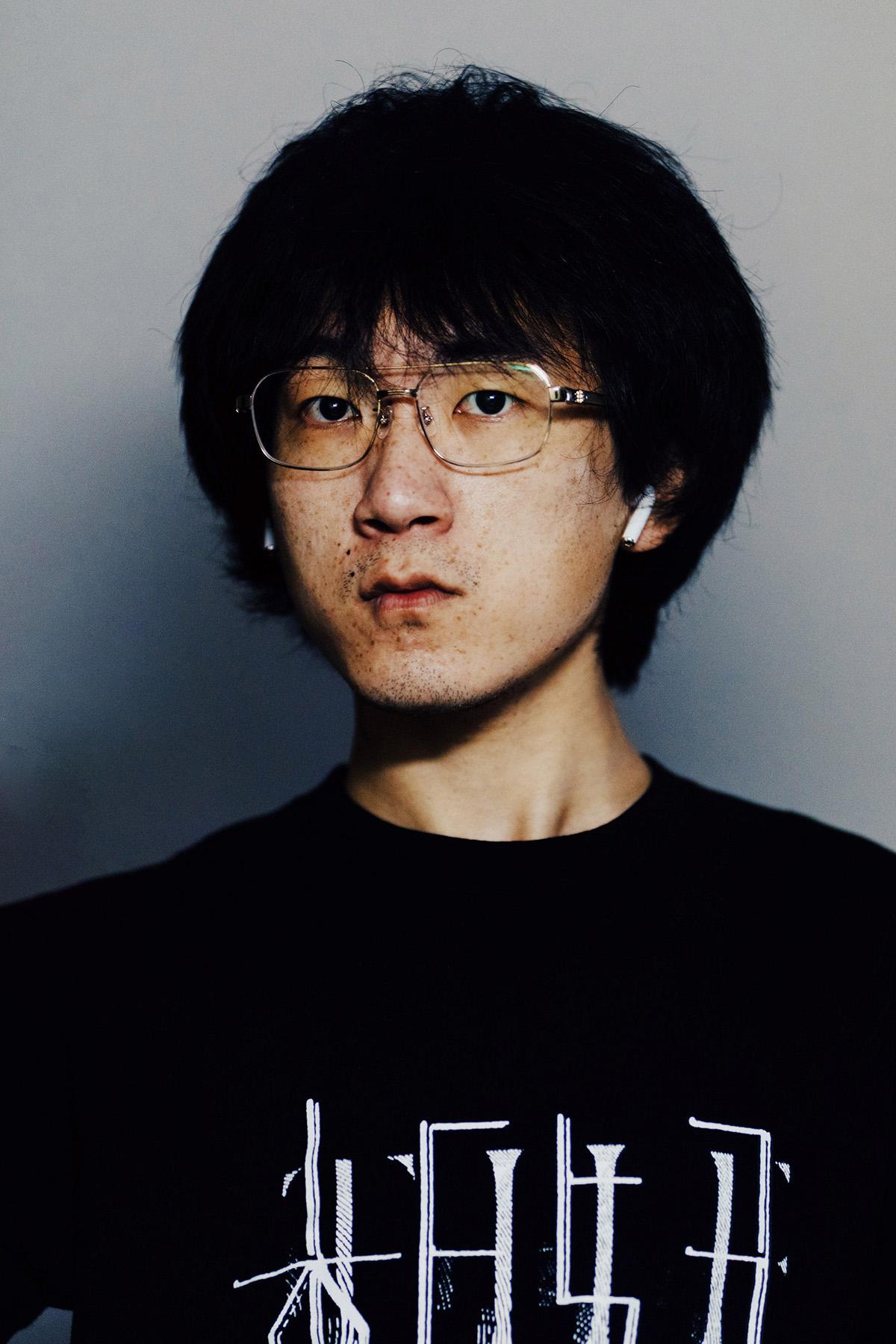
MENG LIYUAN
From China
-

WU BOQIAN
From China
-
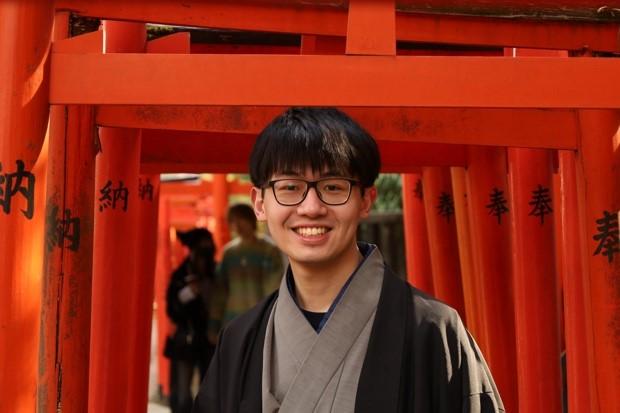
YU, CHENG-HAN
From Taiwan
-
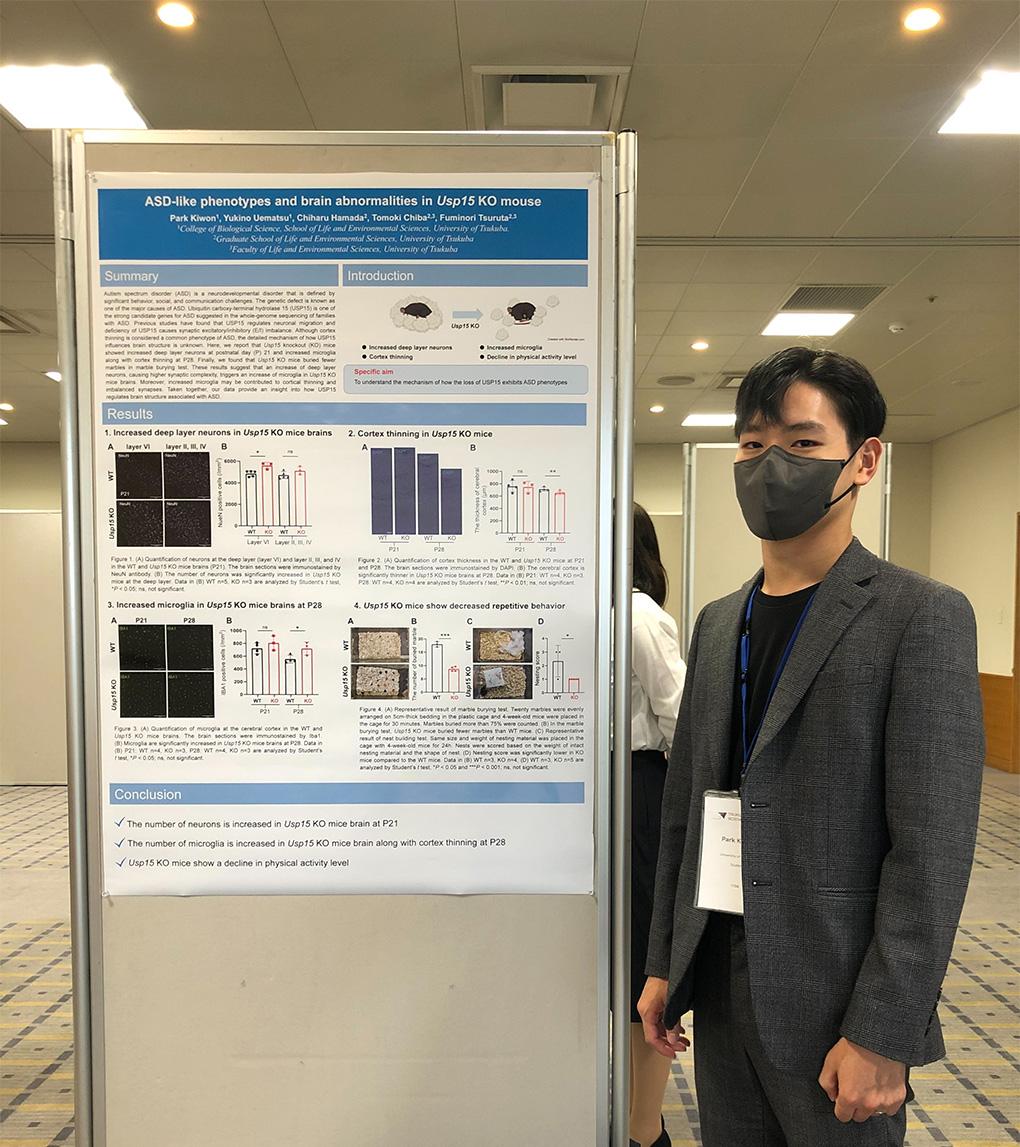
PARK KIWON
From Republic of Korea
-
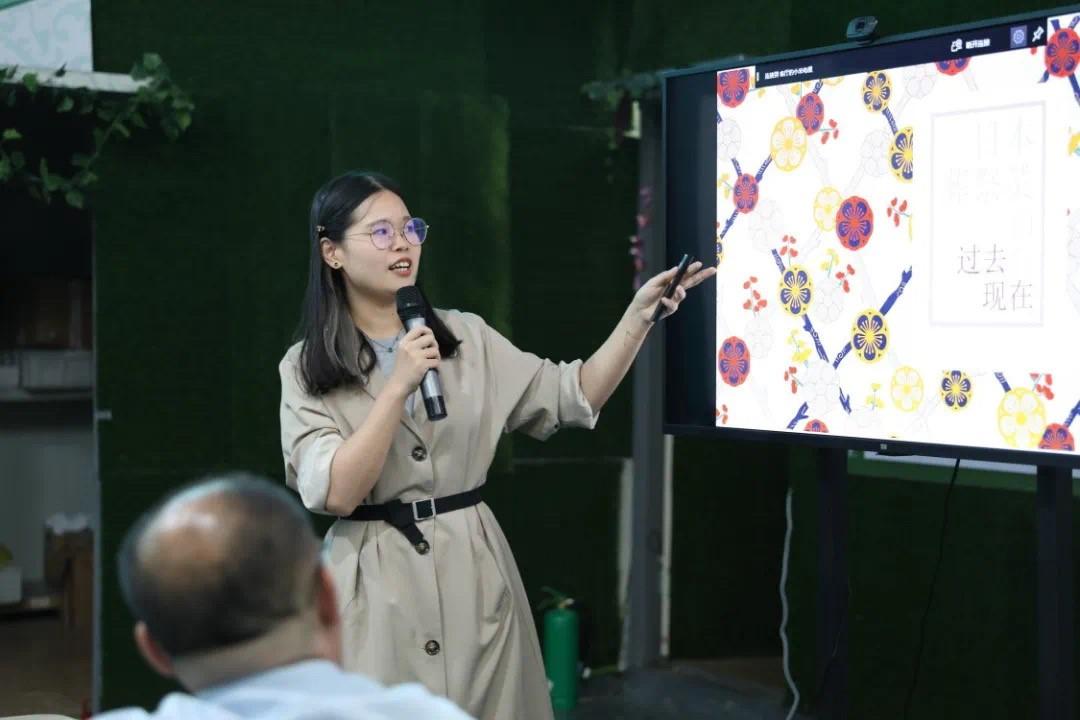
CHEN MIN
From China
-
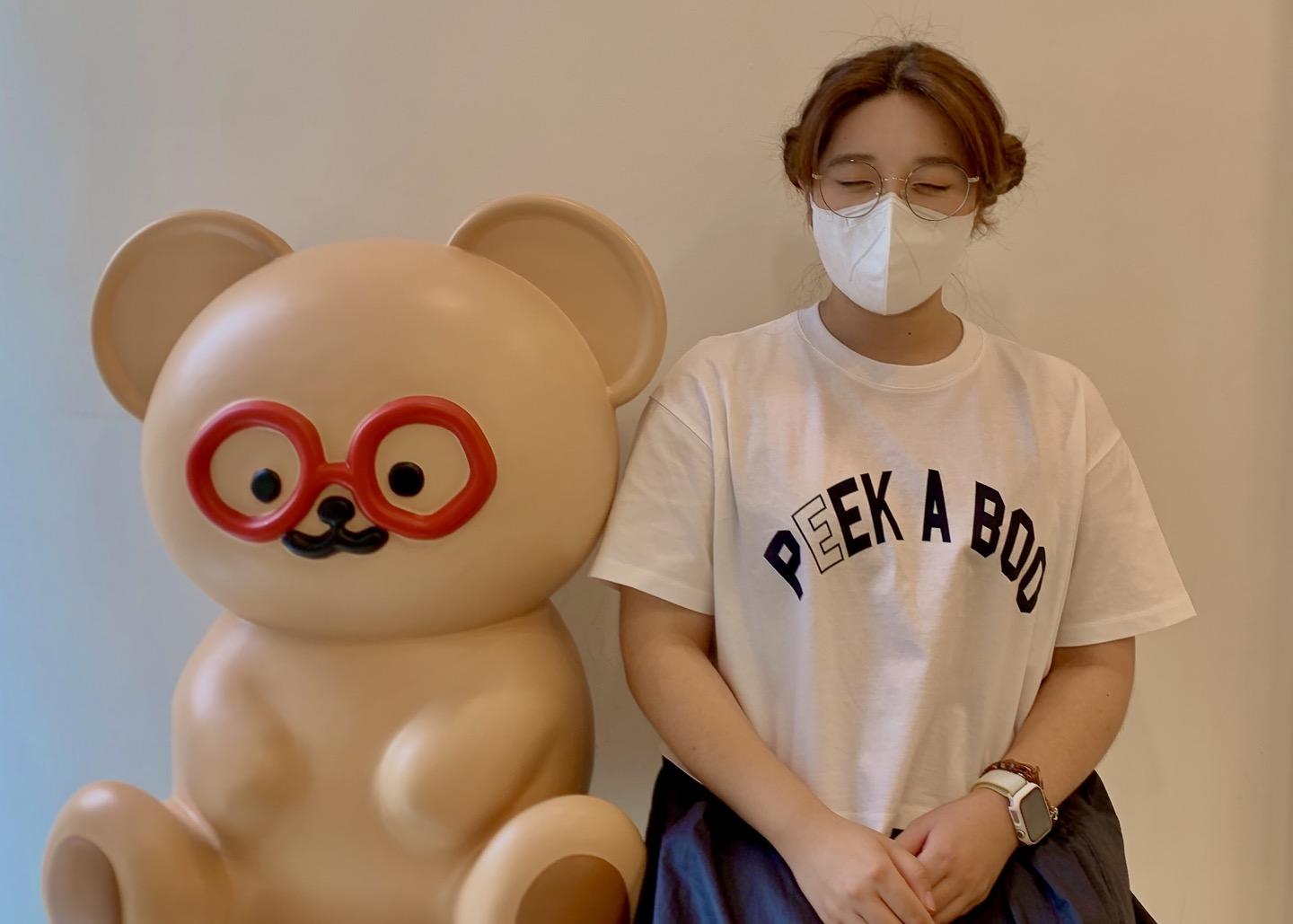
CHAEYEON LEE
From Republic of Korea
-
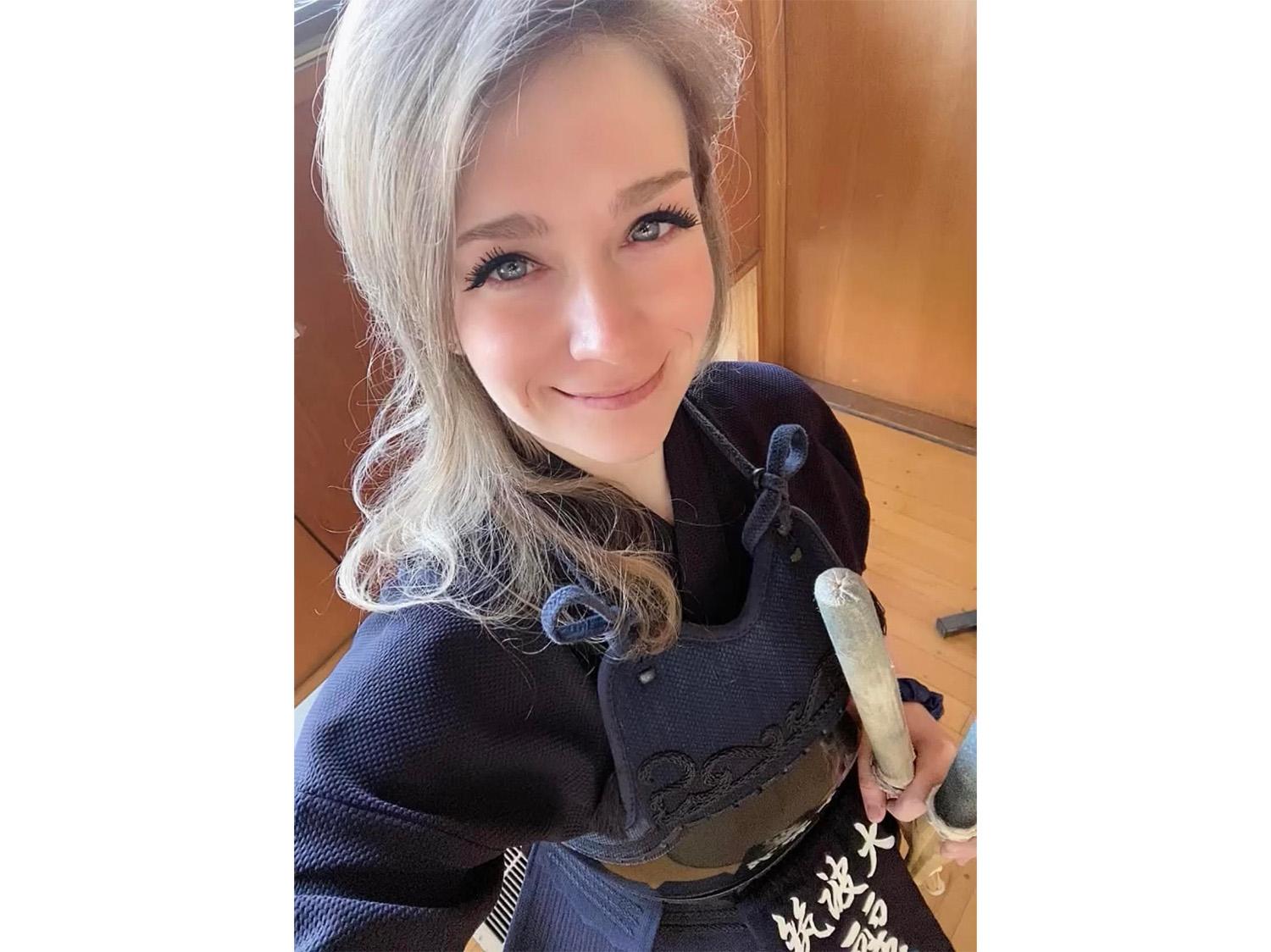
ELIZABETH BERGEN-BARTEL
From USA
-
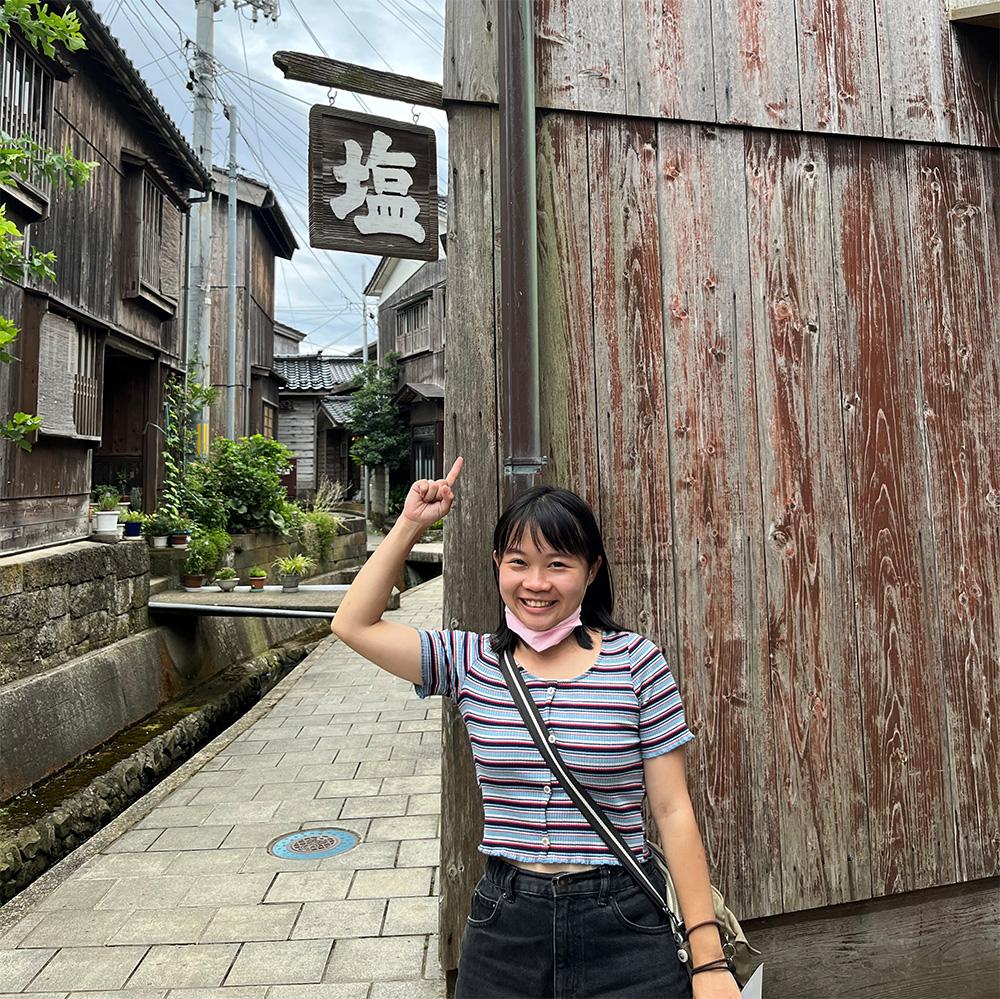
LIAO, HSIN-YEN
From Taiwan
-
PAKORN WANGSUEKUL
From Thailand
-
NGUYEN THUY ANH
From Vietnam
-

LAN CHI
From Vietnam
-
NADIA HASNA KARIMAH
From Indonesia
-
HNIN OO
From Myanmar
-
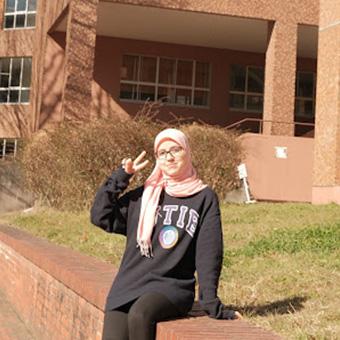
KAWTAR
From Morocco
-
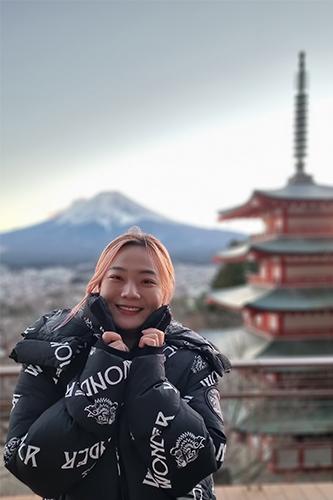
NA
From China
-
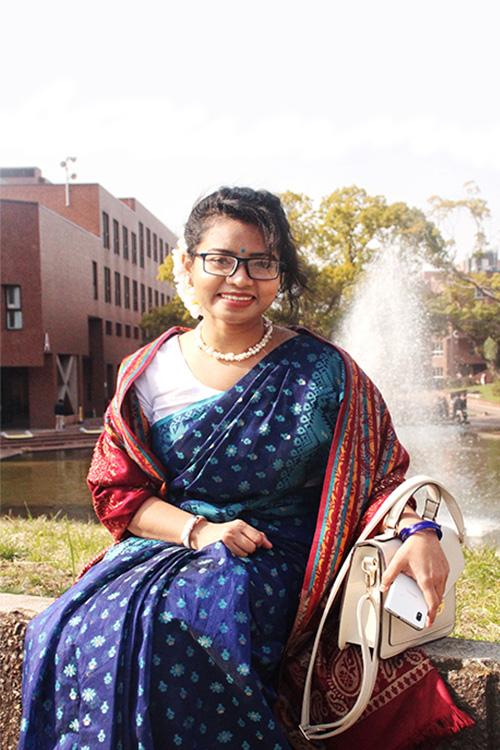
AFSARI
From Bangladesh
-
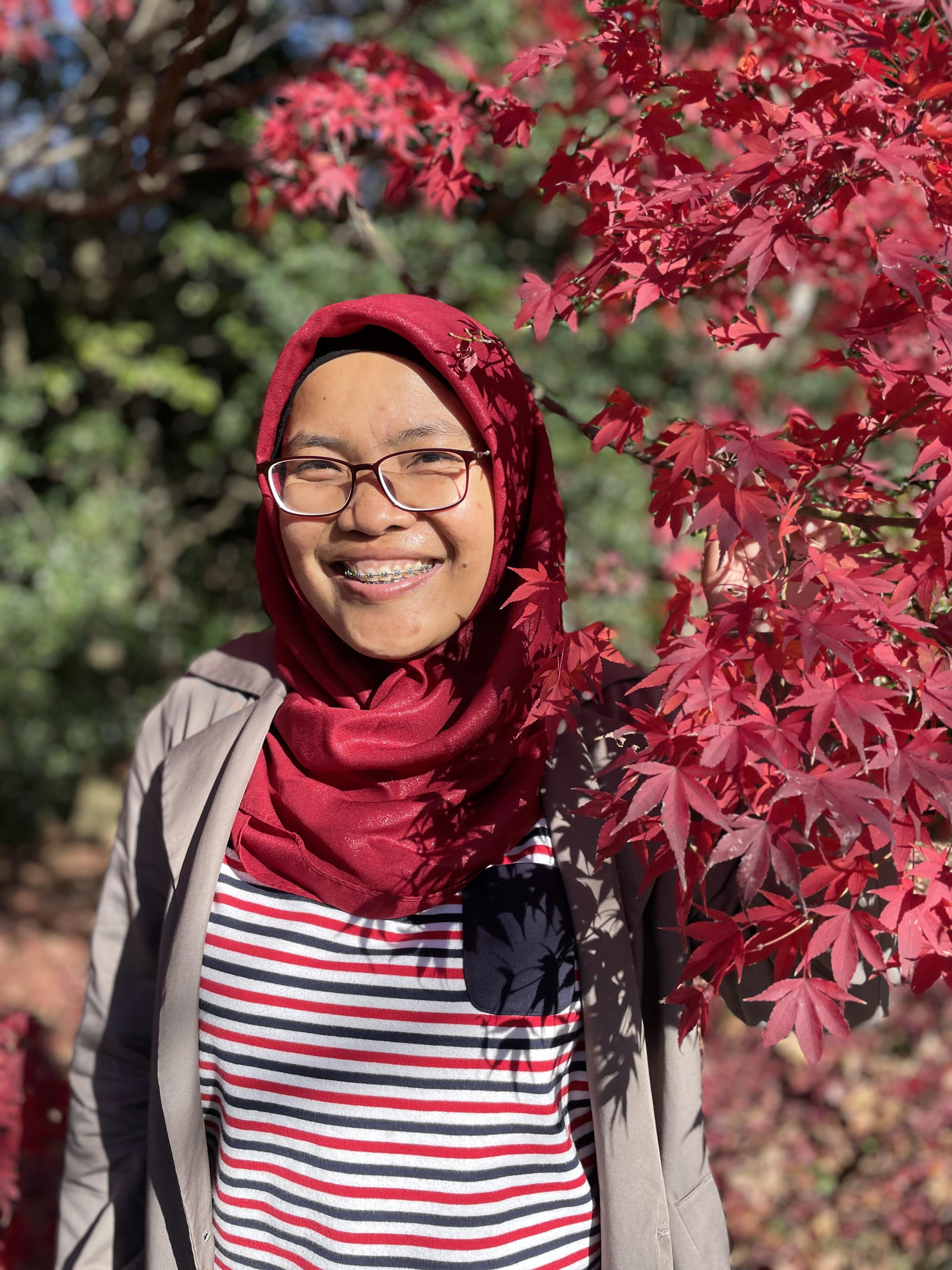
REZA
From Indonesia
-
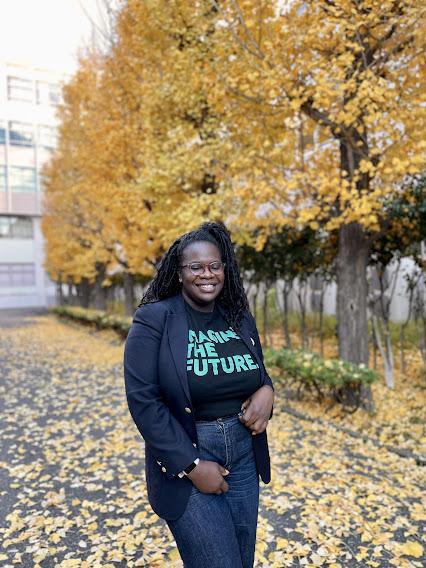
YOLANDA GRAÇA
From Angola
-
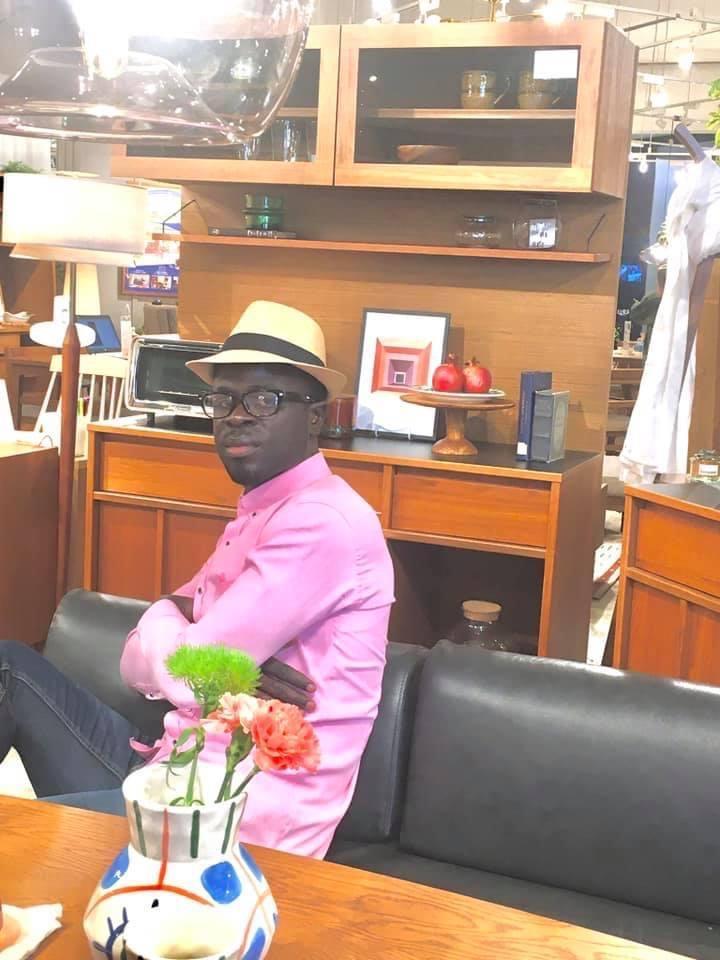
ADOM
From Ghana
-
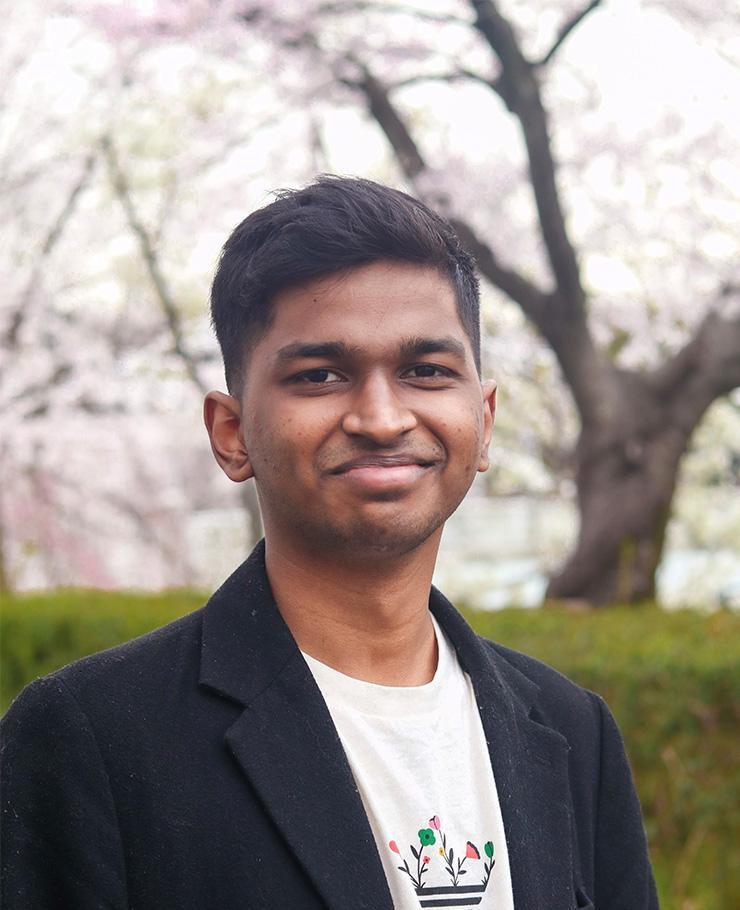
SUDHIR
From India
-
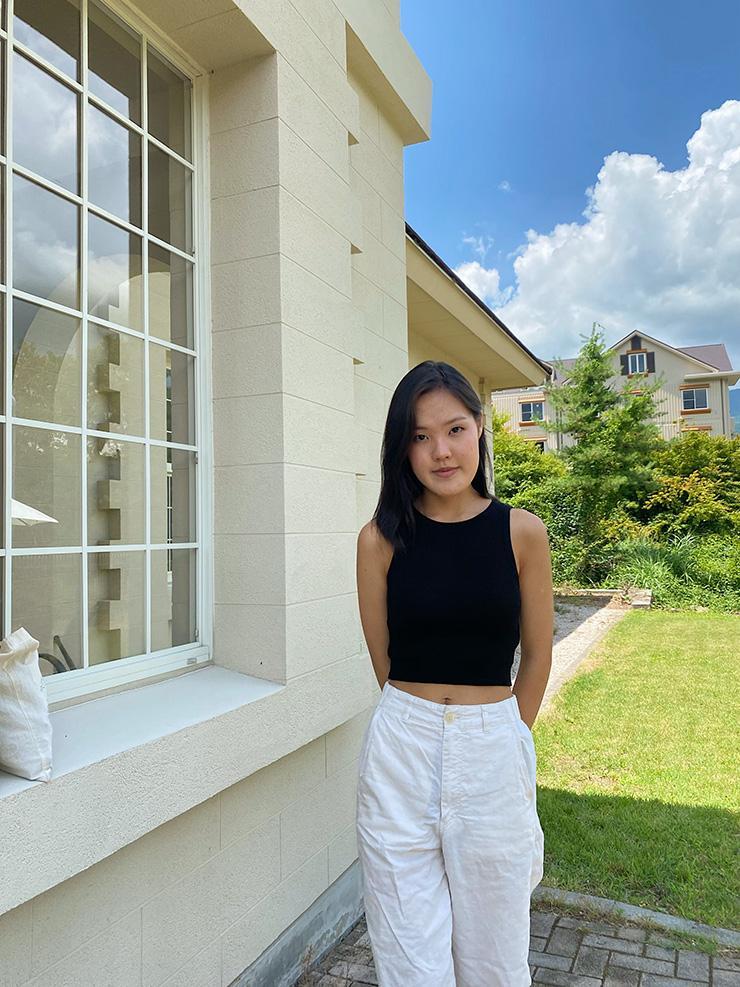
MIKI
From Mongolia/Japan
-
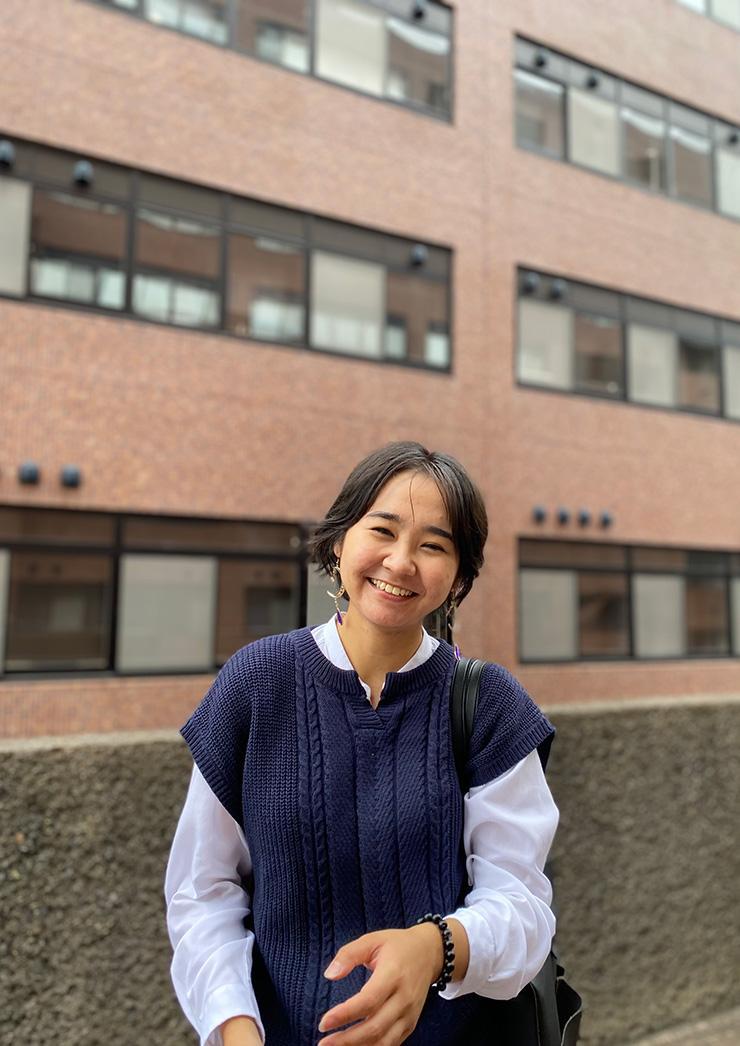
AISANA
From Kazakhstan
-
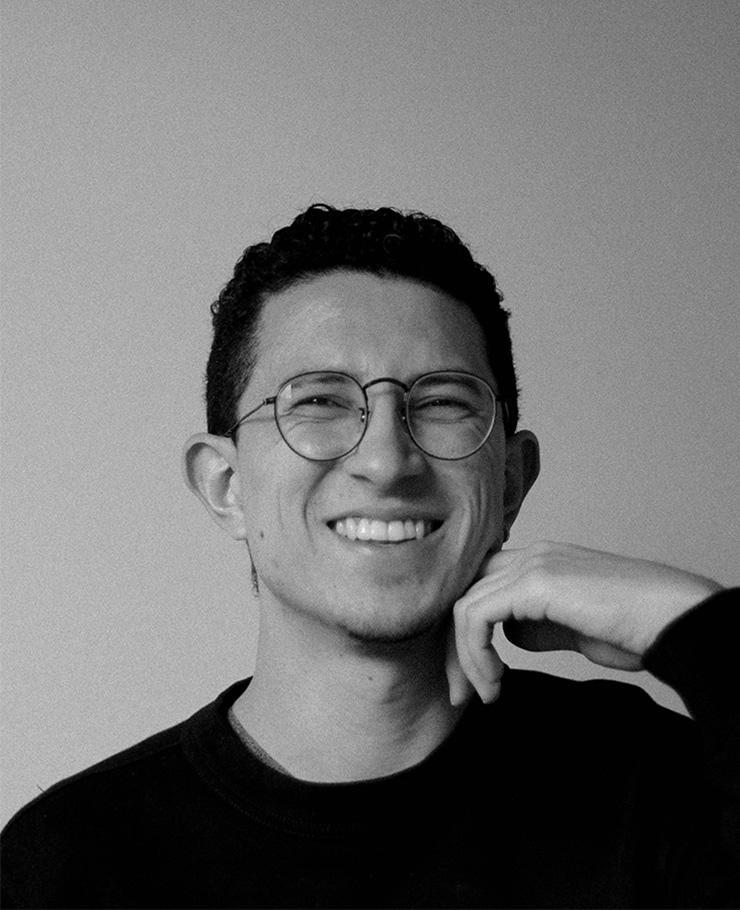
VITHOR SILVA
From Brazil
-
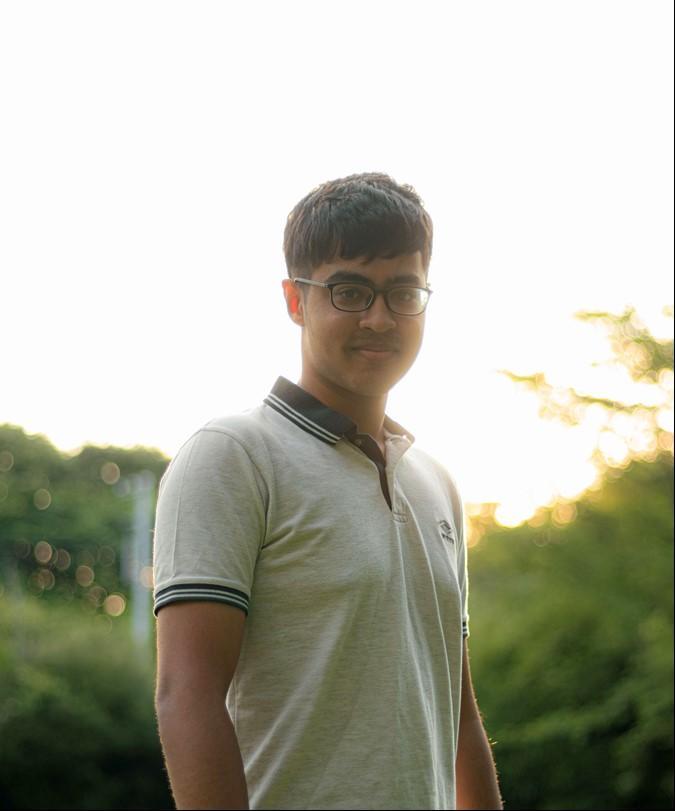
CHINMAY
From India
-
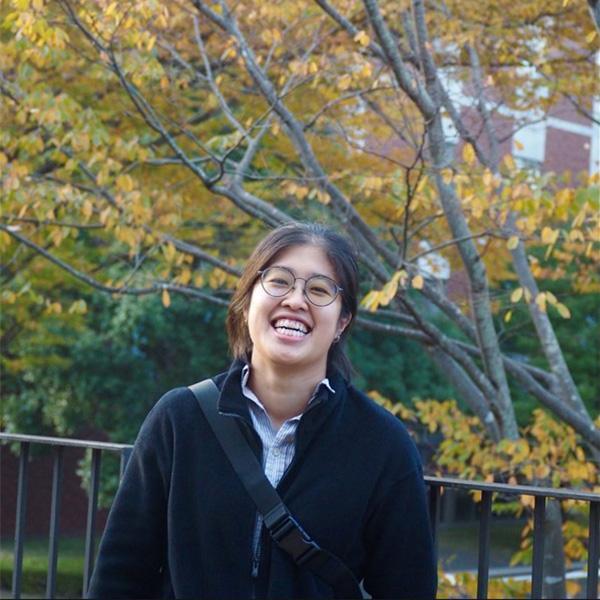
JEE
From Thailand
-
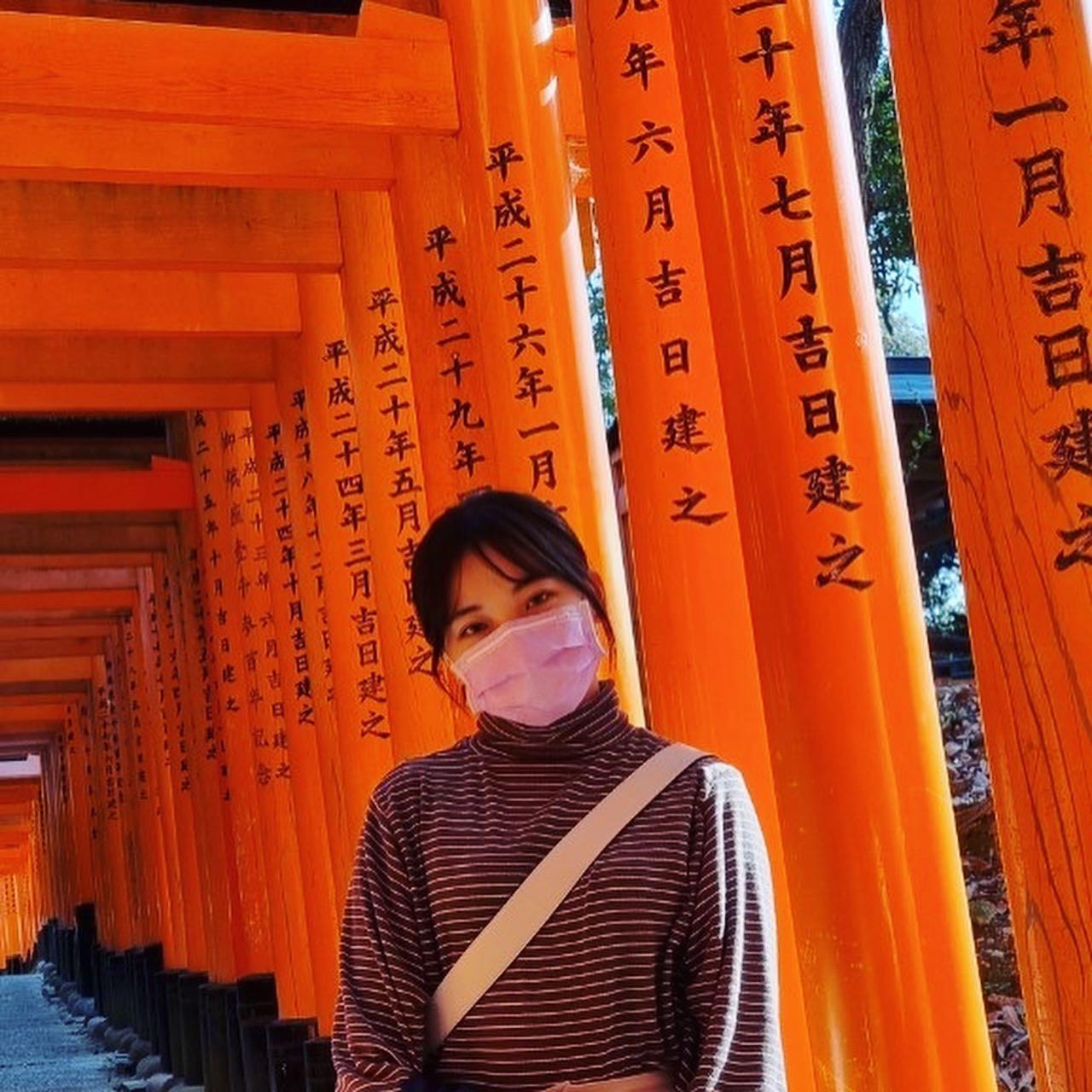
ISLA
From Taiwan
-
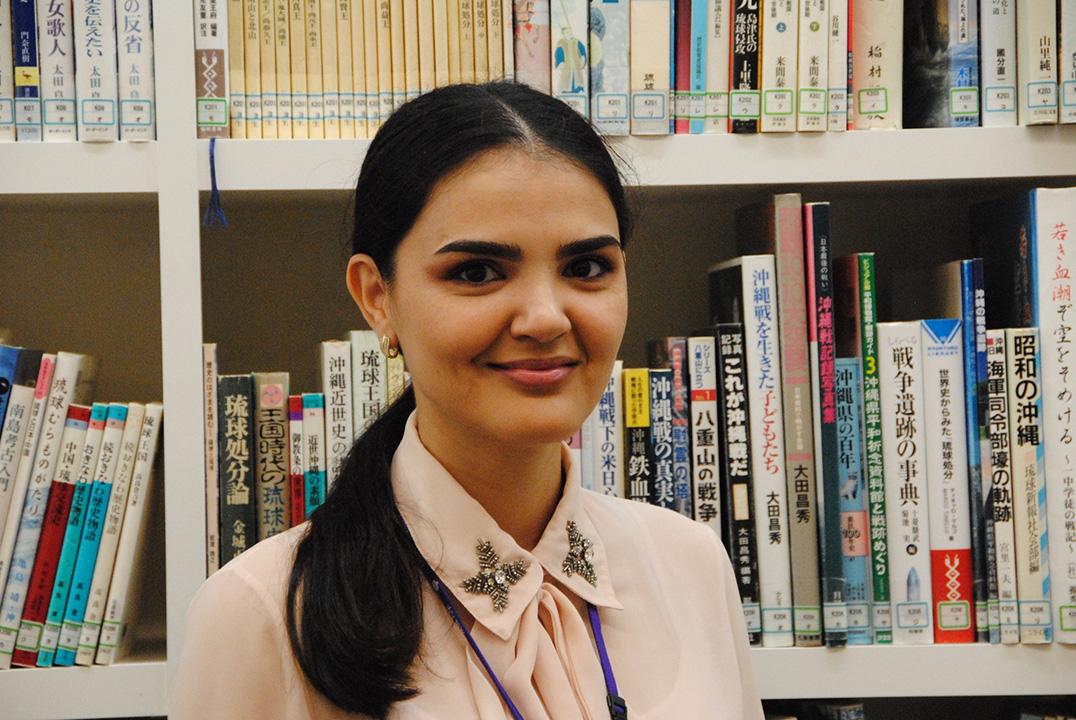
MIVE
From Turkmenistan
-
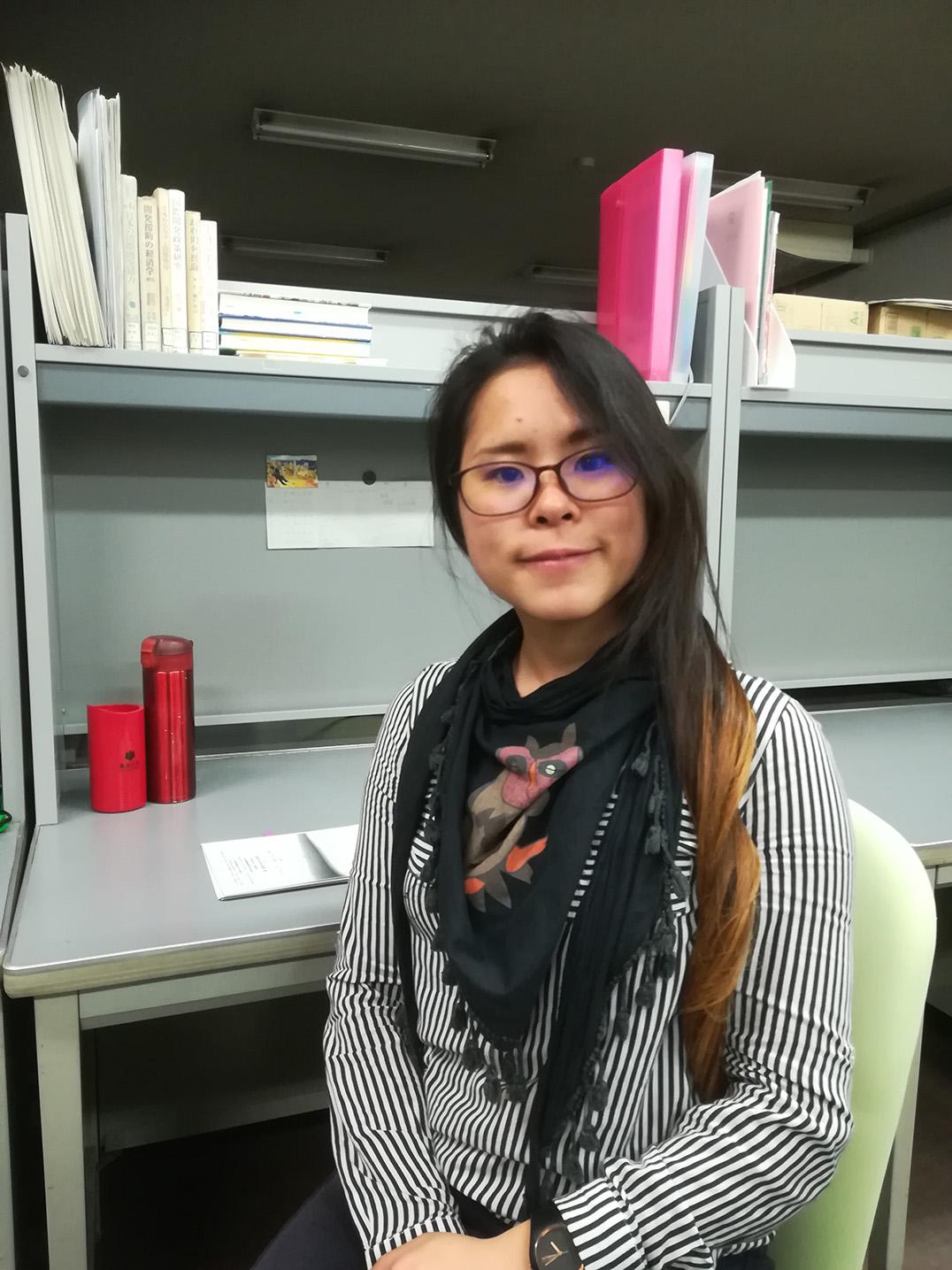
LAURA
From Argentina
-
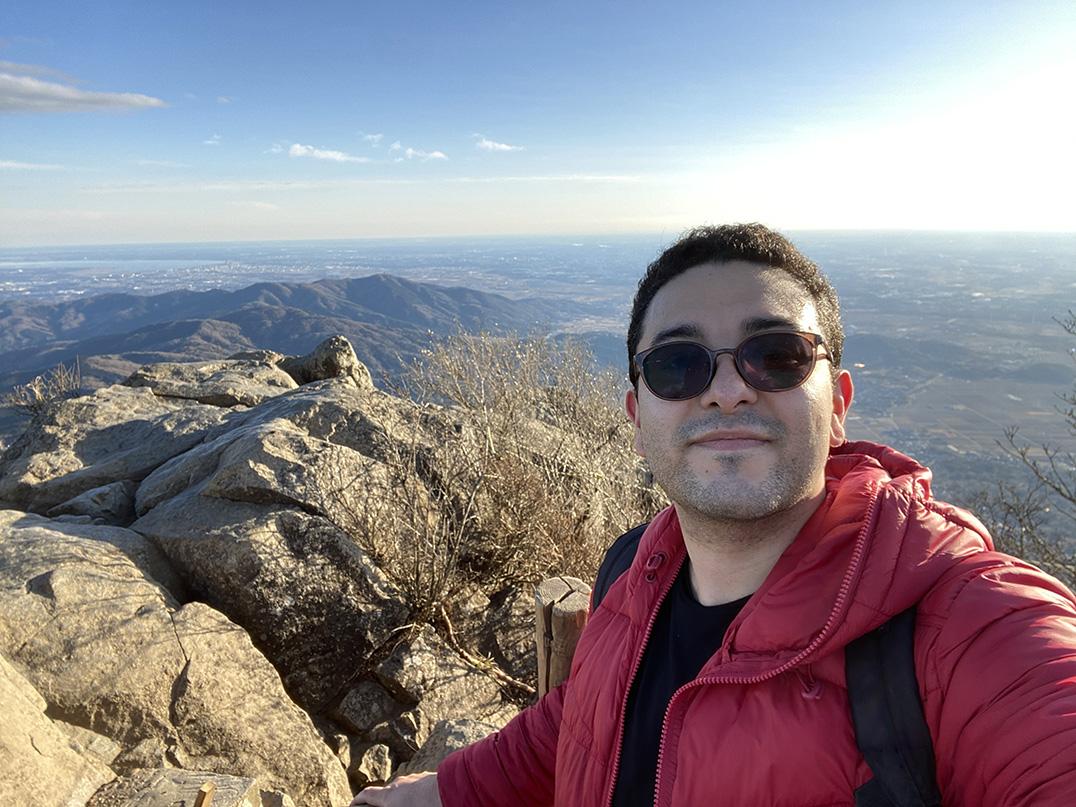
SERGIO
From Colombia
-
LENNY
From India
-
ZHANAR
From Kazakhstan
-
PENG
From Malaysia
-
RAVI
From Nepal
-
SUNITA
From Nepal
-
ATOM
From Thailand