


Voices of International Students
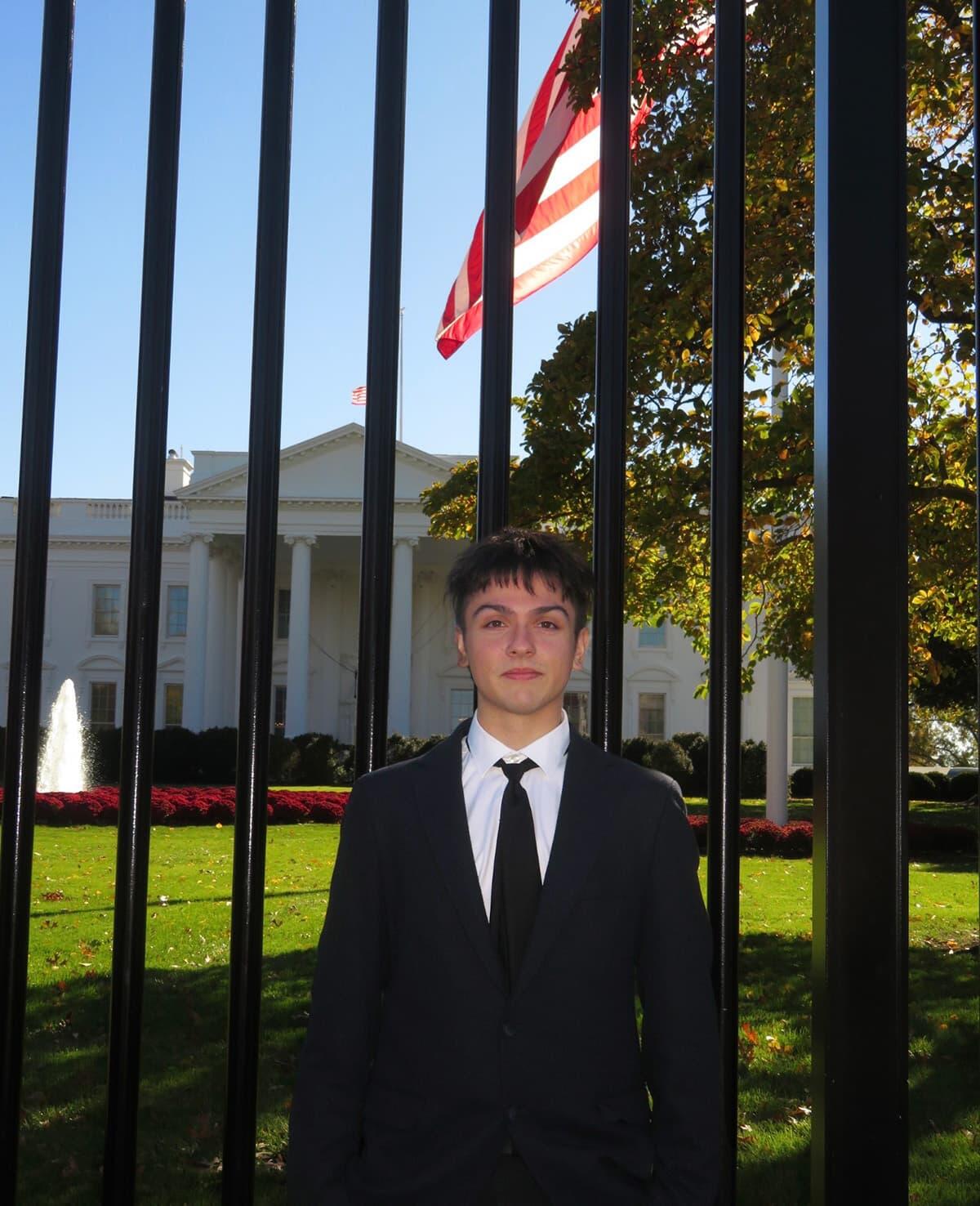
ALEXANDRU GOIA CRISTIAN
School of Social and International Studies
From Romania
What sparked your interest in this university?
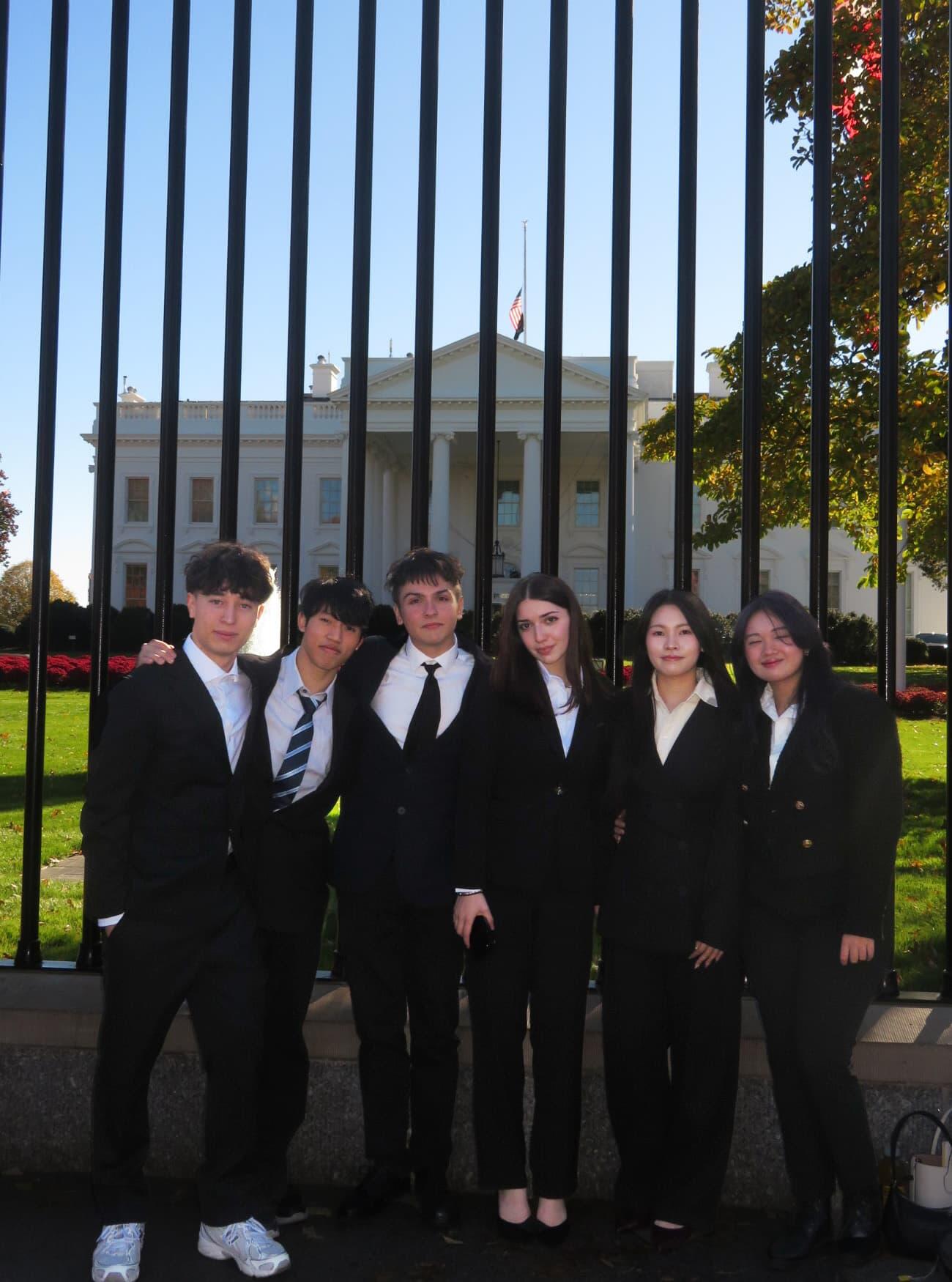
The University of Tsukuba's interdisciplinary English Programs, together with its bilingual curriculum, are the main factors that convinced me to apply. I had already been studying Japanese for about four years when I came across the University of Tsukuba, so I thought that coming to Japan, I could improve my language abilities while studying international relations and public policy. The social sciences English program offers a comprehensive curriculum that allows students to explore other academic fields, offering an interdisciplinary approach to learning. This further fueled my curiosity, making me want to understand more about how different disciplines interact. The University of Tsukuba felt like a place where I could combine all my interests.
What aspects of Japanese culture or customs surprised you? How did you adapt to these differences?
Since I had been studying Japanese for several years before coming to Japan, I cannot say that I experienced major culture shocks. However, the attention paid to small details in everyday interactions was something I could not fully experience until I started living in Japan. For example, I was surprised by the use of polite language in formal settings and the kouhai-senpai relationship.
Having to use formal language with people who were one or two years older than me felt quite strange. However, after interacting with more Japanese people, I came to understand that it is a form of respect and appreciation for the differences in life experience. Learning to understand these relationships made me more considerate about the people around me.
What do you enjoy about Tsukuba?
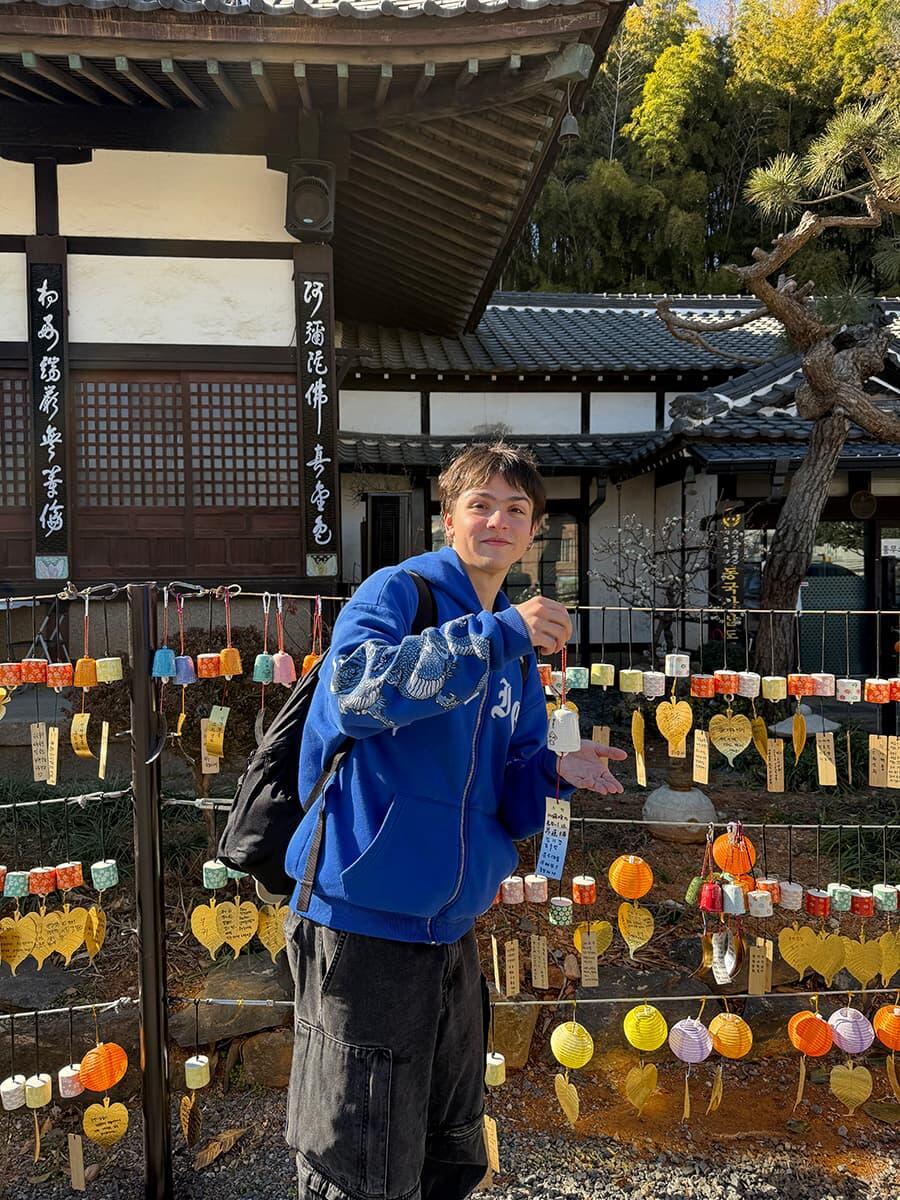
I believe that the thing I enjoy most about Tsukuba is its slow-paced lifestyle. The Tsukuba region is a place where you can "do your own thing" in the rhythm that suits you the most. It offers the best environment for people to balance their academic life with entertainment and recreational activities. Whenever I find myself overwhelmed by classwork or research, I take long walks in the nearby parks, explore the city by bicycle, or go out with my friends. After coming to the University of Tsukuba, I started playing volleyball in a circle and a club. I think that seeing people around me so active motivated me to engage in a sport I had always liked.
What do you hope to achieve during your time here?
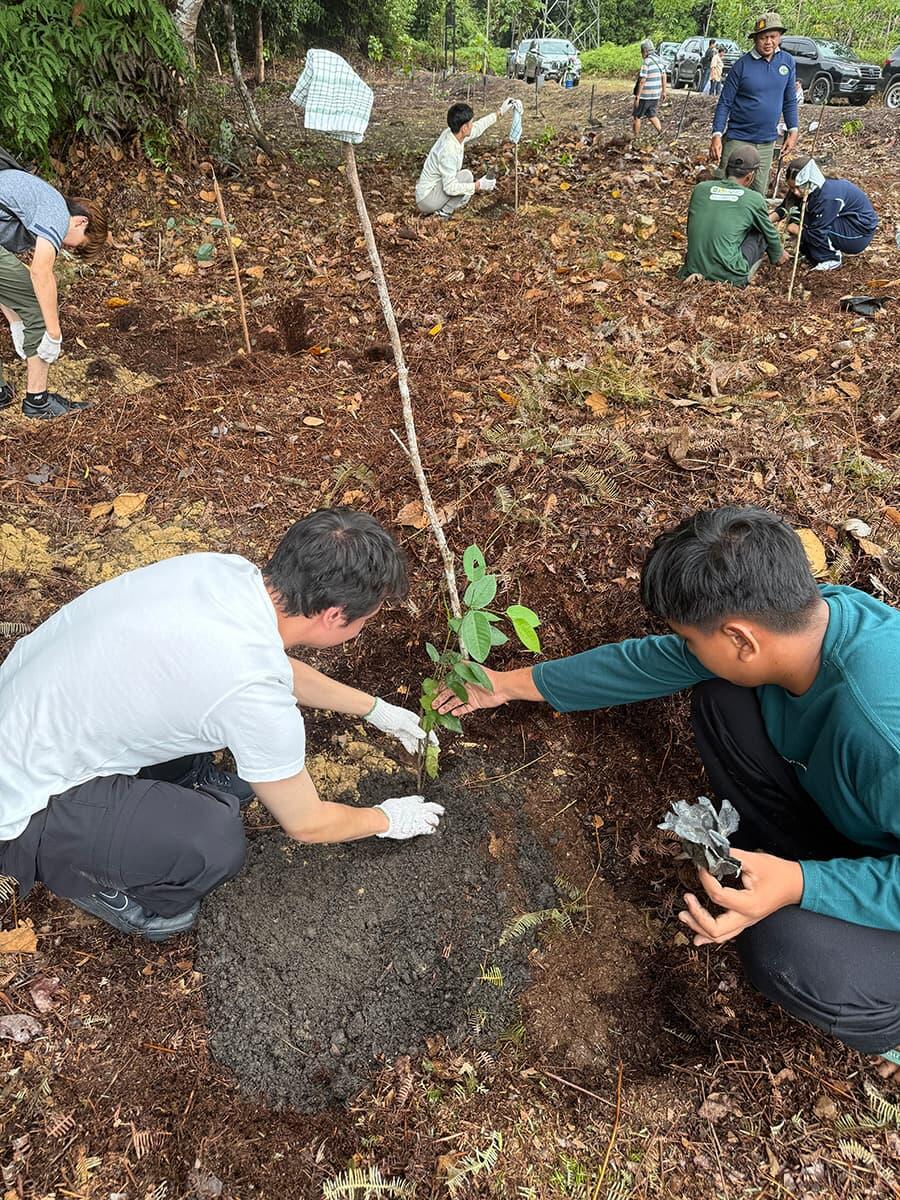
During my time at the University of Tsukuba, I want to deepen my knowledge of environmental issues while improving my Japanese and English communication skills. Through my studies and extracurricular activities, I want to gain more experience to contribute to a more sustainable future. I would like to engage more in multicultural training abroad, where I can learn more about different cultures.
I hope to strengthen connections between Japan and the international community by sharing my perspectives in discussions on environmental policy and sustainability. Moreover, I want to make the most of my time at Tsukuba by engaging in many activities with the community.
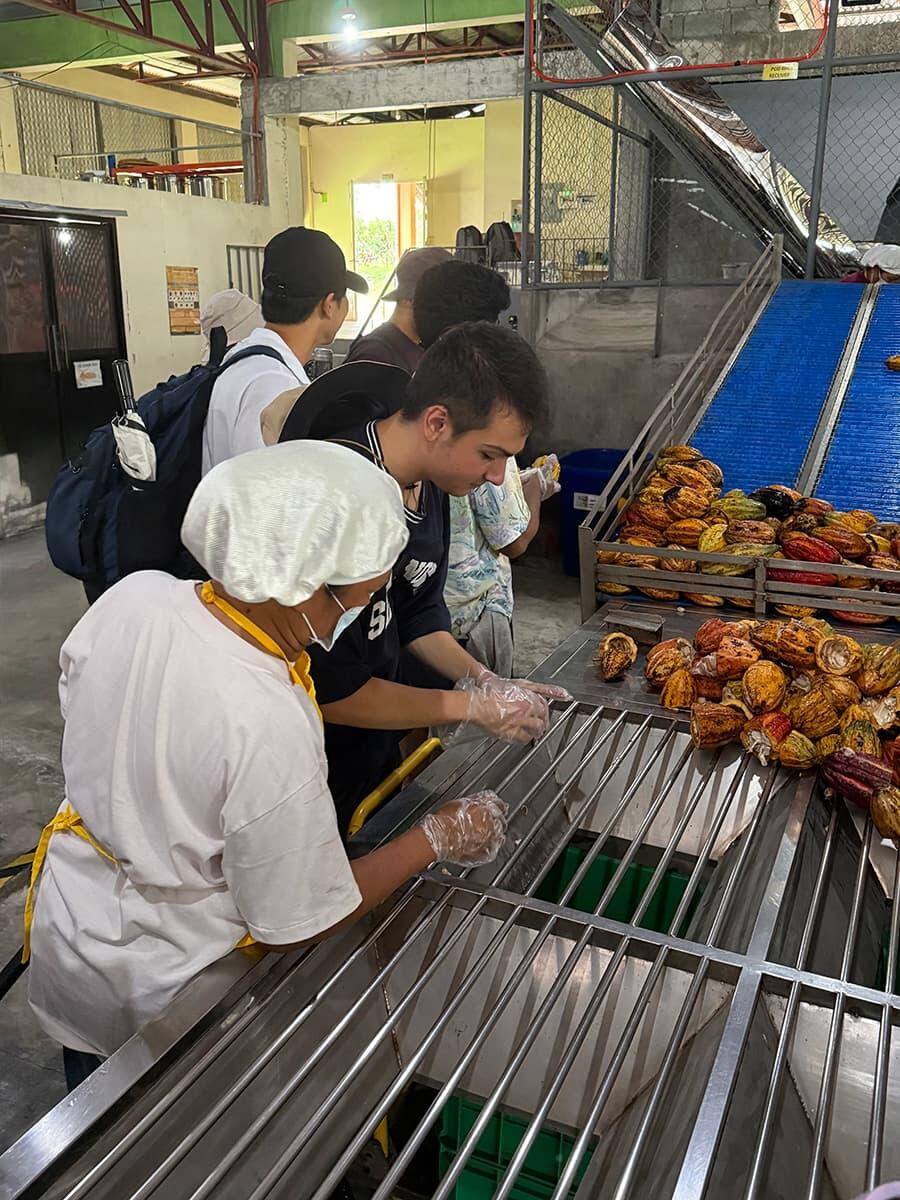
What do you think makes the University of Tsukuba special?
I think what makes the University of Tsukuba special is its strong sense of community. From the first day I arrived in Tsukuba, I could feel that it is a city closely connected to the university. The restaurants and shops around campus have University of Tsukuba flags, posters, and advertisements for the university's sports teams. As a student, you truly feel like a part of that community.
Another aspect that I think makes the University of Tsukuba special is the connection between the international and Japanese students. Speaking Japanese has allowed me to connect more deeply with Japanese students. Being able to share cultures and perspectives on a deeper level is one of the most meaningful aspects of my life at Tsukuba.
-
ALEXANDRU GOIA CRISTIAN
From Romania
-
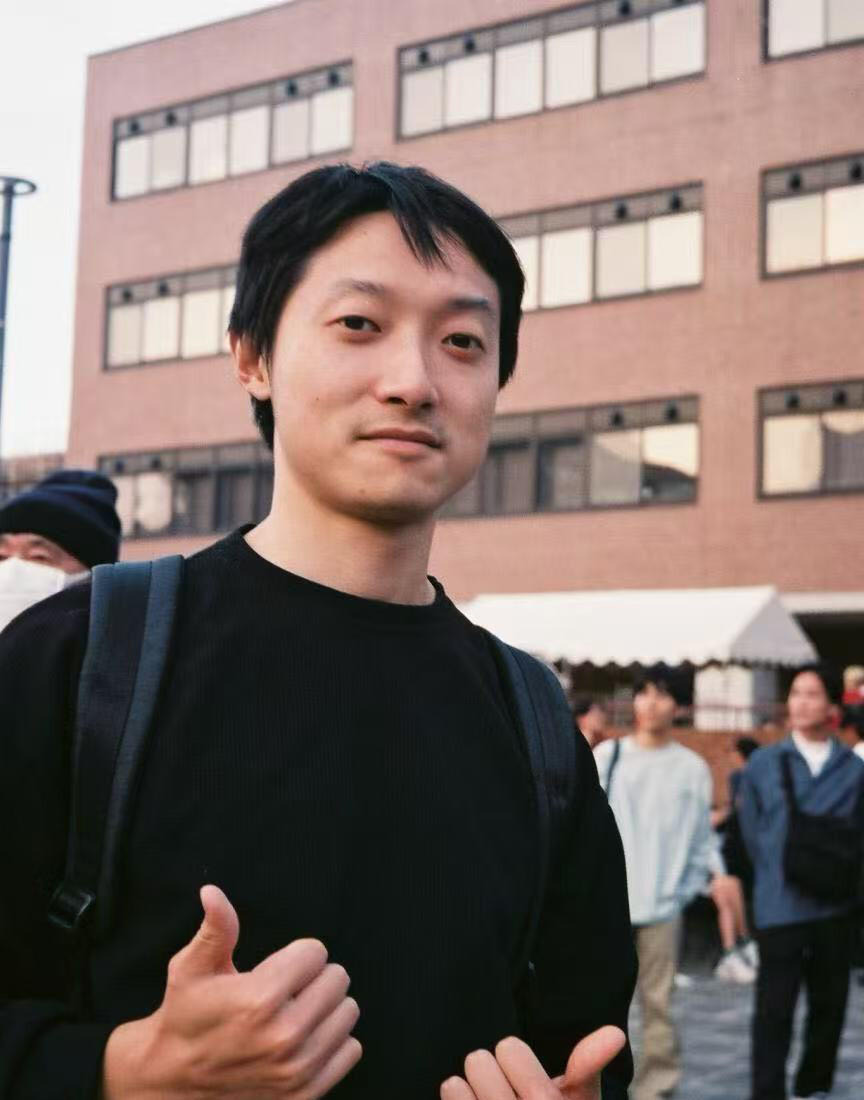
SHUYANG ZHANG
From China
-
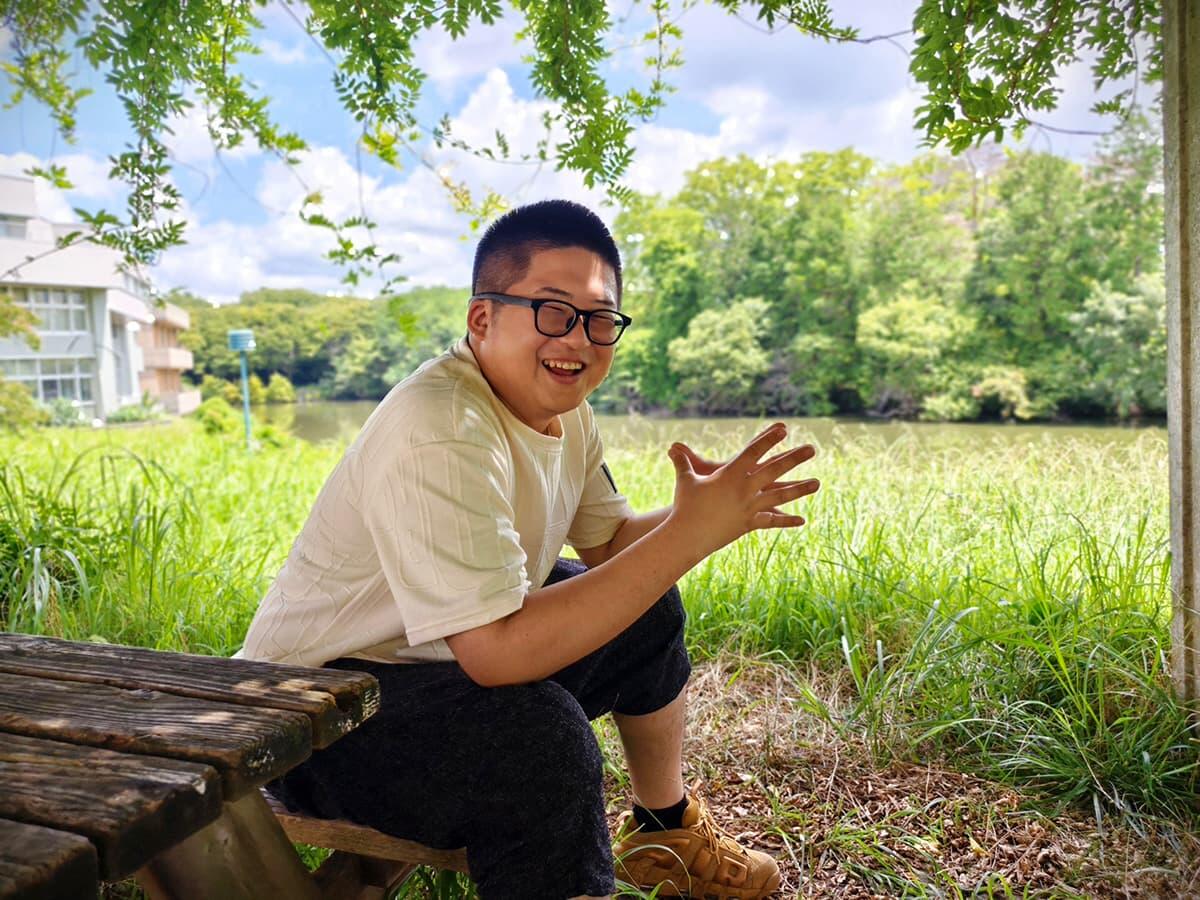
YI-FU LIU
From China
-
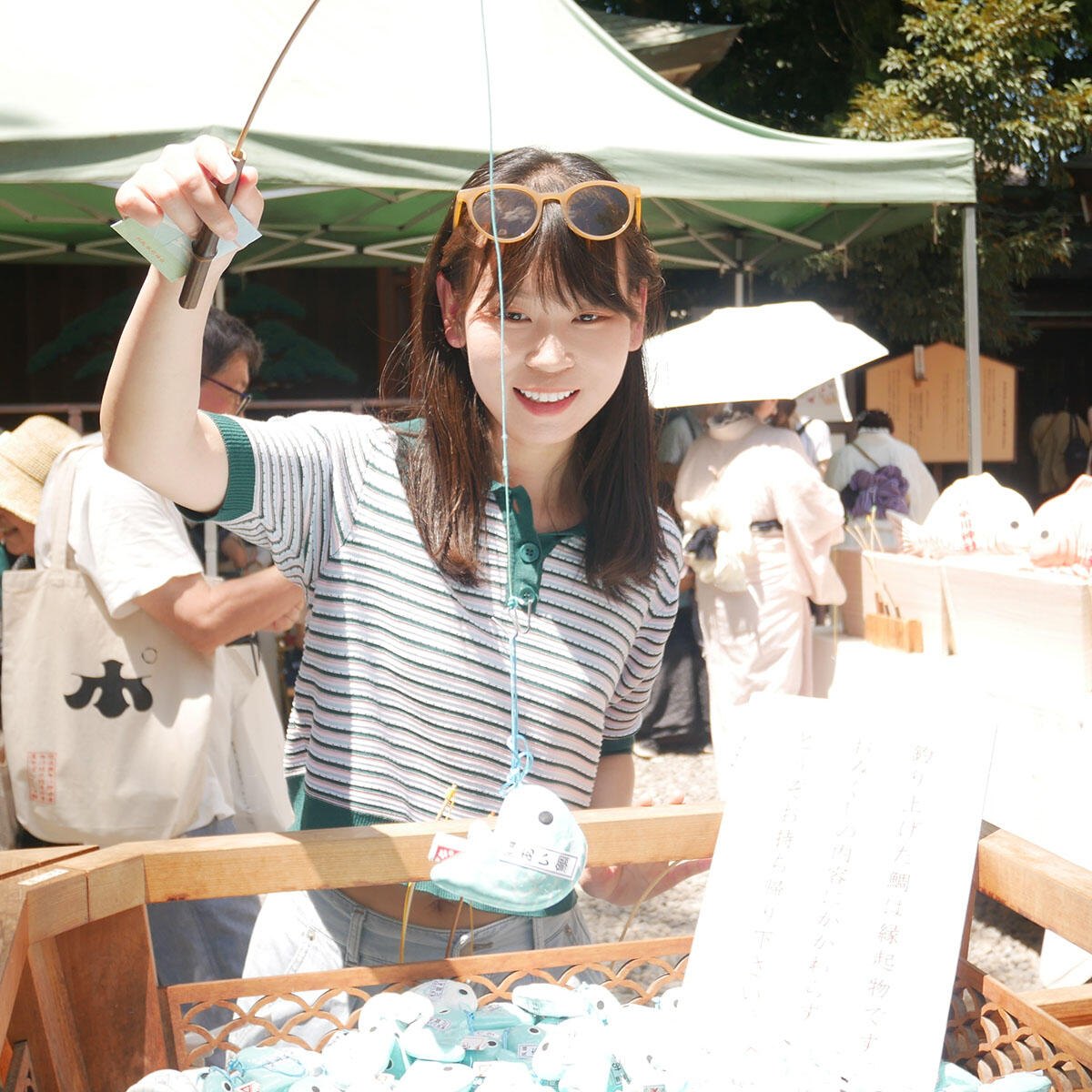
XINGYA YUAN
From China
-
礼 (LI)
From China
-
PULUSEN SATHYAJITH ARIYASINGHE
From Sri Lanka
-
SAKNARIN NIN-INJAN
From Thailand
-
HIRUNI HUNUKUMBURA
From Sri Lanka
-
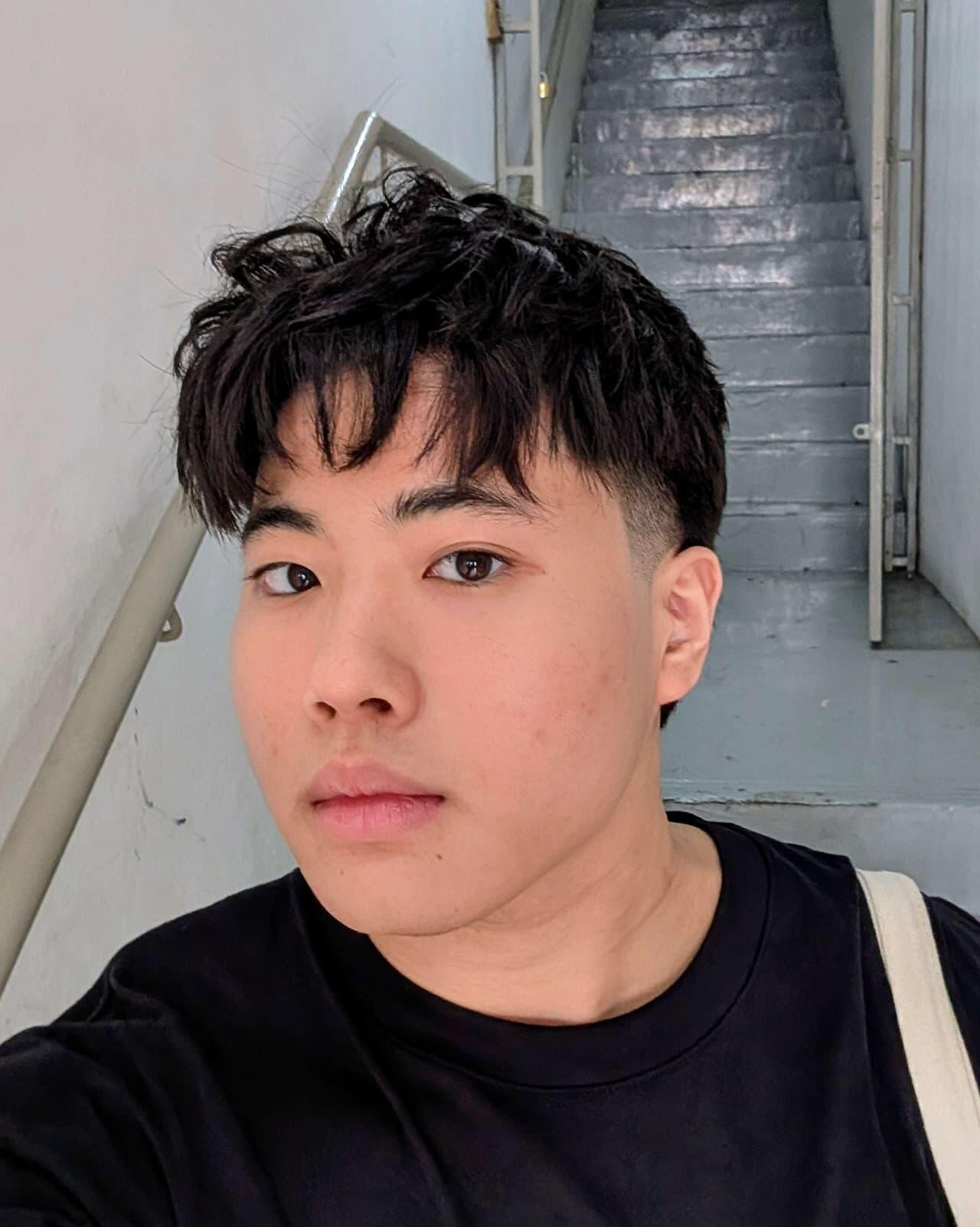
HAN CHON TEH
From Malaysia
-
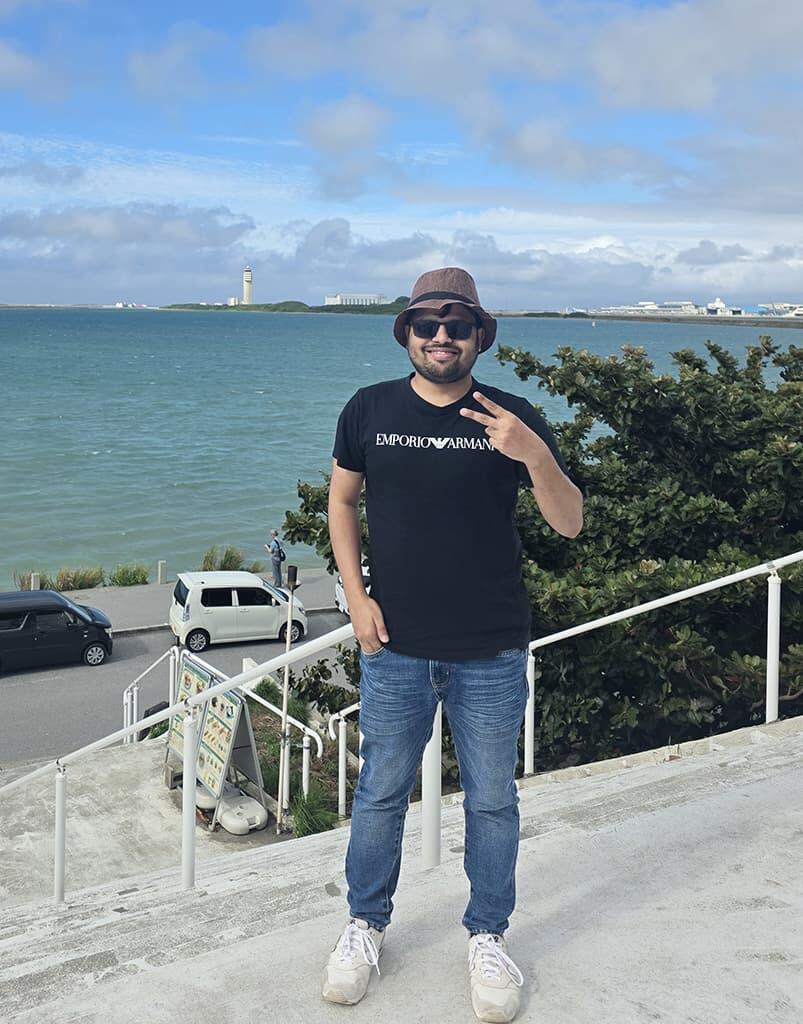
MD MEHEDI HASAN
From Bangladesh
-
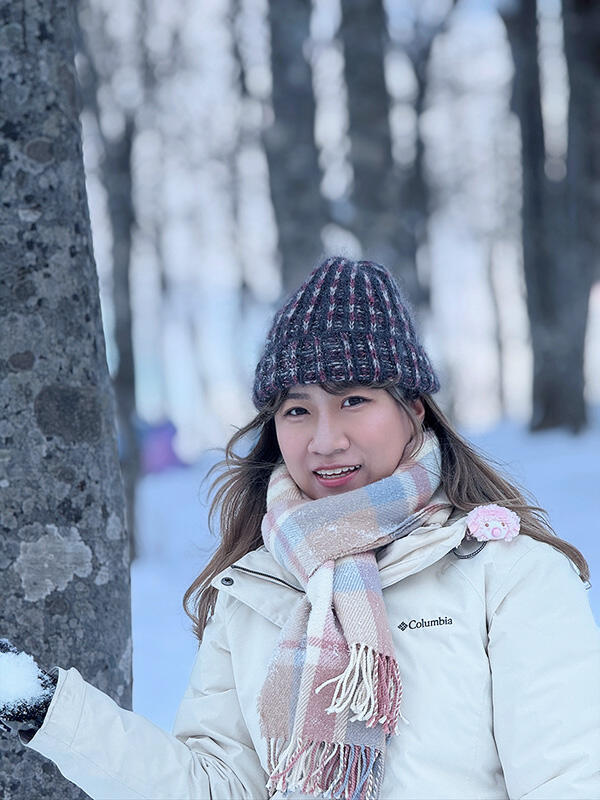
LI SZE CHING
From Hong Kong
-
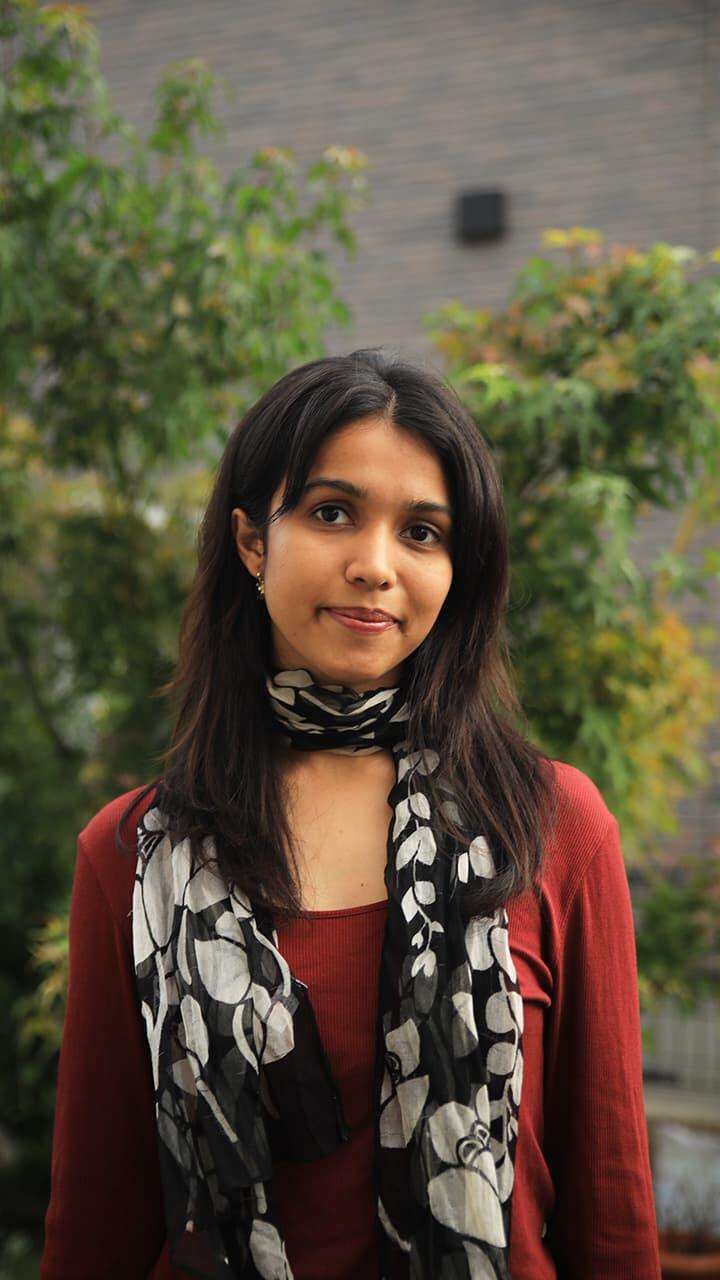
SIYA JITENDRA DESHPANDE
From India
-

RIBEIRO FALCÃO LORRANA
From Brazil
-
VICTOR MASSAKI NAKAGUCHI
From Brazil
-
RIYAM MOTEA AL-RAABEA
From Iraq
-
ASYRAF KAZUKI BIN ABDUL ZAKI
From Malaysia
-

CHUN PI HSIEH
From Taiwan
-
EI YADANAR MAUNG
From Myanmar
-

LIANG LIU
From China
-
EMMA ROSE DANGERFIELD
From Australia
-
IBRAHIM AKID
From Tunisia
-
LEYUN HUANG
From China
-
HYOWON LEE
From Korea
-
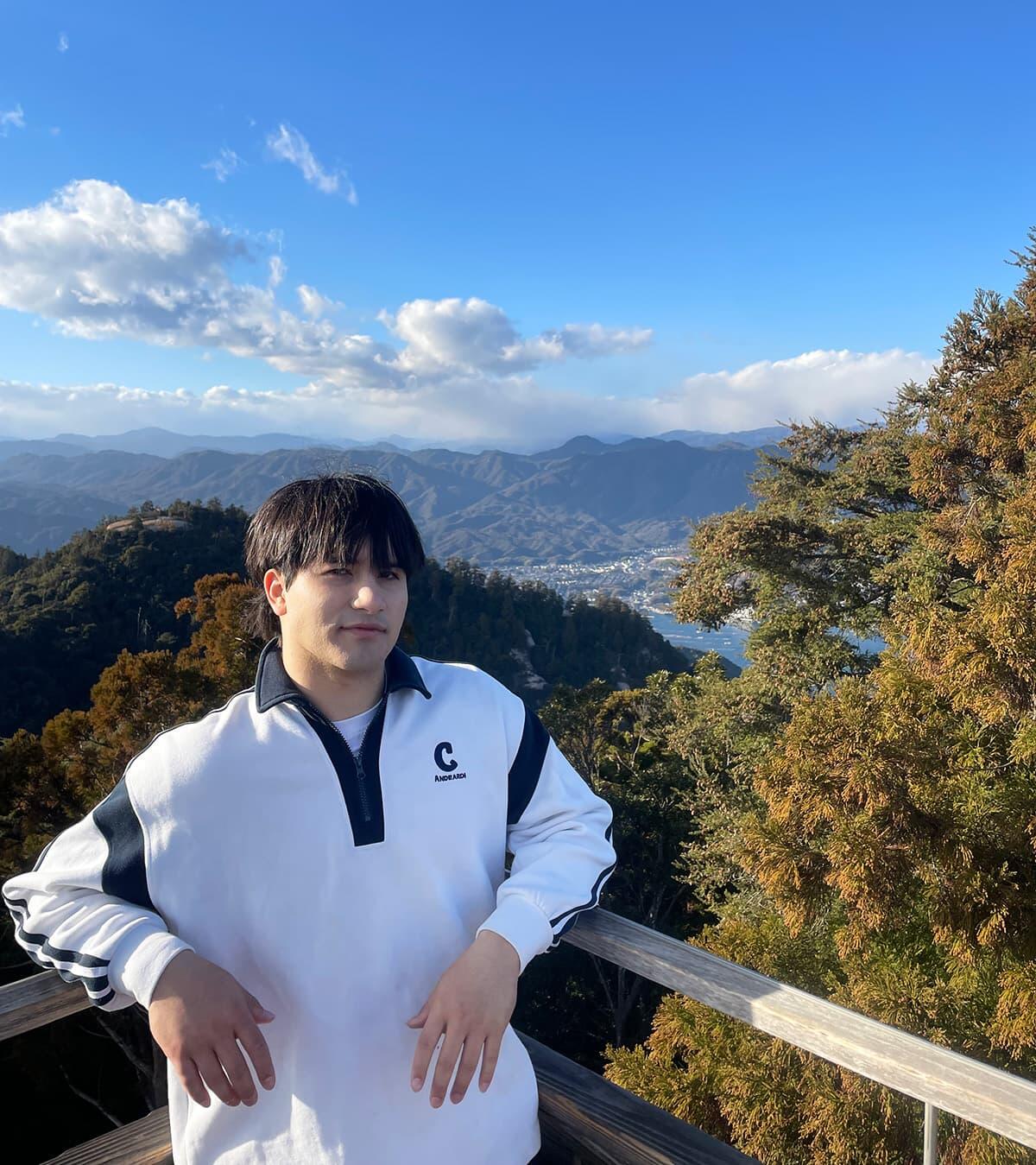
ZACHARY JAMES YOSHIOKA
From USA
-
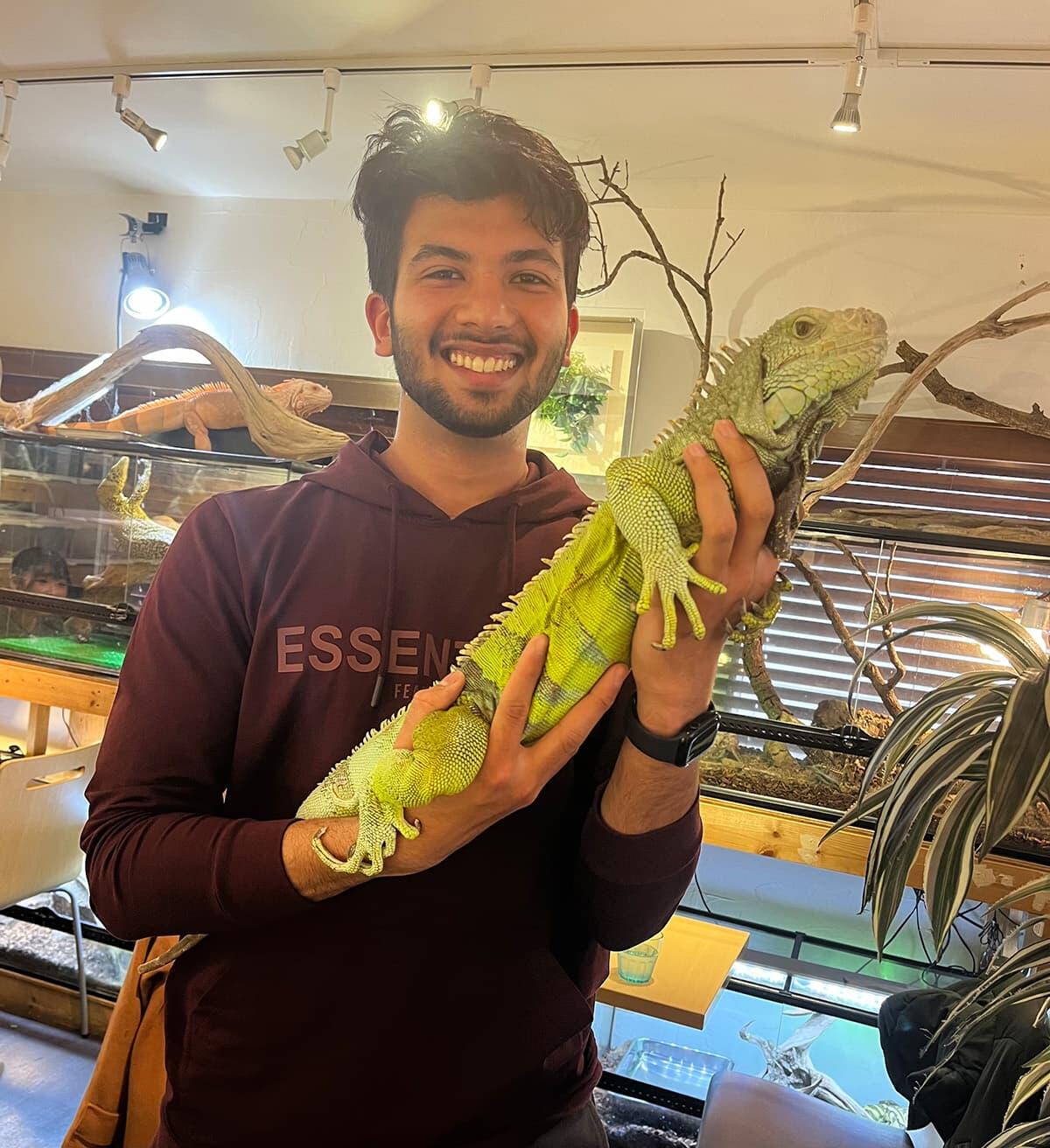
NIMISH SUDHIR GODSE
From India
-
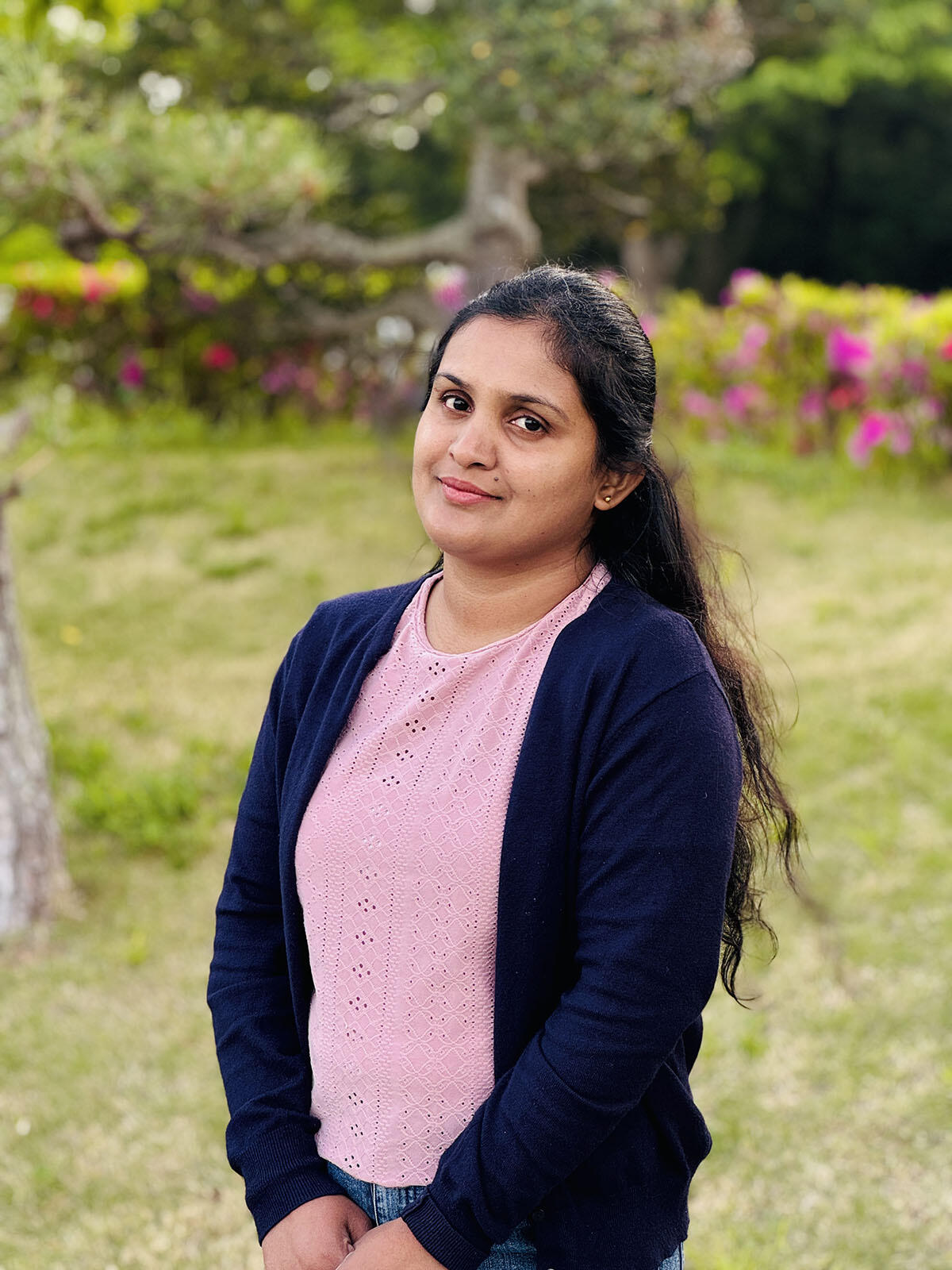
HASINI NIMANTHI KATIYAPE SAMARASEKARAGE
From Sri Lanka
-
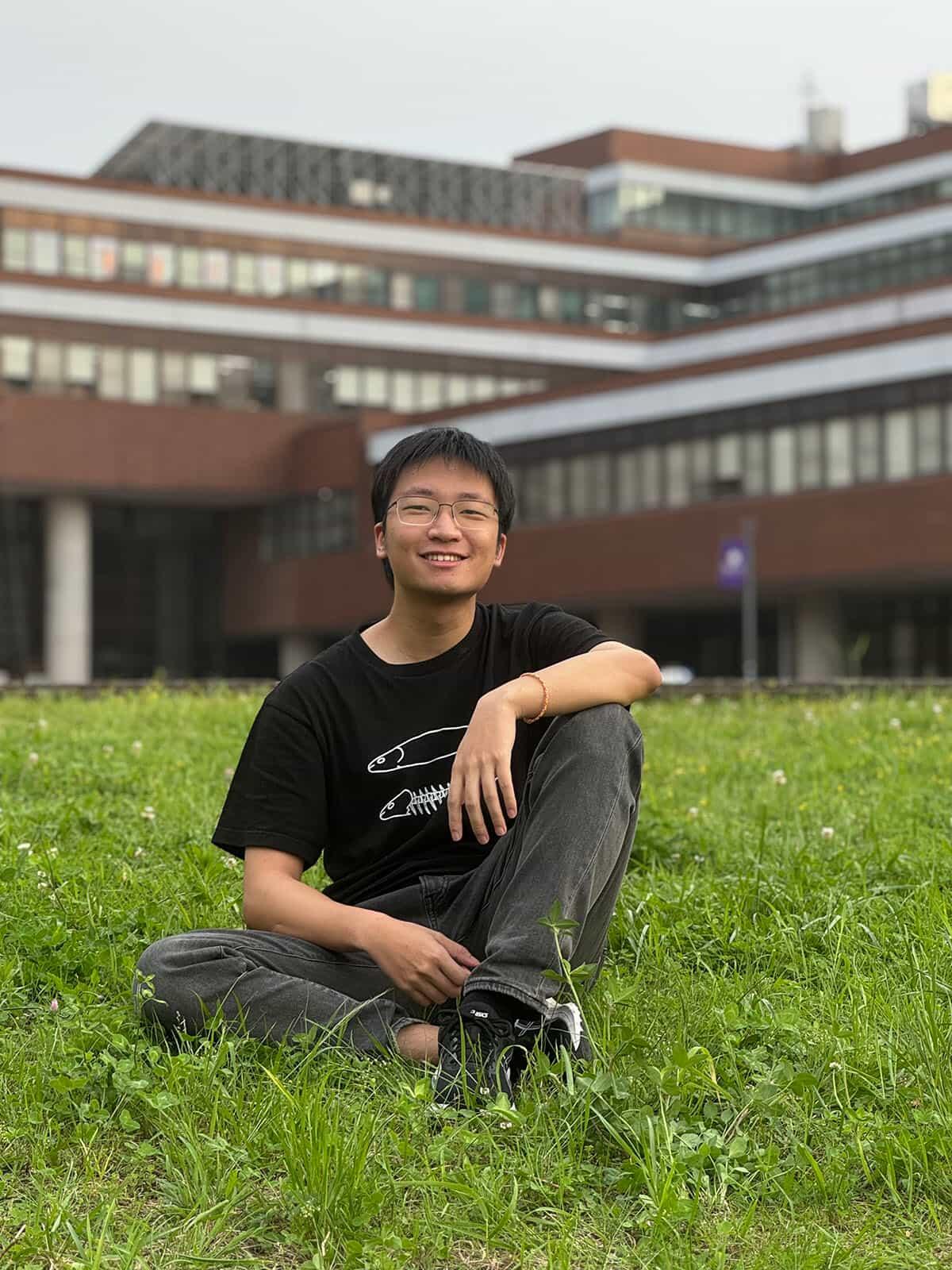
MURAN XU
From China
-
YANG HU
From China
-
TE-YU HUANG
From Taiwan
-
SHAFIQULLAH YOUSAFZAI
From Afghanistan
-
QI SHI
From China
-

MYLES
From USA
-
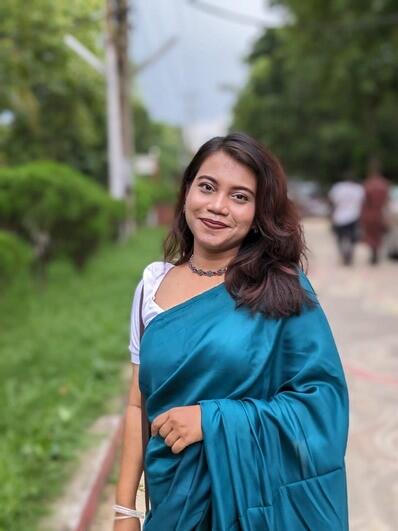
ISRAT JAHAN
From Bangladesh
-
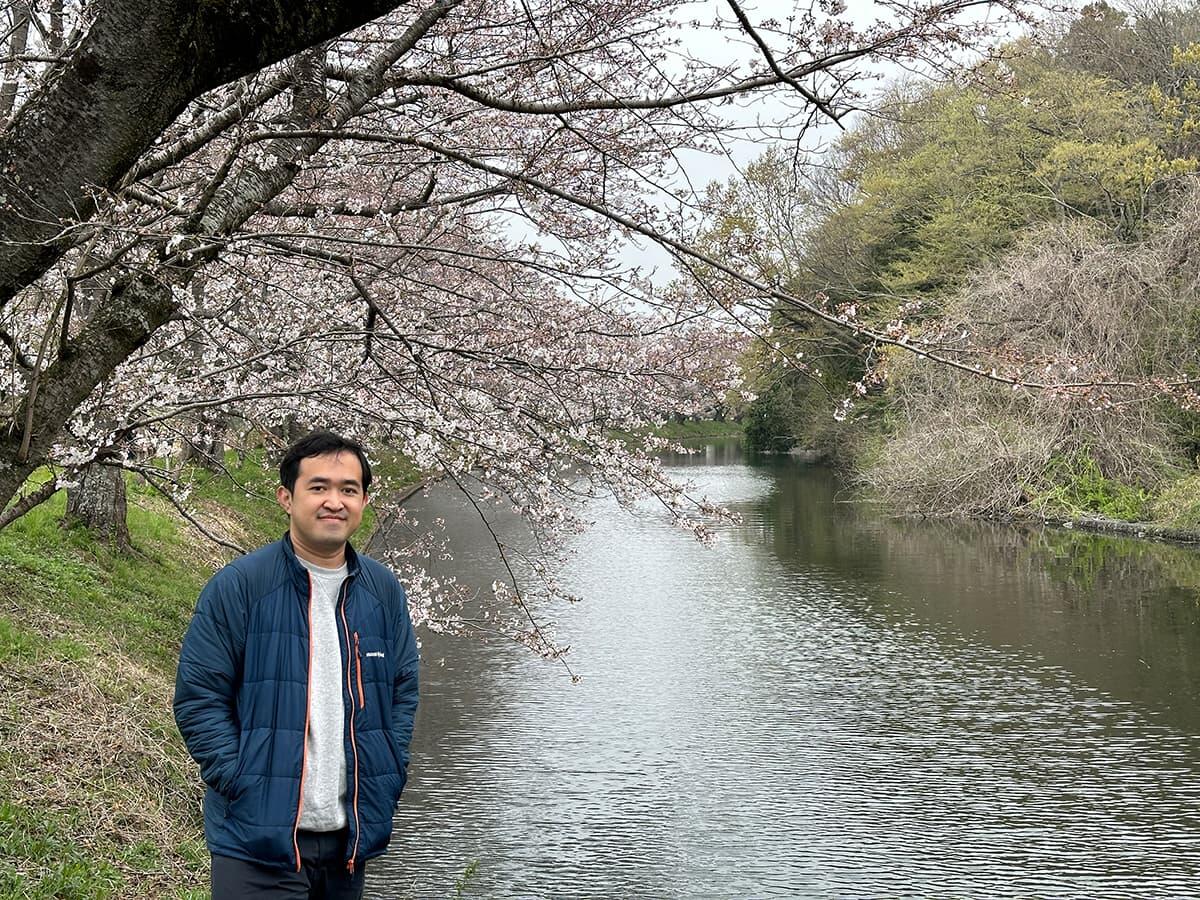
SOTHEARITH ENG
From Cambodia
-
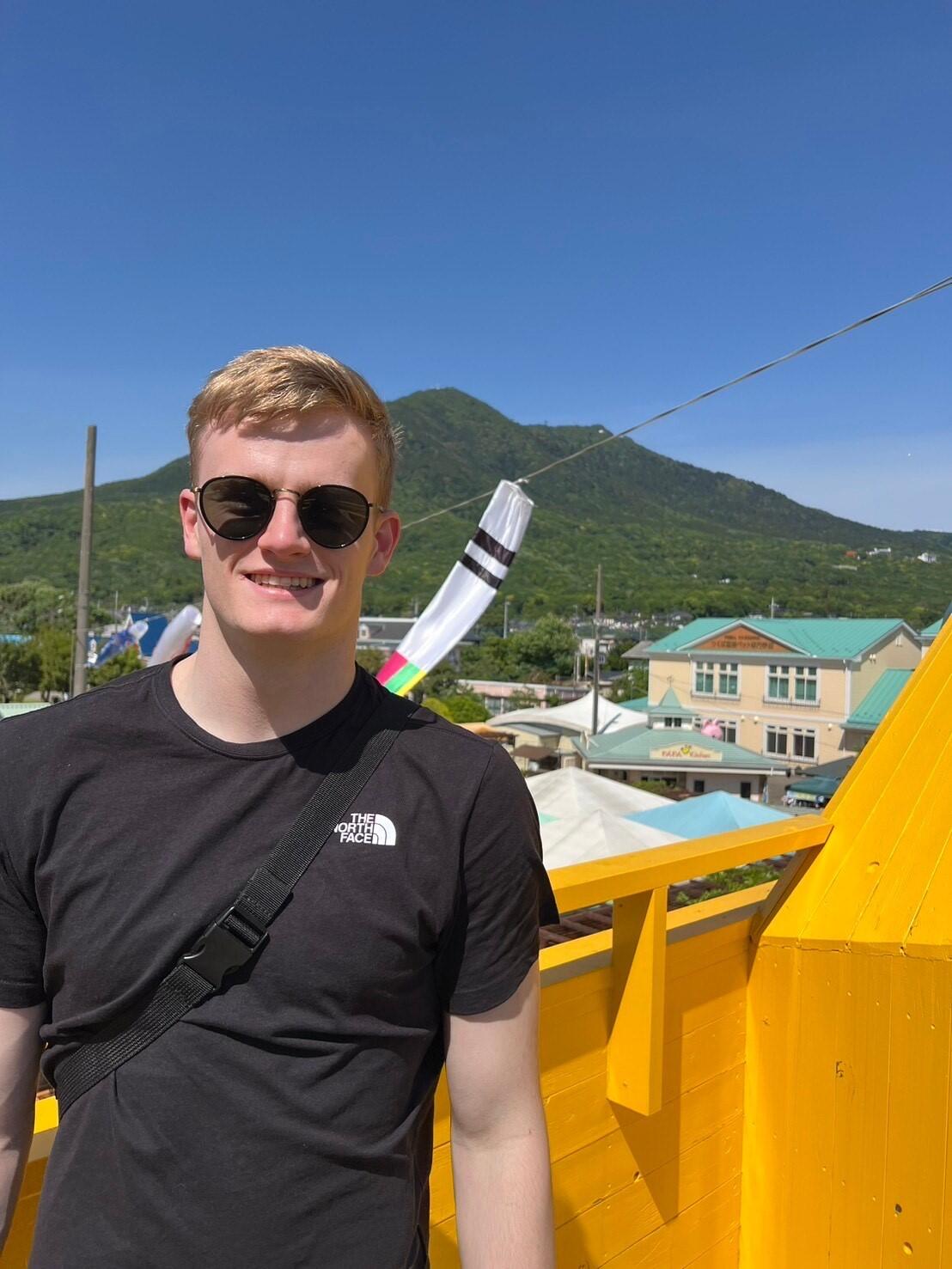
FELIX COOMBER
From UK
-
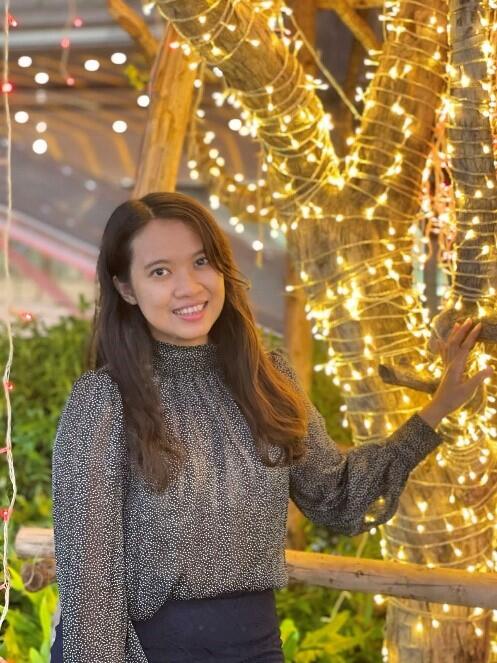
WAI PHYO THU
From Myanmar
-
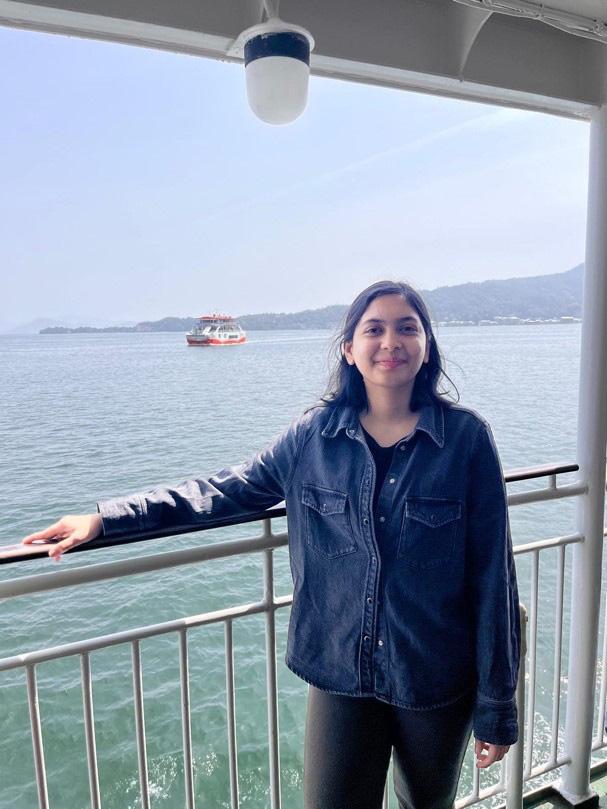
SRINITHI ASHOK KRISHNASWAMY
From India
-
SACHI JOCHI
From Japan/India
-
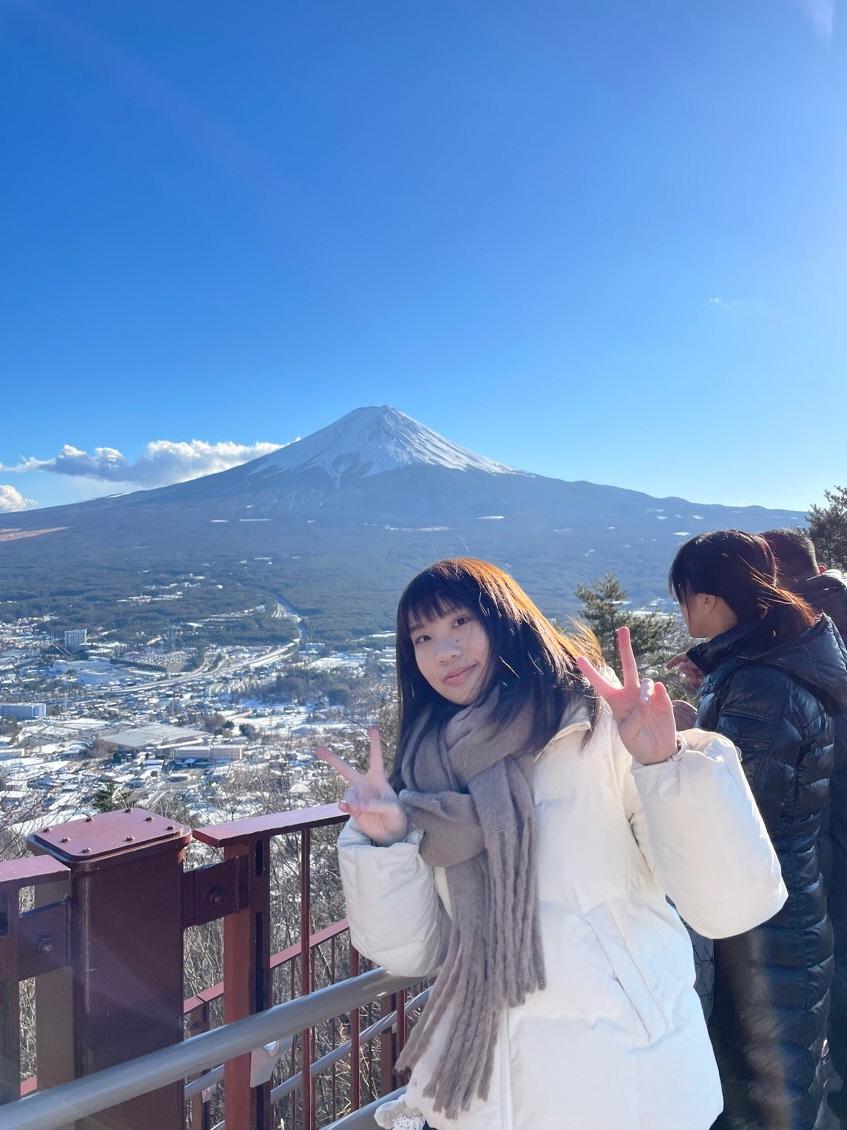
PING HUAN WANG
From Taiwan
-
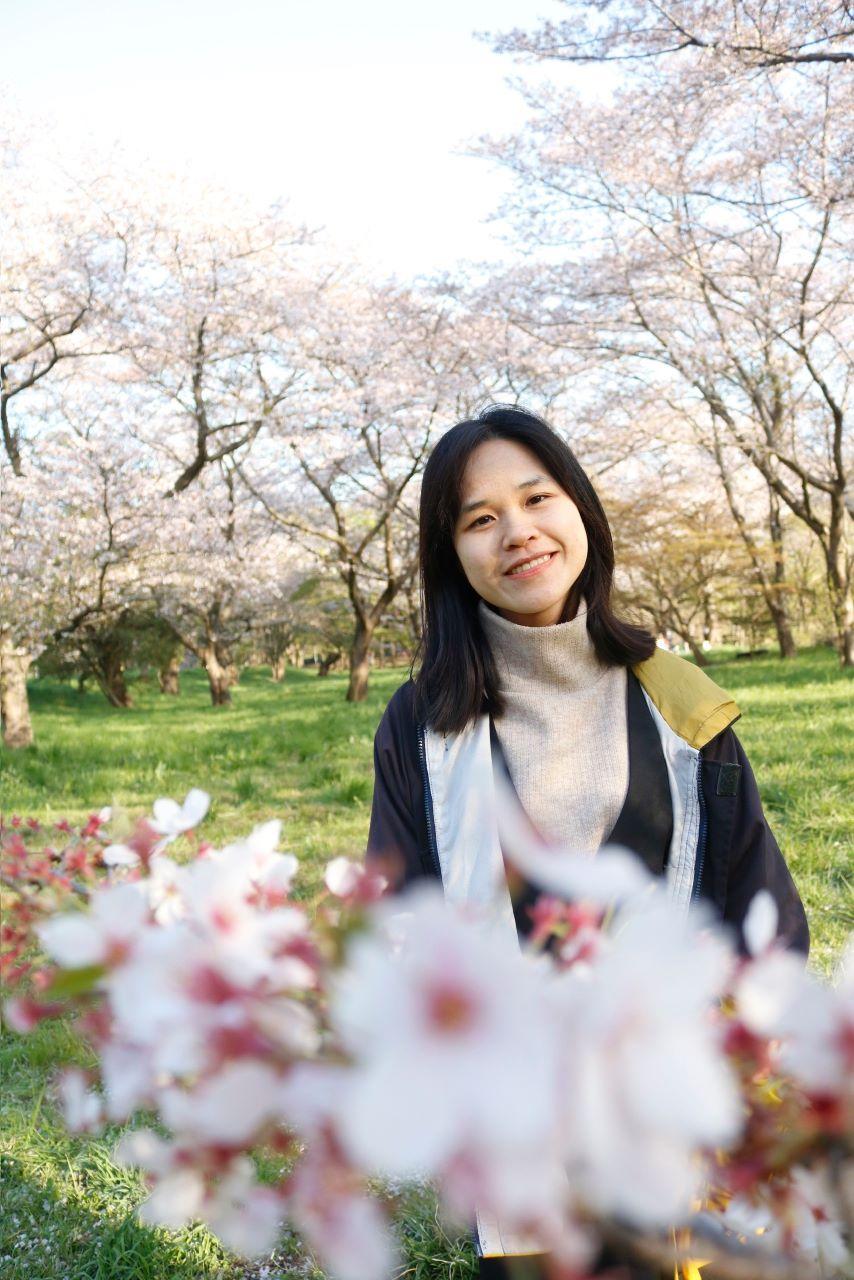
NGHI NGUYEN BAO
From Vietnam
-
GUANGQI AN
From China
-
HELIO NONOSE
From Brazil
-
TAO LENG
From China
-
INSYIRAH
From Malaysia
-
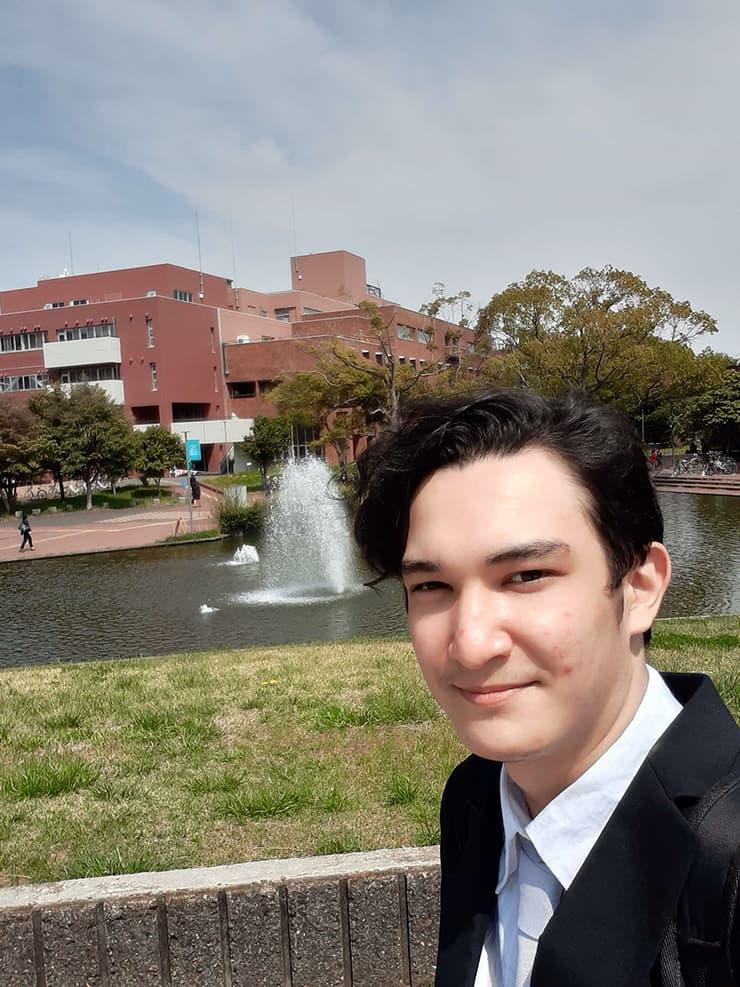
ARAMAKI, CAUE SINGO
From Brazil
-
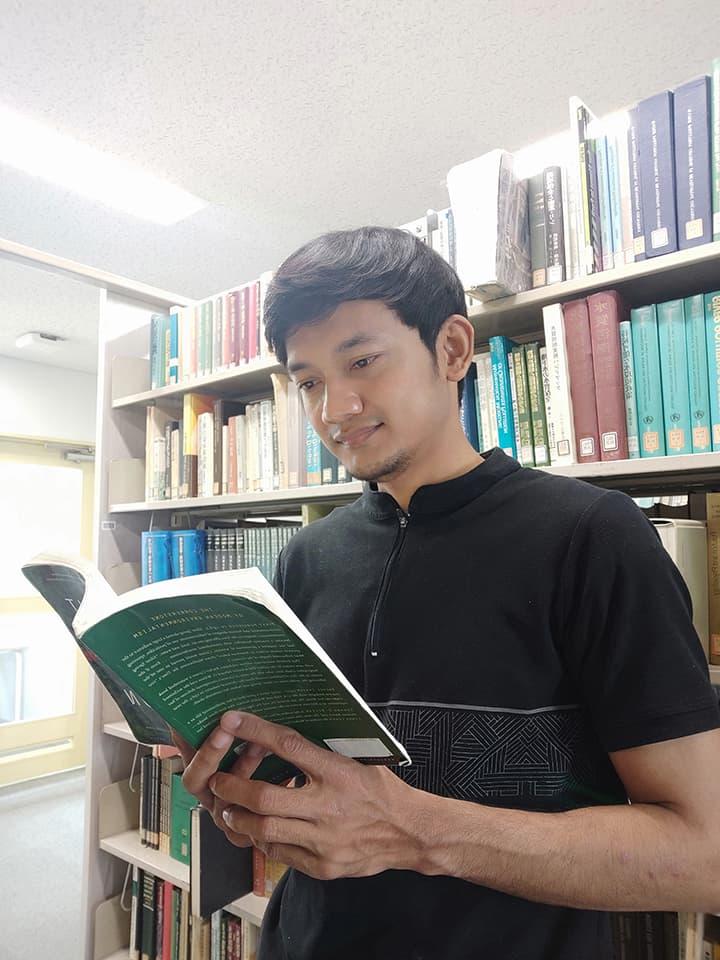
SUHARMAN
From Indonesia
-
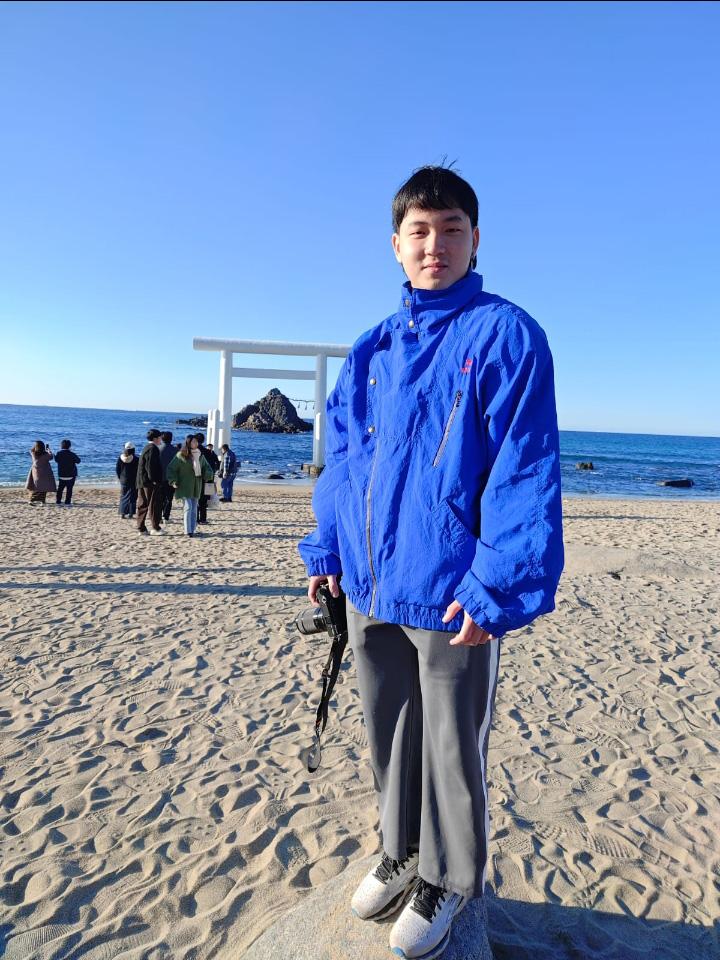
NG RAY SHAN
From Singapore
-
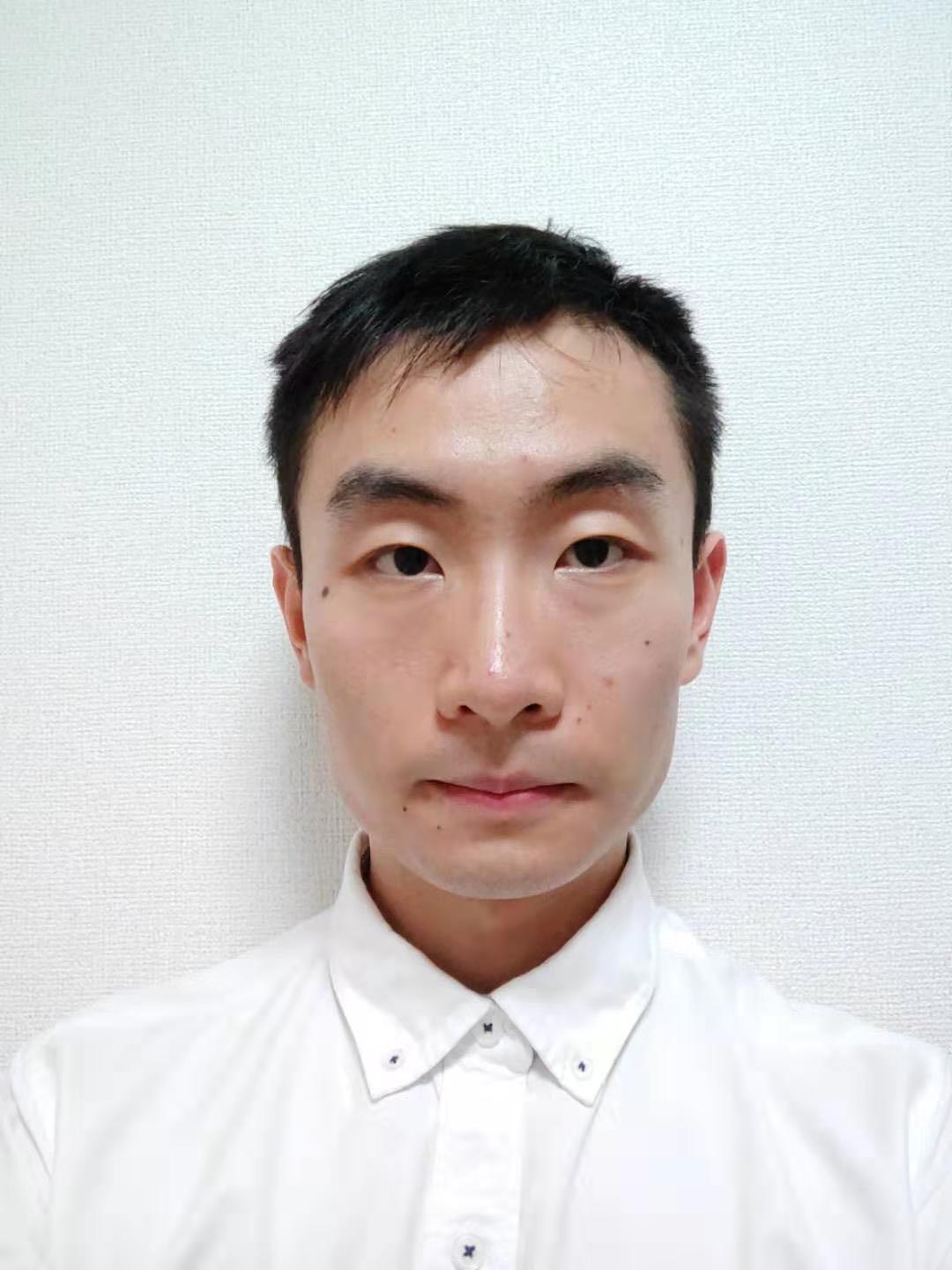
DU XIN
From China
-
YINA SHIN
From Korea
-
JOOEUN YOON
From Korea
-
REN YIHAN
From China
-
MENG LIYUAN
From China
-
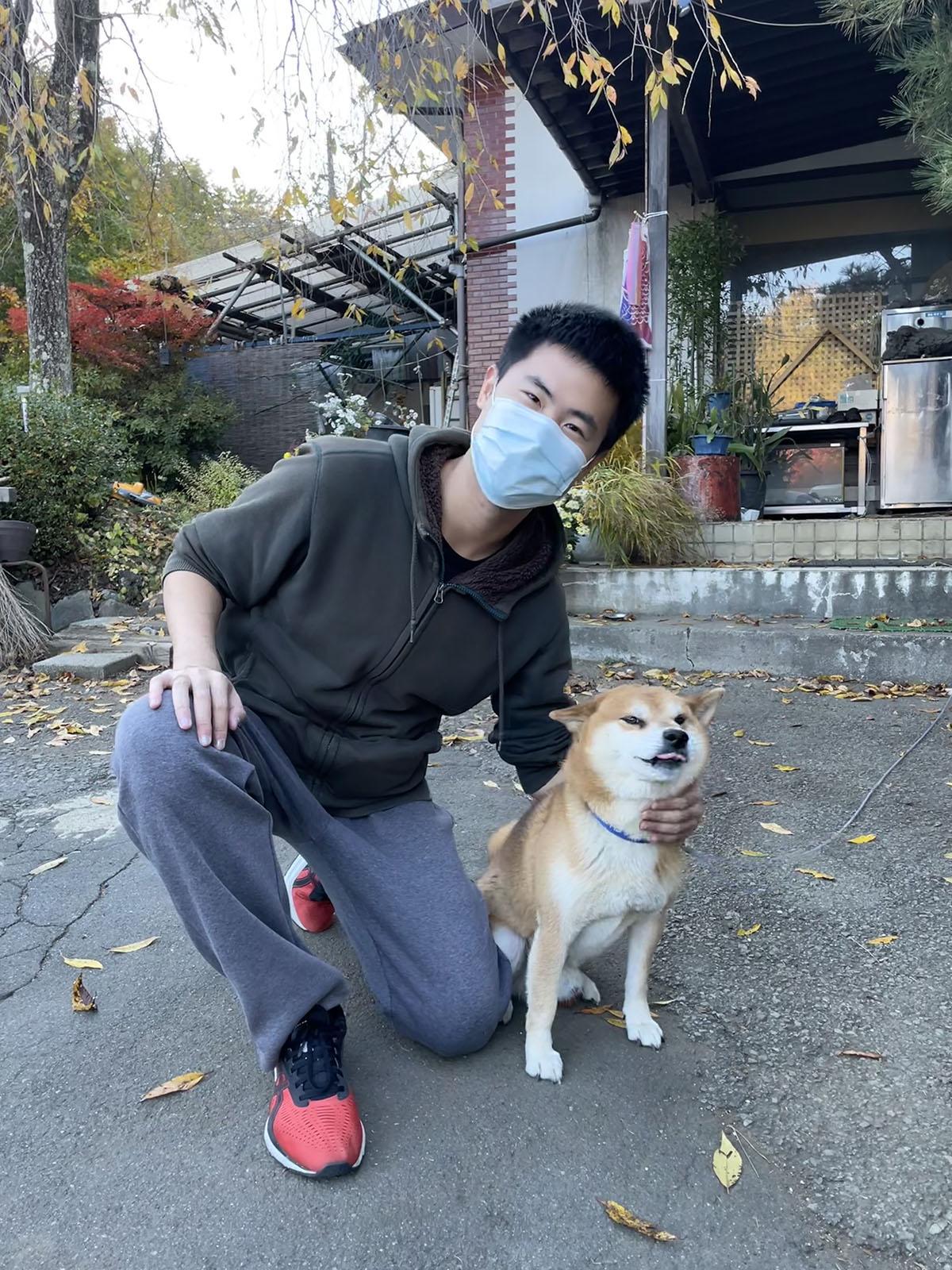
WU BOQIAN
From China
-
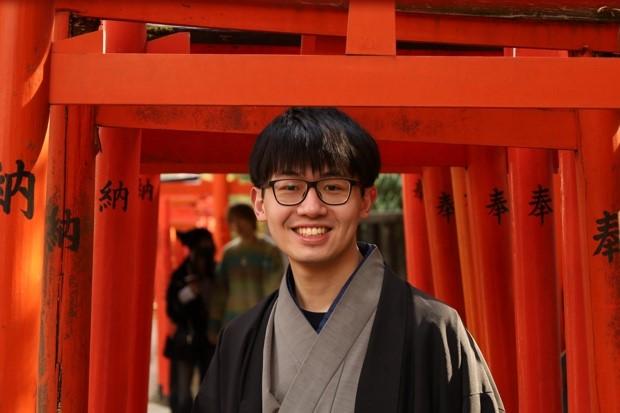
YU, CHENG-HAN
From Taiwan
-
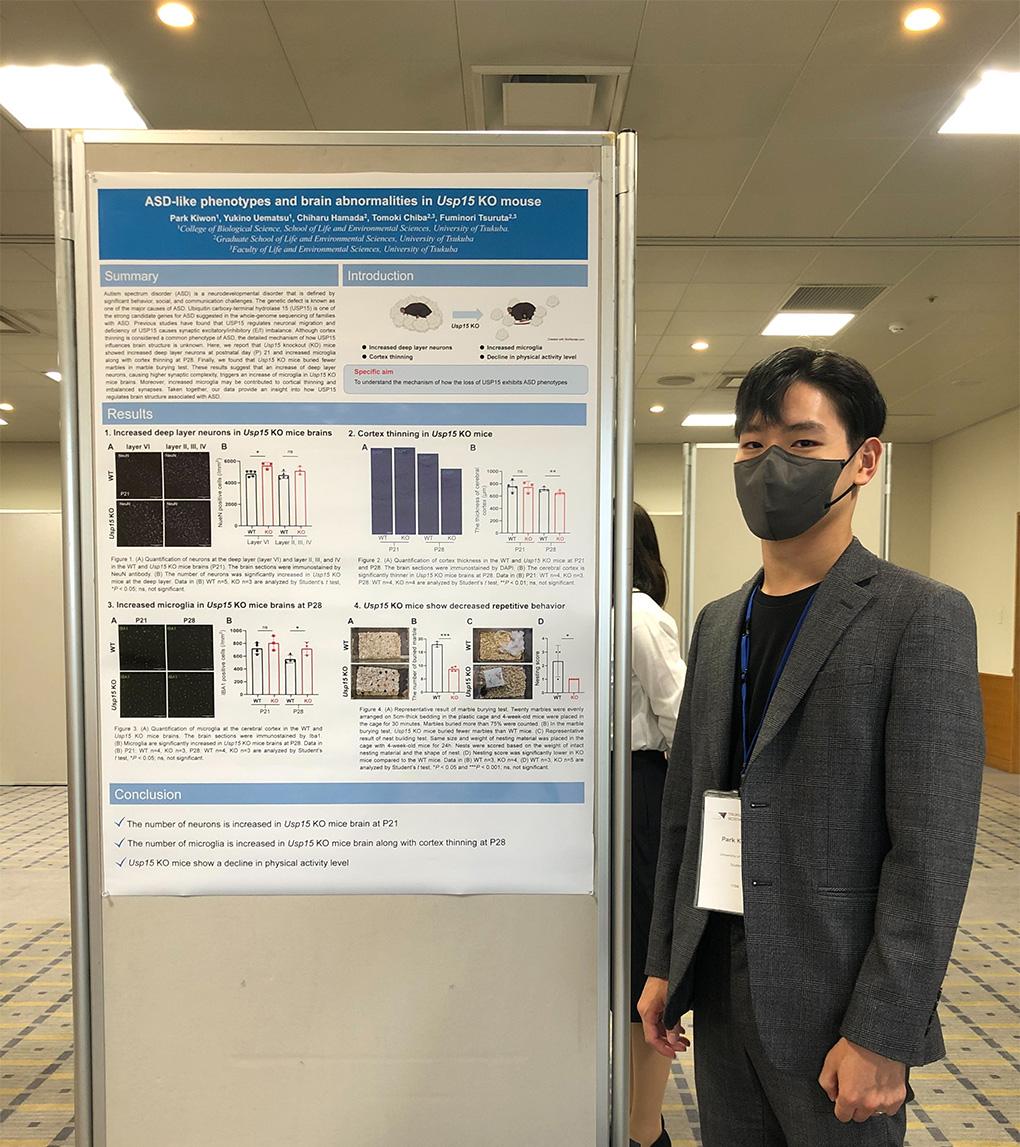
PARK KIWON
From Republic of Korea
-
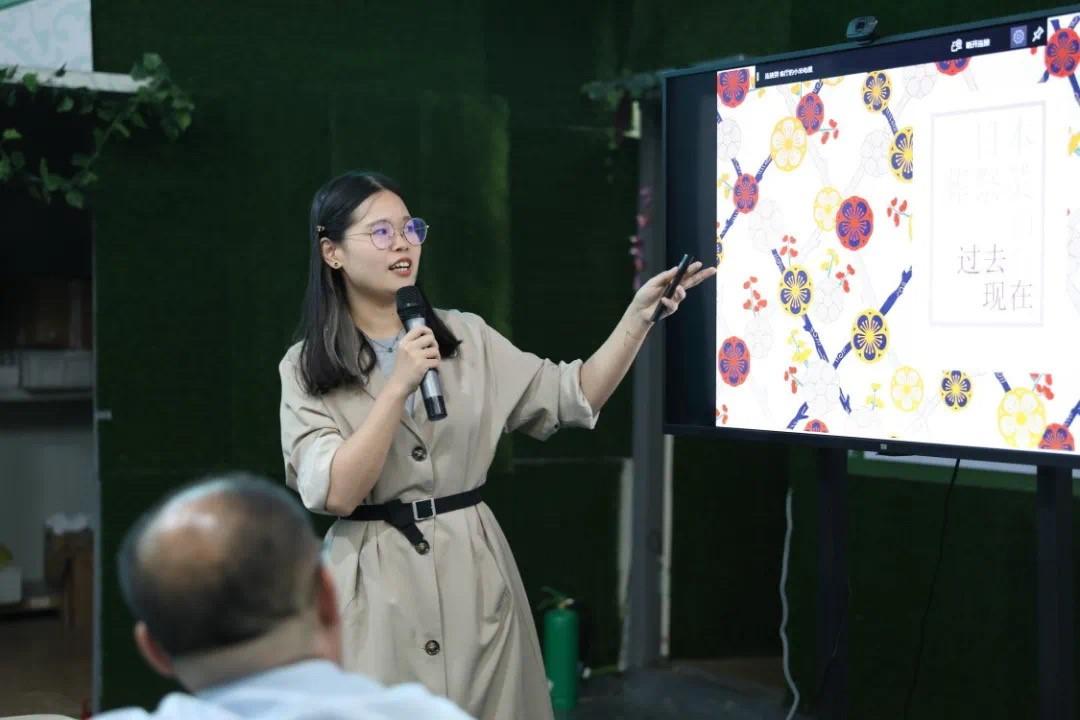
CHEN MIN
From China
-
CHAEYEON LEE
From Republic of Korea
-
ELIZABETH BERGEN-BARTEL
From USA
-
LIAO, HSIN-YEN
From Taiwan
-
PAKORN WANGSUEKUL
From Thailand
-
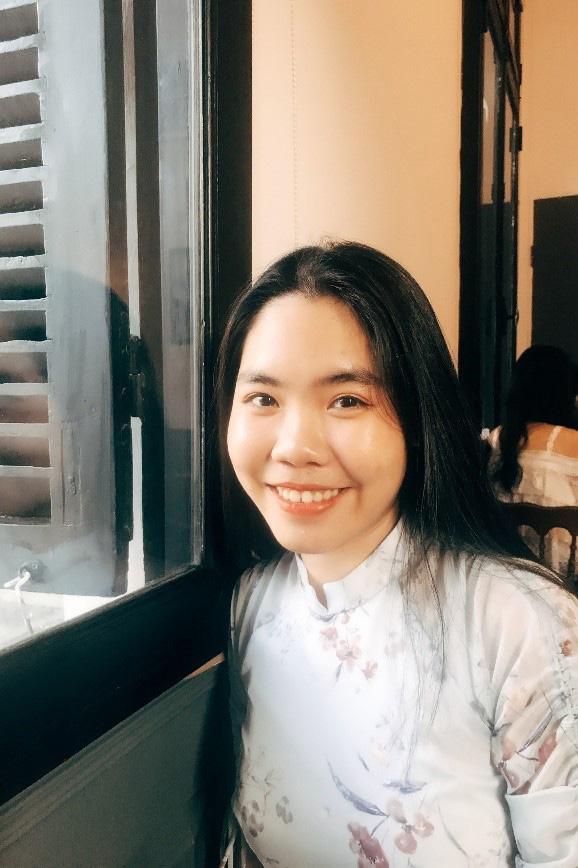
NGUYEN THUY ANH
From Vietnam
-

LAN CHI
From Vietnam
-
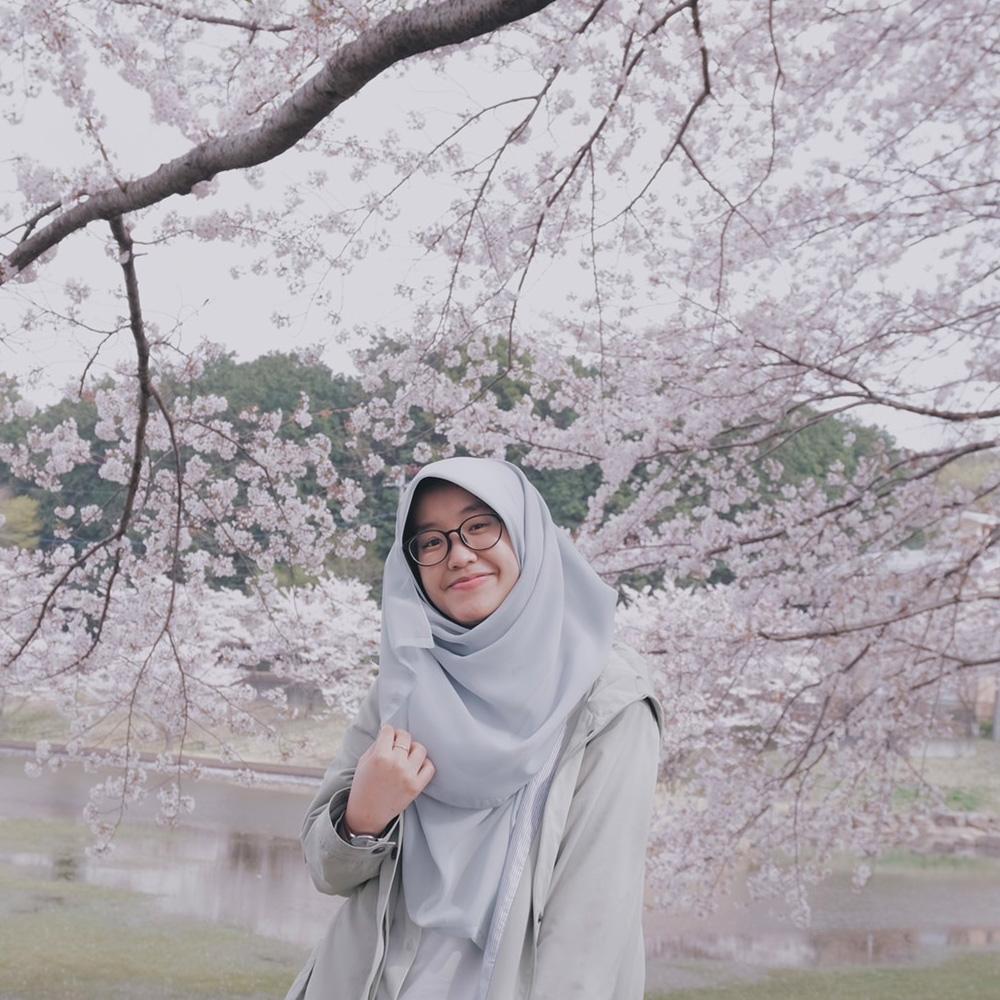
NADIA HASNA KARIMAH
From Indonesia
-
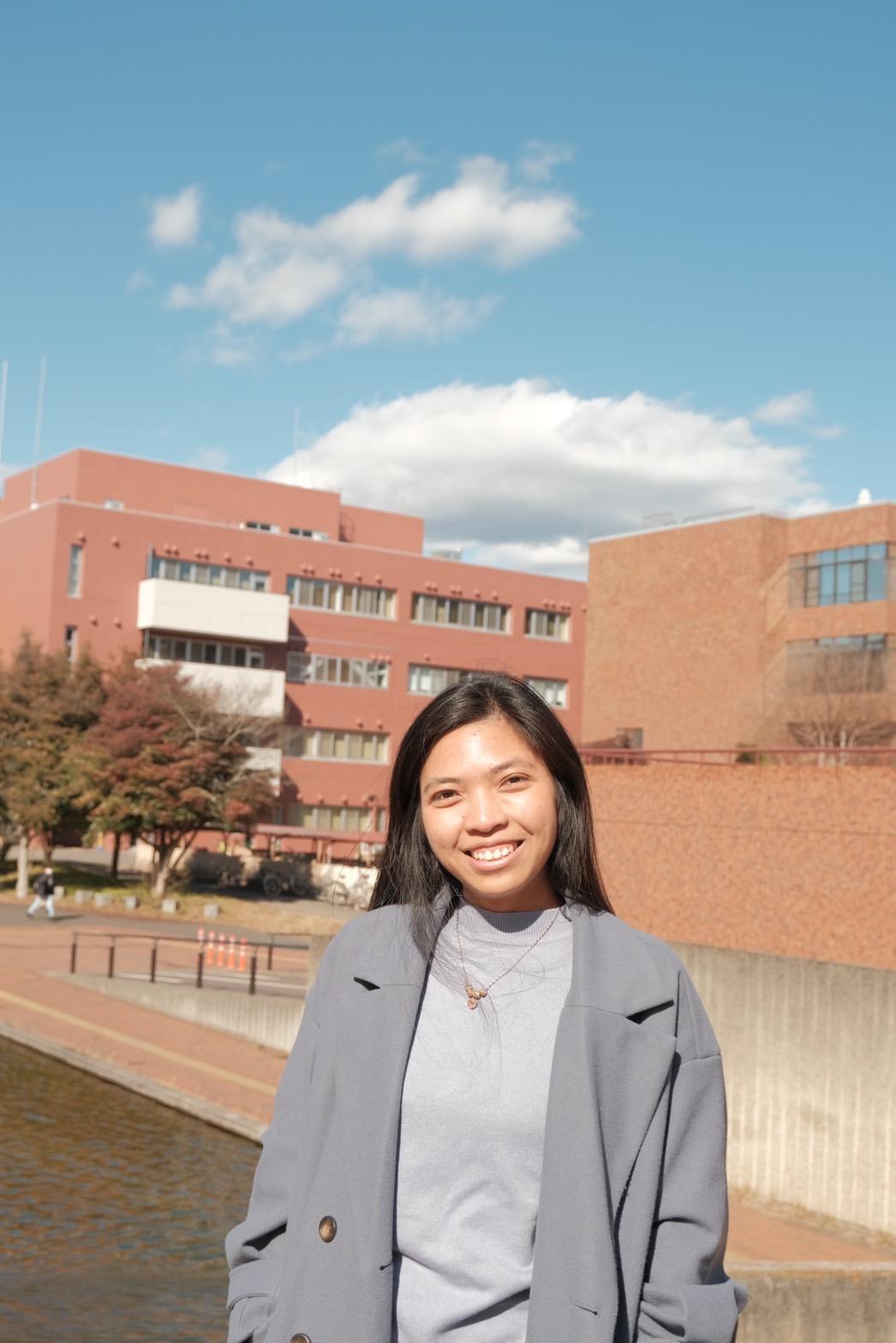
HNIN OO
From Myanmar
-
KAWTAR
From Morocco
-
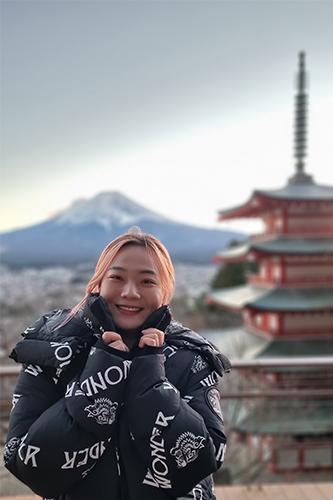
NA
From China
-
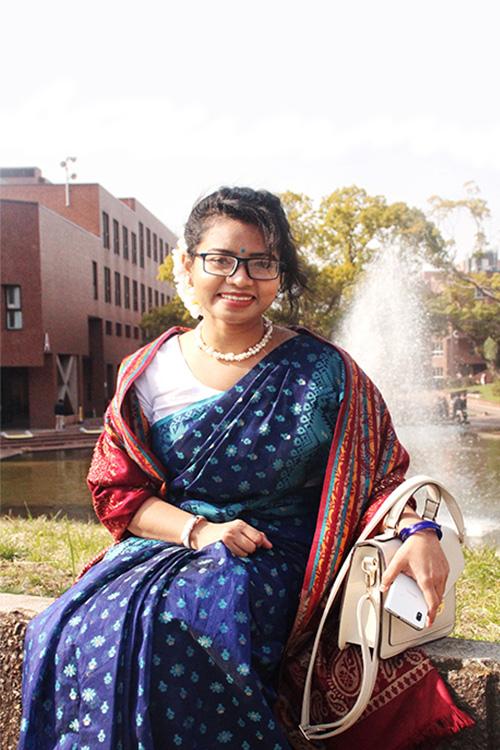
AFSARI
From Bangladesh
-
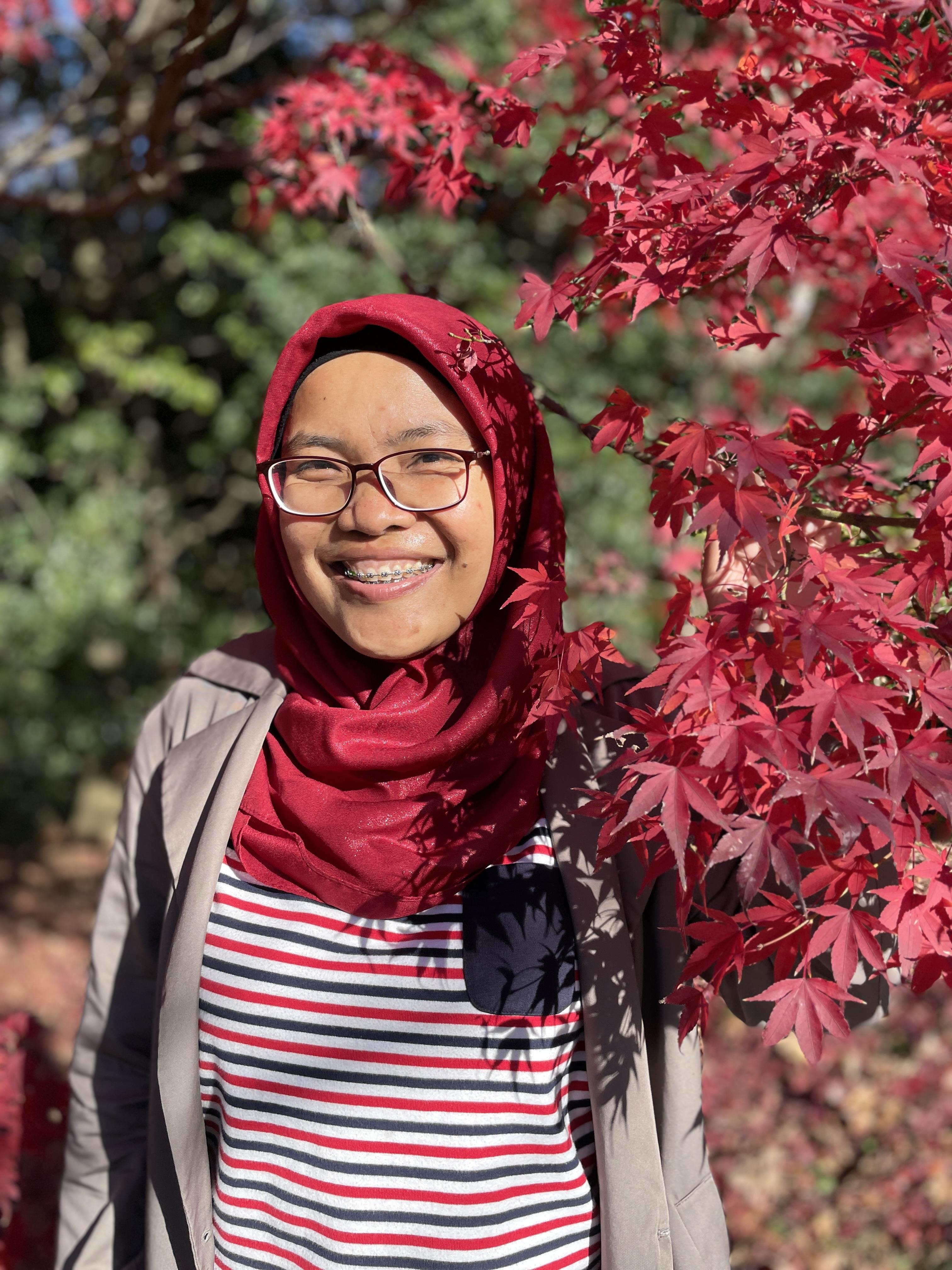
REZA
From Indonesia
-
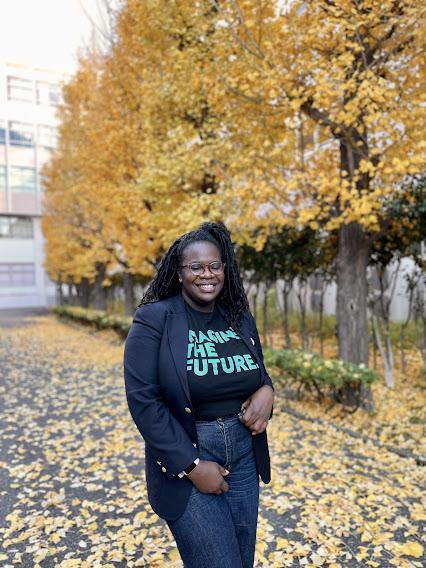
YOLANDA GRAÇA
From Angola
-
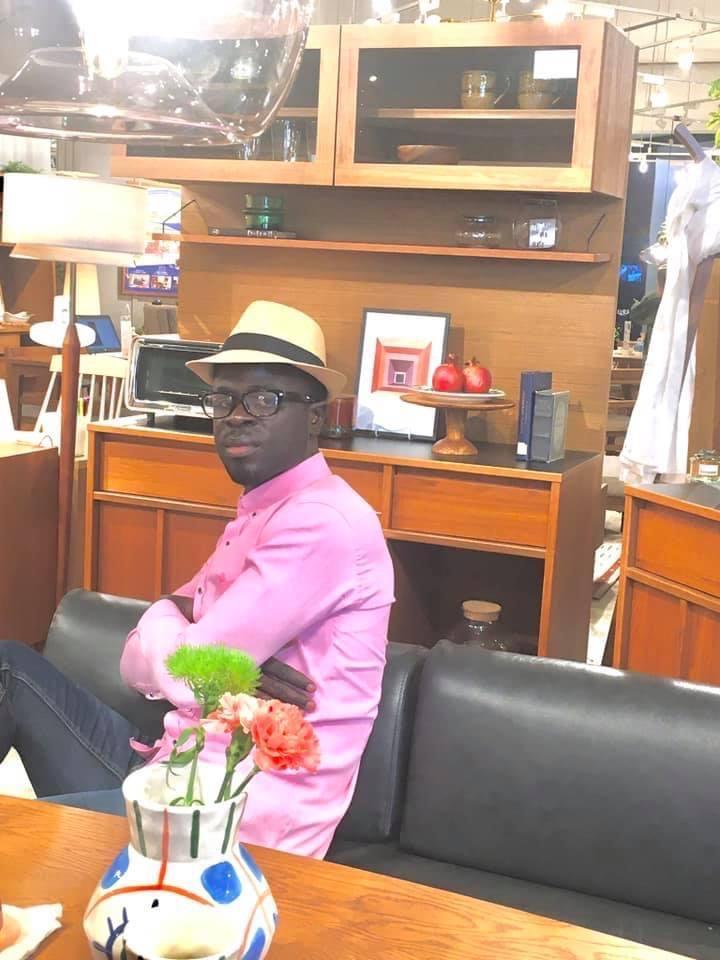
ADOM
From Ghana
-
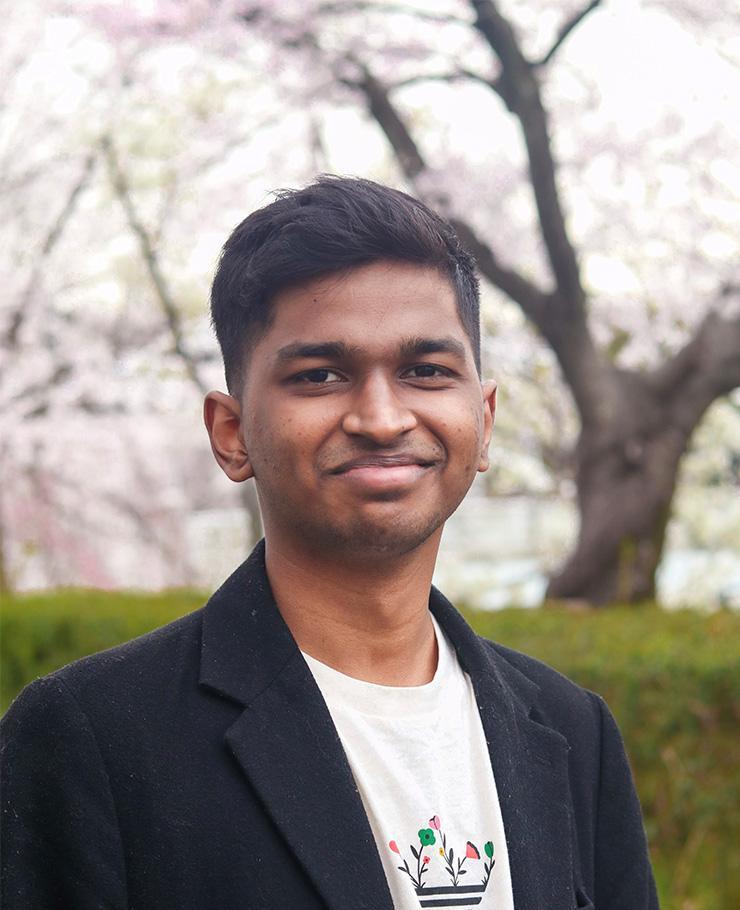
SUDHIR
From India
-
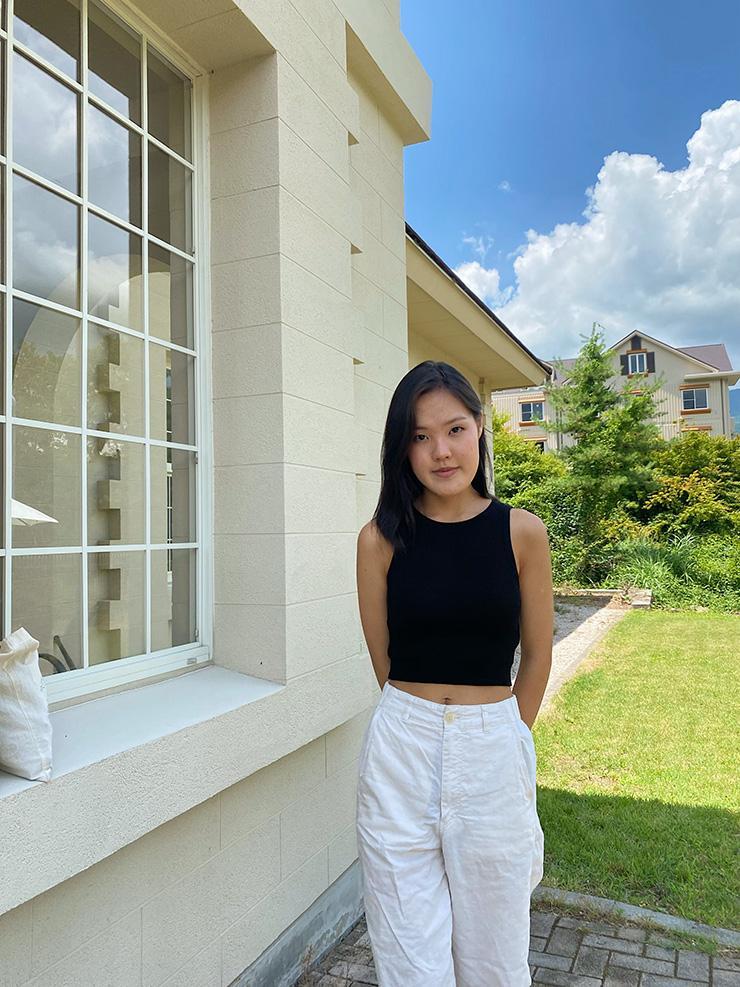
MIKI
From Mongolia/Japan
-
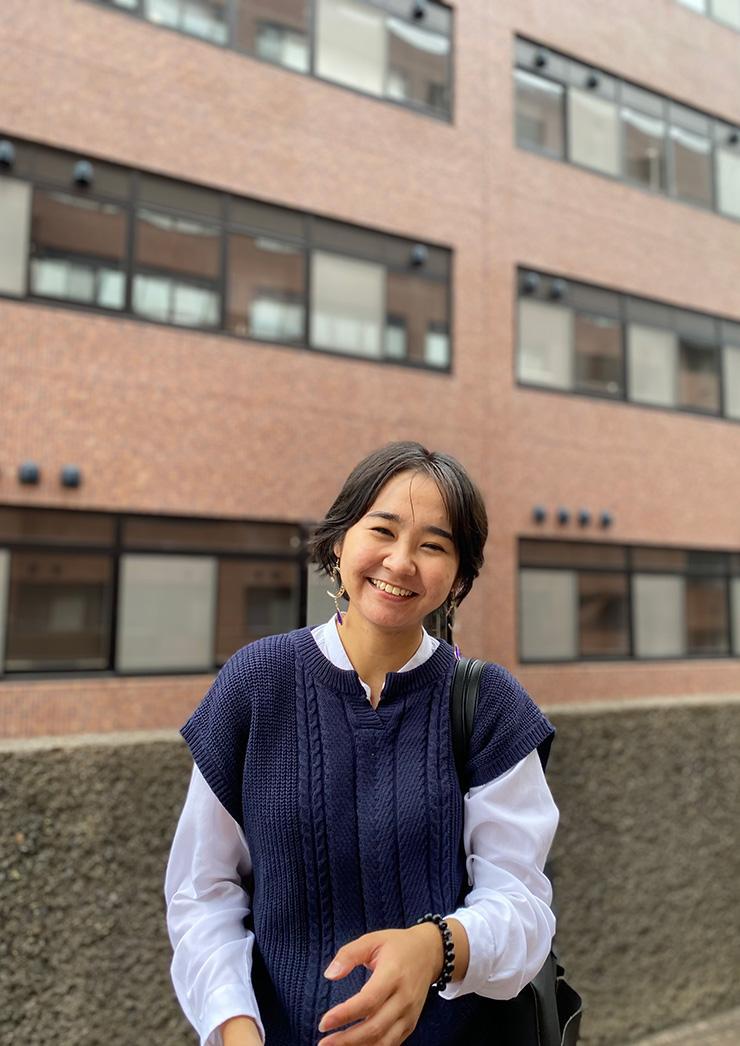
AISANA
From Kazakhstan
-
VITHOR SILVA
From Brazil
-
CHINMAY
From India
-
JEE
From Thailand
-
ISLA
From Taiwan
-
MIVE
From Turkmenistan
-
LAURA
From Argentina
-
SERGIO
From Colombia
-
LENNY
From India
-
ZHANAR
From Kazakhstan
-
PENG
From Malaysia
-
RAVI
From Nepal
-
SUNITA
From Nepal
-
ATOM
From Thailand