


Voices of International Students

EUGENIA ELIKEM ABENA KUMAGA
Doctoral Program in Medical Sciences, Graduate School of Comprehensive Human Sciences
From Ghana
What sparked your interest in this university?
The University of Tsukuba is among the top 10 universities in Japan and a leading research hub in science and research. It is a deliberately created science city that is home to international researchers and students. My laboratory, the Anatomy and Embryology Laboratory, is based within the university's Laboratory Animal Resource Center, which provides valuable facilities and resources for biomedical research. Tsukuba has a vibrant community of students from many countries, including a welcoming African student community, which makes it feel like a home away from home. Together, the academic opportunities, research facilities, and multicultural environment made the University of Tsukuba an excellent place for me to pursue my PhD.

What aspects of Japanese culture or customs surprised you? How did you adapt to these differences?
Japan was not completely unfamiliar to me because I had relatives who previously lived here, but experiencing the country and its culture firsthand was still very different. I was especially impressed by how polite, considerate, and intentional people can be in everyday interactions. I also noticed some similarities between Japanese and Ghanaian culture. In Ghana, kindness, hospitality, and respect for others are also highly valued, so these shared values made adapting to life in Japan easier for me. I did not find the adjustment particularly difficult. One thing I missed during my first few weeks was spicy Ghanaian food! Over time, I became more comfortable with daily life while continuing to appreciate both the similarities and differences between the two cultures.
What do you enjoy about Tsukuba?
I love Tsukuba for its international diversity. The University of Tsukuba is a converging point for students and researchers from different countries, which makes the environment both welcoming and intellectually stimulating. I also appreciate the balance between a calm, green city and convenient access to Tokyo. The Tsukuba Express makes it relatively easy to travel to Tokyo and other nearby areas while still enjoying the quieter atmosphere of Tsukuba. The university's spacious campus, its many green areas, and the overall layout of the city are a beauty of nature. One of my favorite places is Doho Park, especially in autumn when the leaves are beautiful. Tsukuba, for me, offers a comfortable combination of research, international community, nature, and accessibility.
What do you hope to achieve during your time here?
My main academic goal is to complete my PhD and grow into an independent researcher. While pursuing that, I hope to make the most of living in Japan. I would like to achieve JLPT N2 level and become comfortable communicating in Japanese in everyday and professional settings. I also hope to contribute to stronger connections between Ghana and Japan, particularly through education, research, and cultural exchange. During my time here, I have been a support for Japanese students and community members who are eager to improve their English language skills through conversation and exchange activities. I hope to leave with not only a doctoral degree, but also meaningful relationships, stronger language skills, and experiences that will be beneficial to both countries.

What do you think makes the University of Tsukuba special?
The University of Tsukuba combines high-level research with a genuinely international and open academic environment. It brings together students and researchers from many disciplines and many parts of the world. As a doctoral student in biomedical sciences, I value being in an environment where advanced research facilities, collaboration, and scientific discussion are part of everyday university life. Tsukuba Science City also offers access to numerous research institutions, while the university itself has a diverse student community and many opportunities for cultural exchange. This combination of research excellence, international diversity, and a supportive campus environment is what makes the University of Tsukuba distinctive for me.

-
EUGENIA ELIKEM ABENA KUMAGA
From Ghana
-
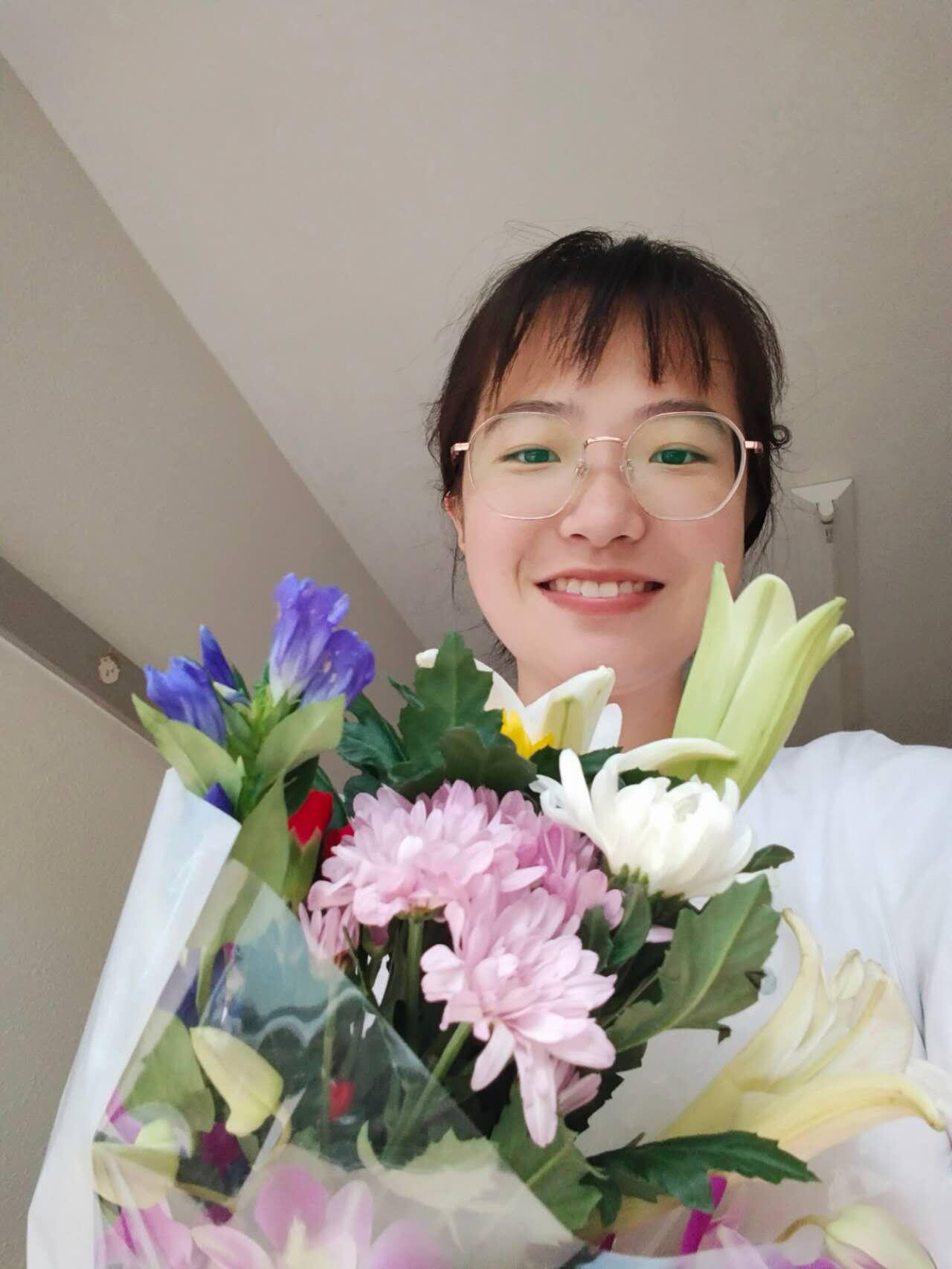
YUHAN XU
From China
-
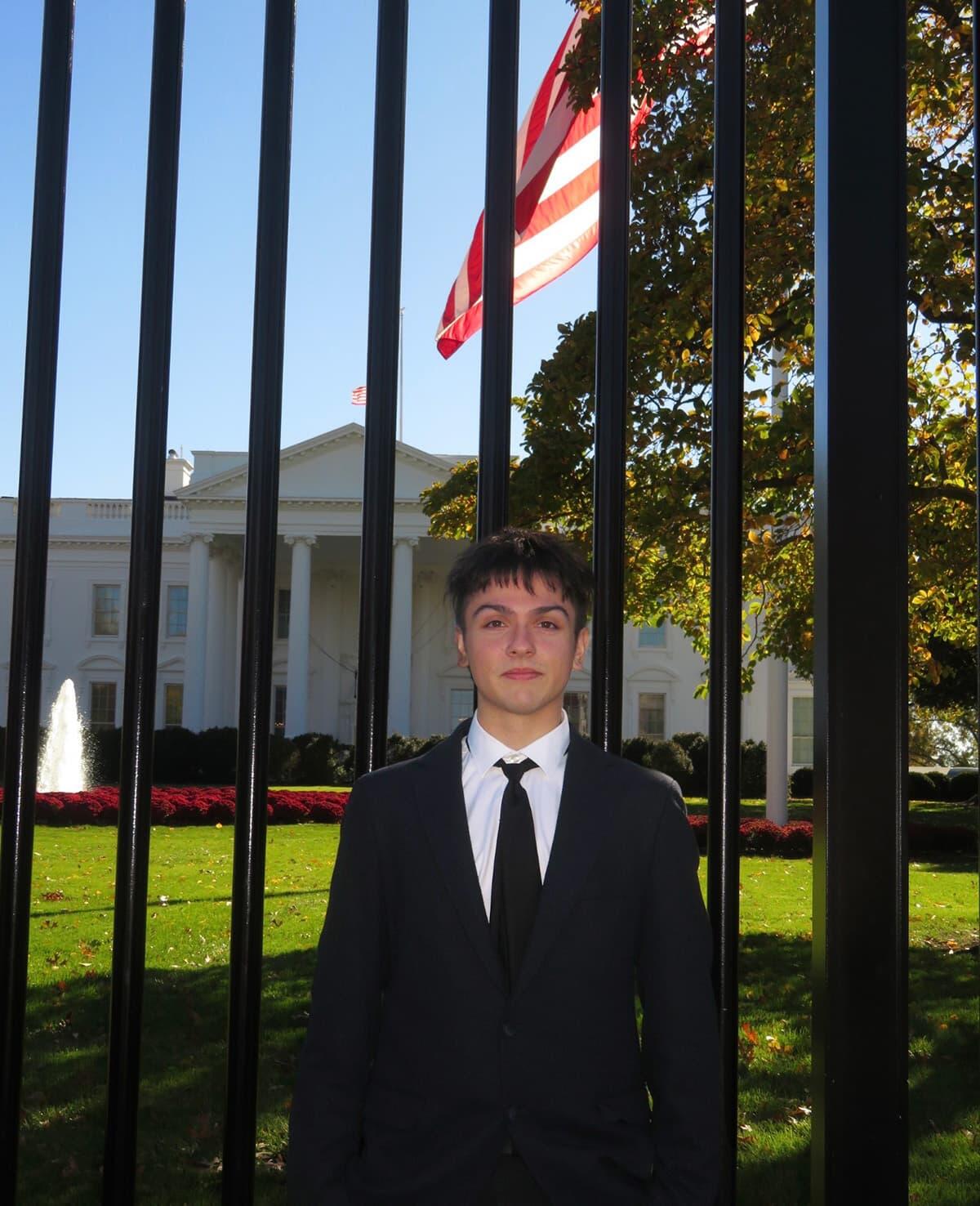
ALEXANDRU CRISTIAN GOIA
From Romania
-
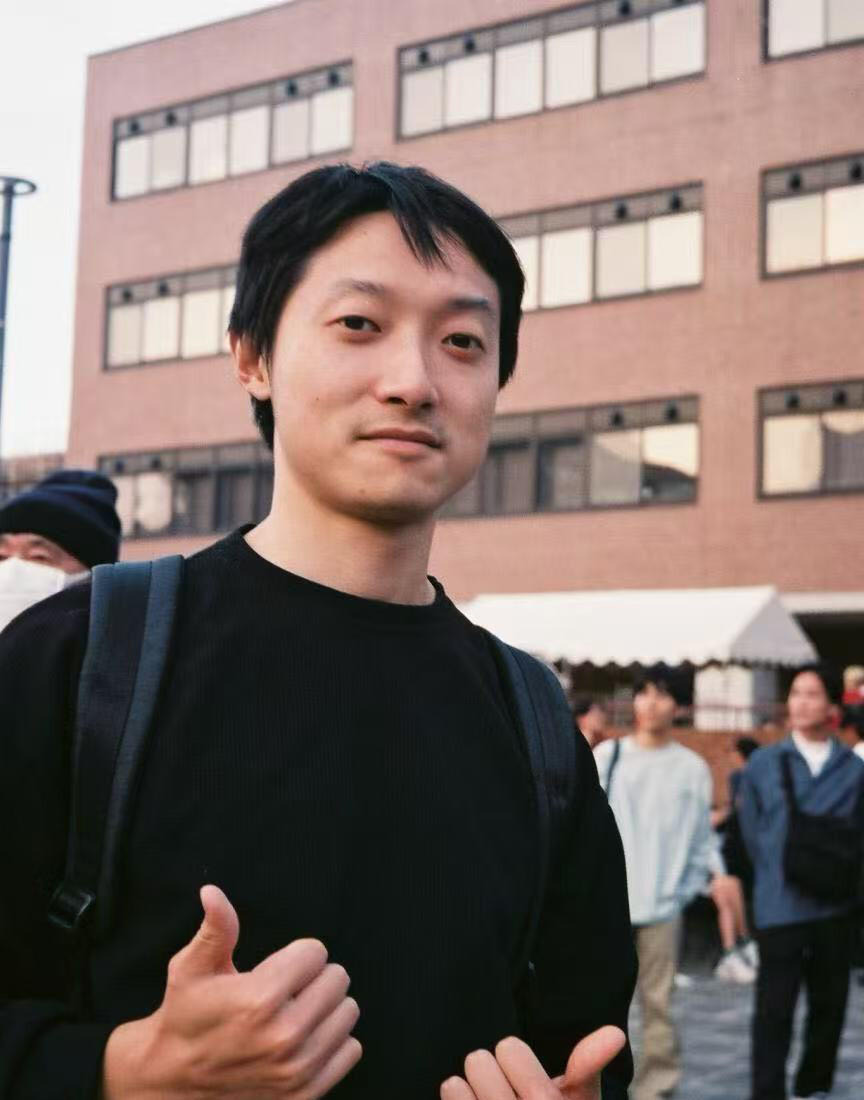
SHUYANG ZHANG
From China
-
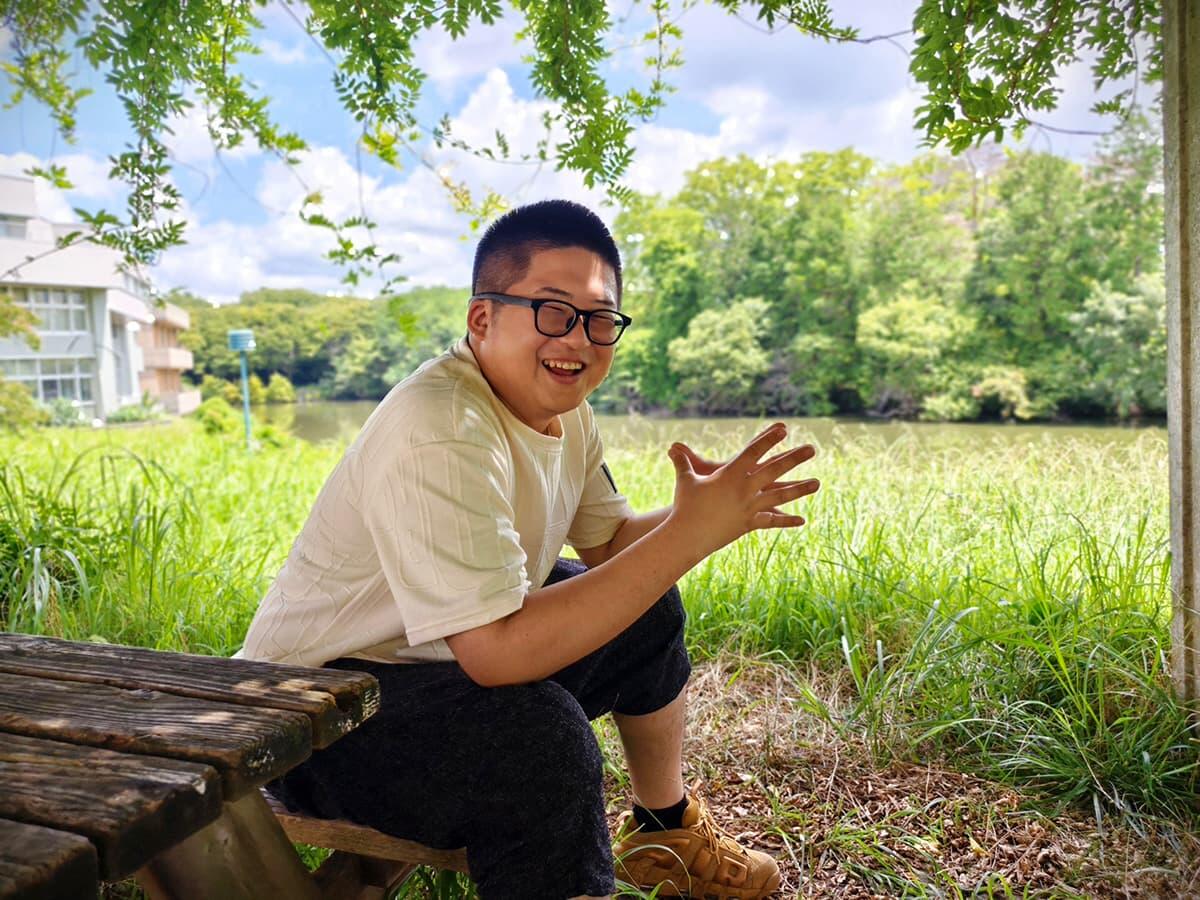
YI-FU LIU
From China
-
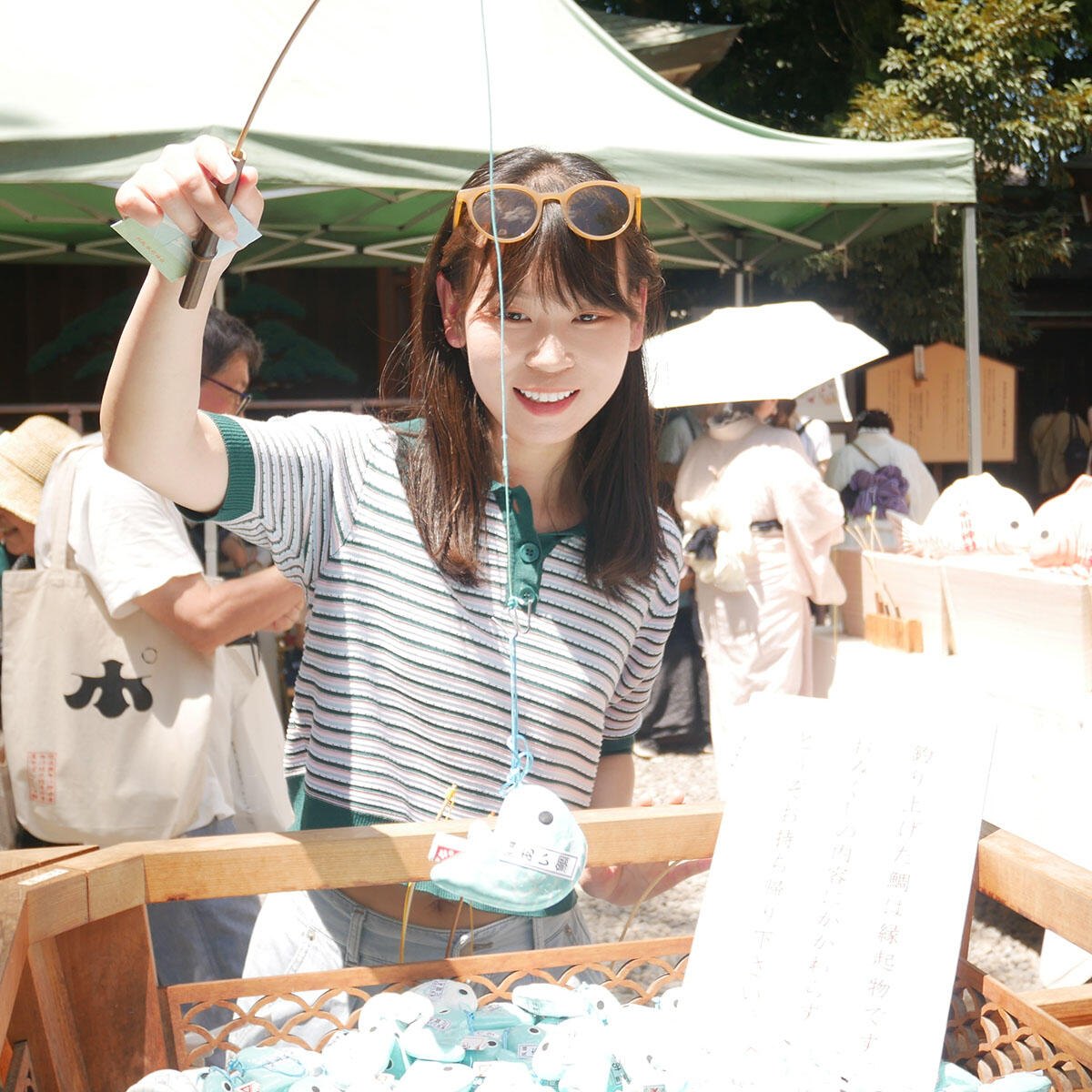
XINGYA YUAN
From China
-

礼 (LI)
From China
-
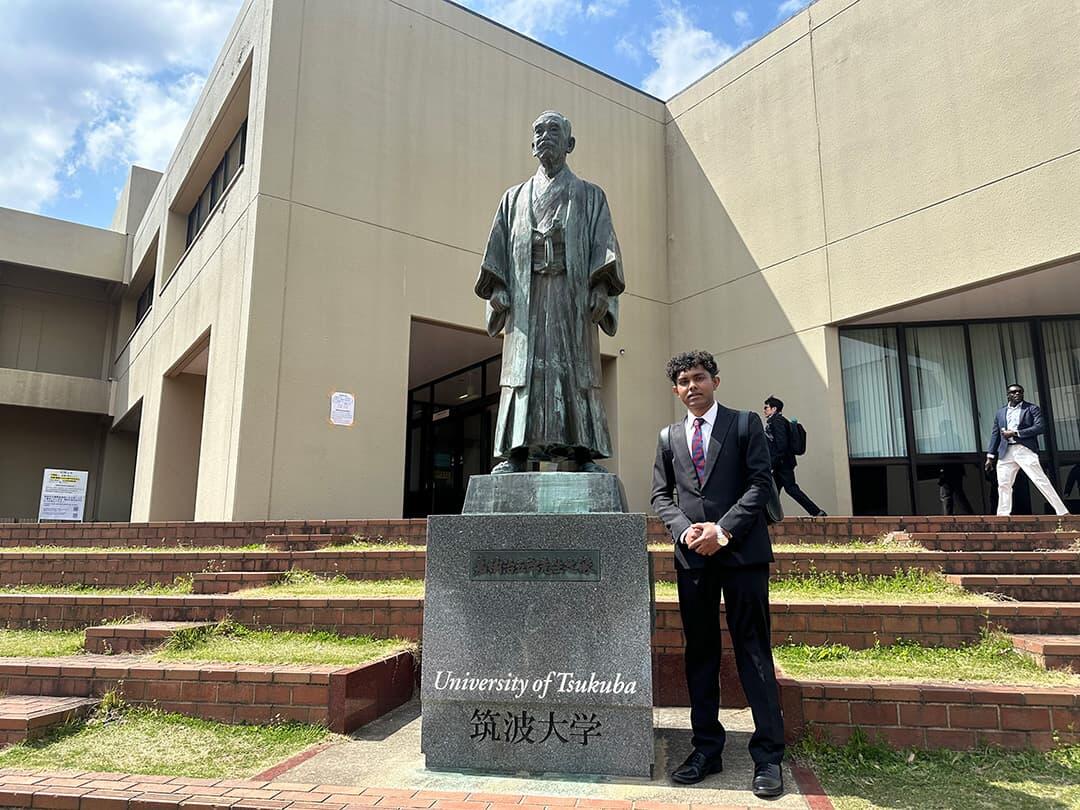
PULUSEN SATHYAJITH ARIYASINGHE
From Sri Lanka
-
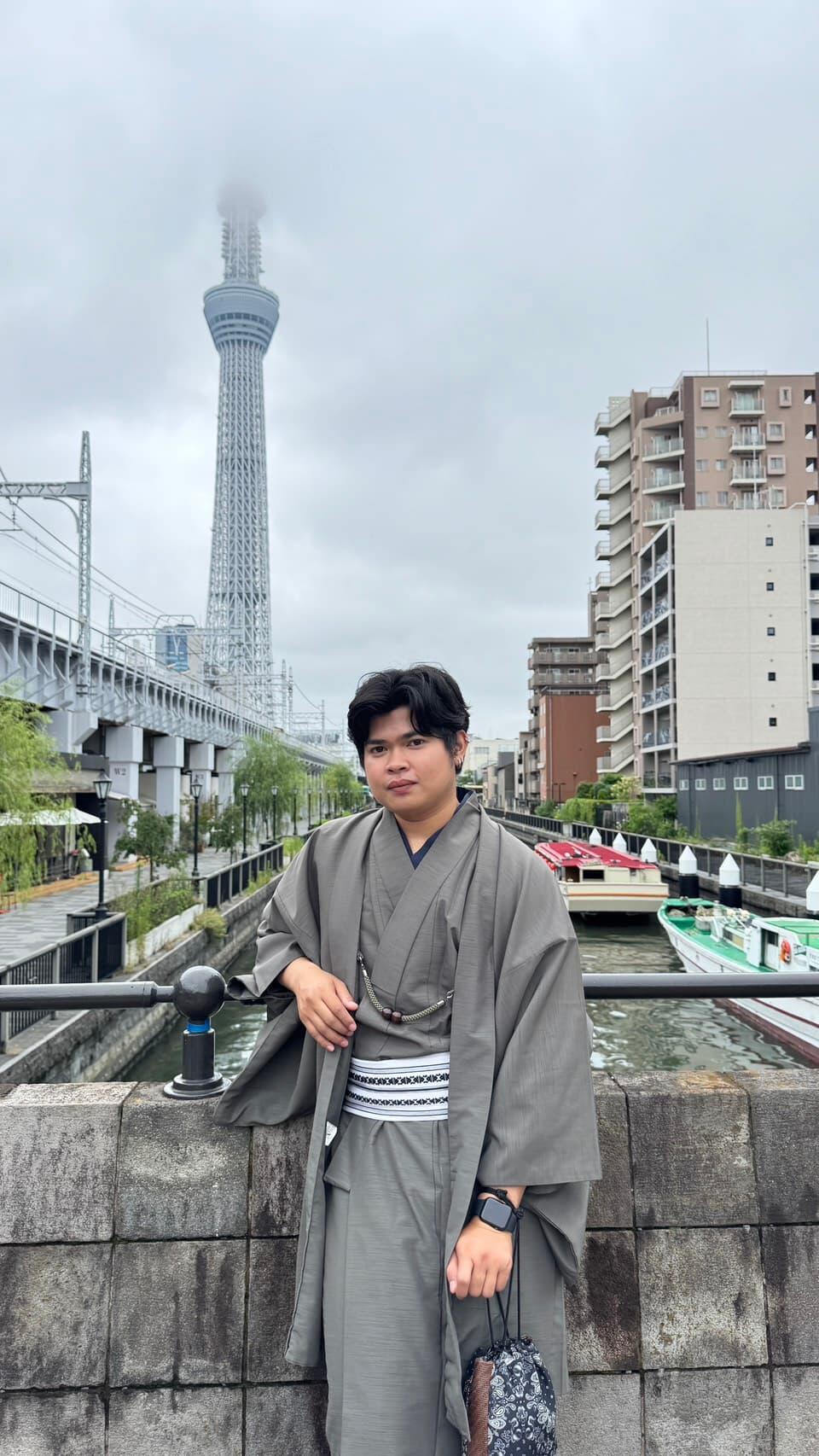
SAKNARIN NIN-INJAN
From Thailand
-
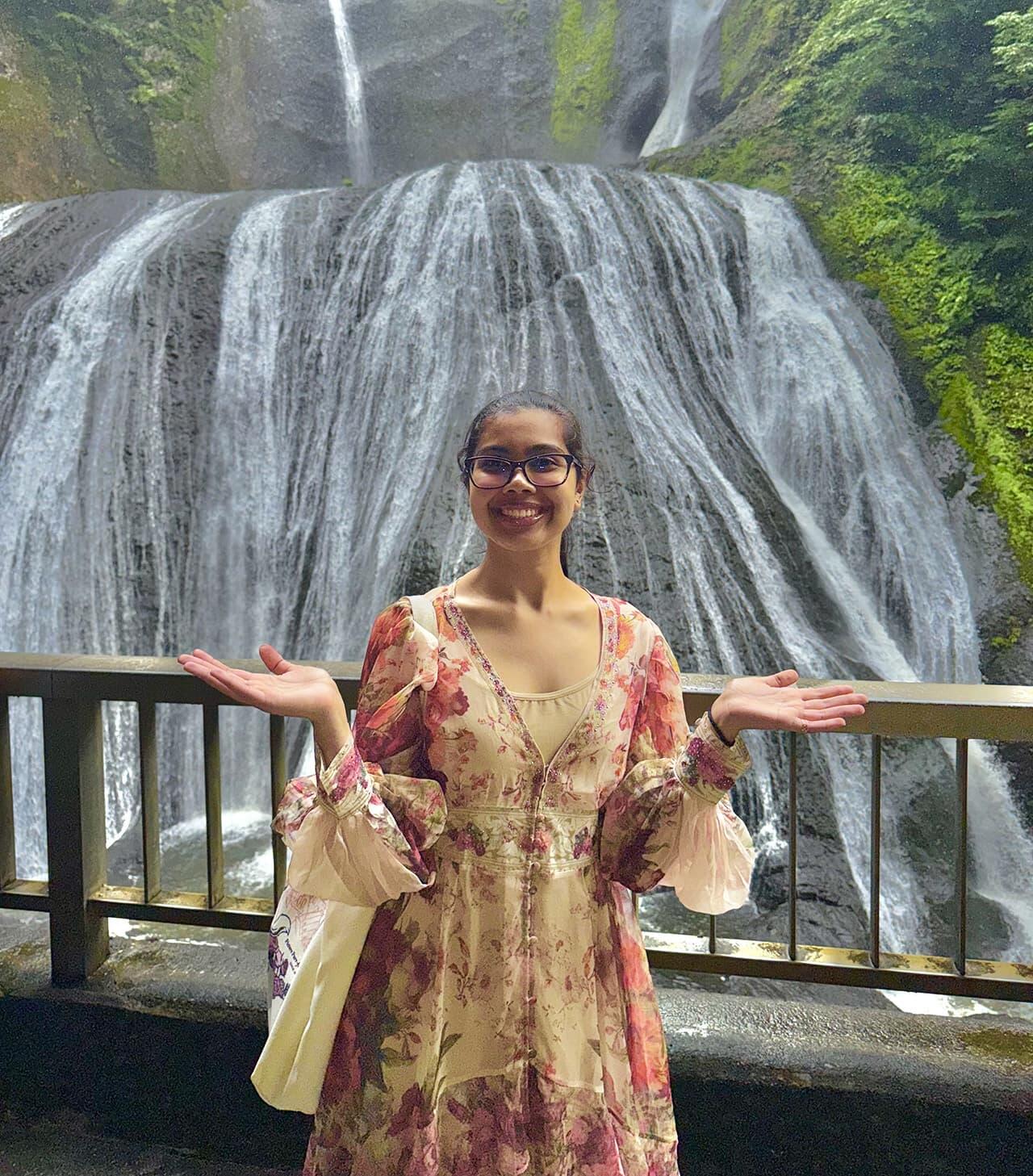
HIRUNI HUNUKUMBURA
From Sri Lanka
-

HAN CHON TEH
From Malaysia
-
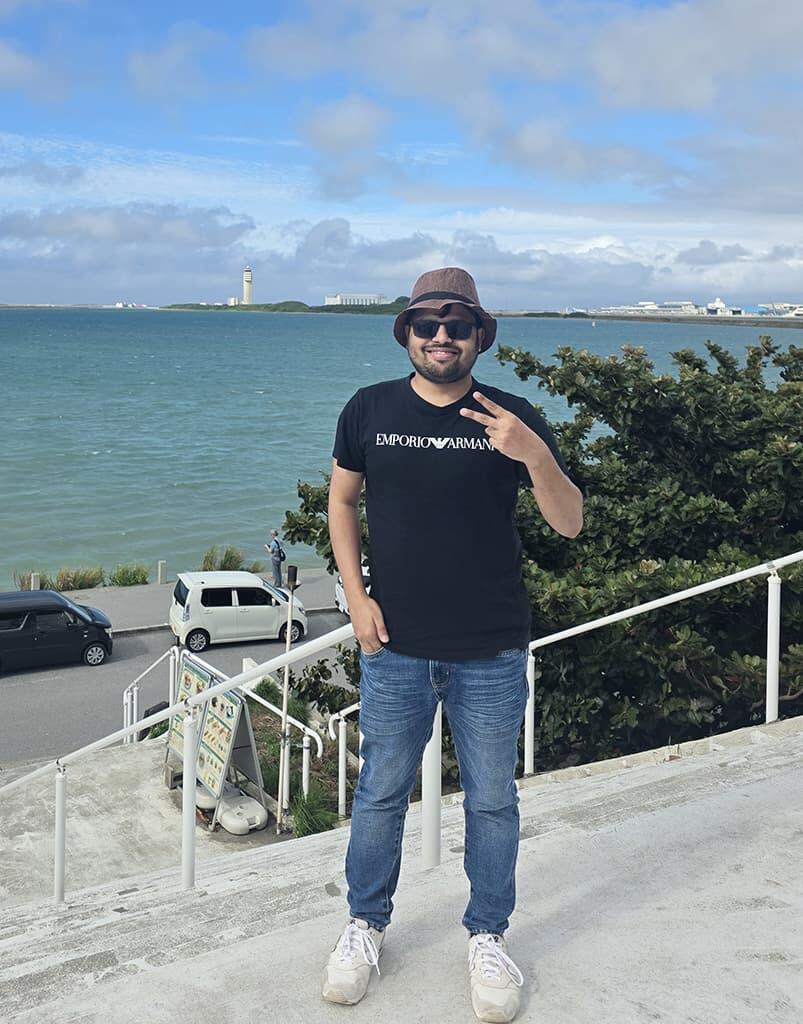
MD MEHEDI HASAN
From Bangladesh
-
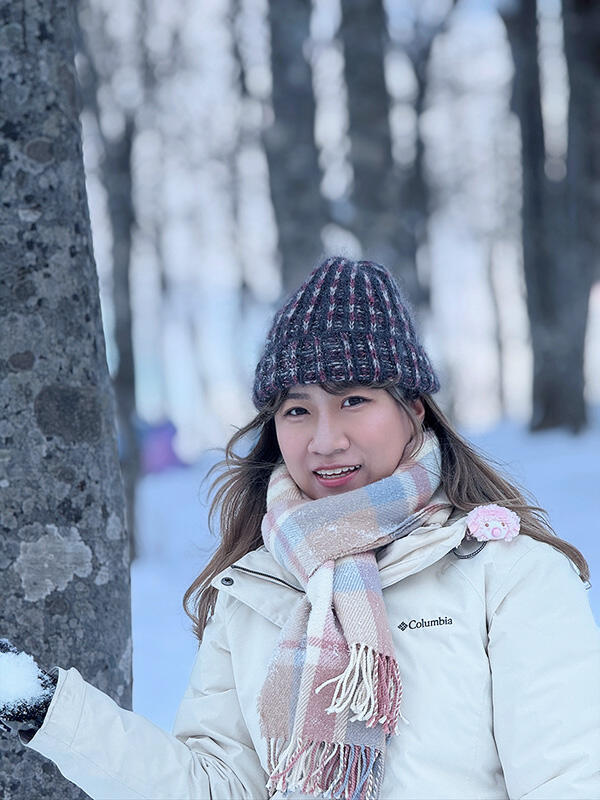
LI SZE CHING
From Hong Kong
-
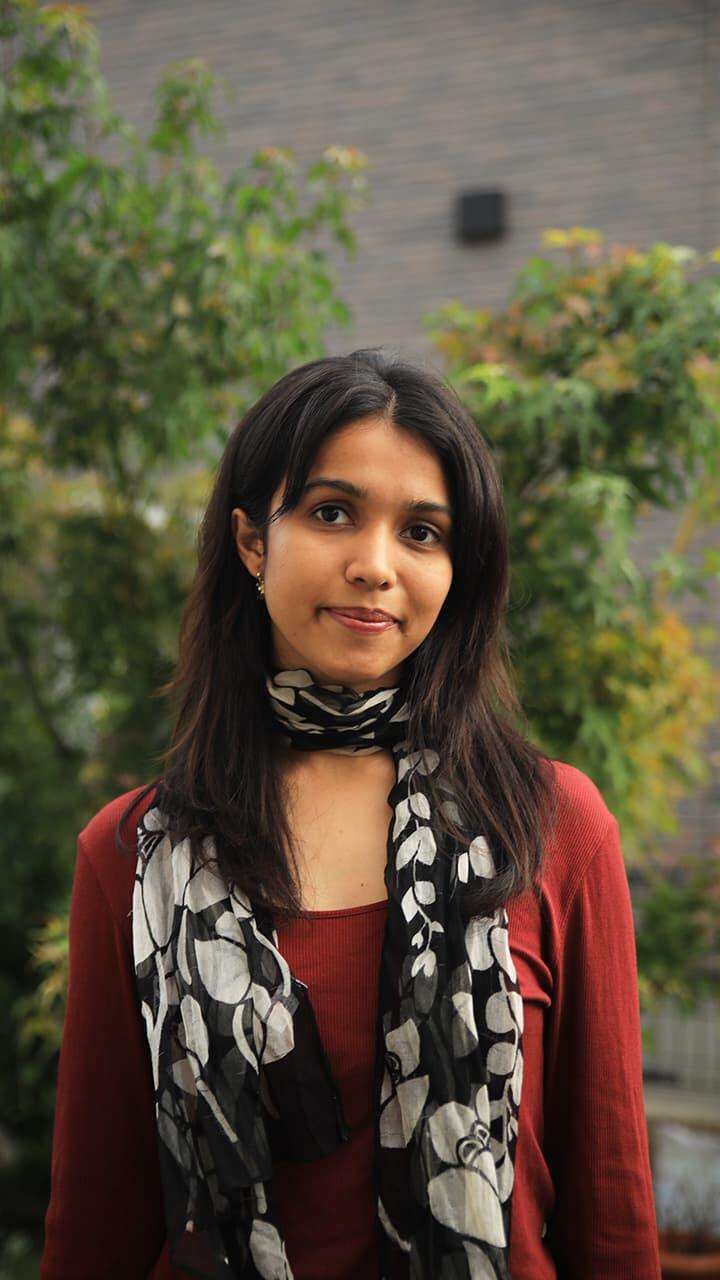
SIYA JITENDRA DESHPANDE
From India
-

RIBEIRO FALCÃO LORRANA
From Brazil
-
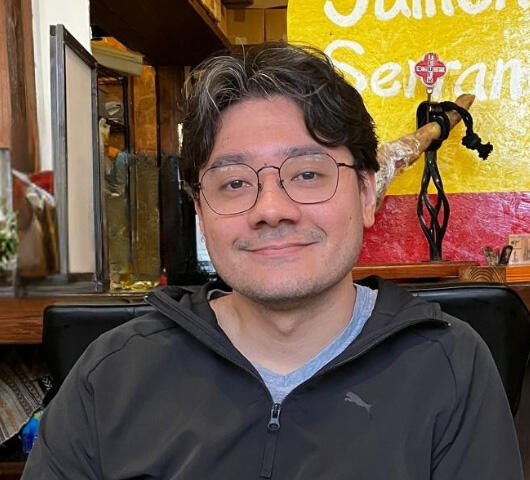
VICTOR MASSAKI NAKAGUCHI
From Brazil
-
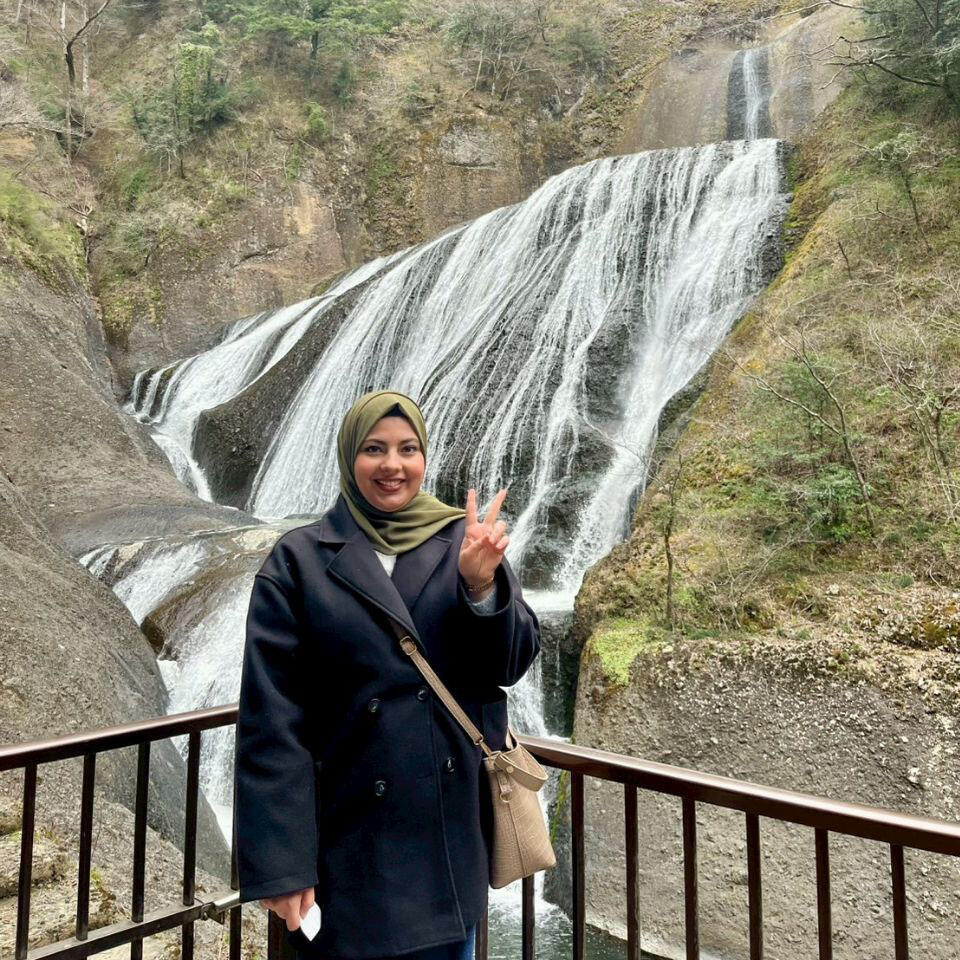
RIYAM MOTEA AL-RAABEA
From Iraq
-
ASYRAF KAZUKI BIN ABDUL ZAKI
From Malaysia
-

CHUN PI HSIEH
From Taiwan
-
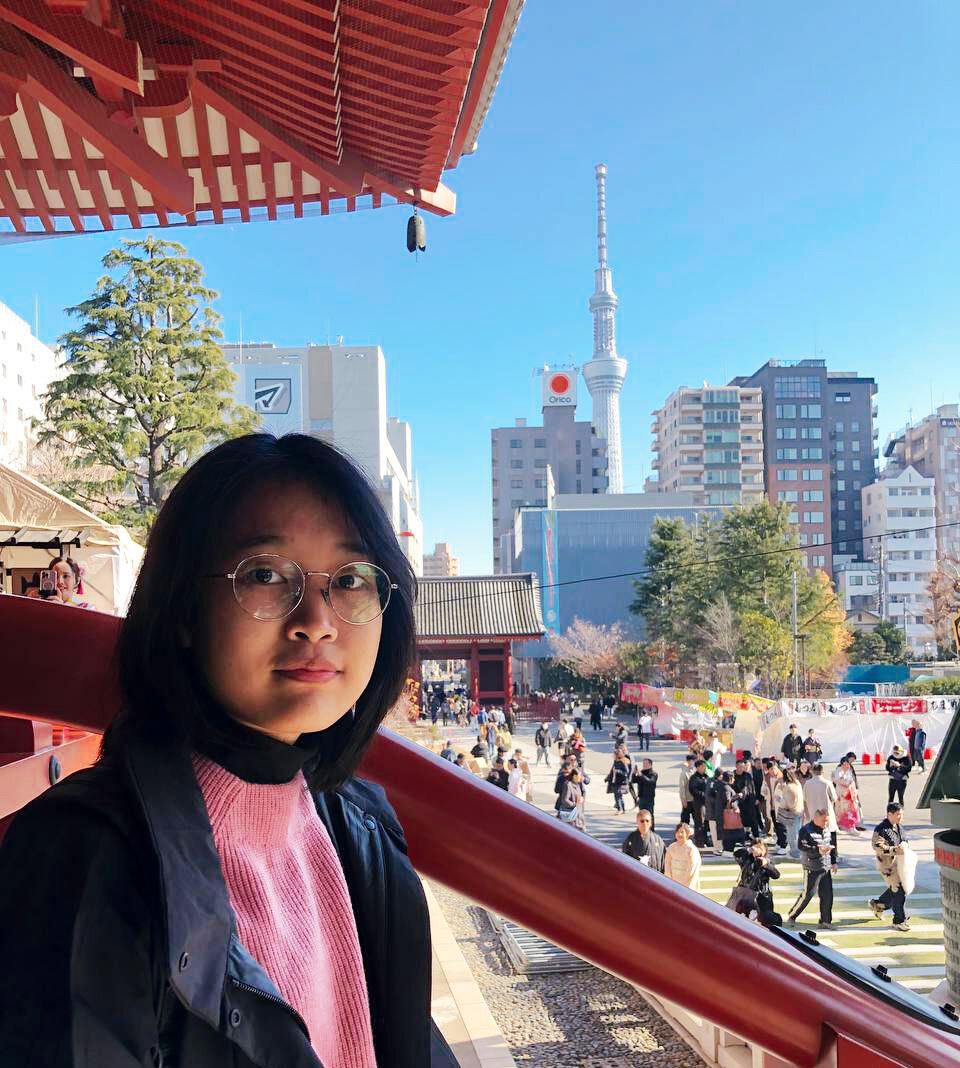
EI YADANAR MAUNG
From Myanmar
-

LIANG LIU
From China
-
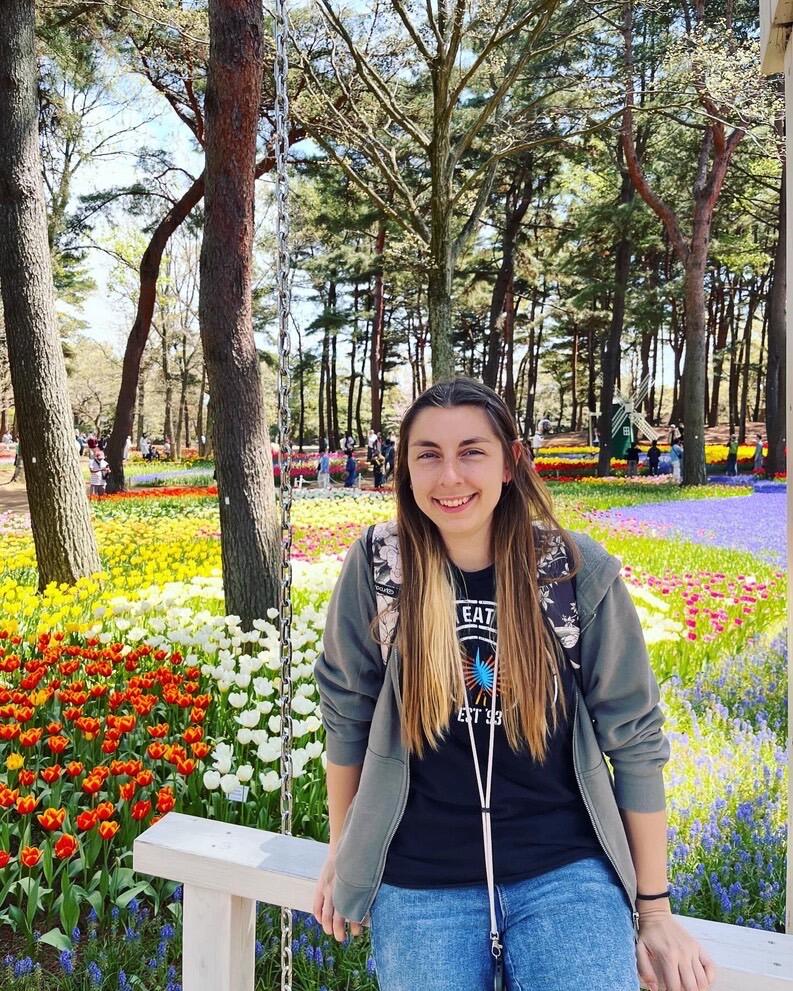
EMMA ROSE DANGERFIELD
From Australia
-
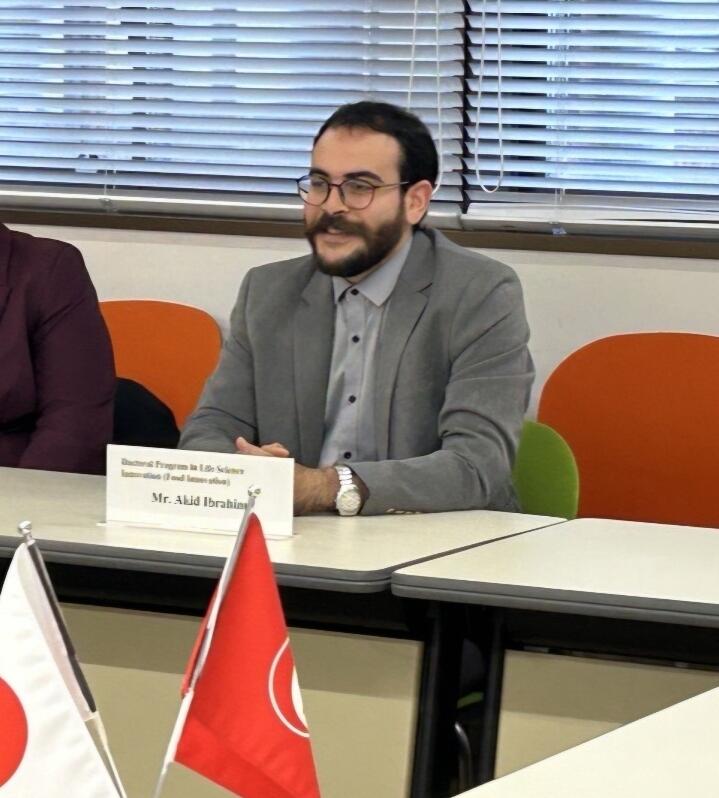
IBRAHIM AKID
From Tunisia
-
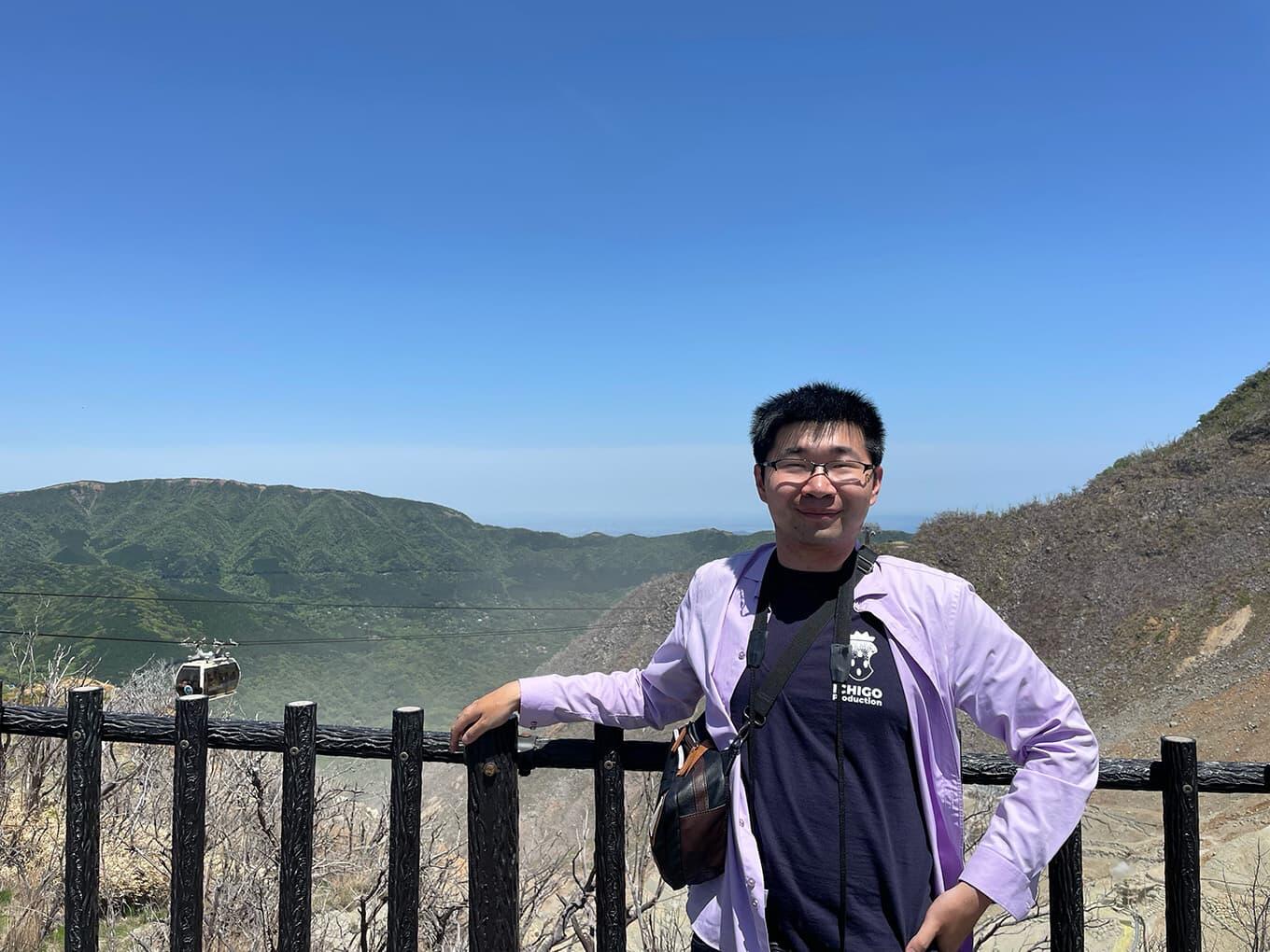
LEYUN HUANG
From China
-
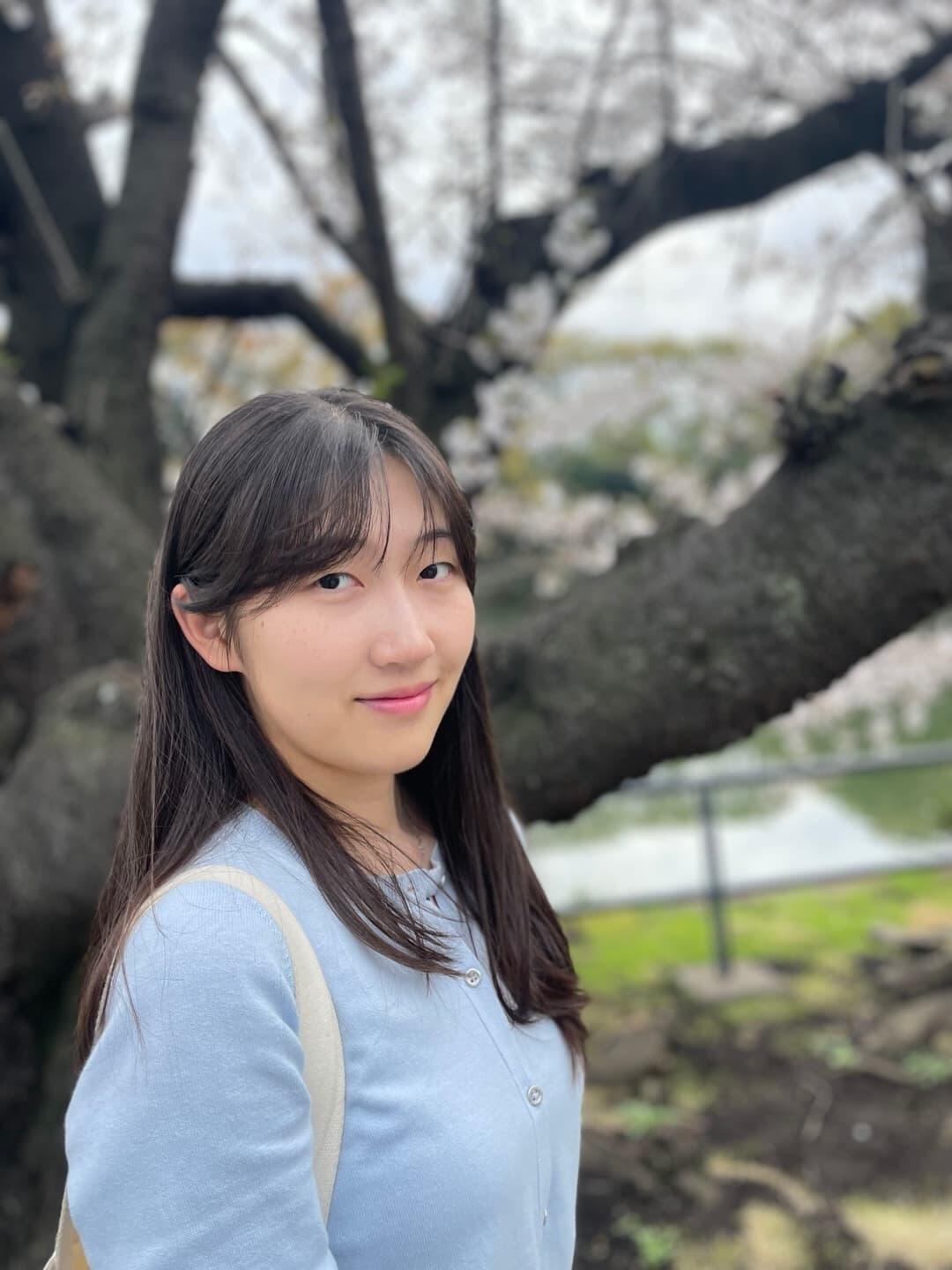
HYOWON LEE
From Korea
-
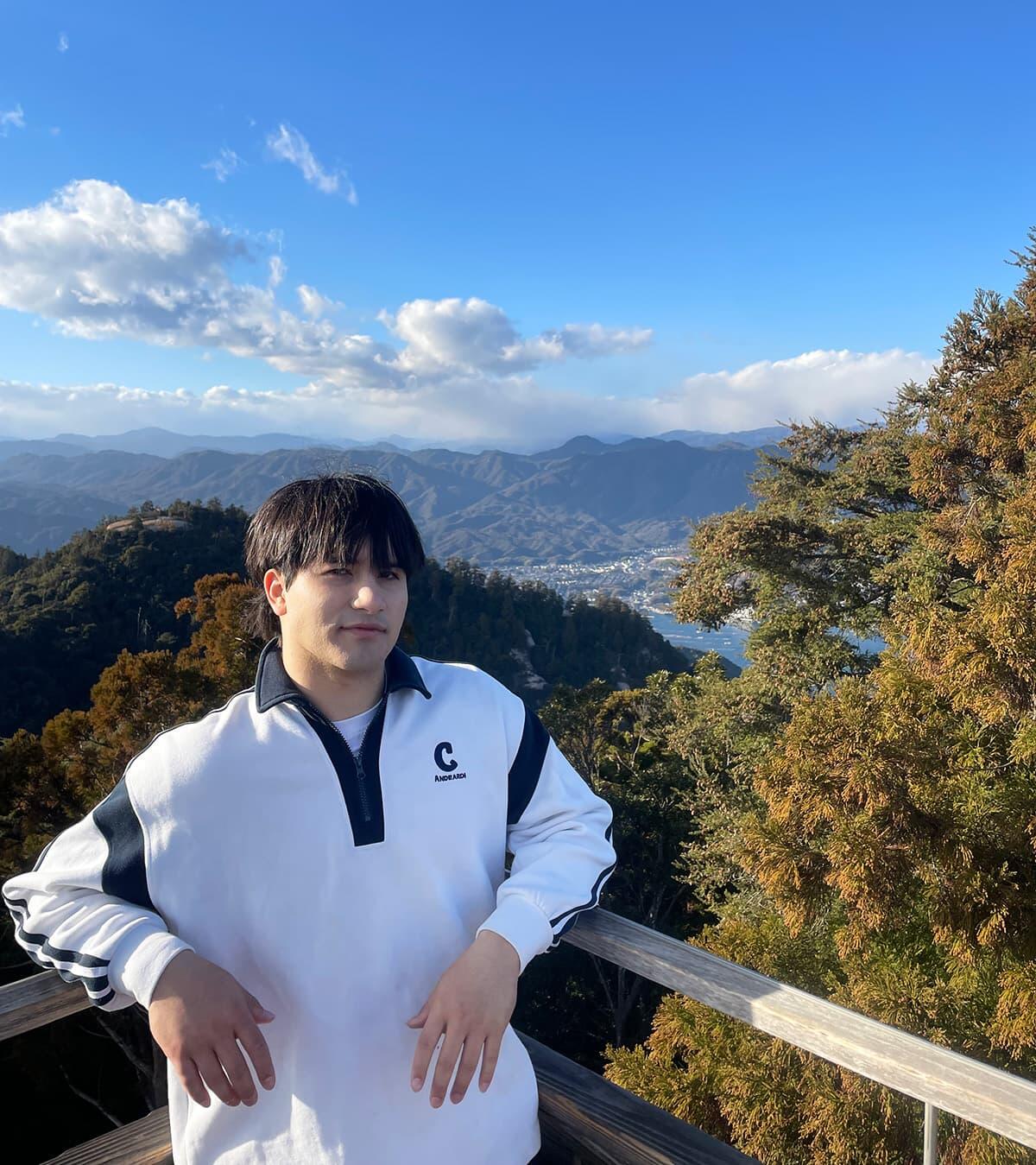
ZACHARY JAMES YOSHIOKA
From USA
-
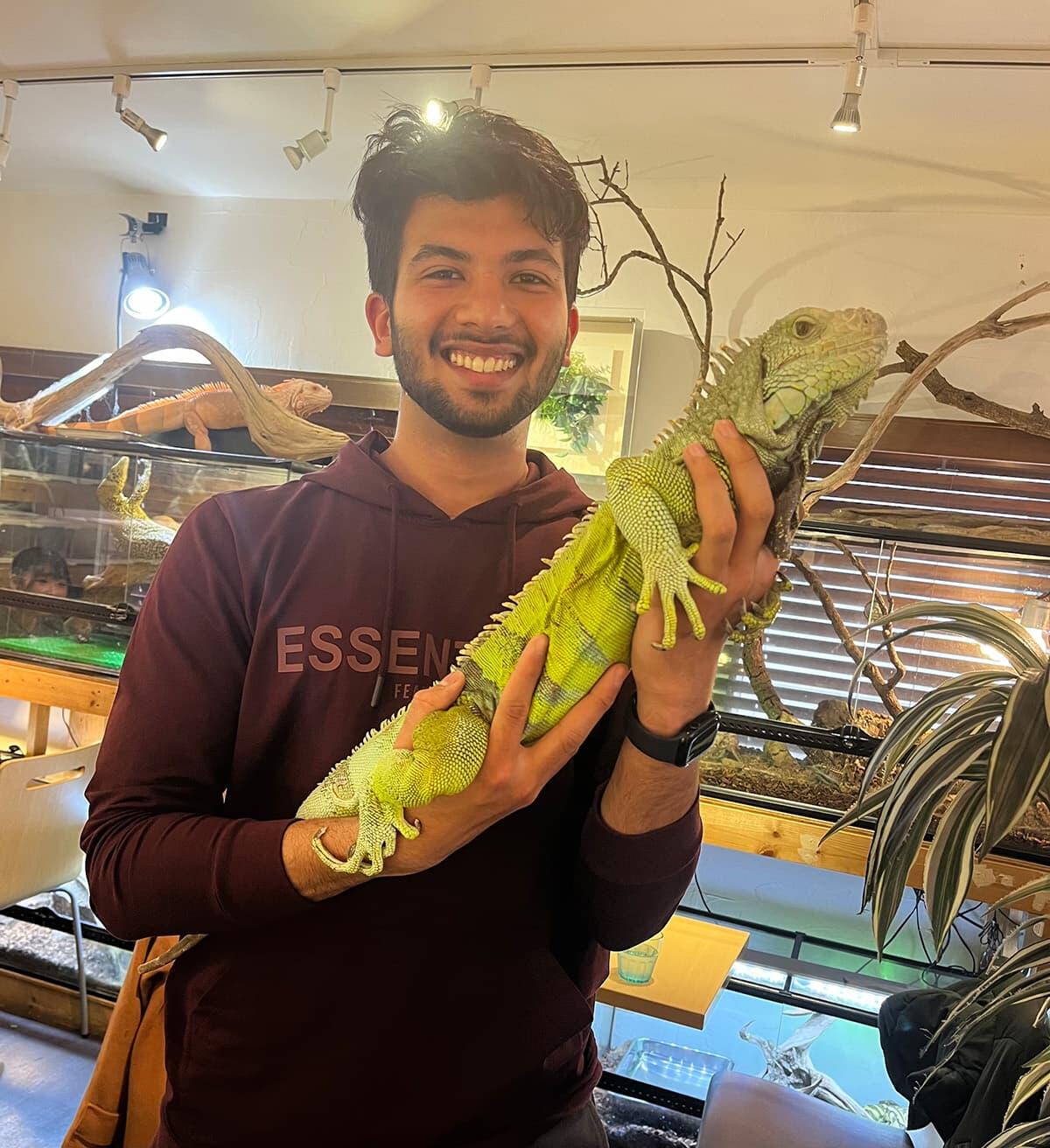
NIMISH SUDHIR GODSE
From India
-
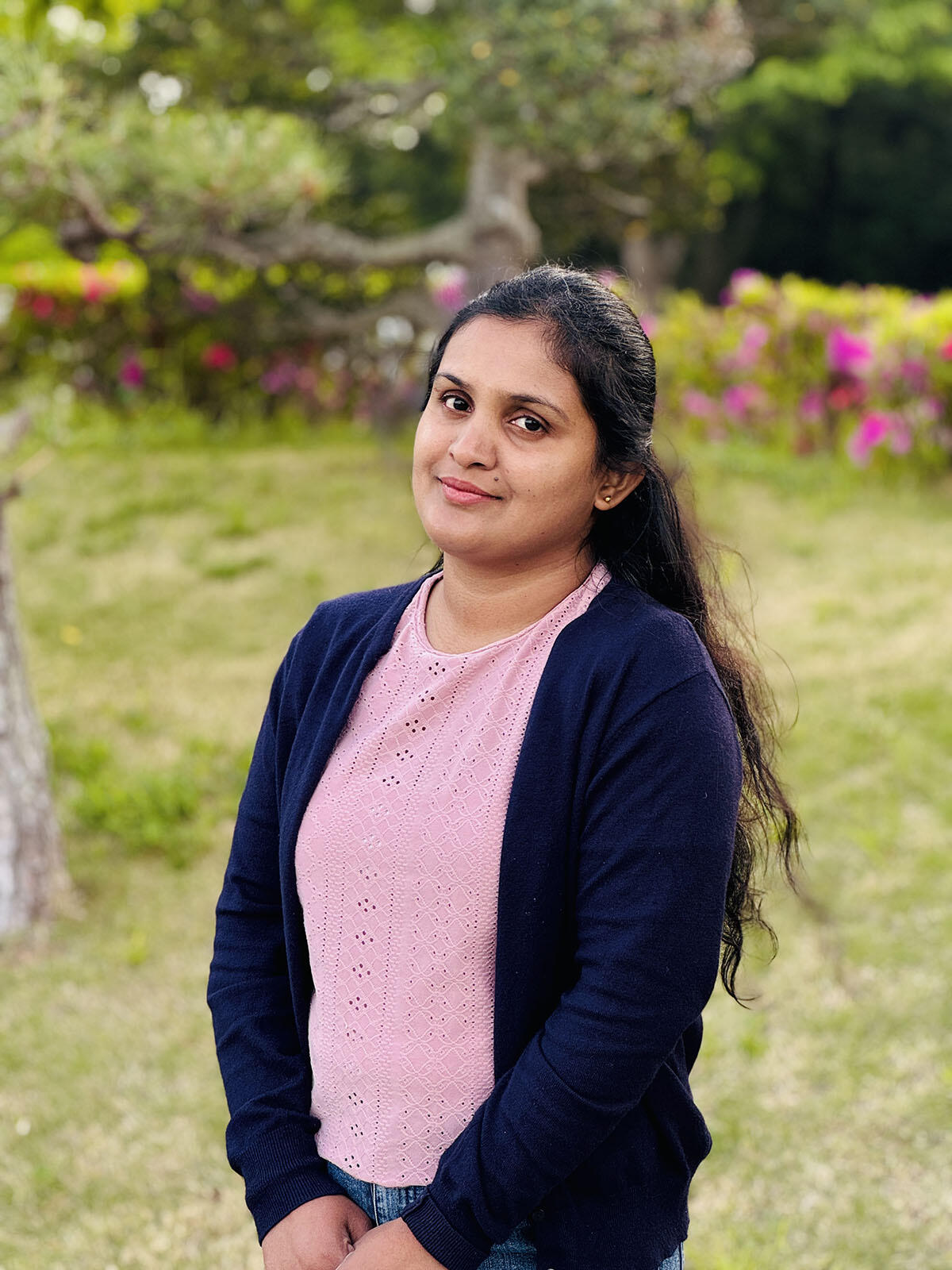
HASINI NIMANTHI KATIYAPE SAMARASEKARAGE
From Sri Lanka
-
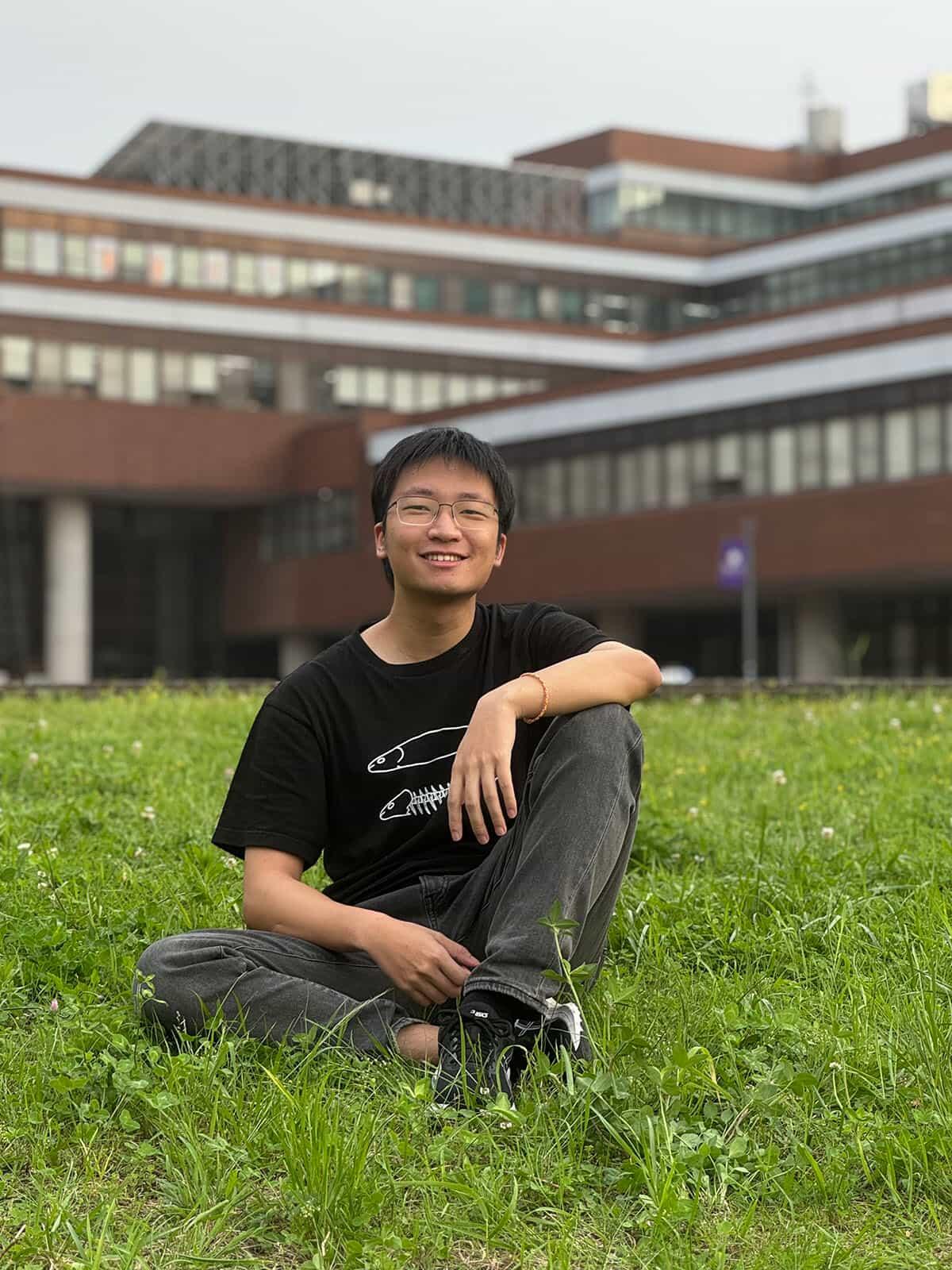
MURAN XU
From China
-
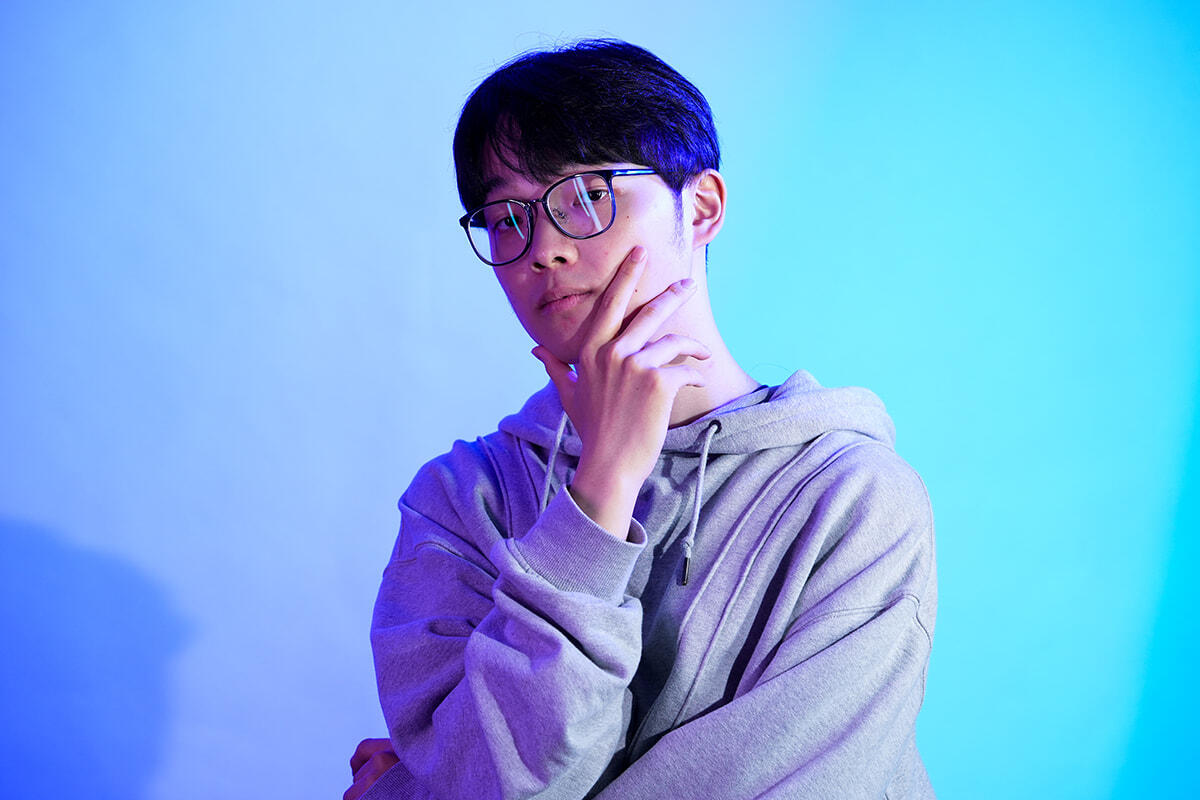
YANG HU
From China
-
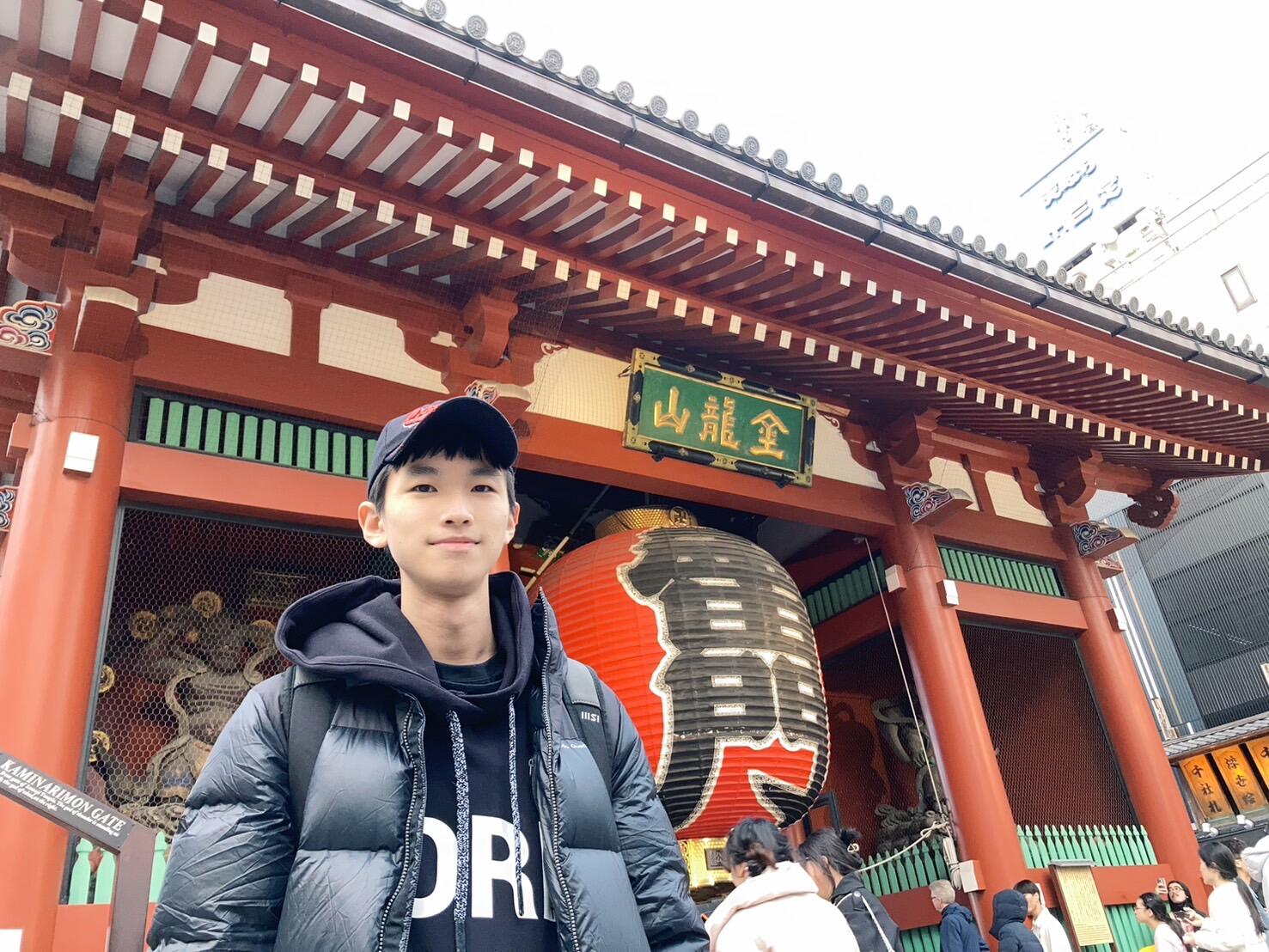
TE-YU HUANG
From Taiwan
-
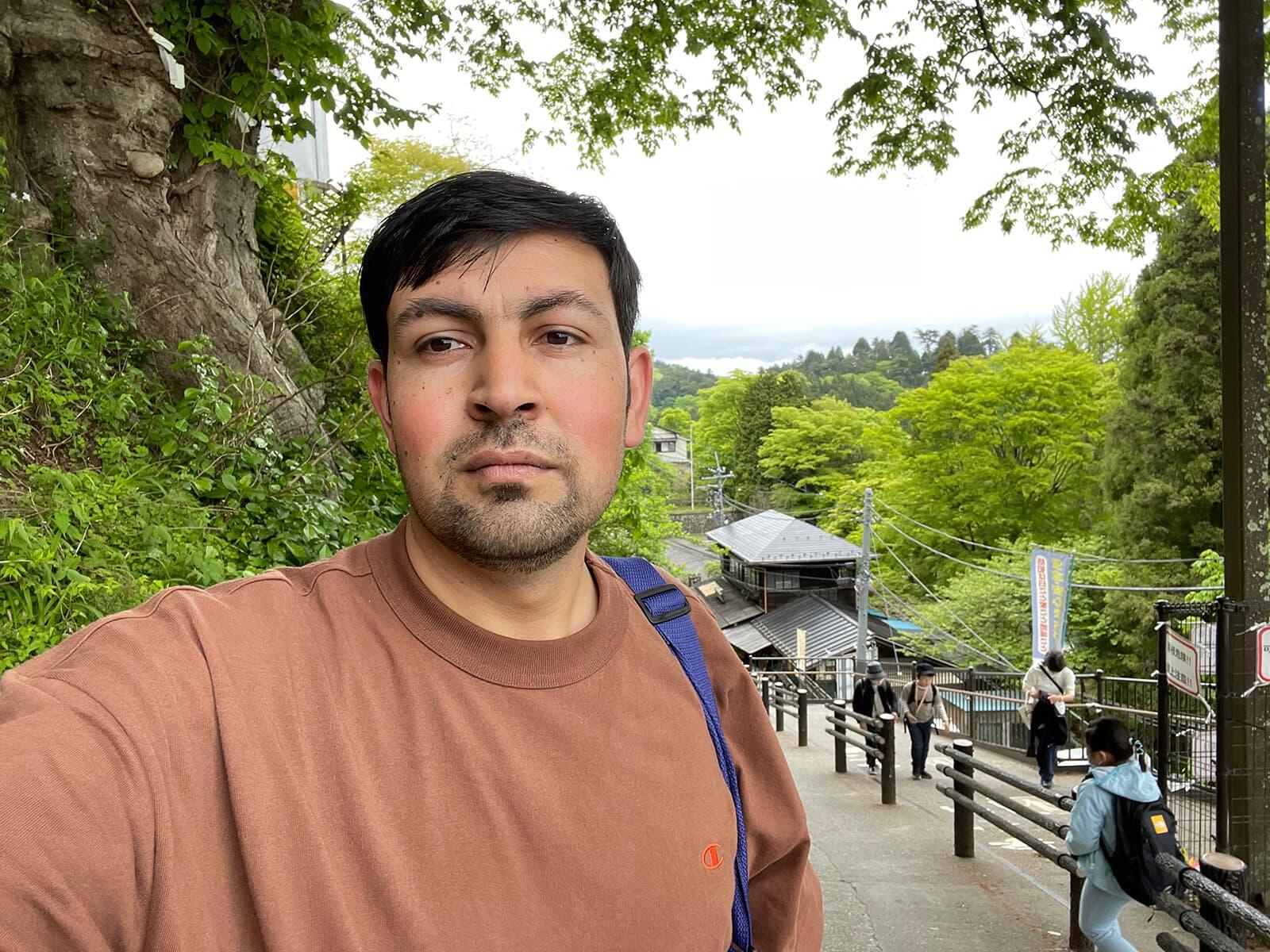
SHAFIQULLAH YOUSAFZAI
From Afghanistan
-
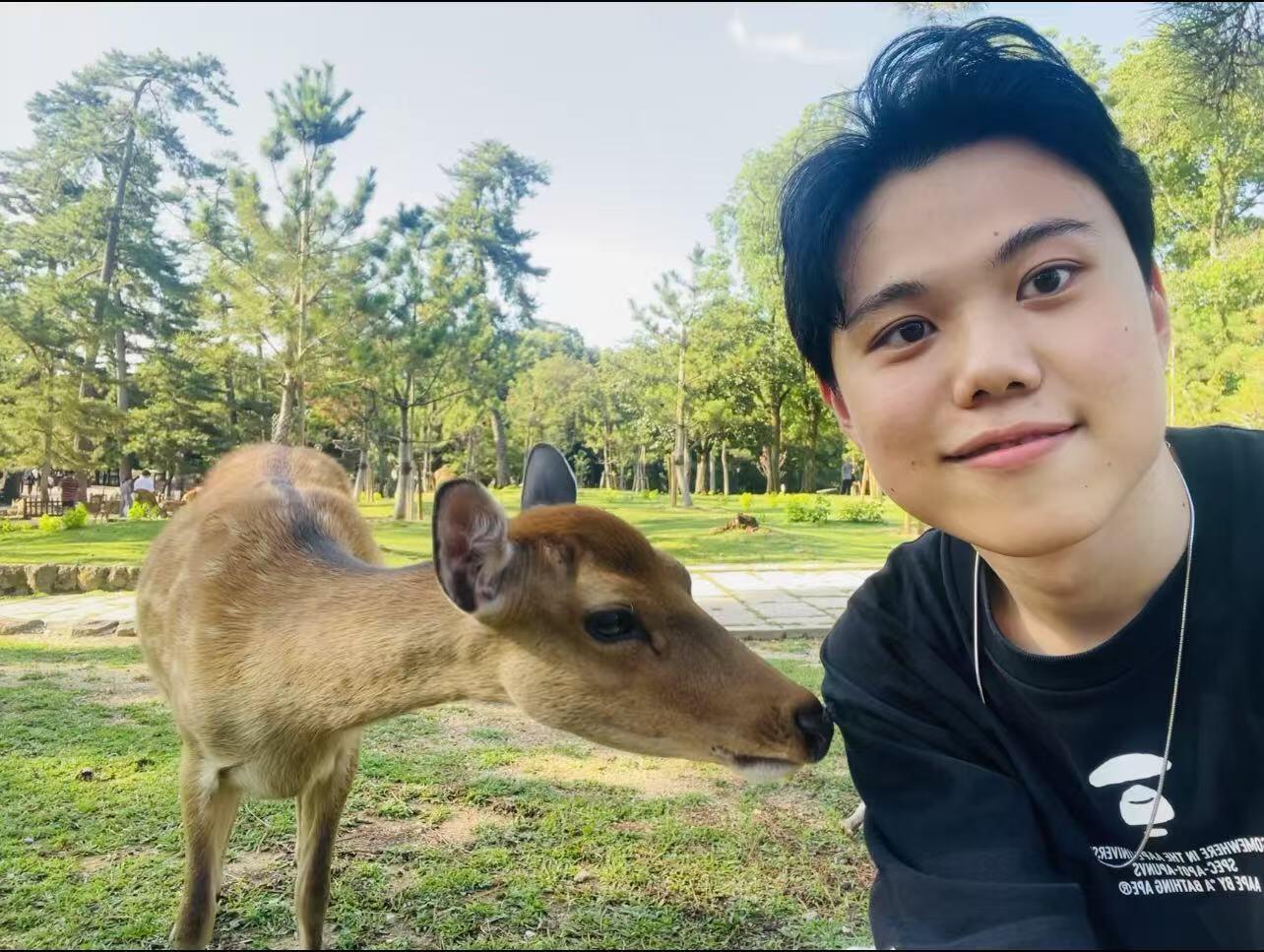
QI SHI
From China
-

MYLES
From USA
-
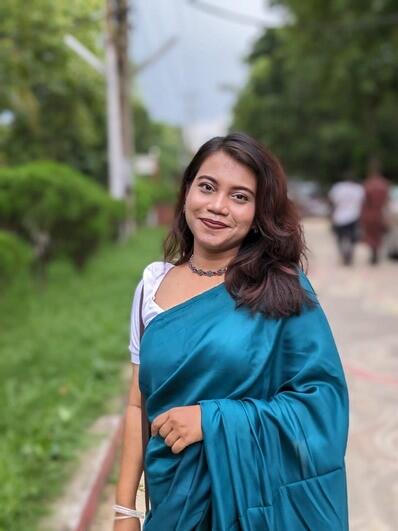
ISRAT JAHAN
From Bangladesh
-
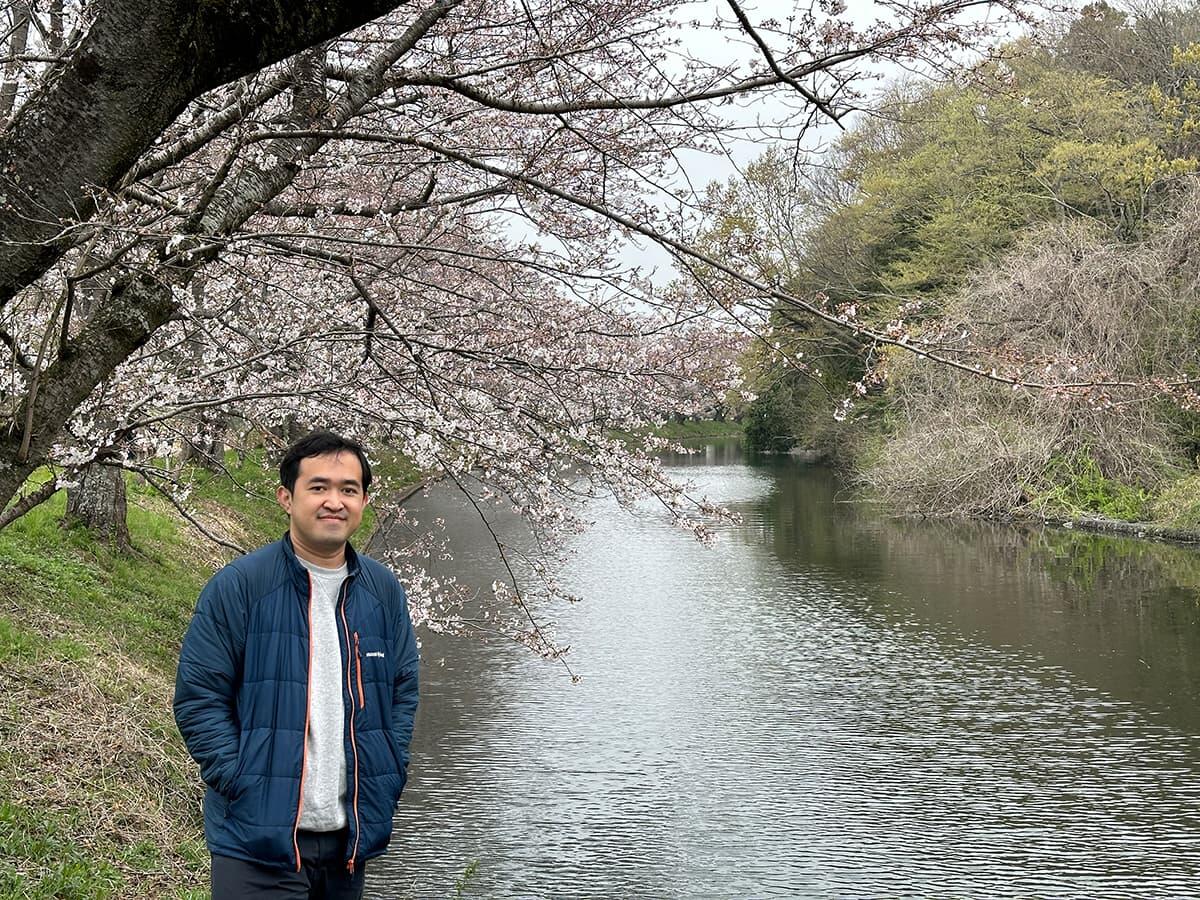
SOTHEARITH ENG
From Cambodia
-
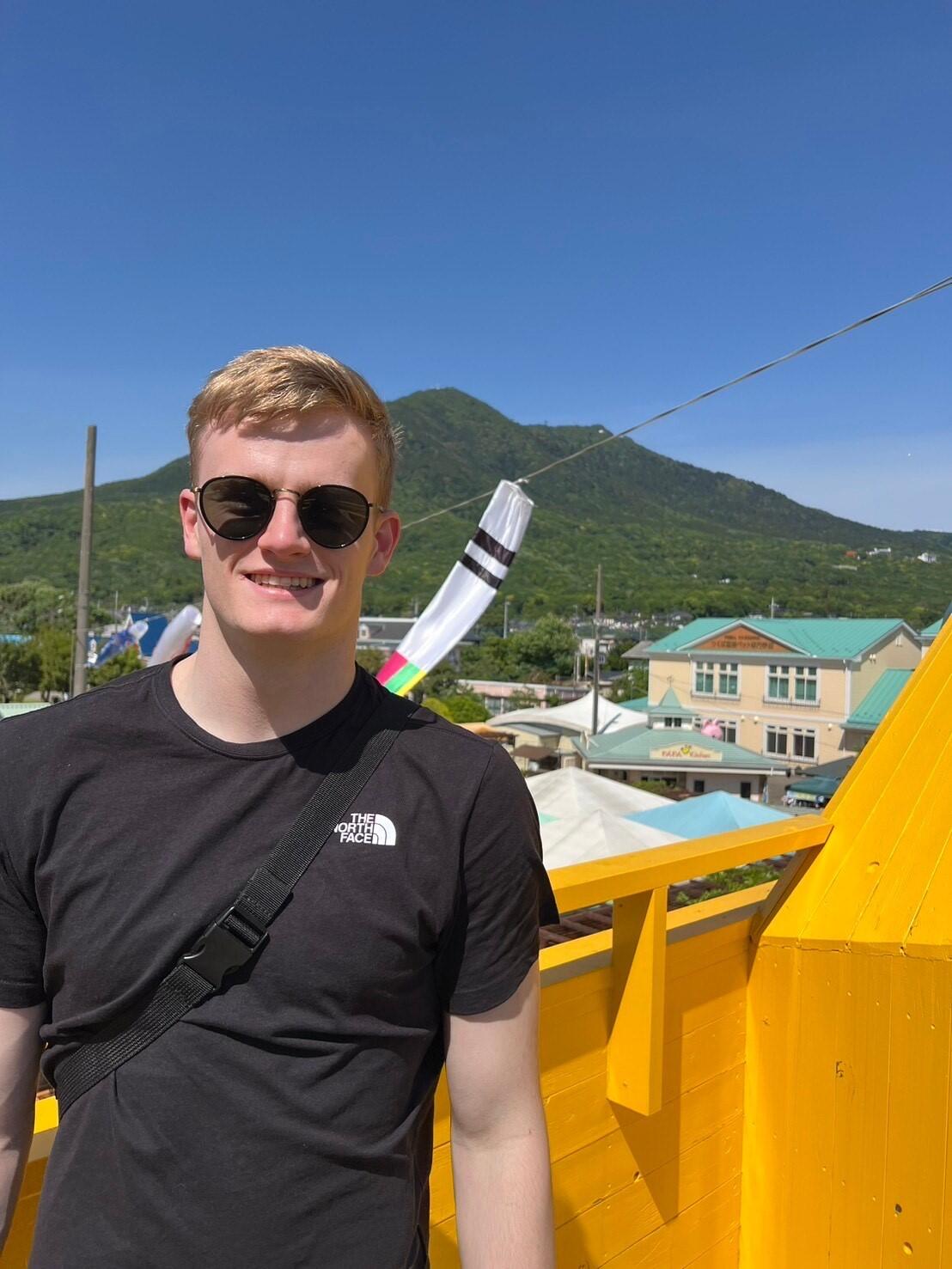
FELIX COOMBER
From UK
-
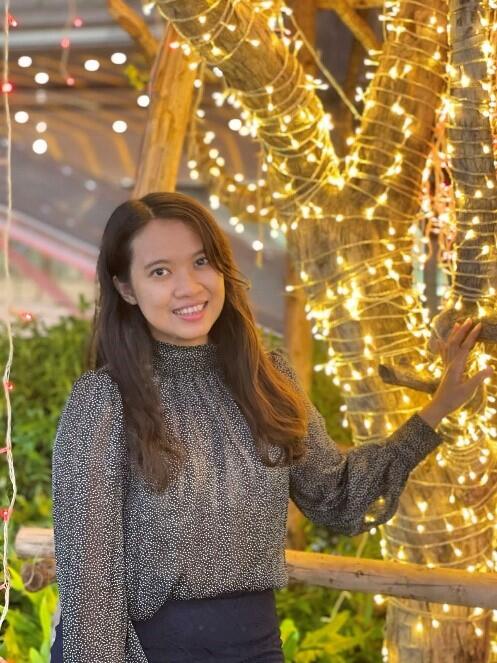
WAI PHYO THU
From Myanmar
-
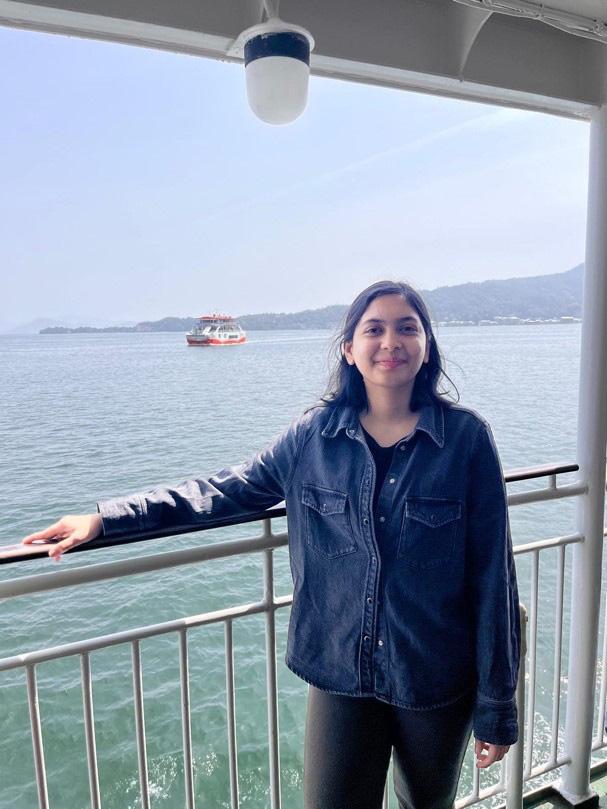
SRINITHI ASHOK KRISHNASWAMY
From India
-
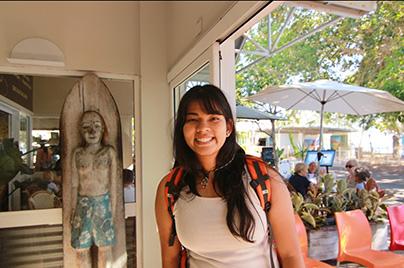
SACHI JOCHI
From Japan/India
-
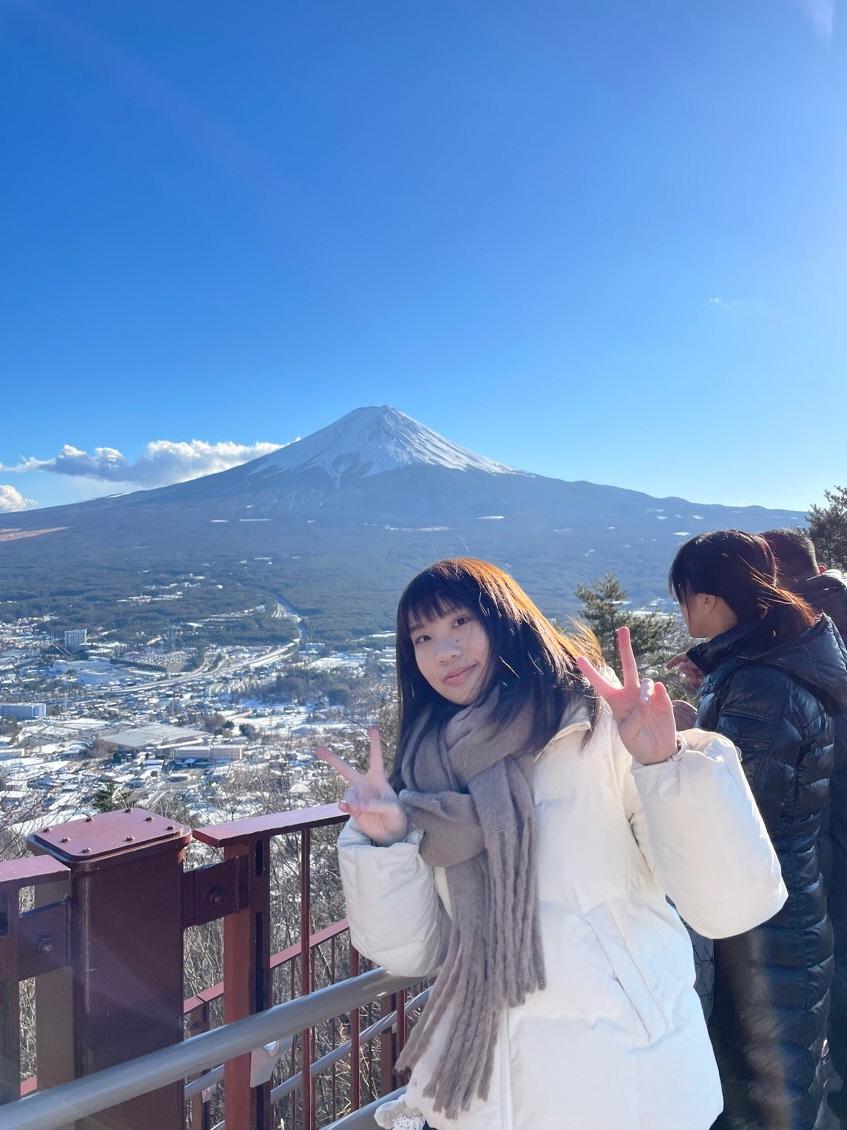
PING HUAN WANG
From Taiwan
-
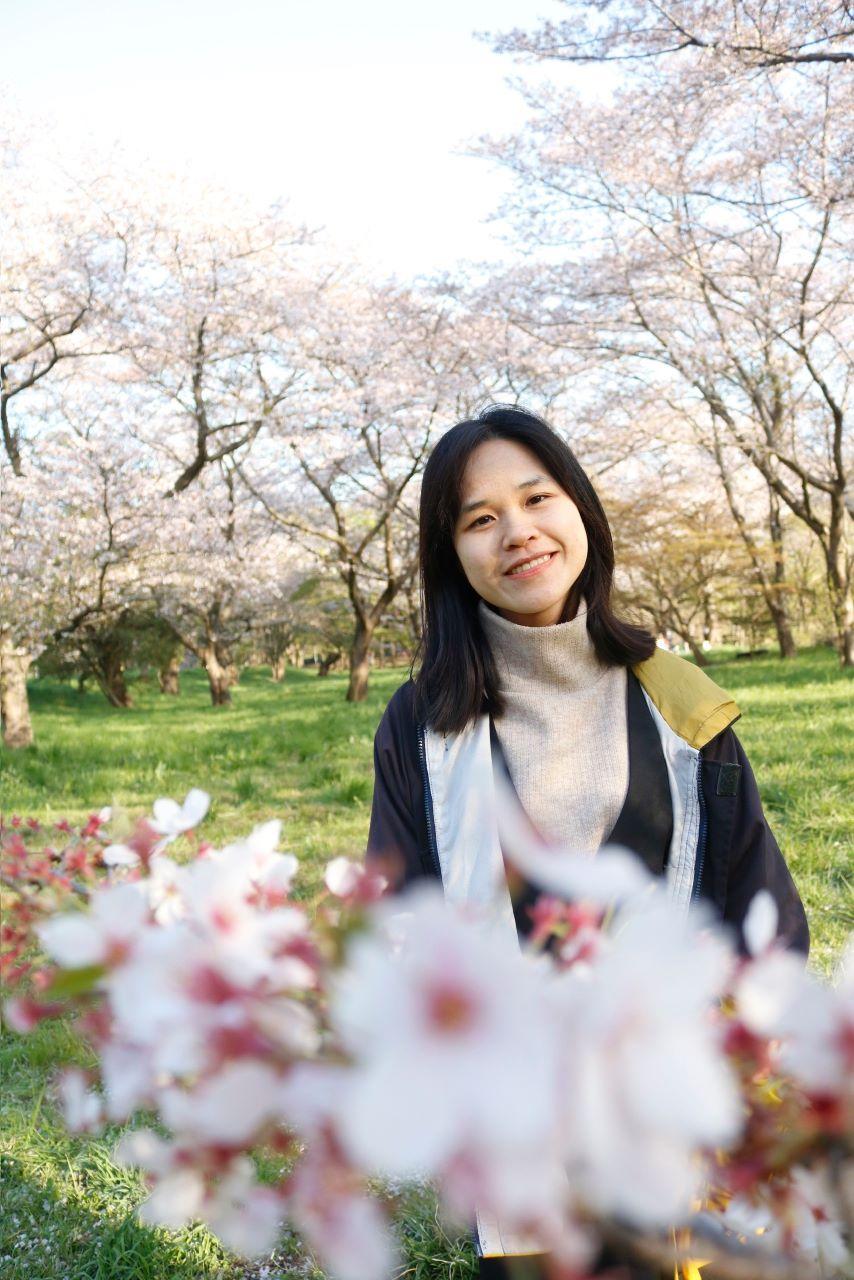
NGHI NGUYEN BAO
From Vietnam
-
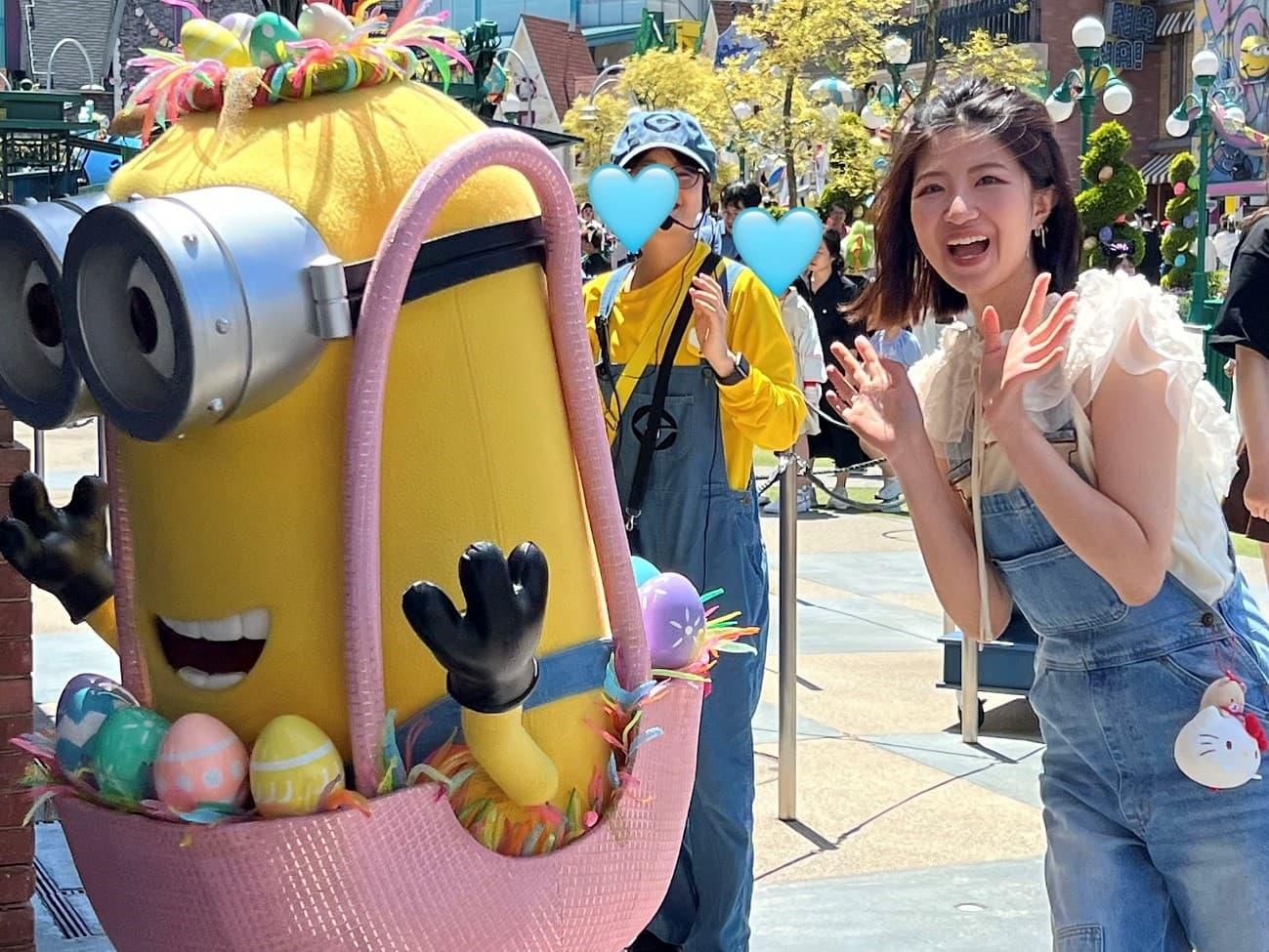
GUANGQI AN
From China
-
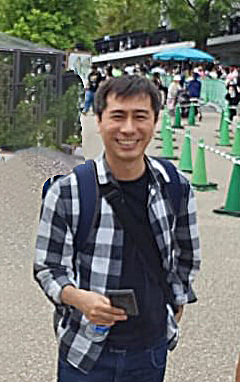
HELIO NONOSE
From Brazil
-
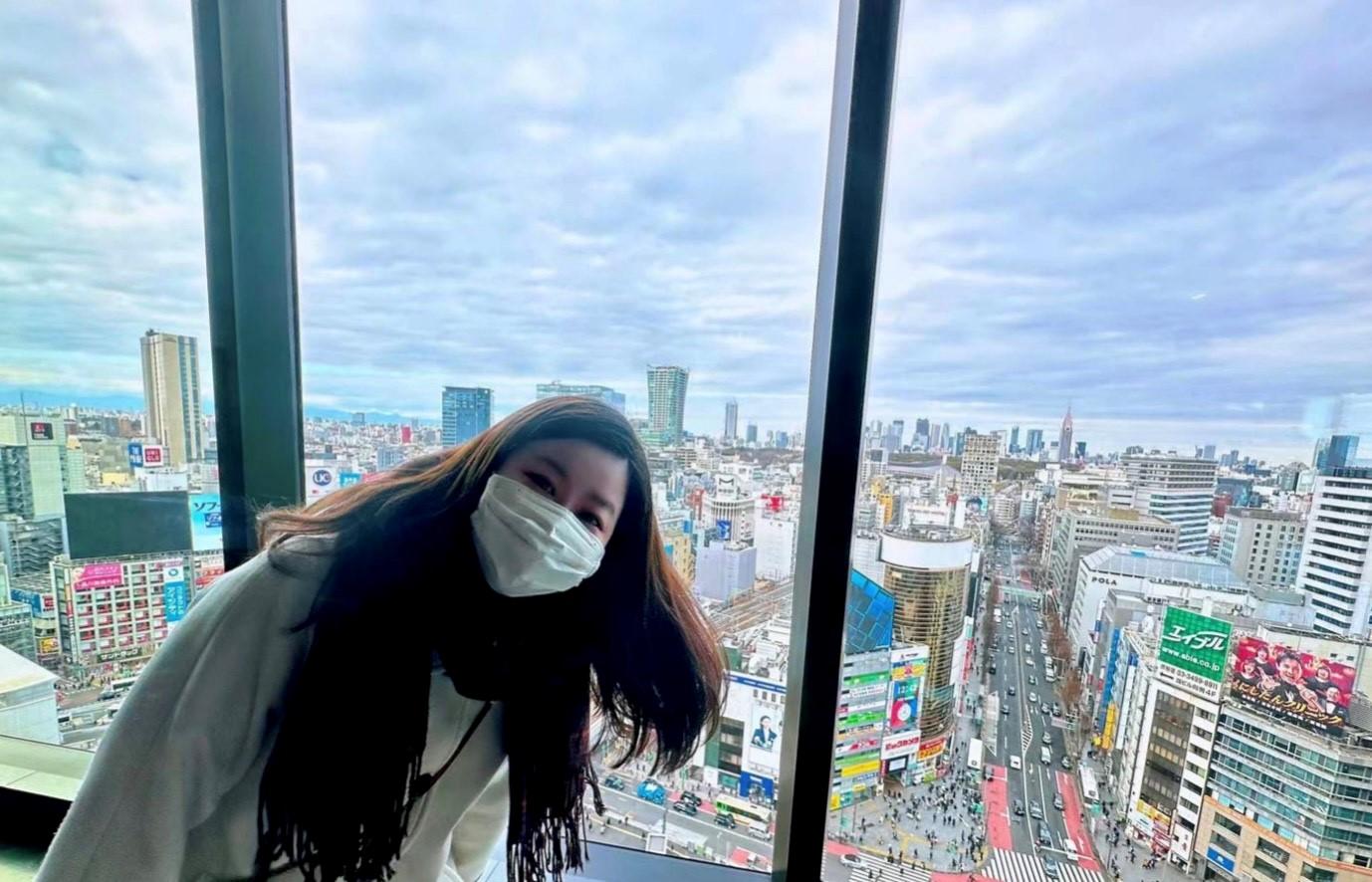
TAO LENG
From China
-
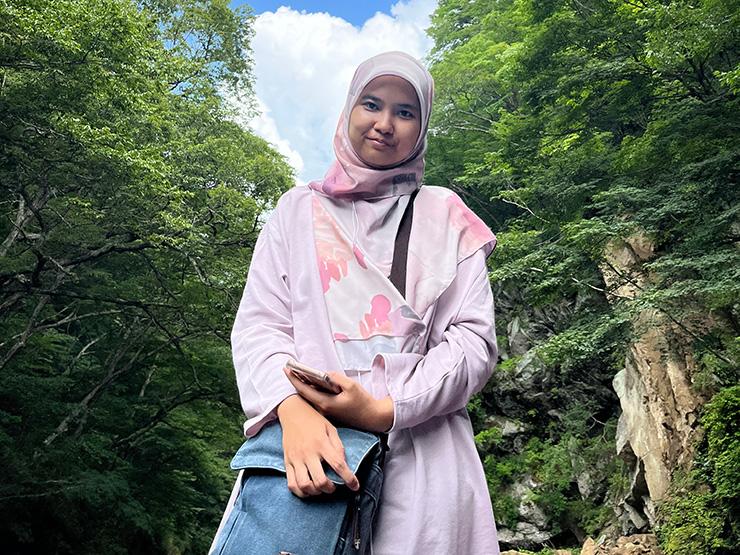
INSYIRAH
From Malaysia
-
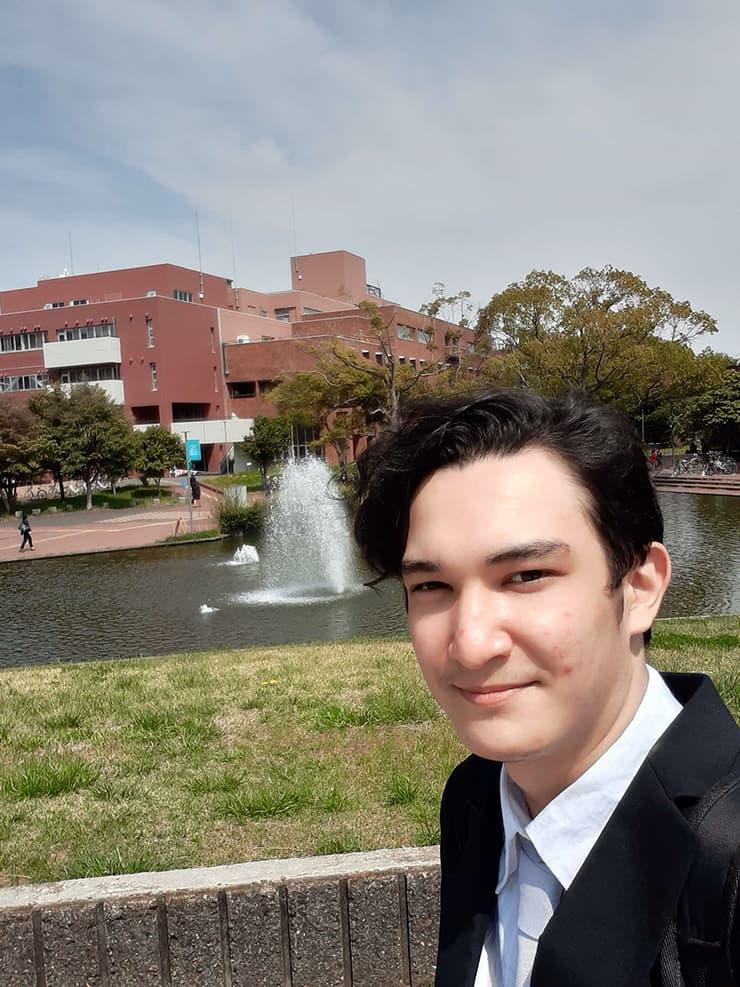
ARAMAKI, CAUE SINGO
From Brazil
-
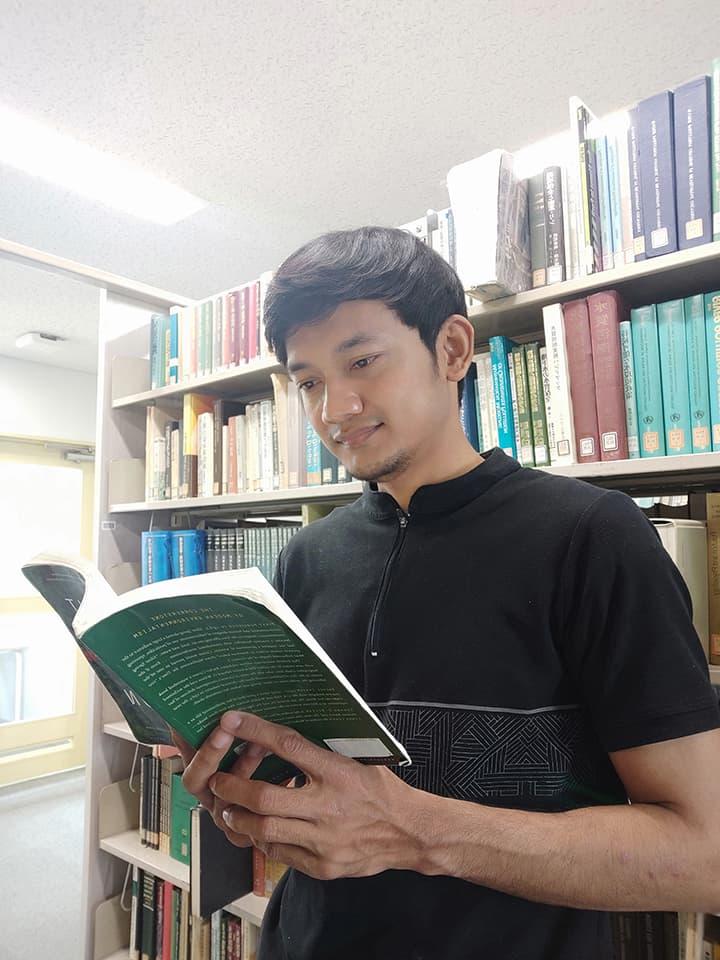
SUHARMAN
From Indonesia
-
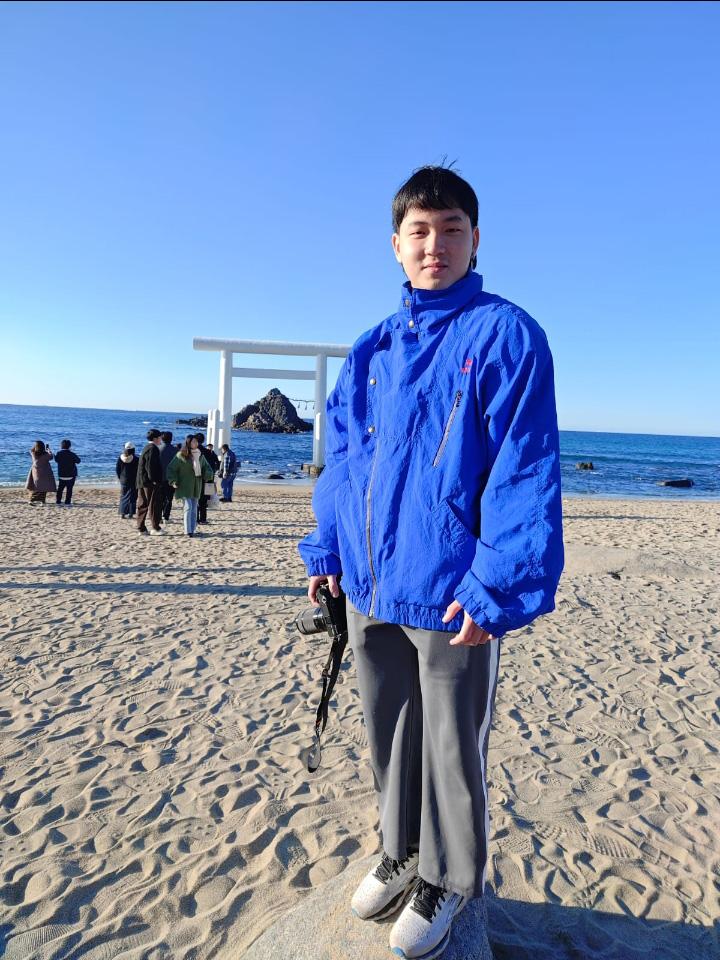
NG RAY SHAN
From Singapore
-
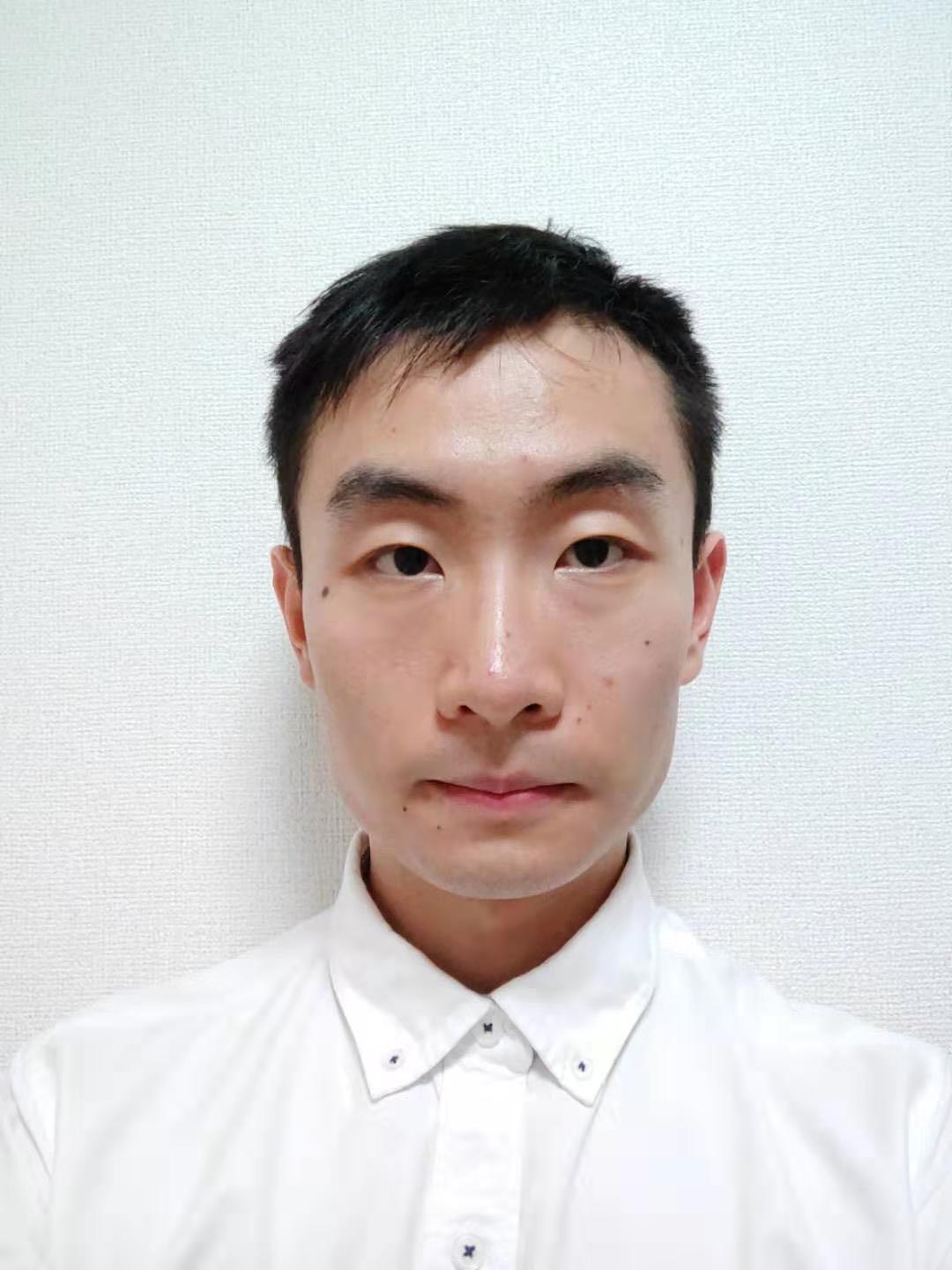
DU XIN
From China
-
YINA SHIN
From Korea
-
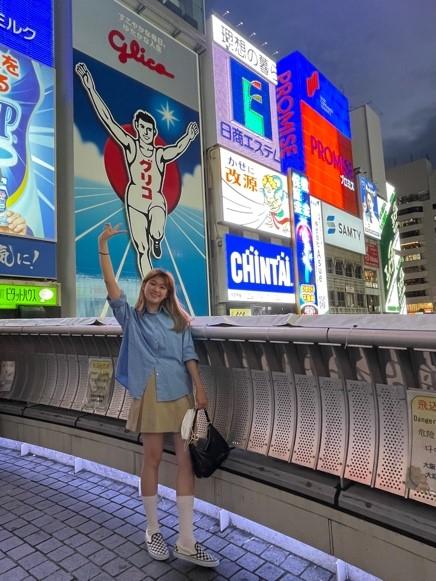
JOOEUN YOON
From Korea
-
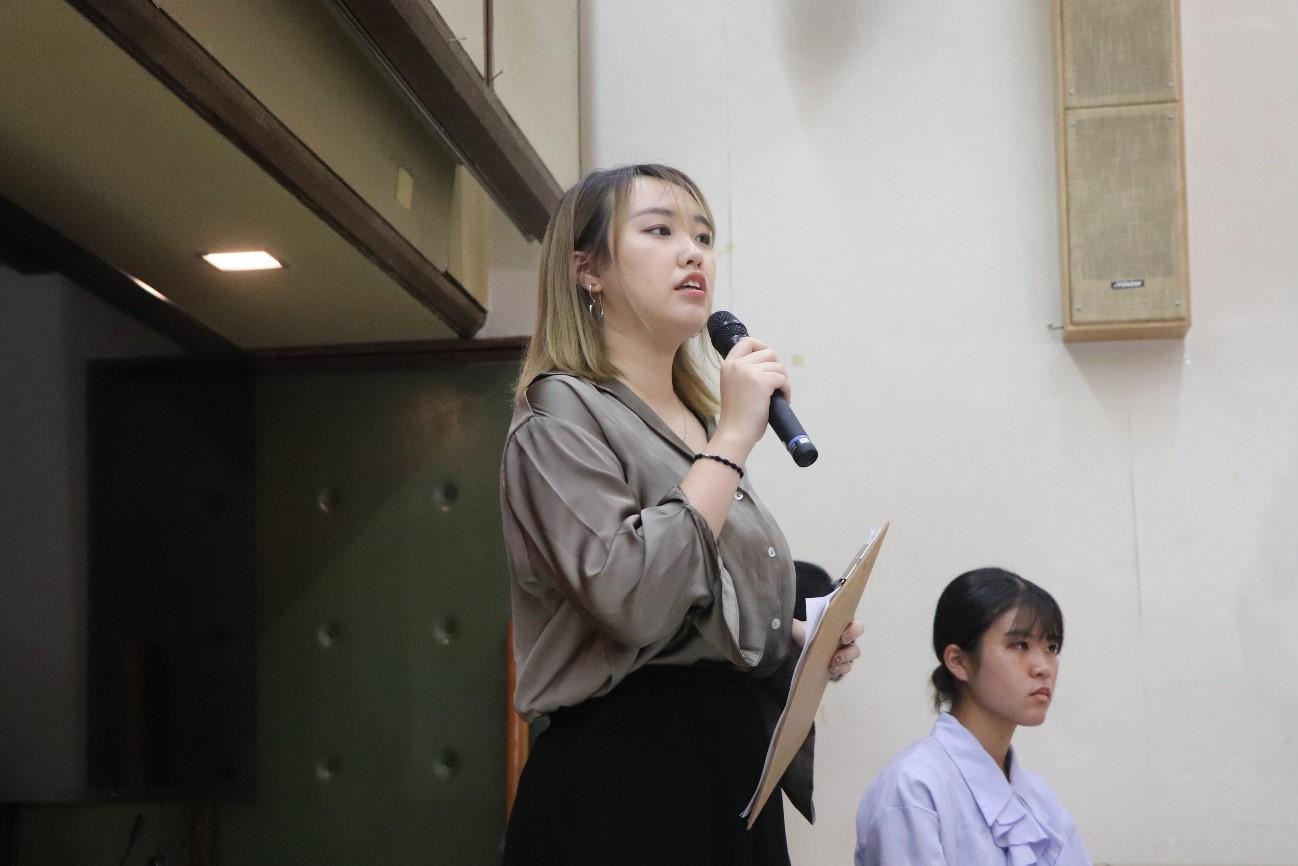
REN YIHAN
From China
-
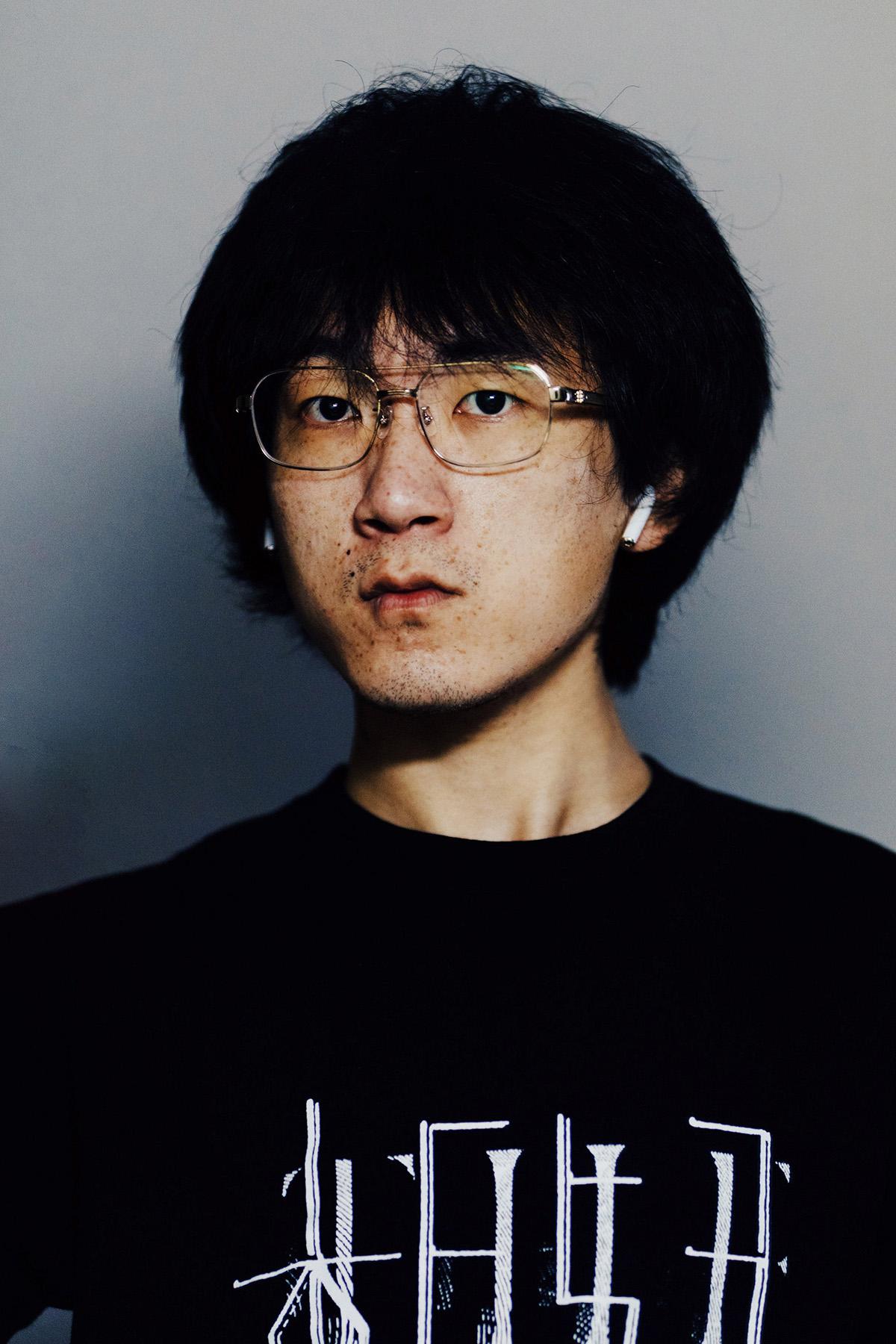
MENG LIYUAN
From China
-

WU BOQIAN
From China
-
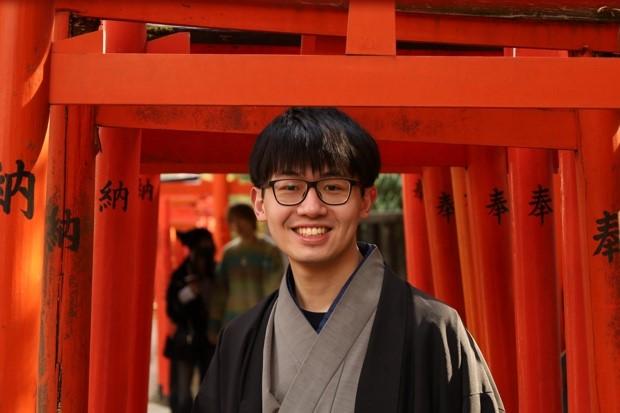
YU, CHENG-HAN
From Taiwan
-
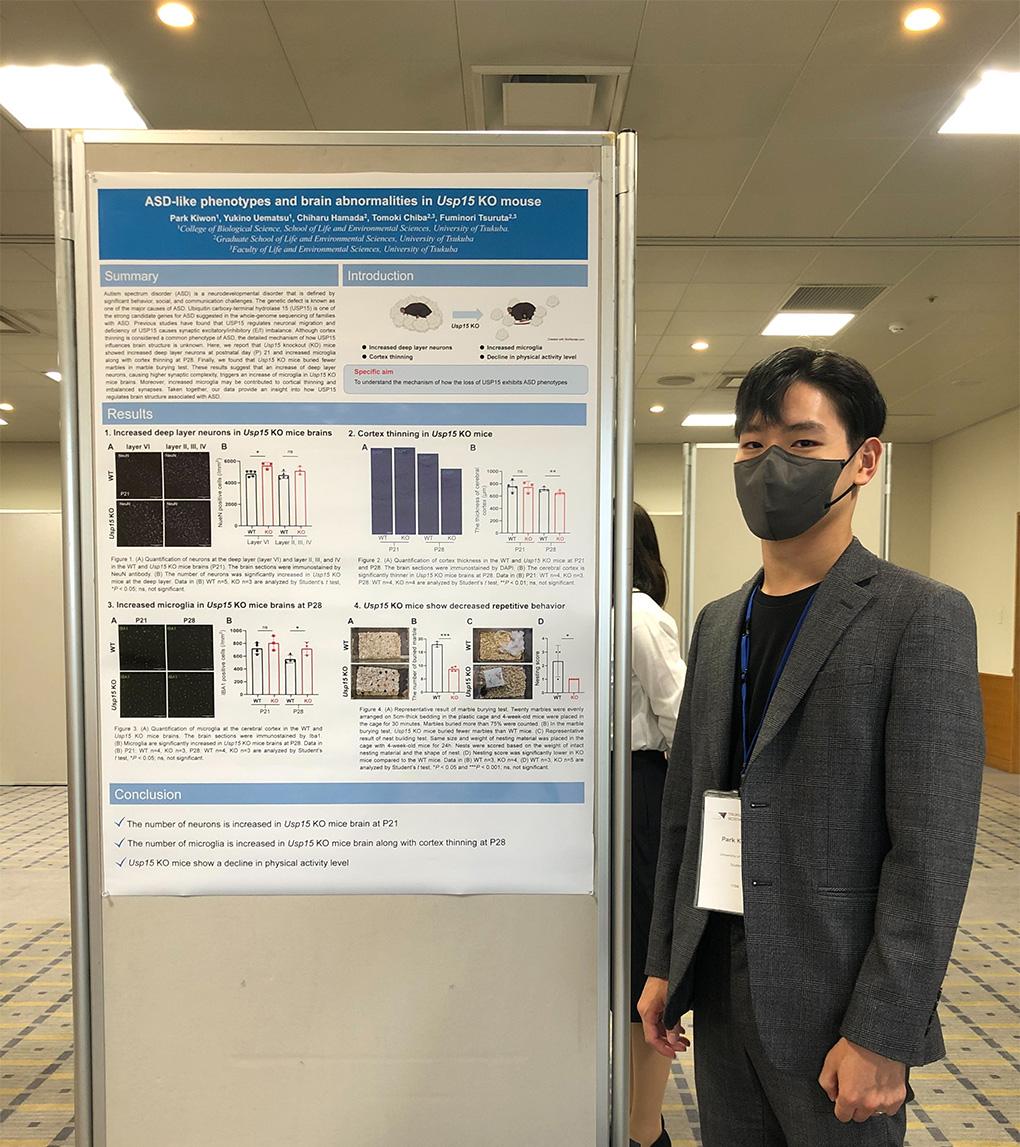
PARK KIWON
From Republic of Korea
-
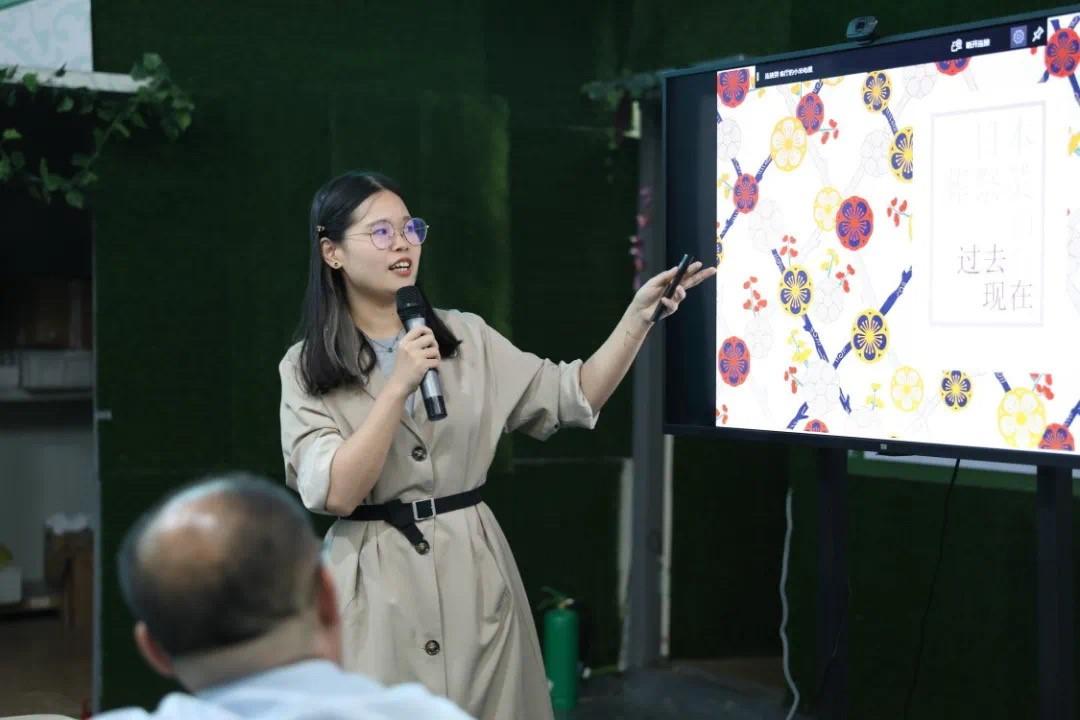
CHEN MIN
From China
-
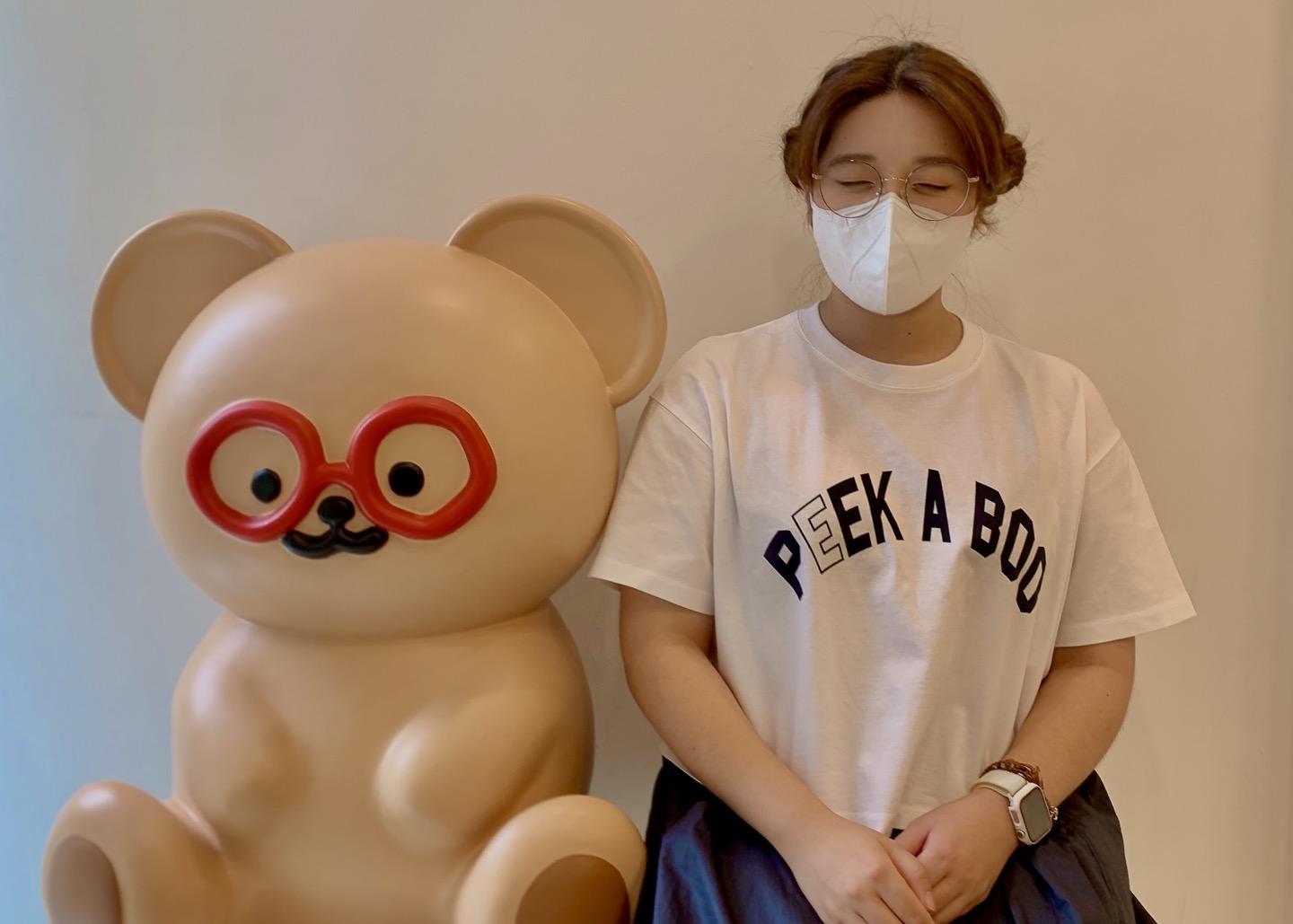
CHAEYEON LEE
From Republic of Korea
-
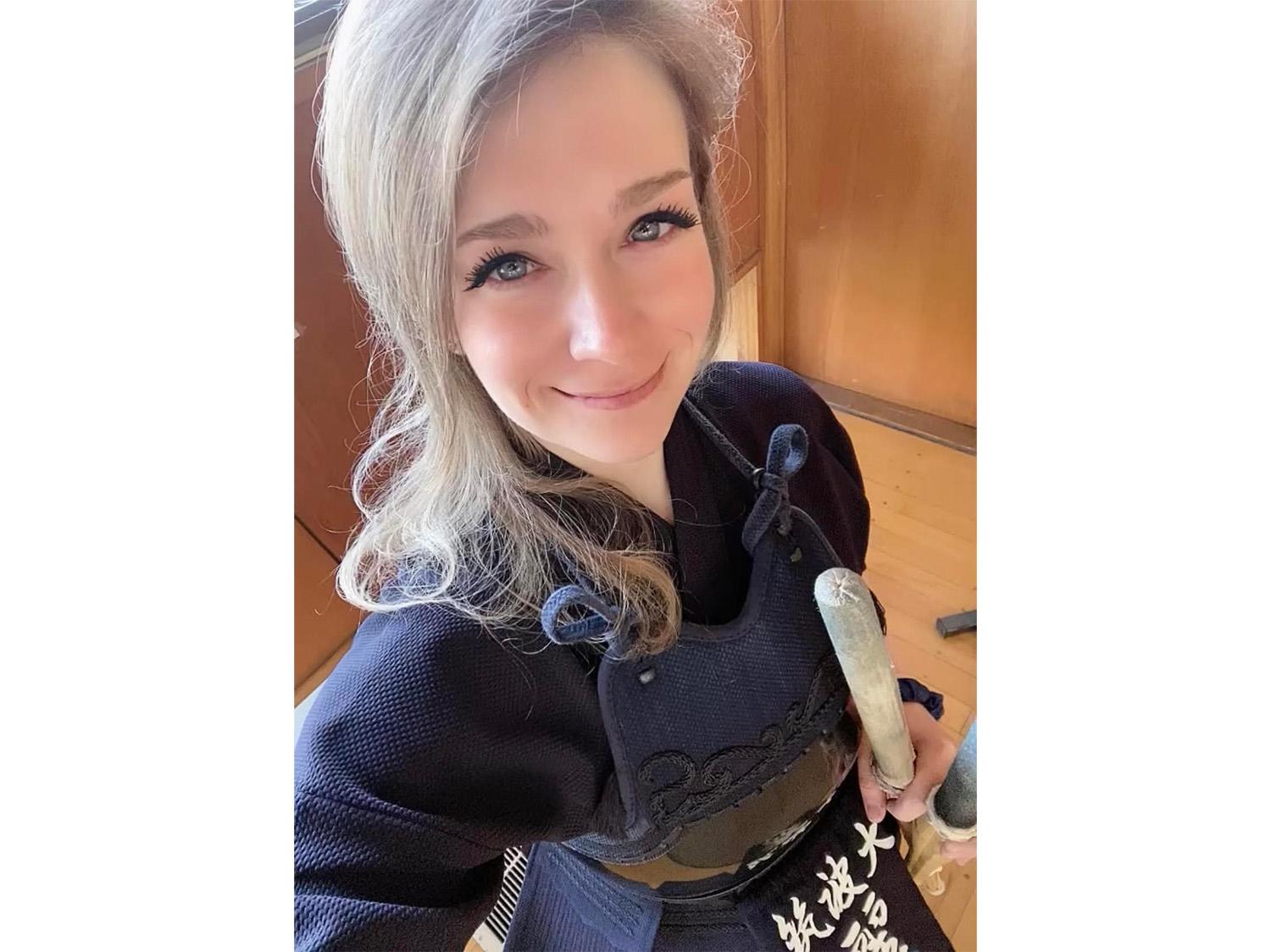
ELIZABETH BERGEN-BARTEL
From USA
-
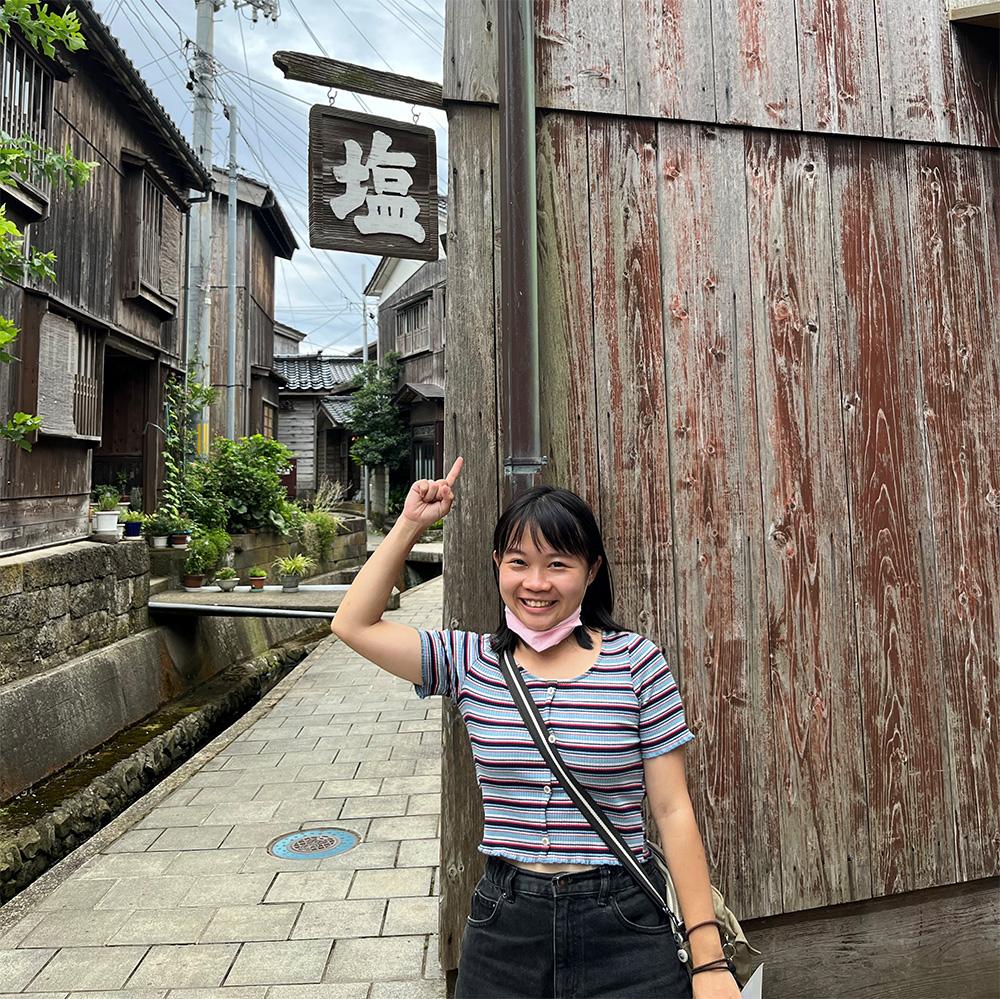
LIAO, HSIN-YEN
From Taiwan
-
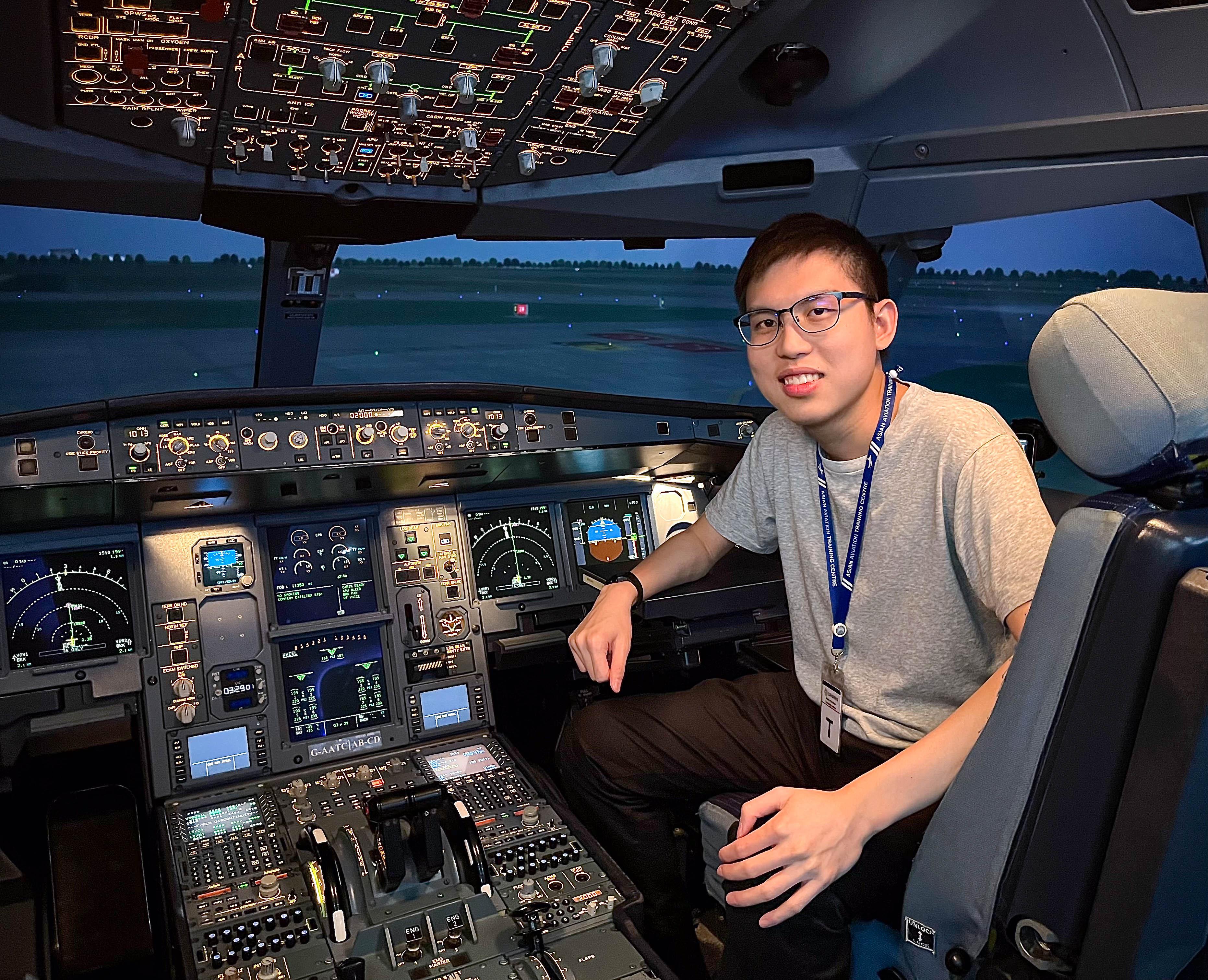
PAKORN WANGSUEKUL
From Thailand
-
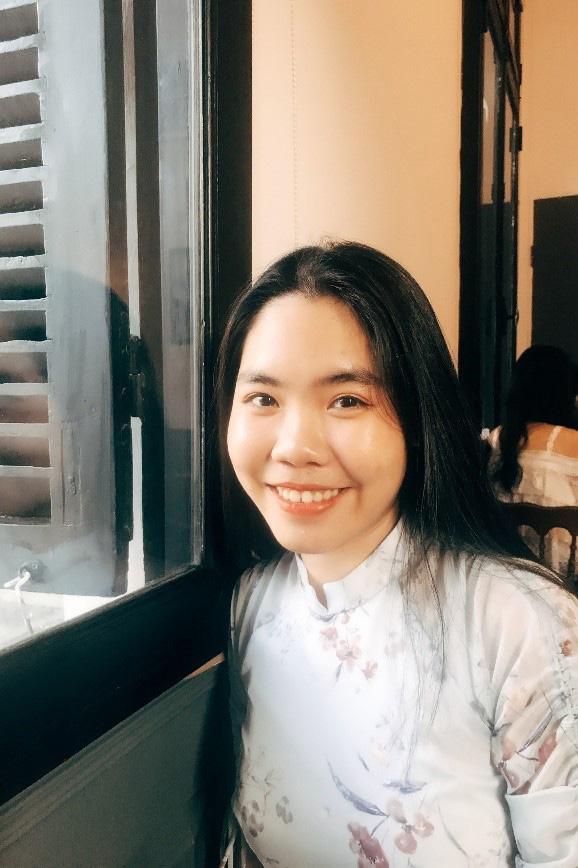
NGUYEN THUY ANH
From Vietnam
-

LAN CHI
From Vietnam
-
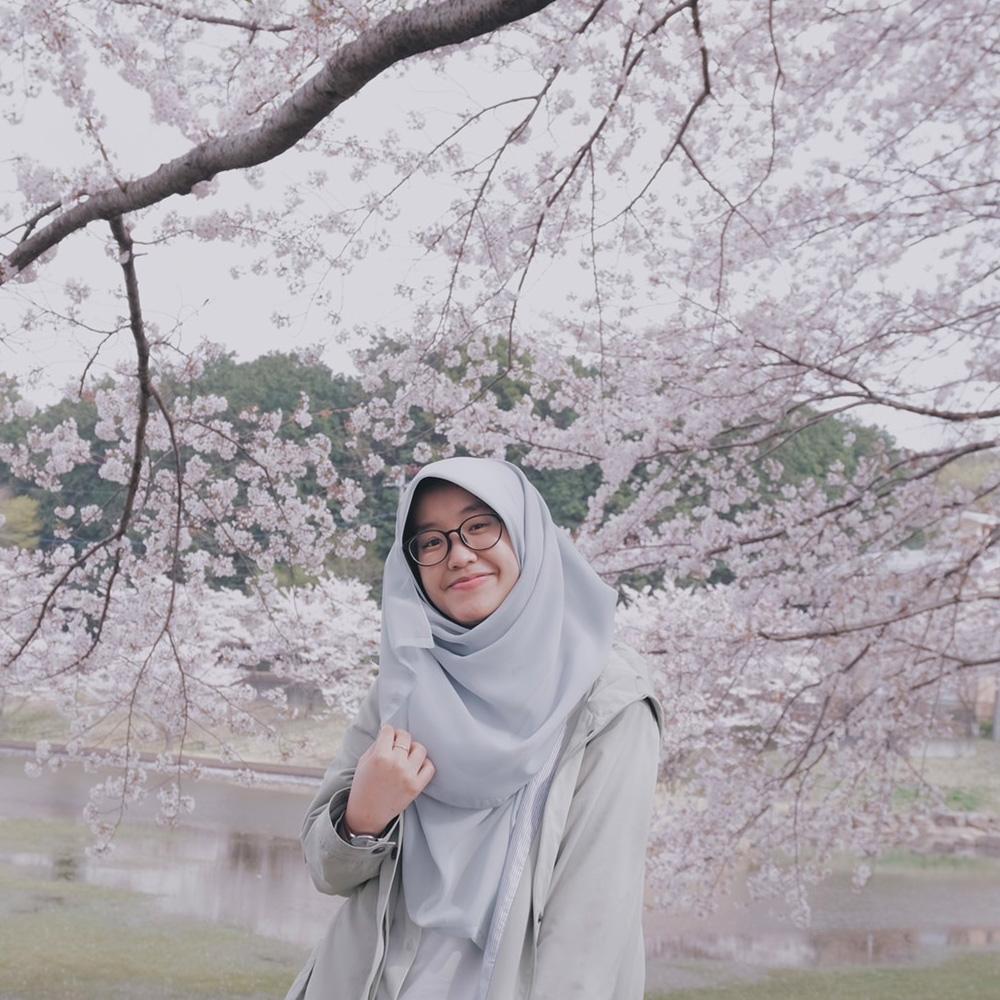
NADIA HASNA KARIMAH
From Indonesia
-
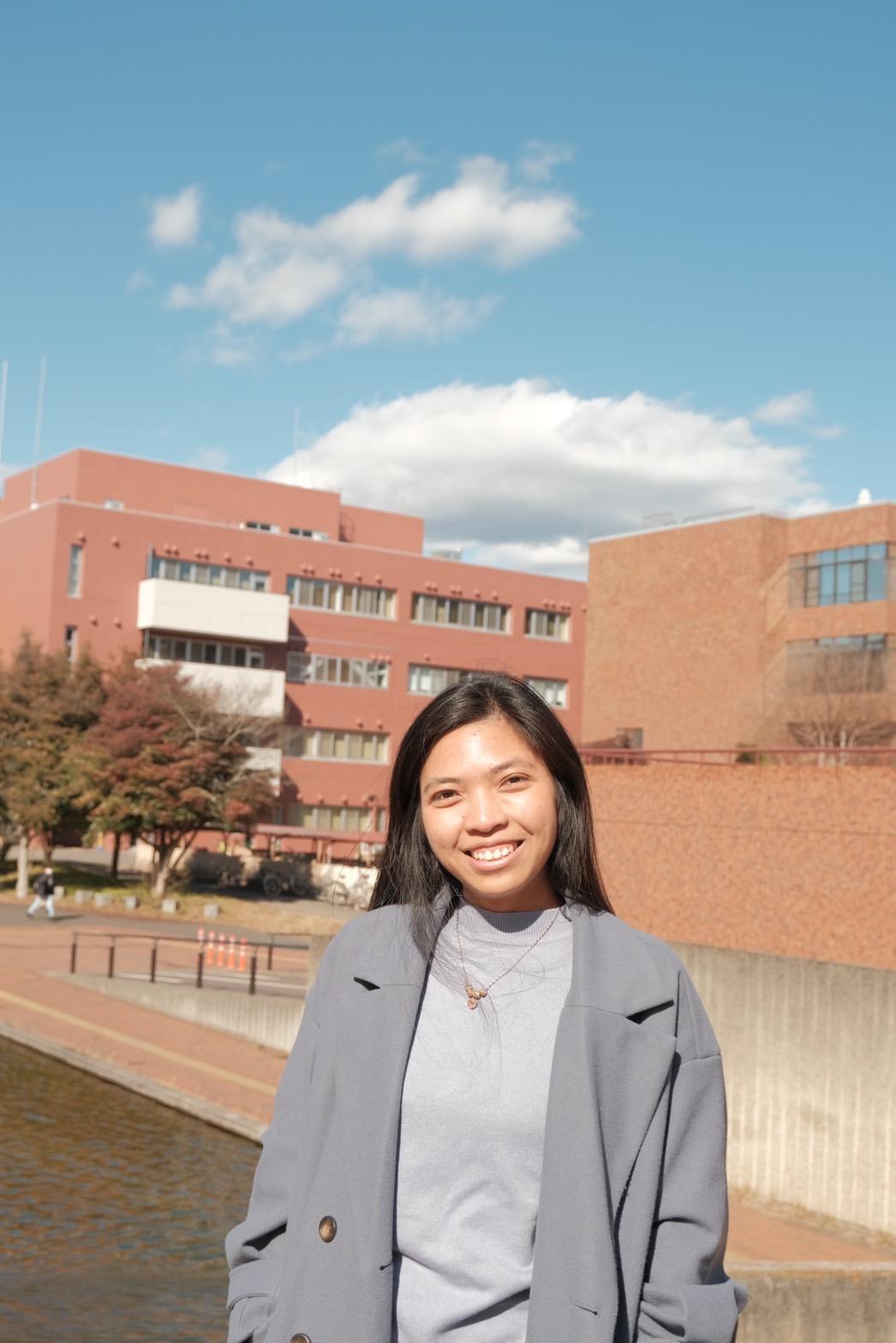
HNIN OO
From Myanmar
-
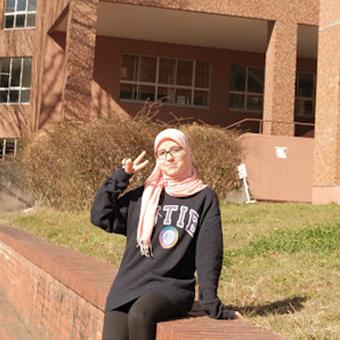
KAWTAR
From Morocco
-
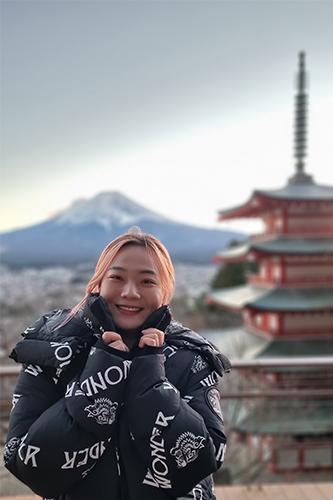
NA
From China
-
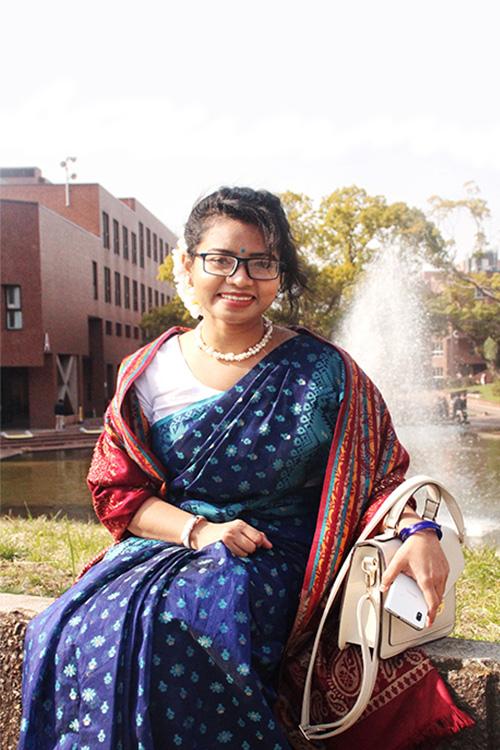
AFSARI
From Bangladesh
-
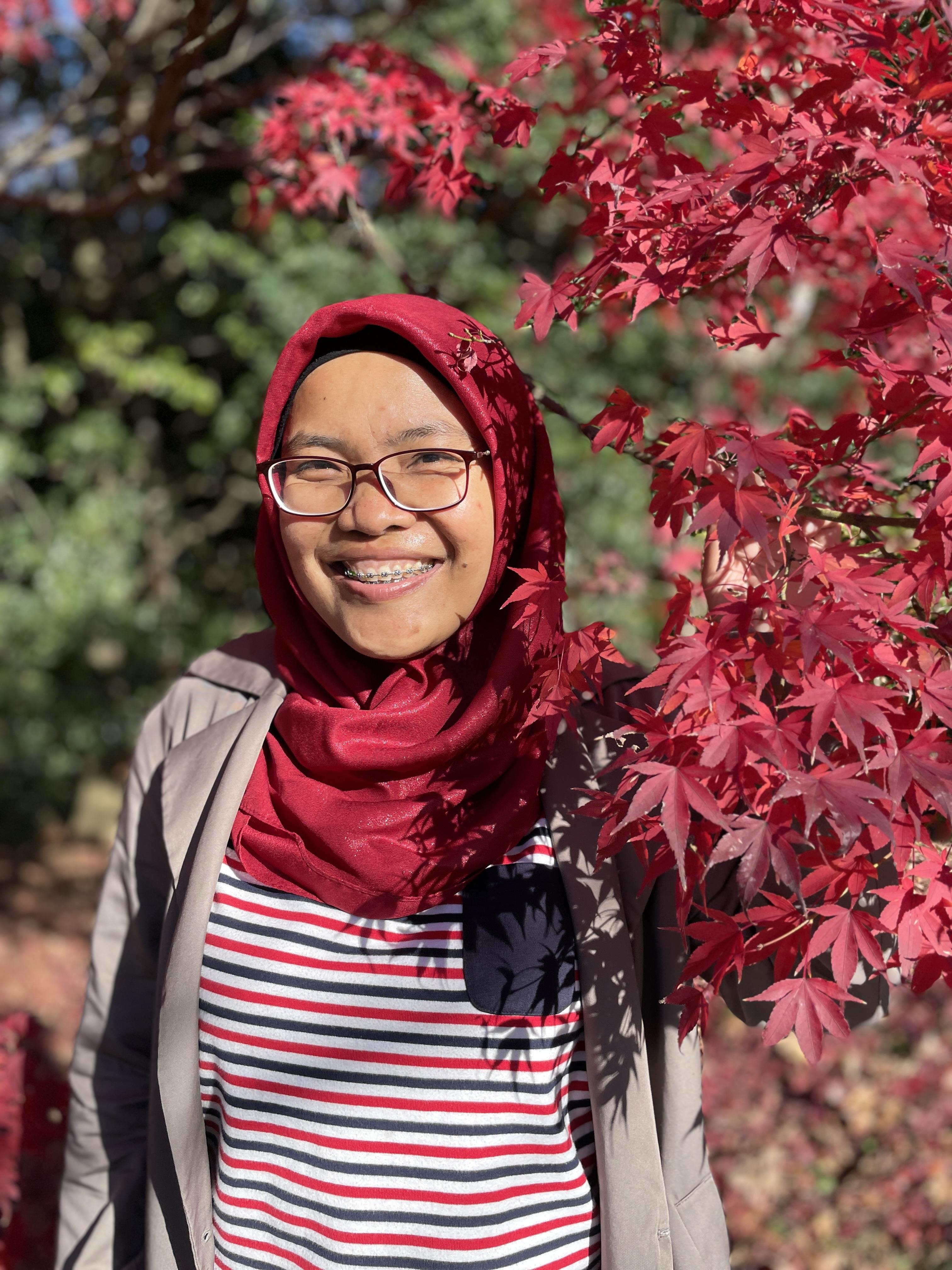
REZA
From Indonesia
-
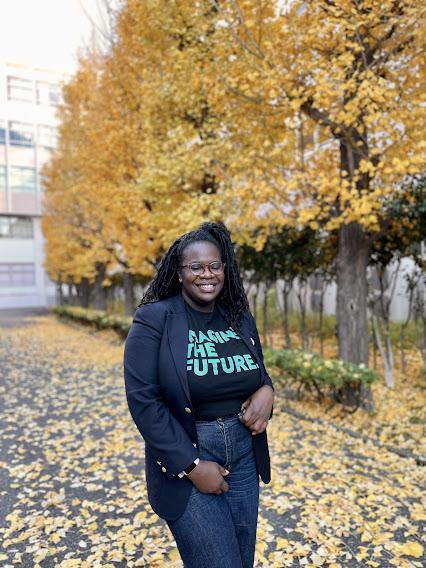
YOLANDA GRAÇA
From Angola
-
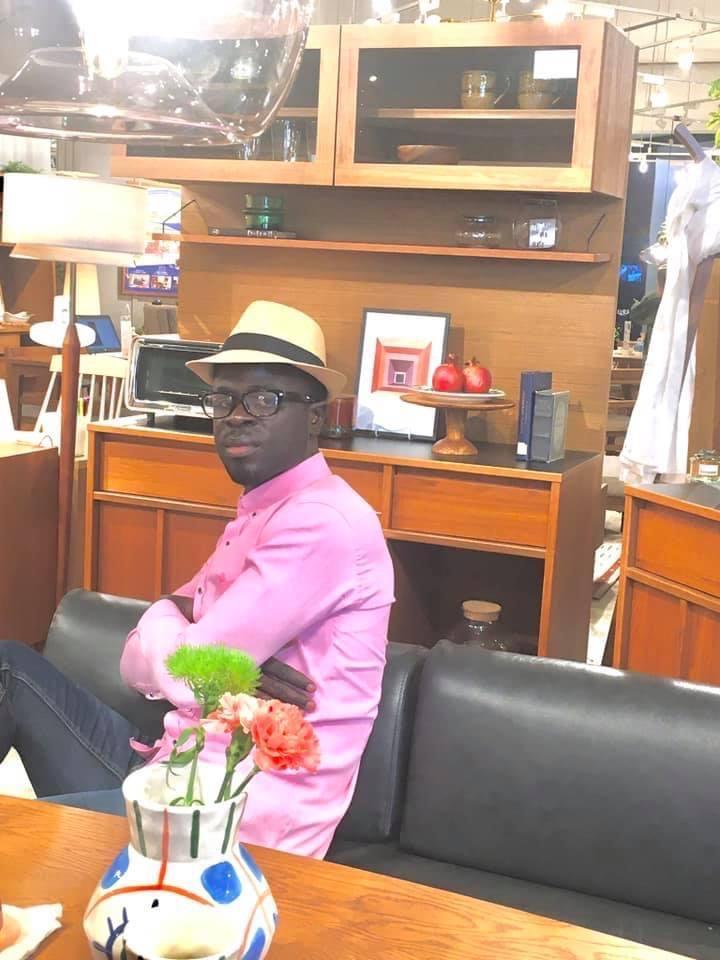
ADOM
From Ghana
-
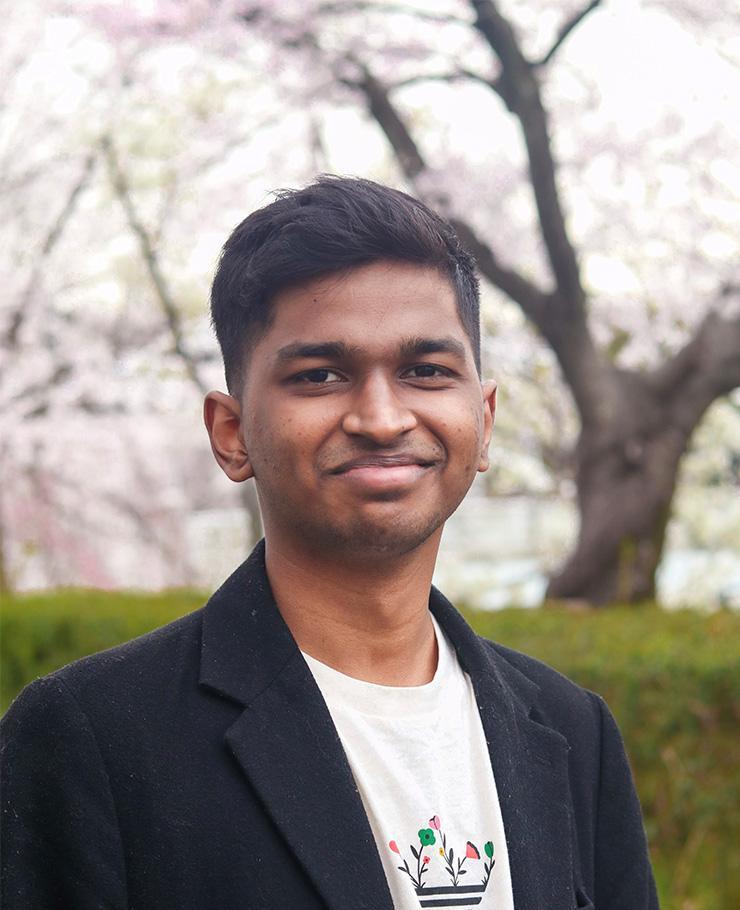
SUDHIR
From India
-
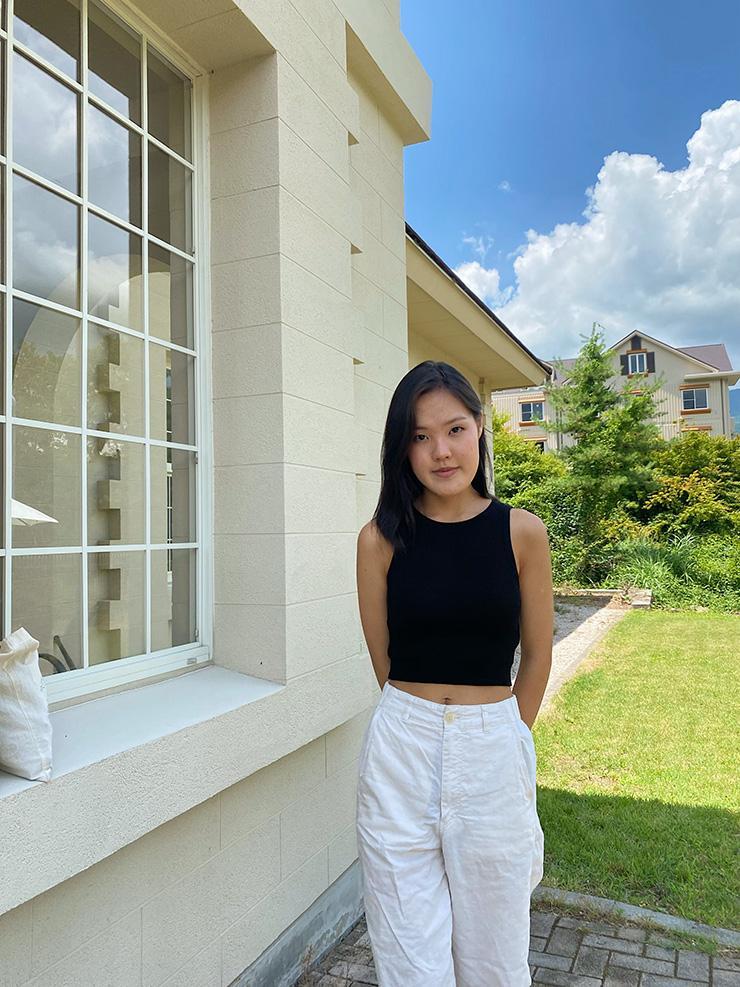
MIKI
From Mongolia/Japan
-
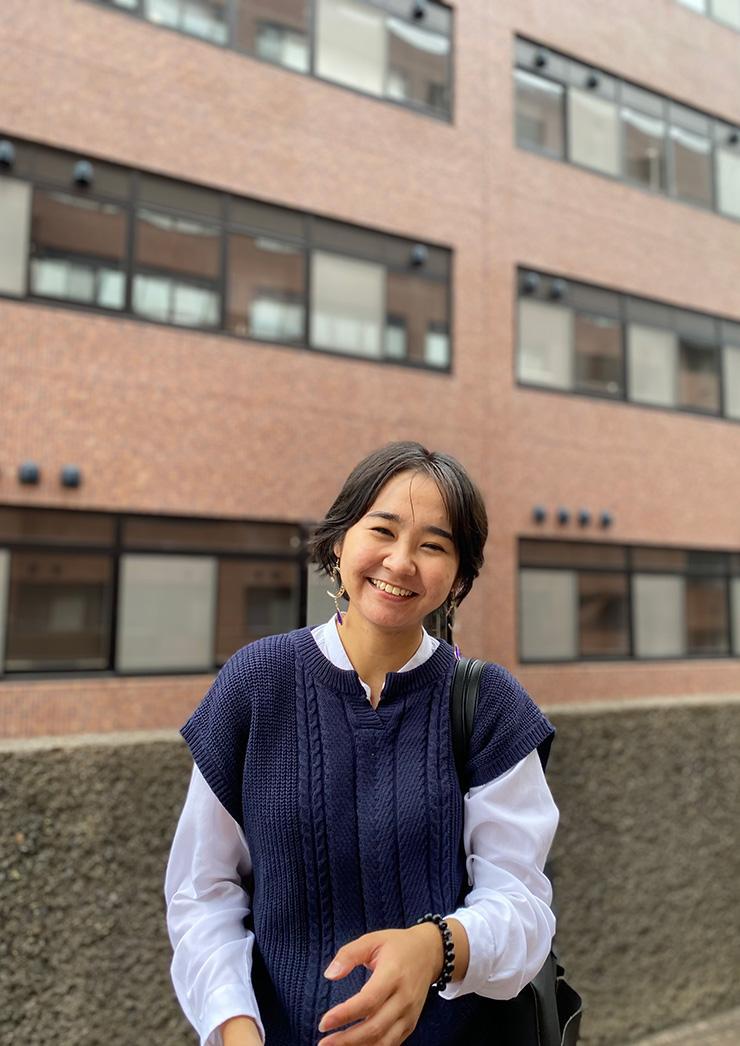
AISANA
From Kazakhstan
-
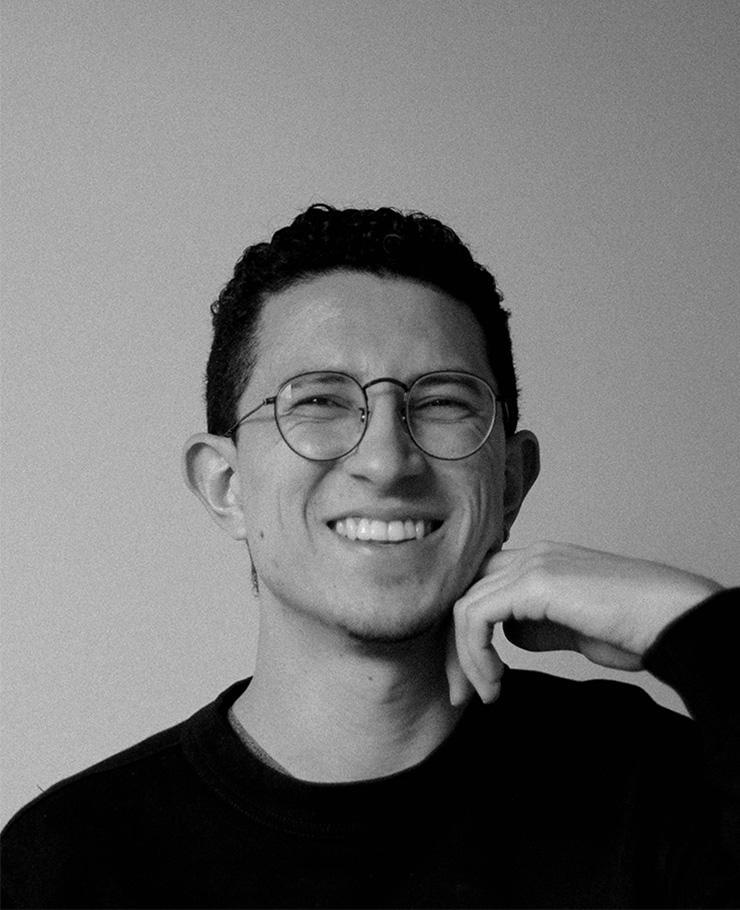
VITHOR SILVA
From Brazil
-
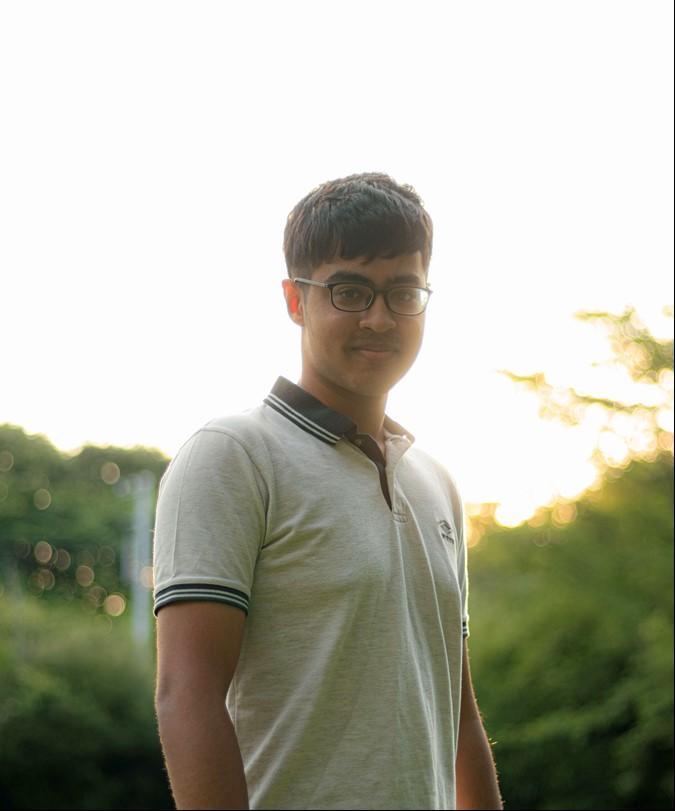
CHINMAY
From India
-
JEE
From Thailand
-
ISLA
From Taiwan
-
MIVE
From Turkmenistan
-
LAURA
From Argentina
-
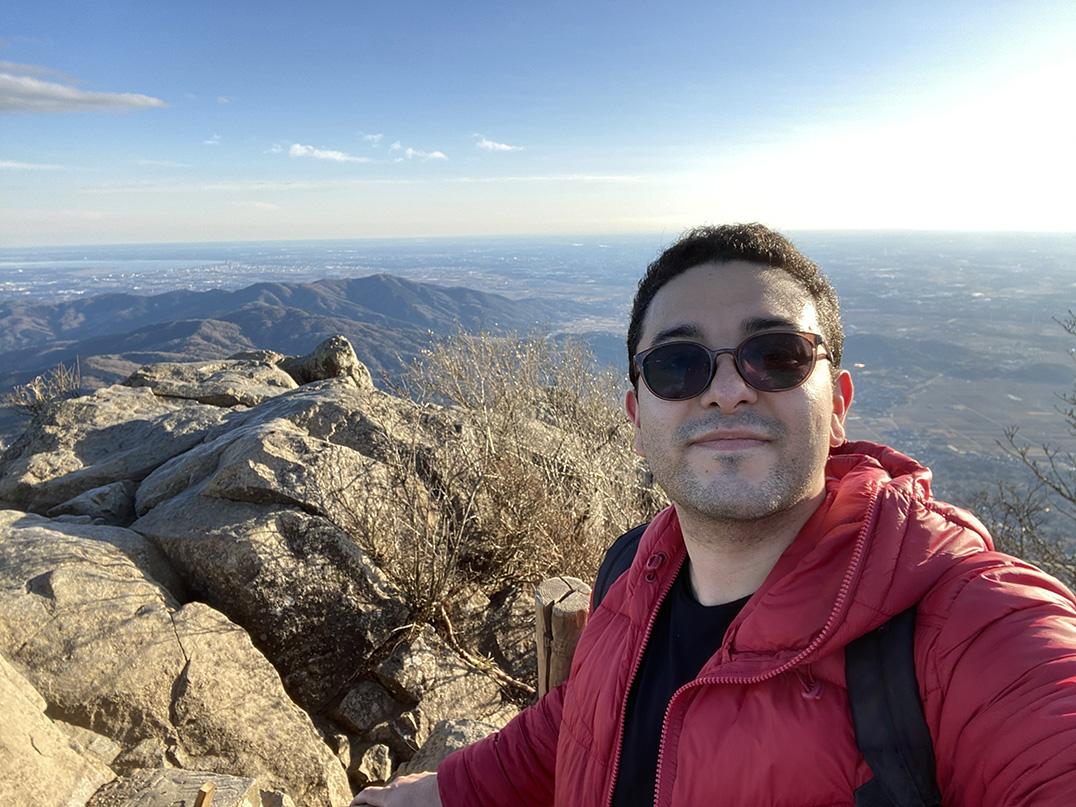
SERGIO
From Colombia
-
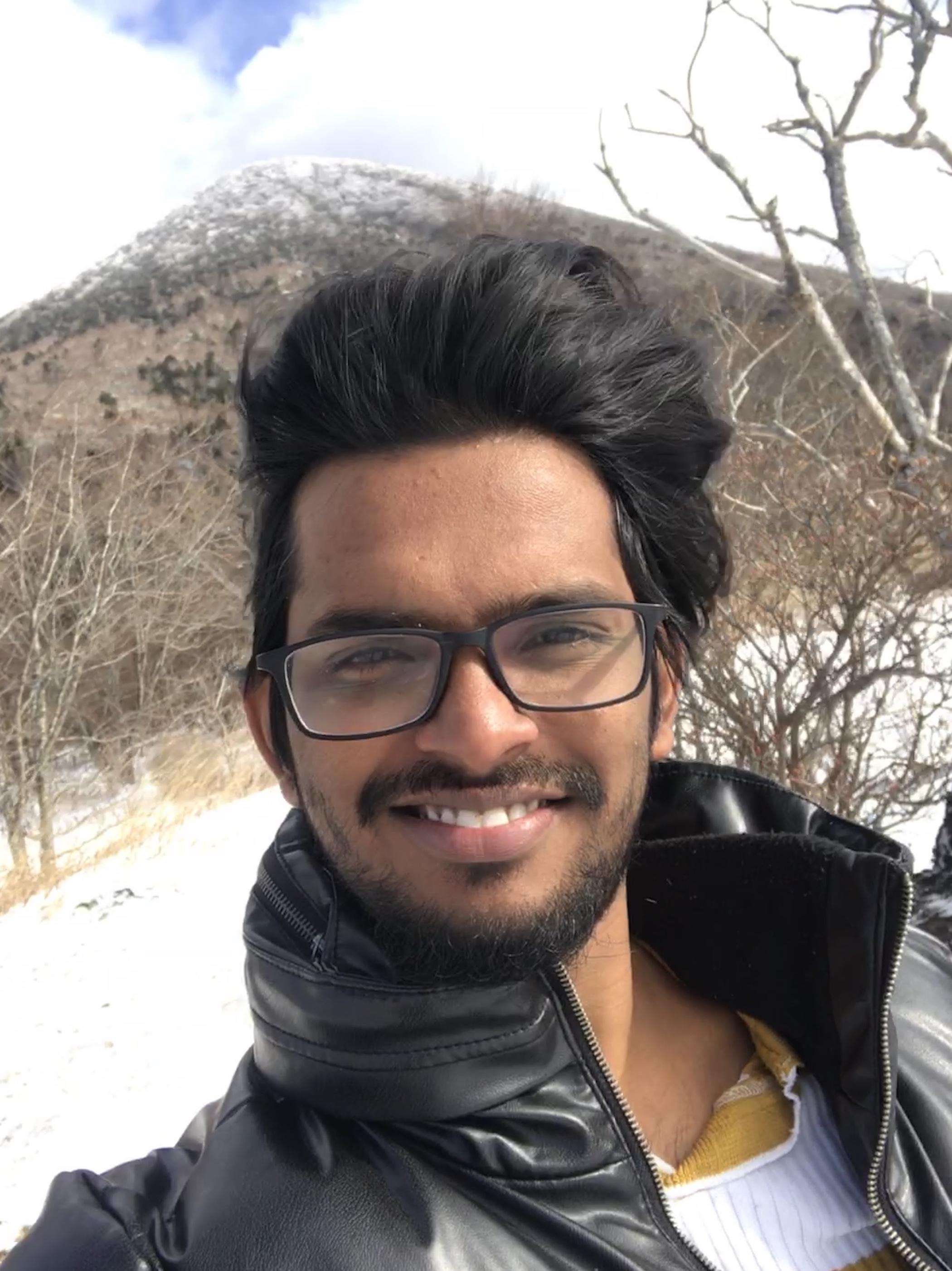
LENNY
From India
-
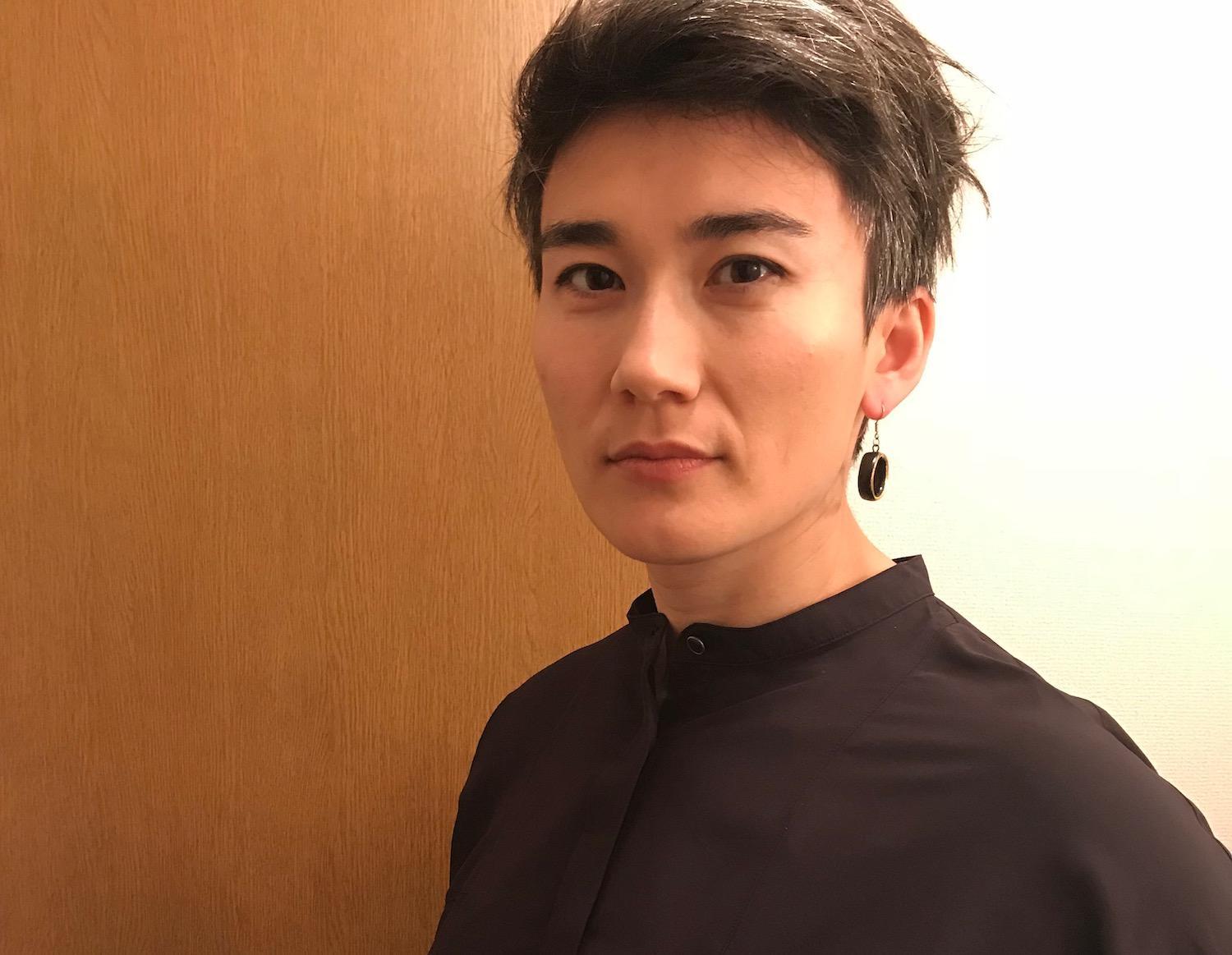
ZHANAR
From Kazakhstan
-
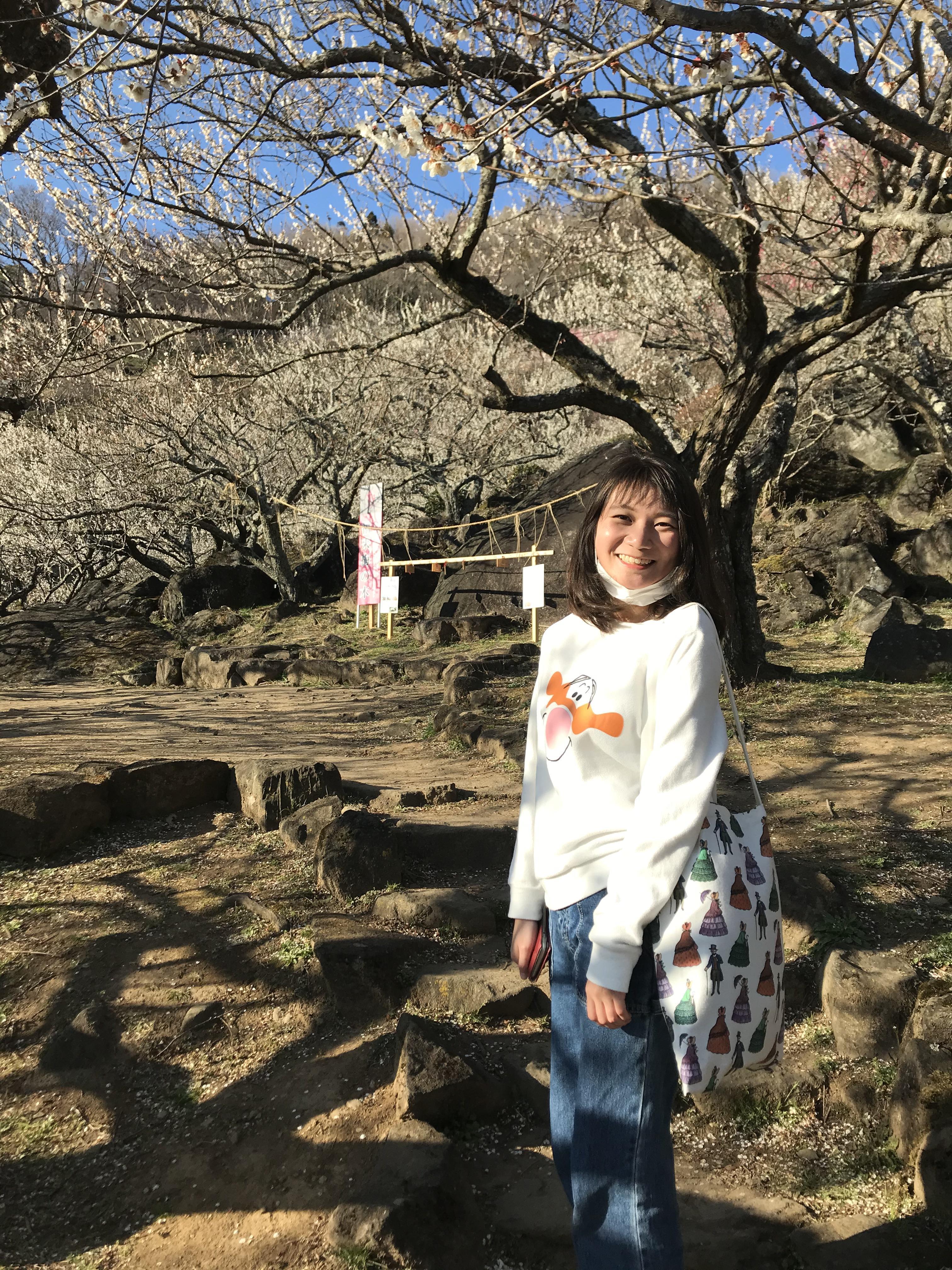
PENG
From Malaysia
-
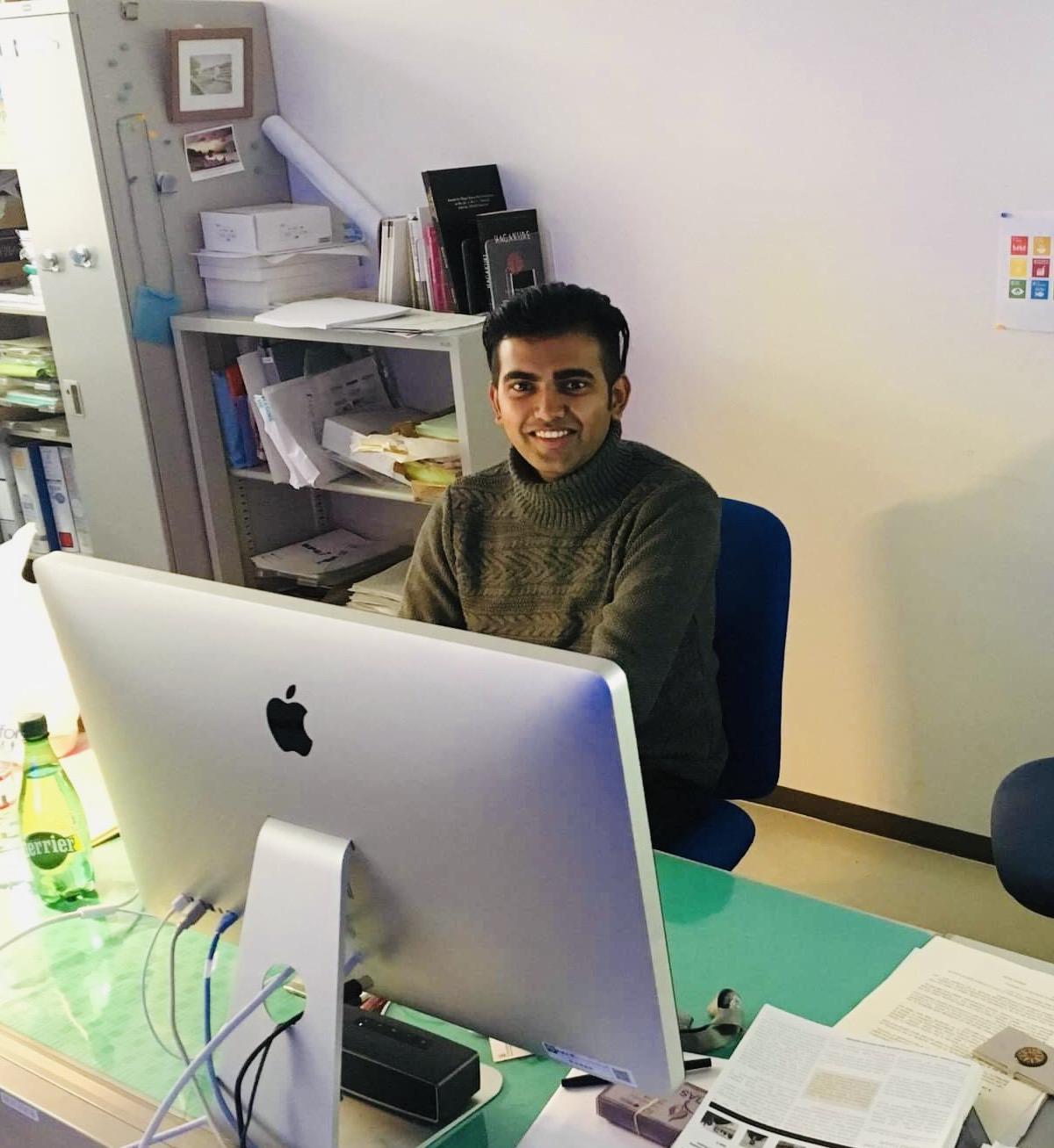
RAVI
From Nepal
-
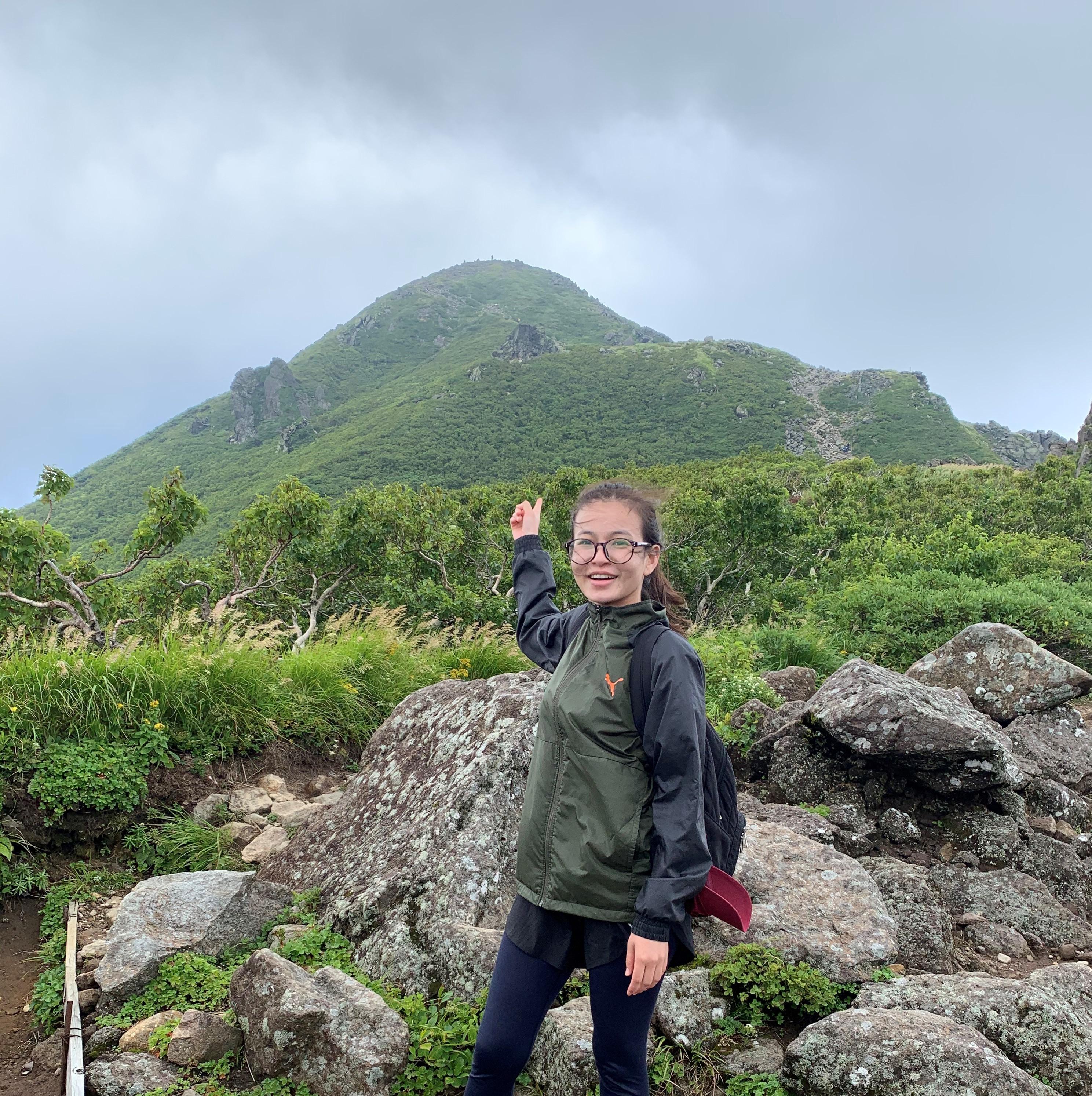
SUNITA
From Nepal
-
ATOM
From Thailand