


Voices of International Students
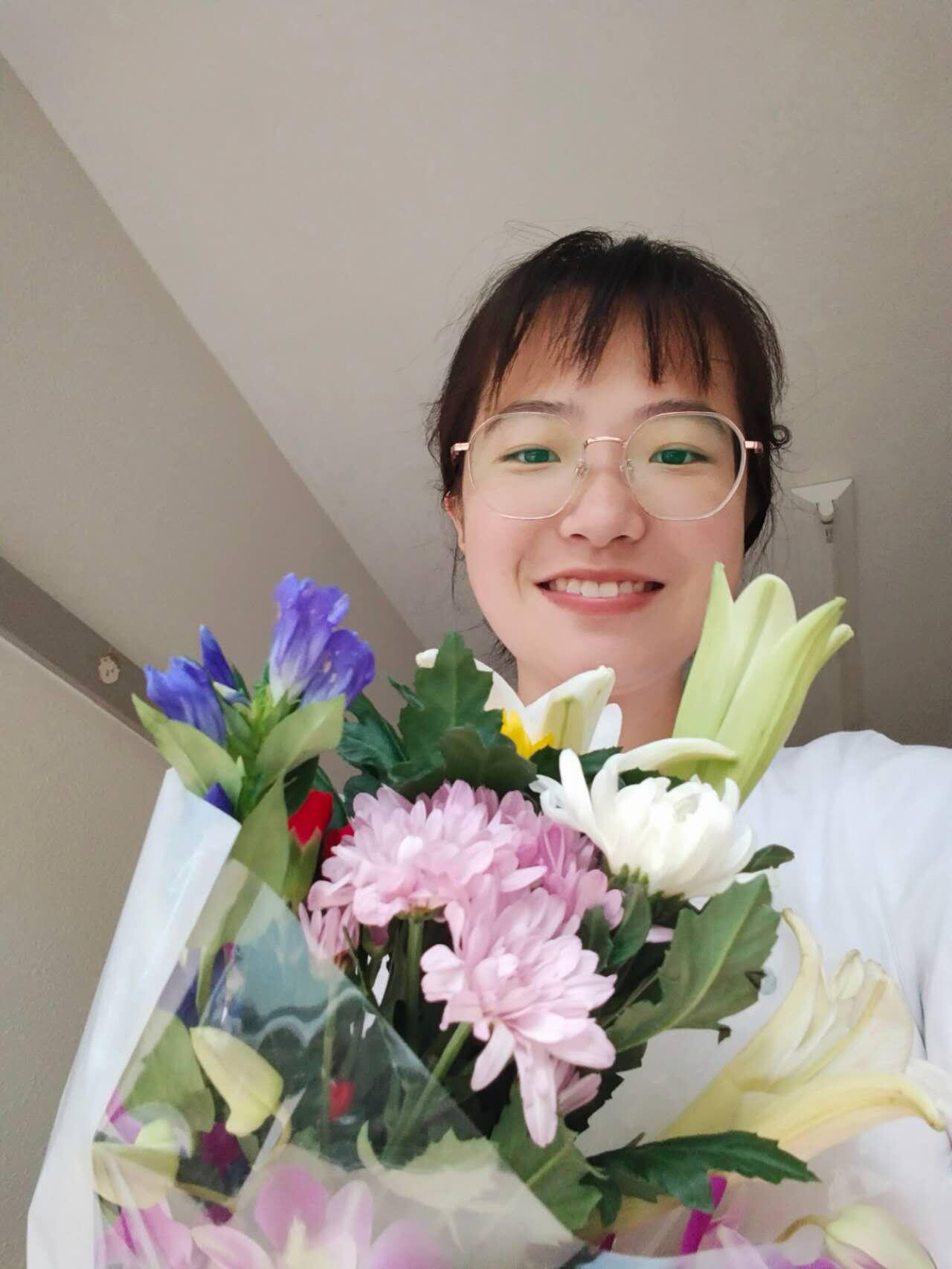
YUHAN XU
College of Nursing, Healthcare Course, School of Medicine and Health Sciences
From China
What sparked your interest in this university?
My original plan was to take the EJU exam right after high school, but COVID threw that off. I didn't want to wait another year and a half, so I started looking for other options. That's when I came across this program at Tsukuba—it didn't require EJU, started in October, and was taught in Japanese, which stood out since most such programs begin in April. Around the same time, I learned that a senior from my high school, in the same major, was already at Tsukuba. She encouraged me to apply, saying the academic atmosphere was great and the campus beautiful. The selection process involved document screening and an interview. During the interview, I really enjoyed talking with the professors and remember thinking that studying under their guidance would be a valuable experience. In the end, I was accepted.
What aspects of Japanese culture or customs surprised you? How did you adapt to these differences?
One thing that surprised me most about Japan—in a good way—is how much people pay attention to each other's feelings. Before speaking, they tend to think about whether something might make the other person uncomfortable. As a result, conversations feel natural, and you rarely get asked awkward or overly personal questions. That's probably why I find it quite easy to interact with Japanese people. Another aspect that stood out to me is the collective mindset here. It's not about being close friends with everyone, but rather about making sure no one gets left out. Even in groups that aren't particularly tight-knit, people still make an effort to include everyone. Experiencing this has made me more conscious of other people's perspectives, and I think that has made my everyday interactions smoother and more comfortable.
What do you enjoy about Tsukuba?
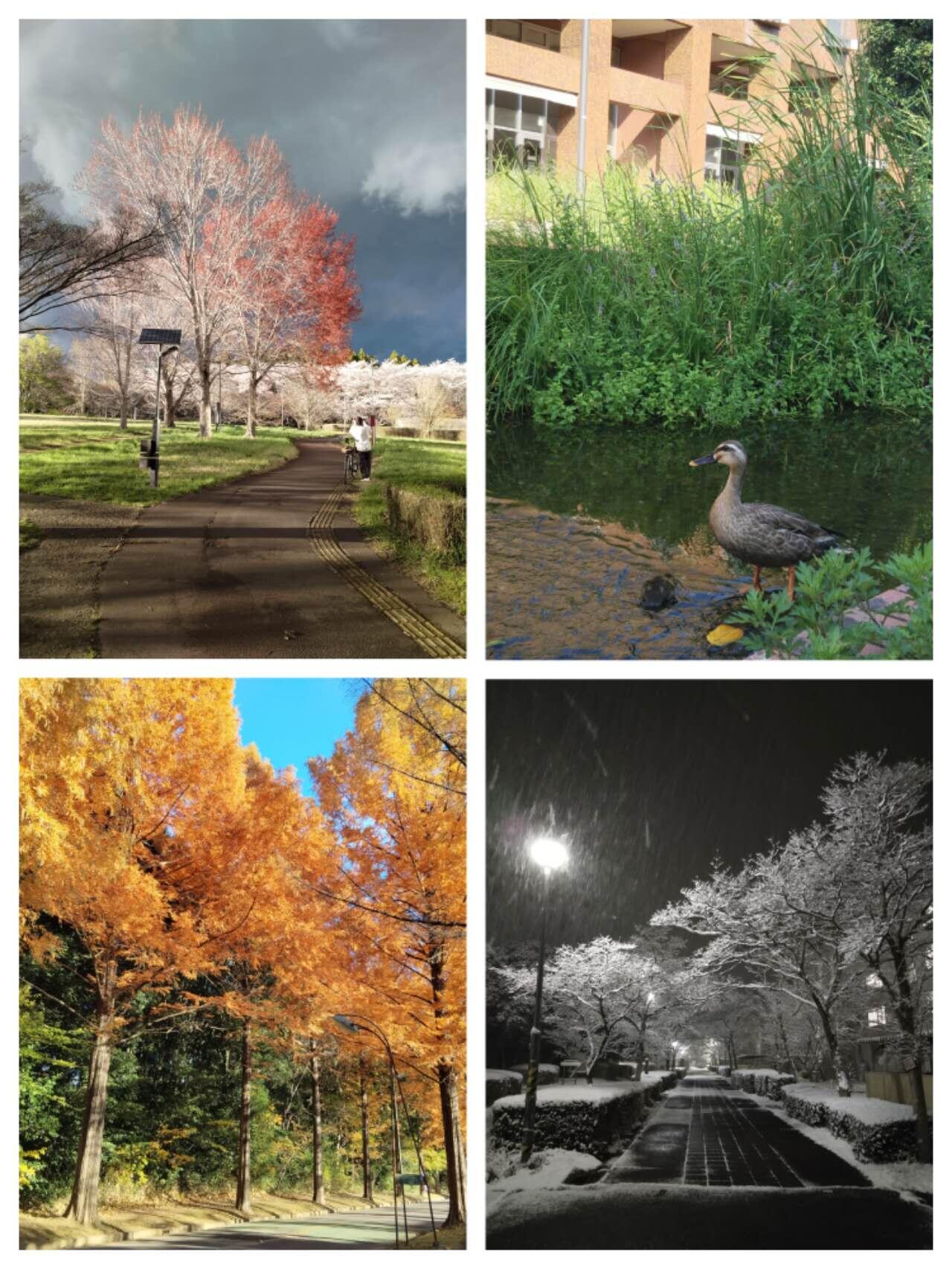
One thing I enjoy most about life in Tsukuba is my daily bike ride to campus. I live in Ichonoya, the northernmost dorm, and my classes are in the medical sciences area—about 20 minutes each way. But I never find it tiring; the scenery is beautiful, especially in autumn. I also love that you can get to so many places by bike here—it gives you a sense of freedom. Another thing I truly enjoy is the friendships I've made with people from all over the world. My neighbor makes amazing Ghanaian food, and every new friend feels like a key that opens a door to somewhere new. Through them, I've become curious about their home countries—so much so that I'm now even considering working in some of those places in the future. That's something I never would have imagined before coming to Tsukuba.
What do you hope to achieve during your time here?
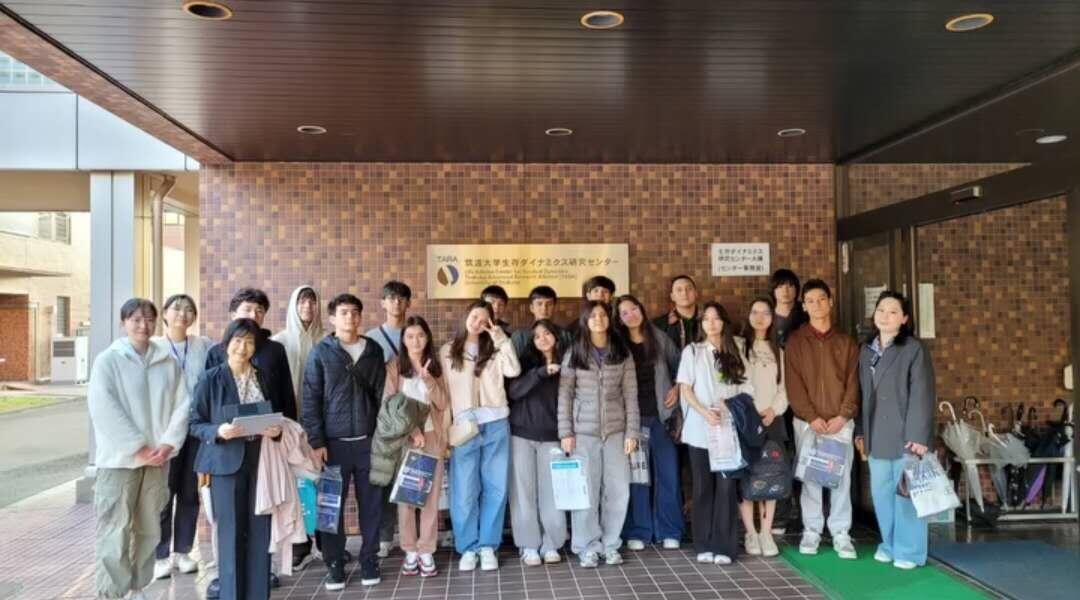
Beyond my major, I wanted to learn how to interact with people from different backgrounds—while staying true to my own values, but also staying open. Outside of class, the most memorable experience has been working as a Campus Attendant. I gave tours to groups from Japan, the US, Vietnam, Kazakhstan, and a combined African group from South Africa, Ghana, and Nigeria. Through that, I made friends with other attendants and got a real glimpse into visitors' daily lives—it was eye-opening. One thing really stuck with me: if you want to share your culture with others, the most important thing is simply to treat people as people. I've come to truly understand it through actually doing it.
What do you think makes the University of Tsukuba special?
What makes Tsukuba special to me is the freedom it gives students. You're not locked into only your major—you can explore classes across fields. I took marathon running, studied Russian, and even went on an exchange to Kazakhstan. The sports resources are also incredible—my judo instructor was an Olympic silver medalist, and one of my football coaches had coached Kaoru Mitoma, the Japanese national team player. The international community here is also genuinely open—you can meet people from almost any country, and alumni, even those I've never met, are always willing to help. And the campus itself is beautiful—green, spacious, and full of flowers in every season. All of this makes Tsukuba feel like a place where you can explore different directions in life.
-
YUHAN XU
From China
-
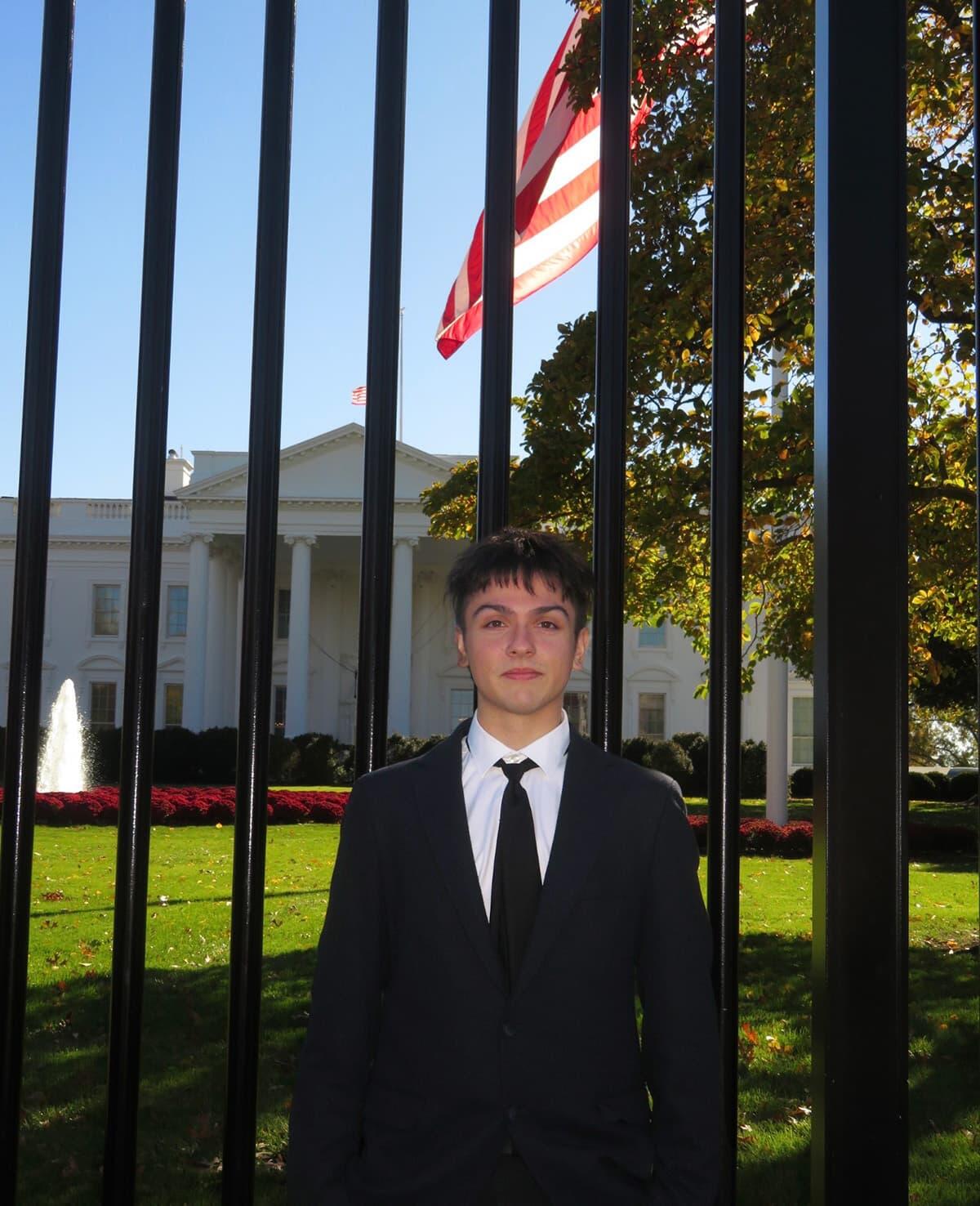
ALEXANDRU GOIA CRISTIAN
From Romania
-
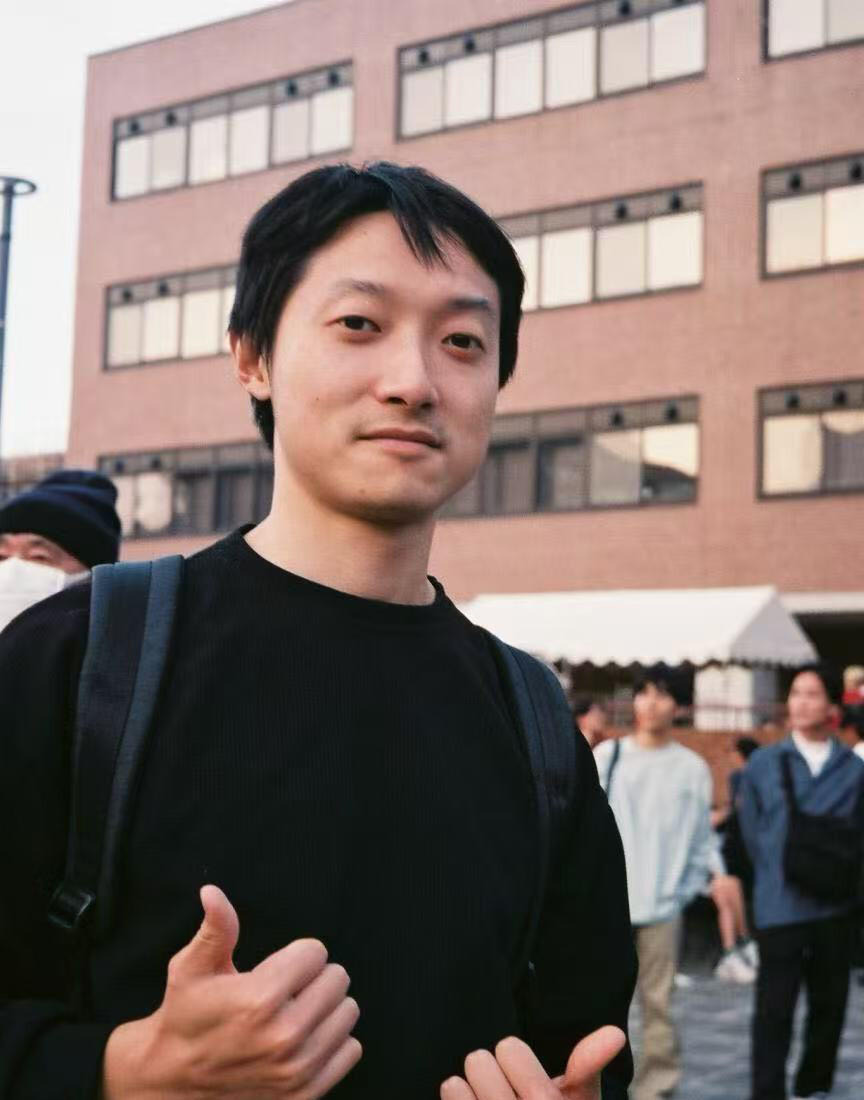
SHUYANG ZHANG
From China
-
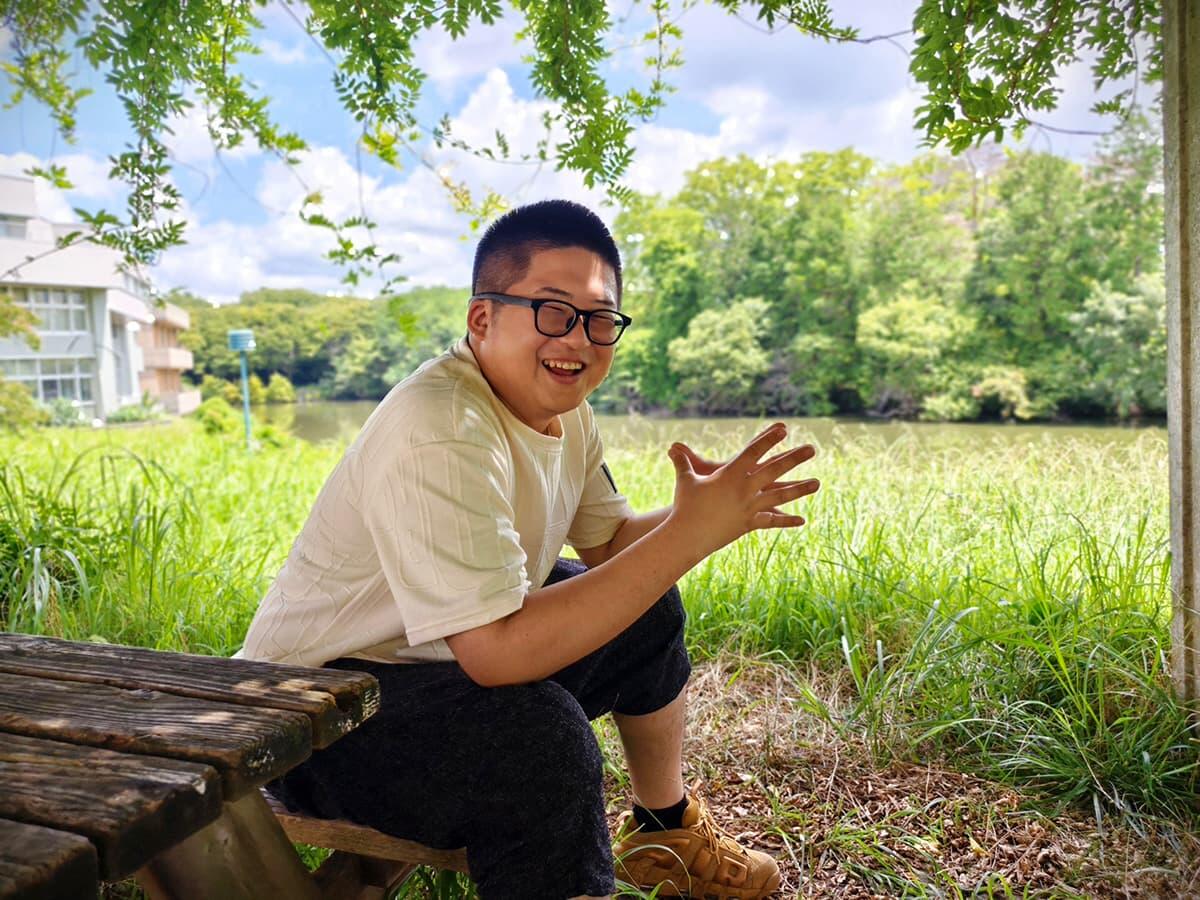
YI-FU LIU
From China
-
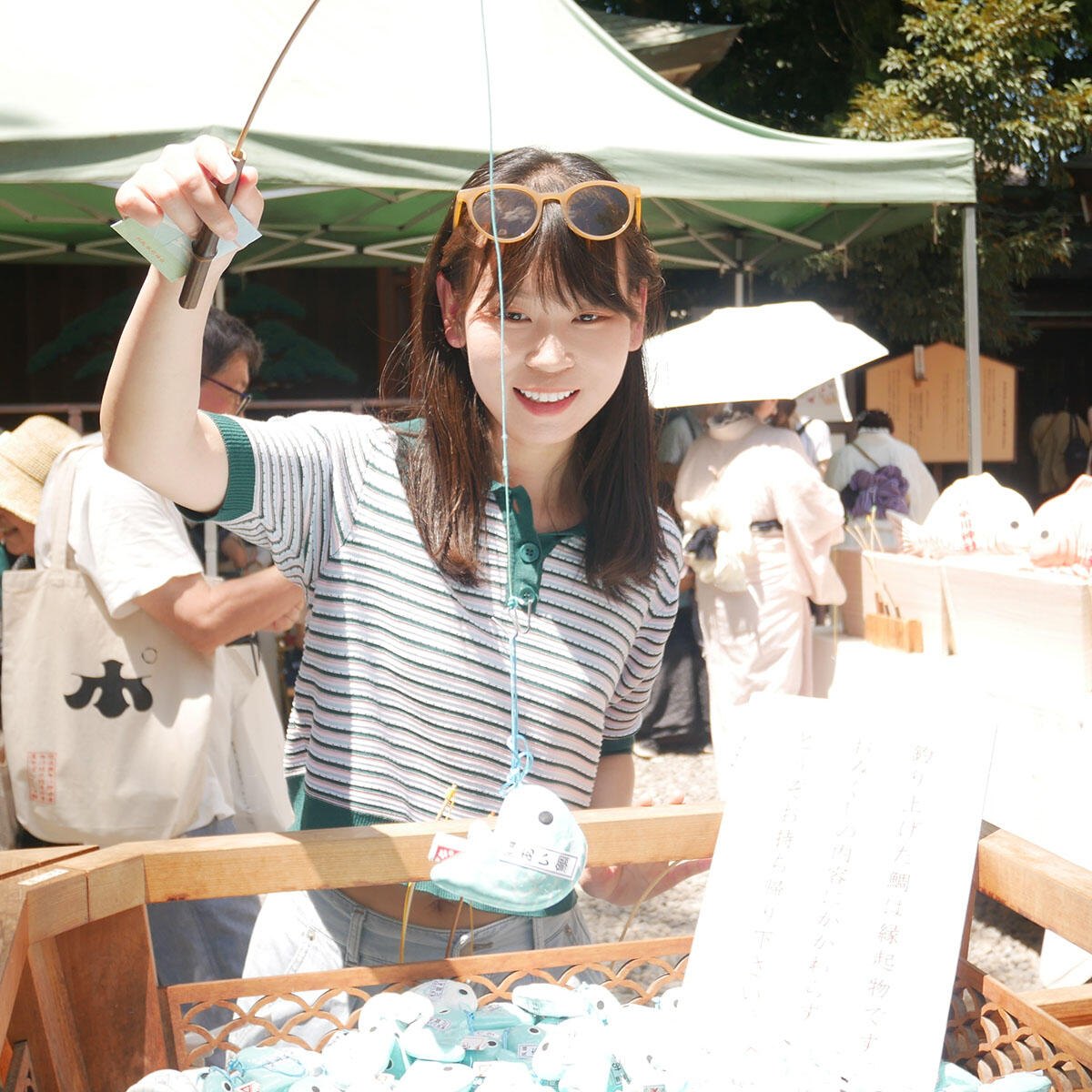
XINGYA YUAN
From China
-
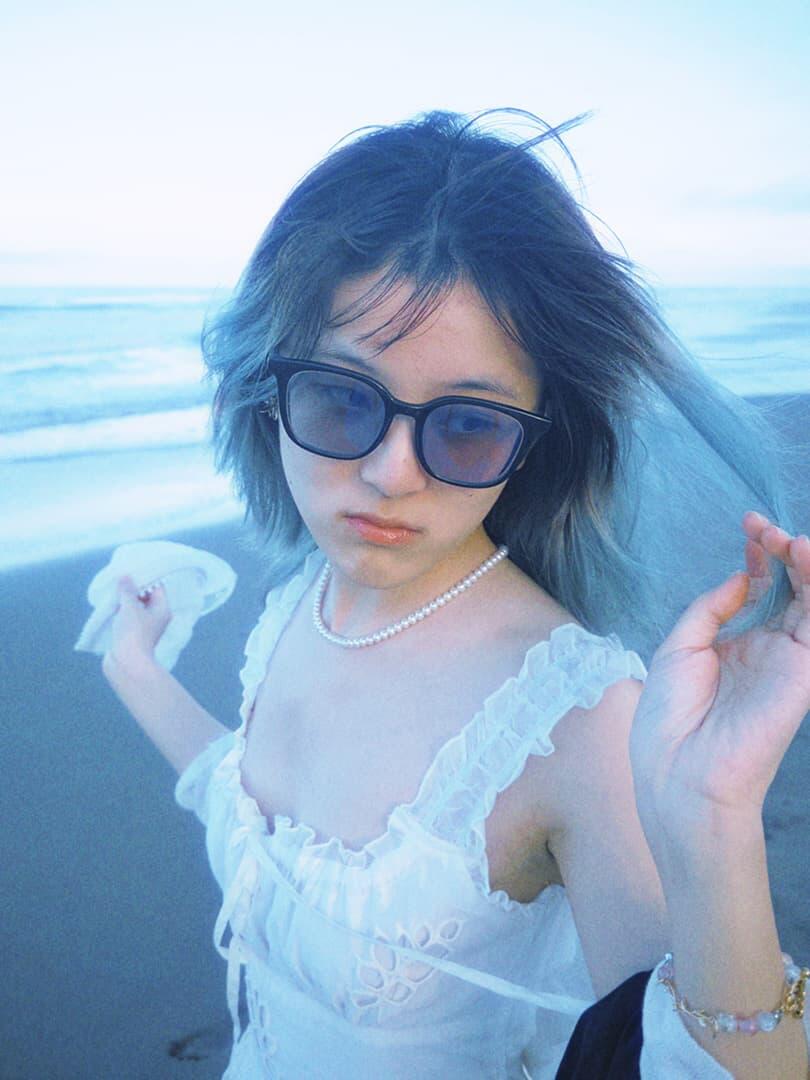
礼 (LI)
From China
-
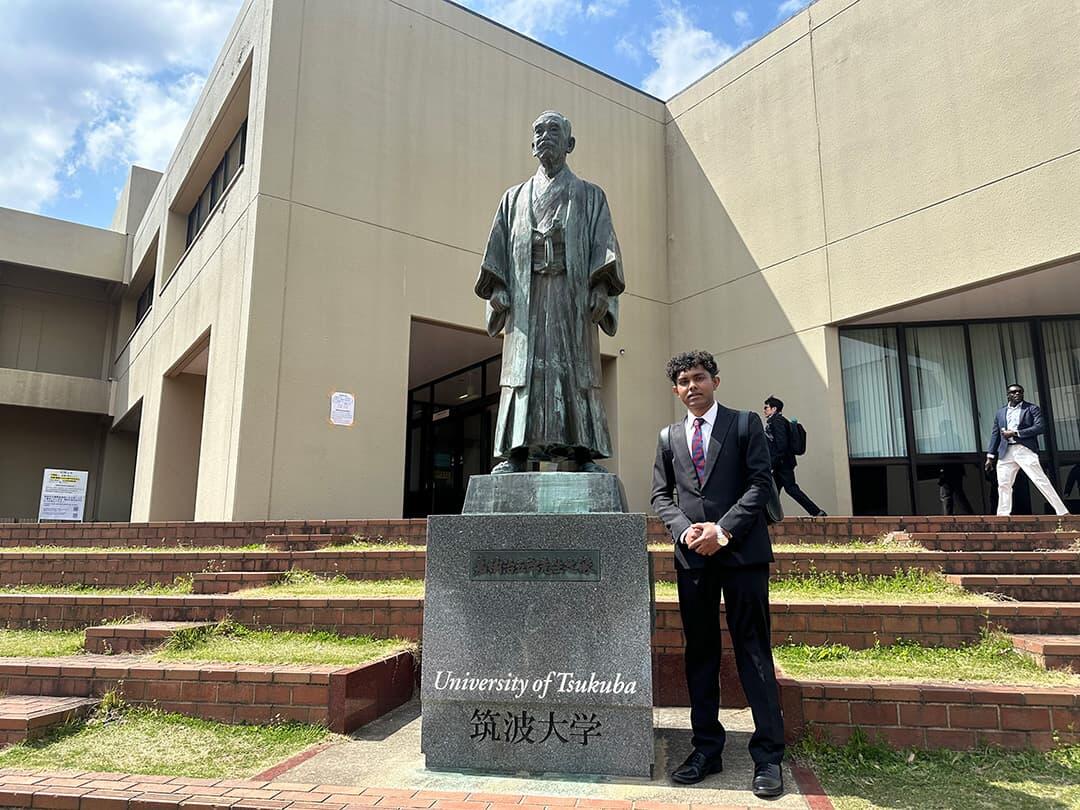
PULUSEN SATHYAJITH ARIYASINGHE
From Sri Lanka
-
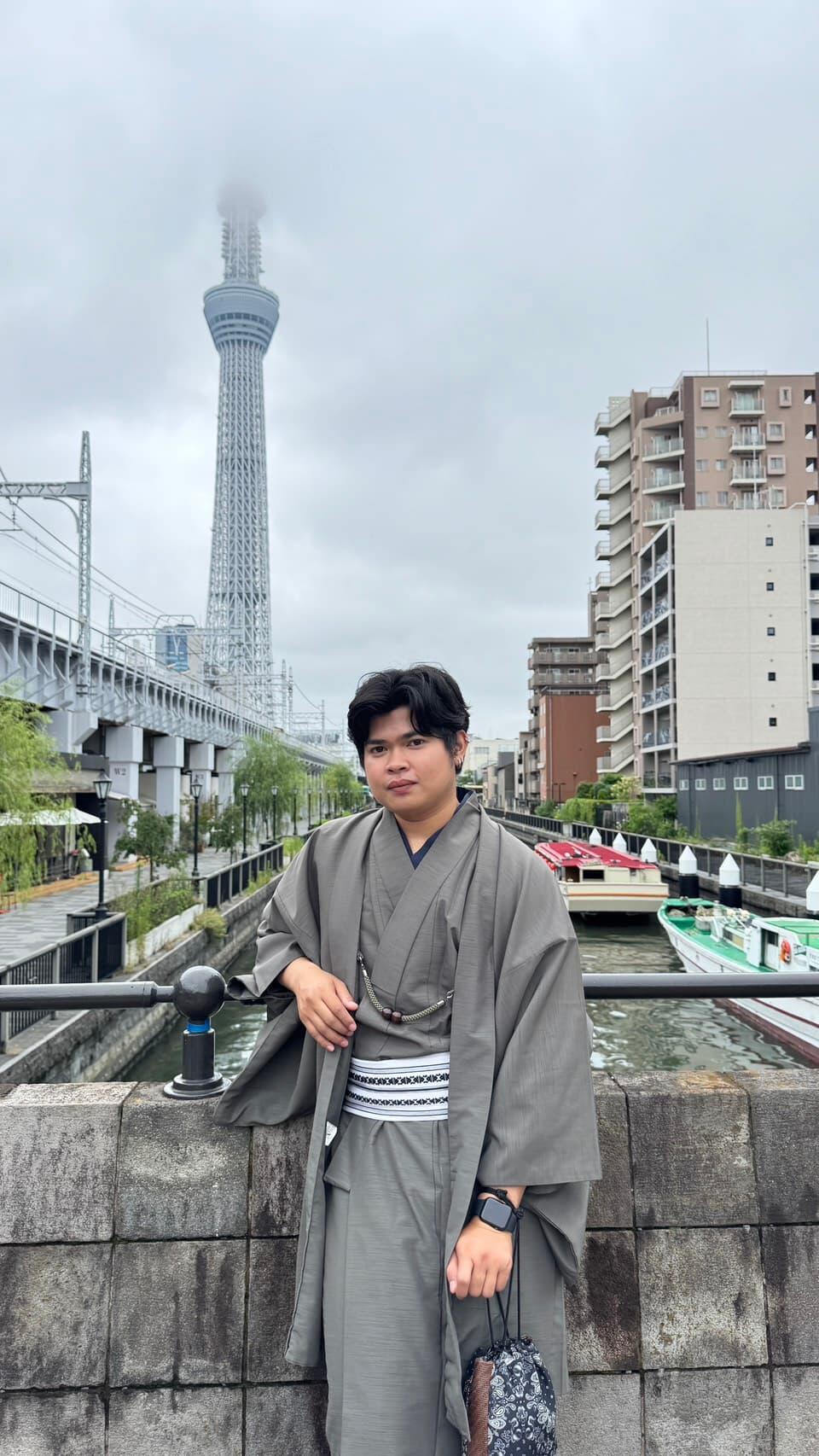
SAKNARIN NIN-INJAN
From Thailand
-
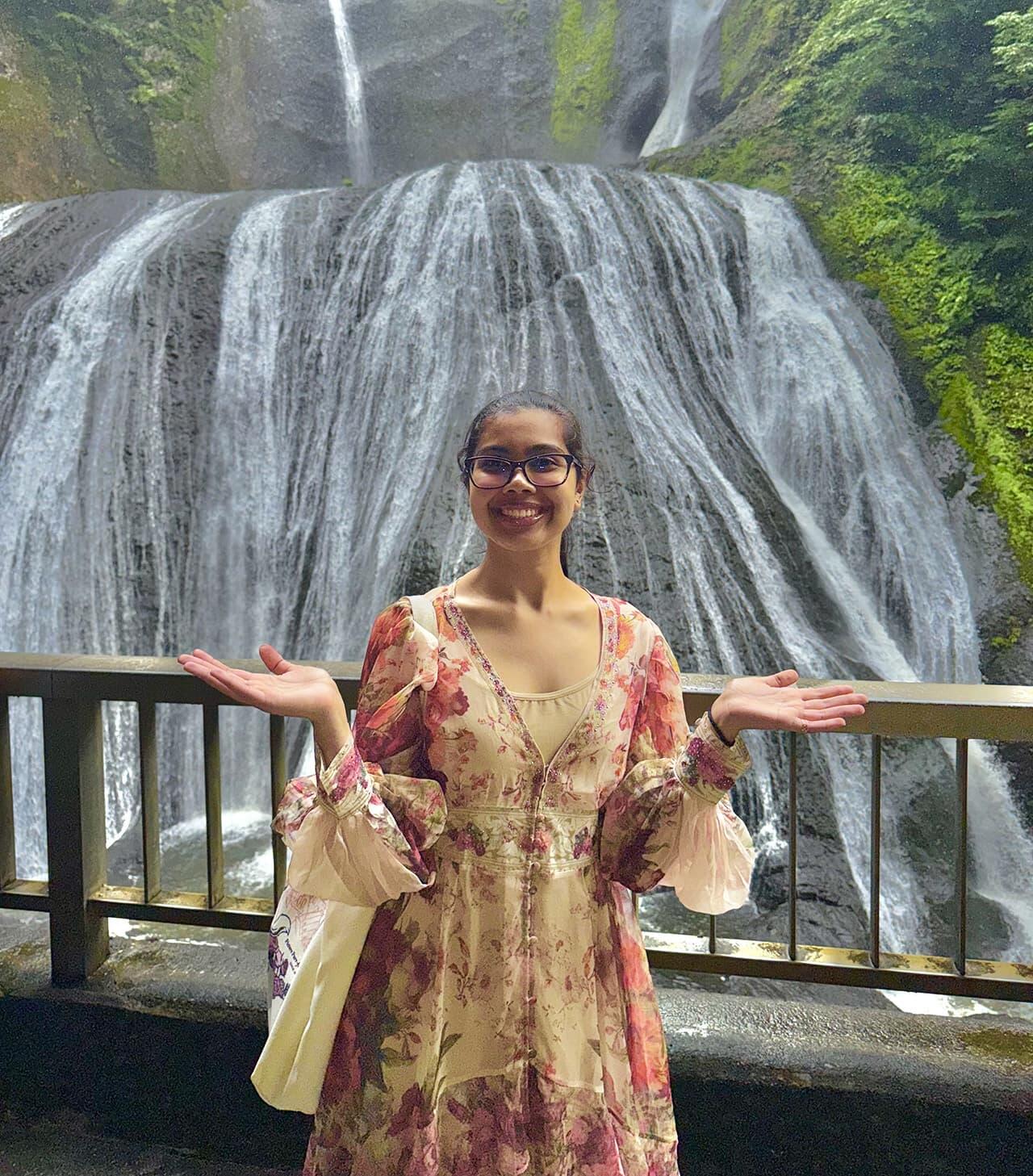
HIRUNI HUNUKUMBURA
From Sri Lanka
-
HAN CHON TEH
From Malaysia
-
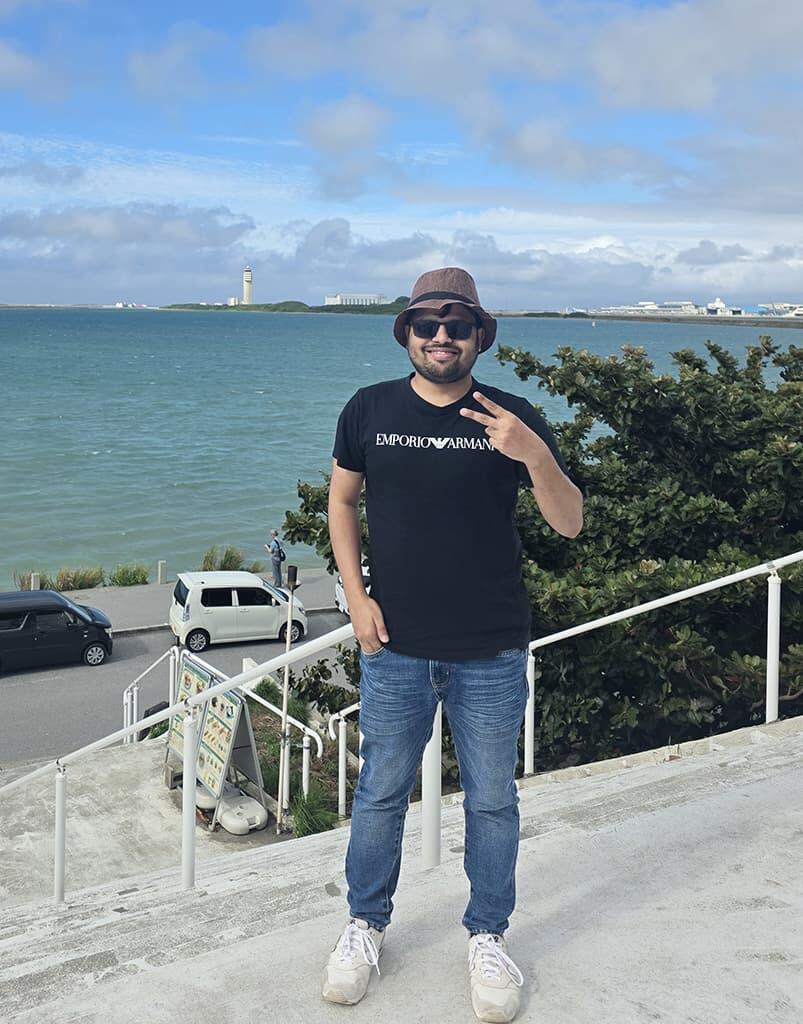
MD MEHEDI HASAN
From Bangladesh
-
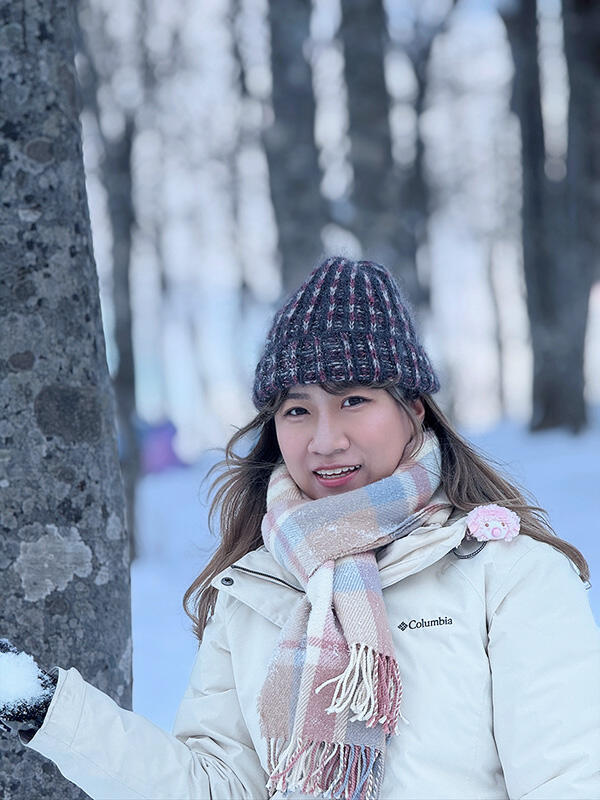
LI SZE CHING
From Hong Kong
-
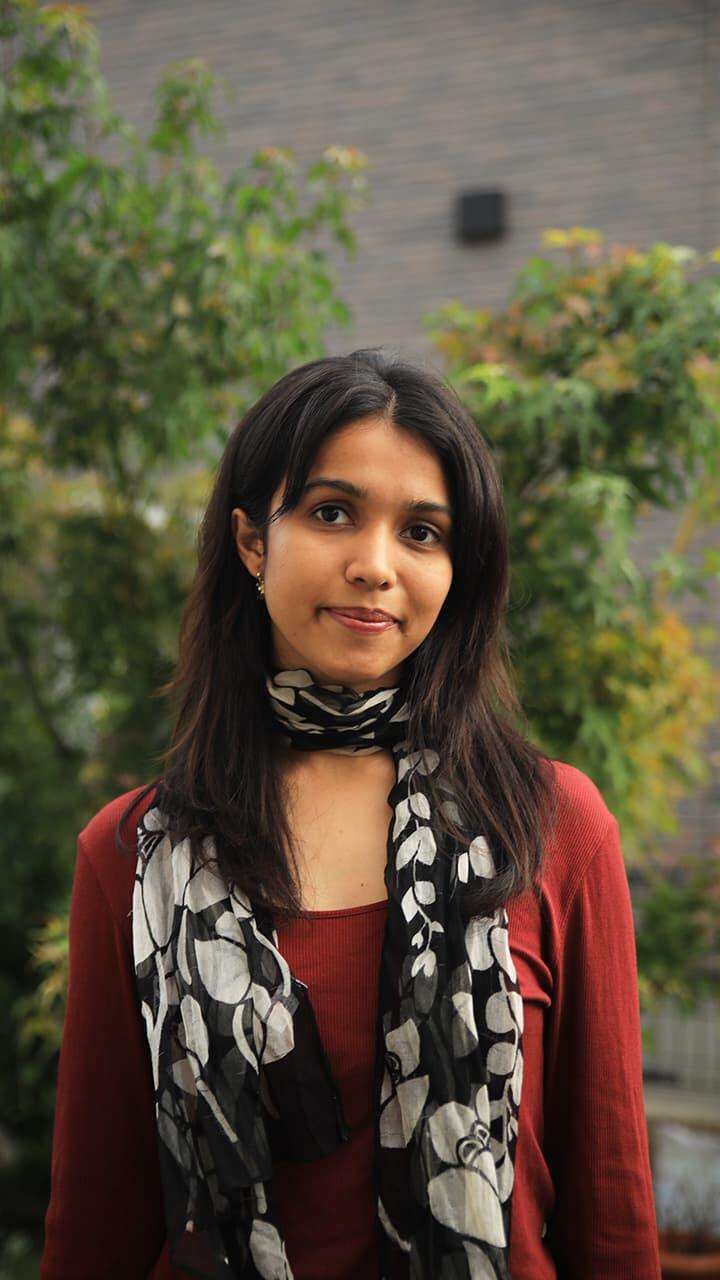
SIYA JITENDRA DESHPANDE
From India
-
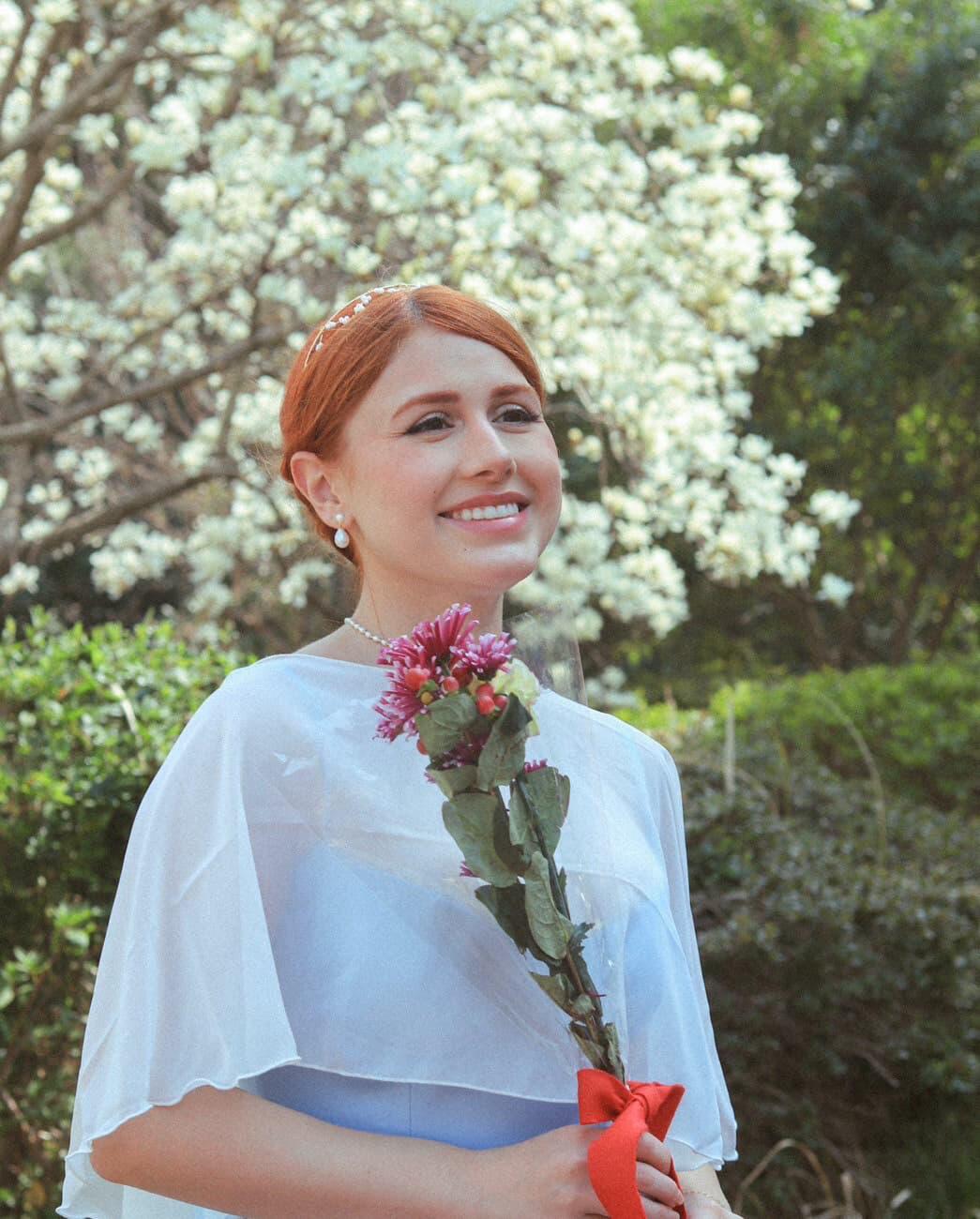
RIBEIRO FALCÃO LORRANA
From Brazil
-
VICTOR MASSAKI NAKAGUCHI
From Brazil
-
RIYAM MOTEA AL-RAABEA
From Iraq
-
ASYRAF KAZUKI BIN ABDUL ZAKI
From Malaysia
-
CHUN PI HSIEH
From Taiwan
-
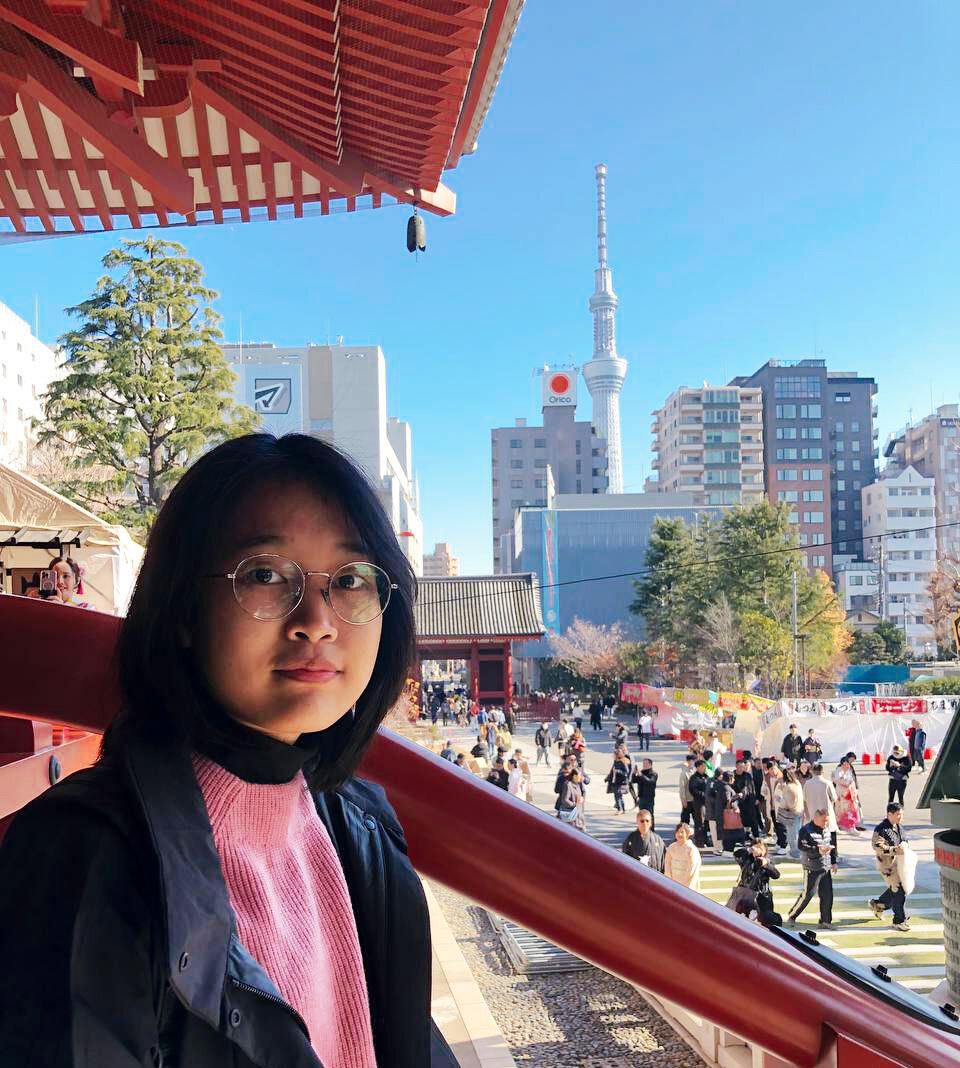
EI YADANAR MAUNG
From Myanmar
-

LIANG LIU
From China
-
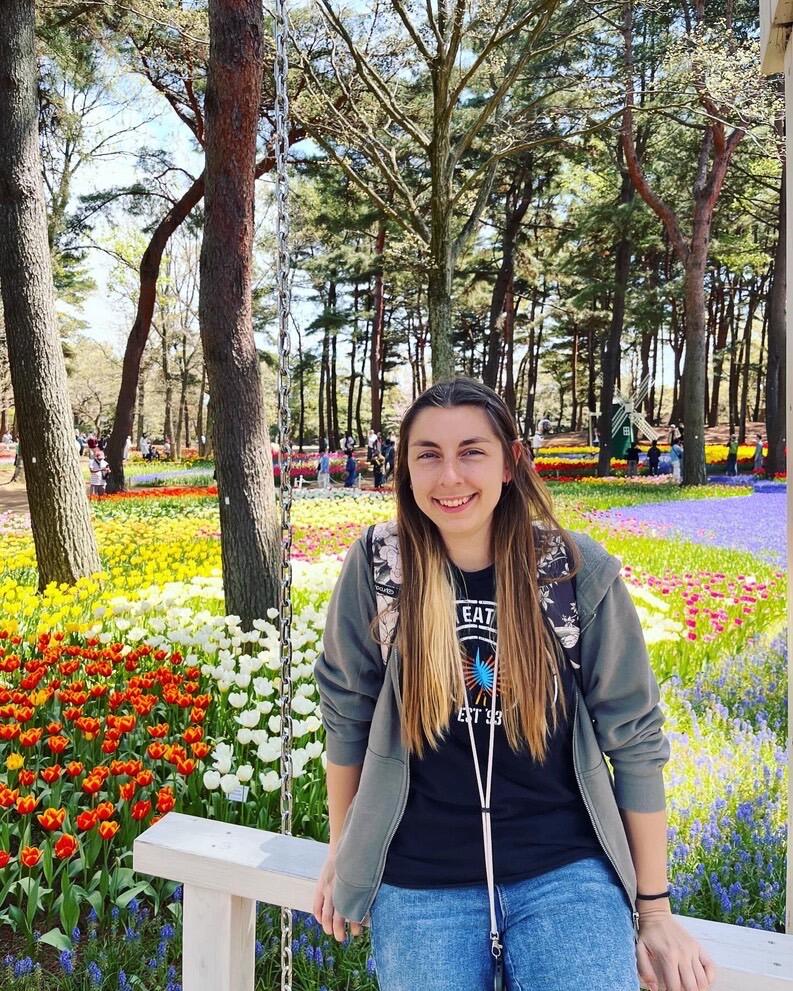
EMMA ROSE DANGERFIELD
From Australia
-
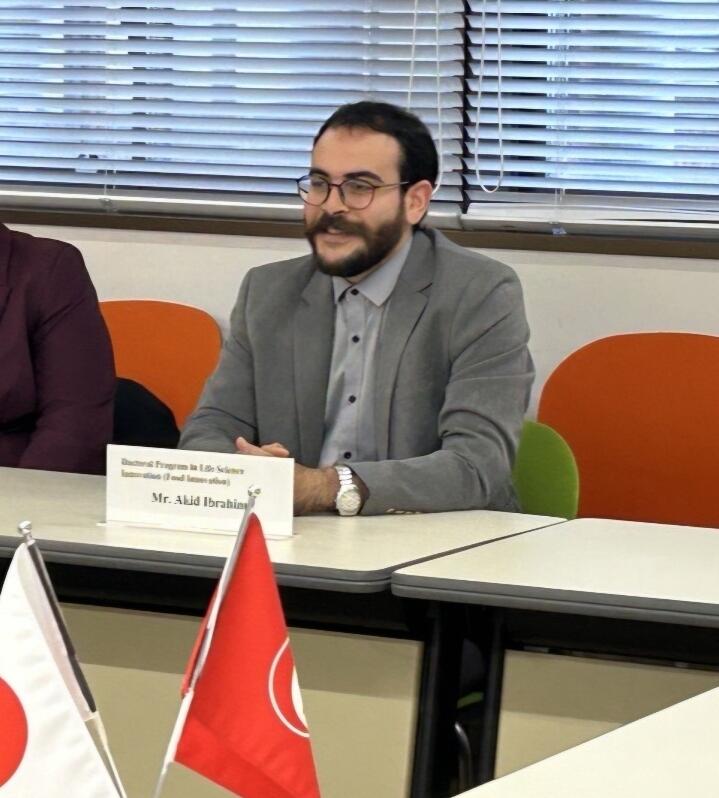
IBRAHIM AKID
From Tunisia
-
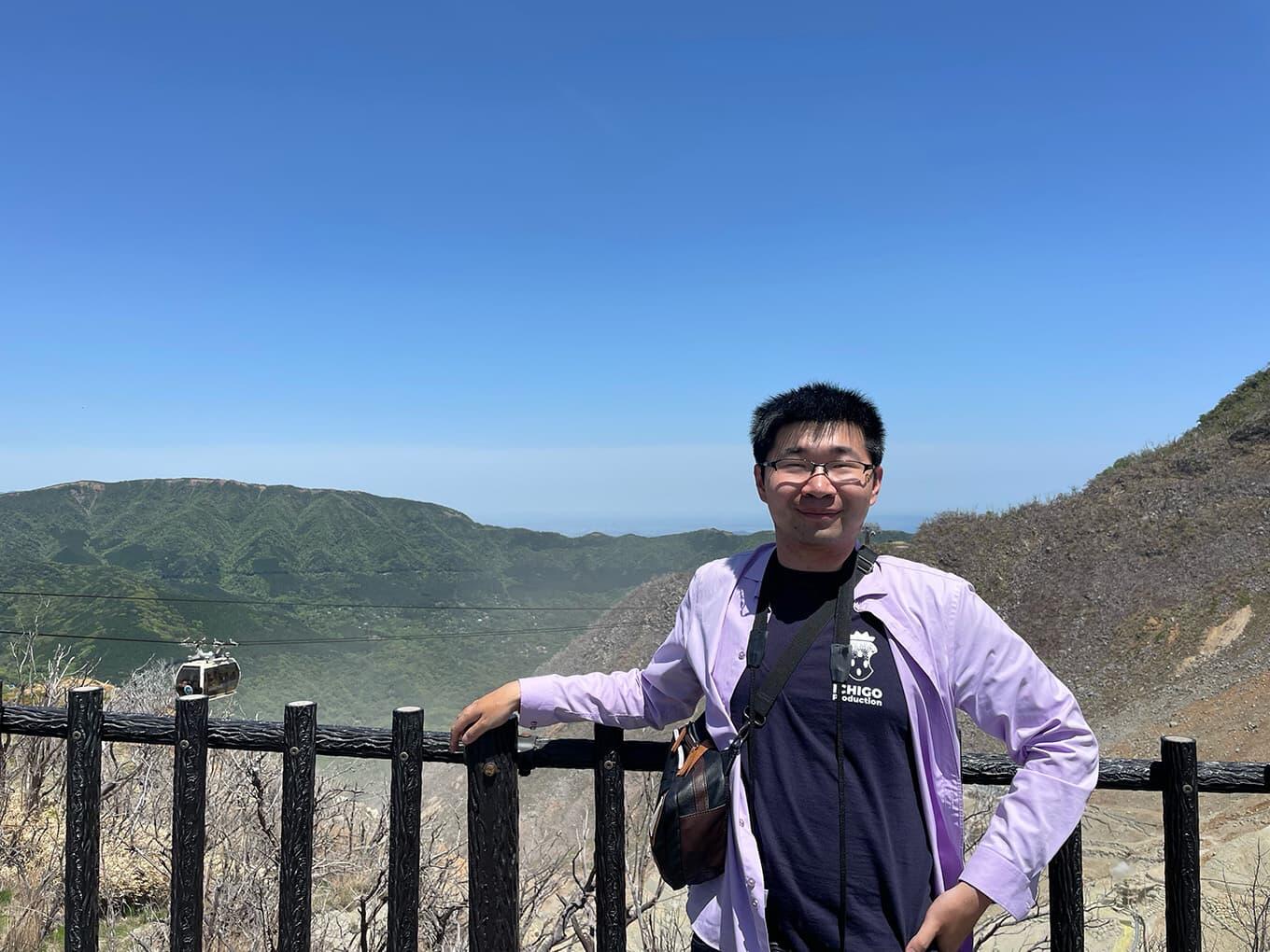
LEYUN HUANG
From China
-
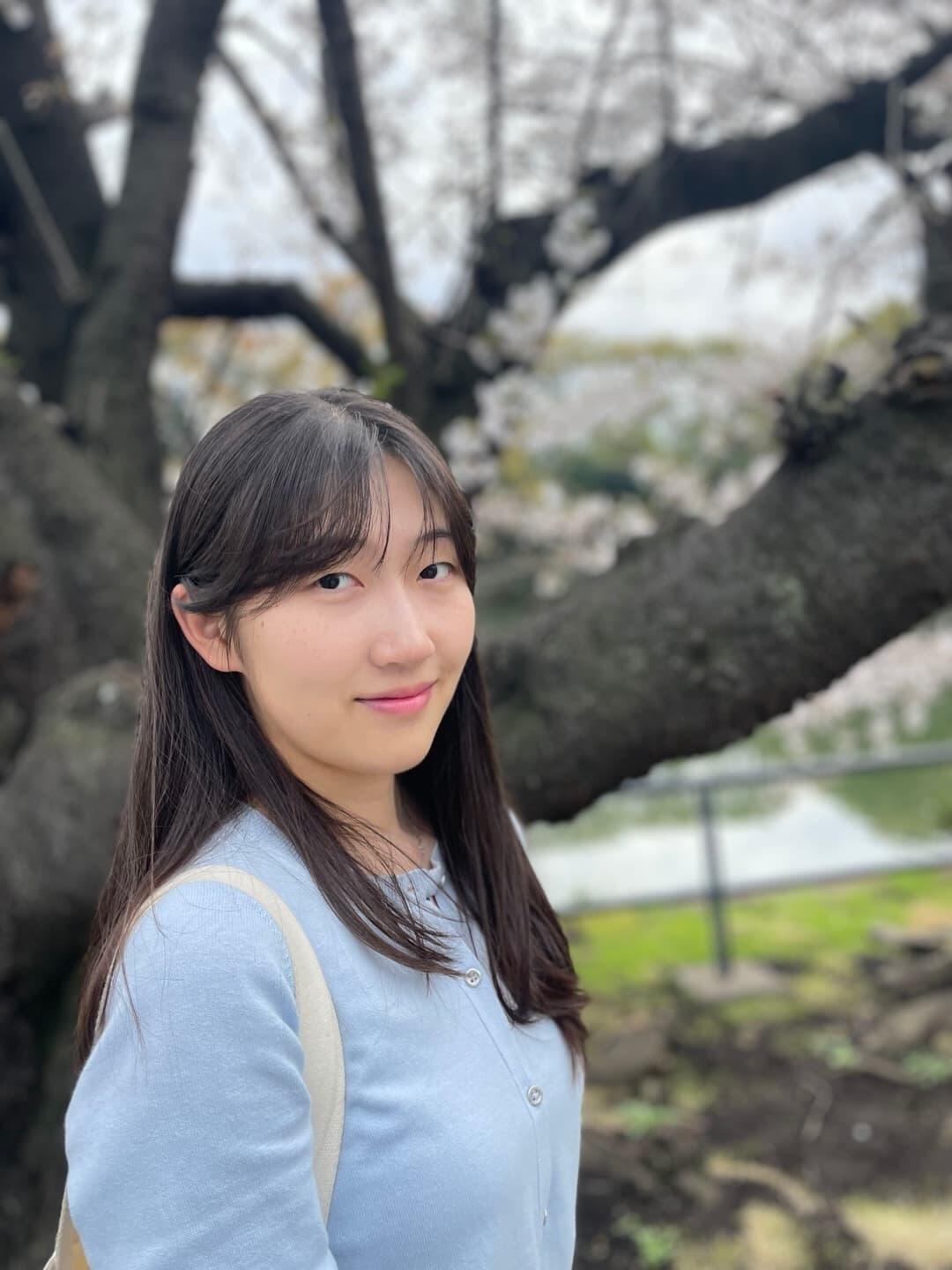
HYOWON LEE
From Korea
-
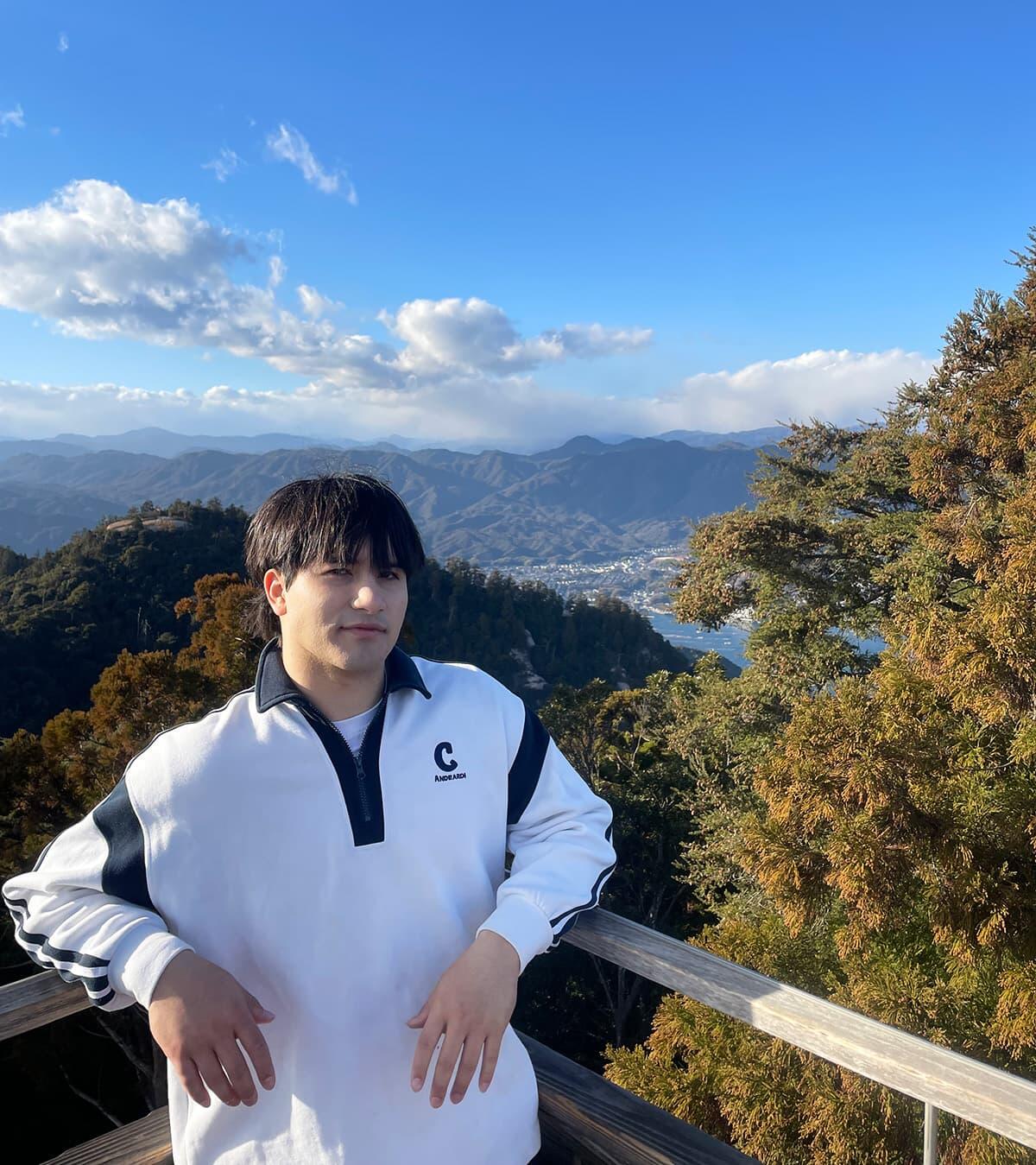
ZACHARY JAMES YOSHIOKA
From USA
-
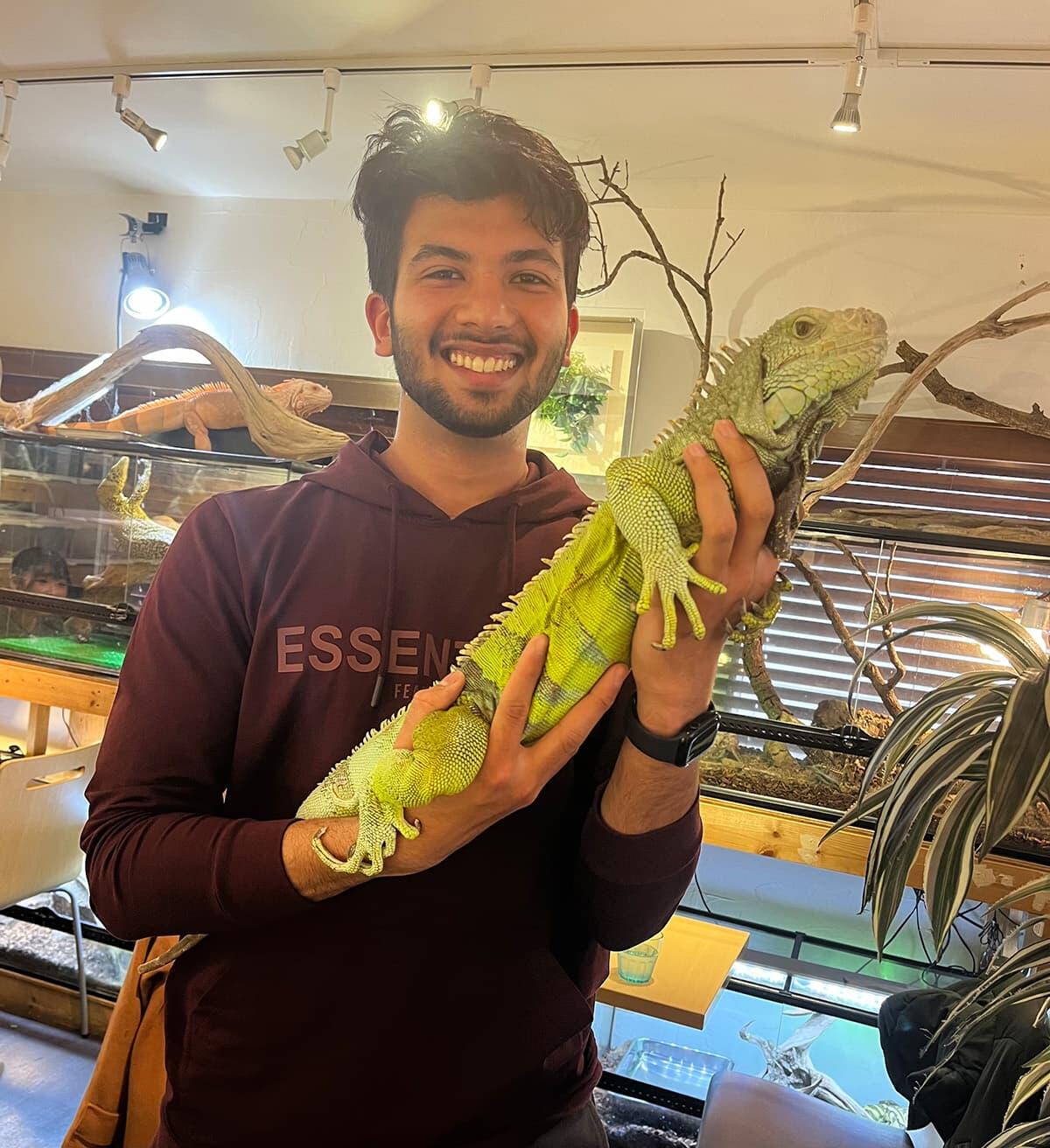
NIMISH SUDHIR GODSE
From India
-
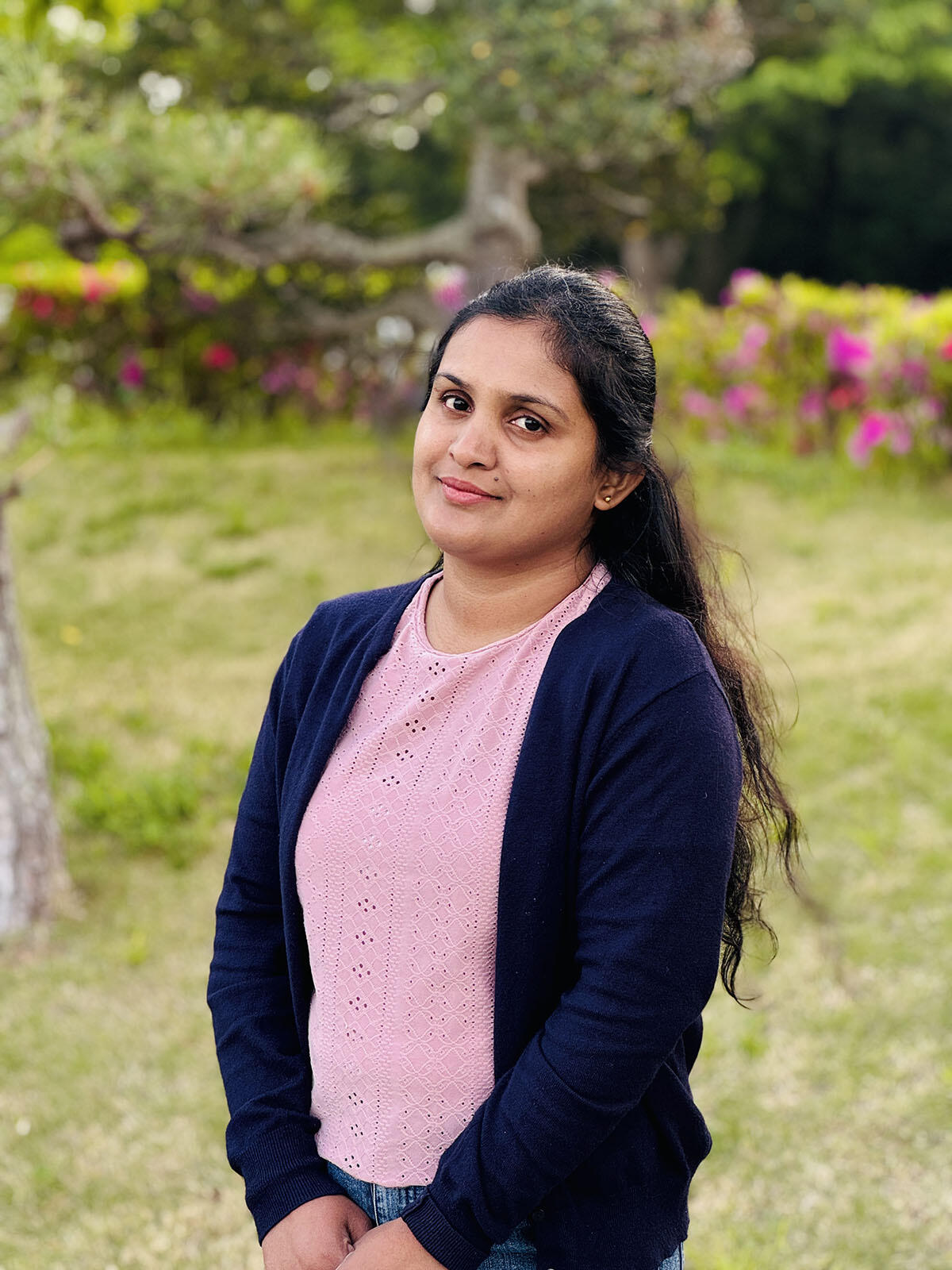
HASINI NIMANTHI KATIYAPE SAMARASEKARAGE
From Sri Lanka
-
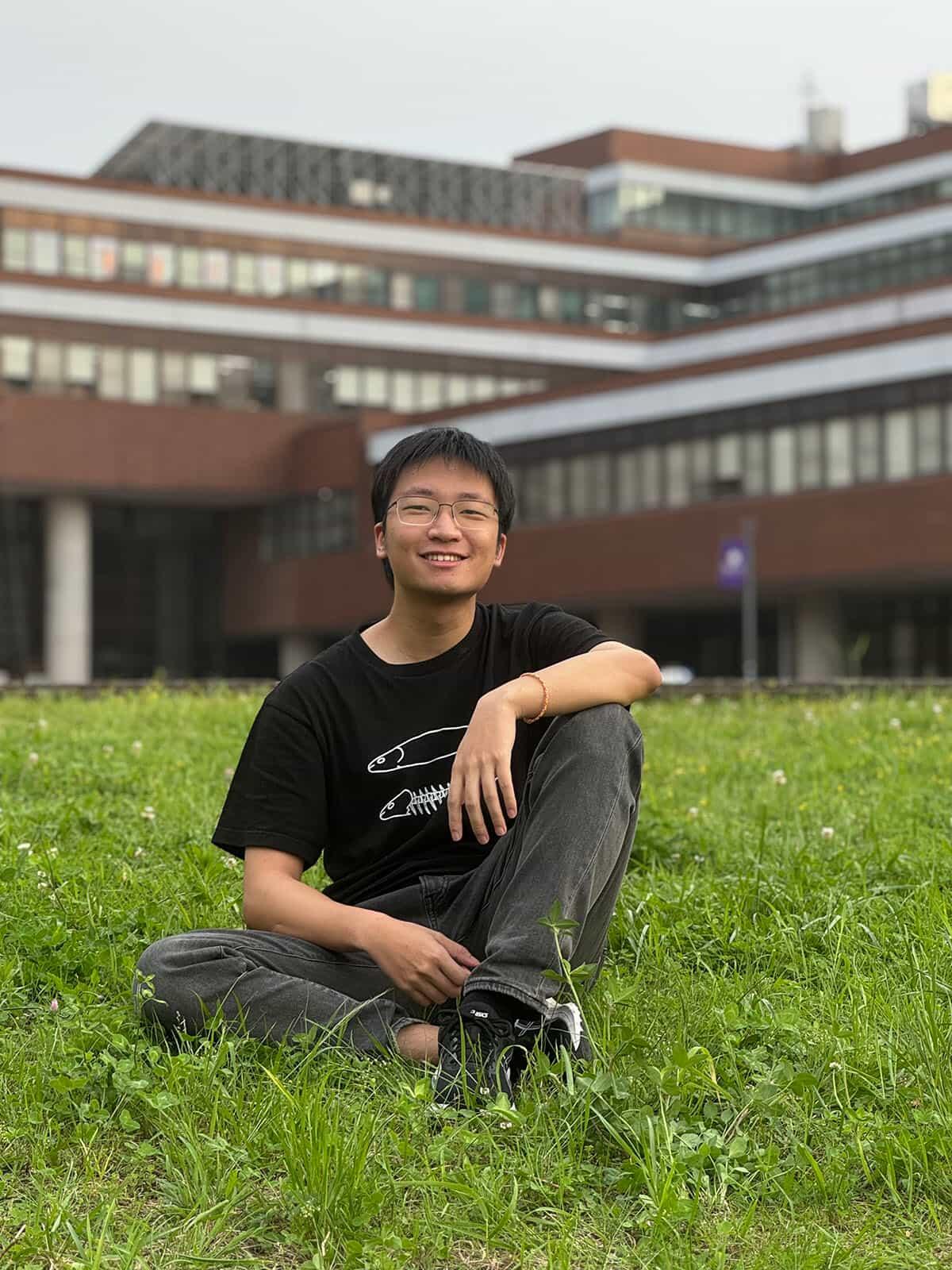
MURAN XU
From China
-
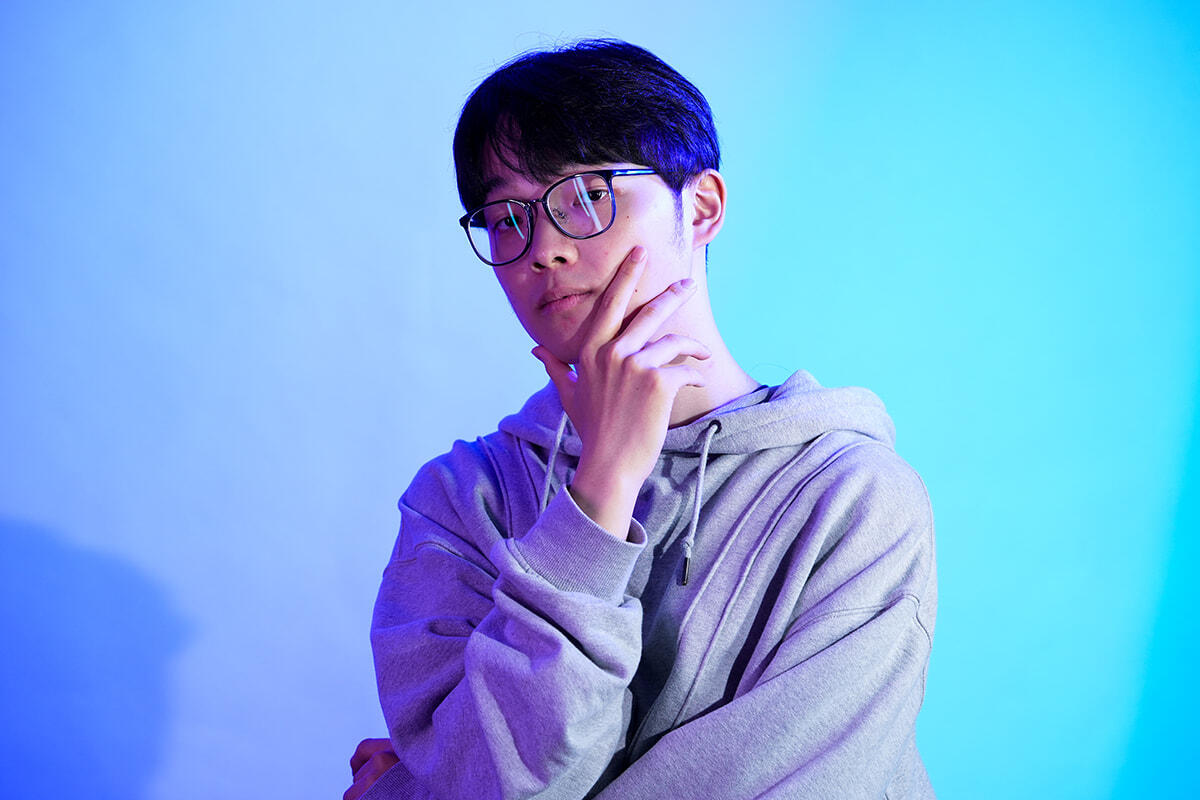
YANG HU
From China
-
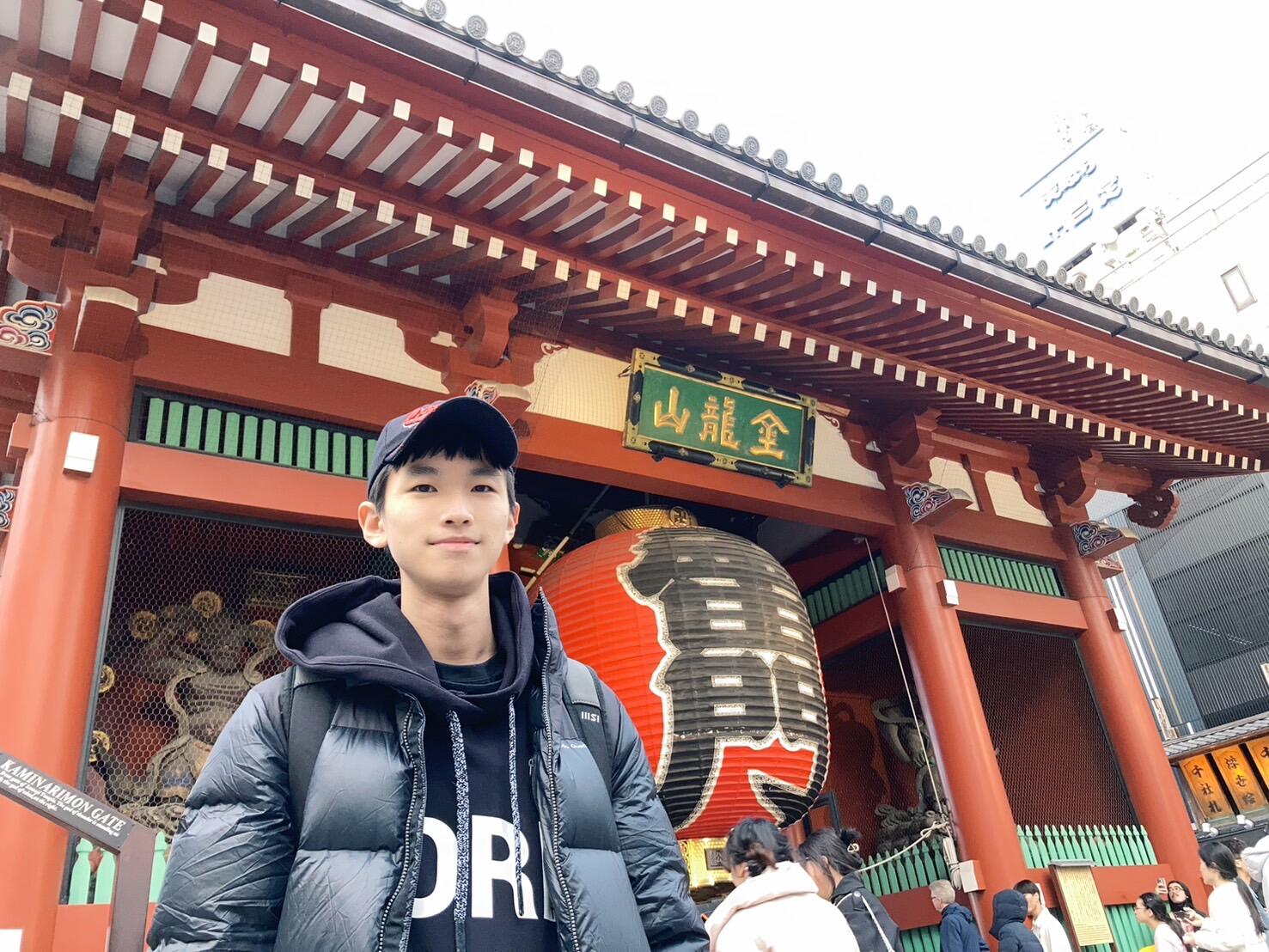
TE-YU HUANG
From Taiwan
-
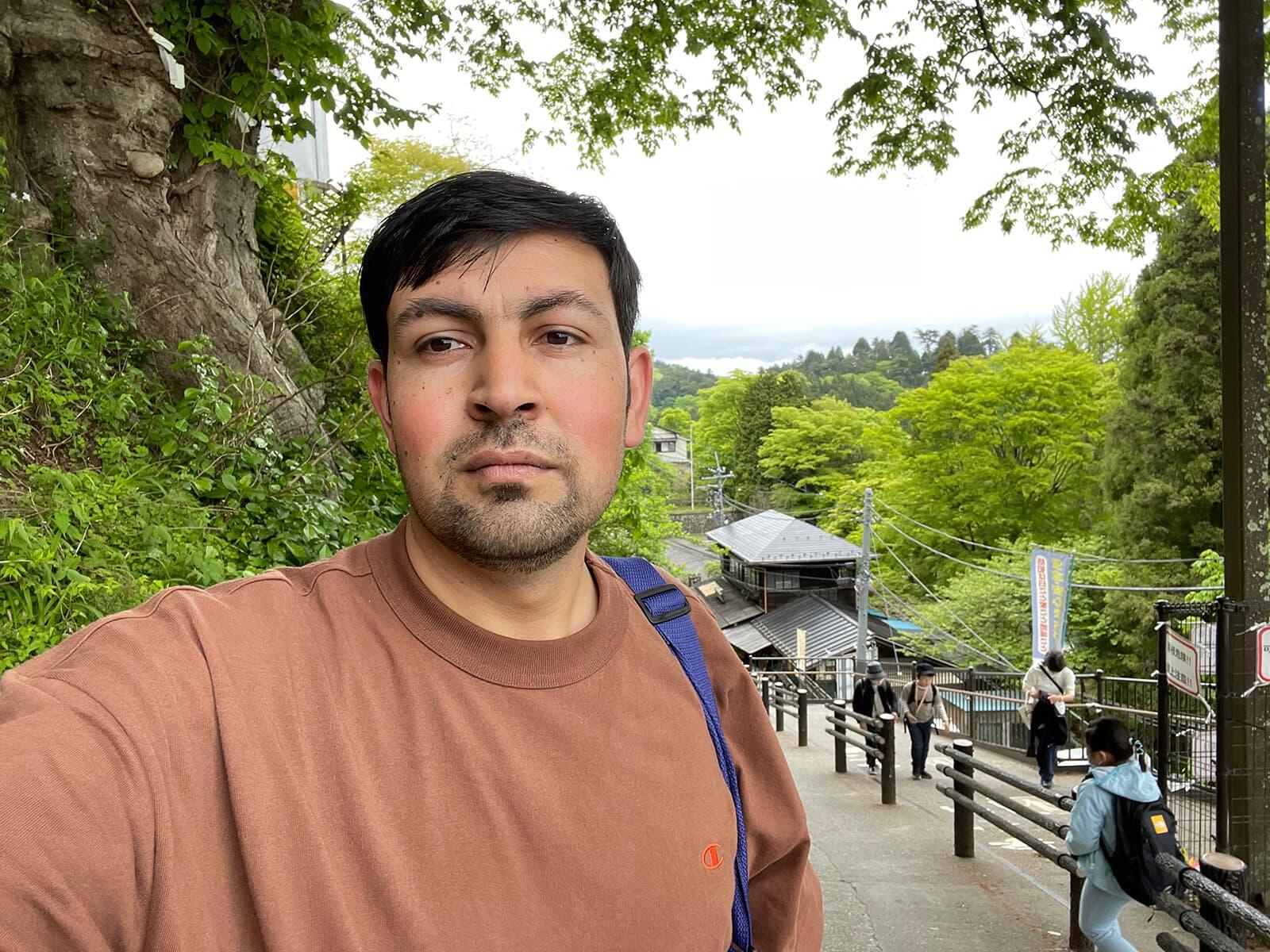
SHAFIQULLAH YOUSAFZAI
From Afghanistan
-
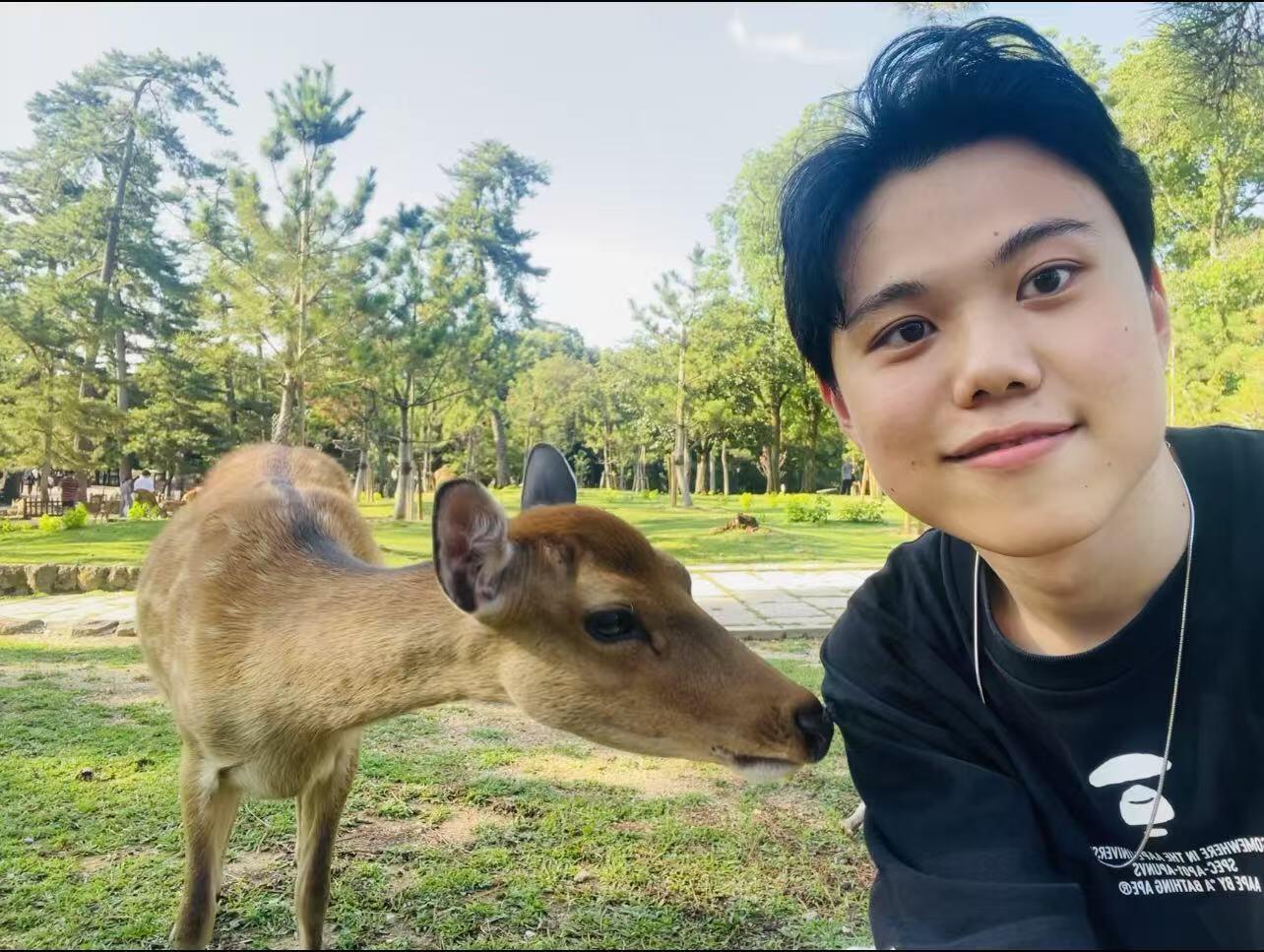
QI SHI
From China
-
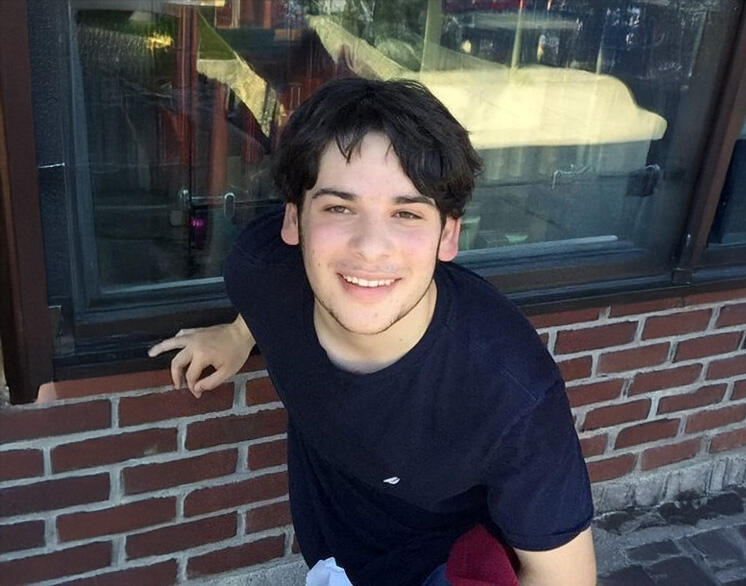
MYLES
From USA
-
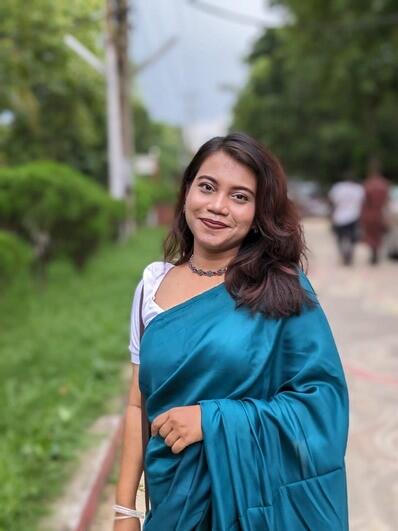
ISRAT JAHAN
From Bangladesh
-
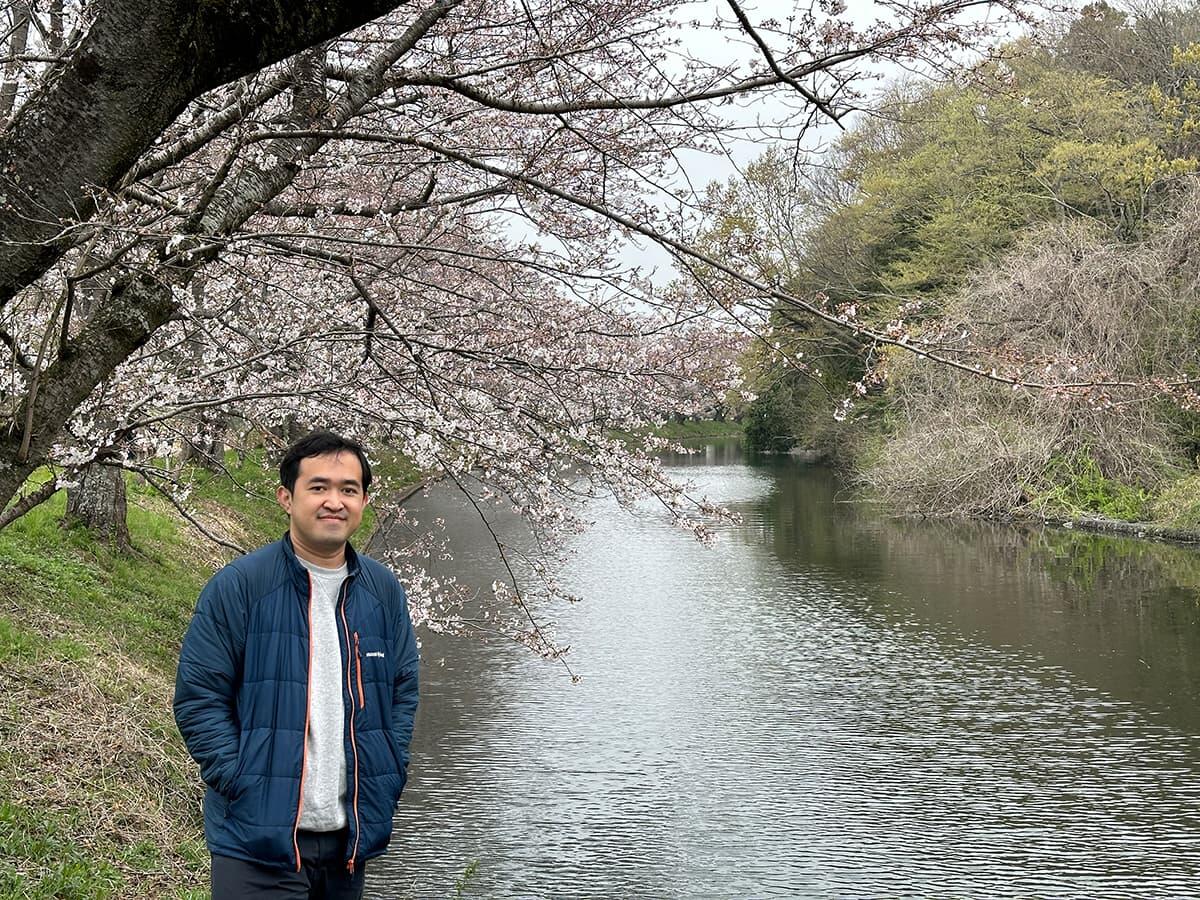
SOTHEARITH ENG
From Cambodia
-
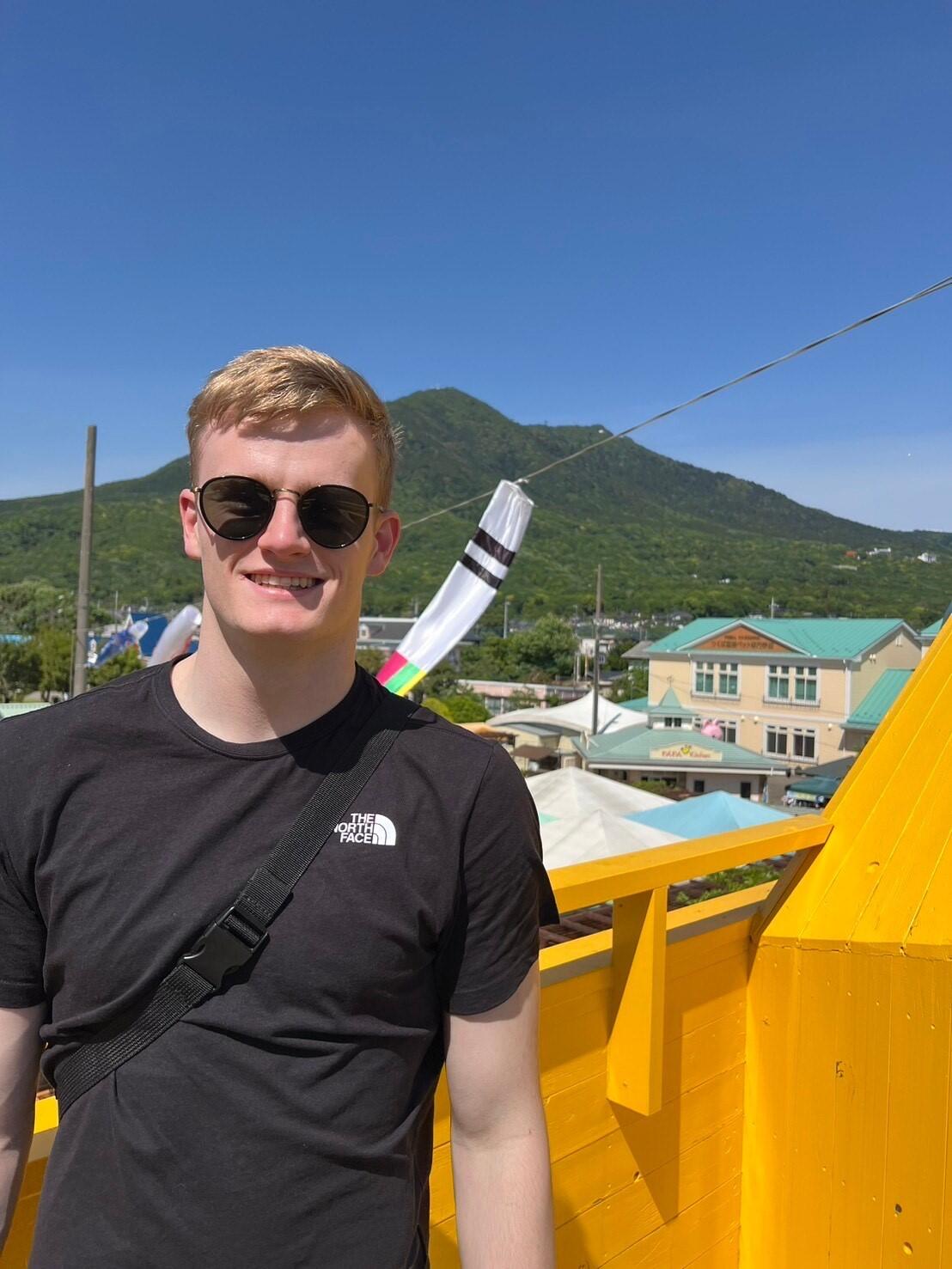
FELIX COOMBER
From UK
-
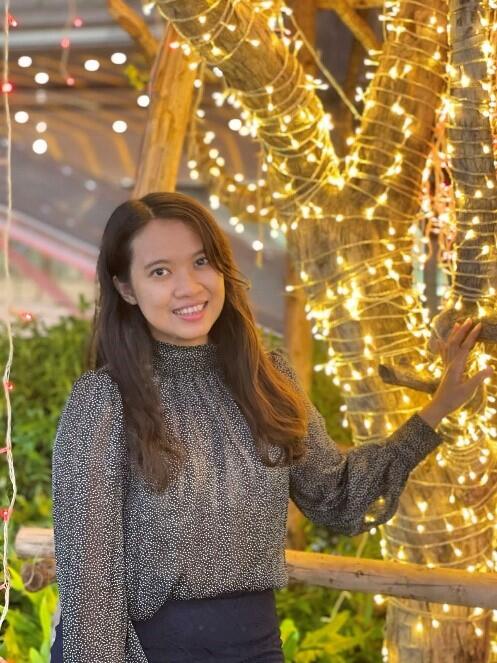
WAI PHYO THU
From Myanmar
-
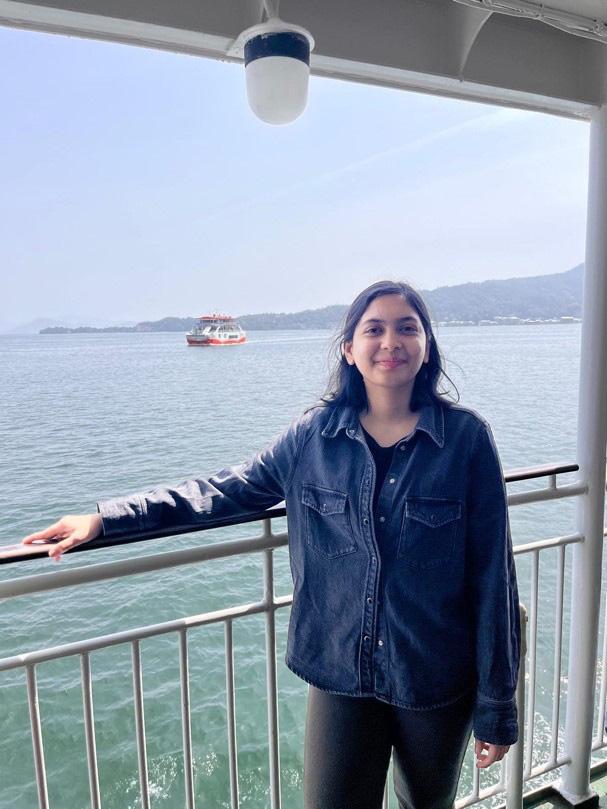
SRINITHI ASHOK KRISHNASWAMY
From India
-
SACHI JOCHI
From Japan/India
-
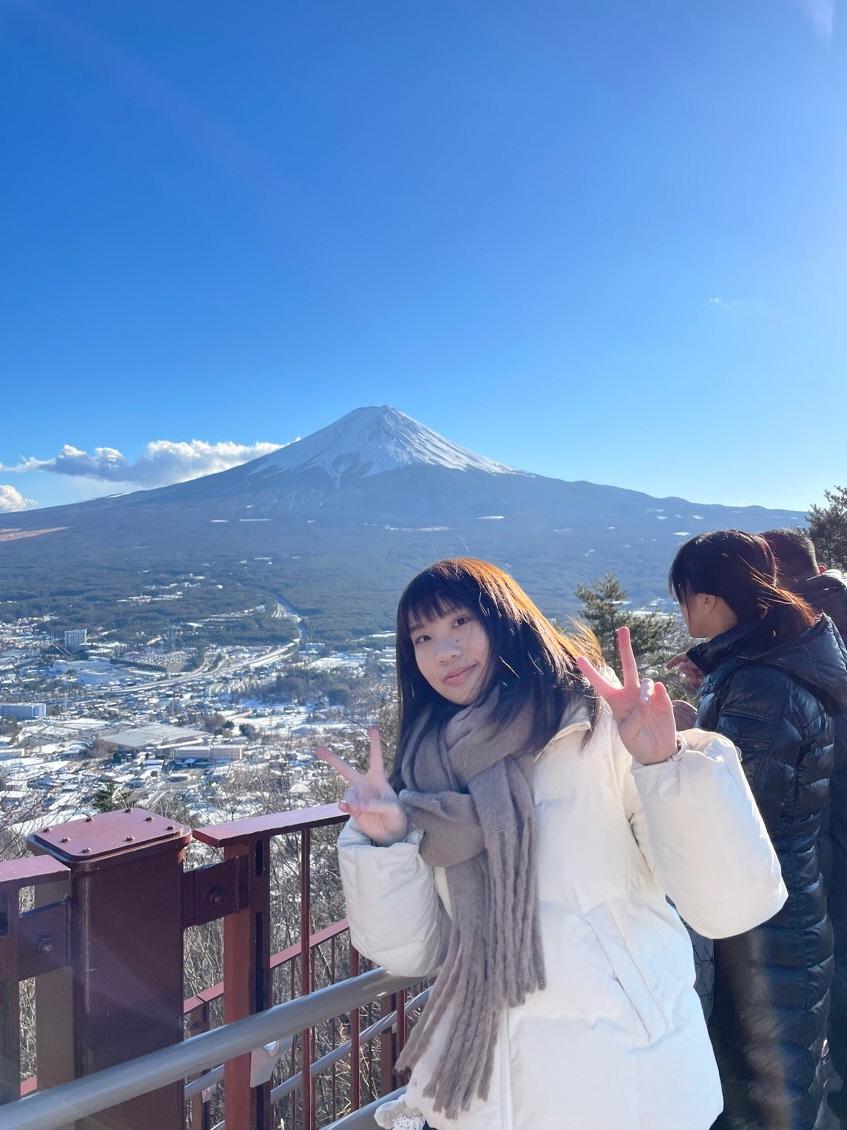
PING HUAN WANG
From Taiwan
-
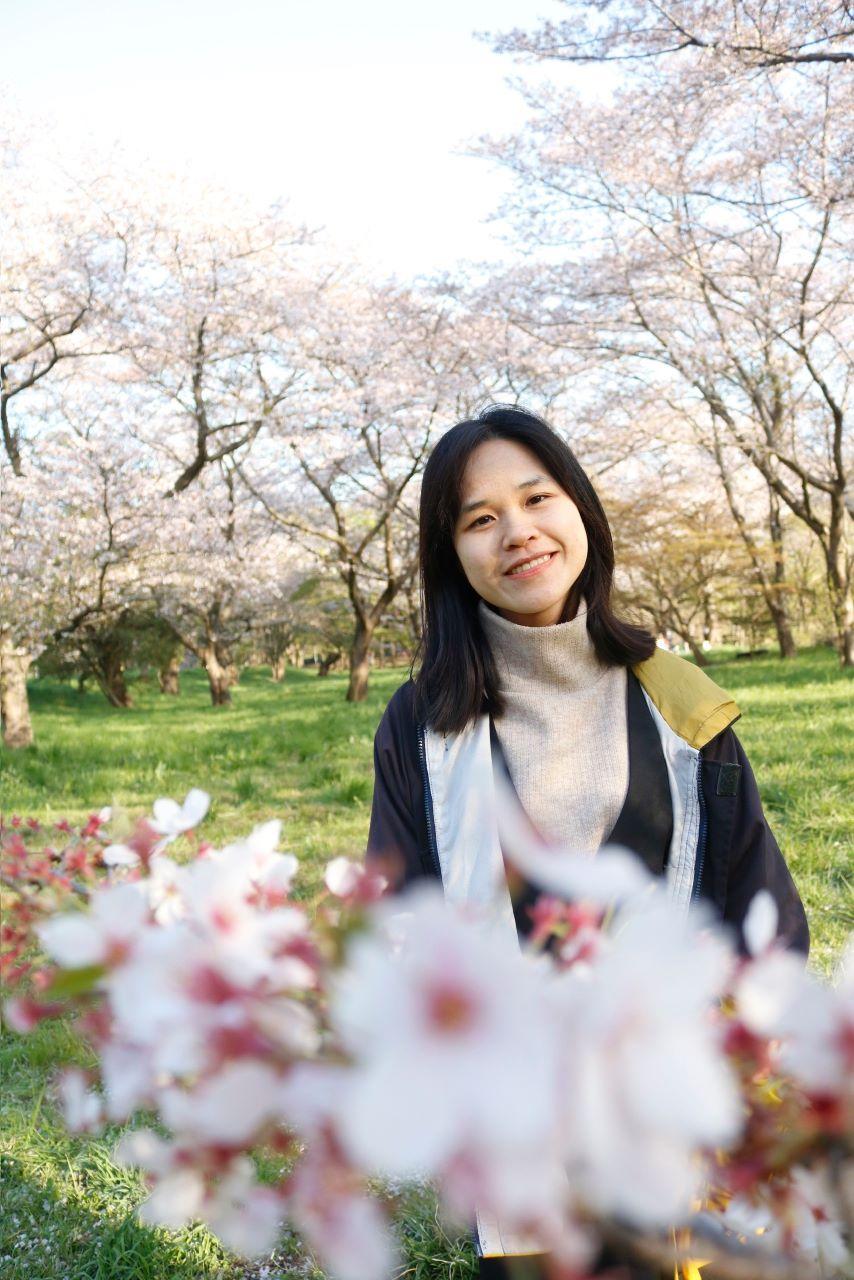
NGHI NGUYEN BAO
From Vietnam
-
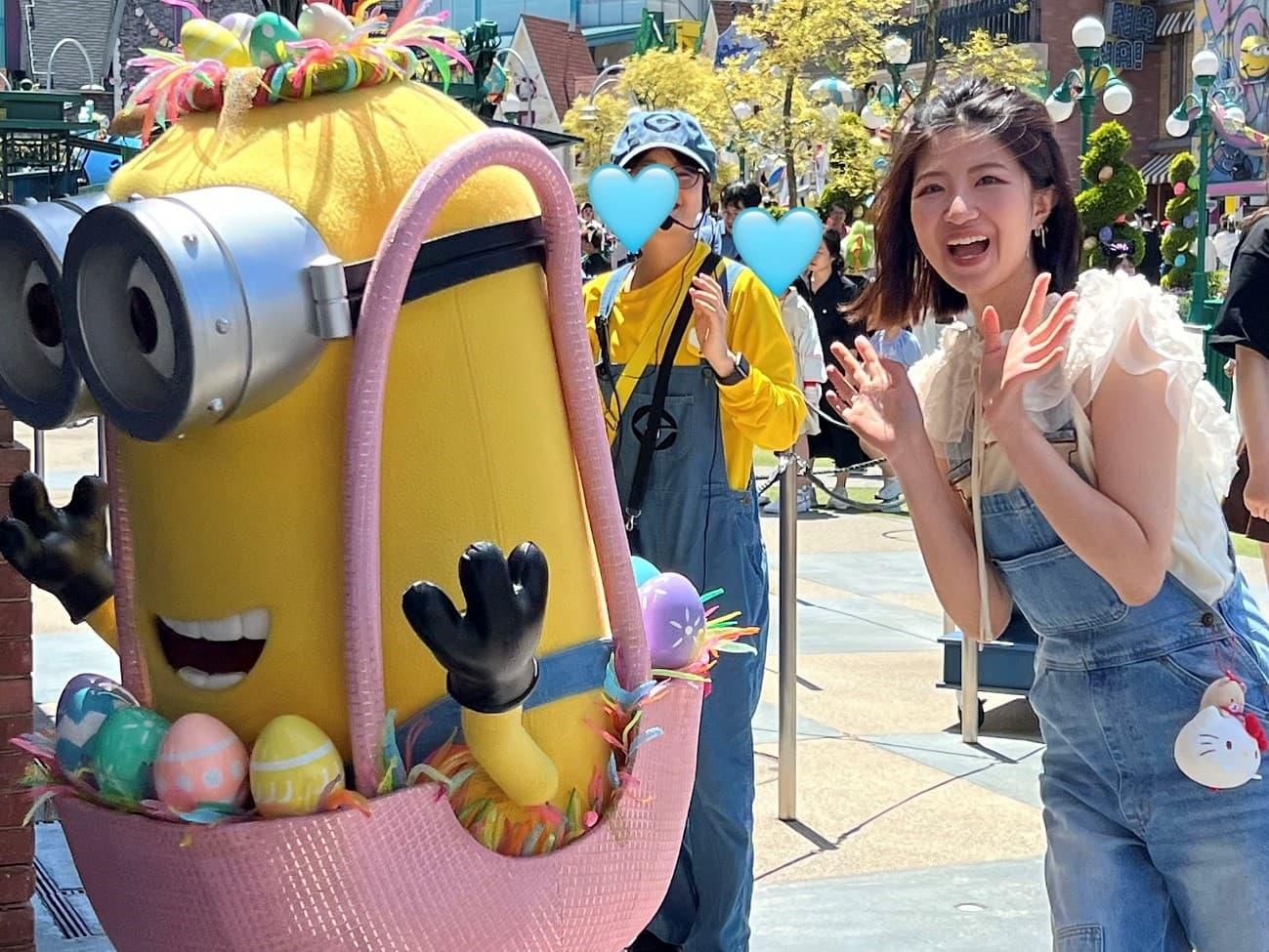
GUANGQI AN
From China
-
HELIO NONOSE
From Brazil
-
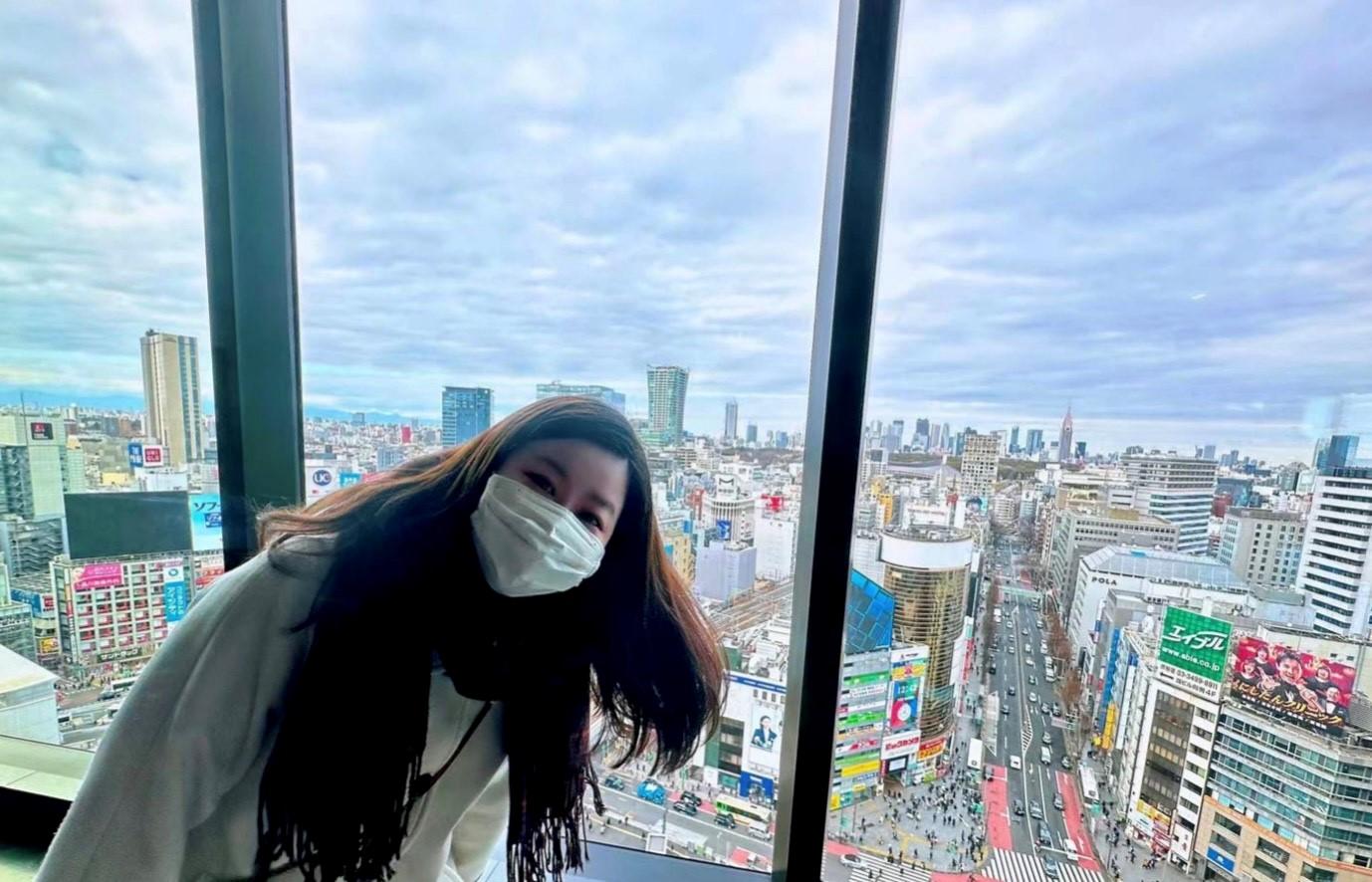
TAO LENG
From China
-
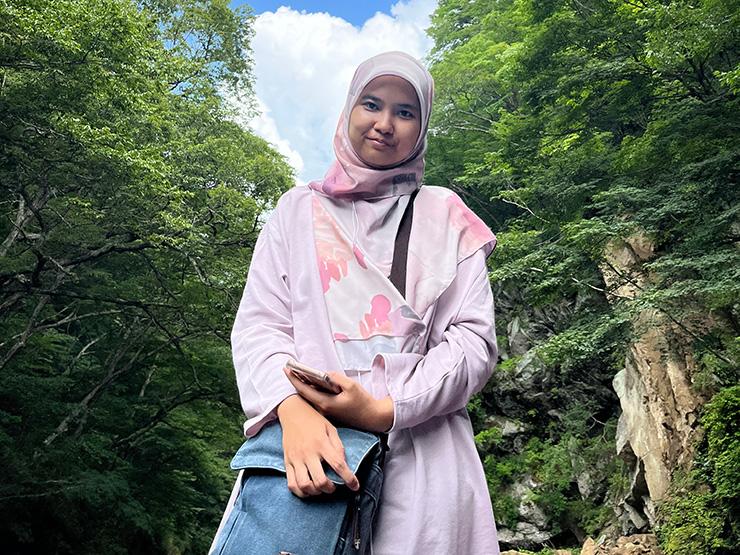
INSYIRAH
From Malaysia
-
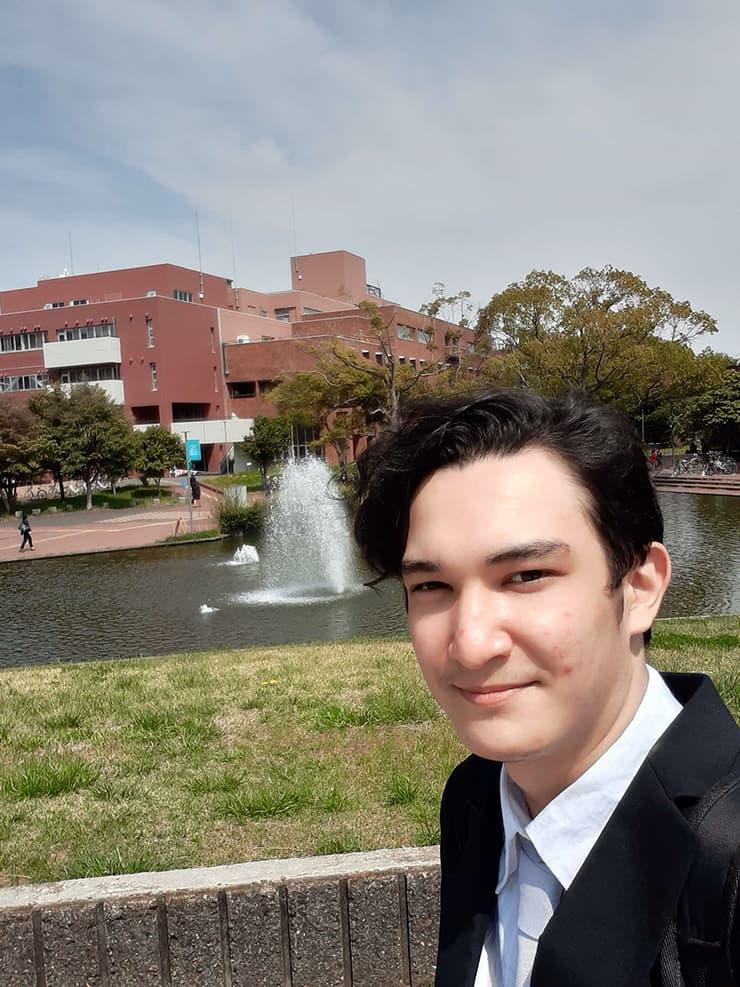
ARAMAKI, CAUE SINGO
From Brazil
-
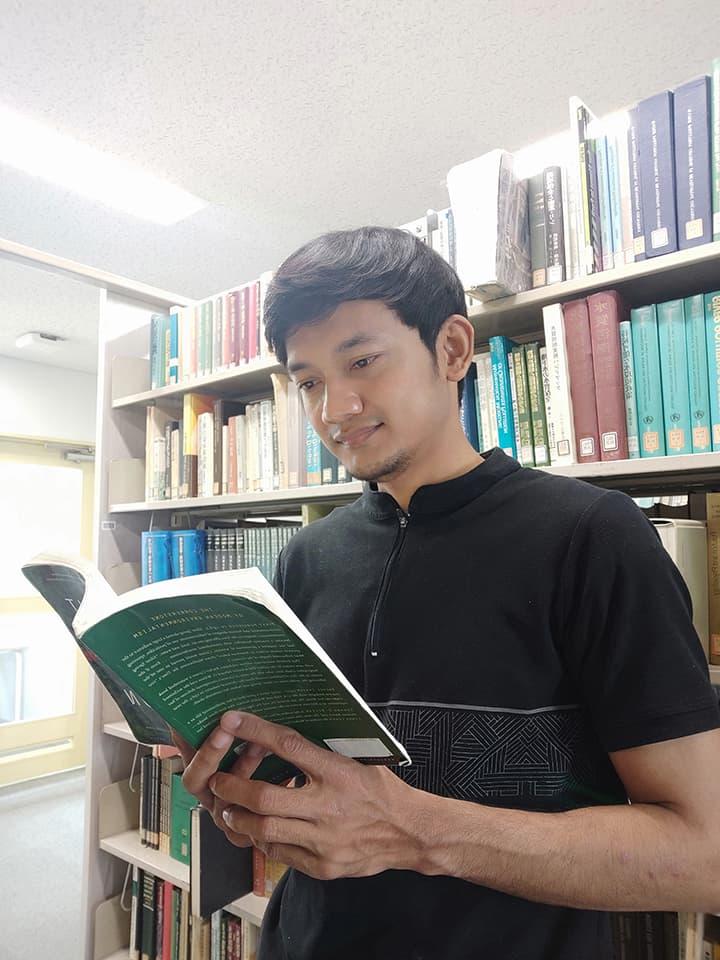
SUHARMAN
From Indonesia
-
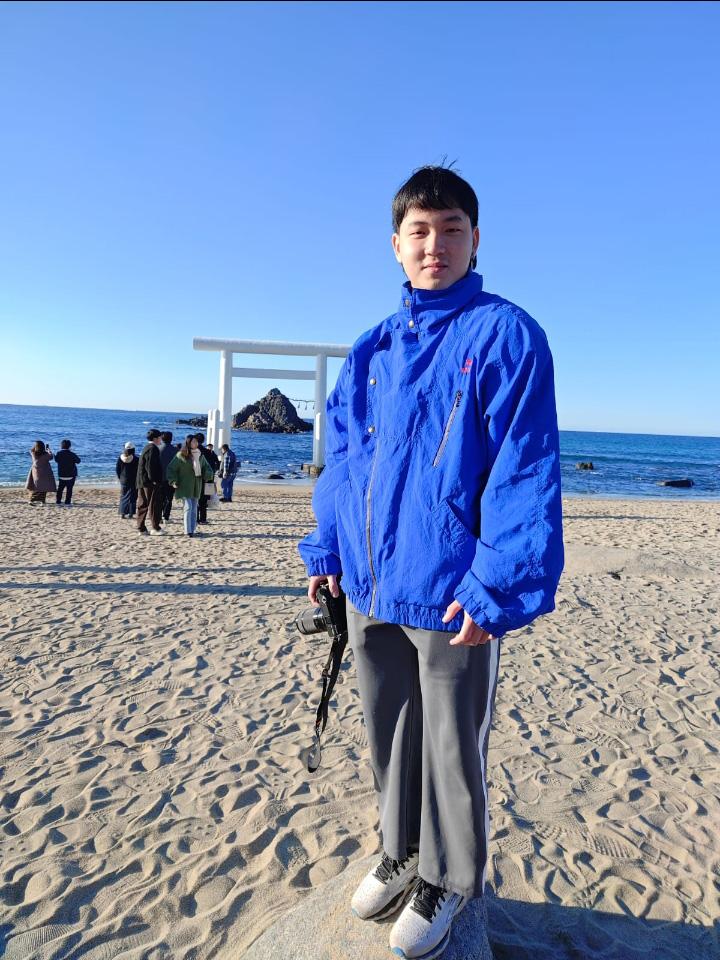
NG RAY SHAN
From Singapore
-
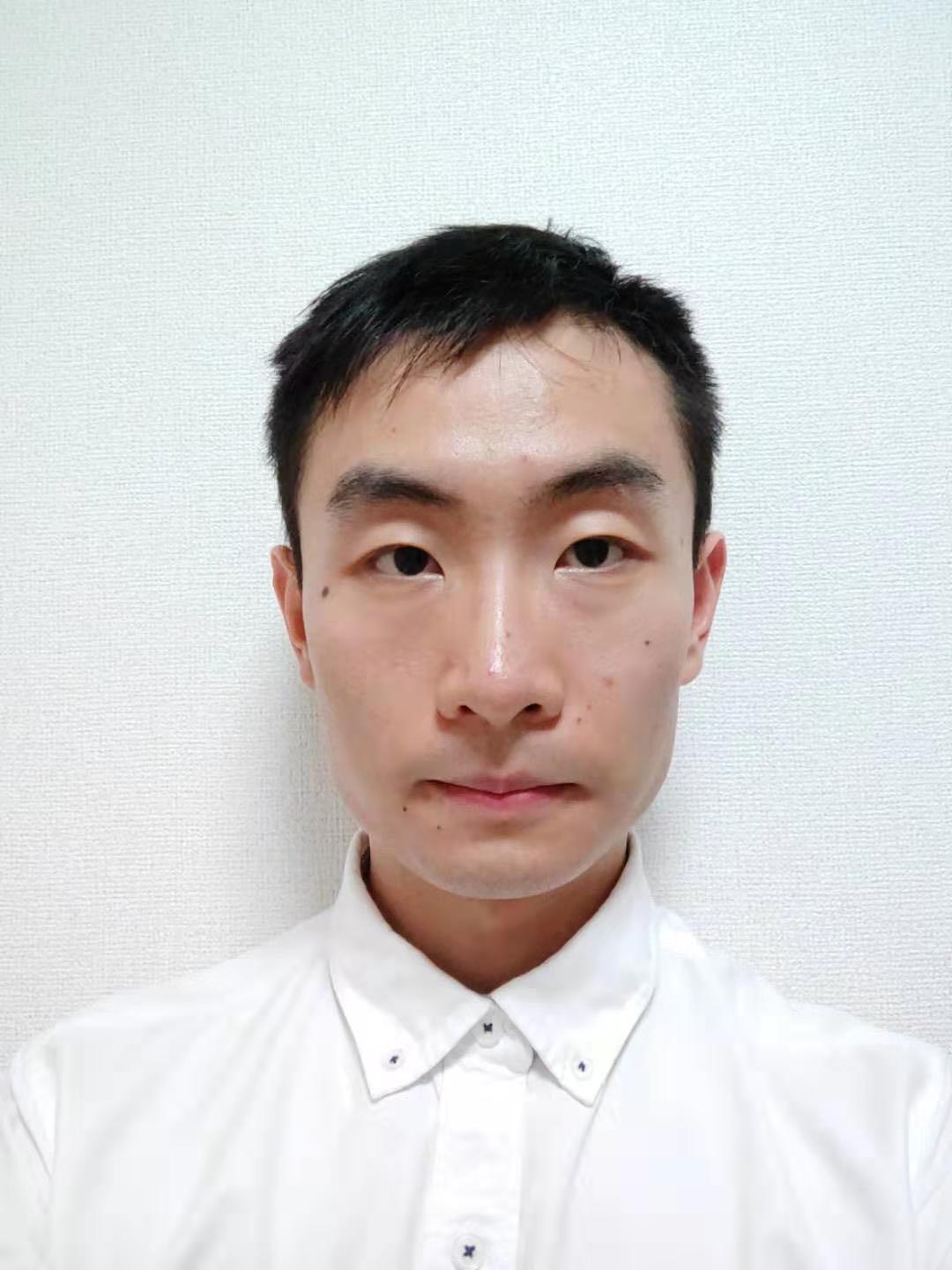
DU XIN
From China
-
YINA SHIN
From Korea
-
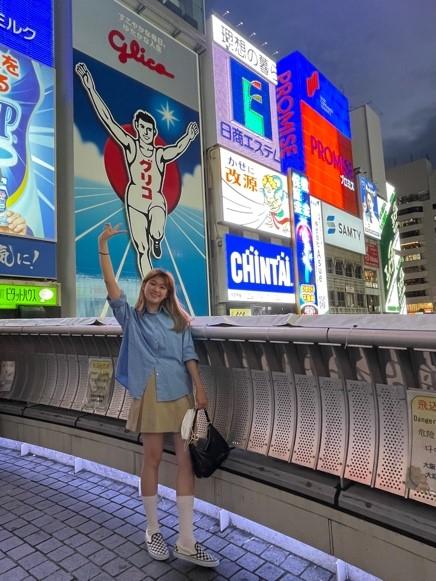
JOOEUN YOON
From Korea
-
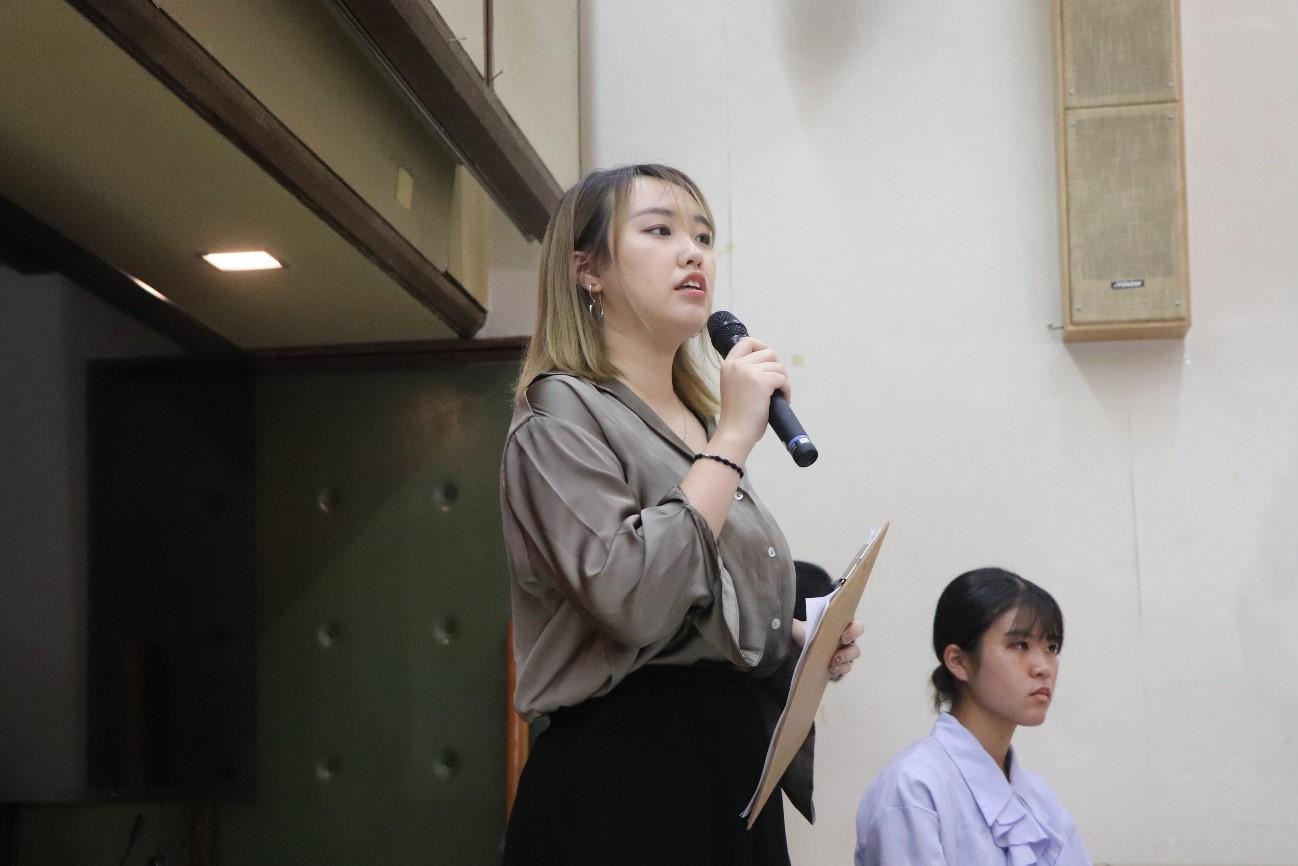
REN YIHAN
From China
-
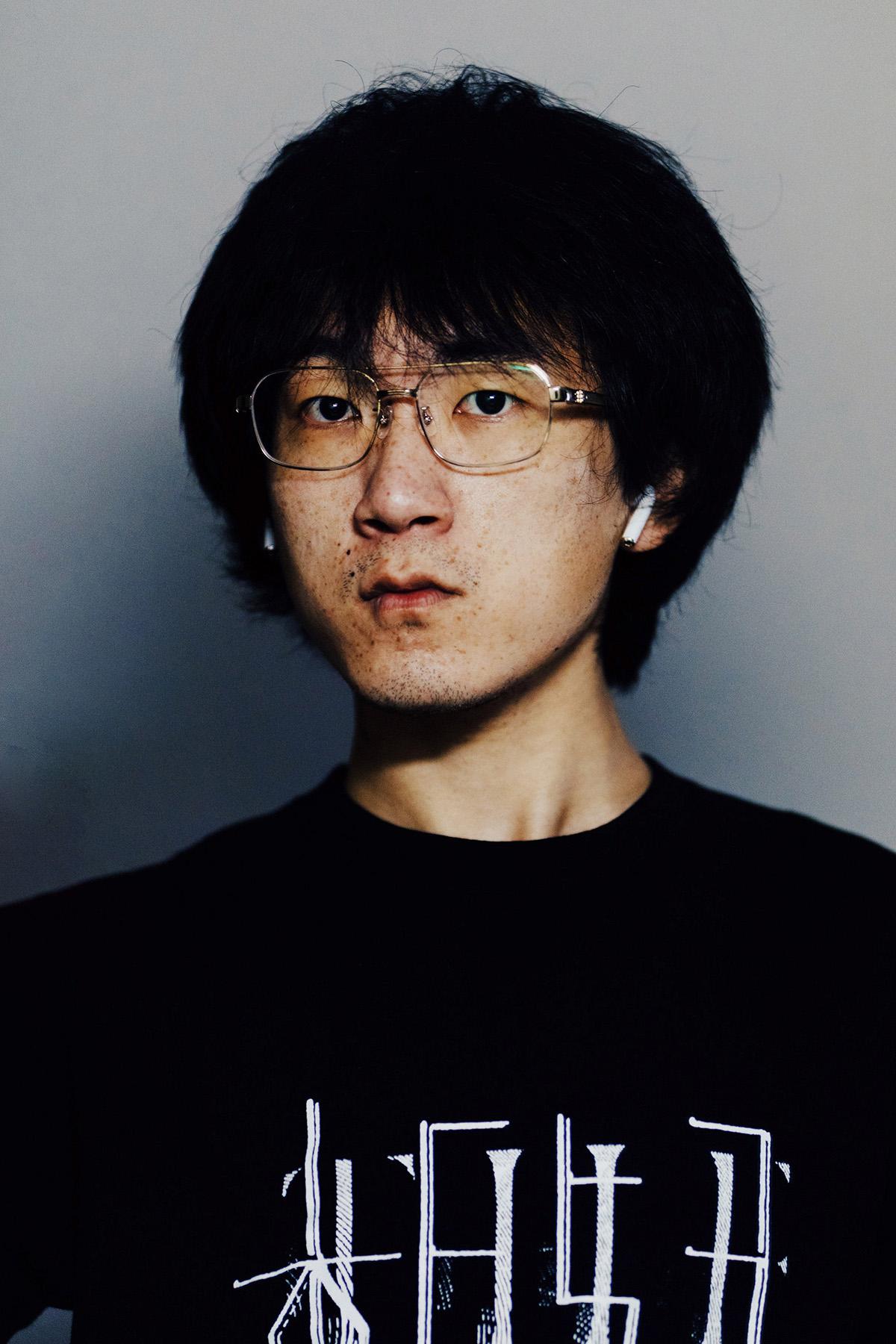
MENG LIYUAN
From China
-
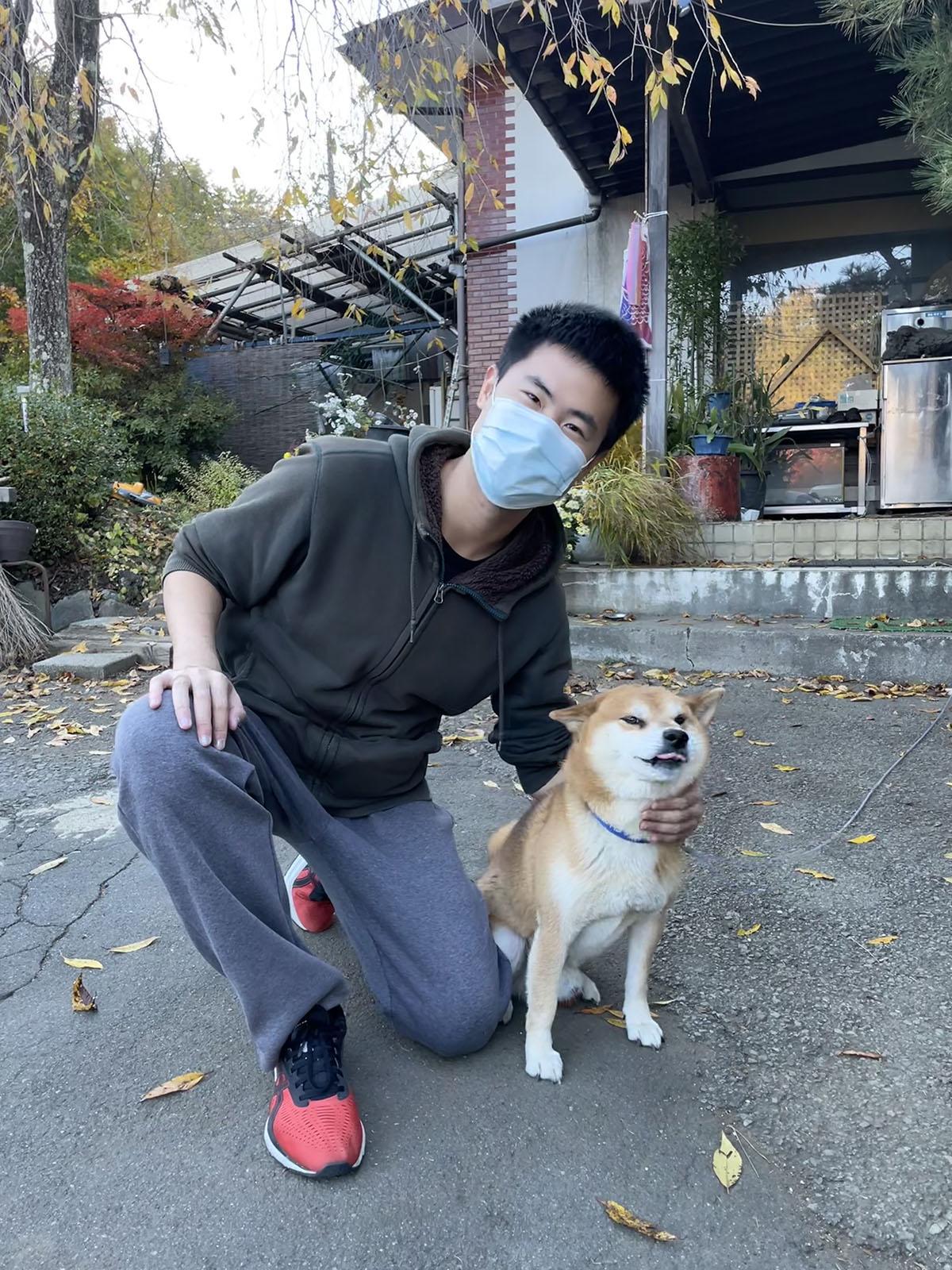
WU BOQIAN
From China
-
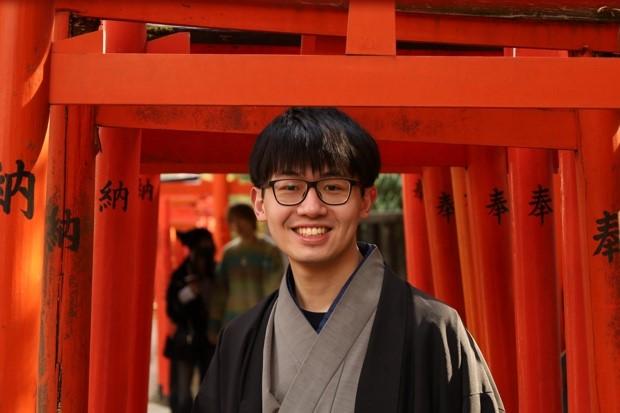
YU, CHENG-HAN
From Taiwan
-
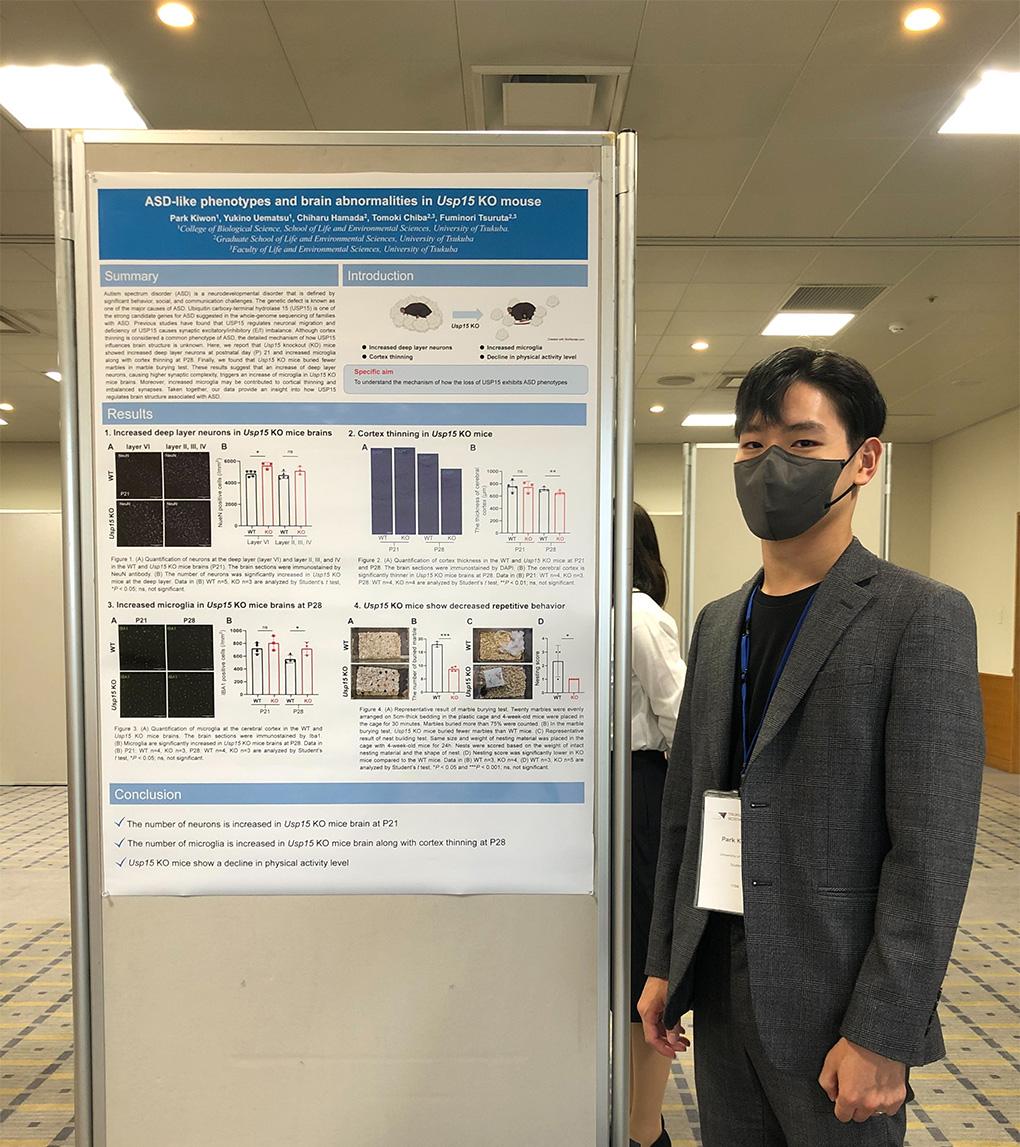
PARK KIWON
From Republic of Korea
-
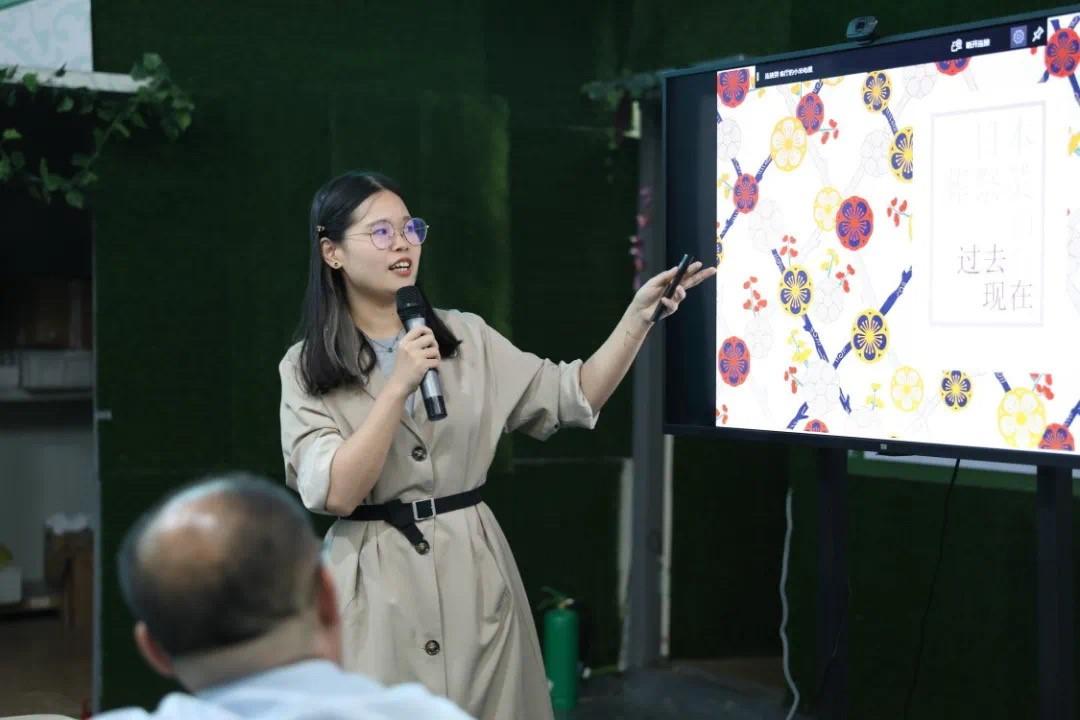
CHEN MIN
From China
-
CHAEYEON LEE
From Republic of Korea
-
ELIZABETH BERGEN-BARTEL
From USA
-
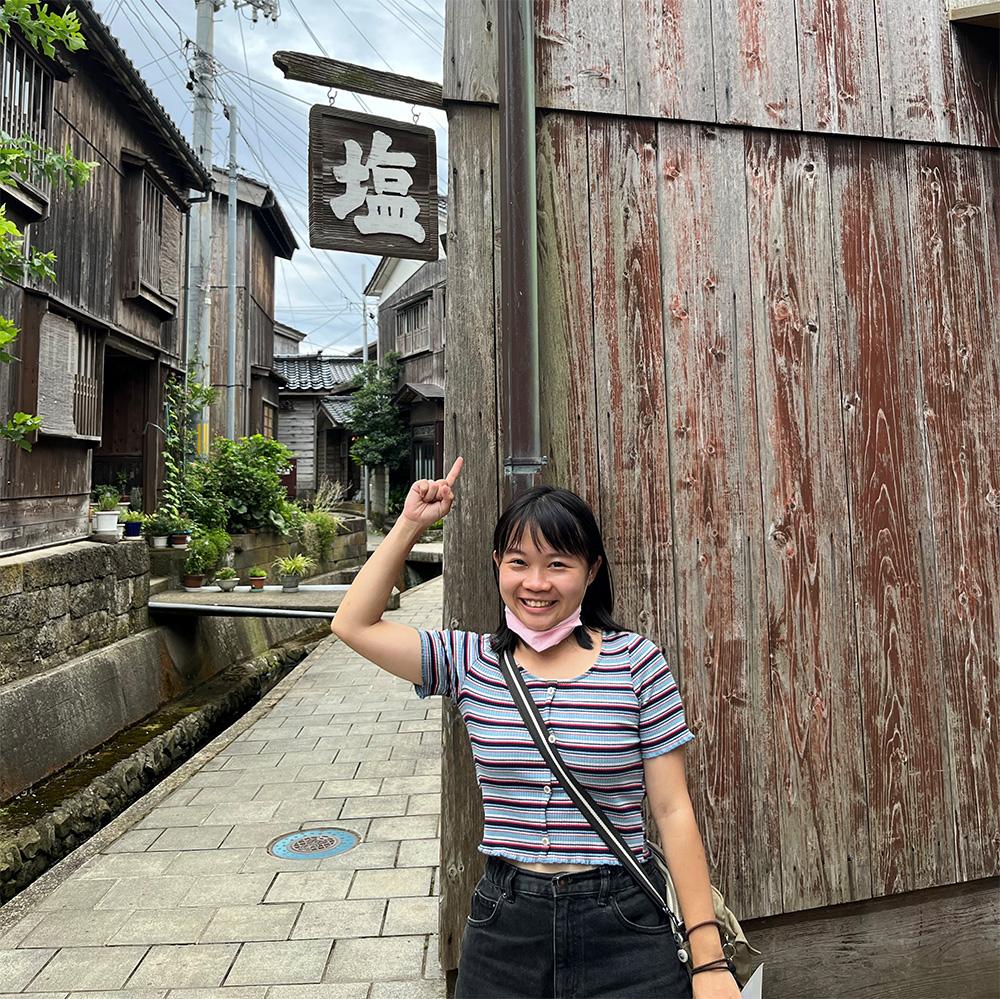
LIAO, HSIN-YEN
From Taiwan
-
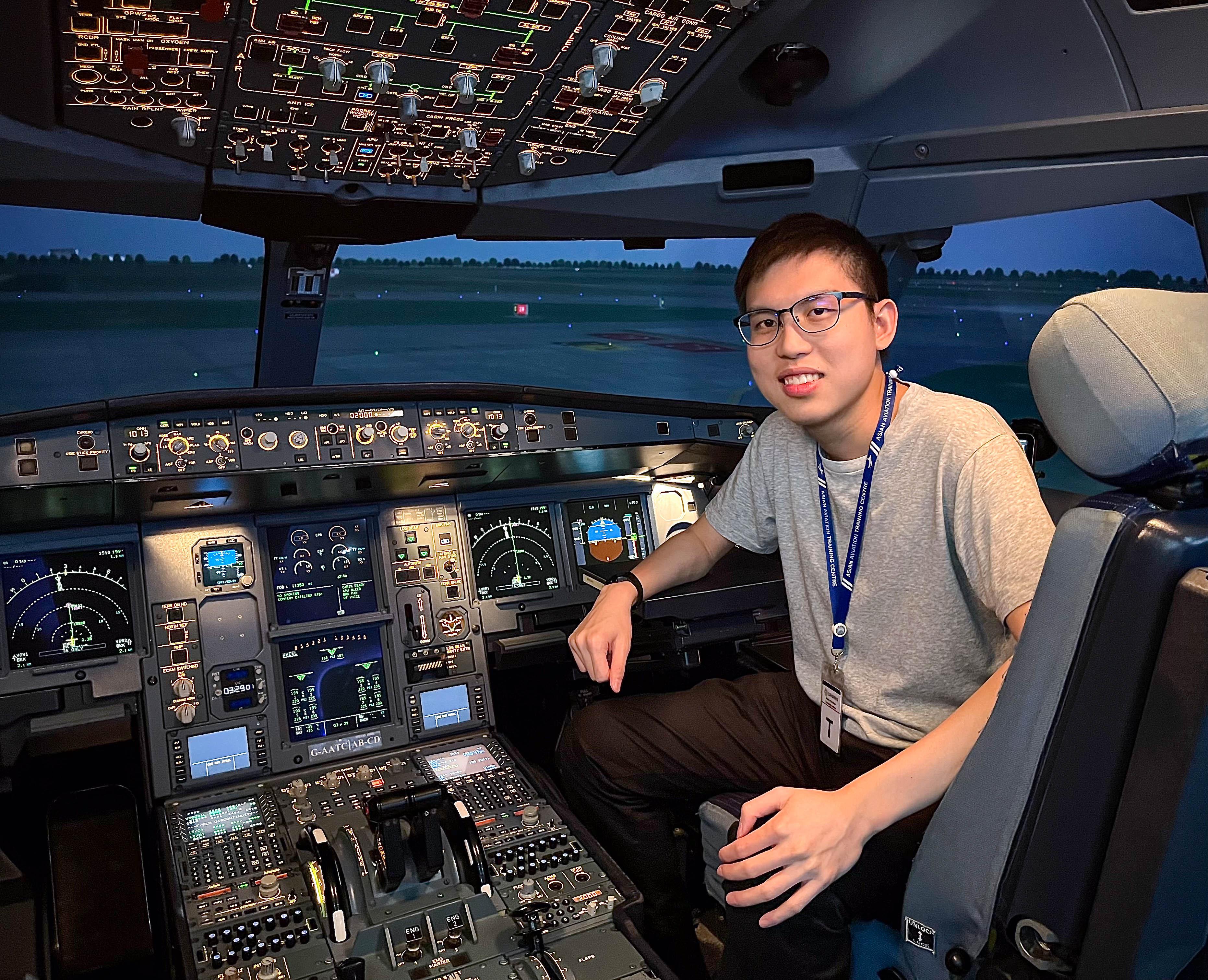
PAKORN WANGSUEKUL
From Thailand
-
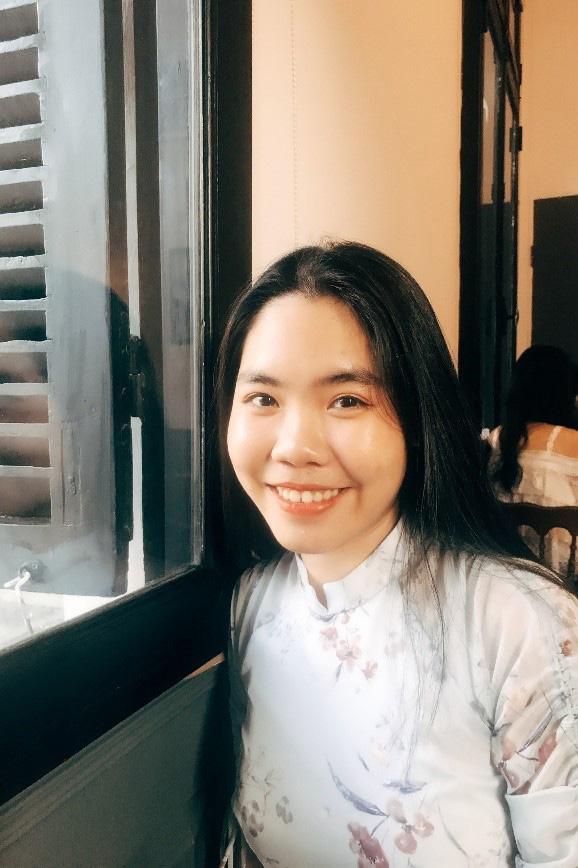
NGUYEN THUY ANH
From Vietnam
-
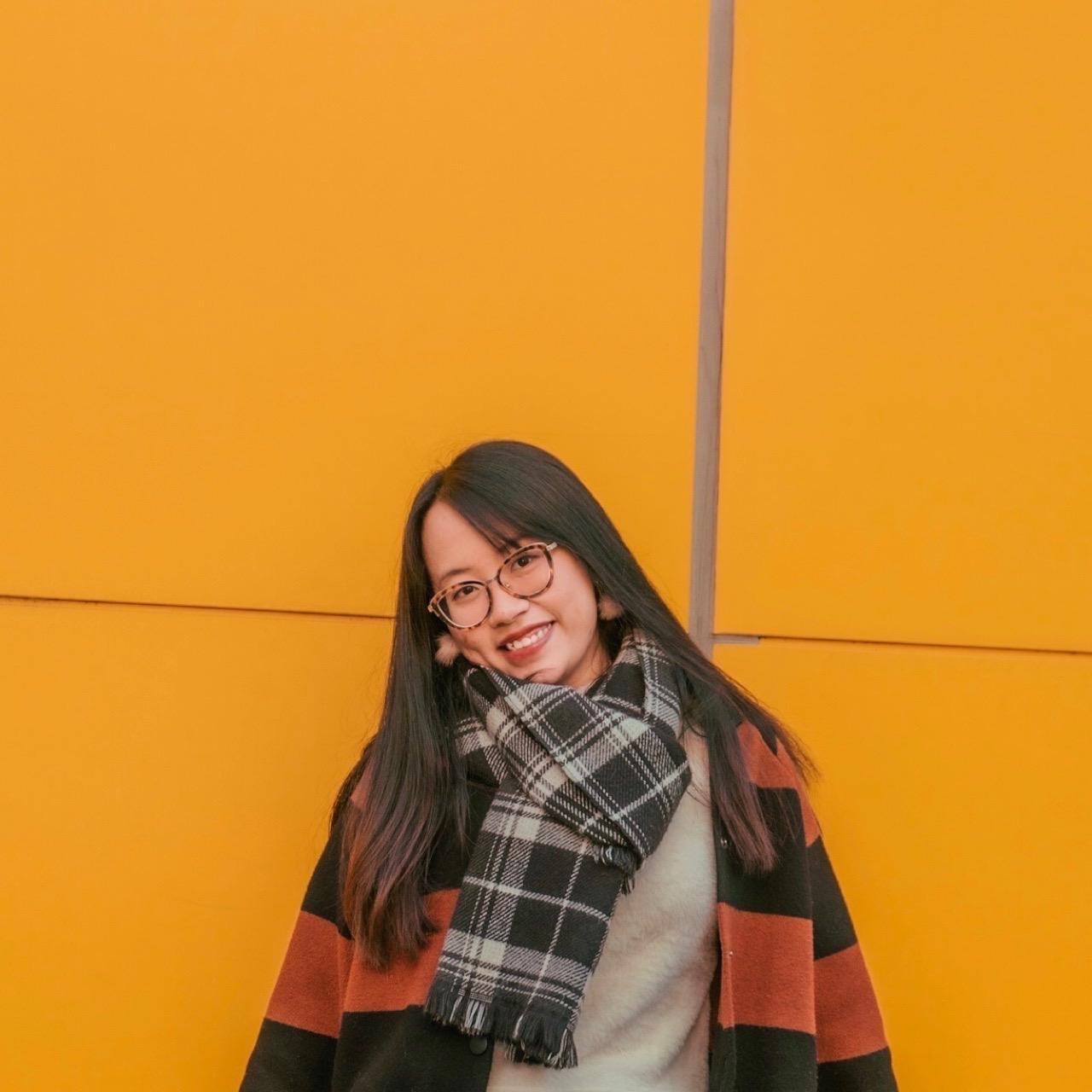
LAN CHI
From Vietnam
-
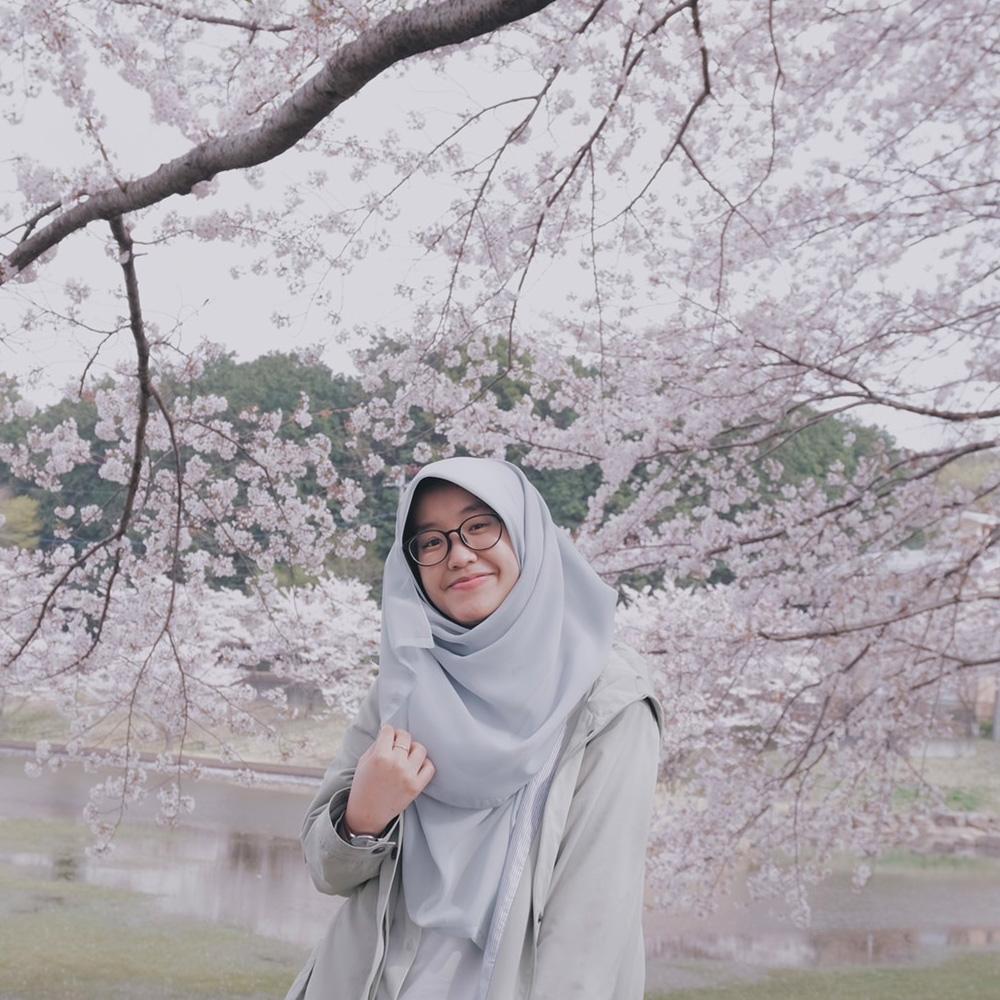
NADIA HASNA KARIMAH
From Indonesia
-
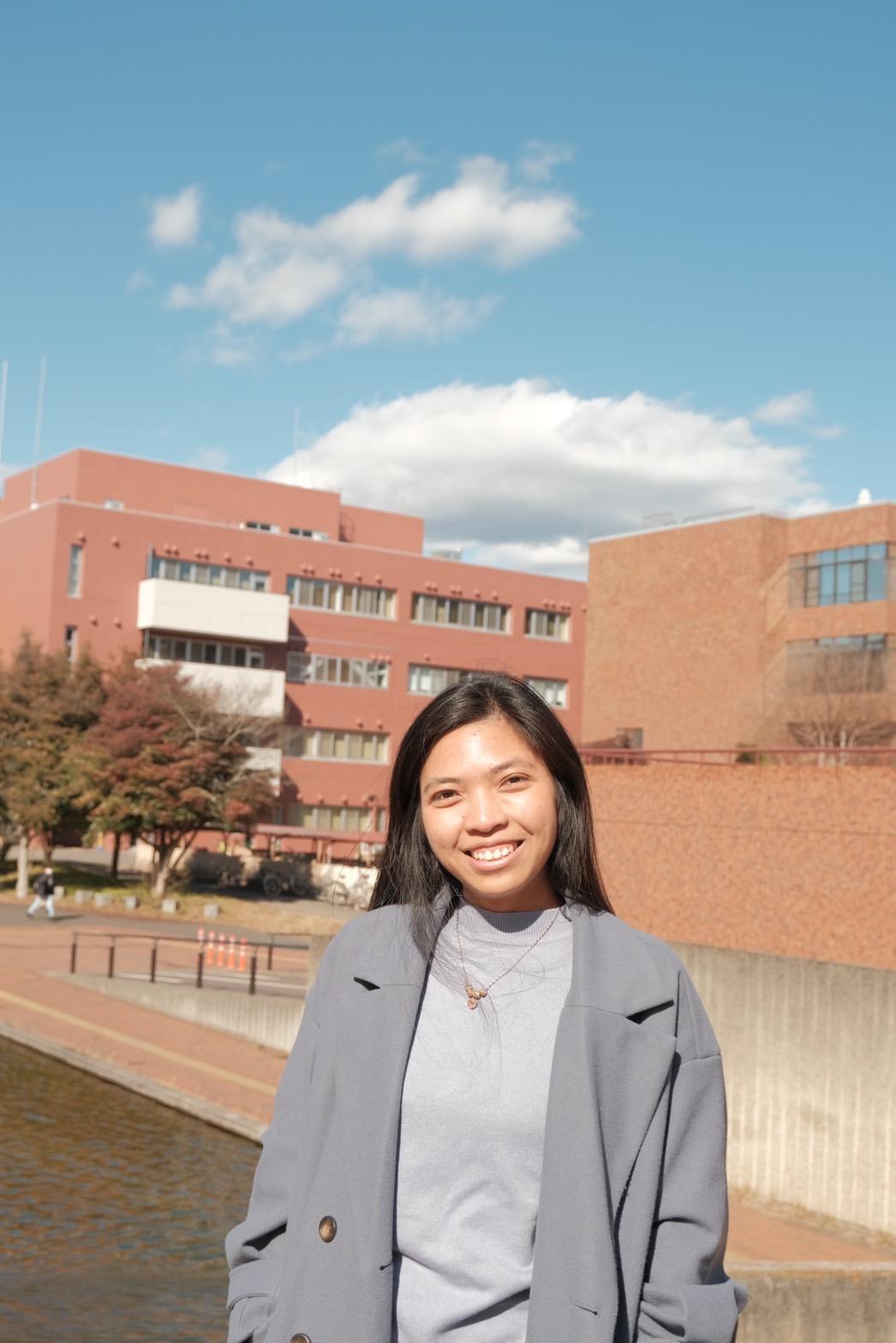
HNIN OO
From Myanmar
-
KAWTAR
From Morocco
-
NA
From China
-
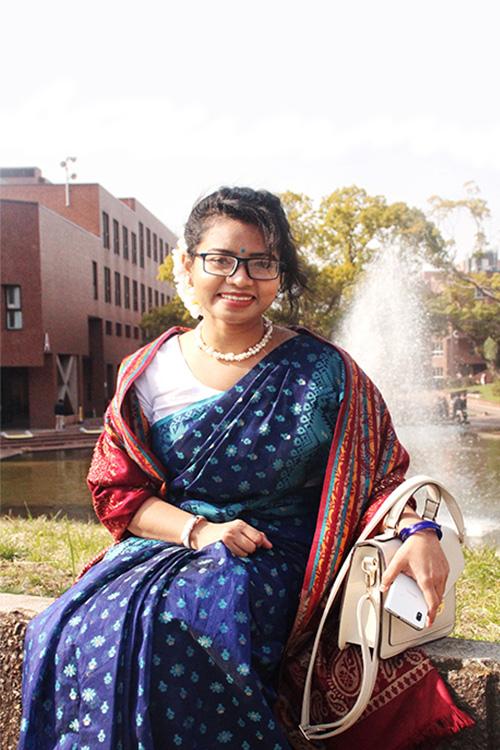
AFSARI
From Bangladesh
-
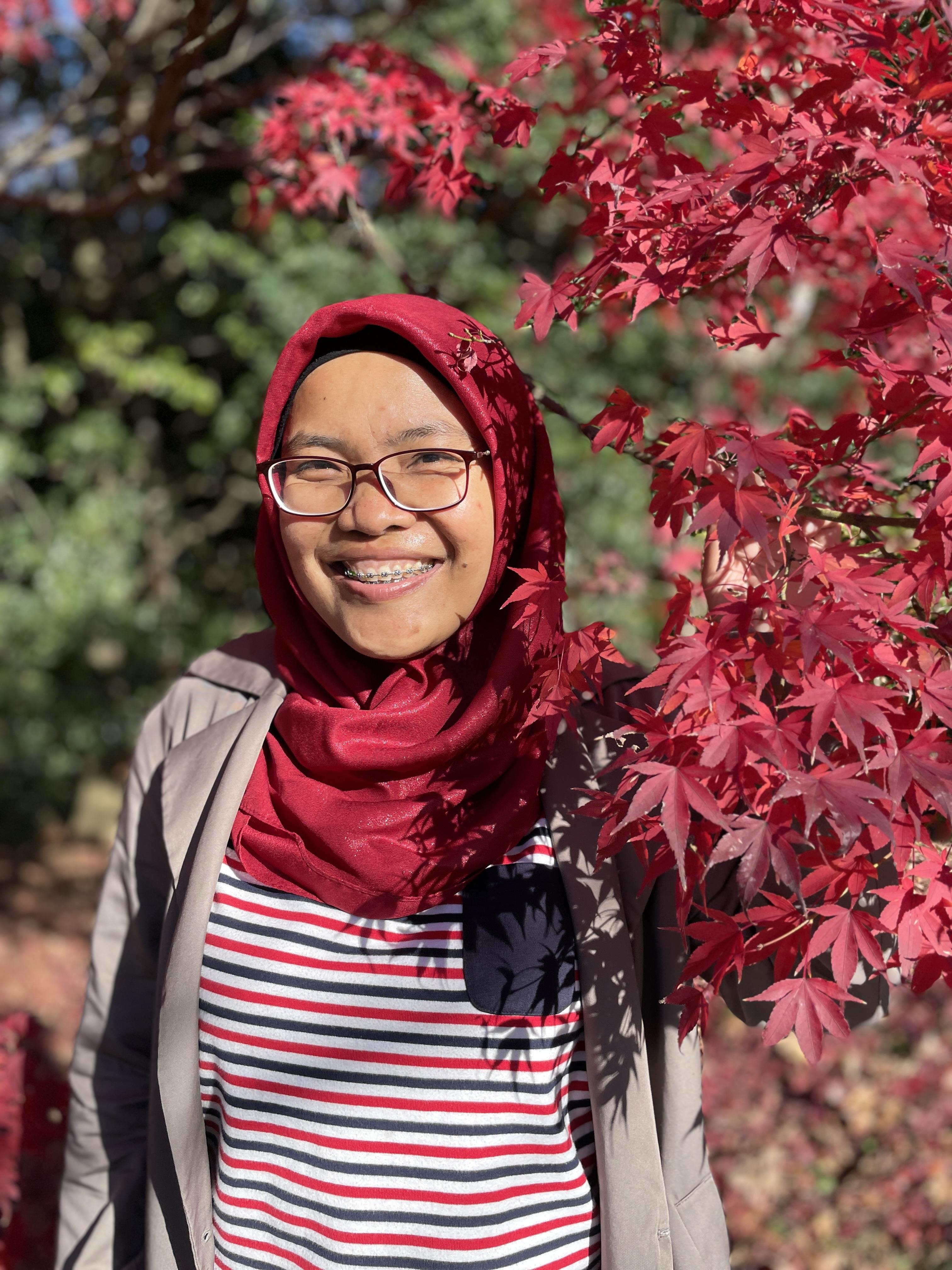
REZA
From Indonesia
-
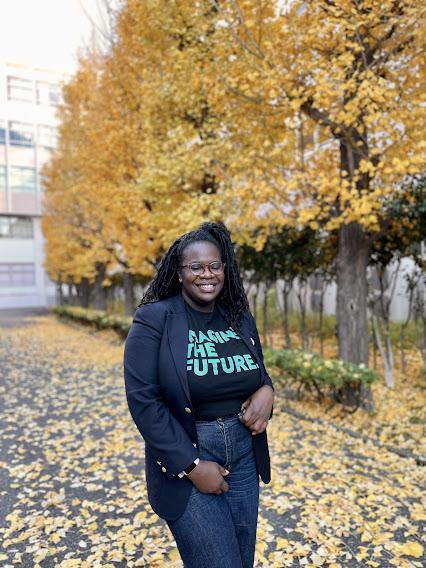
YOLANDA GRAÇA
From Angola
-
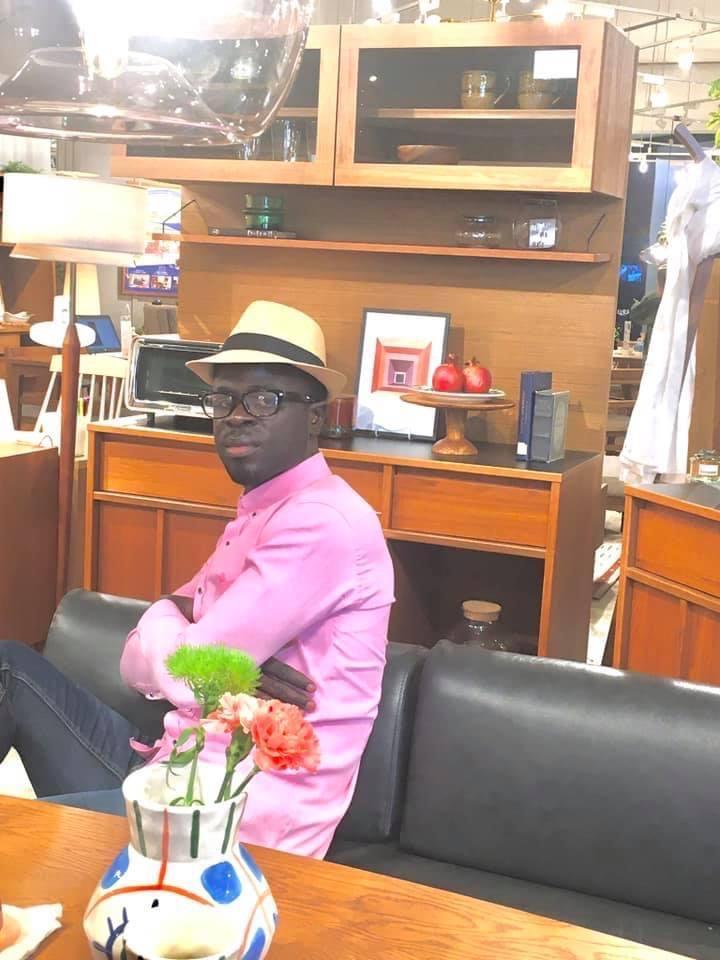
ADOM
From Ghana
-
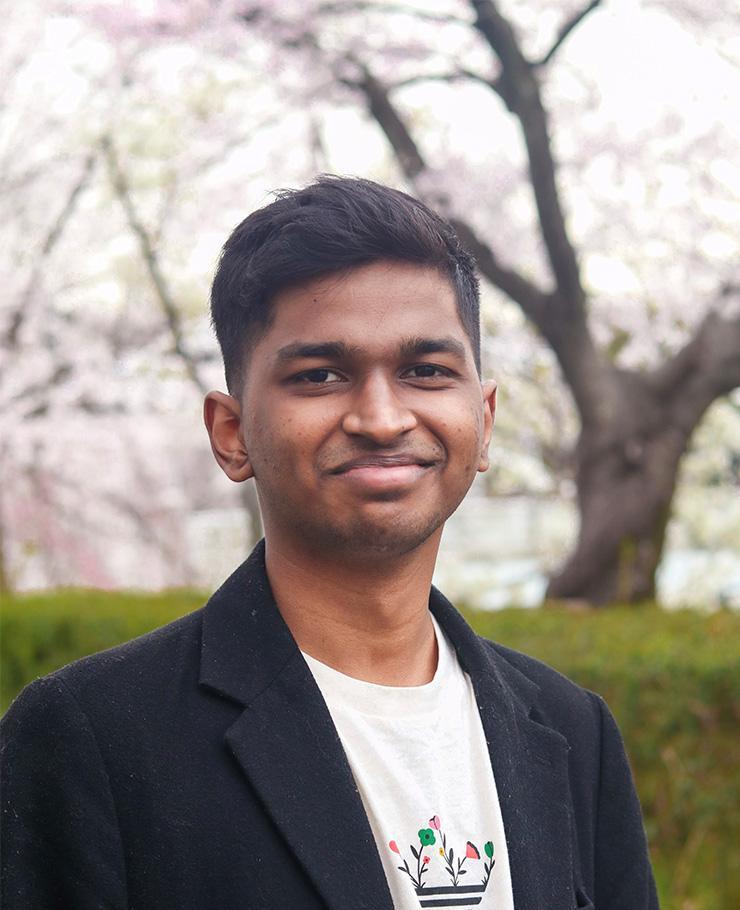
SUDHIR
From India
-
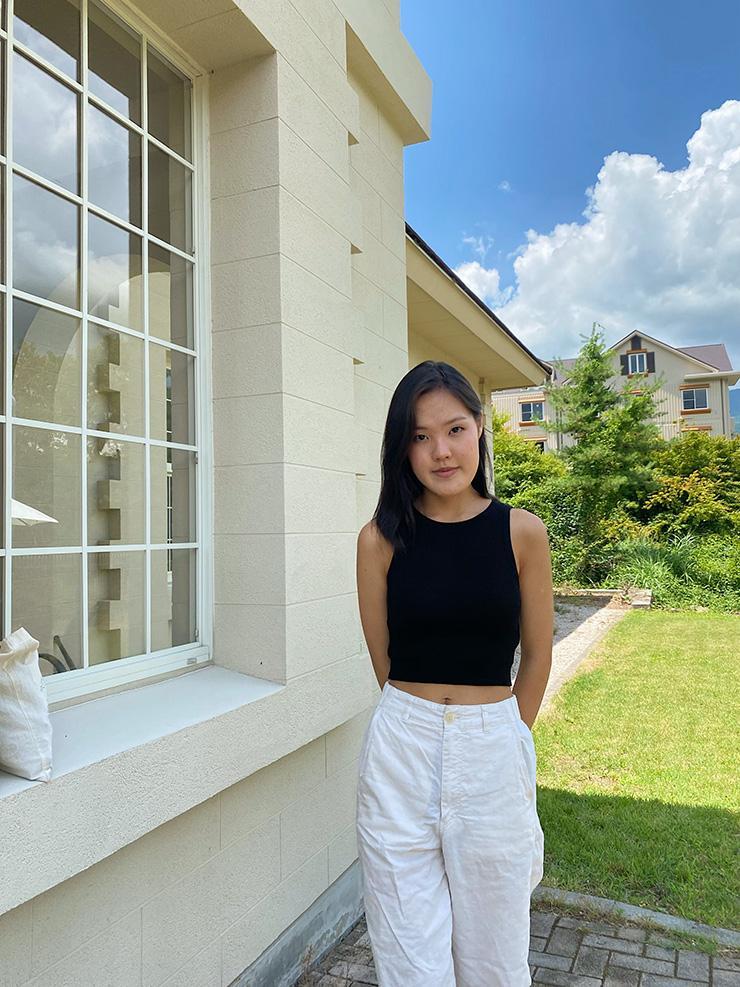
MIKI
From Mongolia/Japan
-
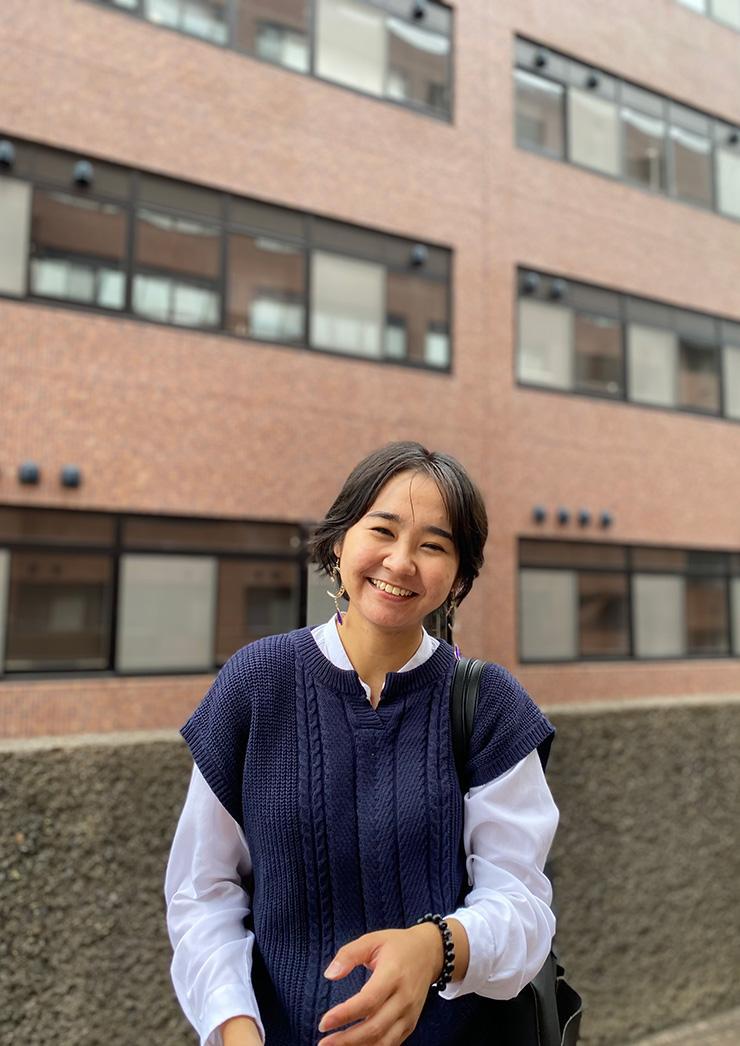
AISANA
From Kazakhstan
-
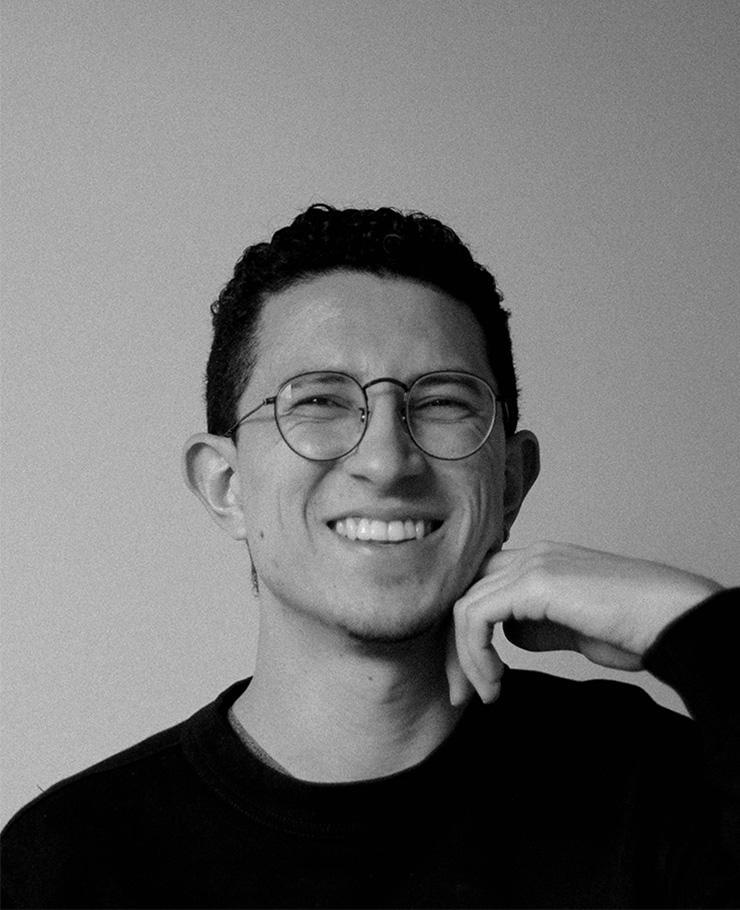
VITHOR SILVA
From Brazil
-
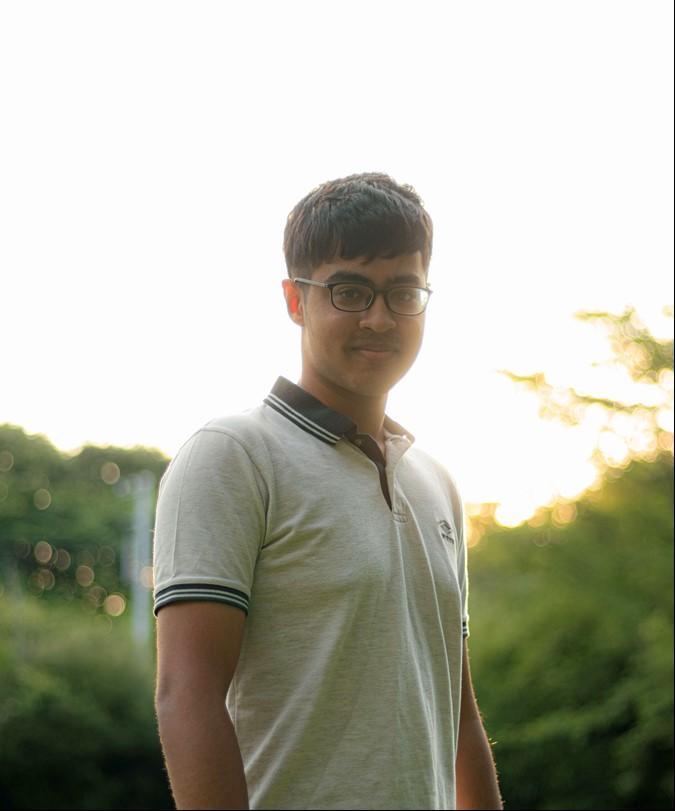
CHINMAY
From India
-
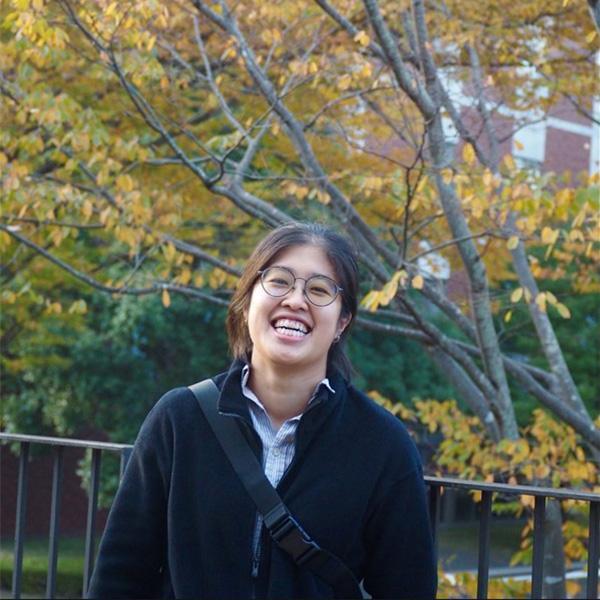
JEE
From Thailand
-
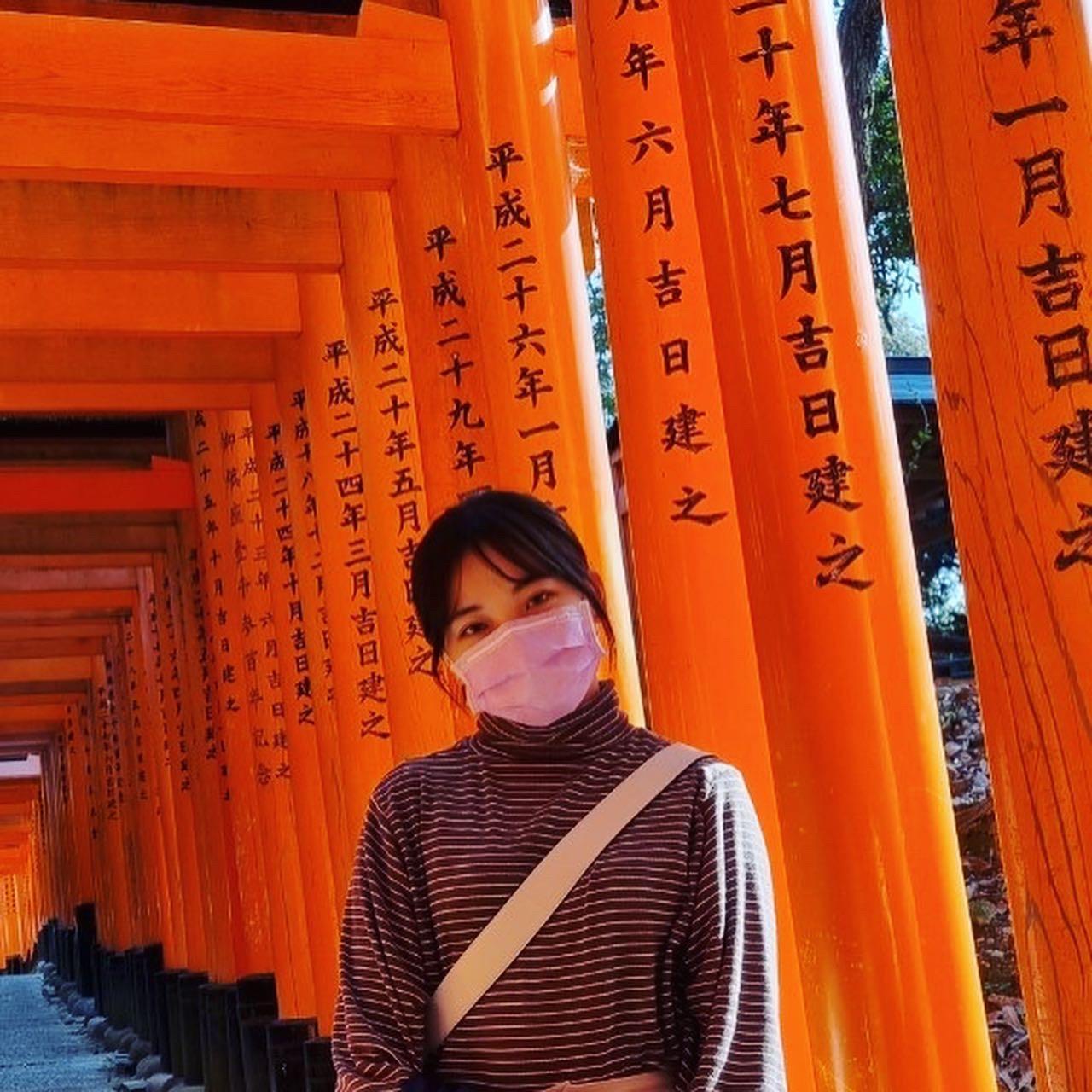
ISLA
From Taiwan
-
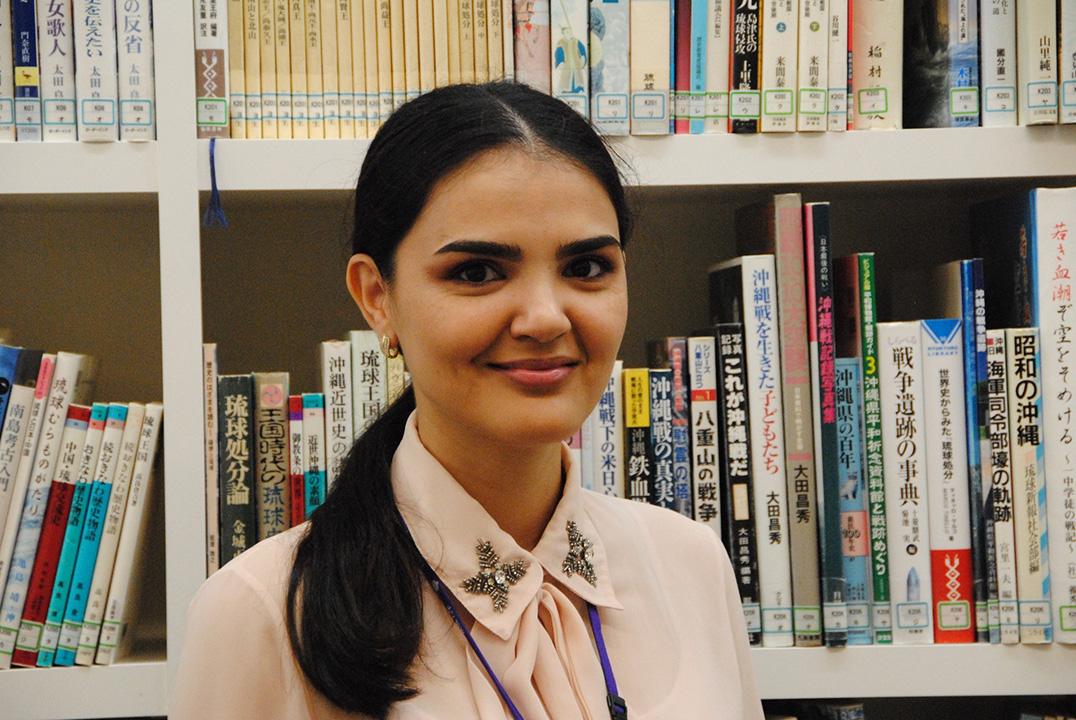
MIVE
From Turkmenistan
-
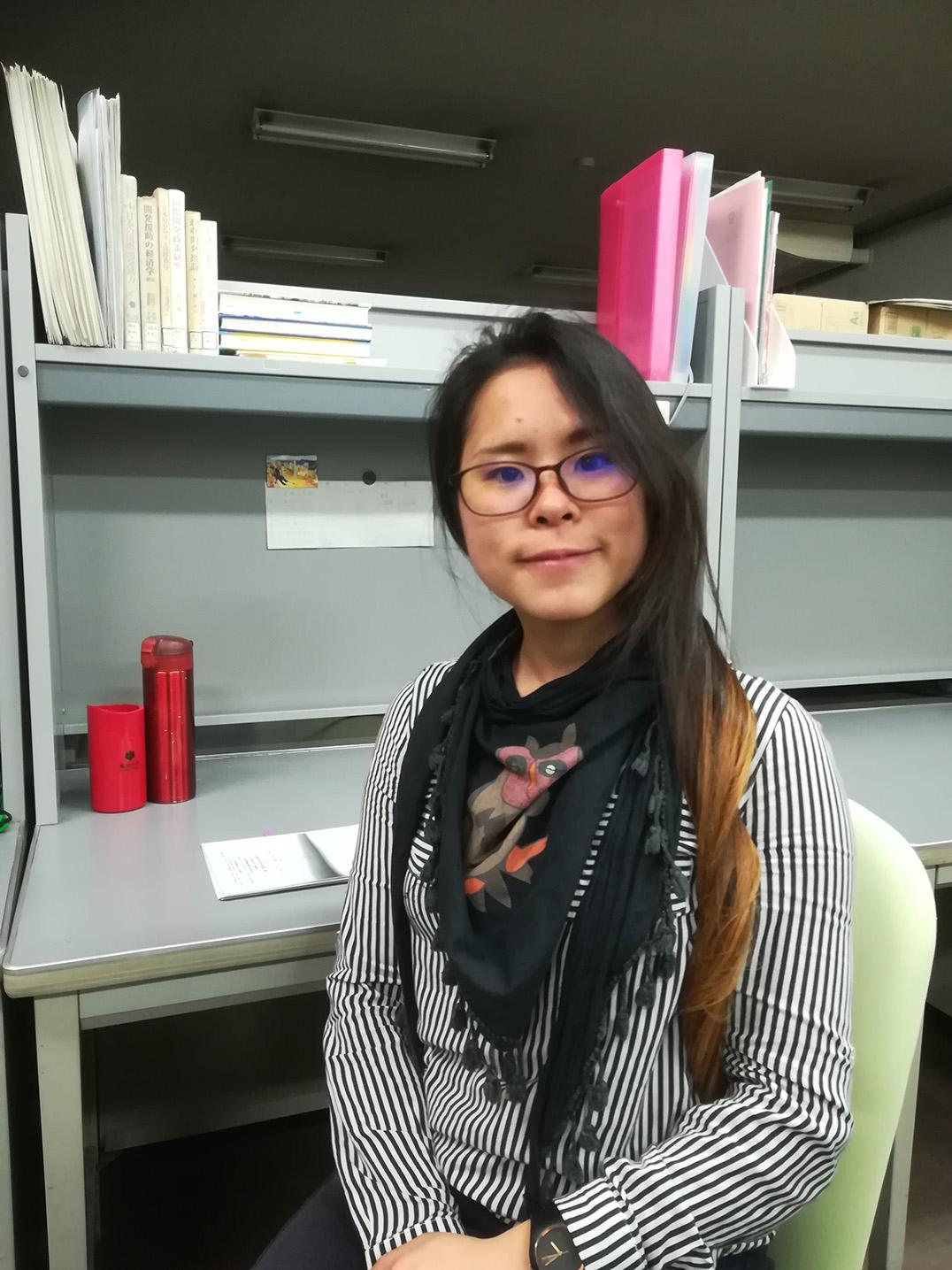
LAURA
From Argentina
-
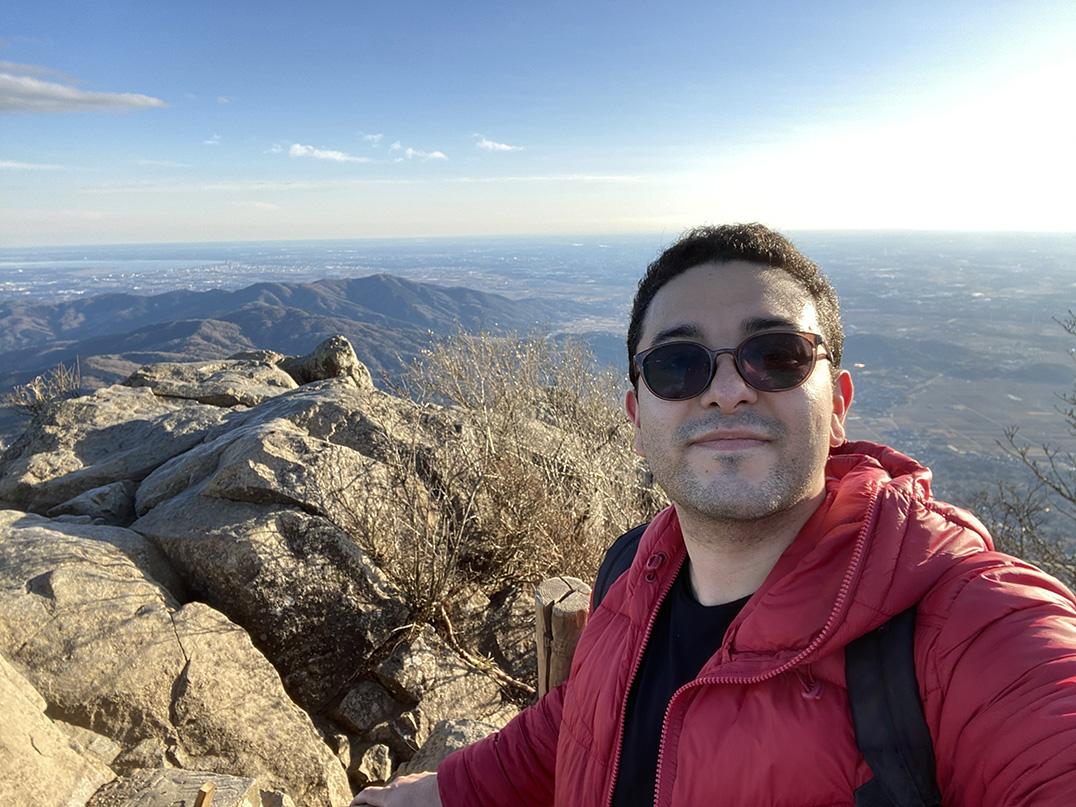
SERGIO
From Colombia
-
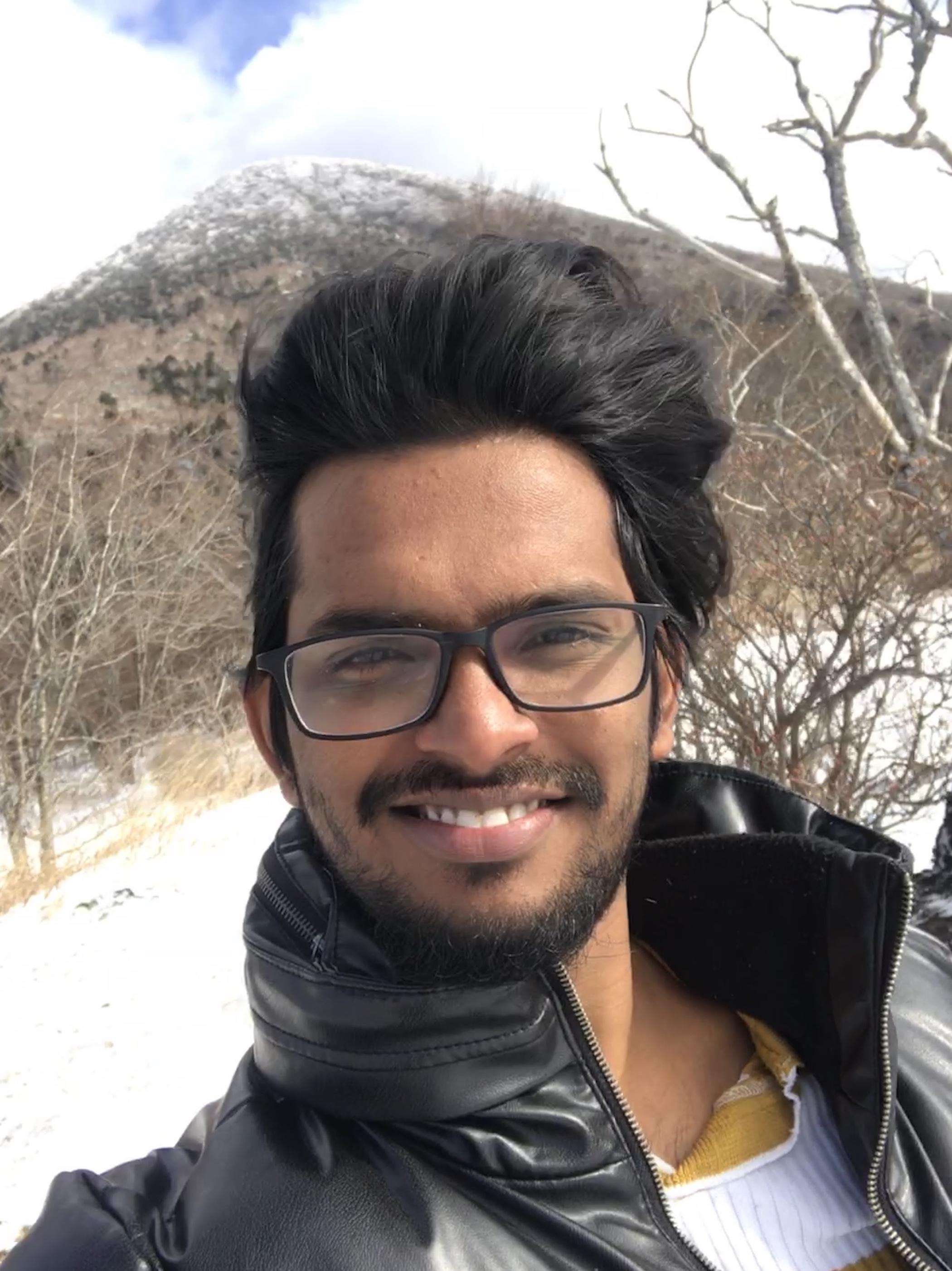
LENNY
From India
-
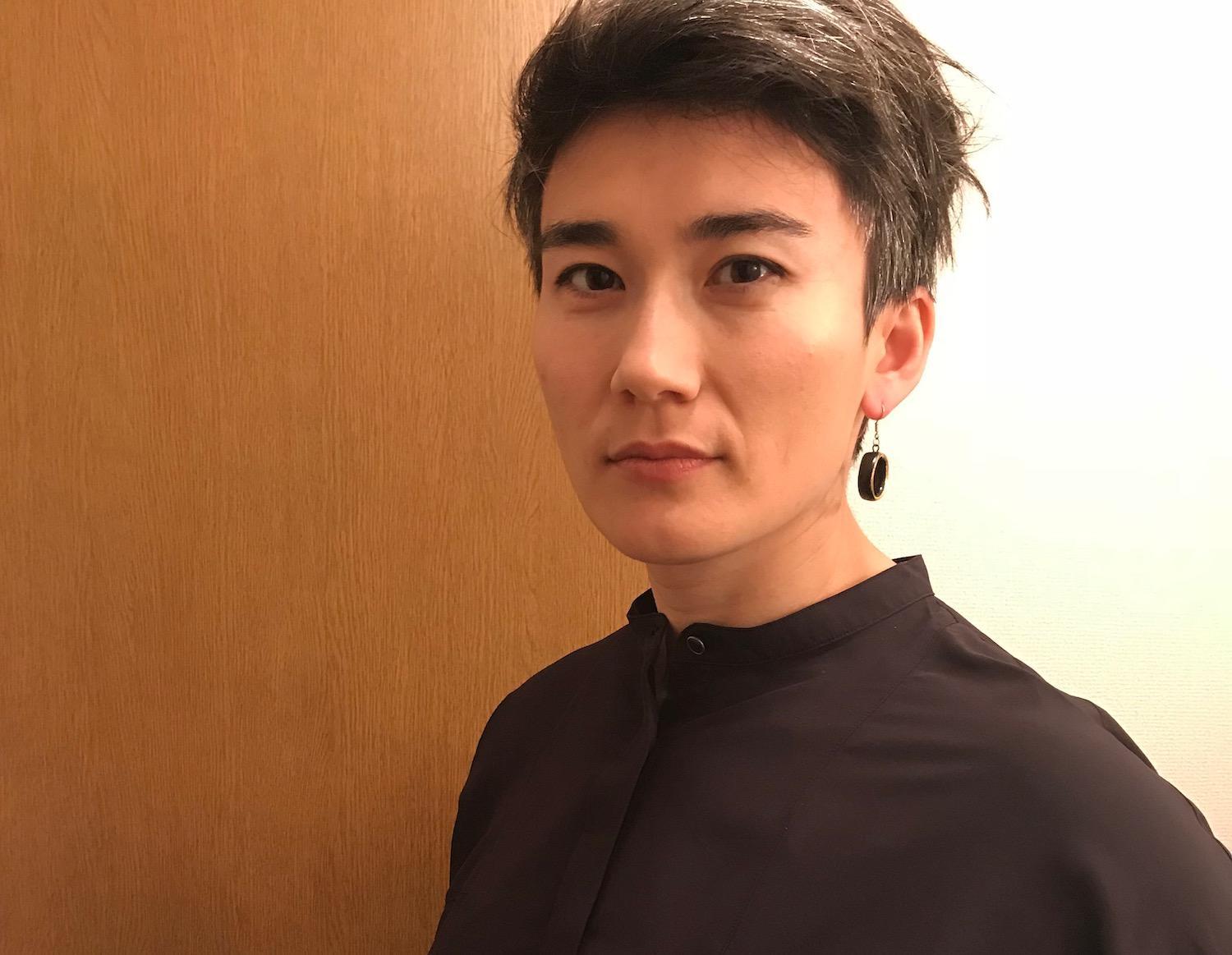
ZHANAR
From Kazakhstan
-
PENG
From Malaysia
-
RAVI
From Nepal
-
SUNITA
From Nepal
-
ATOM
From Thailand